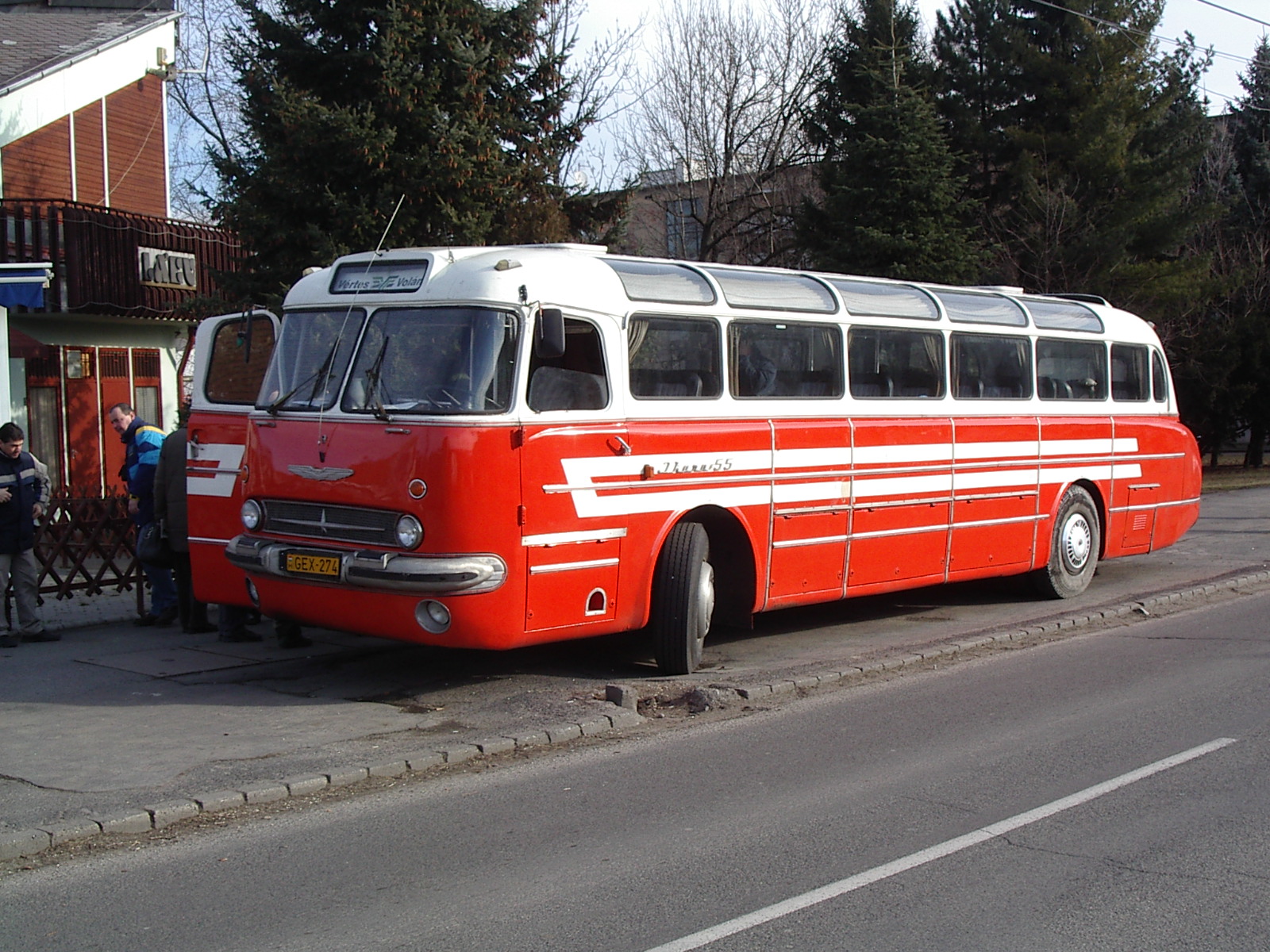
The Ikarus 55 bus series was in production between 1954 and 1973. First time I traveled with this series was 2007. The bus in the picture was built in 1970 and owned by former Vértes Volán coach company on the day of my trip.
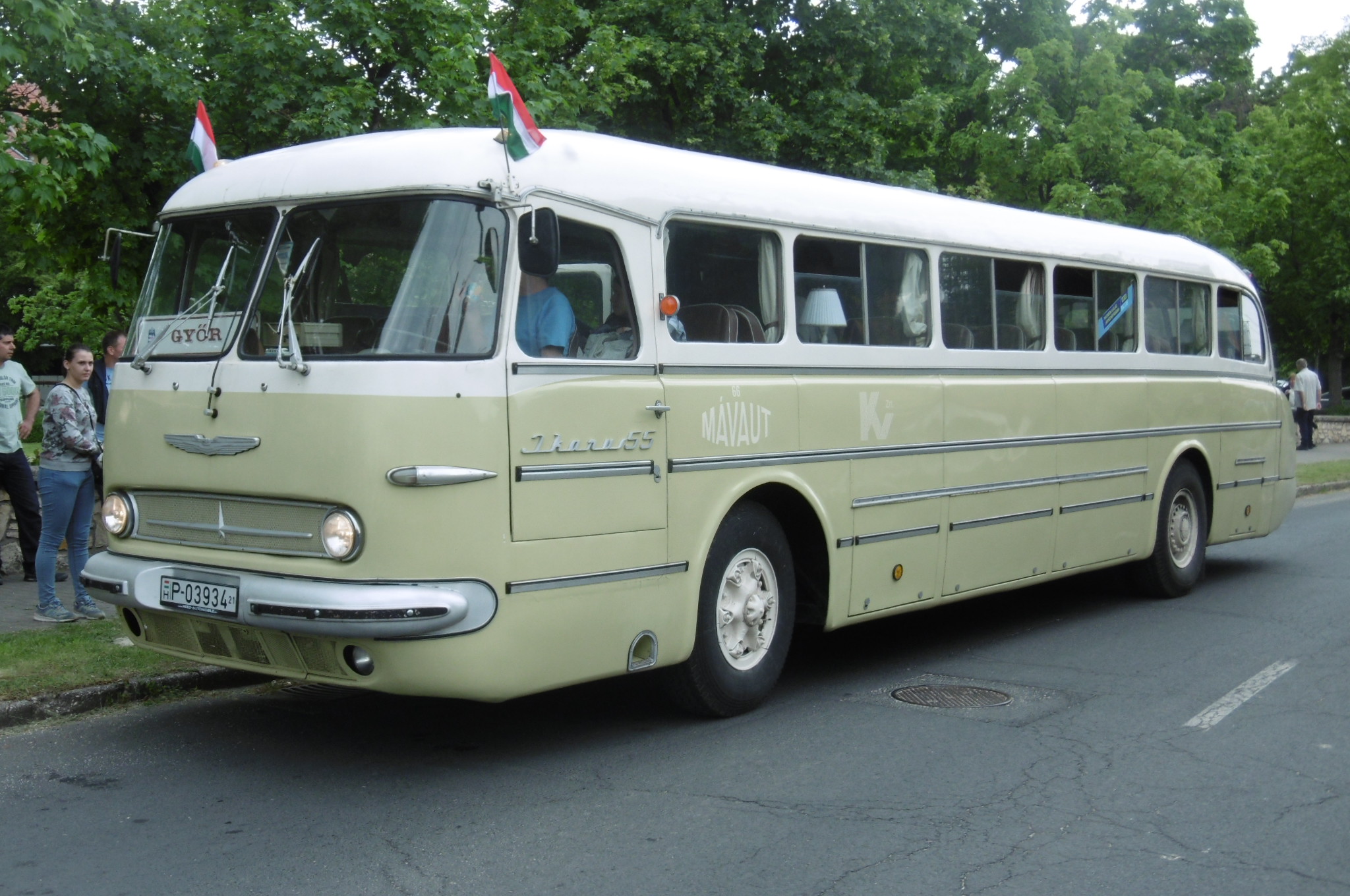
Ikarus 55 buses were rear-engined and had monocoque body which was a modern technology in the 1950s. This bus was produced in 1956, I was lucky enough to travel by it in 2010 in Győr. My photo was taken in Tapolca at the International Ikarus Meeting of 2018.
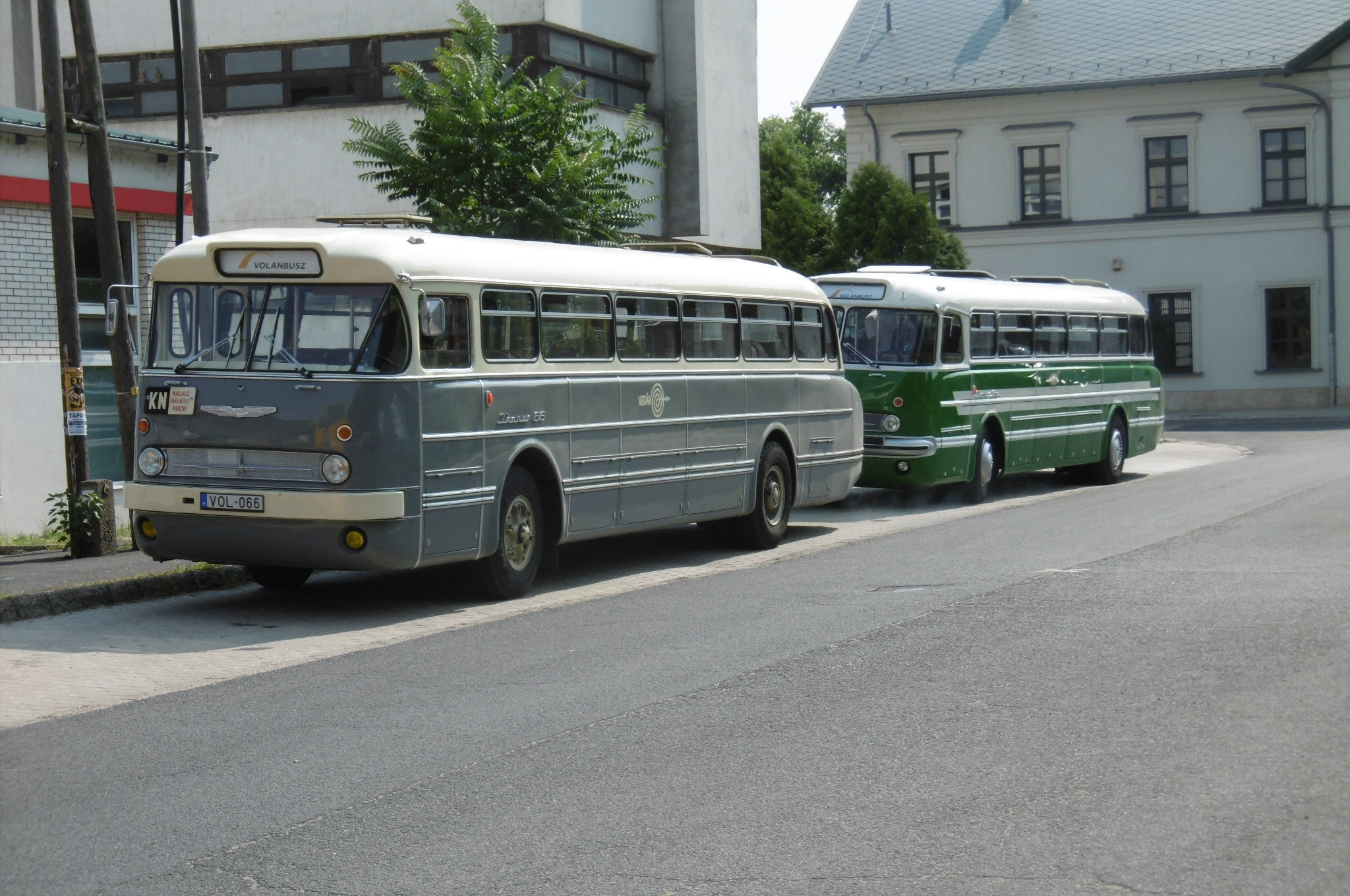
On the front you can see a bus of Ikarus 66 series which was the urban version of Ikarus 55, had an additonal door in the middle. It was built in 1972. Behind it there is an Ikarus 55 of former Kapos Volán company, manufactured in 1967. I traveled by both of them in 2021 around Tapolca, as an extra part of MÁV Retro Train Weekend.
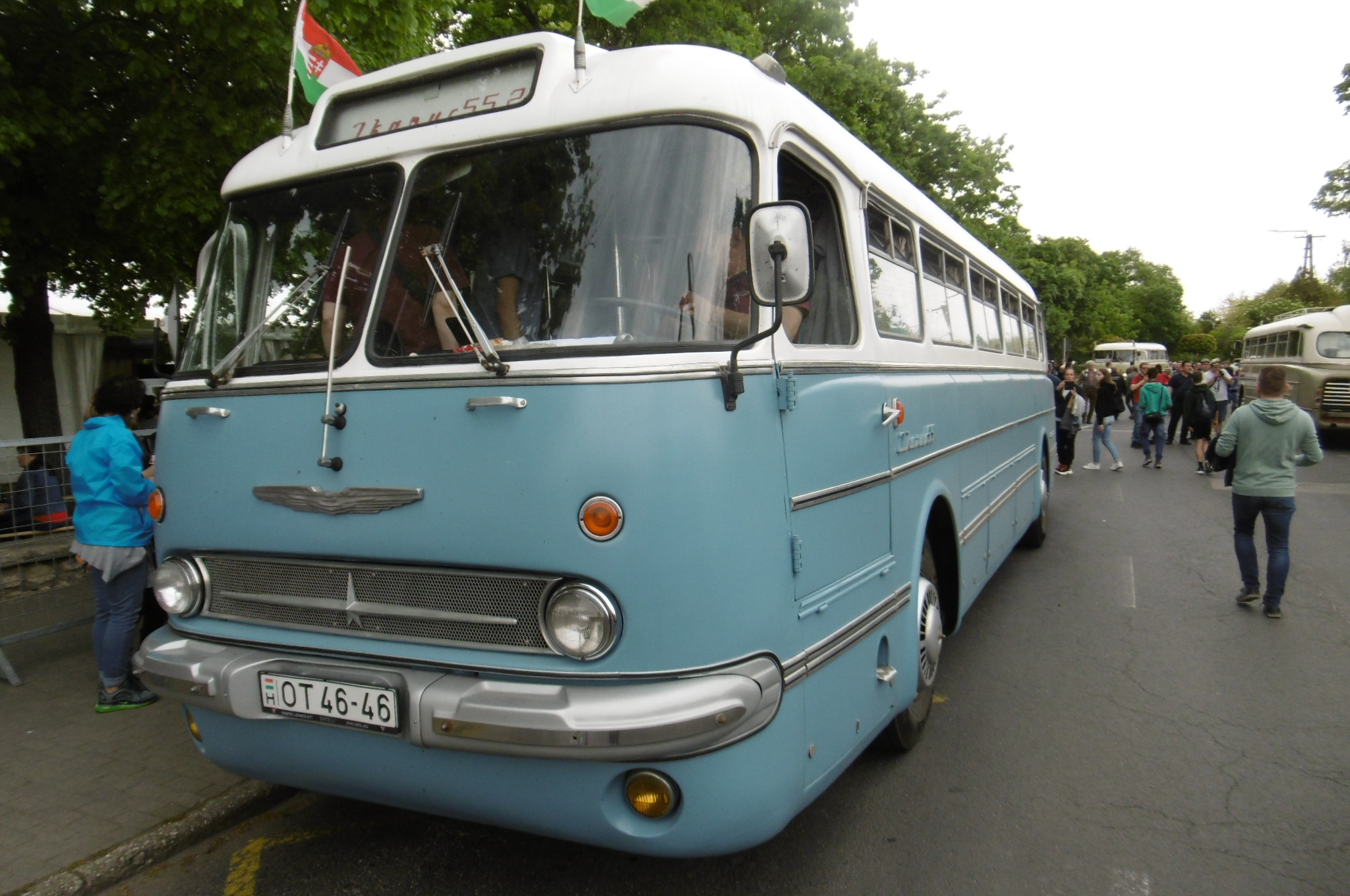
This blue Ikarus 55 bus is private property, was produced in 1971. I traveled by it during the International Ikarus Meeting of Tapolca in 2022. In the background you can see a back of an other Ikarus 55 bus. This series was exported to several countries, including East-Germany and the Soviet Union.
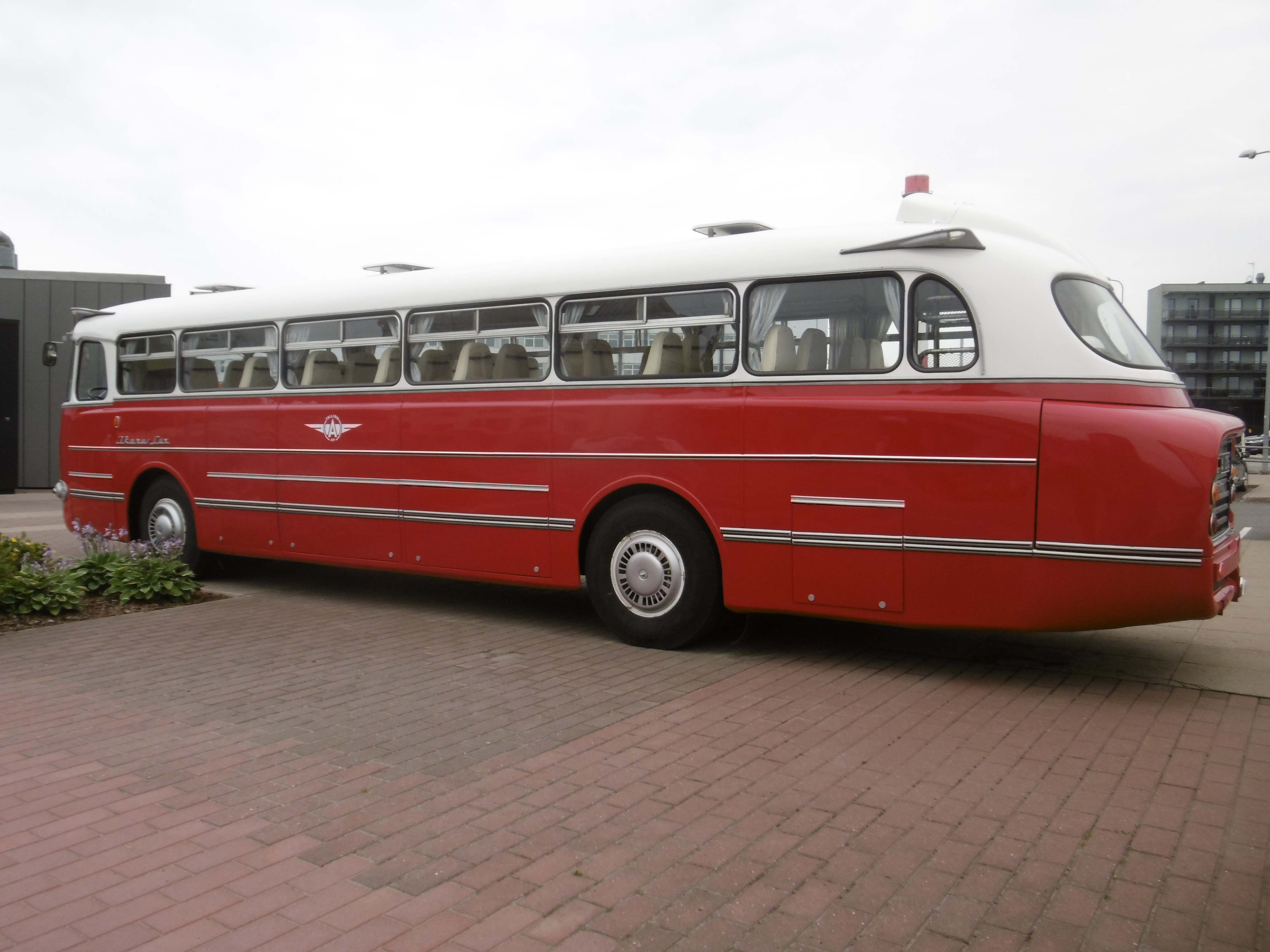
Hungary has more operable Ikarus 55 buses, but I haven't traveled by them. I was so happy when I met one at Tallinn Bus Station in 2023. This picture shows well the place of the engine which gave the Hungarian nickname of this series (Faros). At the bus station there were even few exhibition boards about Ikarus buses.
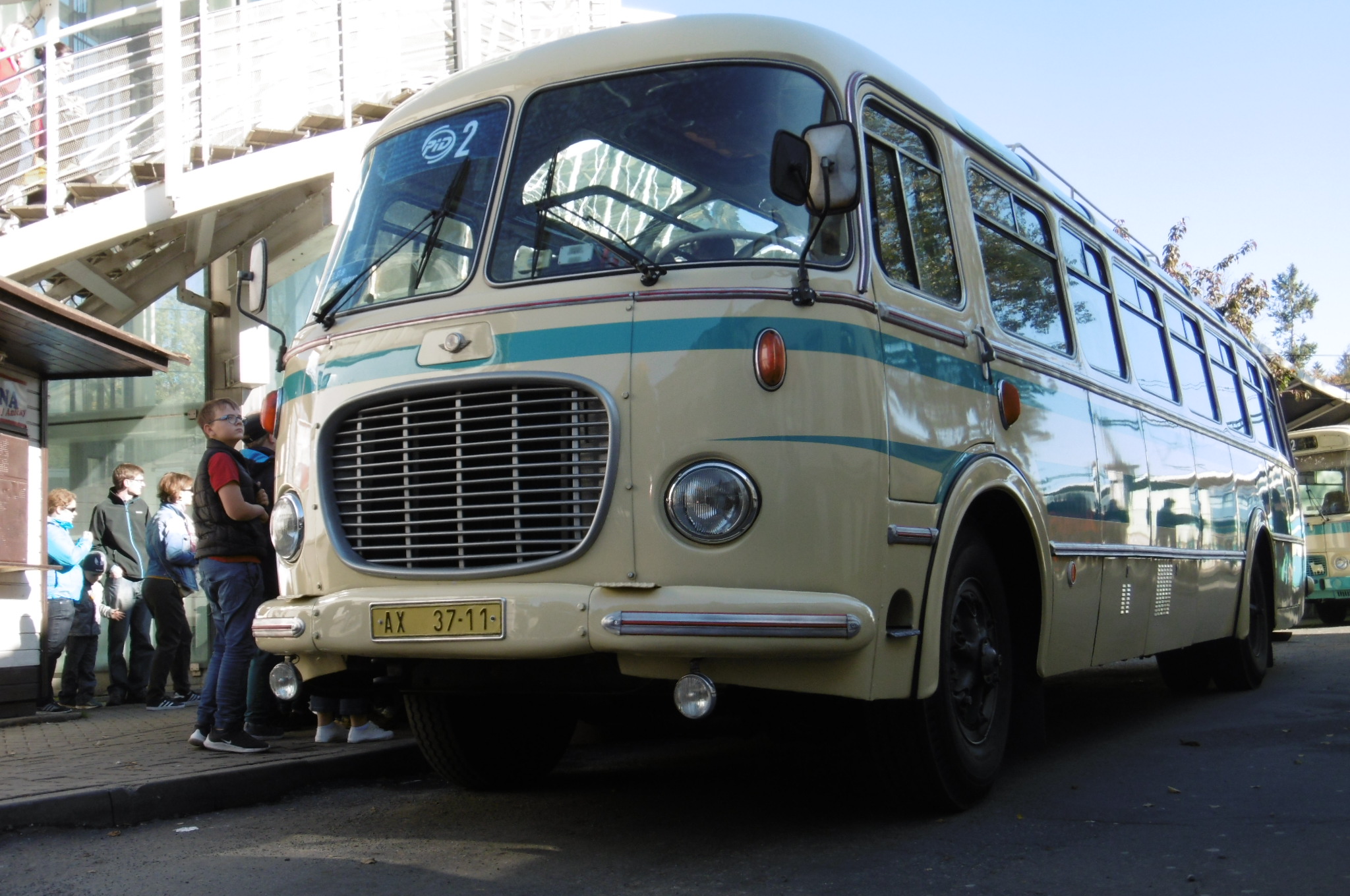
Prague Integrated Transport (PID, or Pražská integrovaná doprava) organizes a special event every year. In 2019 I attended and traveled by this Škoda 706 RTO LUX coach. This bus was built in 1971, but the production of the series started in 1958.

Jelcz 043 series was produced under the previous Škoda 706 license. Accidentally I saw 2 of them in Warszawa in 2024, near to the Palace of Culture and Science.
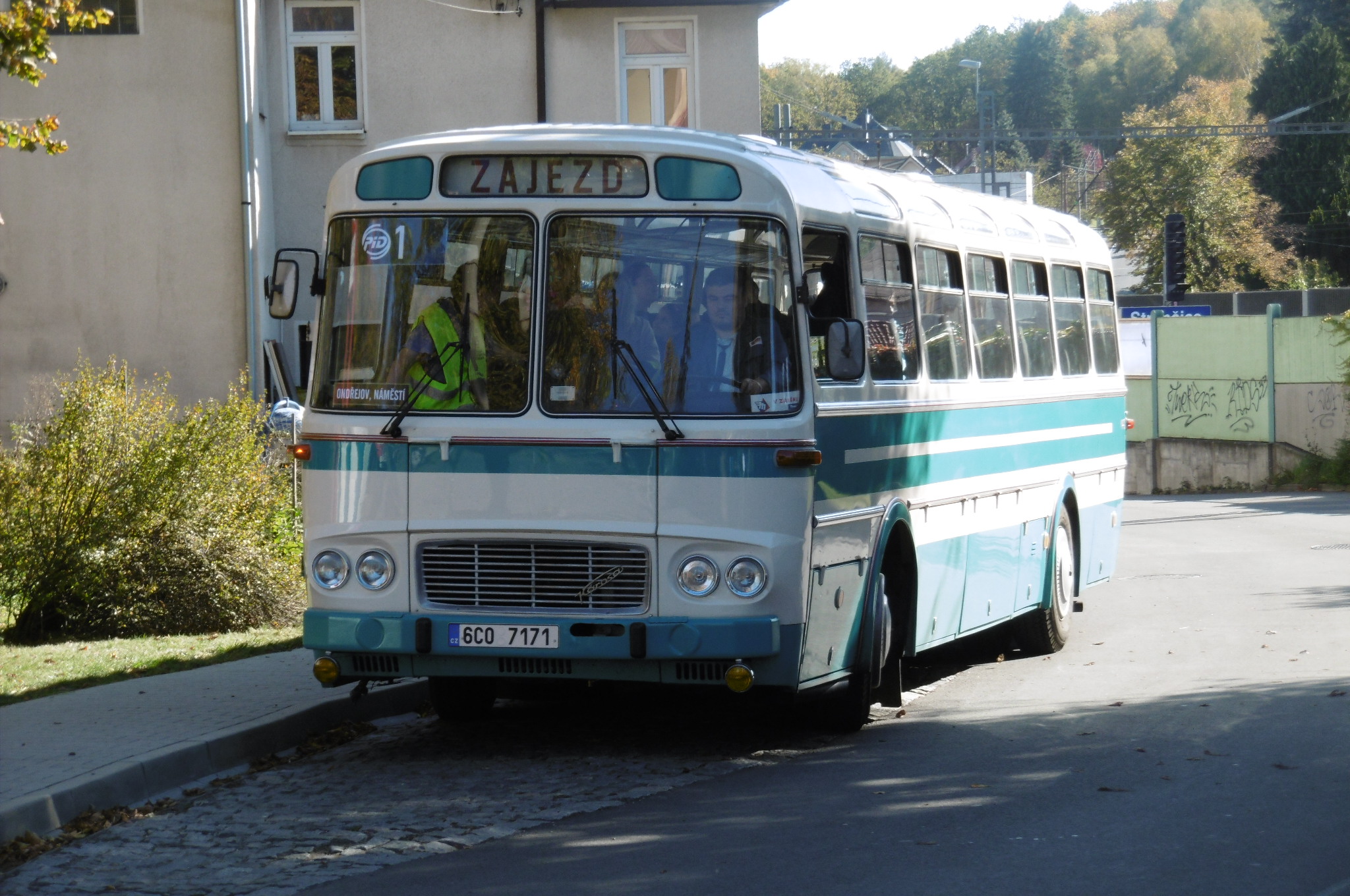
The Karosa ŠD 11 series was a Czechoslovakian long-distance coach produced from 1963 to 1981. I rode it at the same event when I did it also by the Škoda 706 RTO LUX bus. This one was built 1977.

Ikarus 311 series was the further development of Ikarus 31, manufactured between 1961 and 1972. The bus in the picture was built in 1971 and is owned by the Hungarian Transport Museum. This long-distance series had also international fame - like IK 55 -, one IK 311 attended an expedition through Western-Africa in 1963.
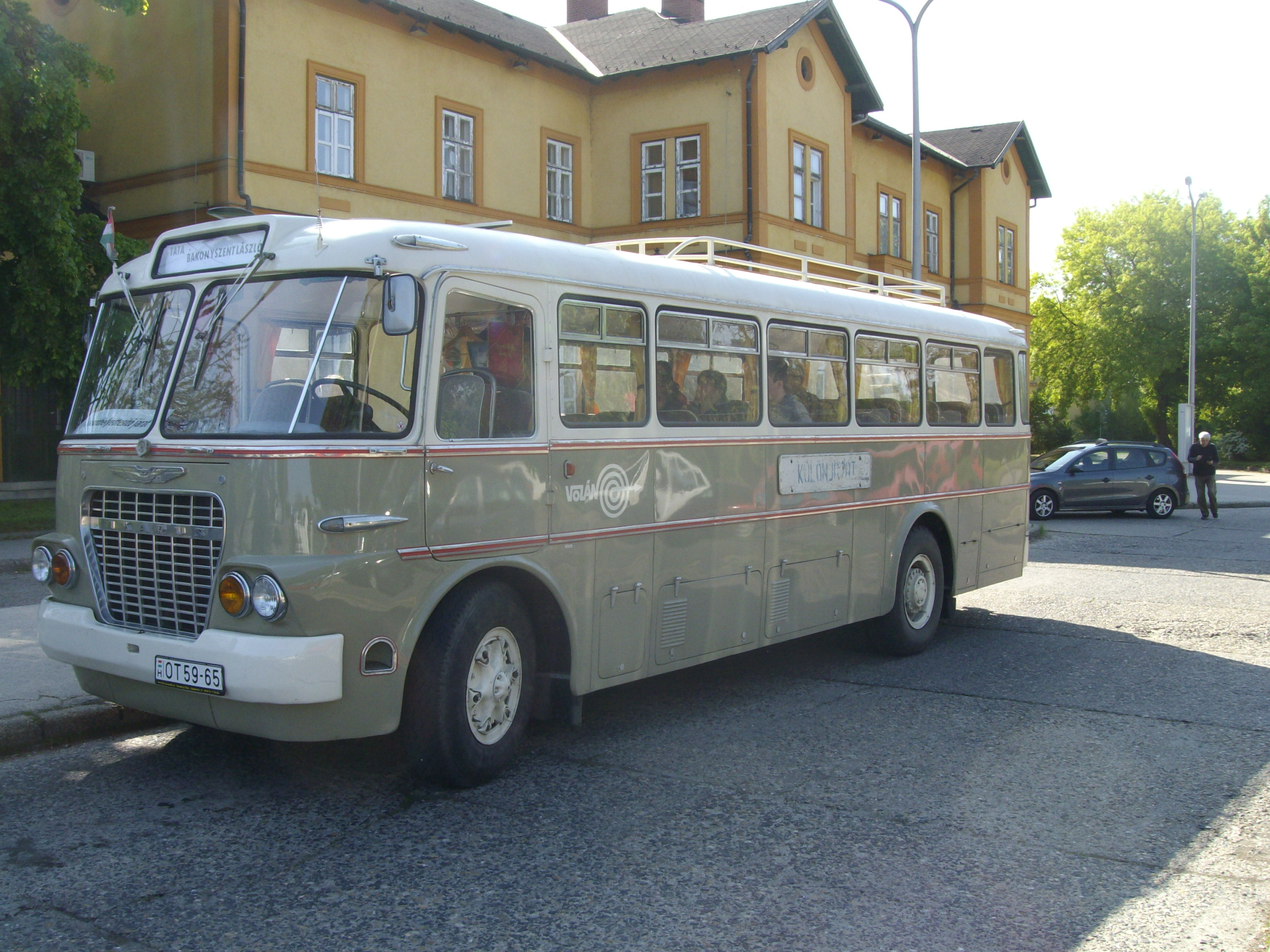
The Ikarus 630 series was manufactured between 1959 and 1971. One of these buses also took part the famous expedition in Western-Africa in 1963. I traveled by it in 2016, the picture was taken at Tata railway station.
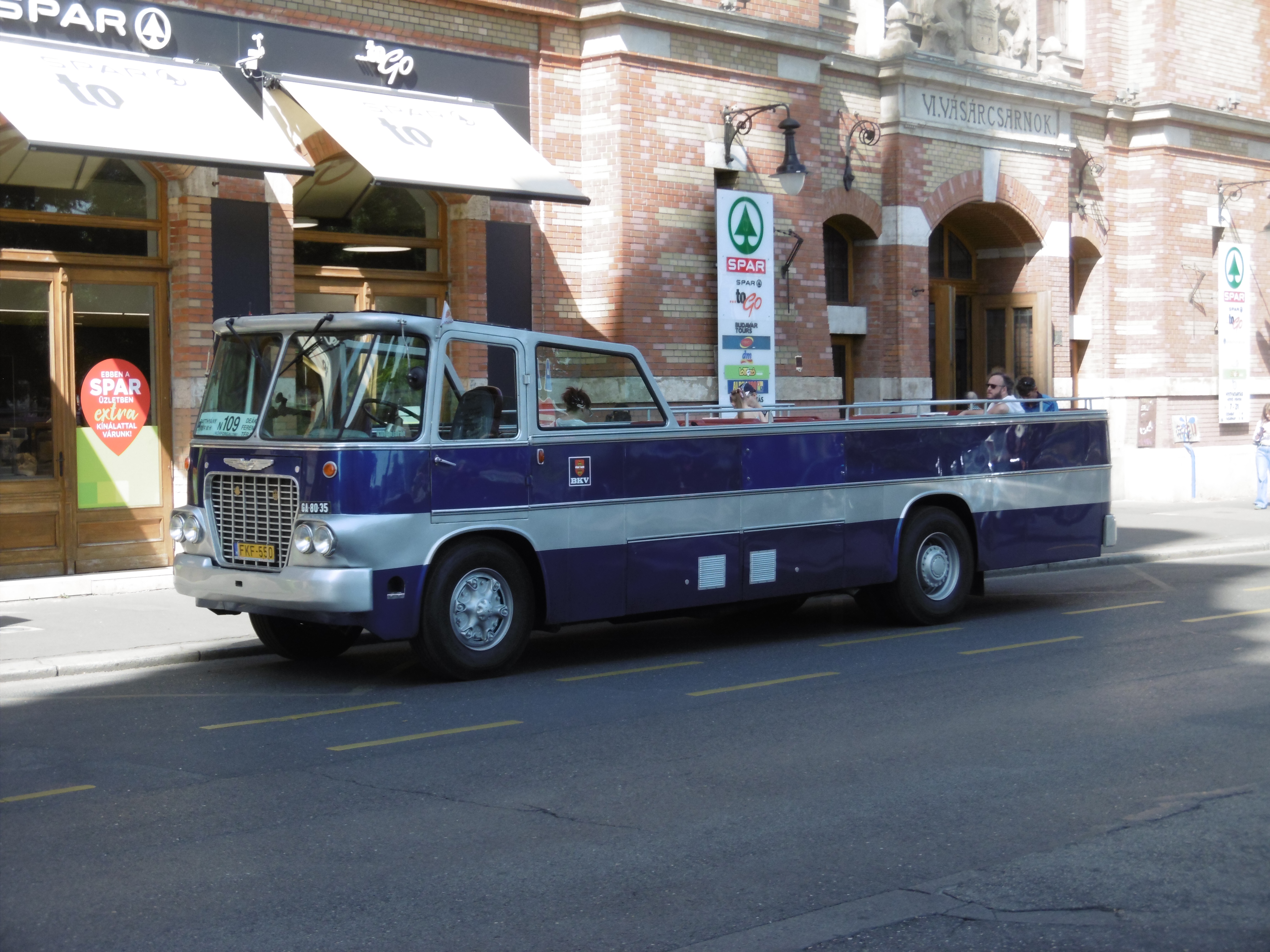
The BKV (Budapest Transport Privately Held Corporation) owns a special Ikarus 630 Cabrio bus. It was produced in 1971, originally with normal car body. In 2017 it was restored and modified to cabrio as a replica of former Ikarus 630 Cabrio buses. It had been on my bucket list for a long time, in 2023 finally I managed to travel by it.
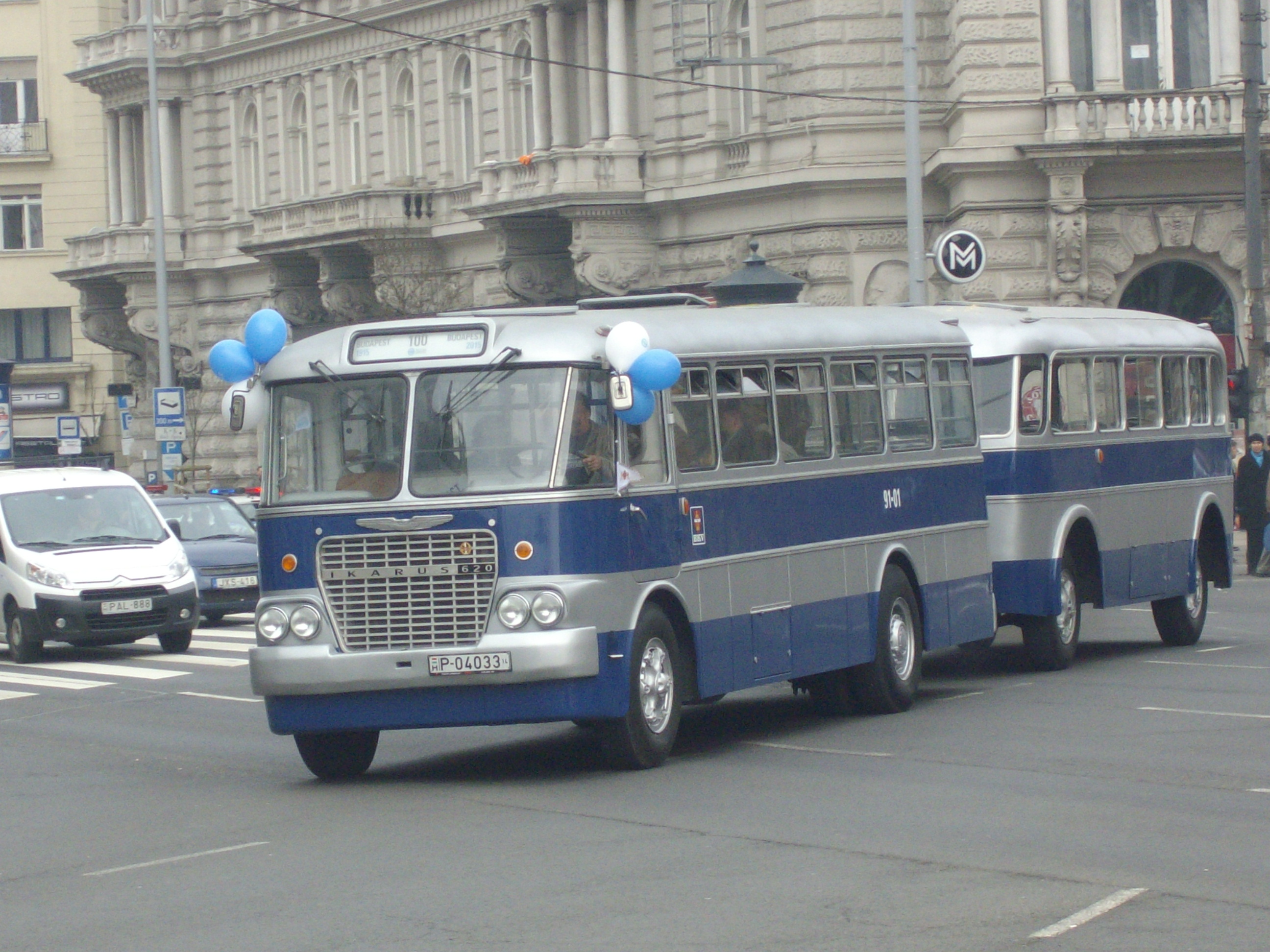
The Ikarus 620 series was the urban version of Ikarus 630. The picture shows a preserved bus built in 1963, it is private property. I traveled by it on the 100th anniversary of the bus transportation of Budapest (2015) when it pulled a trailer car.
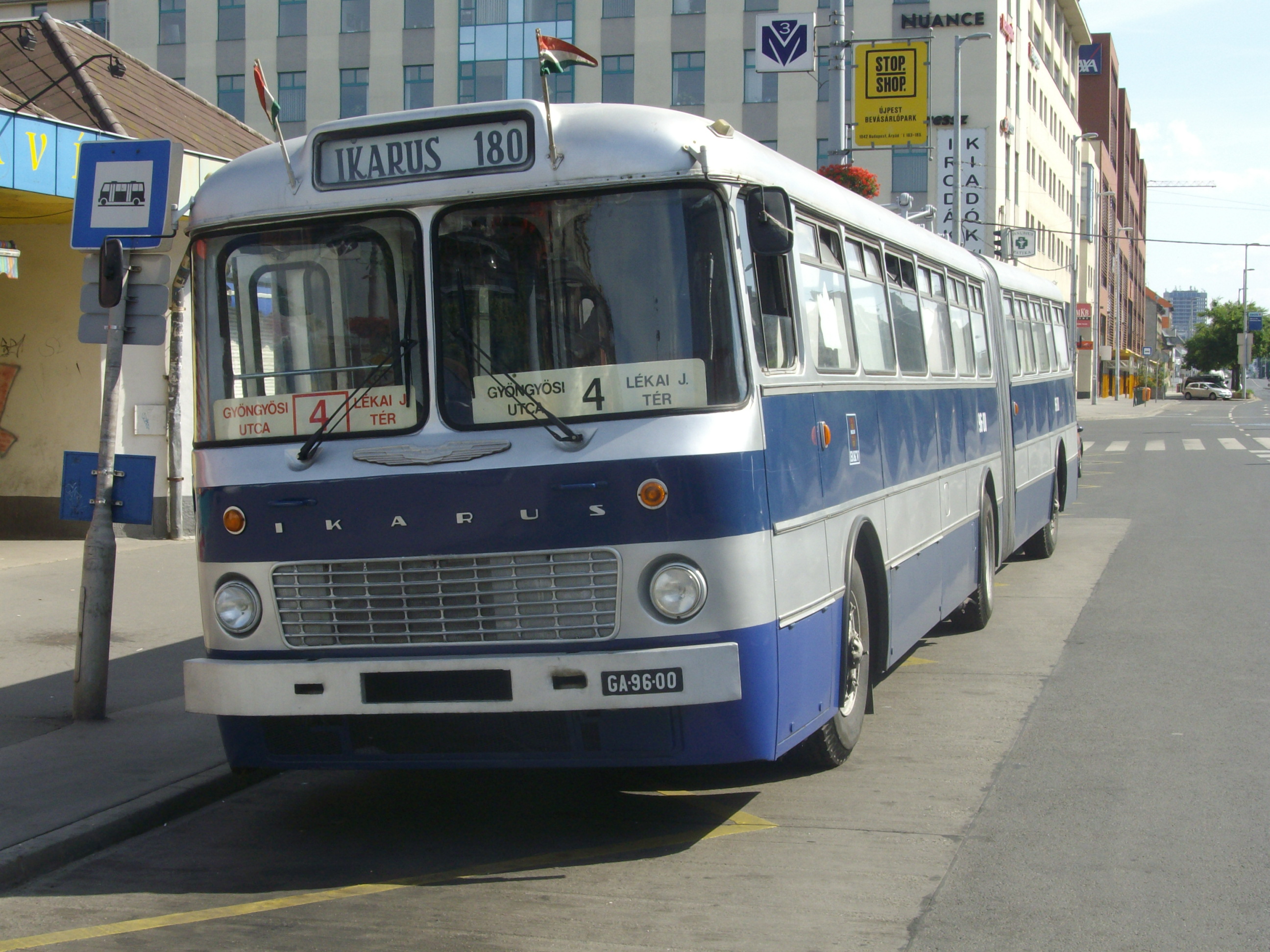
The Ikarus 180 is Ikarus' first articulated bus to be produced in series between 1967 and 1973, however the prototype was presented already in 1961. I took my picture in 2011 and traveled by it in 2013.

The Ikarus 556 series was built from 1964 to 1973. It was the solo version of IK180. The picture represents a replica IK556 (from a modified IK260) which entered to Budapest heritage service in 2025.

One Ikarus 556 was modified in 1969 and became the only double decker Ikarus bus. It served in Pécs until 1976. "Nejlon Piroska" (nylon little Red) was the nickname ok Ikarus 30 bus series. It was the first Ikarus produced in series in the 1950s. I was lucky to travel both of them at the Retro Coach Day of Hatvan in 2024.
 The first Ikarus 60 bus was built in 1951 in Mátyásföld (part of Pest), in cooperation with Csepel-Steyr. Series production started in 1952, and 1,744 of them were built until 1959. One vehicle was preserved, then restored by BKV in the 2010s and has since become part of the heritage fleet. I traveled by it in 2022.
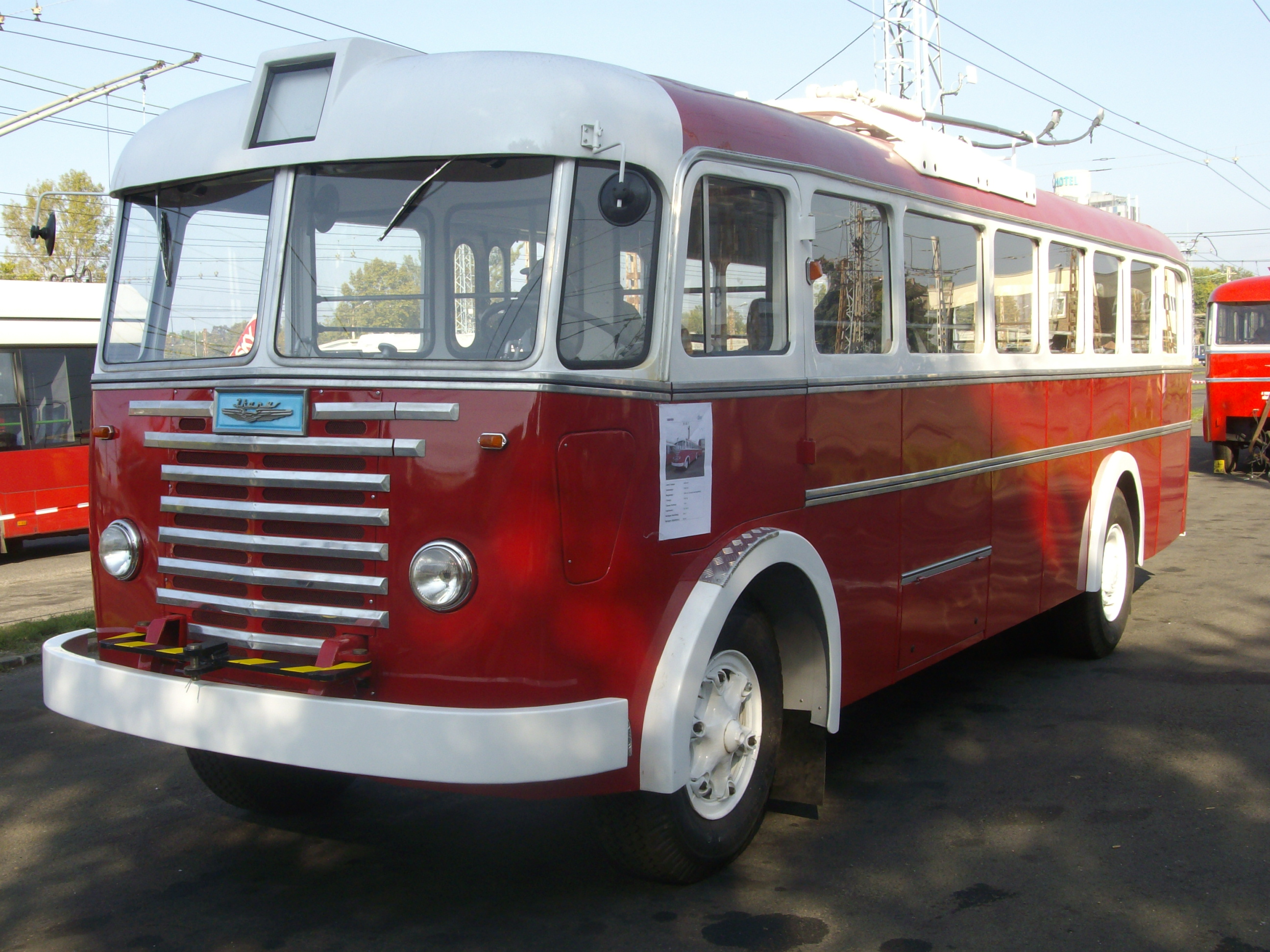
The Ikarus 60T was born because Soviet trolleybus exports in the 1950s were insufficient. A total of 157 of them were built and operated in Budapest between 1952 and 1976. In 2023-24 the vehicle was converted back to serviceable condition. My picture was taken in 2013 when it couldn't move from its own power.

The ZiU-9 (ЗиУ-9 in Russian) is a type of trolleybus produced in the Soviet Union from the early 1970s. The vehicles were gradually withdrawn in the 2000s, their last operational year was 2012. However it was a common vehicle in my young age, I have taken only few photos of them, because it didn't seem so special.
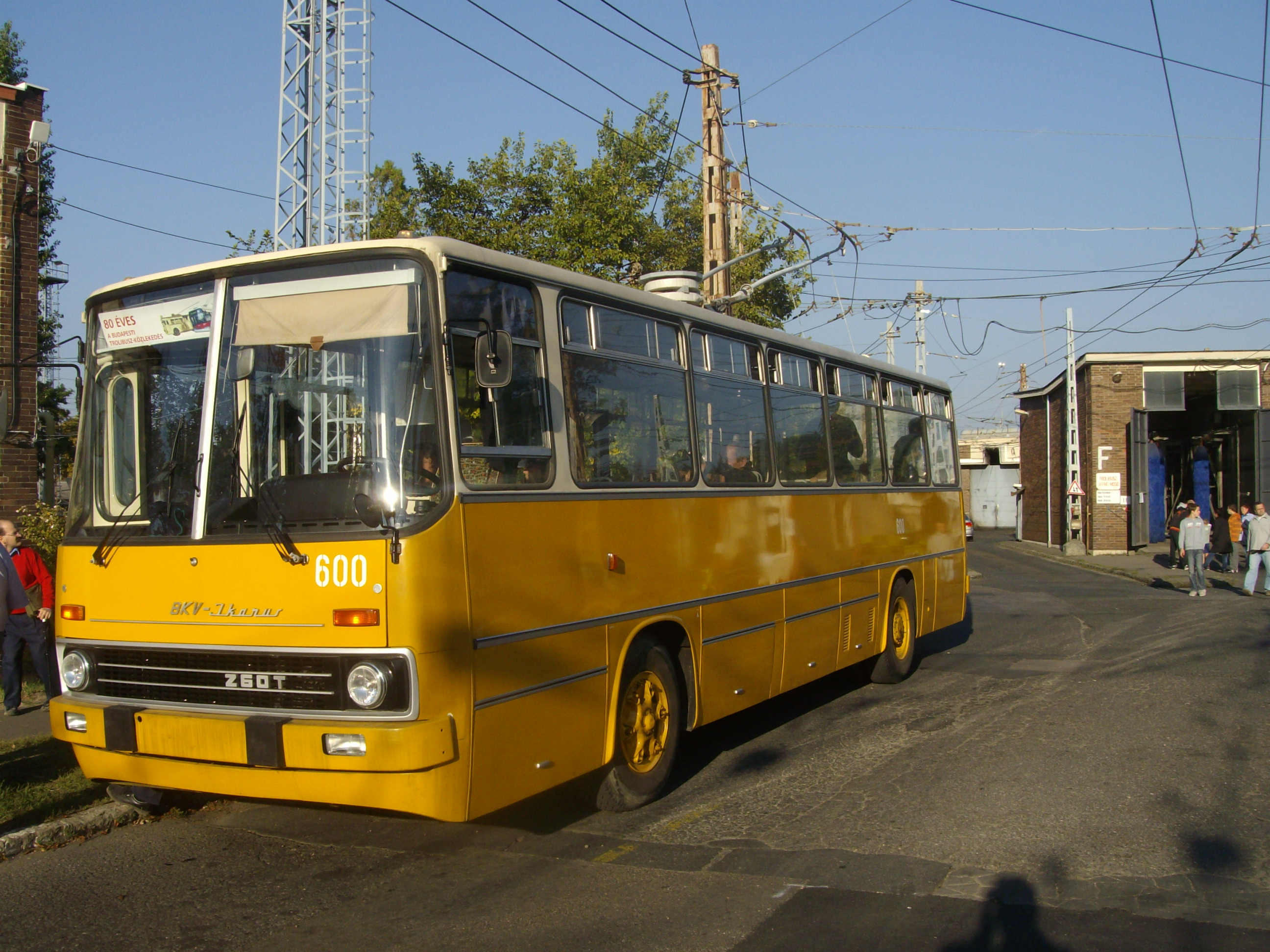
In 1974, the Ikarus 260T trolleybus with the number 600 was developed jointly by BKV and Ikarus. Two of the type were built. The first one - the 600 - was equipped with the electronics of the Soviet-made ZiU-5 trolleybus, and was put into service in 1975. I took my photo in 2013 and I rode this trolleybus 2 years later.

The prototype of the Ikarus 260 series was introduced in 1971, with series production from 1972 to 2002. The folding ‘concertina’ door bus with the registration number BPO-671, which was in service from 1981 to 2001 and then renovated in 2013. They were common buses in my childhood, however they mostly had different doors.
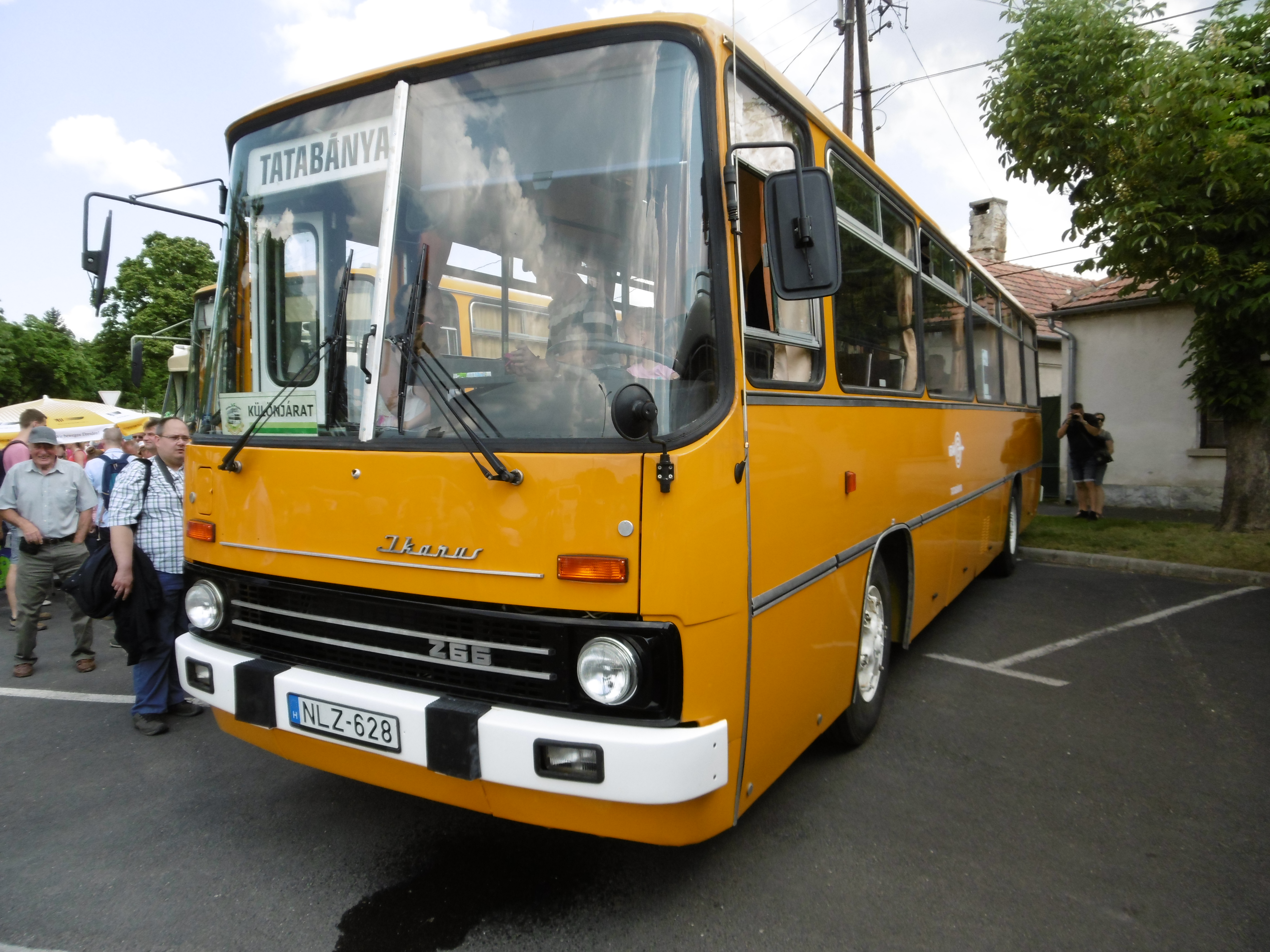
The Ikarus 266 is classic high-floor coach built by Ikarus Factory from 1972 to 1990. Over 6,600 units were produced, making it a defining vehicle of public transport across Hungary and other Eastern Bloc countries during the late 20th century. These flat-stringed vehicles were so typical in my childhood in Hungary.
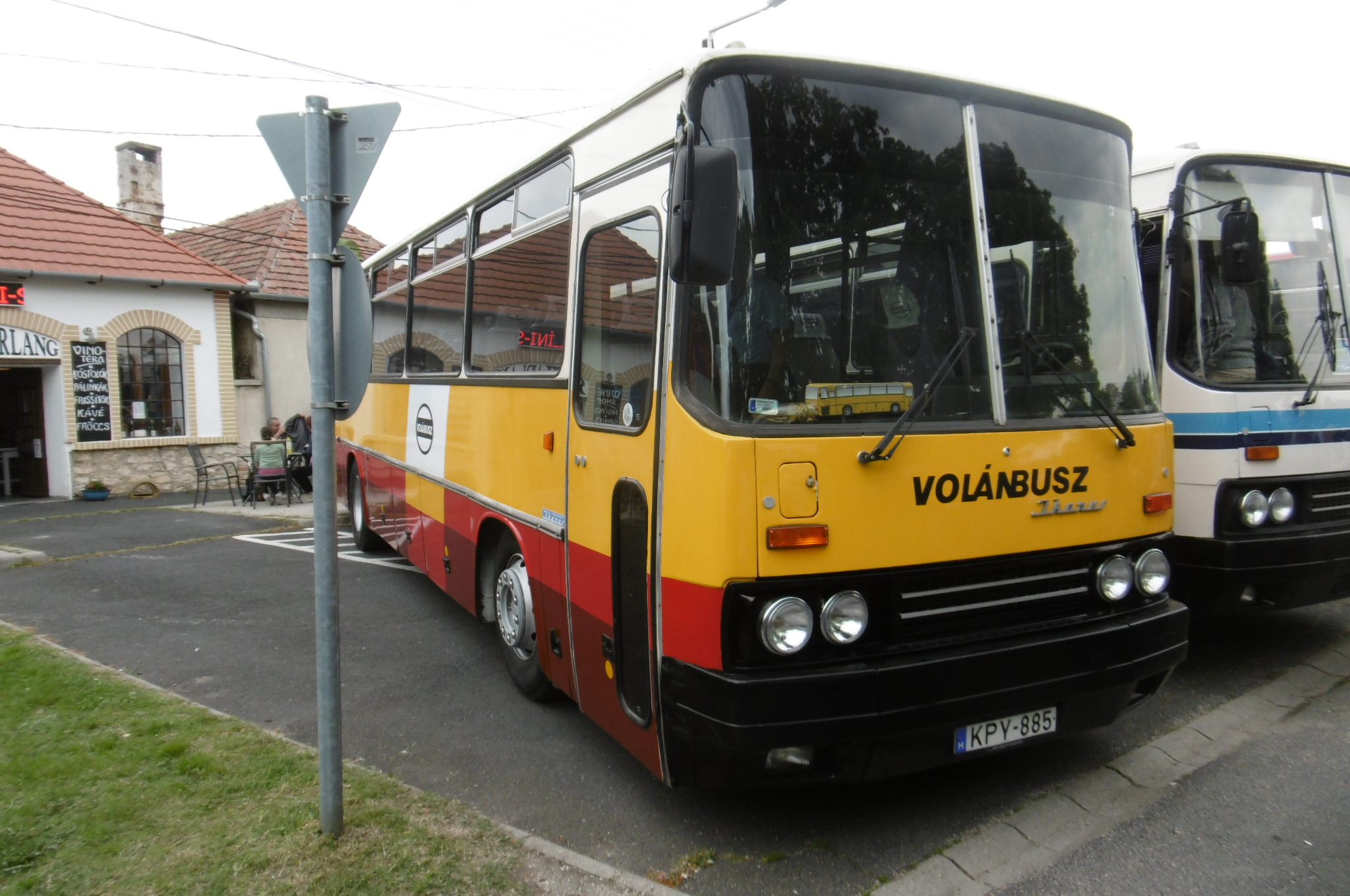
The Ikarus 256 is a high-floor bus used as a coach for long-distance service and for interurban traffic. It was made from 1977–1989, alongside the larger Ikarus 250, by the Hungarian bus manufacturer Ikarus. This restored one was produced in 1989 and wears the 1990s colours of Volánbusz (former coach company of Pest county).
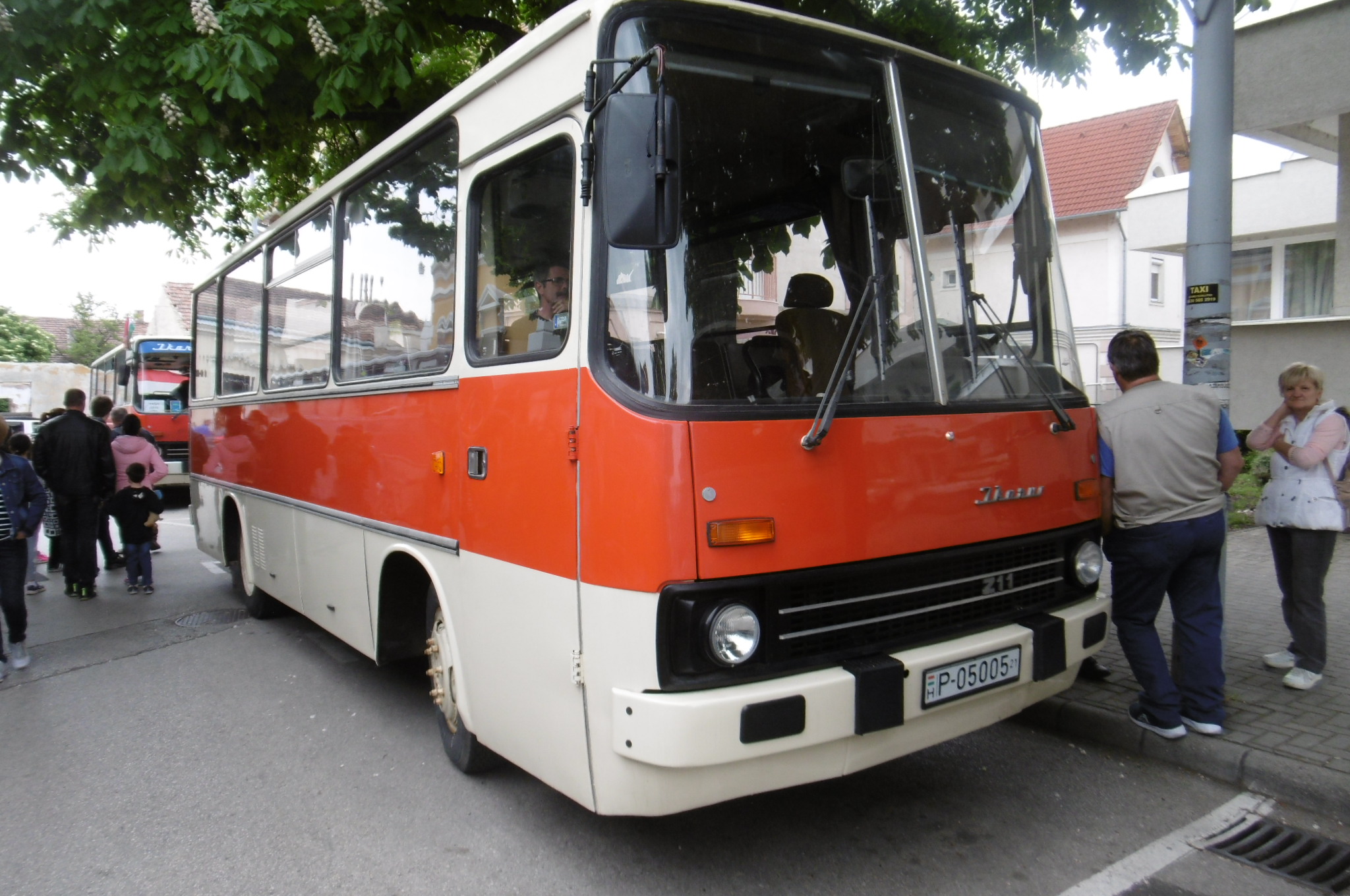
Ikarus 211 was in production from 1973 to 1990. It was the largest series of midi buses by Ikarus. It has IFA engine and flat strings in its suspensions. Few times I traveled by this series during school trips.
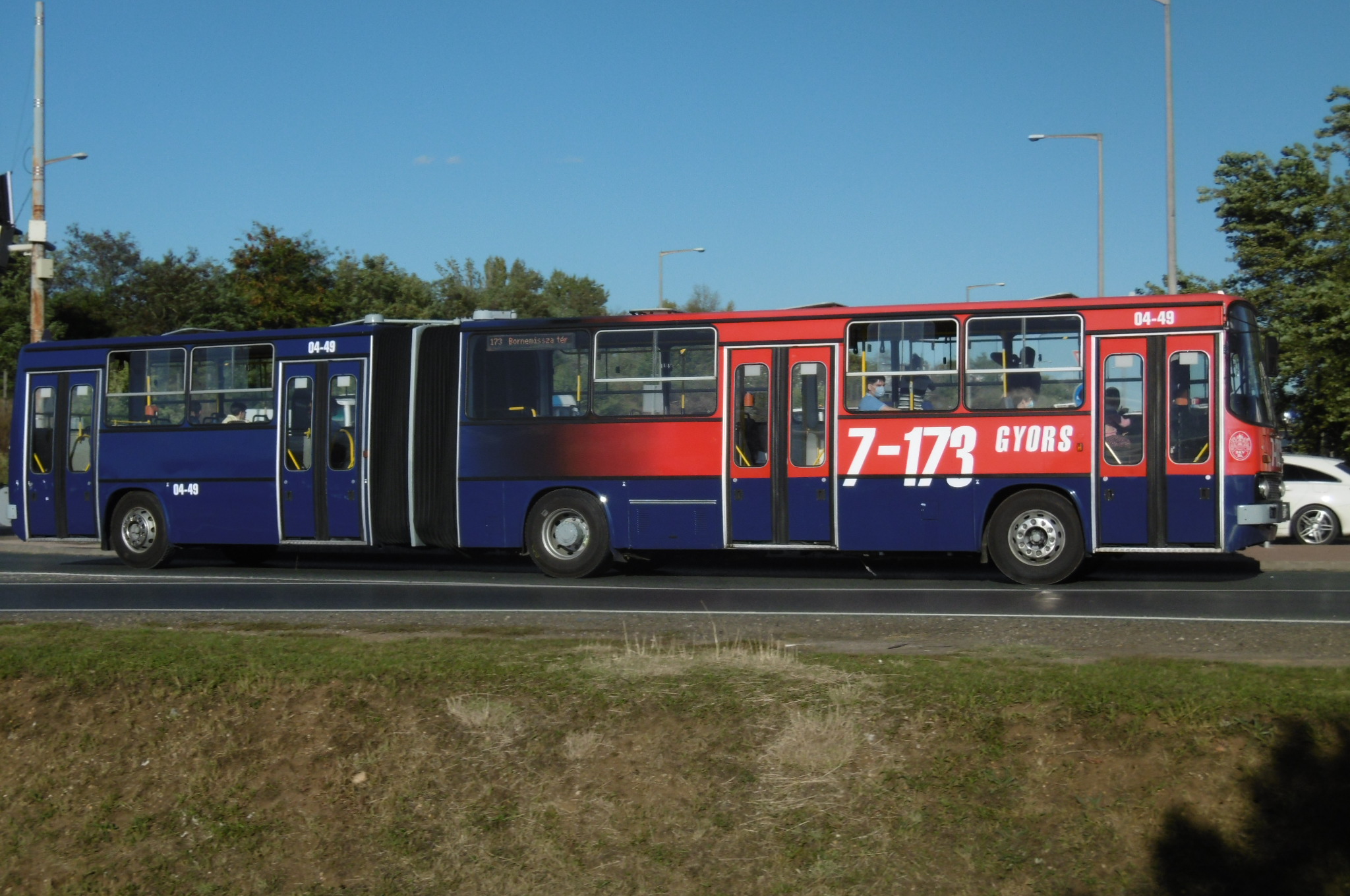
The prototype of the Ikarus 280 series was officially unveiled in Budapest in 1972, and went into series production from 1973 until 2002. There is more than just one Ikarus 280 in the preserved collection including a typical bus of the 1990s, BPO-449 with the "7-173 GYORS" livery dedicated to the Rákóczi út express services.
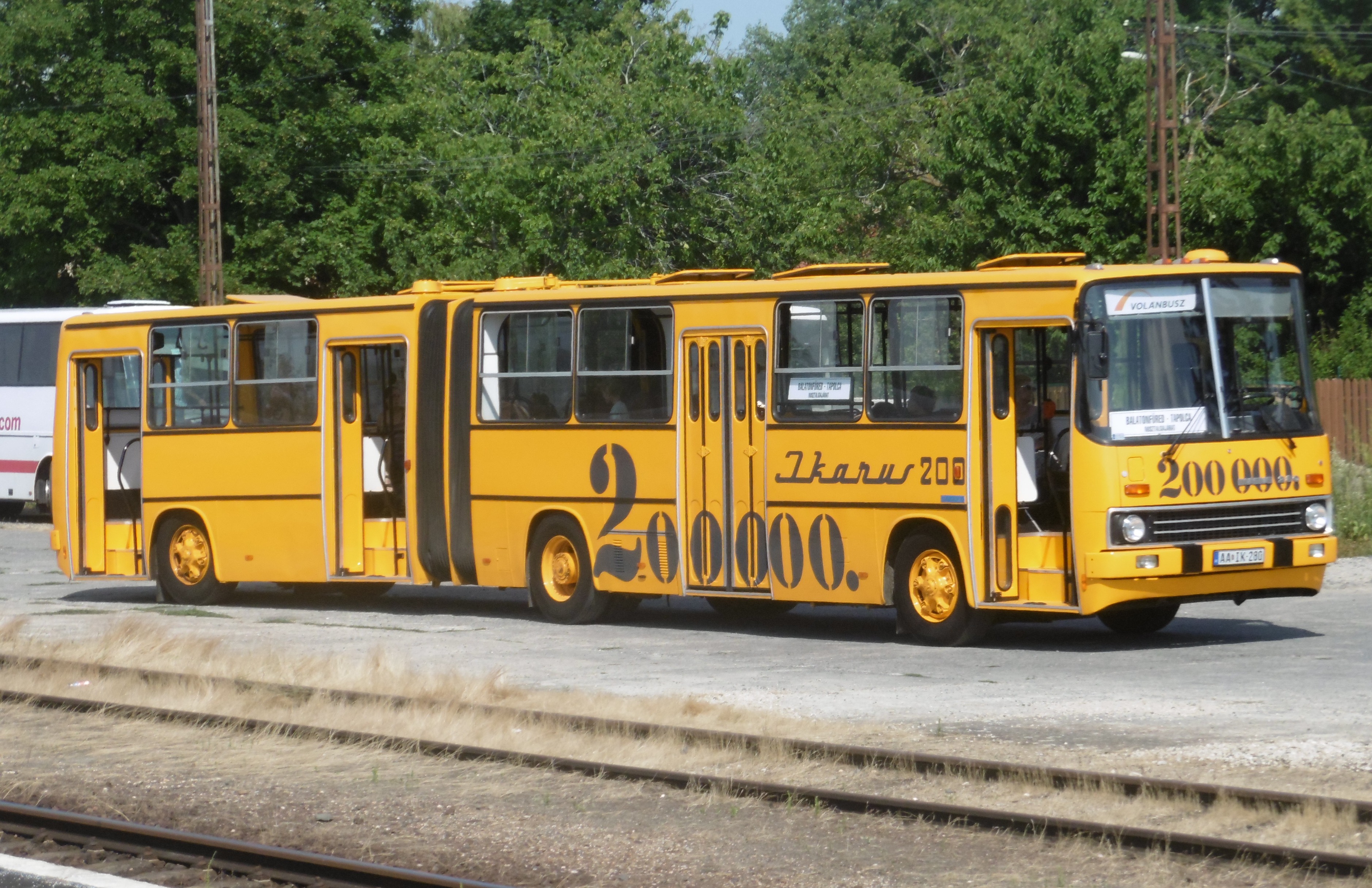
The Ikarus 200 series family is Ikarus' most successful bus, known and used all over the world, and is the pride of Hungarian industry. The Soviet Union and the GDR have bought the largest numbers, but there have also been several examples in Poland, Turkey, Venezuela, Iran, Madagascar, Syria, Cuba, Taiwan, Tanzania, Iceland and many others. The 200,000th bus of the factory was planned to be exported to Russia, but finally remained in Hungary and used to serve in Győr for Kisalföld Volán.