Budapest-Angyalföld railway station gave a place of nice international railway parades when I was a child. But unfortunately I don't have own photos from these events. The Hungarian Railway Museum was opened in 2000 with a big locomotive parade on a turntable. In 2001 the museum became a regular place of regional steam locomotive Grand Prix, with guest locos from Slovakia, Czechia, Germany, Serbia and Poland. Unfortunately this tradition ended and only 3 bigger railway parade weekend was held in the museum since 2017. Slovakia has regular railway parades every year in Bratislava and also in Kosice. The ČD Museum has also nice events in Lužná u Rakovníka. The traditional date of the steam parade of Wolsztyn is the first Saturday of May, I attended there 2 times. I try to share the feeling of these parades and some more with you.
Hungarian Railway Museum, Budapest
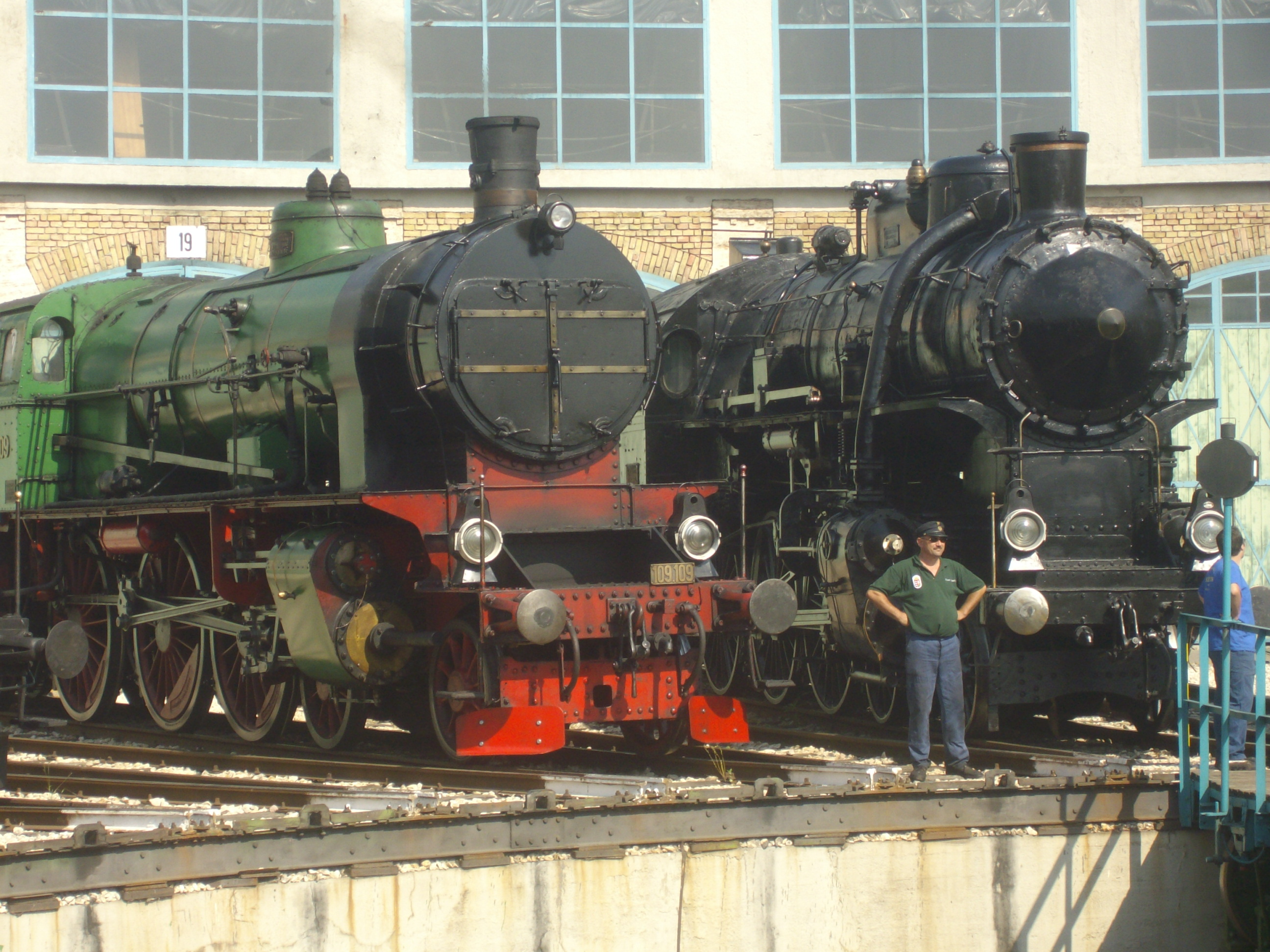
109.109 (left) was the most used steam locomotive in nostalgic trains for more than 20 years. Probably we will not see again moving by its own power. In 2011 MÁV 328-054 (right) was operable and attended the Locomotive GP.
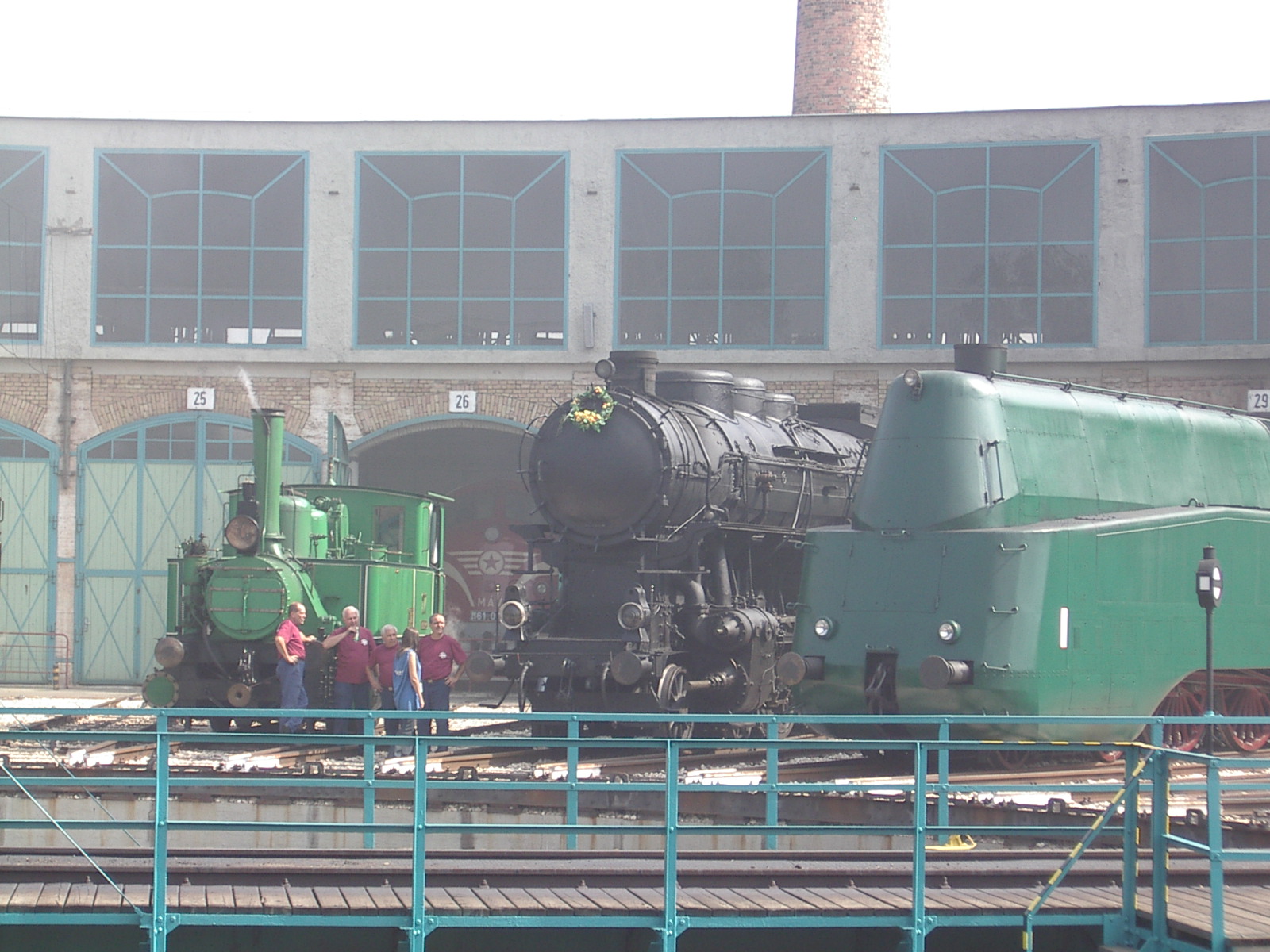
Former BHÉV Nr 27 locomotive (left) won the Locomotive GP multiple times. Its boiler would have to be changed. The Class MÁV 424 (middle) is the most popular and famous Hungarian steam locomotive. Some of them were exported even to North Korea. The Class 242 (right) was the fastest of MÁV steams. Unfortunately it is not operable since about 2018 and was taken to an other exhibition which is open only temporary.
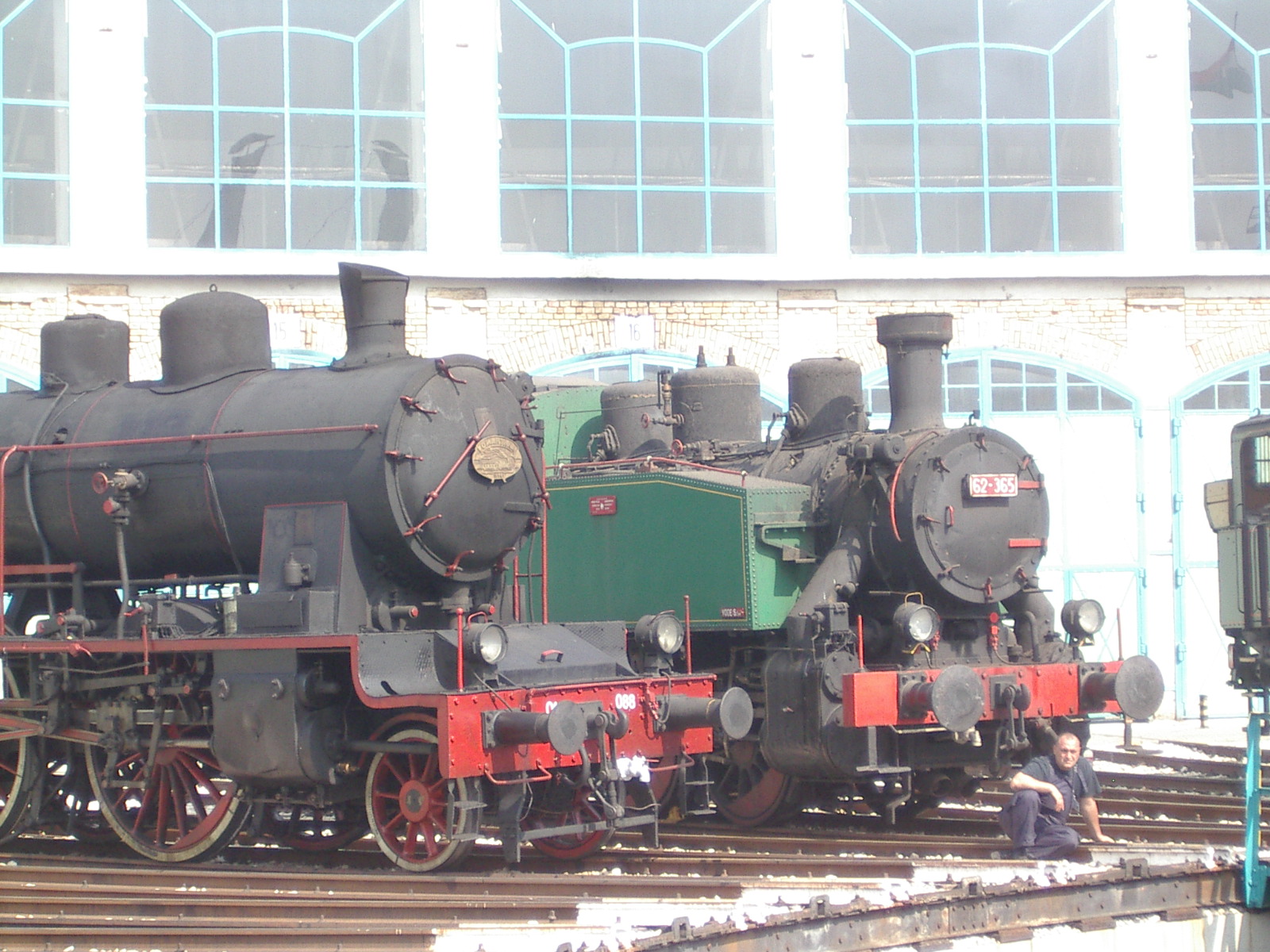
Guest locomotives from Serbia at the Locomotive Grand Prix of 2006.
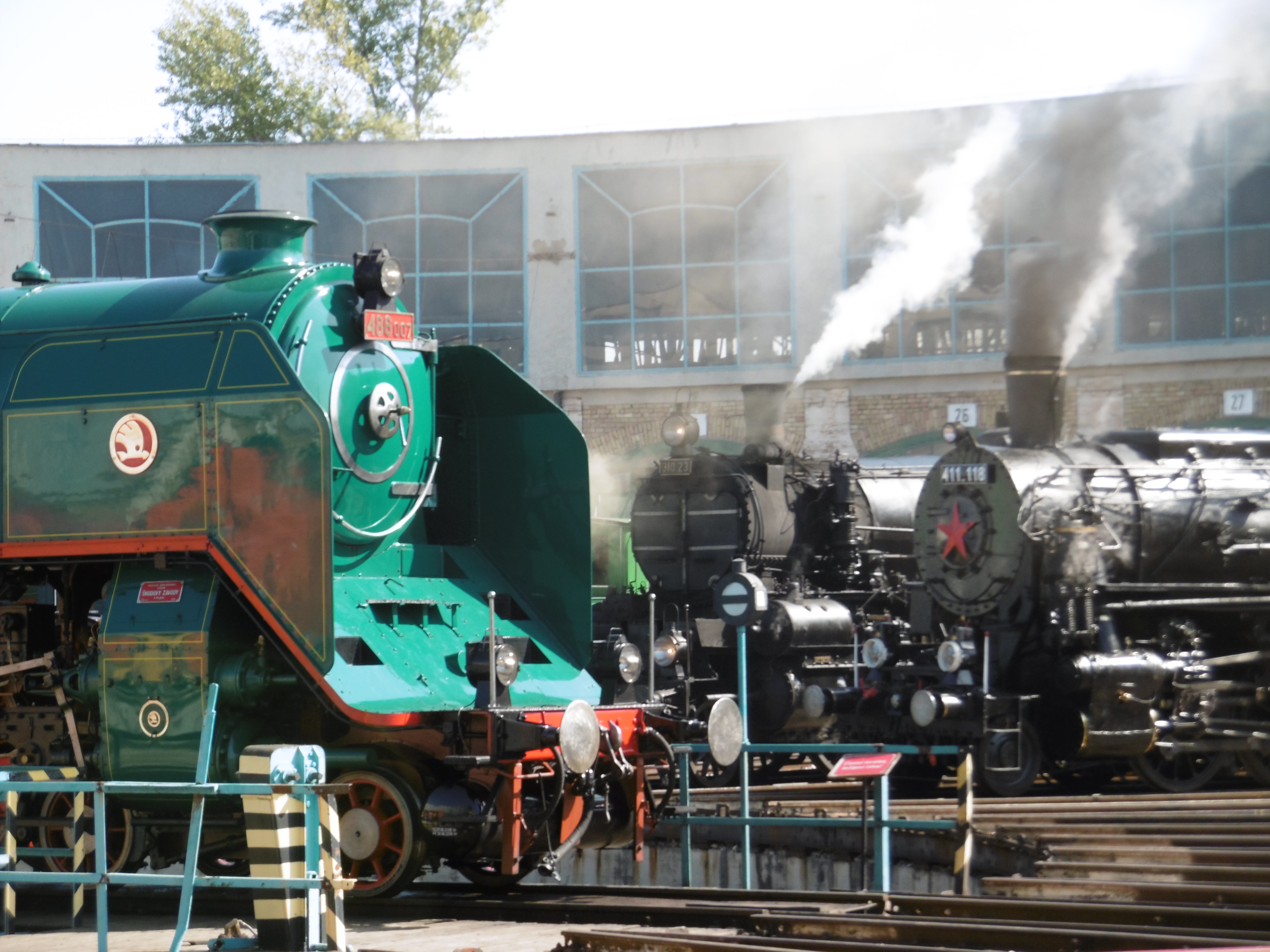
486.007 (Anton) arrived from Vrútky to celebrate the 150th anniversary of the Hungarian State Railways (MÁV). In the backfround there is a guest loco from Austria (middle) and MÁV 411.118 (right) which was originally built for the US Army in 1944.
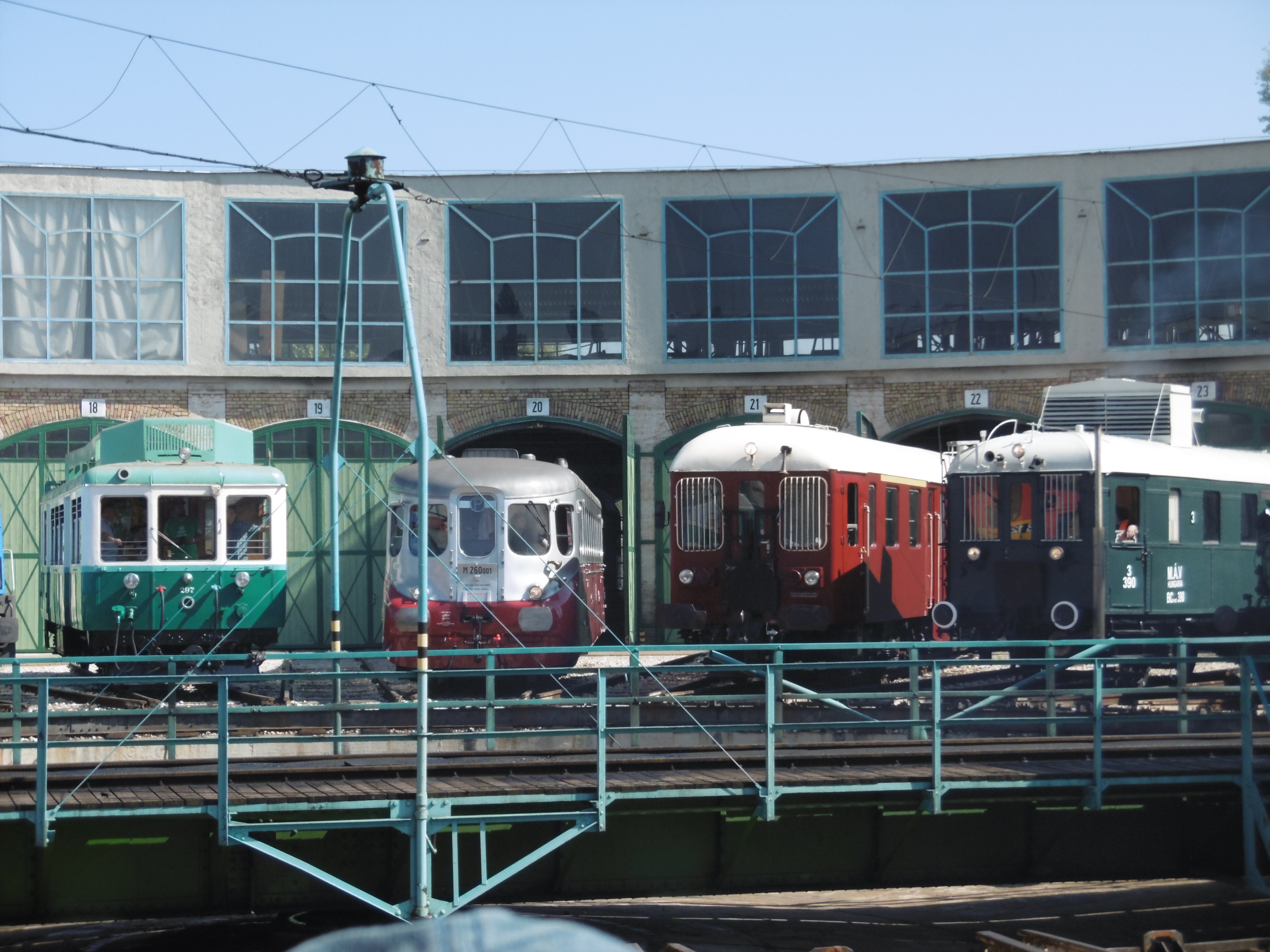
Former ACSEV railcar from 1904 (left) originally had a petrol-electric drive. M260.001 (2nd from left) arrived form Czechia. It was built in 1939. Abbmot from 1957 and BCmot from 1928 were produced by Ganz in Budapest.
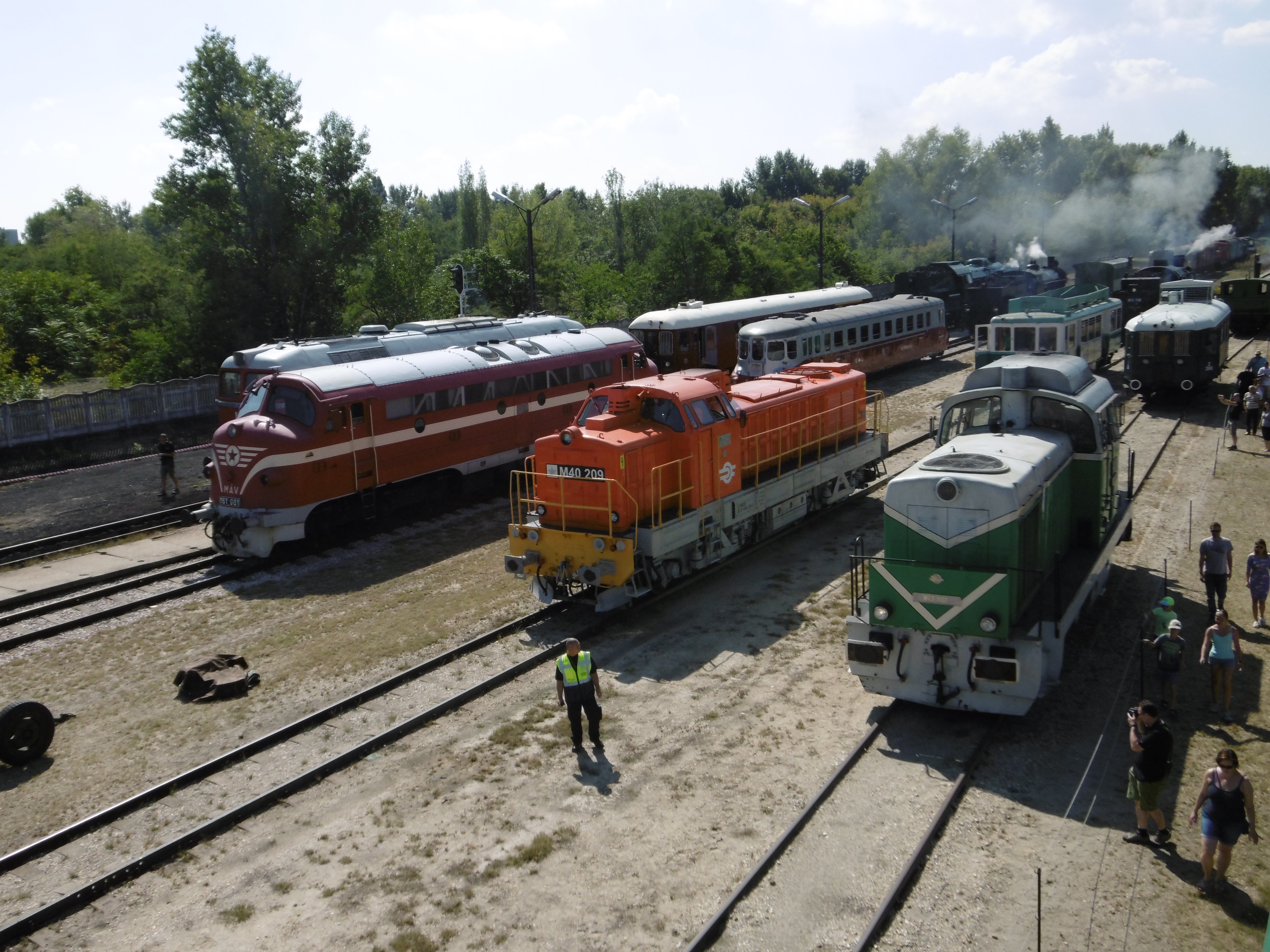
The vehicles after their own showing time on the turntable of the parade in 2018. There is a NOHAB (built in Sweden) in the left of the 1st row, a Ganz-MÁVAG M40 diesel loco in the middle and MÁV Class M43 shunting loco (right) produced by Faur Factory in Bucharest.
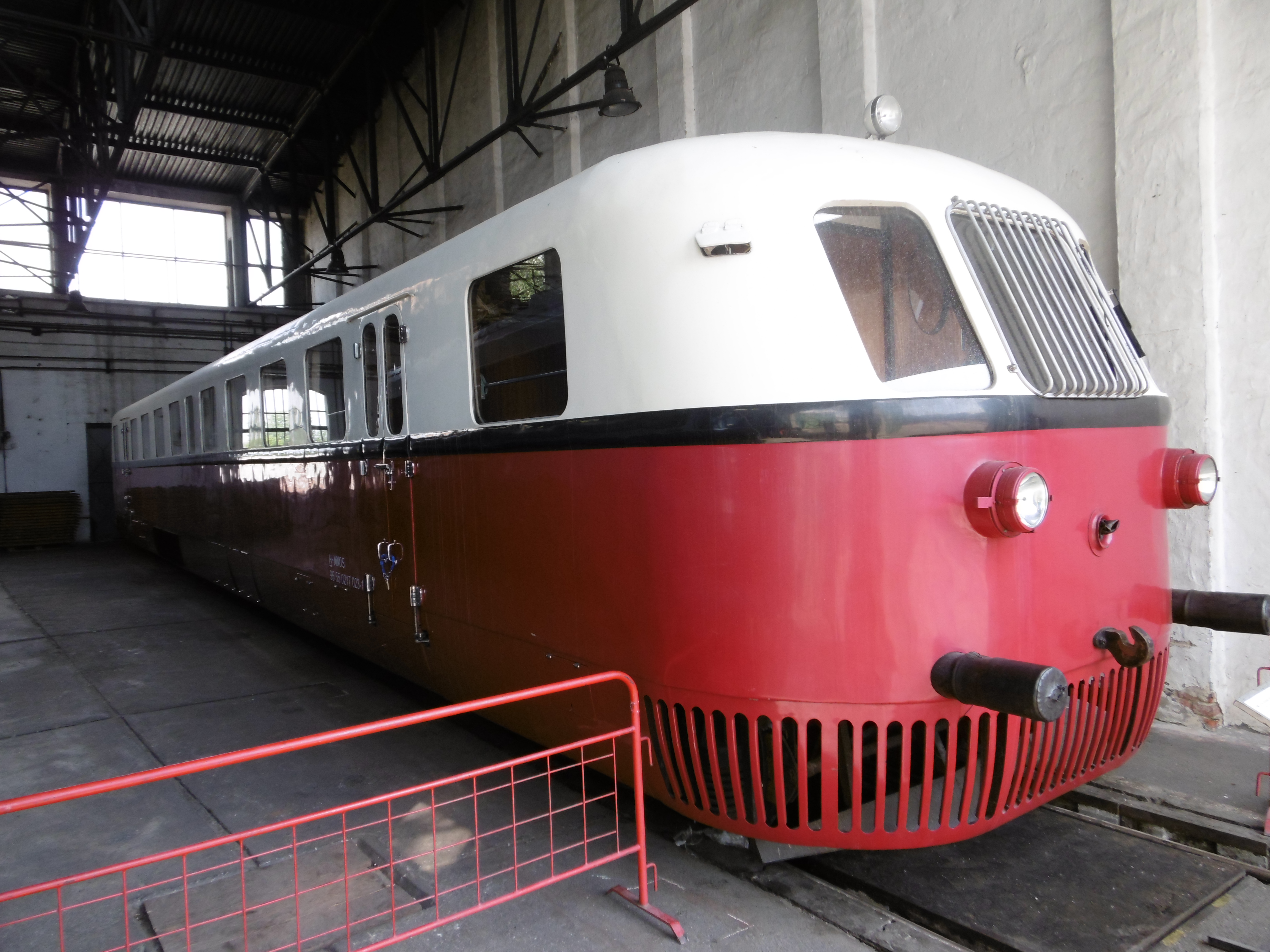
Ganz "Árpád" class railcar from the 1930s. It is the only surviving piece of the series but unfortunately it is not operable and was taken to an other exhibition which is open only temporary.
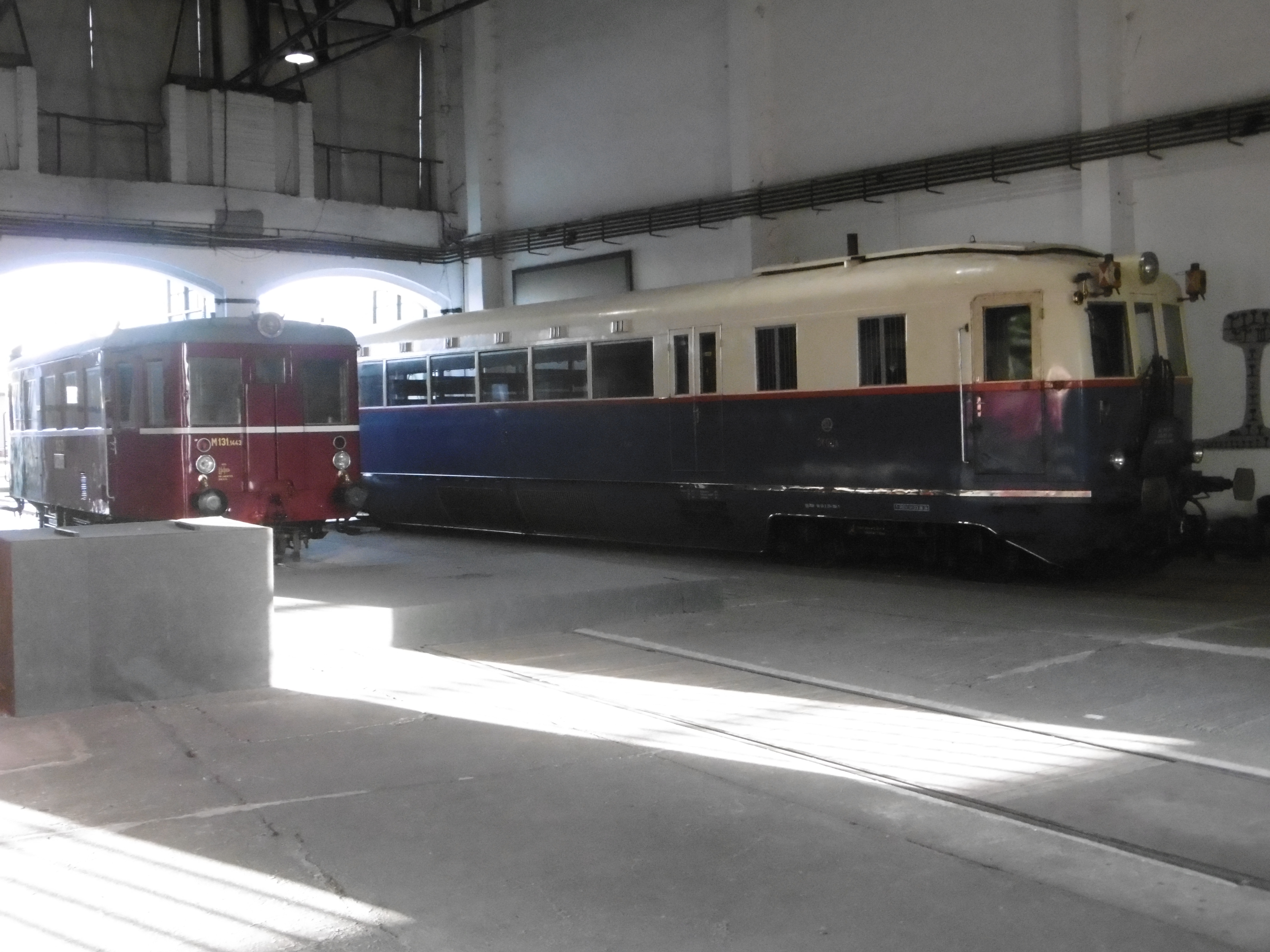
From M274 (right) series only one railcar was preserved. Škoda factory built it in 1934. It was a guest railcar from Bratislava of the 200th anniversary railway parade in Budapest. Sometimes runs in special trains. M131 (left) railcar was produced by Studenka factory in1955. It also came from Slovakia and runs regularly in special trains.
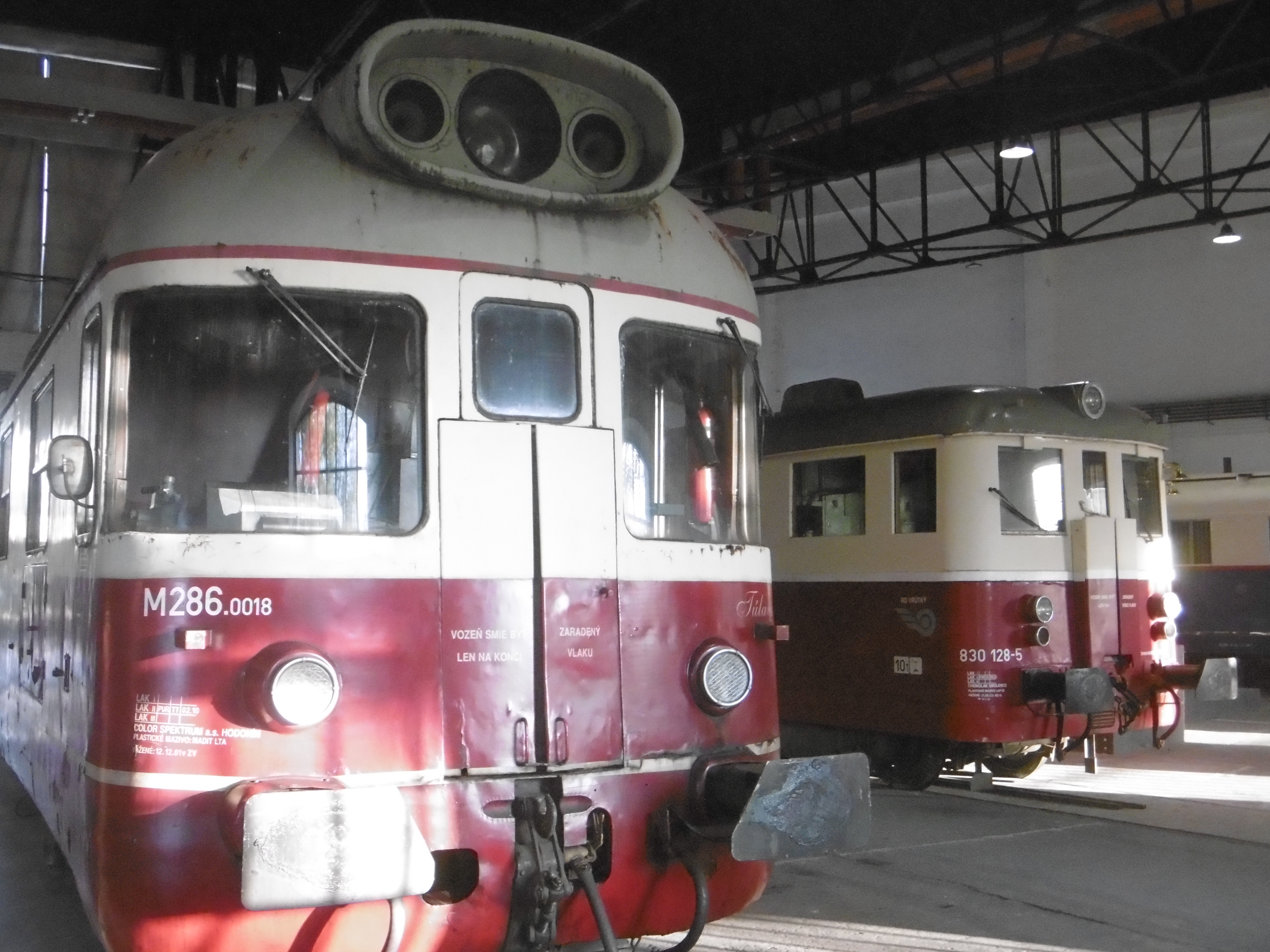
Other 2 guest railcars from Slovakia, both produced by Studenka factory. M262 (right) was built in 1958 and M286 (left) in 1966. They usually operates in special trains to the railway museum in Bratislava or on other lines. I haven't seem them attending the railway parade itself in Bratislava-Vychod.
Slovakian Railway Museum, Bratislava-Vychod
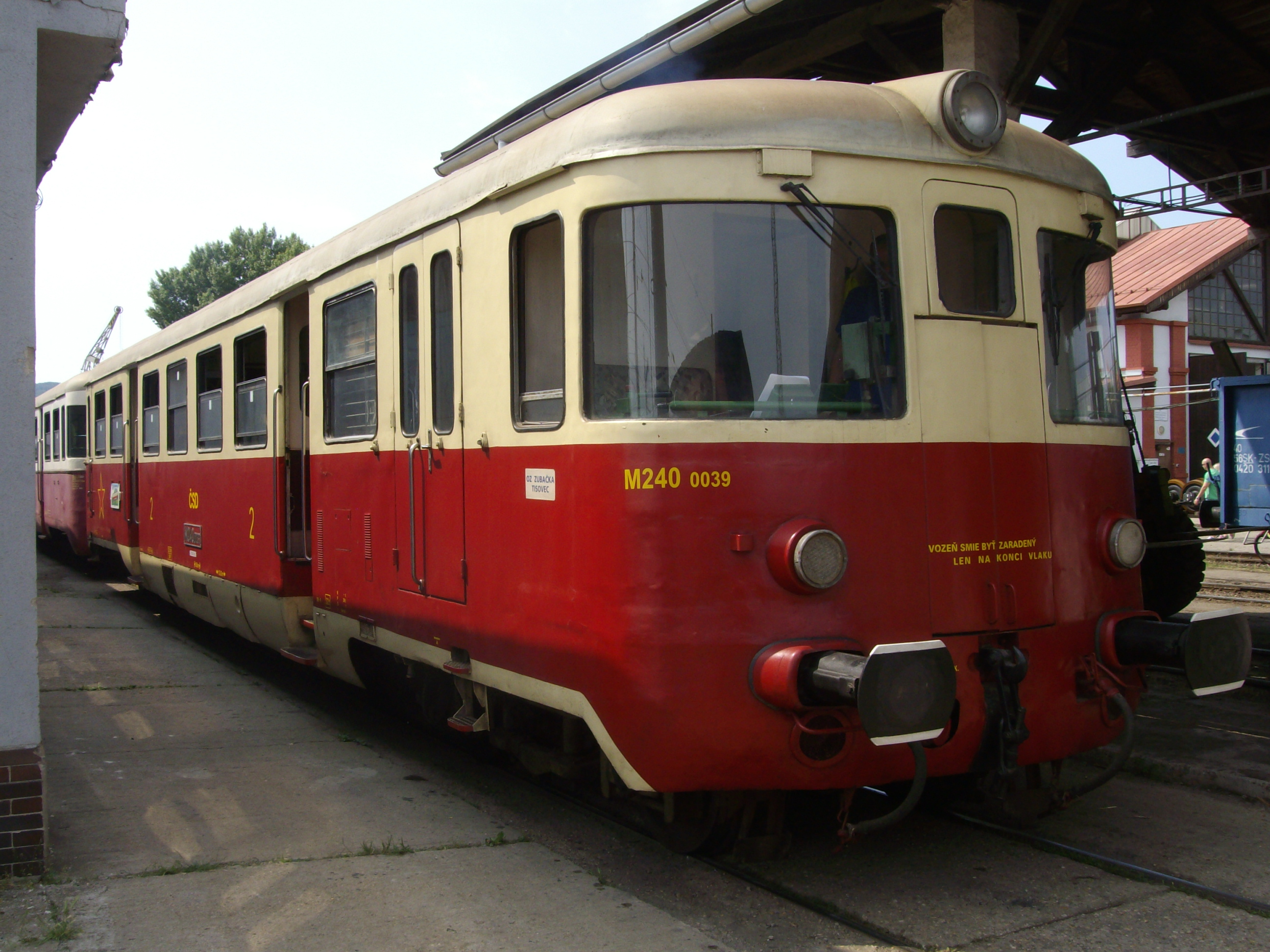
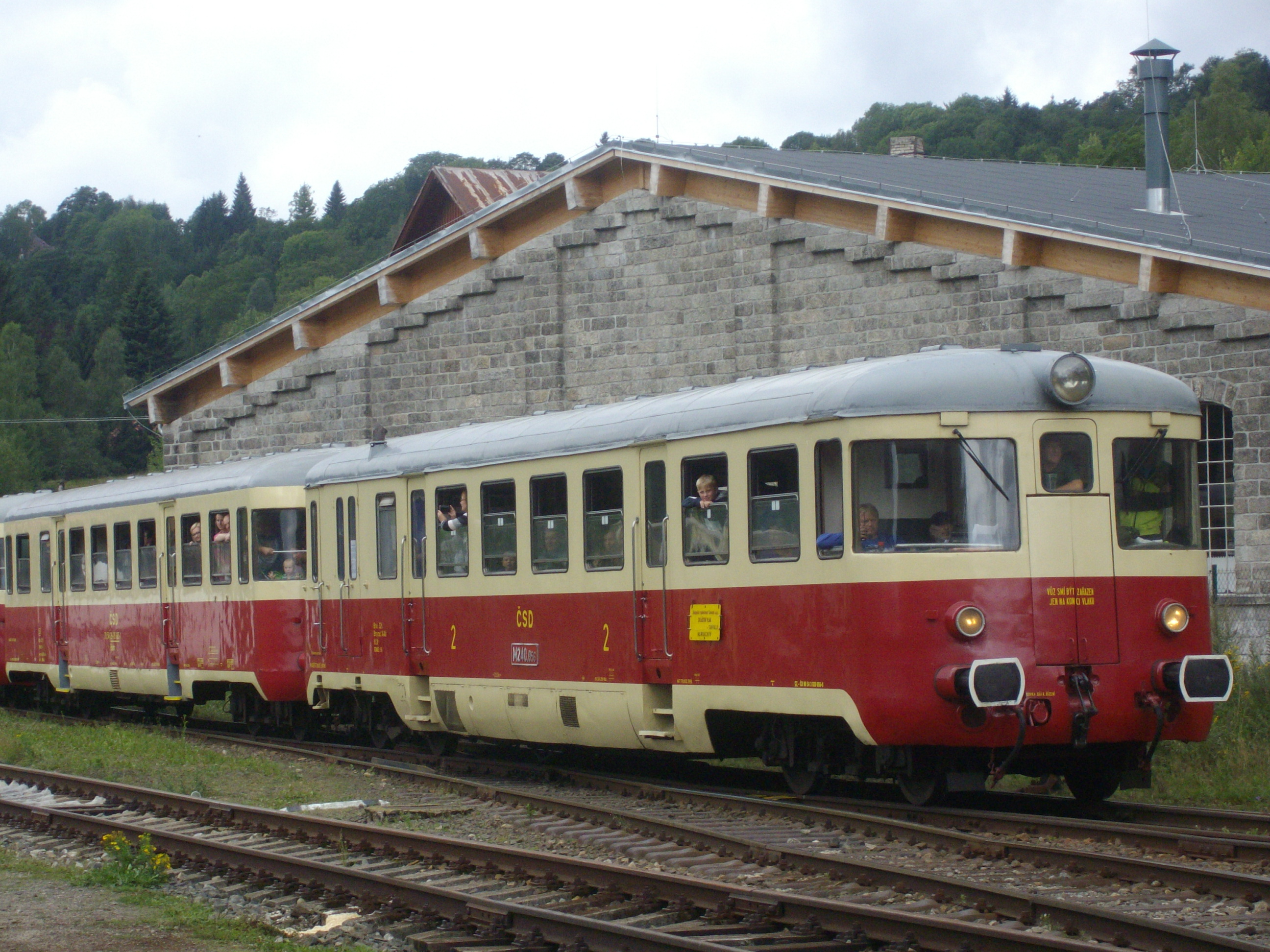
M240 railcar arrived with a special train to the annual "Rendez" railway parade. This series was produced for secondary lines from 1959 until 1964.
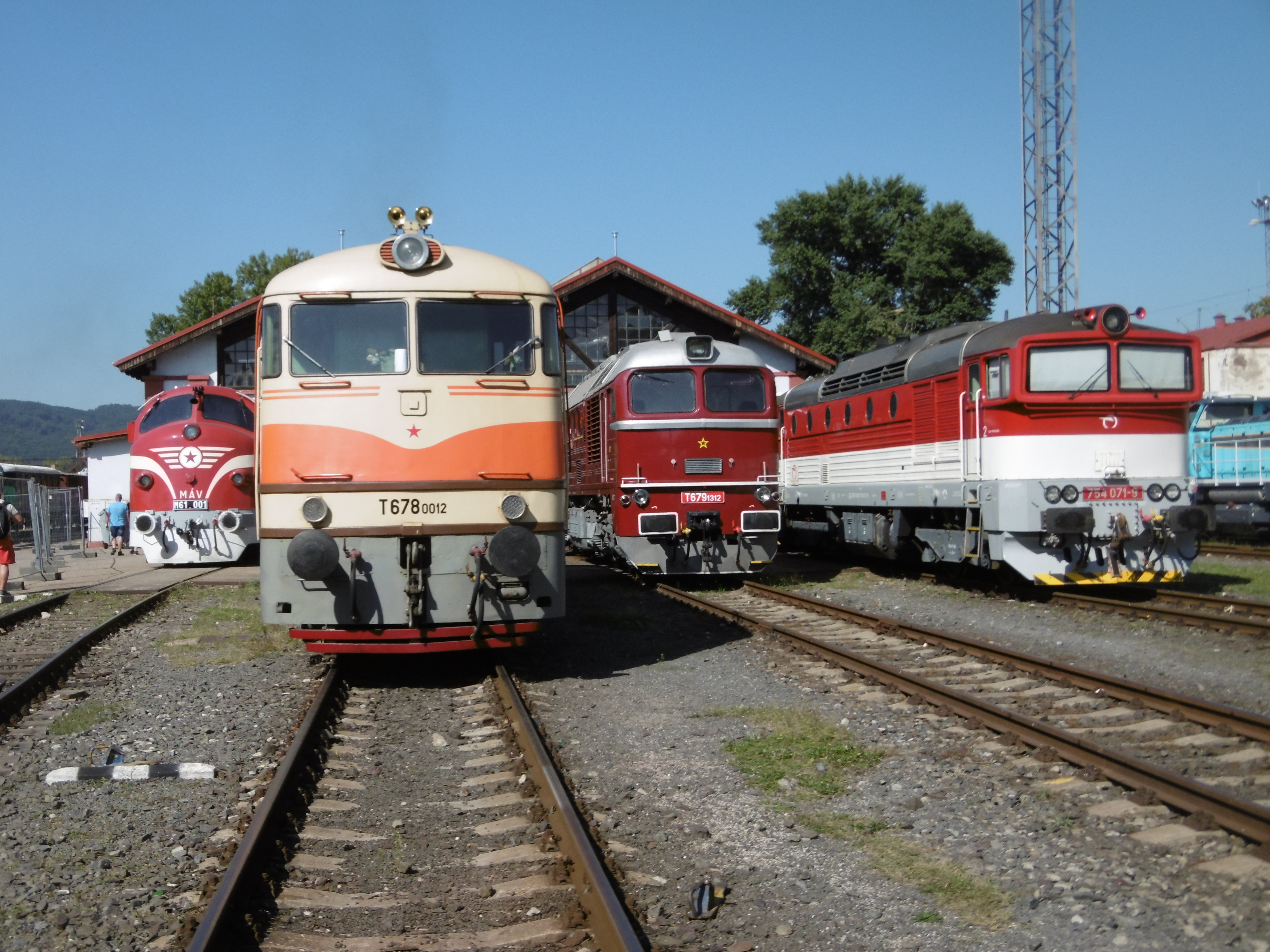
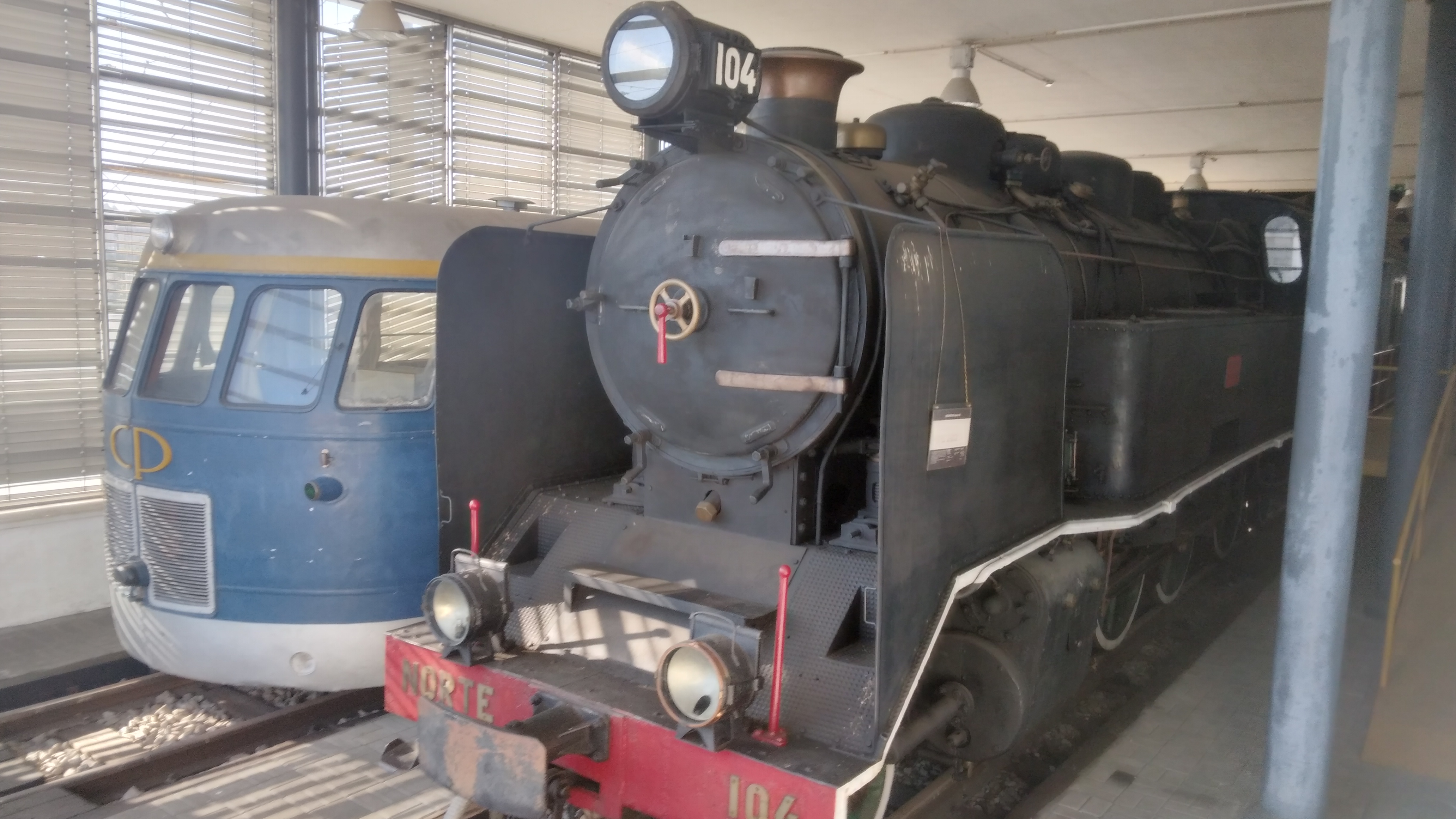
Three iconic diesel locomotive series from the 1960s. MÁV M61 produced by NOHAB factory (left), ČD T678 ("Pomaranč, 2nd left) built by ČKD and ČD T679 ("Sergey", 2nd from right) produced in Luhansk. The Class 754 is more modern (right), but an other legendary series from the 1970s.
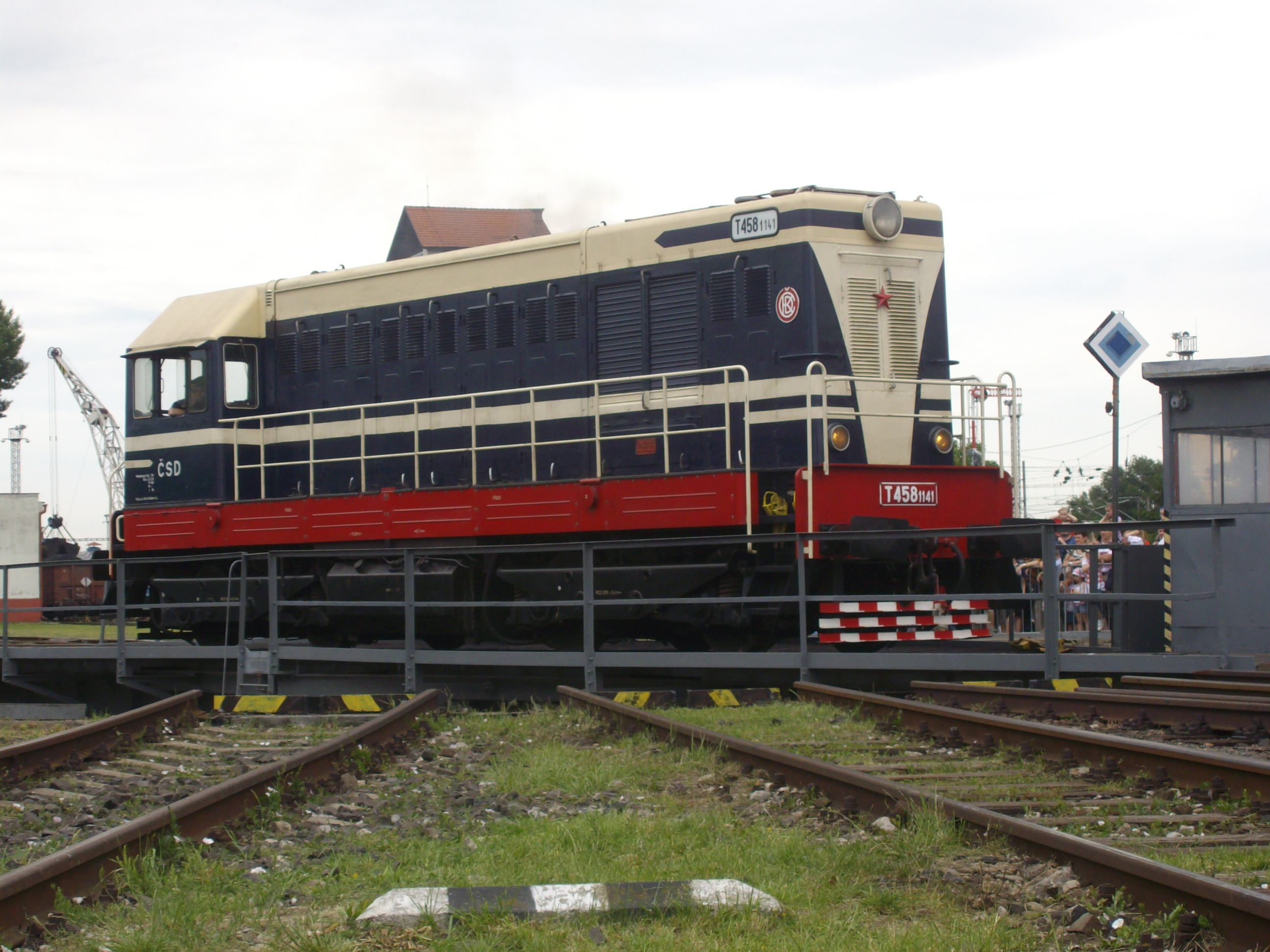
ČKD built 221 diesel shunting locos of Class T458 in the 1960s, several ones for foreign countries. The "Rendez" railway parade usually is hold on the turntable.
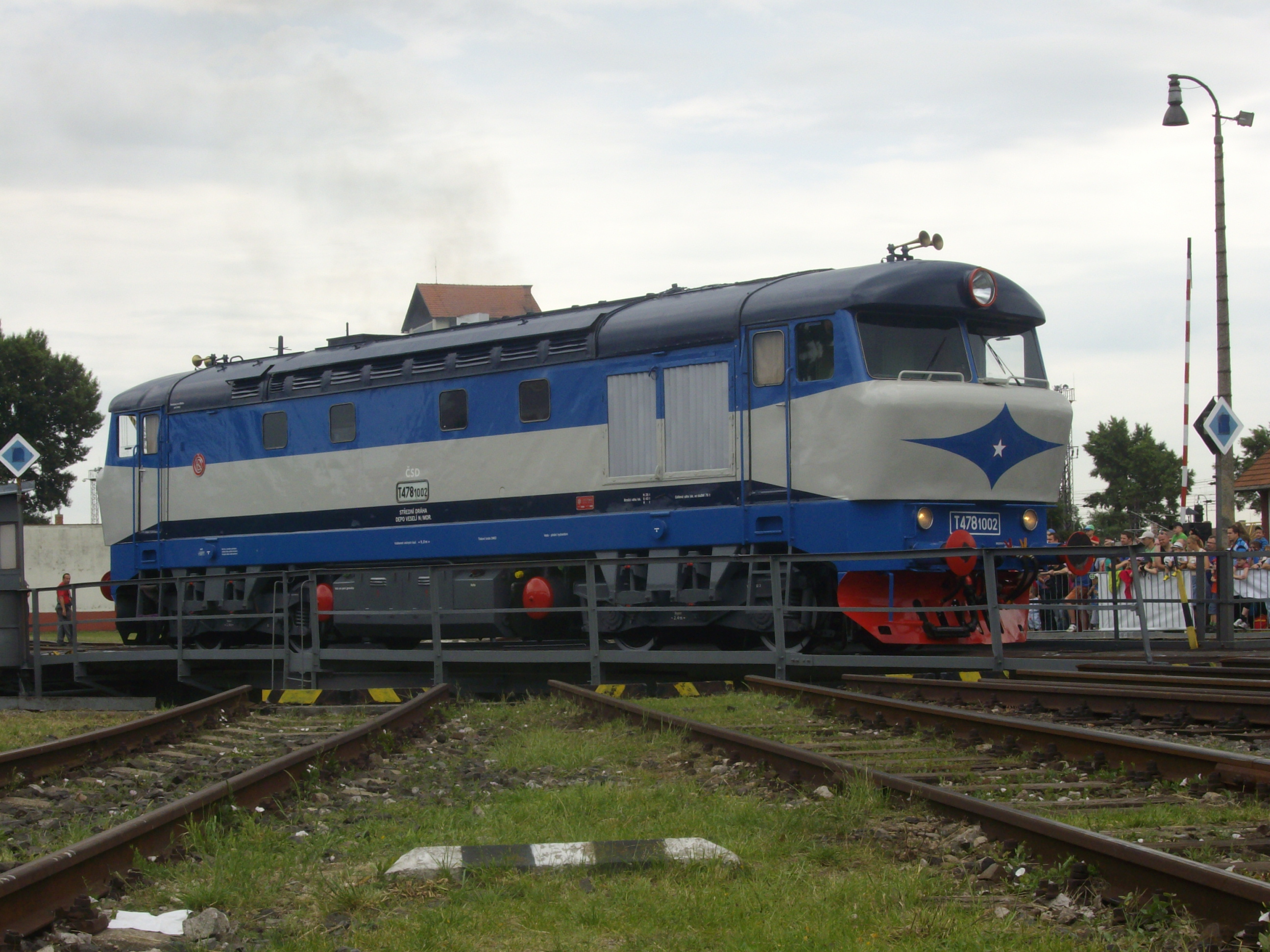
T478.1 series ("Bardotka") is popular among of railway fans. It was produced by ČKD between 1964 and 1971.
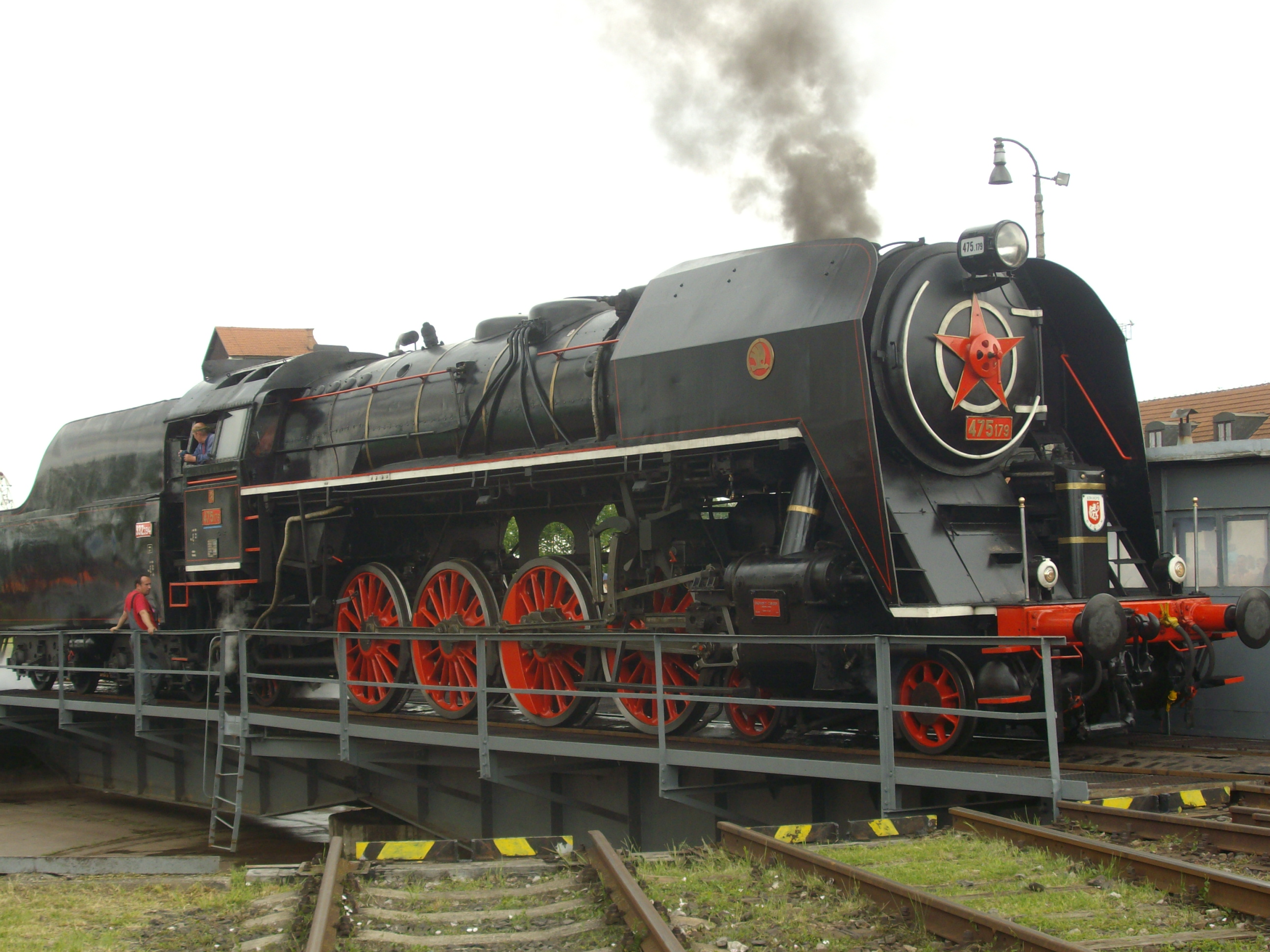
After WW2 ČD need for strong locos but the technology of diesel locos didn't reach the desired level. So Škoda factory built some big and stong new steam classes, 475.1 was one of them.
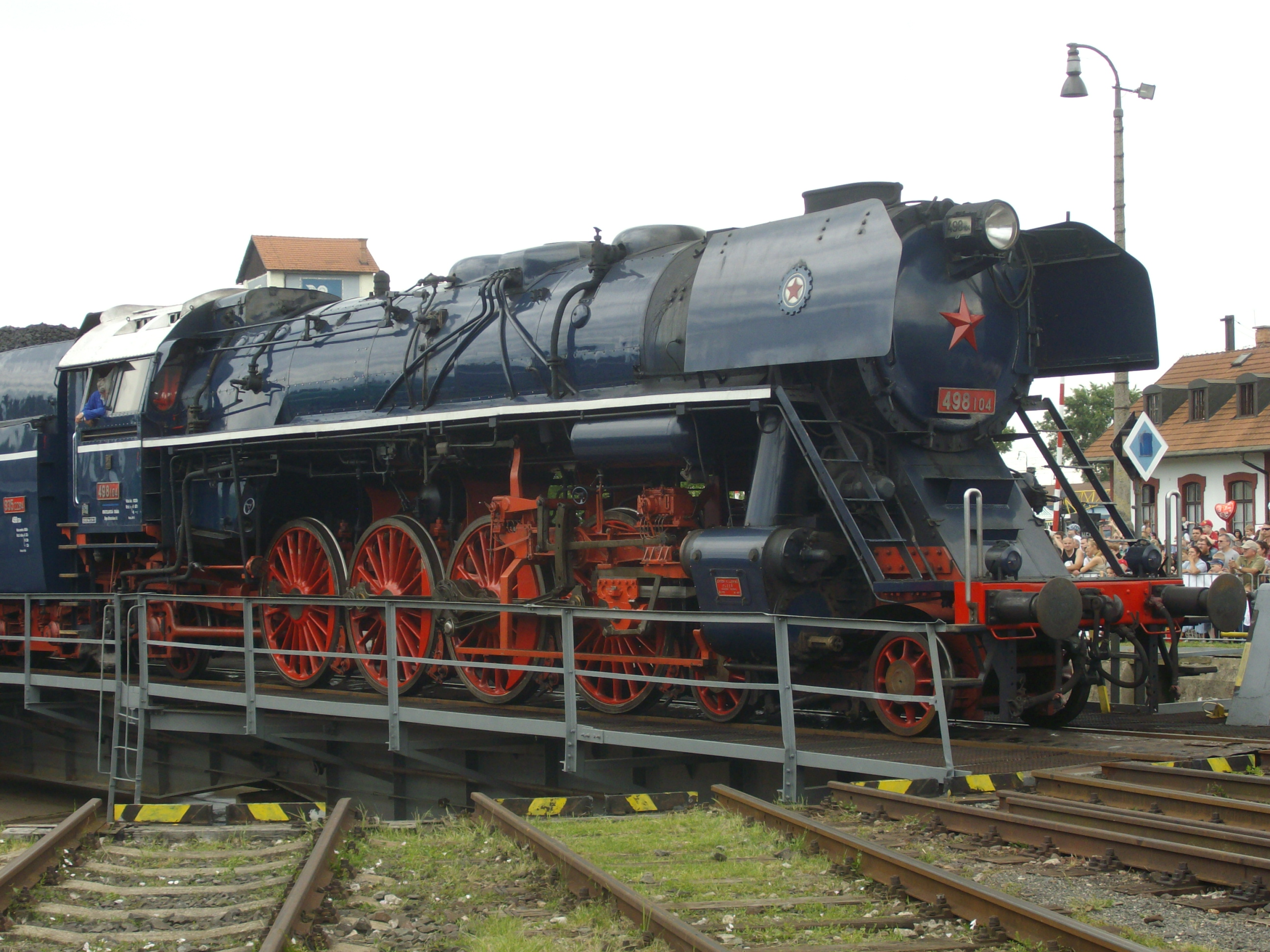
The beautiful 498 ("Albatros") was the other class of Škoda of post WW2 strong steam locos.
ČD Museum, Lužná u Rakovníka, steam locomotive parade in 2024
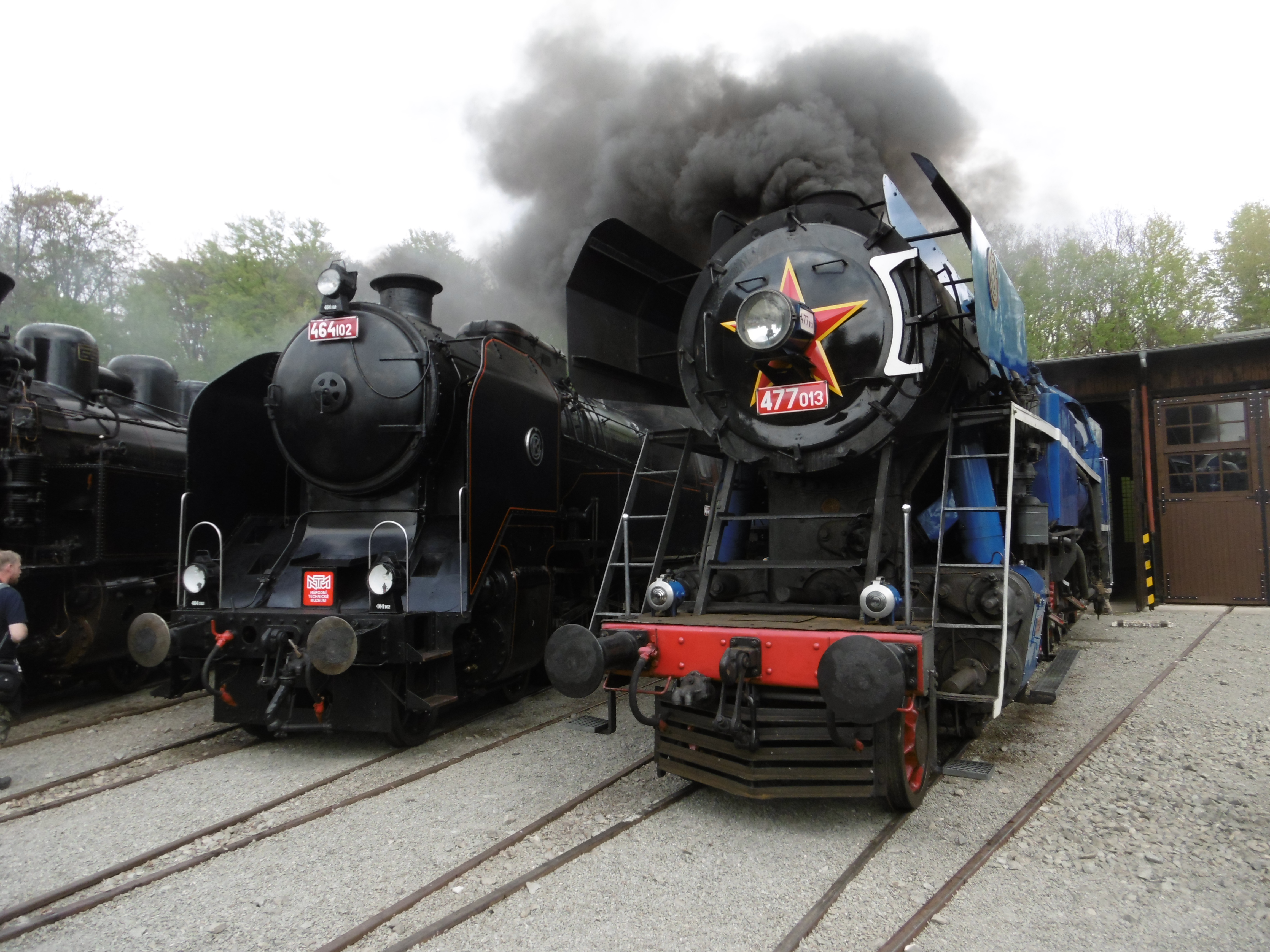
ČKD steams are waiting for their own turn during the parade in Lužná u Rakovníka. 464.102 (Ušata, left) was biult in 1940, 477.013 (Papagáj, right) in 1951.
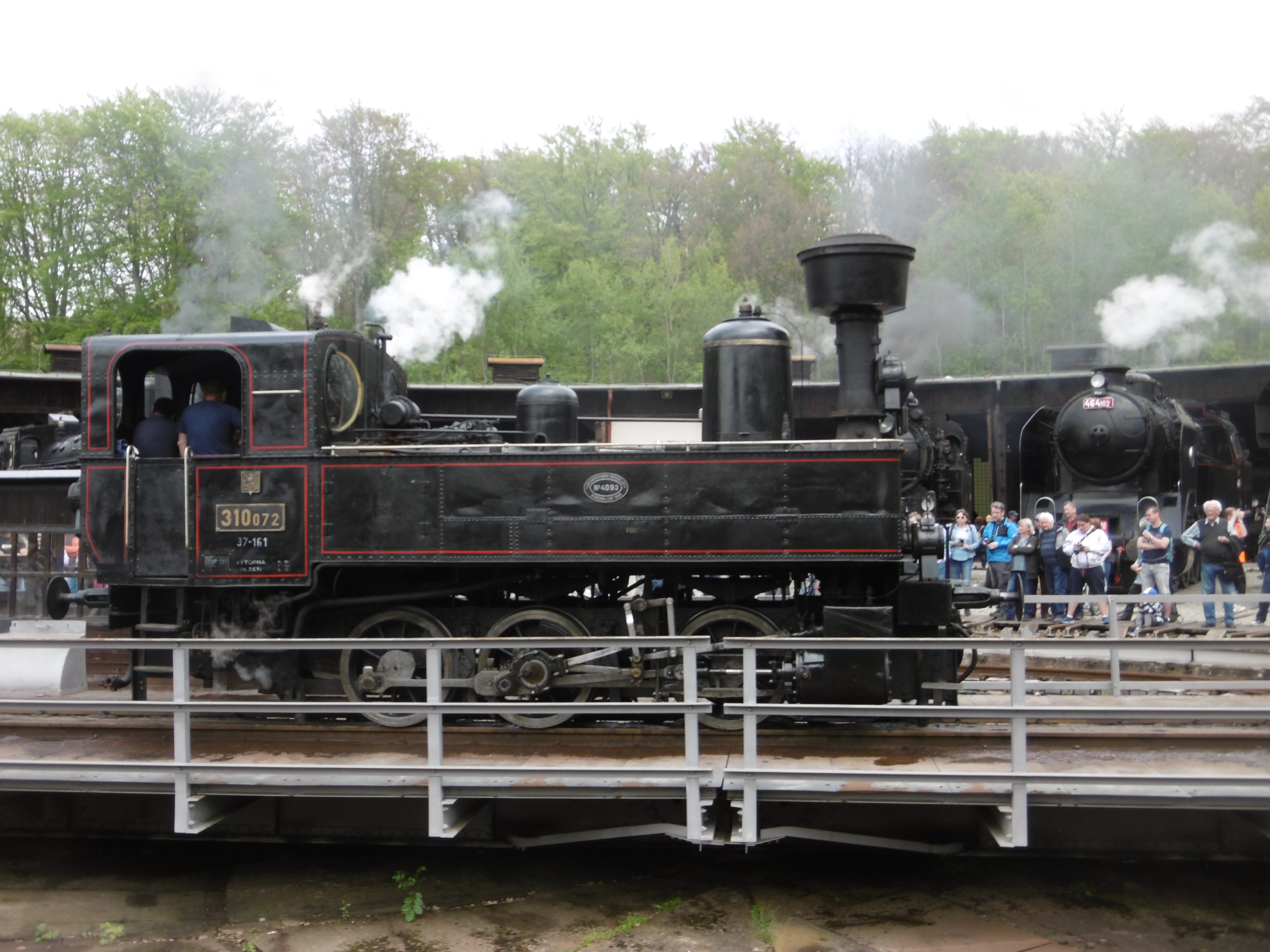
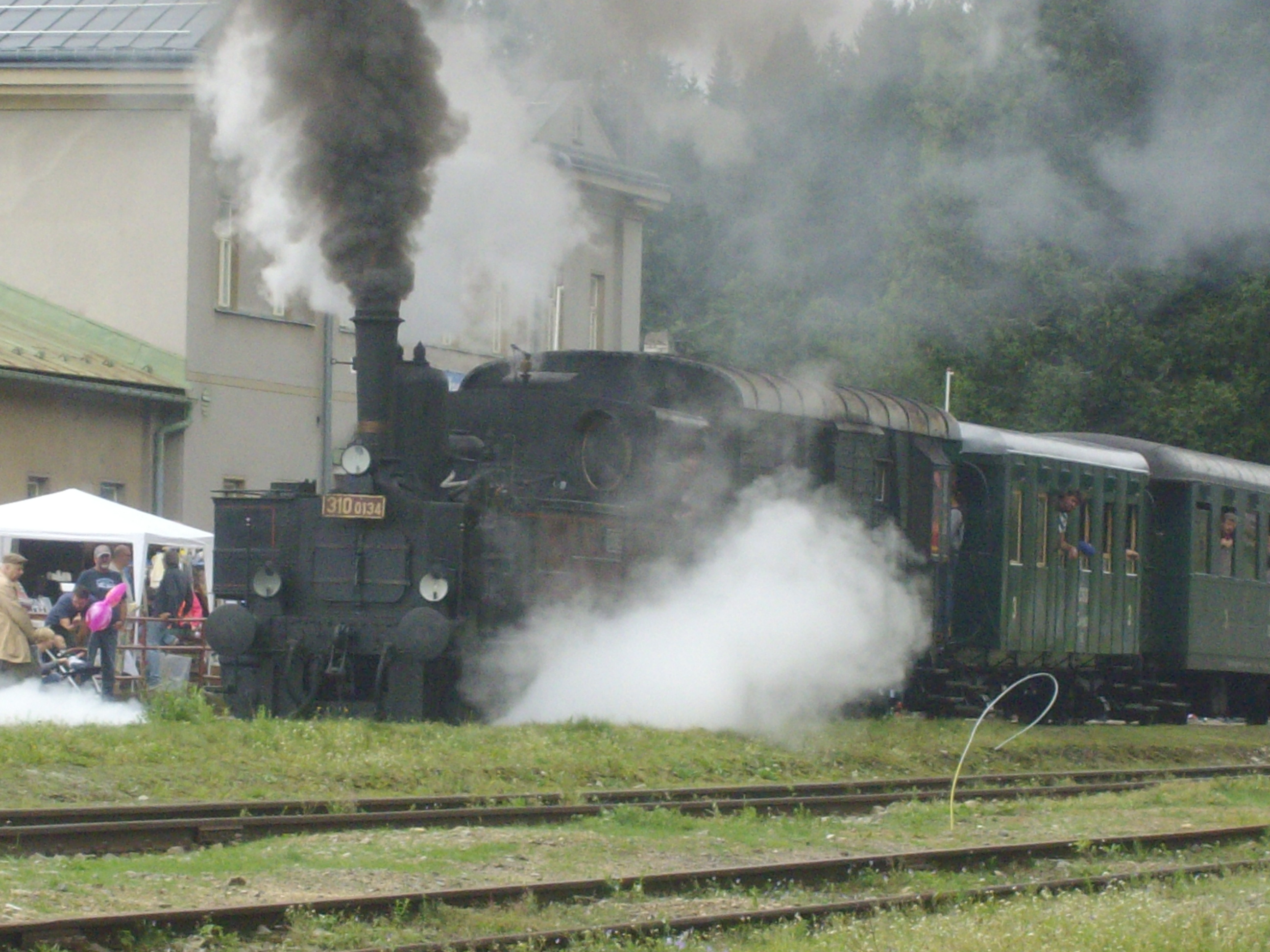
The ČD Class 310 locomotives were built before WW1 in different factories. They were used on secondary lines.
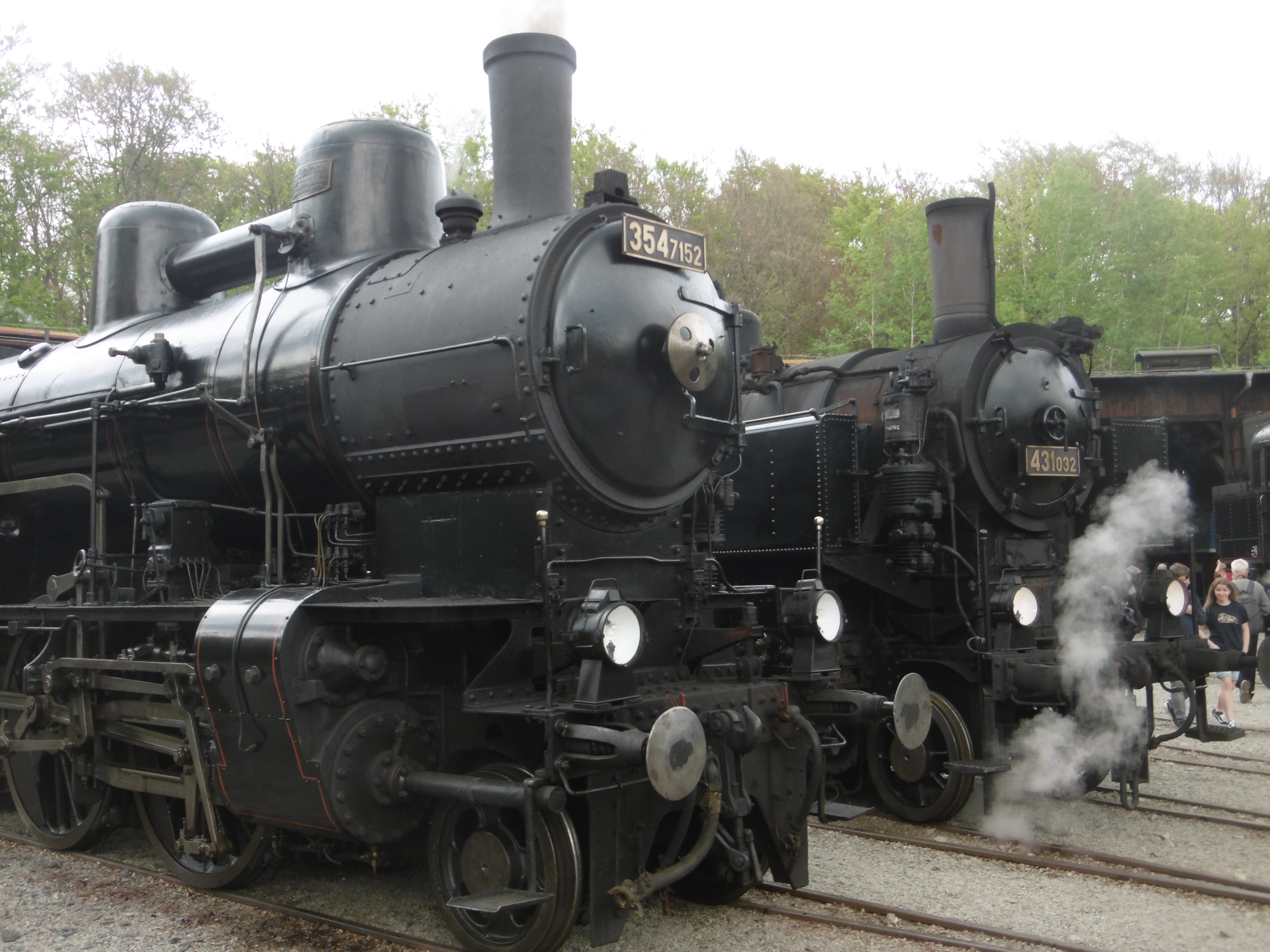
354.7152 locomotive (left) had been produced in 1917, before Czechslovakia became an independent country in 1918. An other one of this class attended the railway parade. 431.032 steam (right) originally was an Austrian loco, it arrived in Czechia only in 2016.
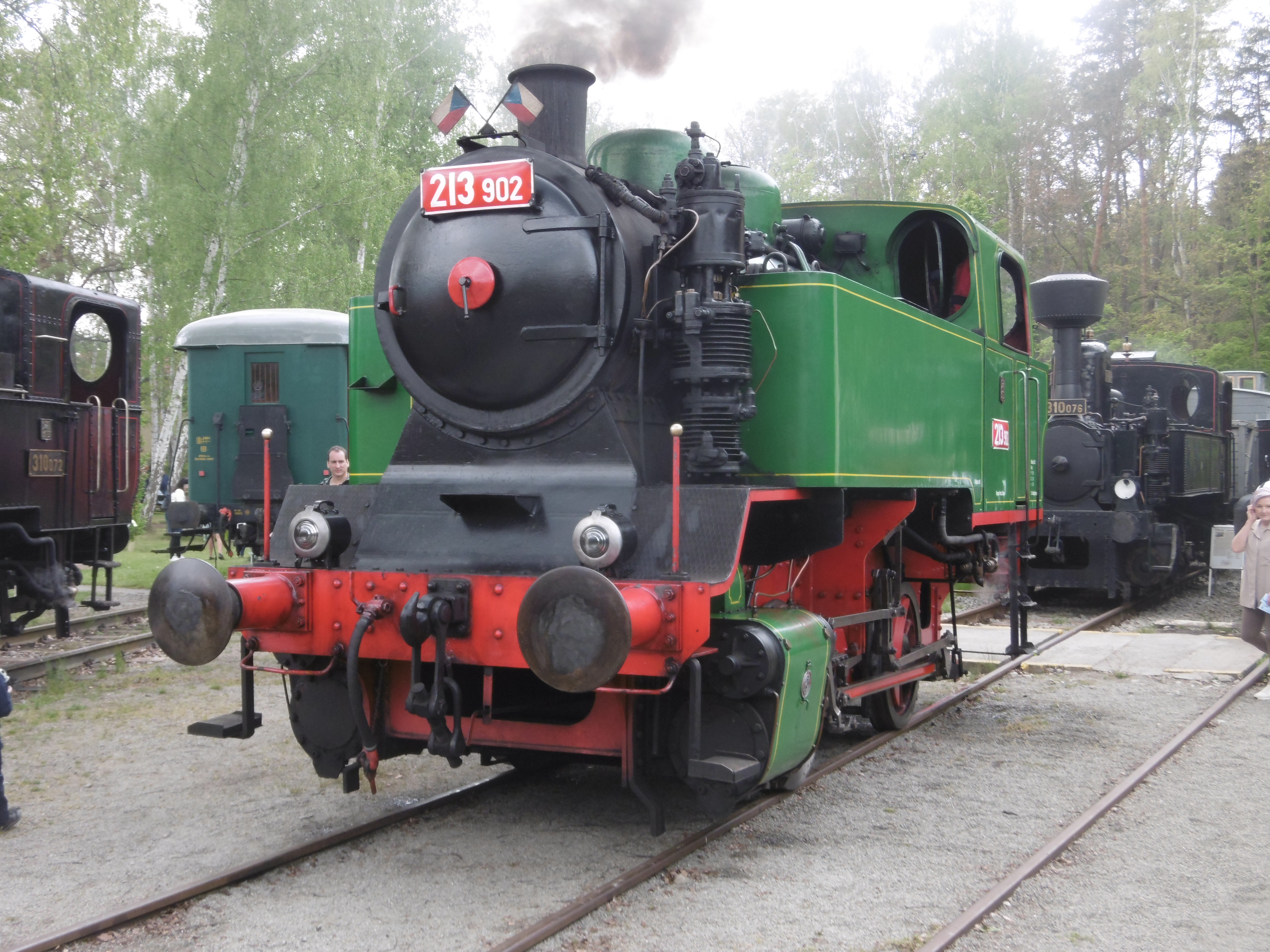
The Class 213 is a tiny industrial steam locomotive. Slovakia has also an operable one.
Wolsztyn's steam locomotive parades, Poland
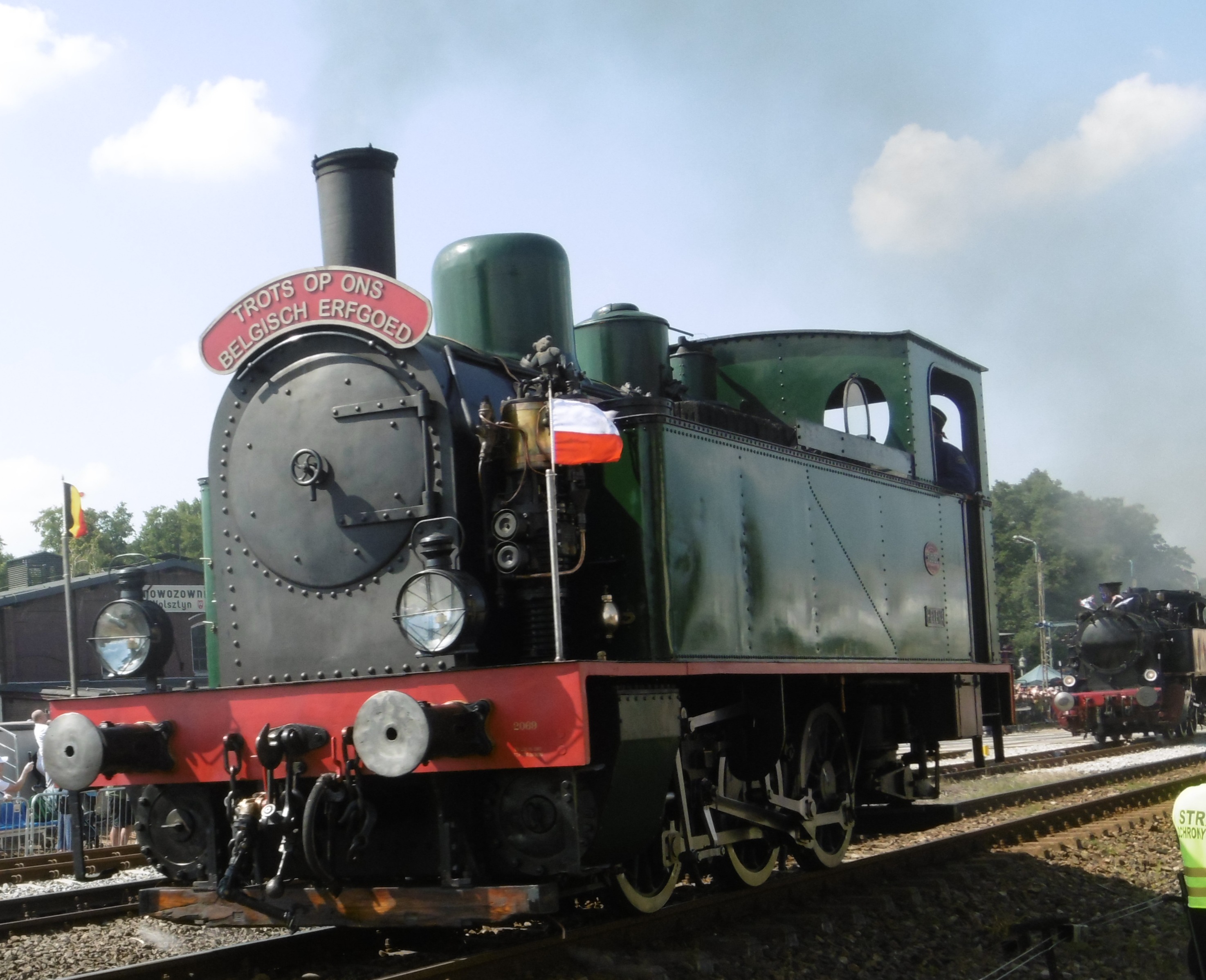
In 2023 only one local steam attended the steam parade. The tiny green loco ("Tubize") arrived from Belgium. At the background there is an other guest steam, "Energie" from Luxemburg.
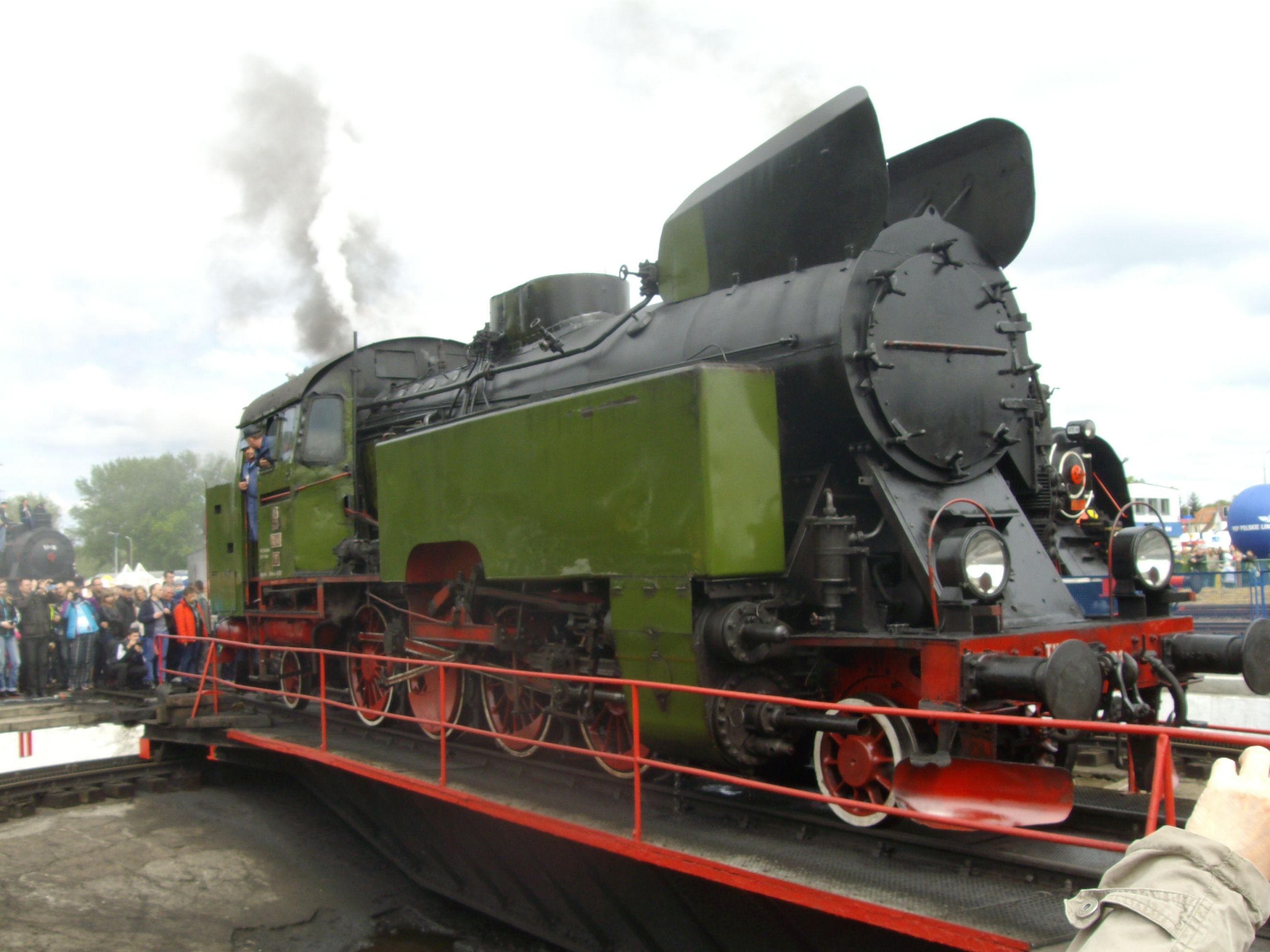
The PKP class TKt48 was a class of Polish freight tank 2-8-2 steam locomotive form the 1950s. This one arrived from Chabówka to attend the Wolsztyn's parade in 2014.
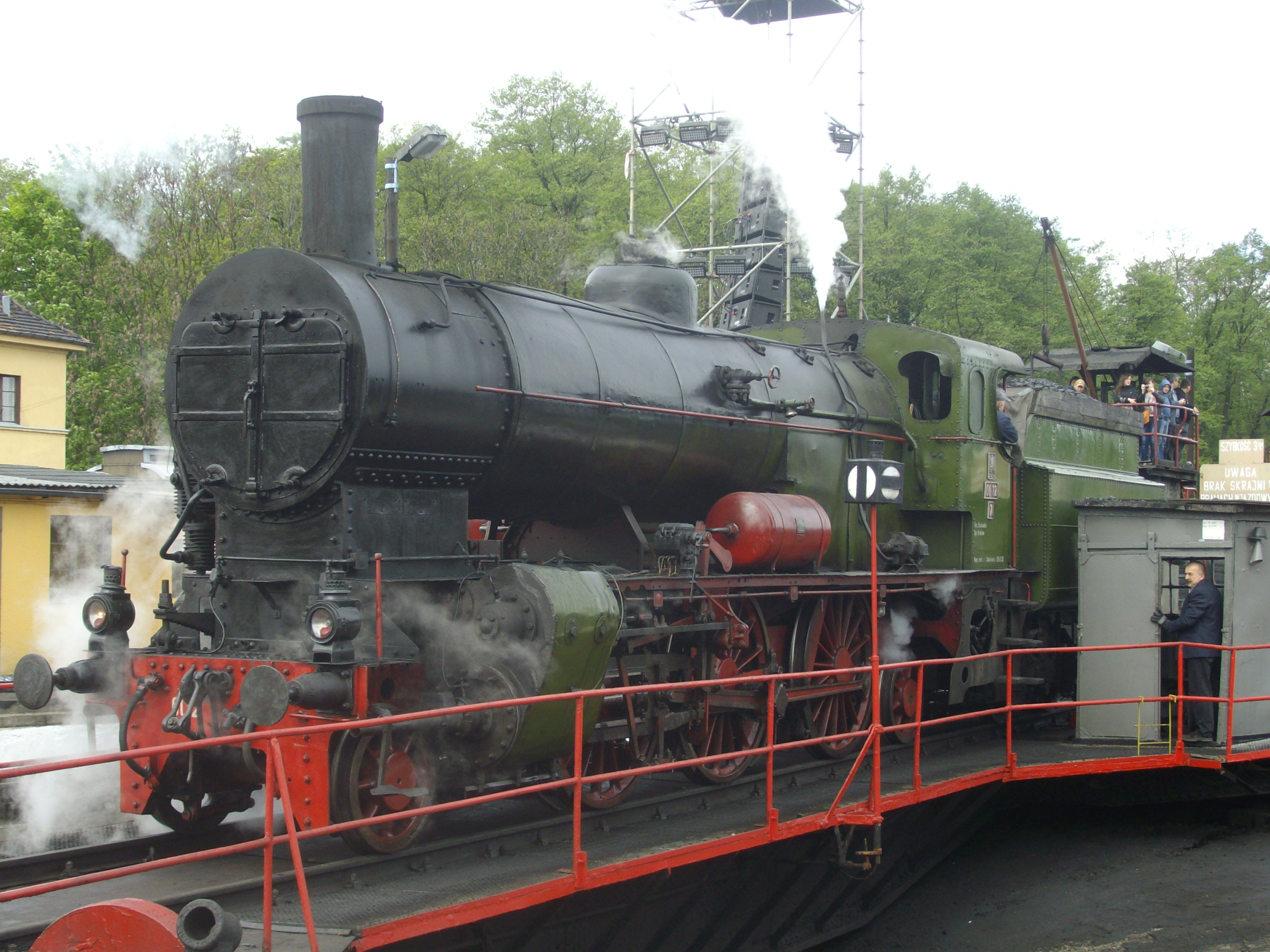
The PKP Class Ol12 locomotive also arrived from Chabówka in 2014. It is the Polish equivalent of ČD Class 354.7.
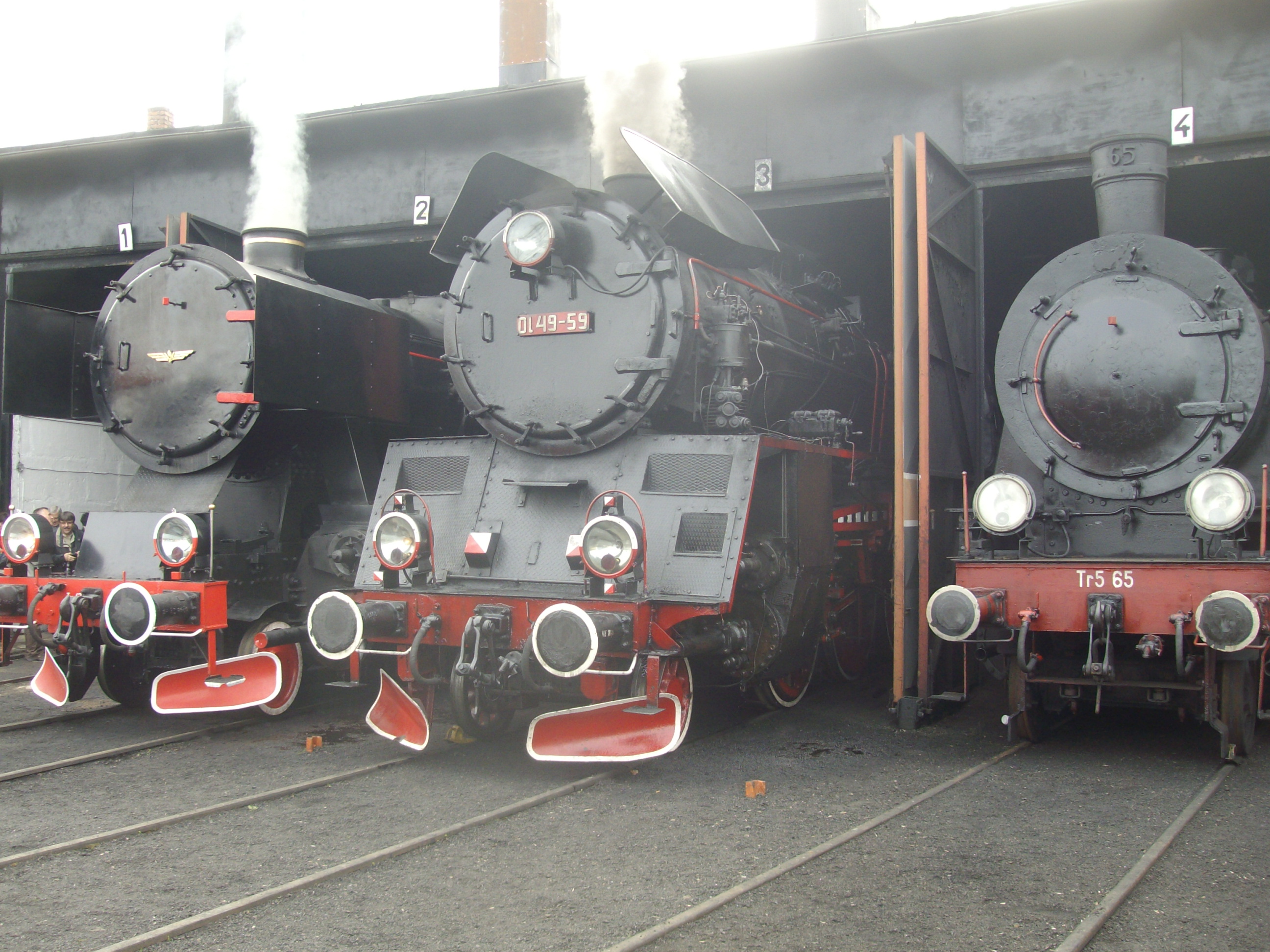
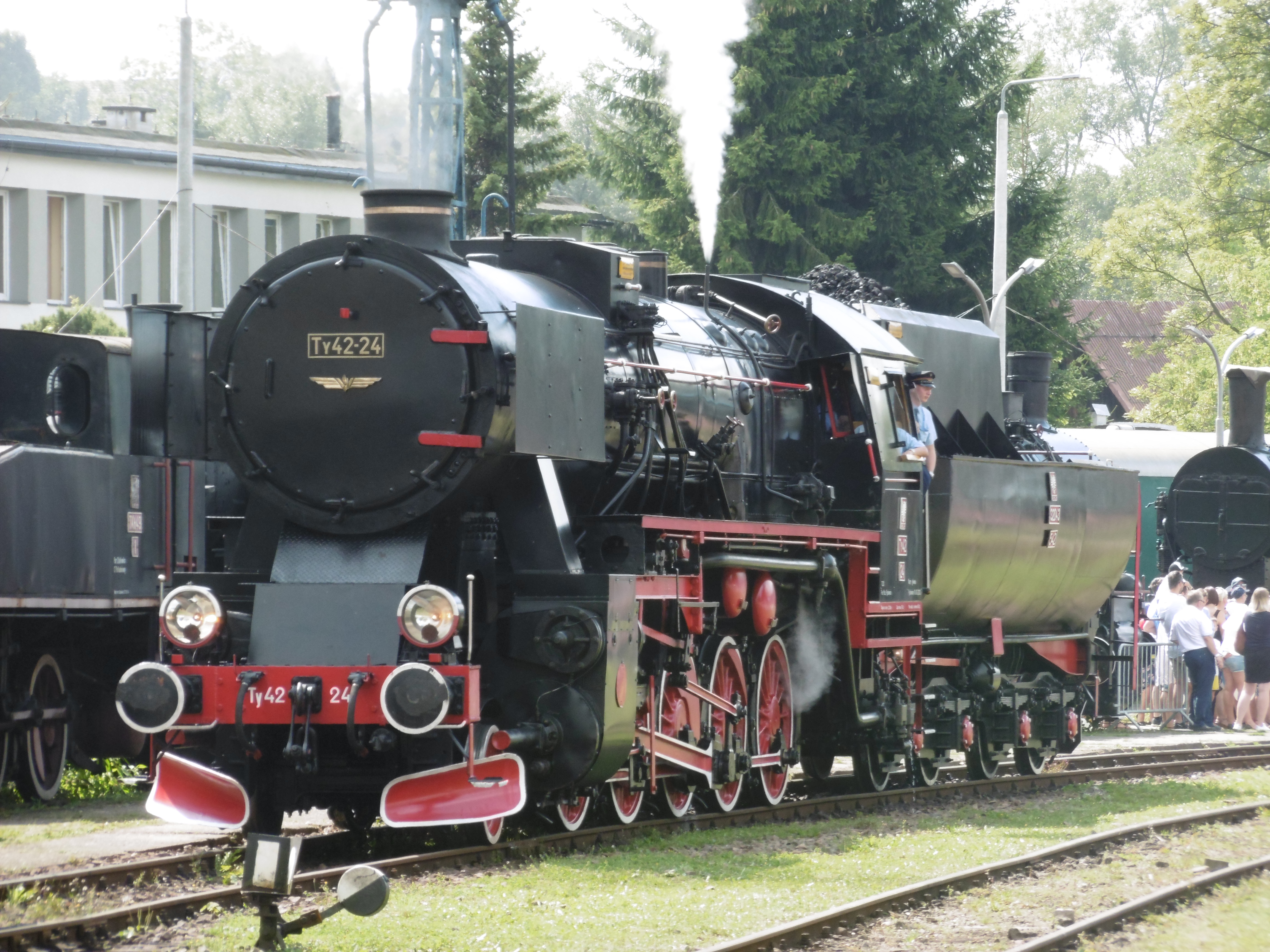
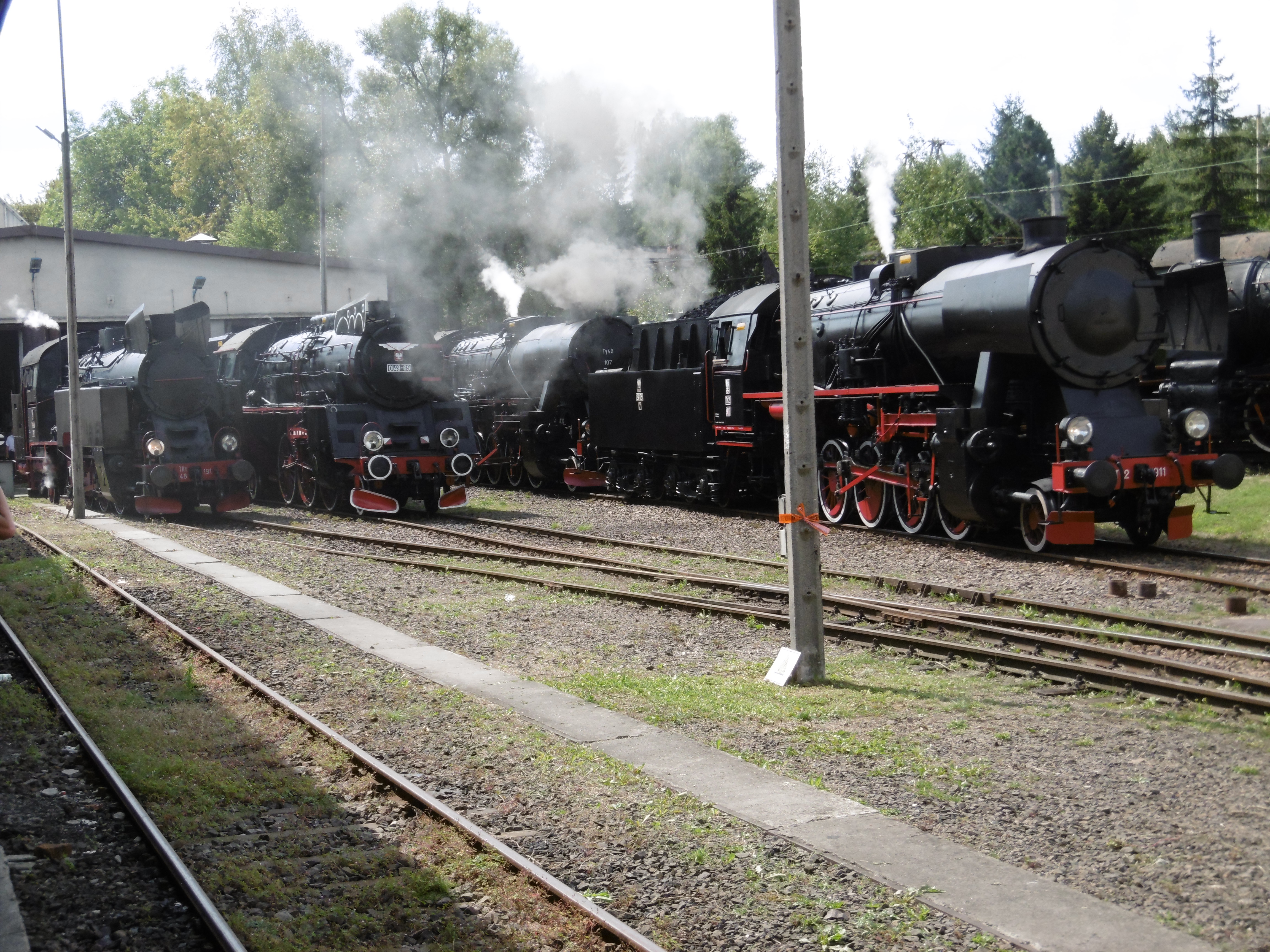
Local participants of the parade of 2014: PKP Class Ty 42 (left, DRG Class 52) and Ol 49 (middle, from the 1950s) in the famous locomotive shed.
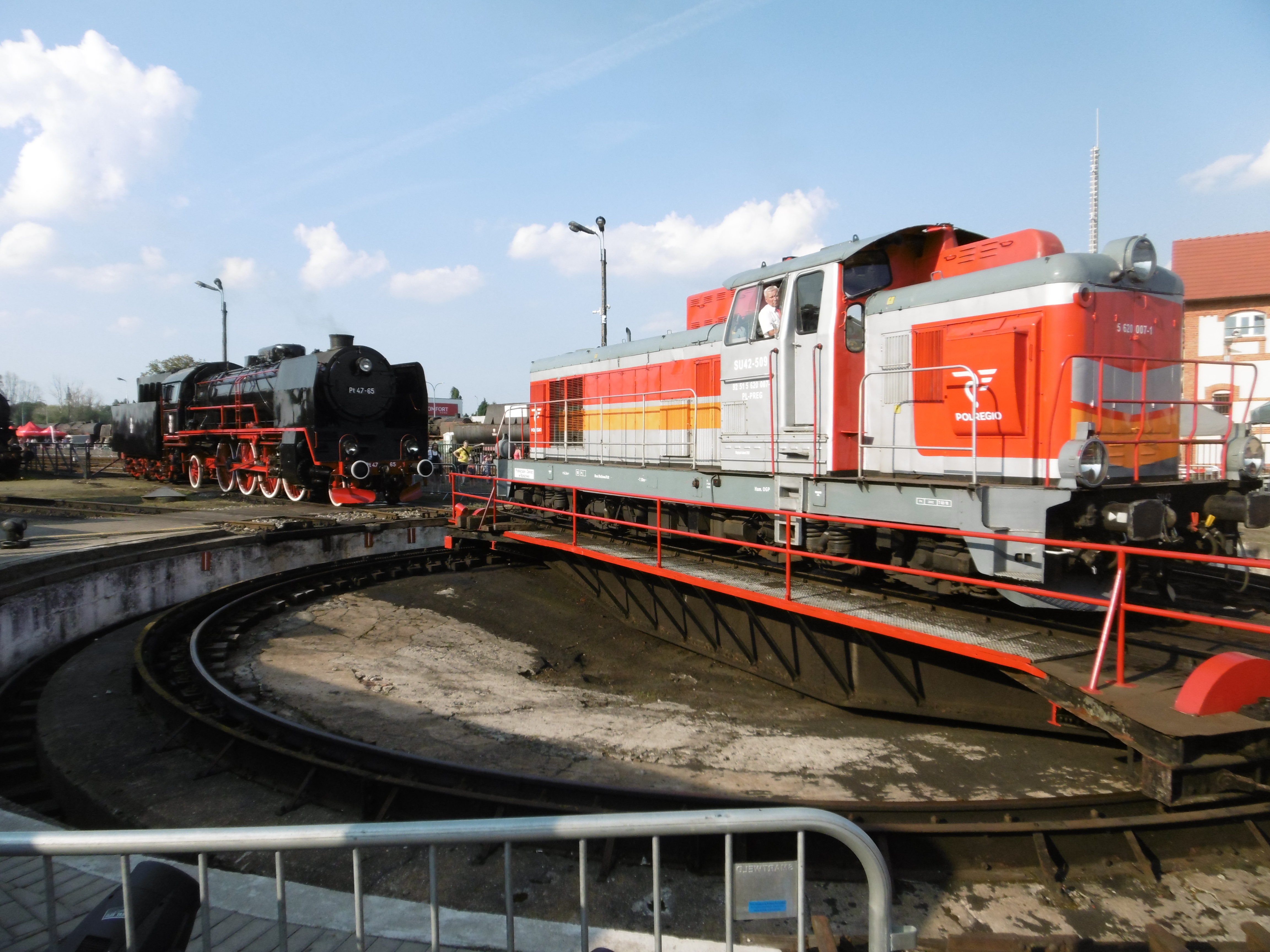
The PKP SM42 diesel locomotives were widely used in passenger trains. On the turntable there is a modernised one of Polregio. In the background there is the only local participant steam (Pt47-65) of Wolszty's parade in 2023.
Railway Museum, Chabówka, Poland
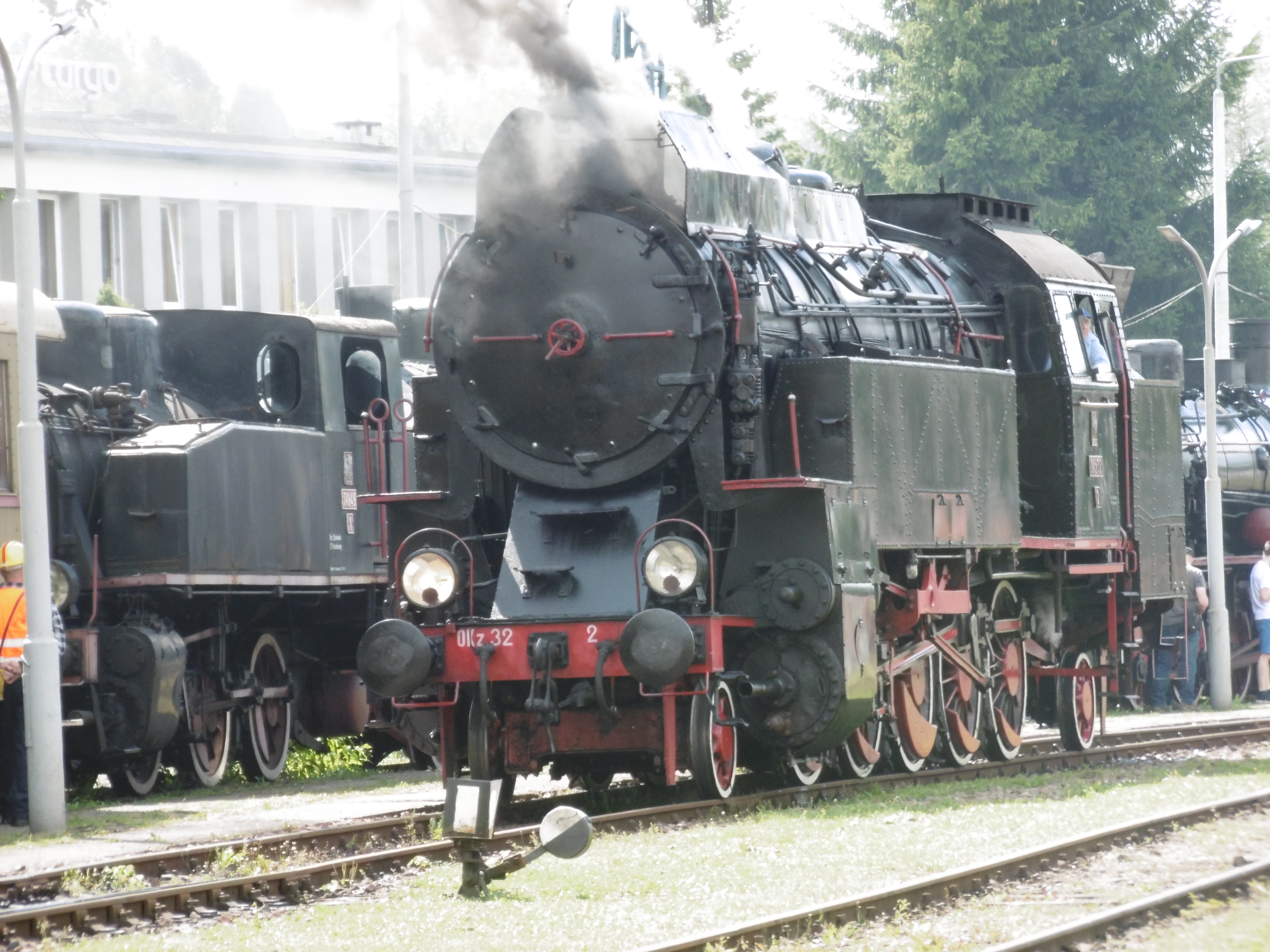
In 2018, modern Poland celebrated its 100th birthday. The vehicle parades in Chabówka was organized partly around this theme. This picture shows the PKP Class Okz32 steam loco which was built in Poznan in the 1930s.
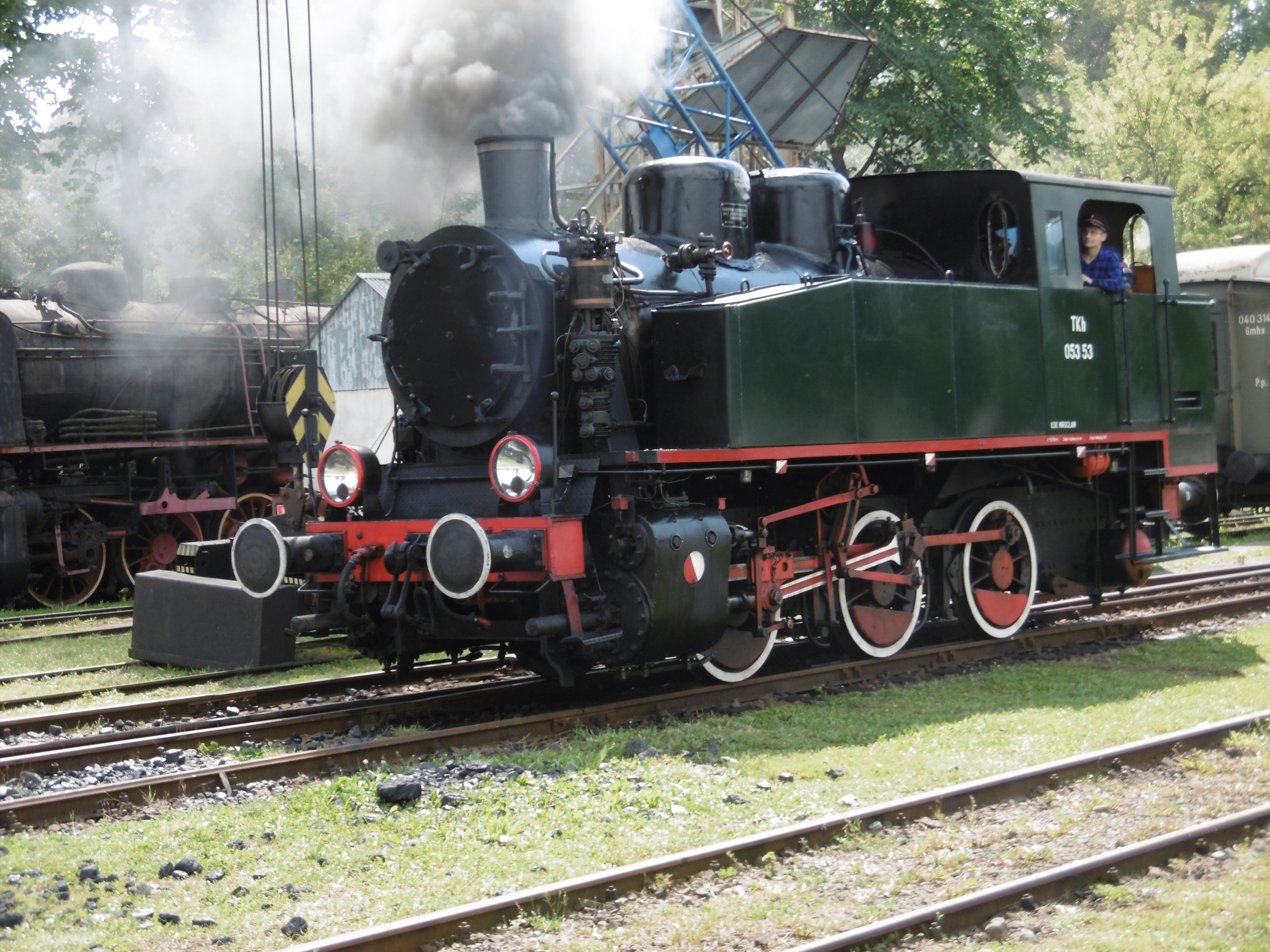
The former industrial steam locomotive number TKh 05353 arrived from Wroclaw.
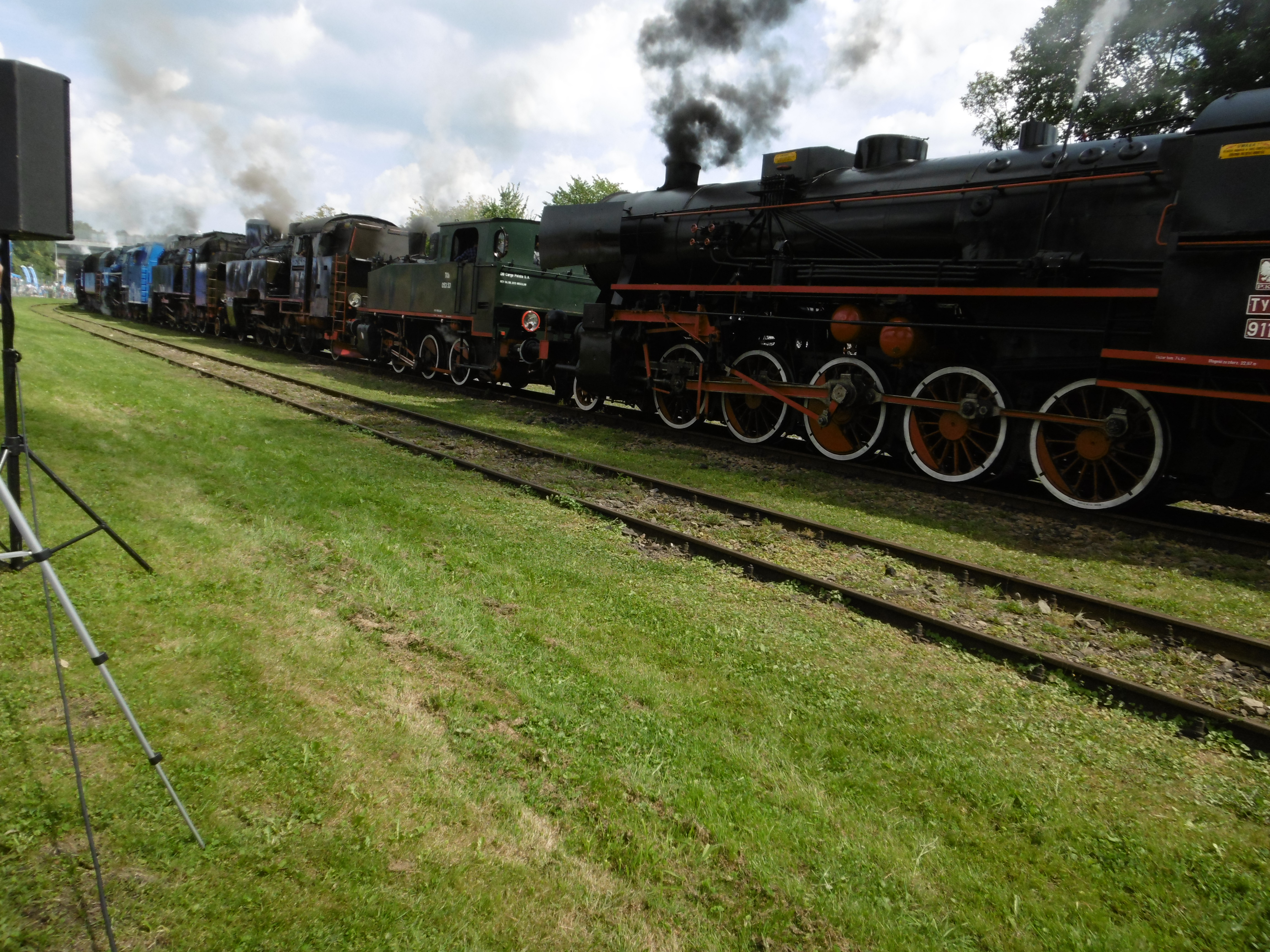
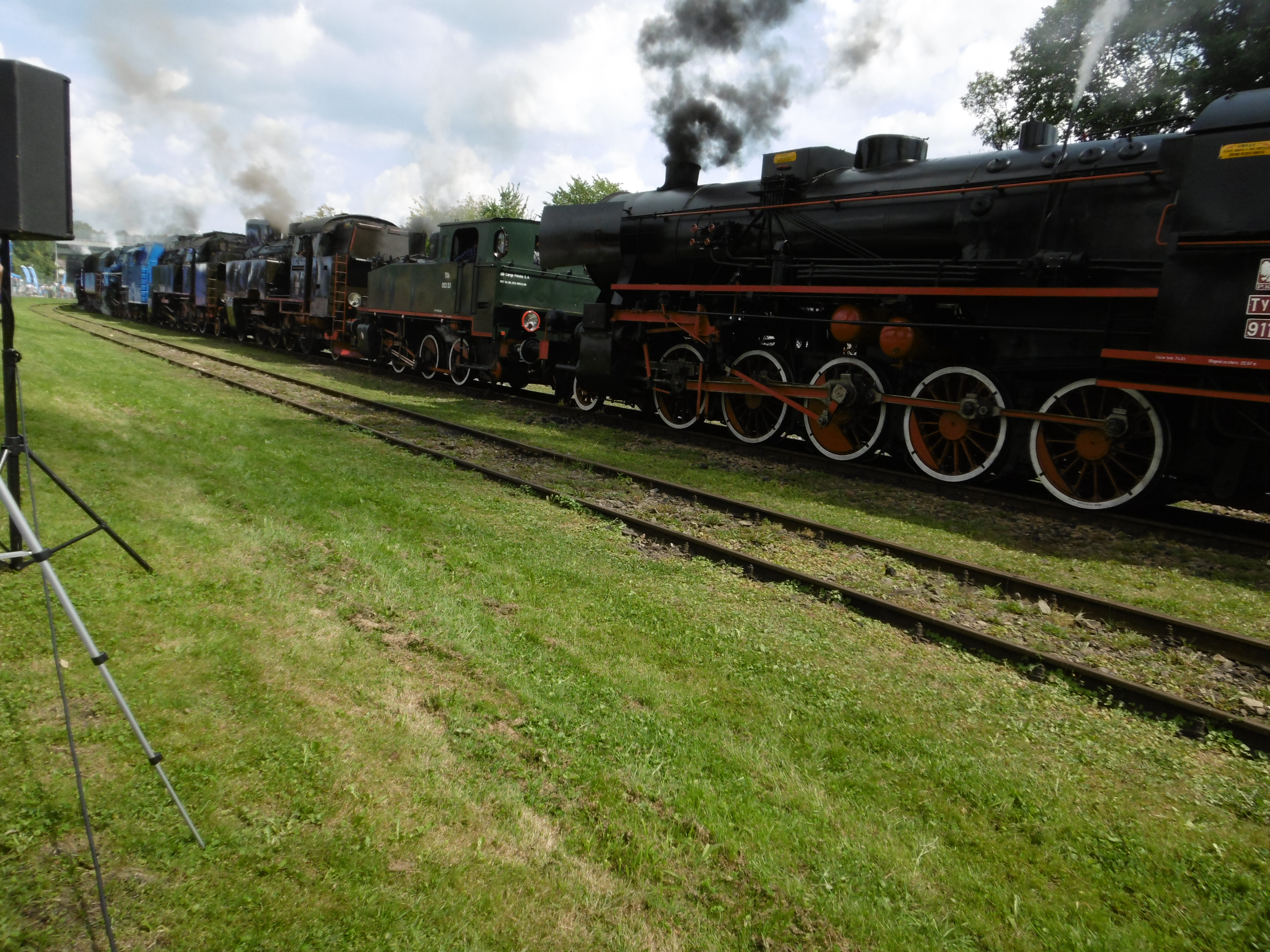
As a highlight of the first parade, the 8 participating steam locomotives interlocked together.
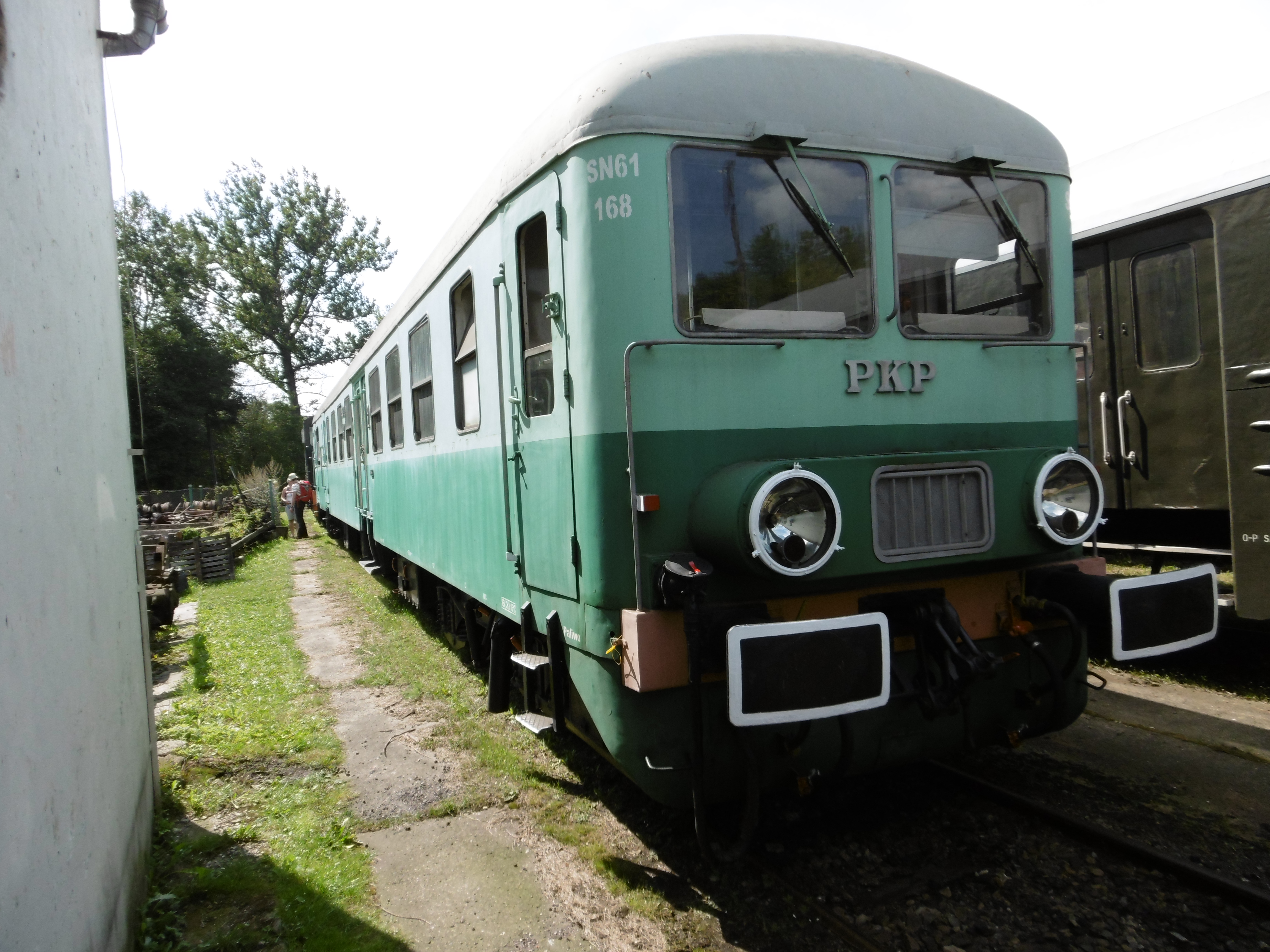
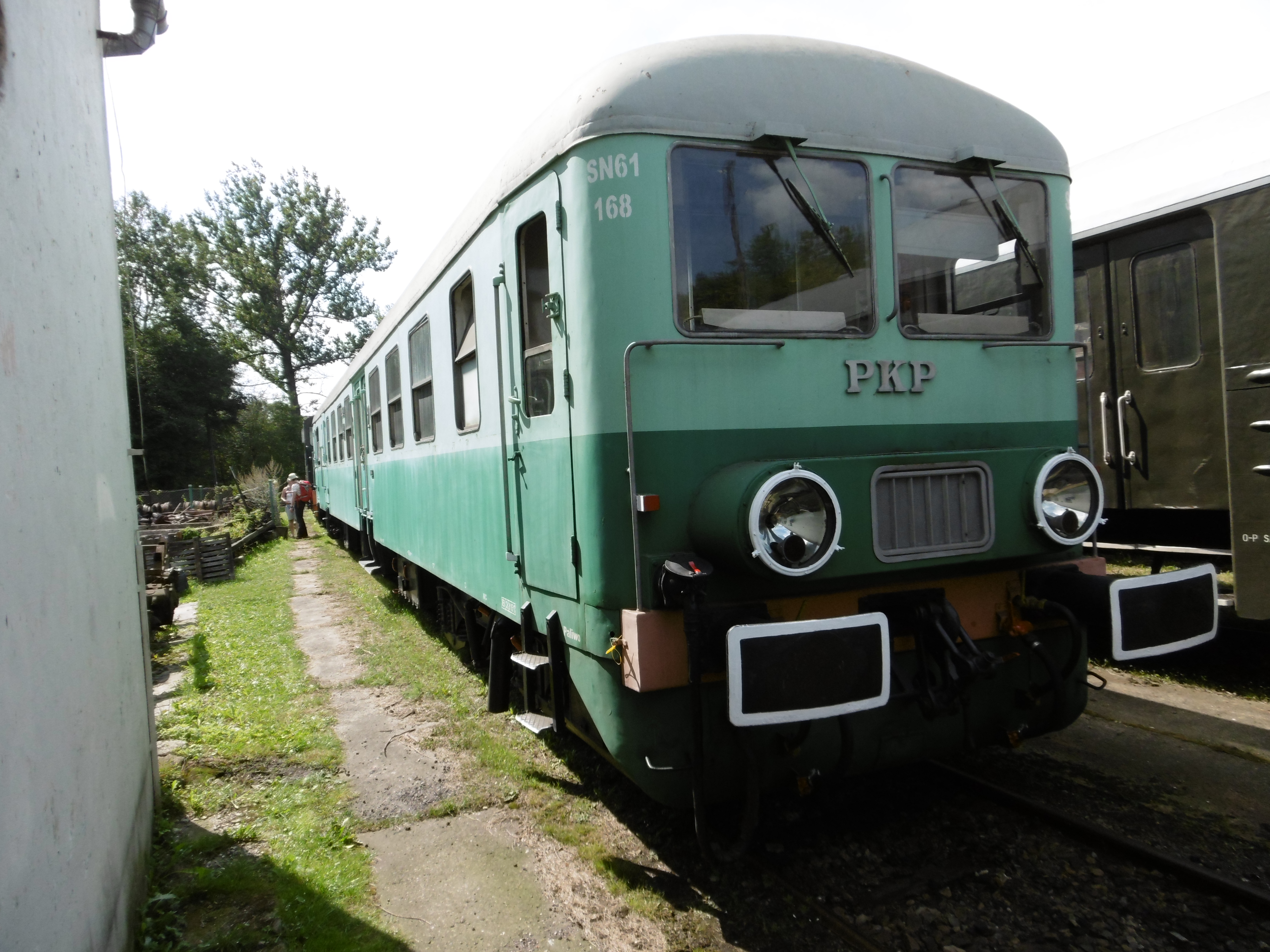
The only diesel vehicle was introduced during parades was the Ganz railcar with track number SN61-168.
Open air railway collection, Vilnius (Lithuania)
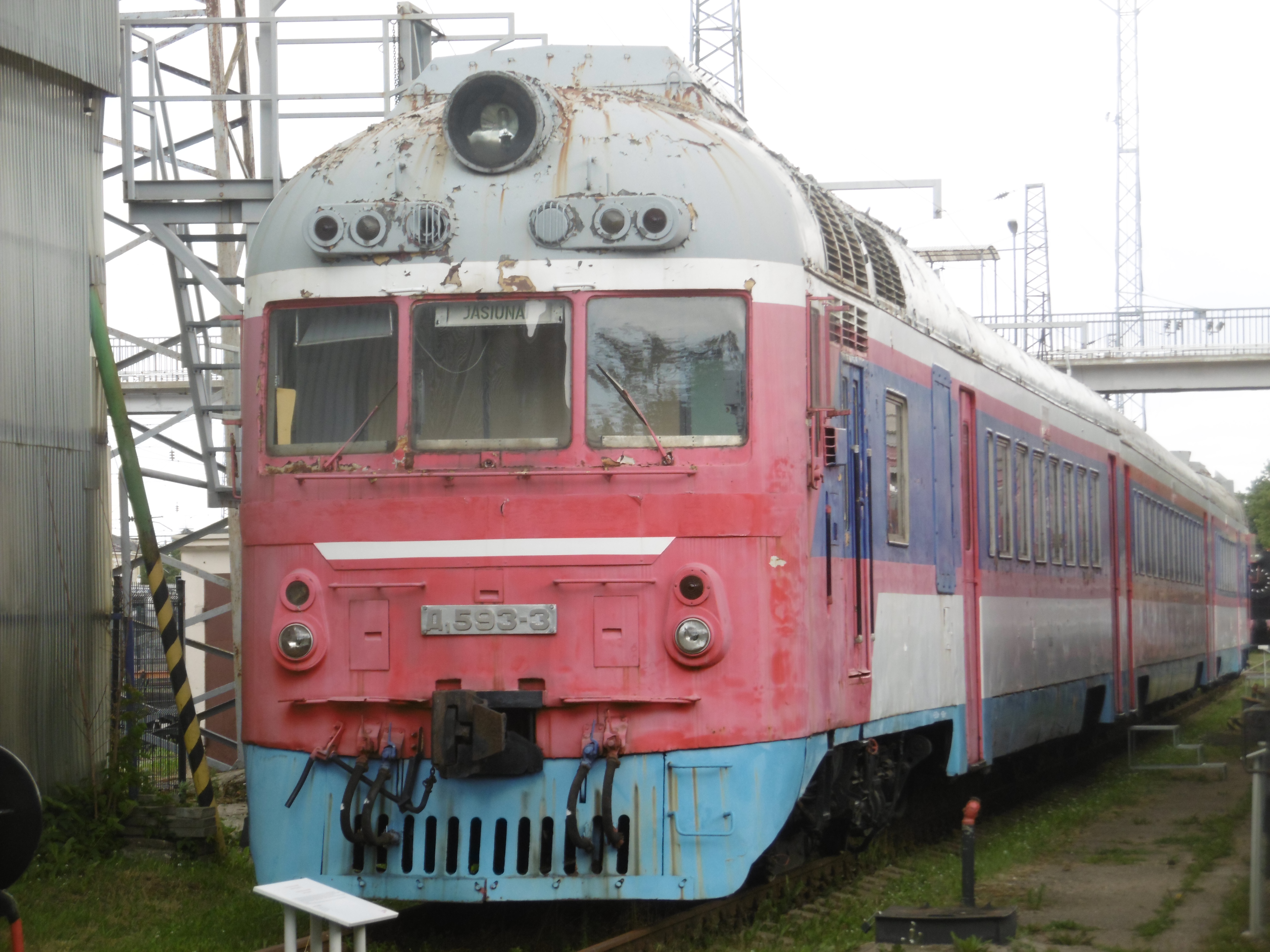
The Ganz D1 DMU from the 1960s was the most interesting vehicle of the exhibition for me.
Open air Railway Museum of Romania, Sibiu
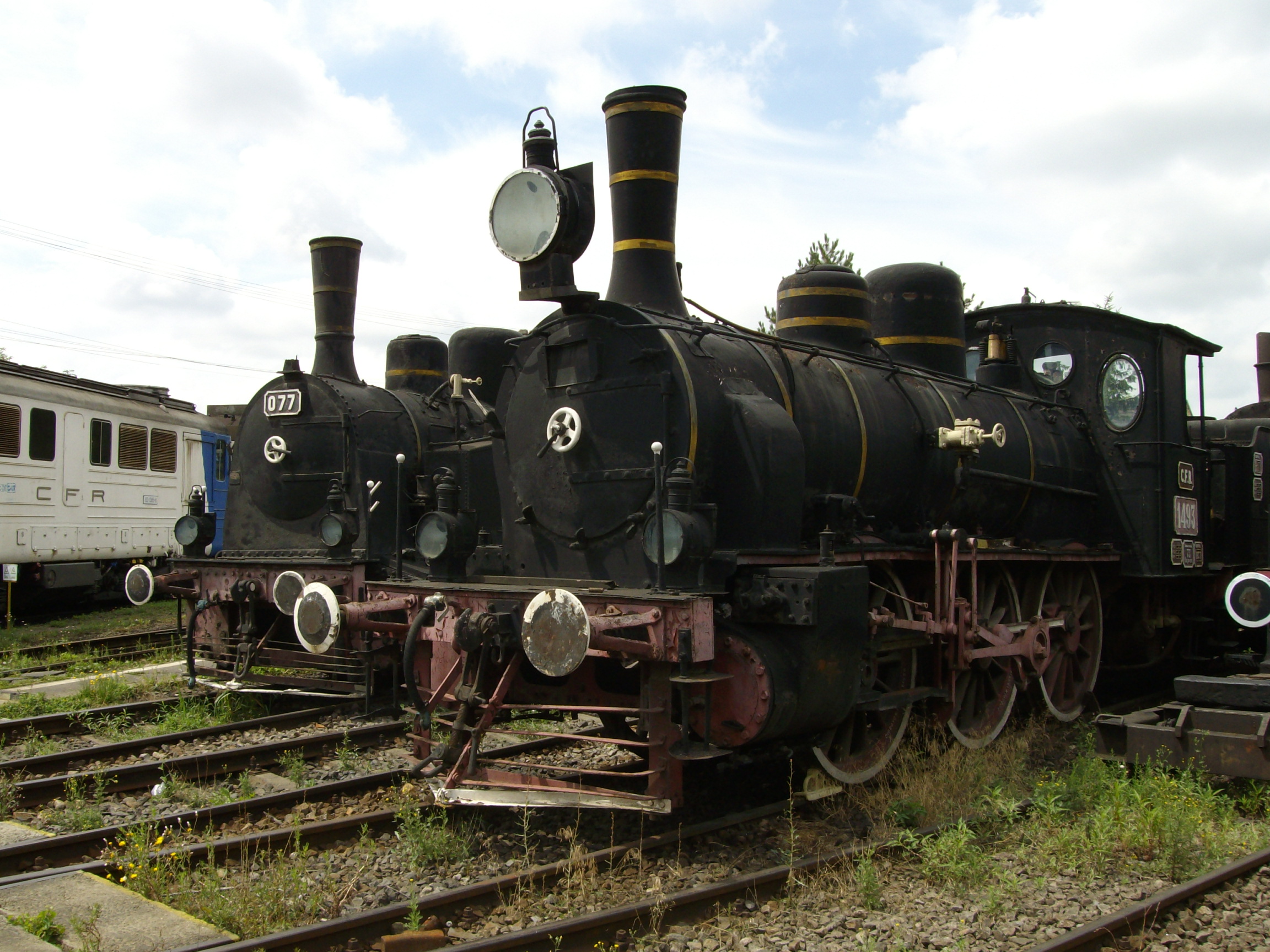
The museum and the vehicles were not so well maintained in 2008, but there were some beautiful steam locos.

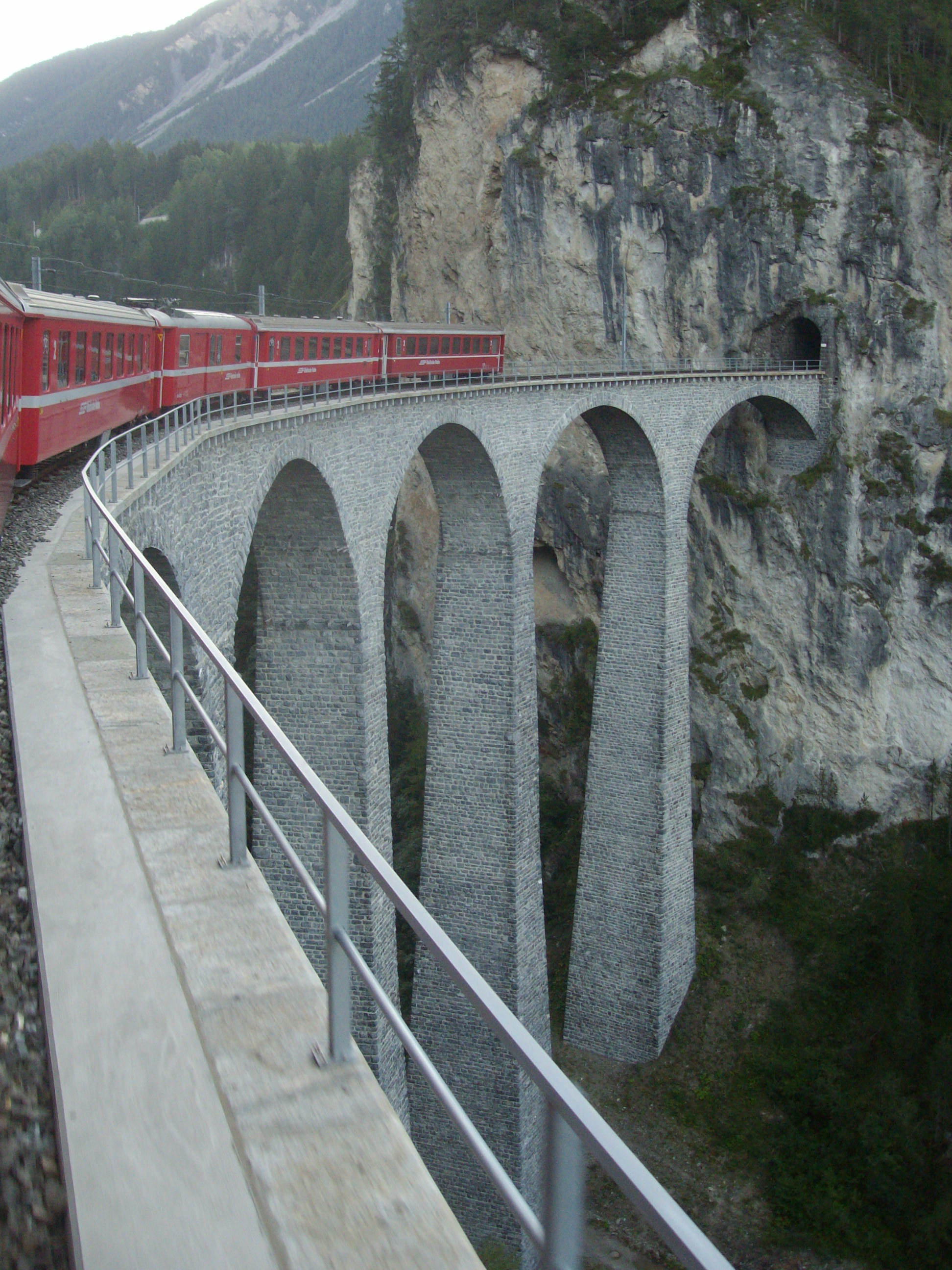 Landwasser-viaduct in Switzerland, Graubünden canton is well-known, it is the symbol of the Albula-line. Both Glacier and Bernina Express use it.
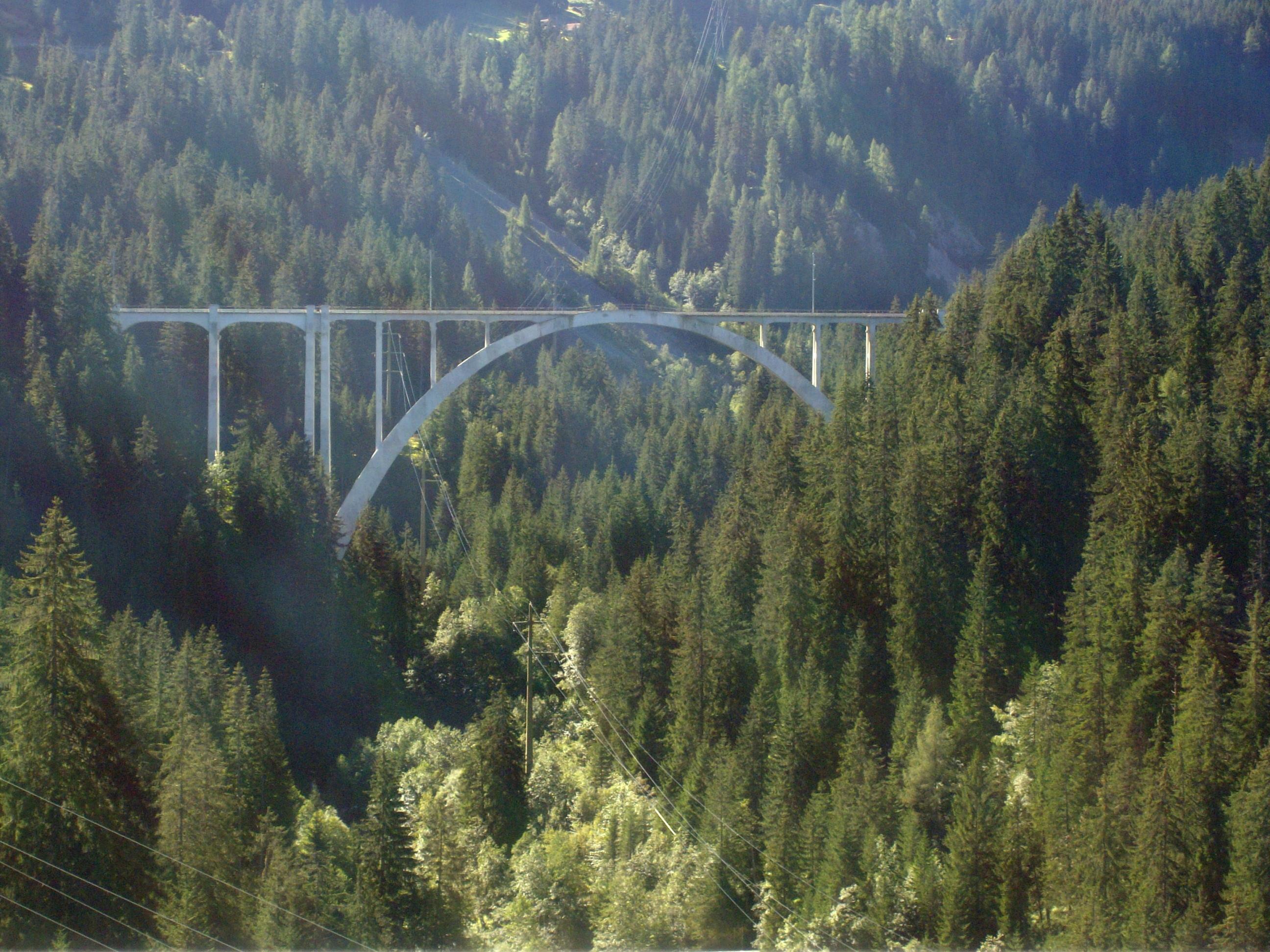 Langwieser-viaduct is very impressive on the Arosa line, however less people have heard about it than about Landwasser. It was a technical miracle at the beginning of the 20th century.
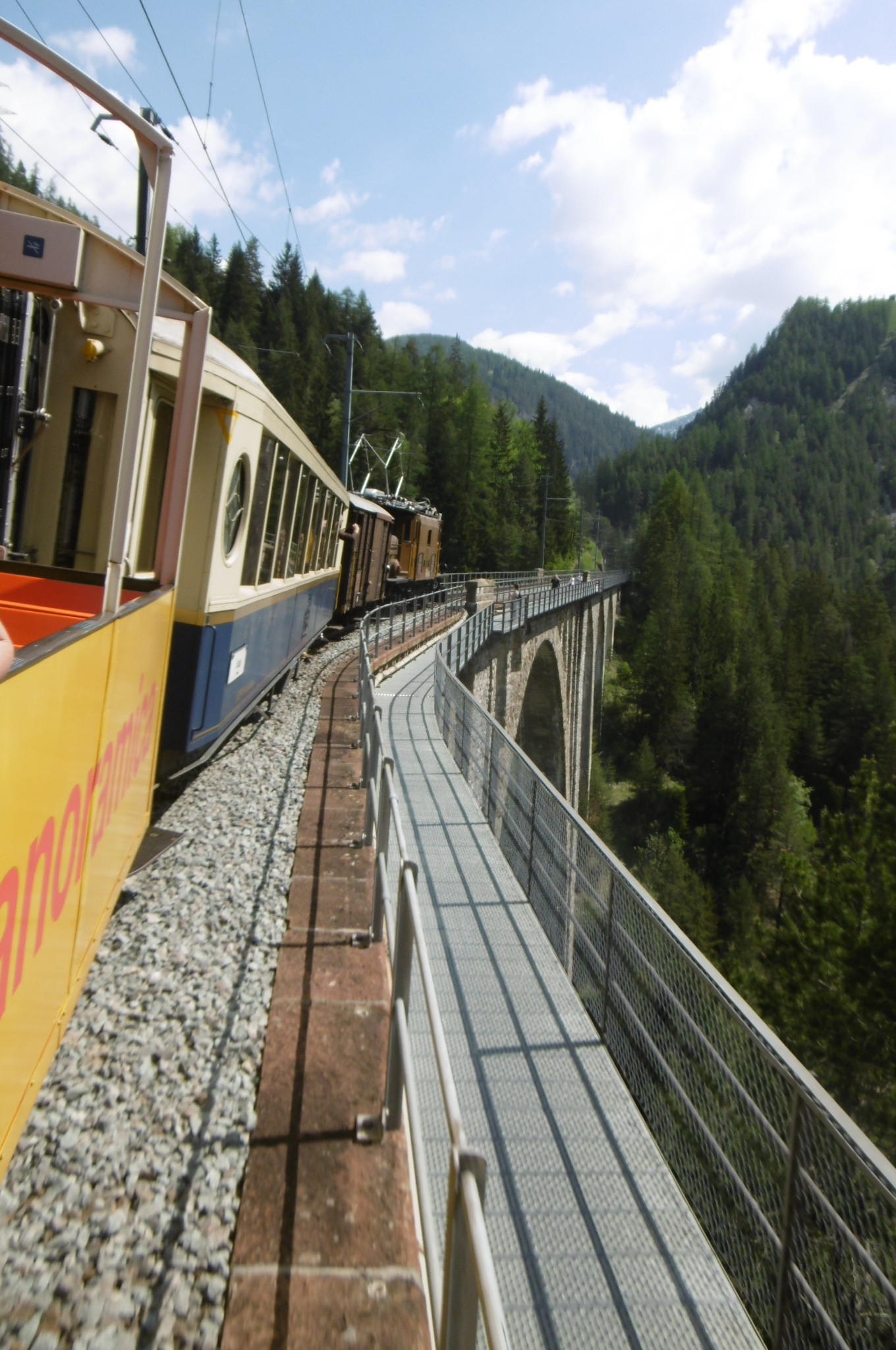 Nor Landwasser, neither Langwieser is the highest vidauct of the Rhätische Bahn. It is the Wiesner-viaduct, 89 metres above the land, on the Filisur-Davos line. The viaduct also has a narrow sidewalk.
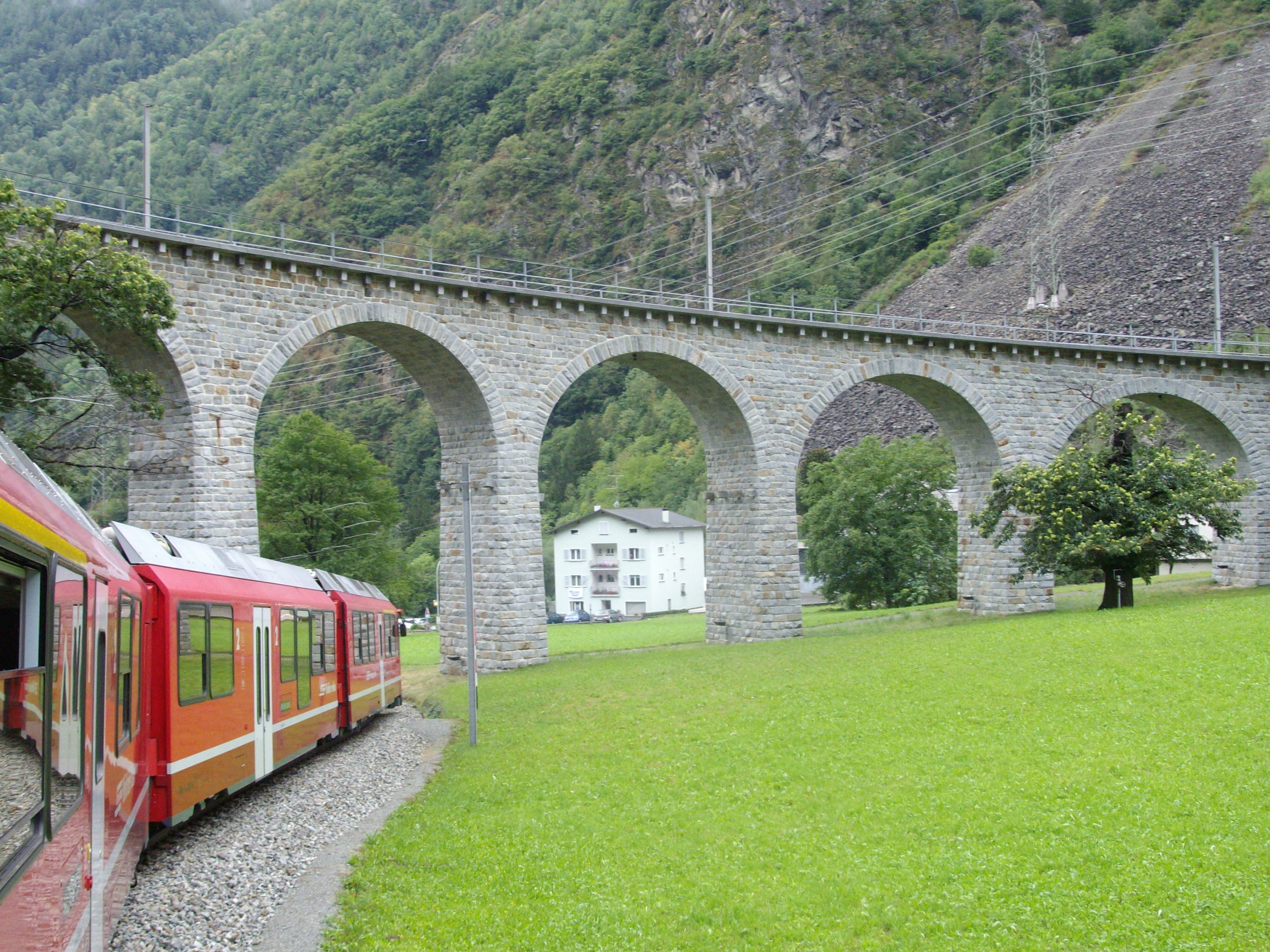 Rhätesche Bahn has a 4th iconic viaduct in Brusio, on the Bernina line which is a part of a loop.
 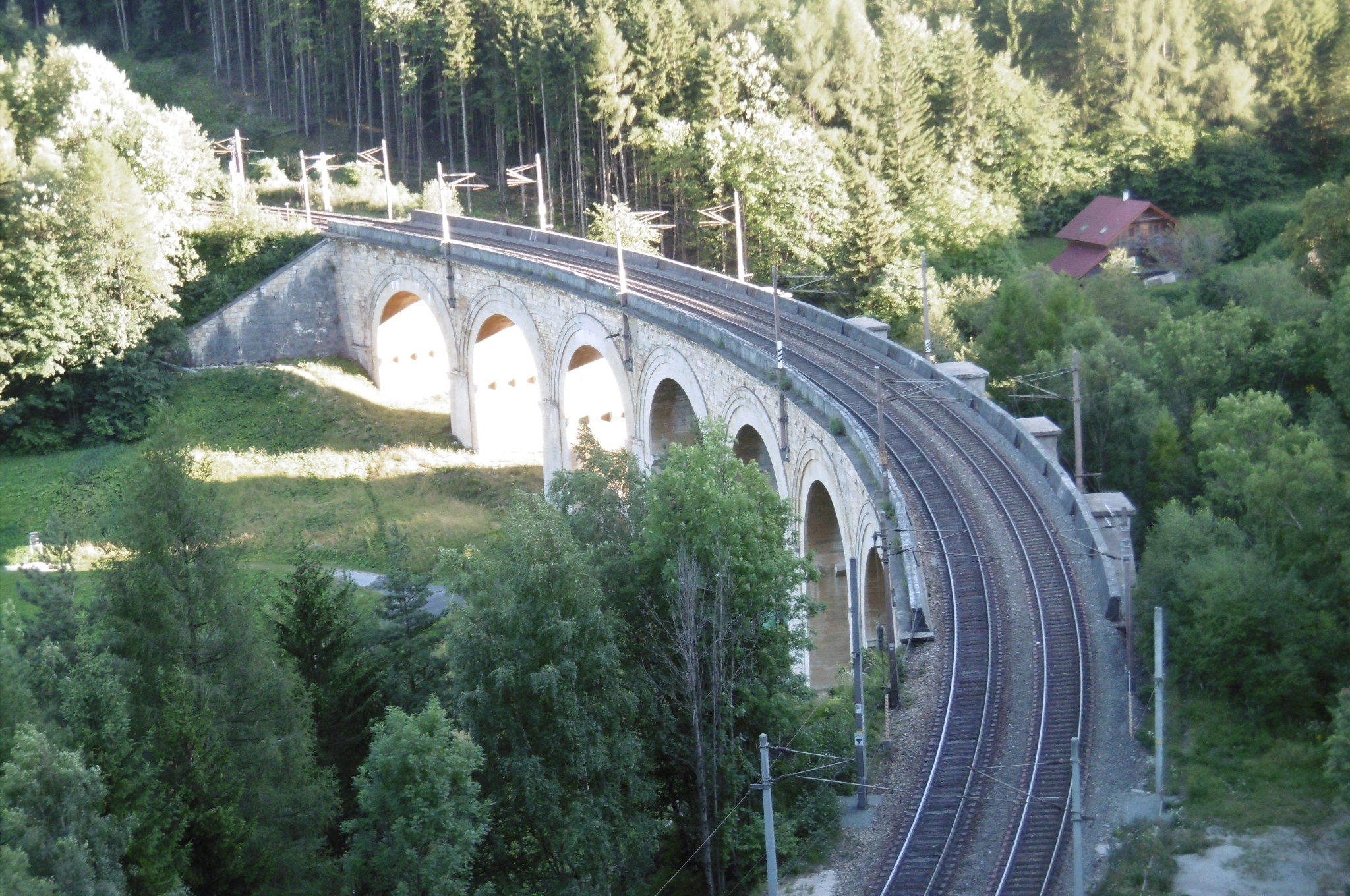 Semmering Railway was the first line which crossed higher mountains, built between 1848 and 1854 in Austria. Near the railway there is a special tourist route (Bahnwanderweg) from where you can take nice photos of the line.
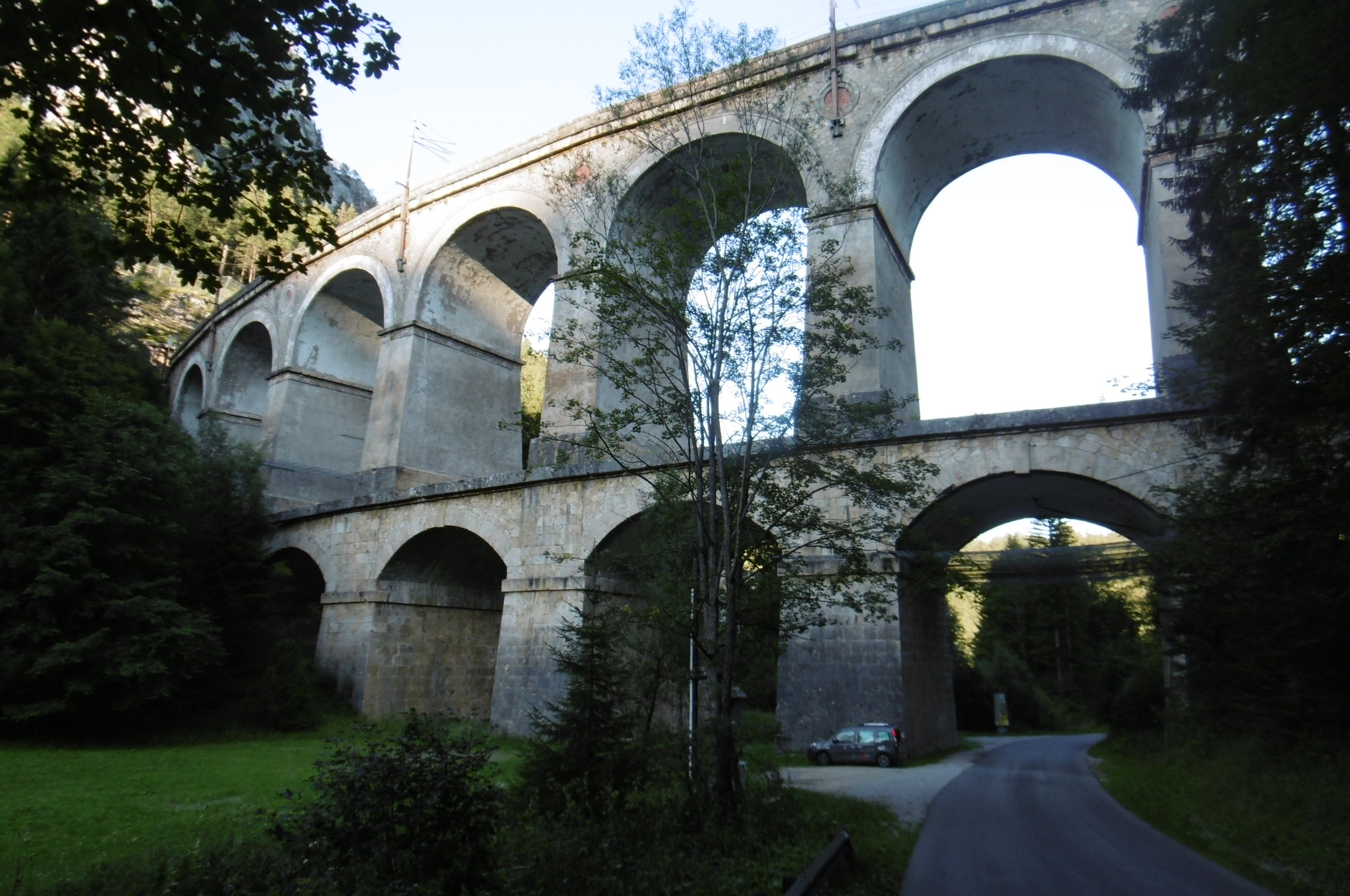 Kalte-Rinne-viaduct is the highest one of the Semmering Railway. Near this viaduct there is a small museum about the railway designer, Carl von Ghega. The Semmering line is part of the UNESCO World Heritage.
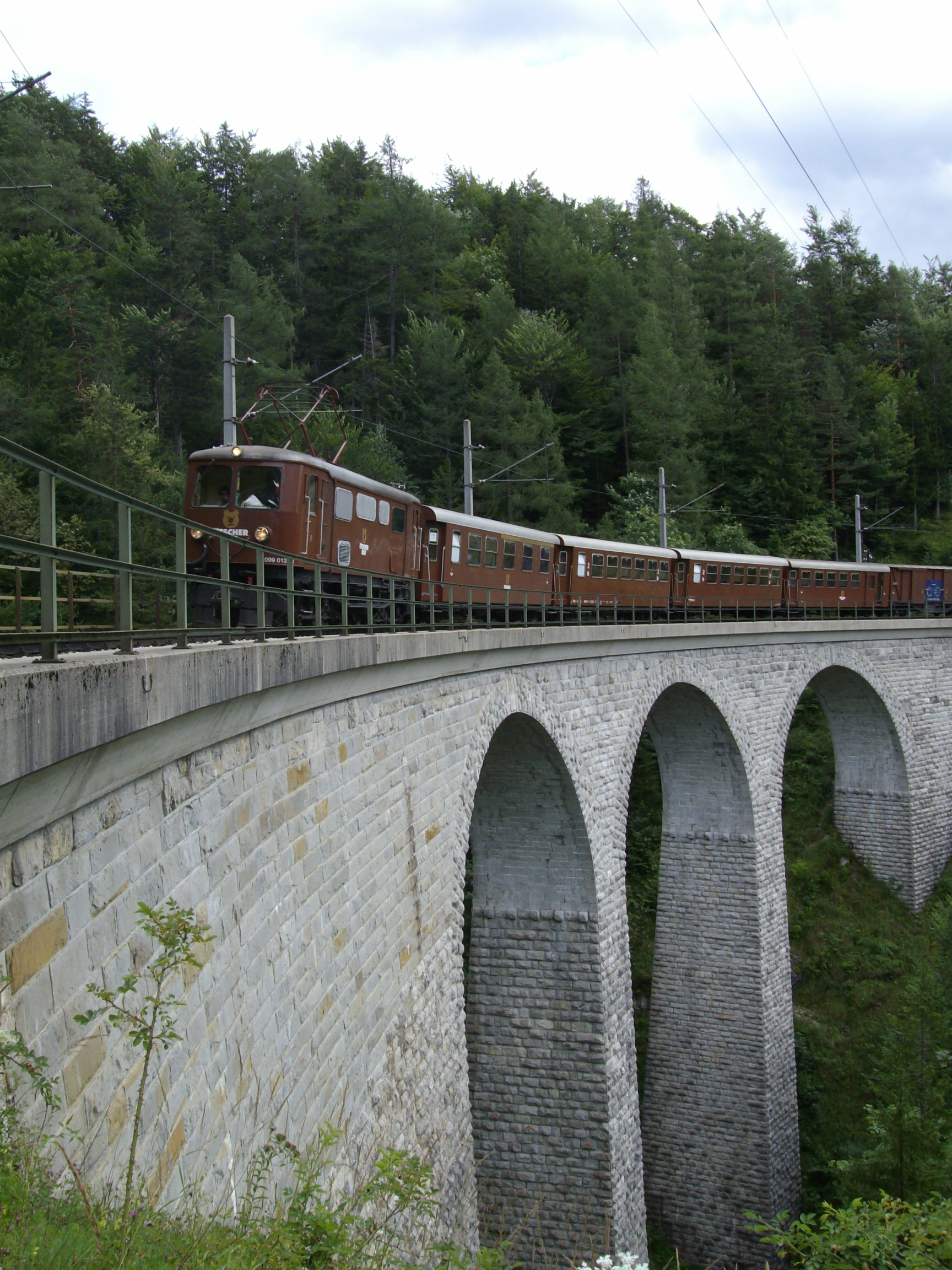 Mariazellerbahn has a scenic route from Sankt Pölten to Mariazell. It has several stone viaducts, you can find this one near Annaberg station. There are more beautiful railway viaducts in Austria but I haven't taken photos of the Arlbergbahn and the Tauernbahn.
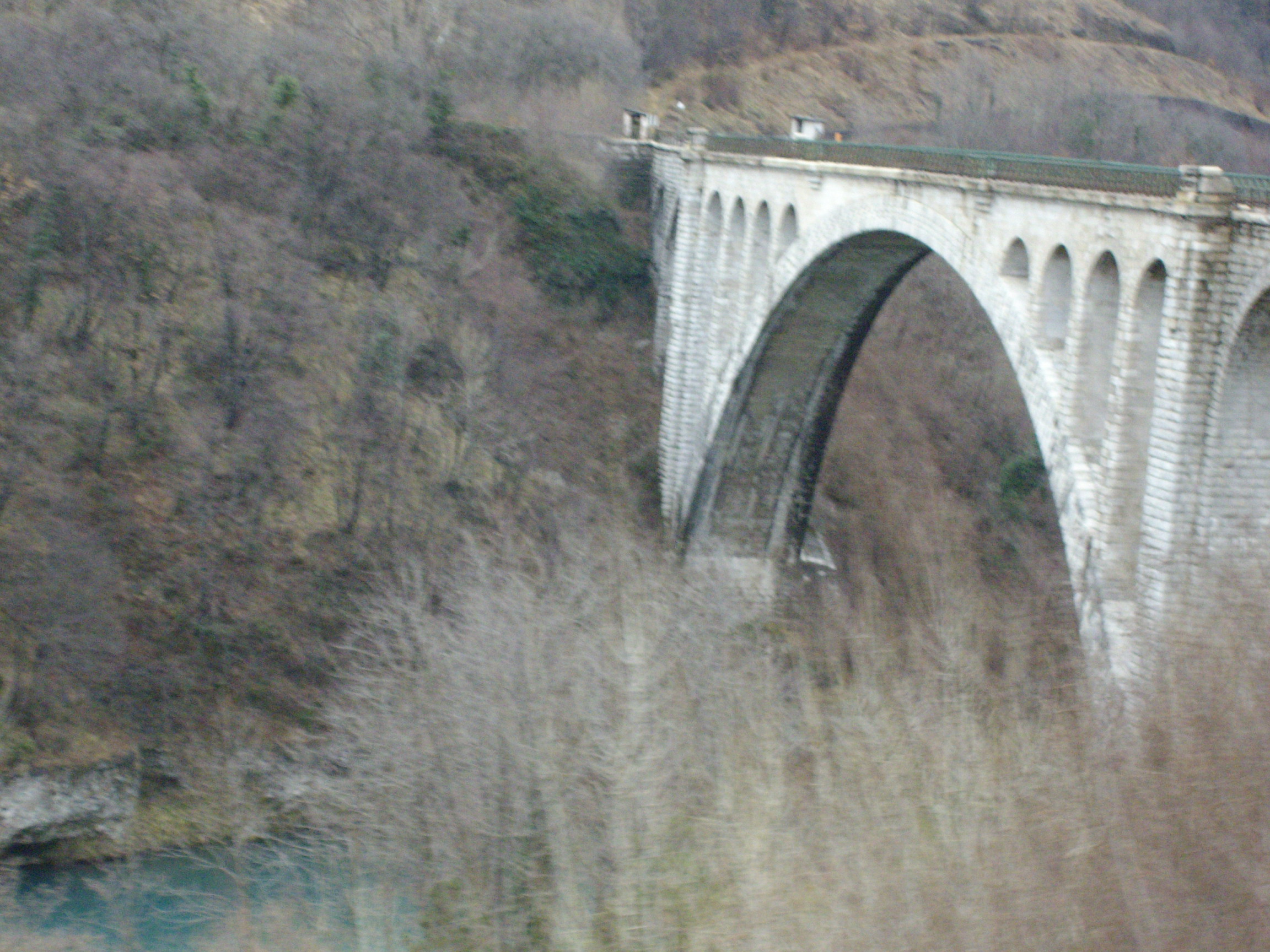 Solkan bridge is an iconic viaduct near Nova Gorica, in Slovenia, on the Sežana - Jesenice line.
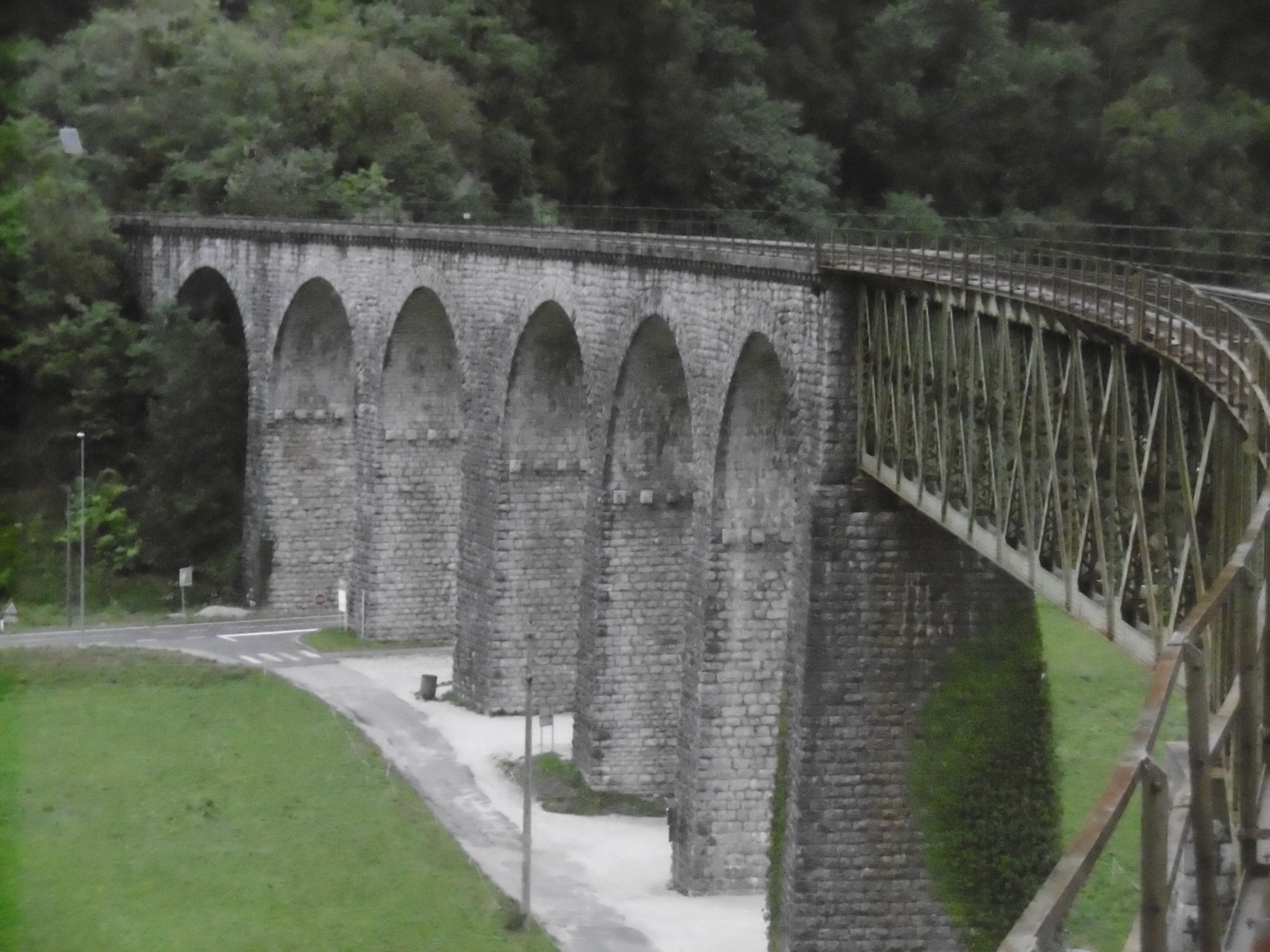 In Bača pri Modreju there is an other impressive brige on the Bohinj Railway.
 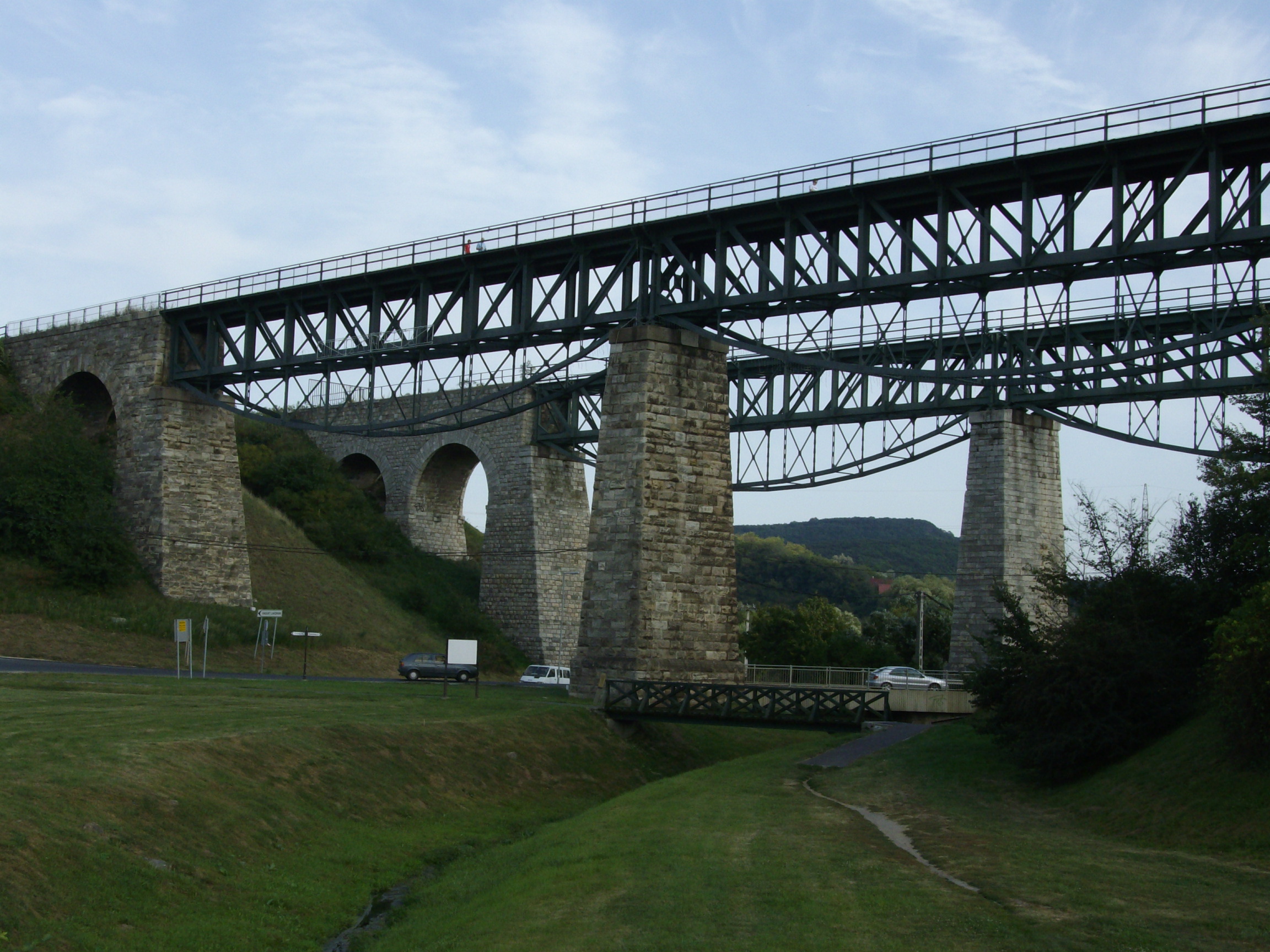 These are the most famous railway viaducts of Hungary, in Biatorbágy, however since 1979 they are out of use. In 1931 a crazy inventor blew up a rail. As a consequence the Budapest - Wien fast train derailed and fell down. Several people died in this accident.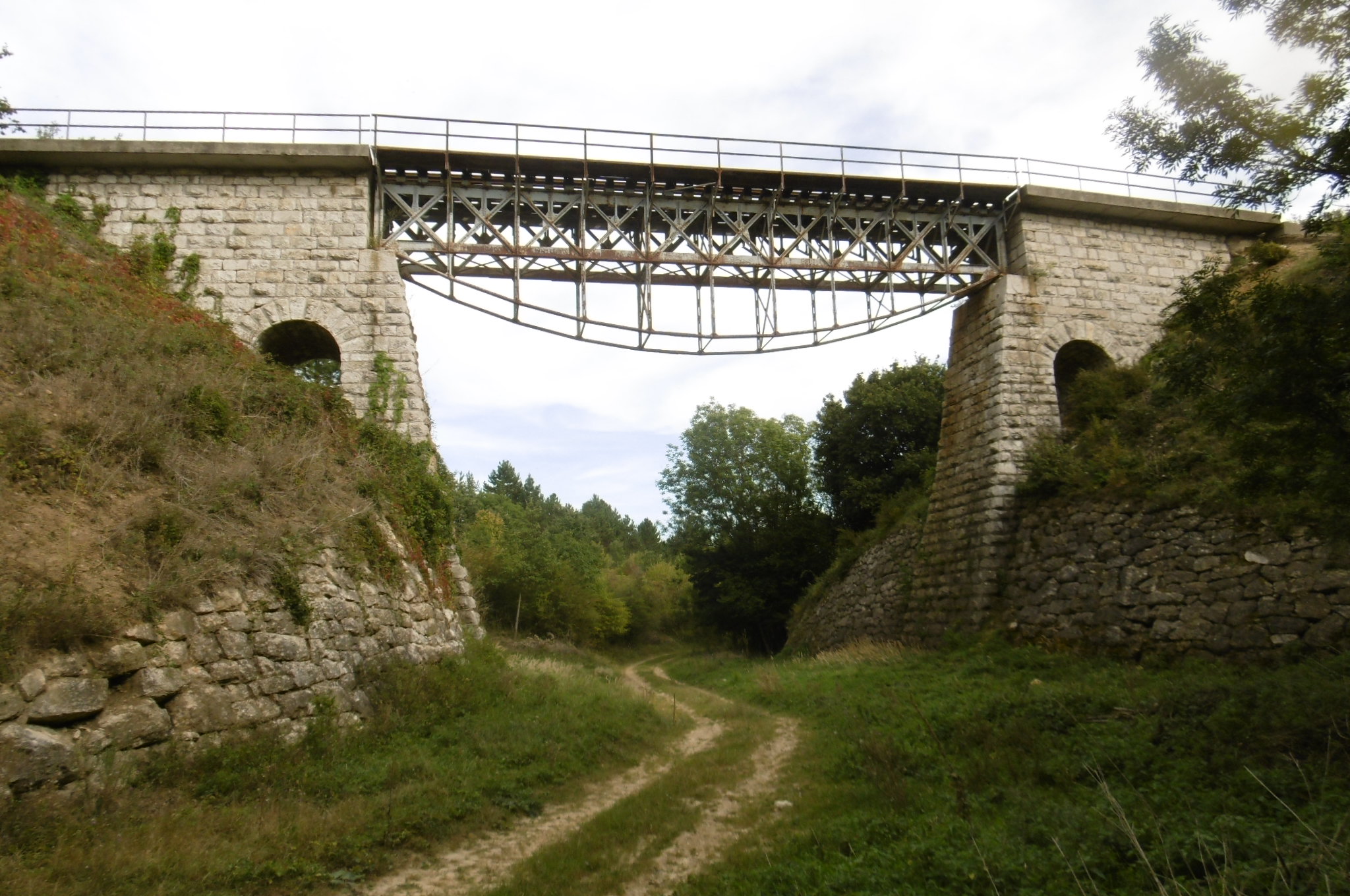
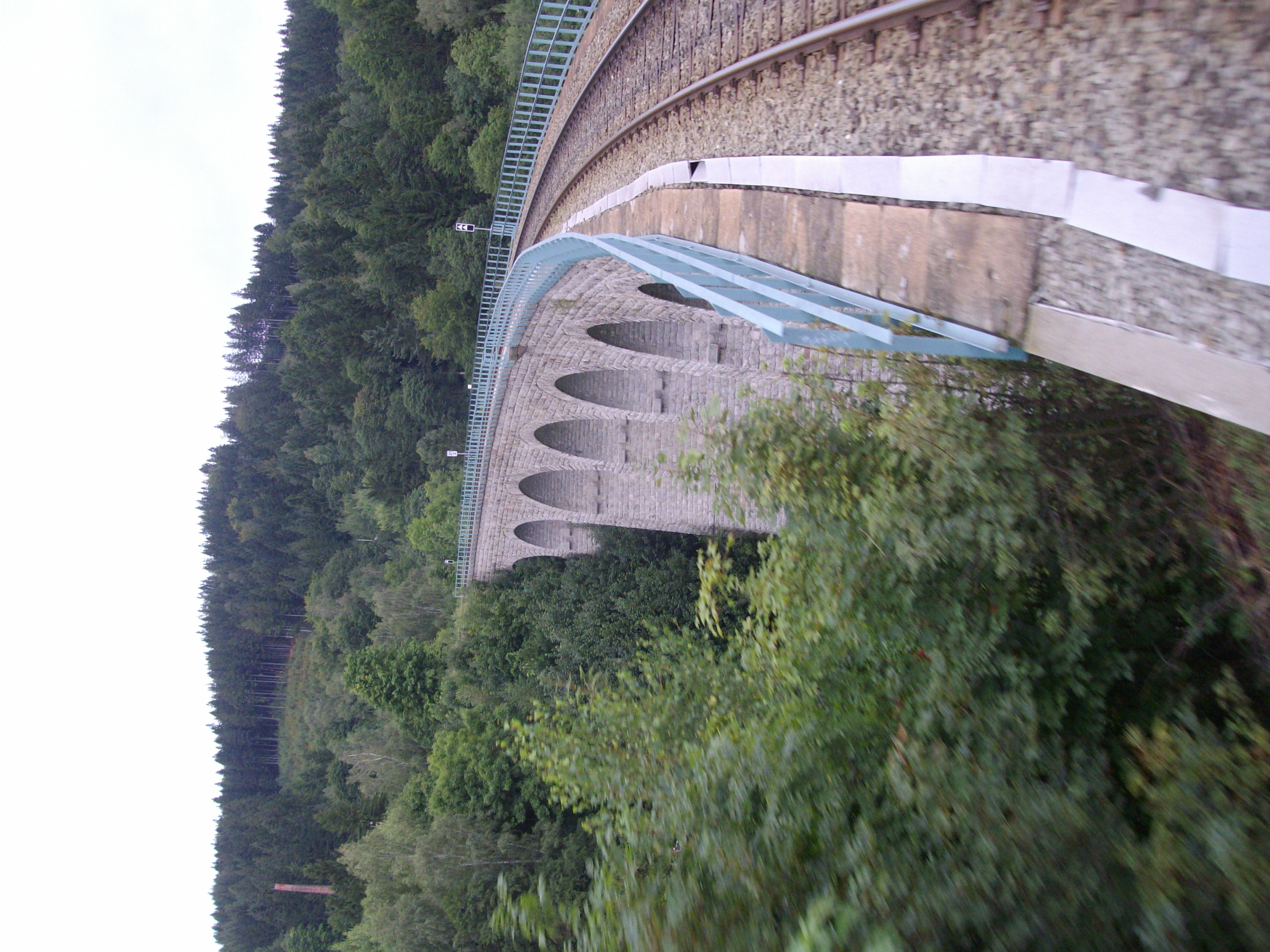 The Czech Republic has only few bigger viaducts. Smržovka viaduct is one of them on the Liberec - Tanvald line.
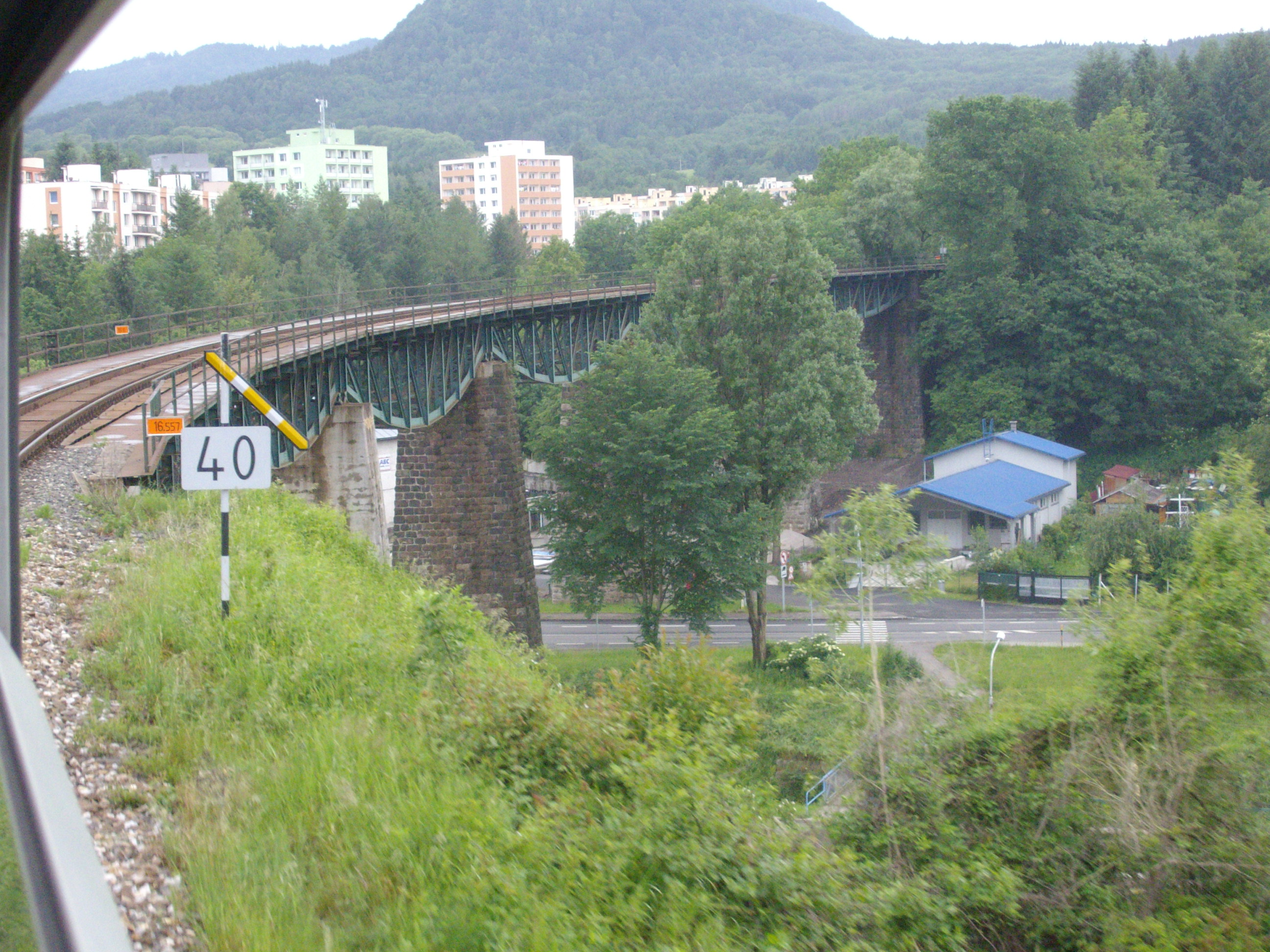 This viaduct is situated in Handlová, in Slovakia on the Horná Stubňá - Prievidza secondary line.
 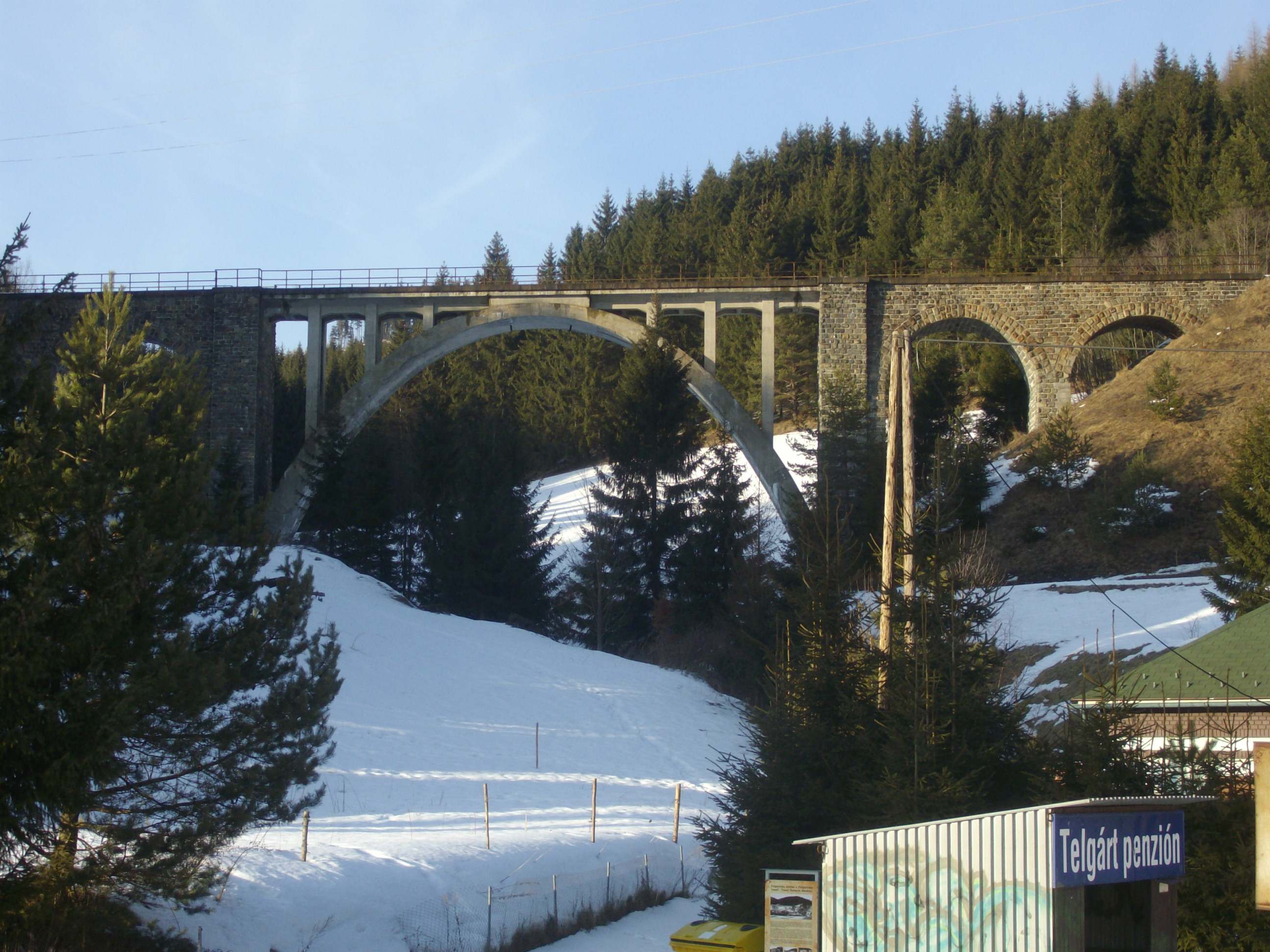 The viaduct of Telgárt is part of the only standard gauge railway loop in Middle-East Europe.
 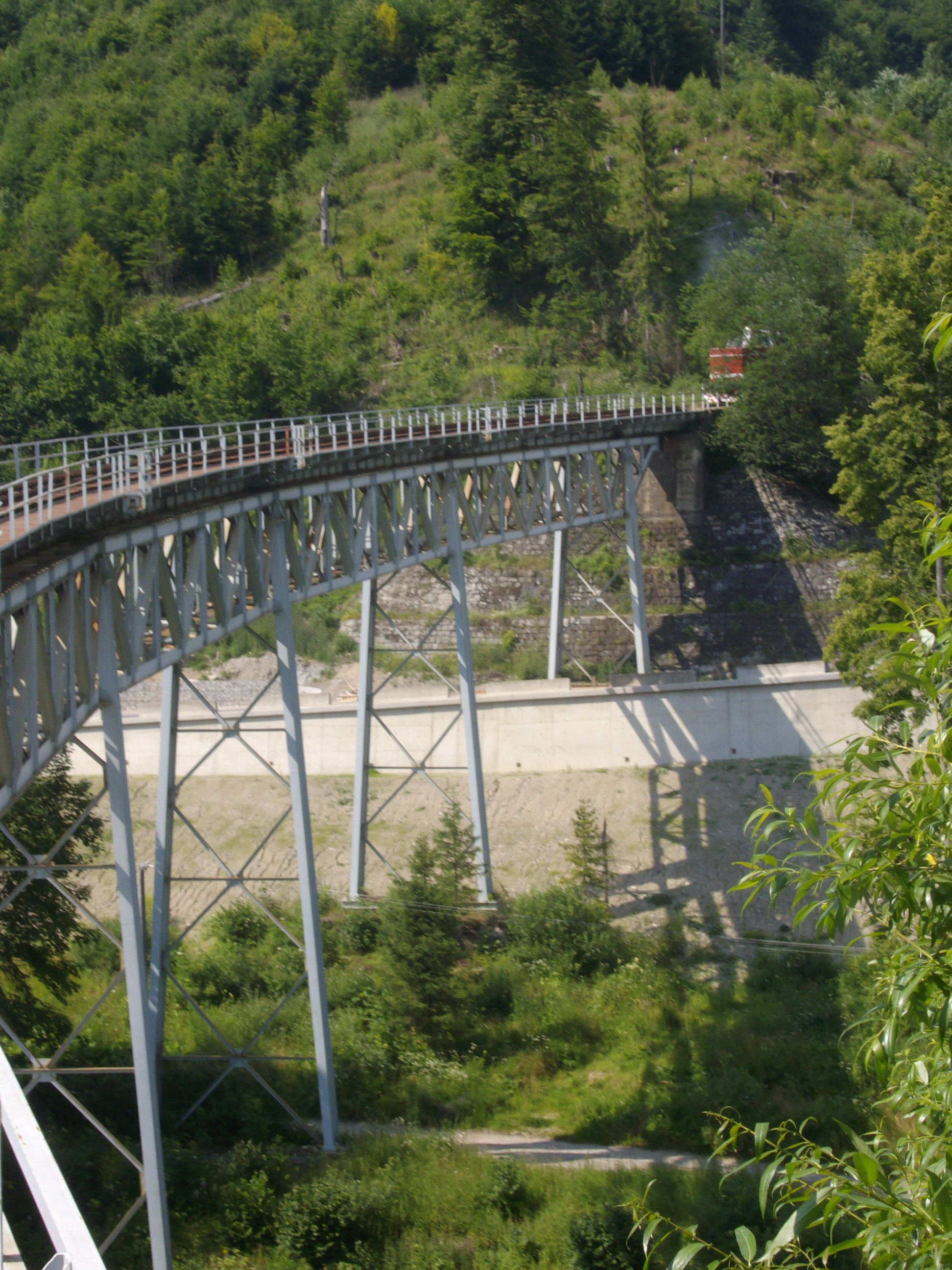 The Tisovec - Brezno line in Slovakia is really spectacular, especially between Tisovec and Zbojská. It is a former rack railway. The cog rail was rebuilt and in summer there are historic trains with steam locomotive.
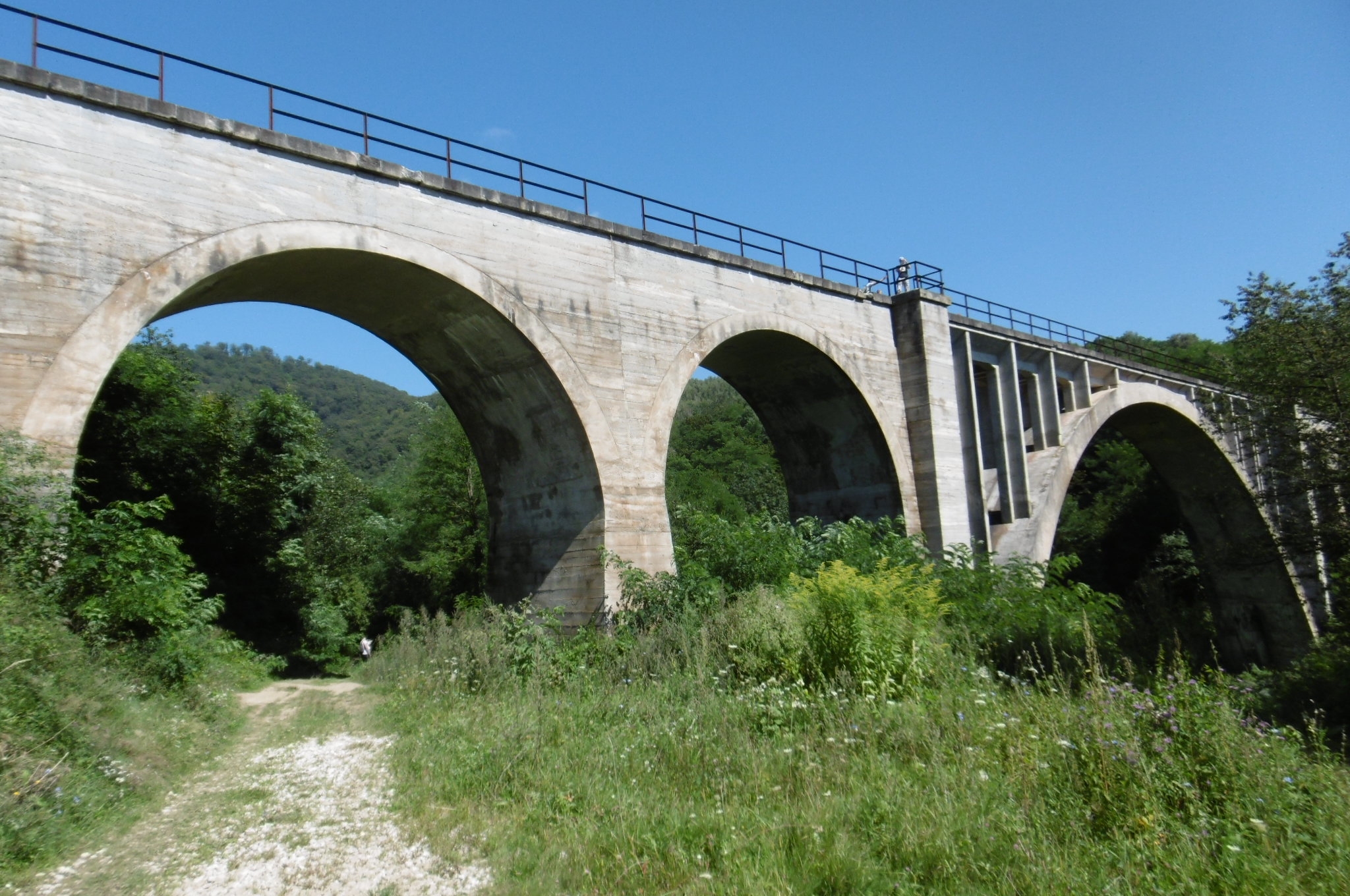 The Korpássky viaduct in Slovakia is the odd one in my collection: it is a part of an unfinished railway, no train has ever rolled on it. But nowadays it is a tourist attraction, you can pass through on it by foot or by bike.
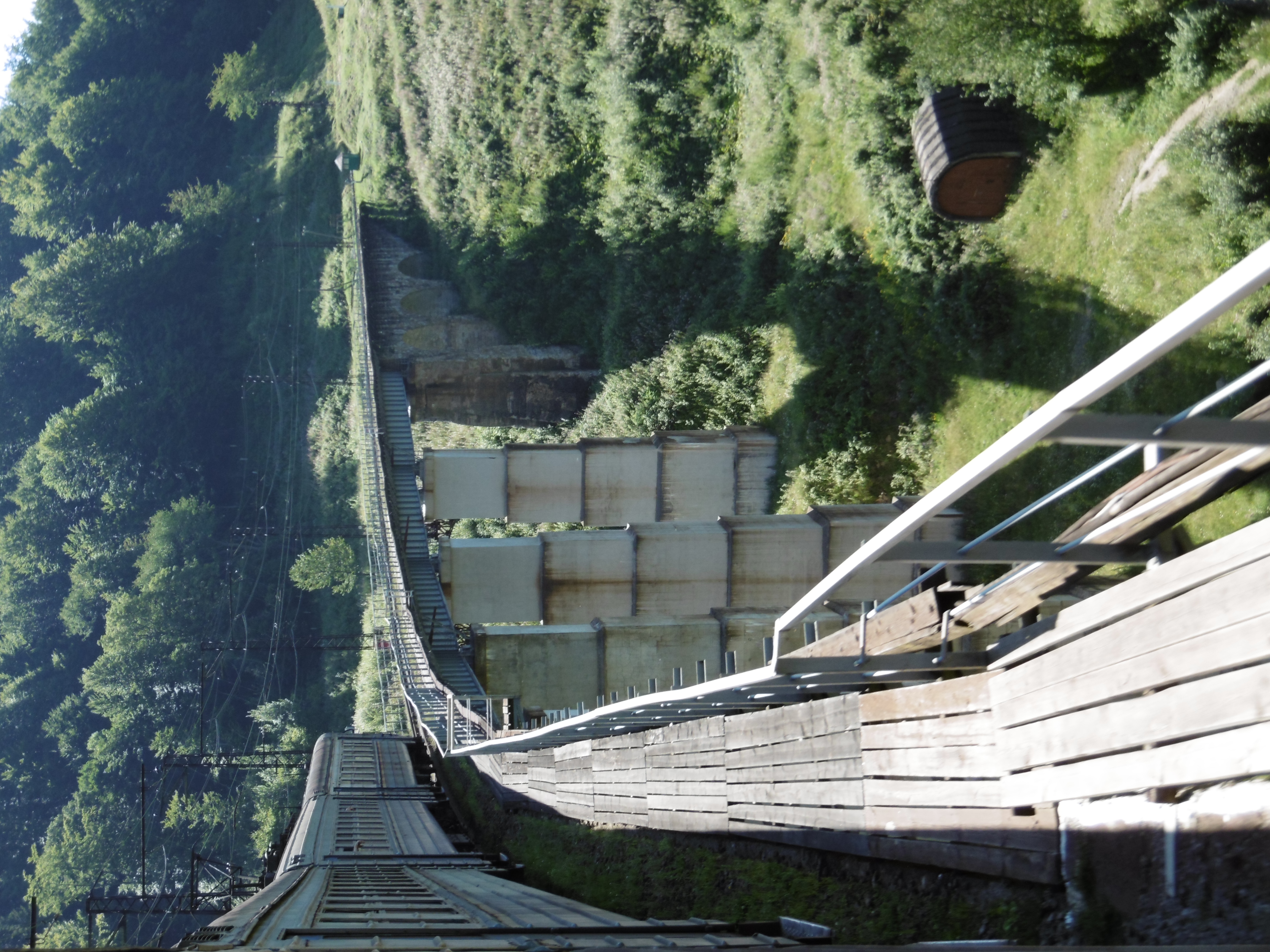 The railway line of the Uzhok Pass in Ukraine has few bigger viaducts, it is one them. The line is electrified but it has only single track.
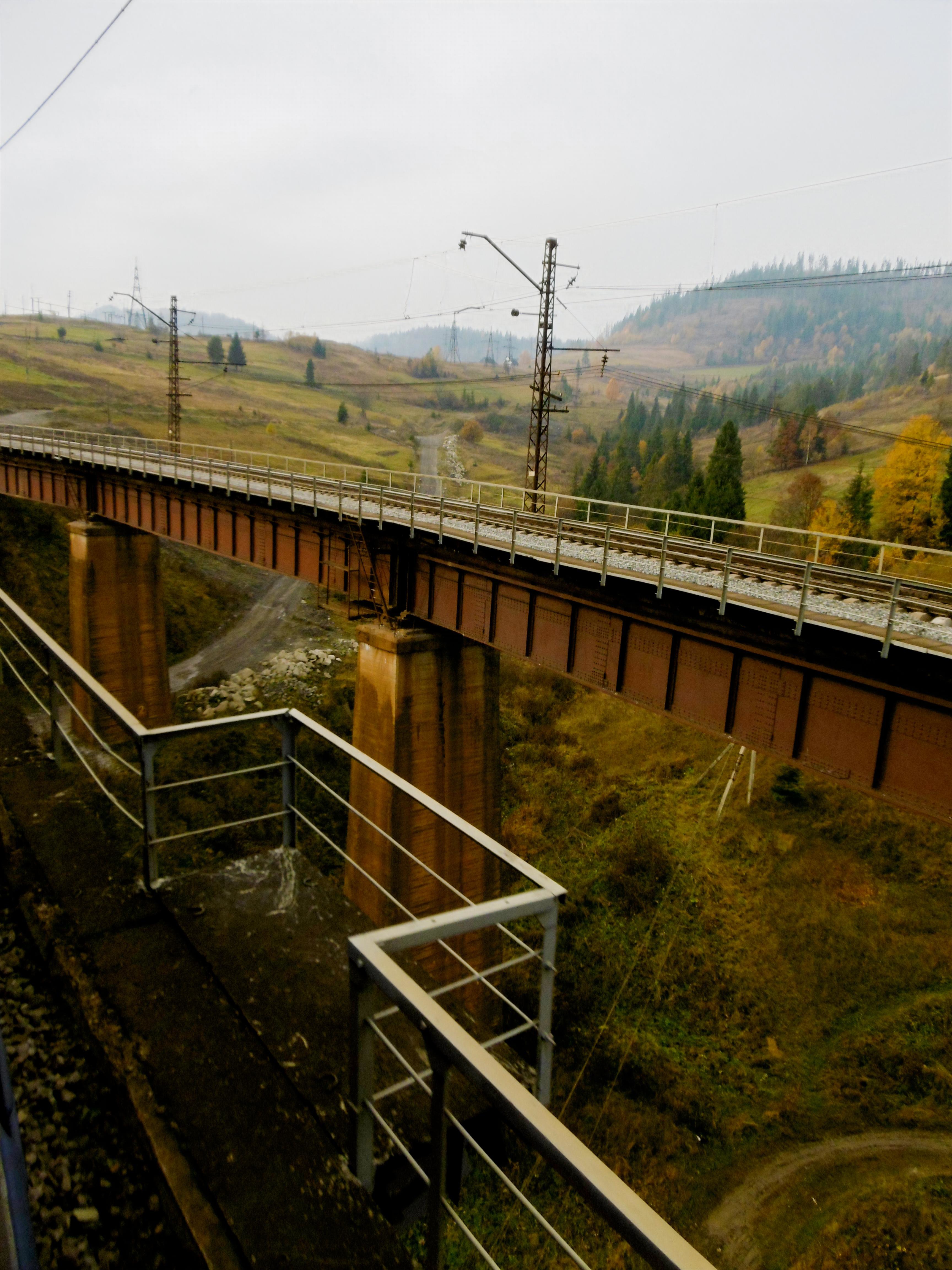 The Mukacheve - Lviv railway in Ukraine has several viaducts in the Carpathians.
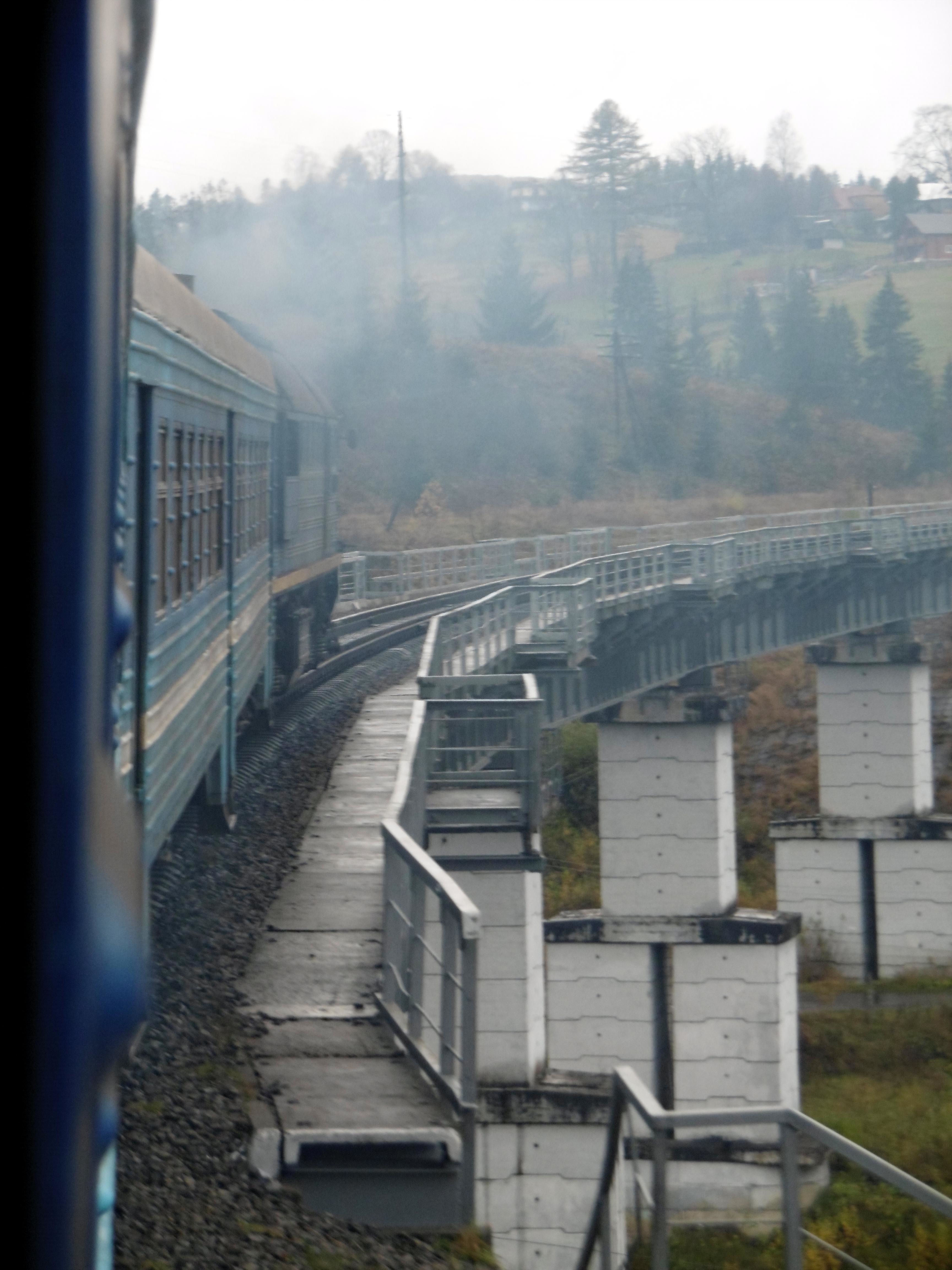 Ukraine has 3 railway lines through the Carpathians. It is the 3rd one which goes via Yablunytsia Pass. The biggest viaduct of this line is situated in Vorokhta. The old viaduct is out of use but it was preserved next to the new one.
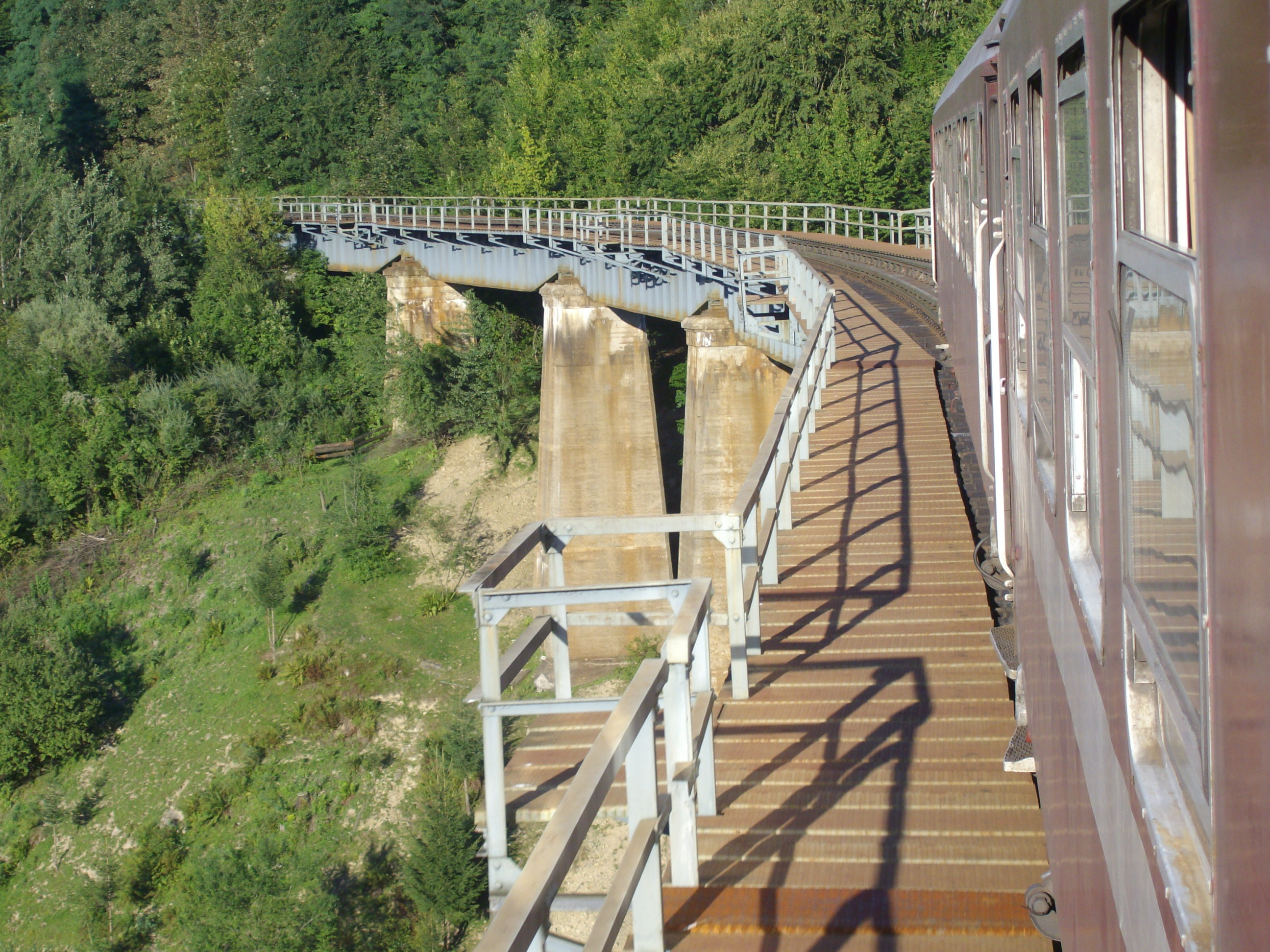 The viaduct of Romuli in Romania is the biggest on the Salva - Sighetu Marmatiei railway. However because of poor maintanence only light railcars can use it since last December.
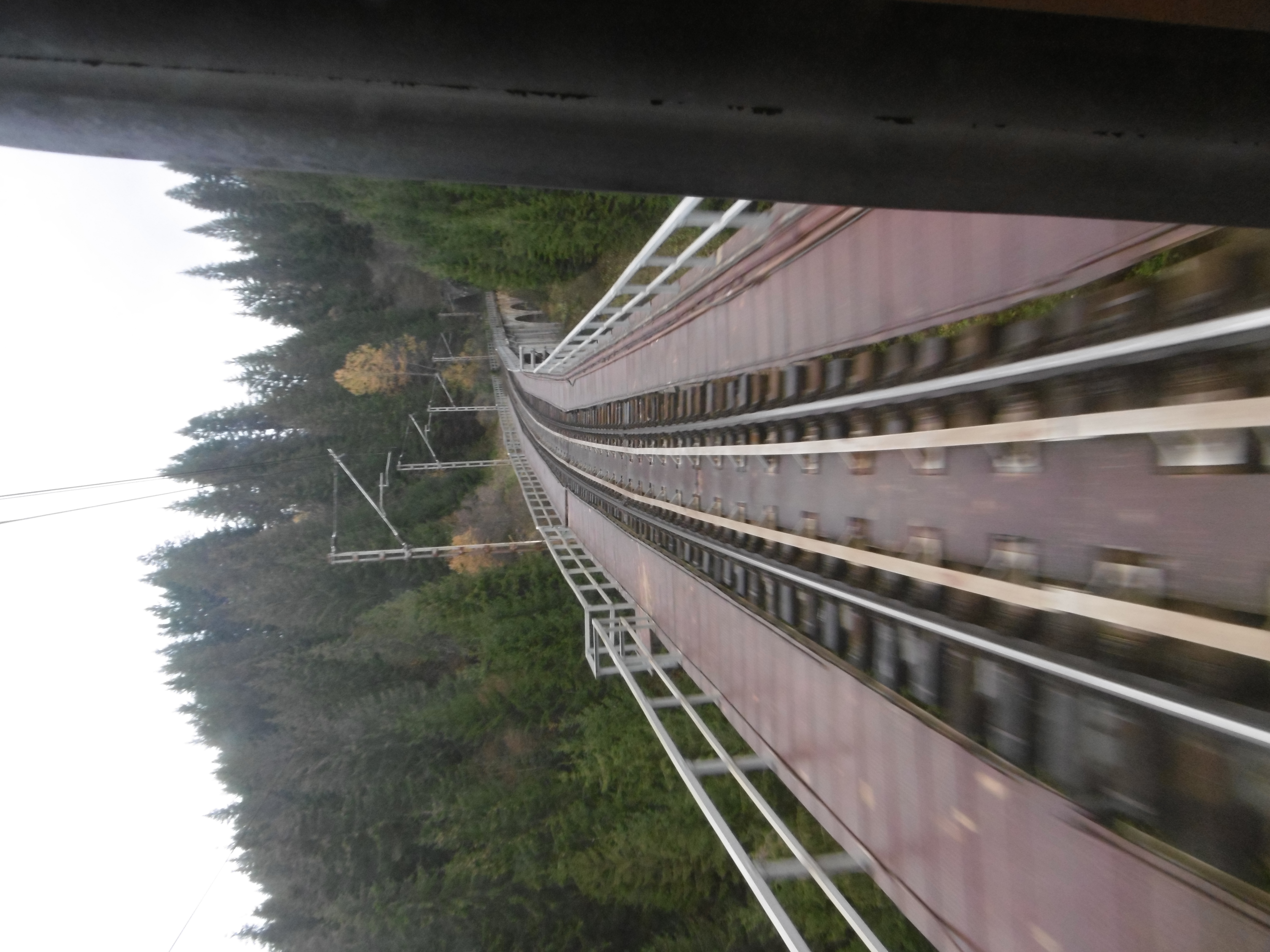 The Ilva Mică - Vatra Dornei railway was built on hard ground through the Eastern Carpathians. It was finished in 1938. The line has several viaducts and tunnels.
 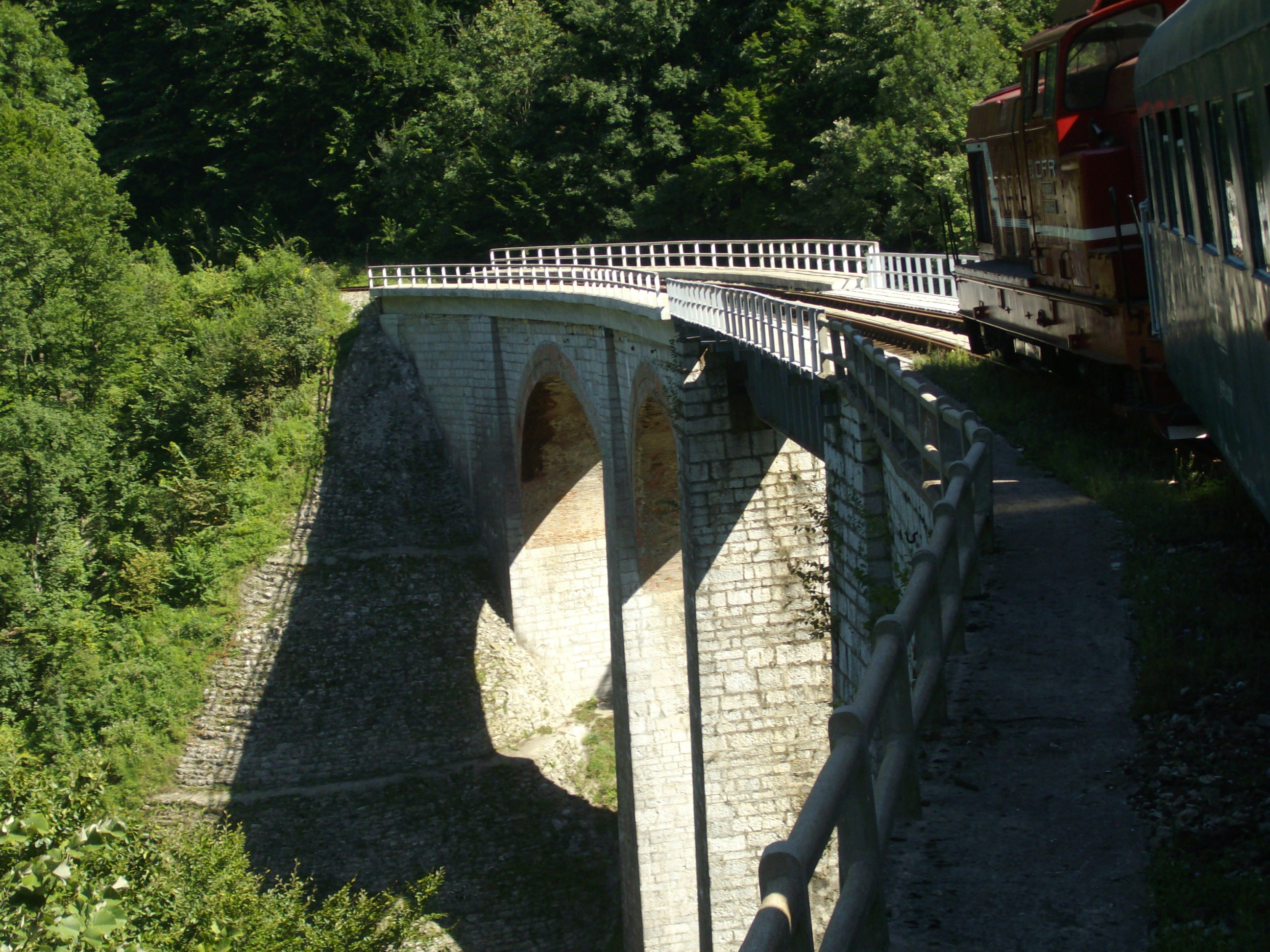 The Oravita - Anina line is the oldest railway in Romania. It was built to carry coal from Anina. The railway has tight curves, tunnels and some viaducts.
 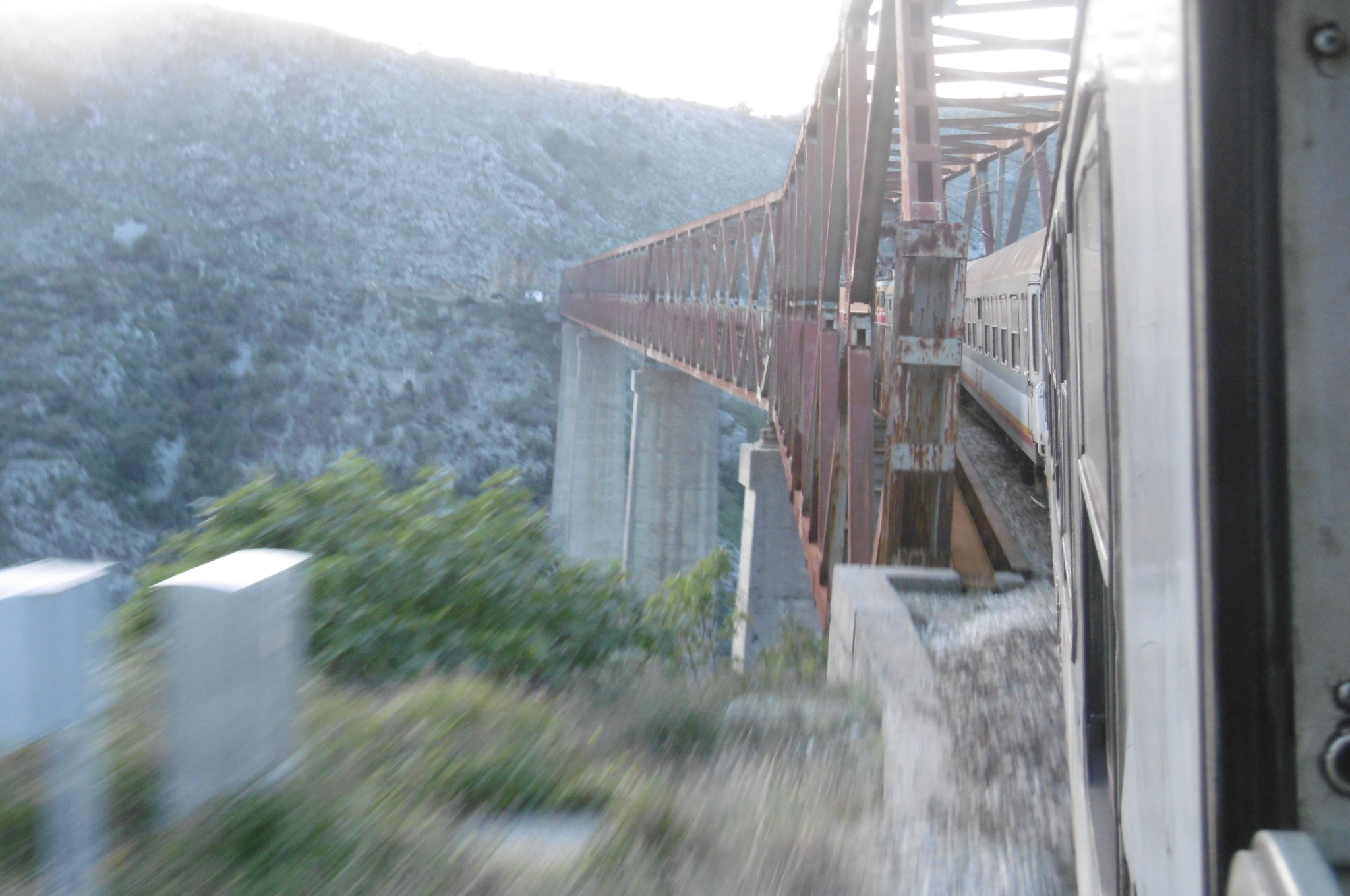 My train is rolling on the highest railway bridge in Europe. You can find Mala Rijeka bridge in Montenegro, near Podgorica.
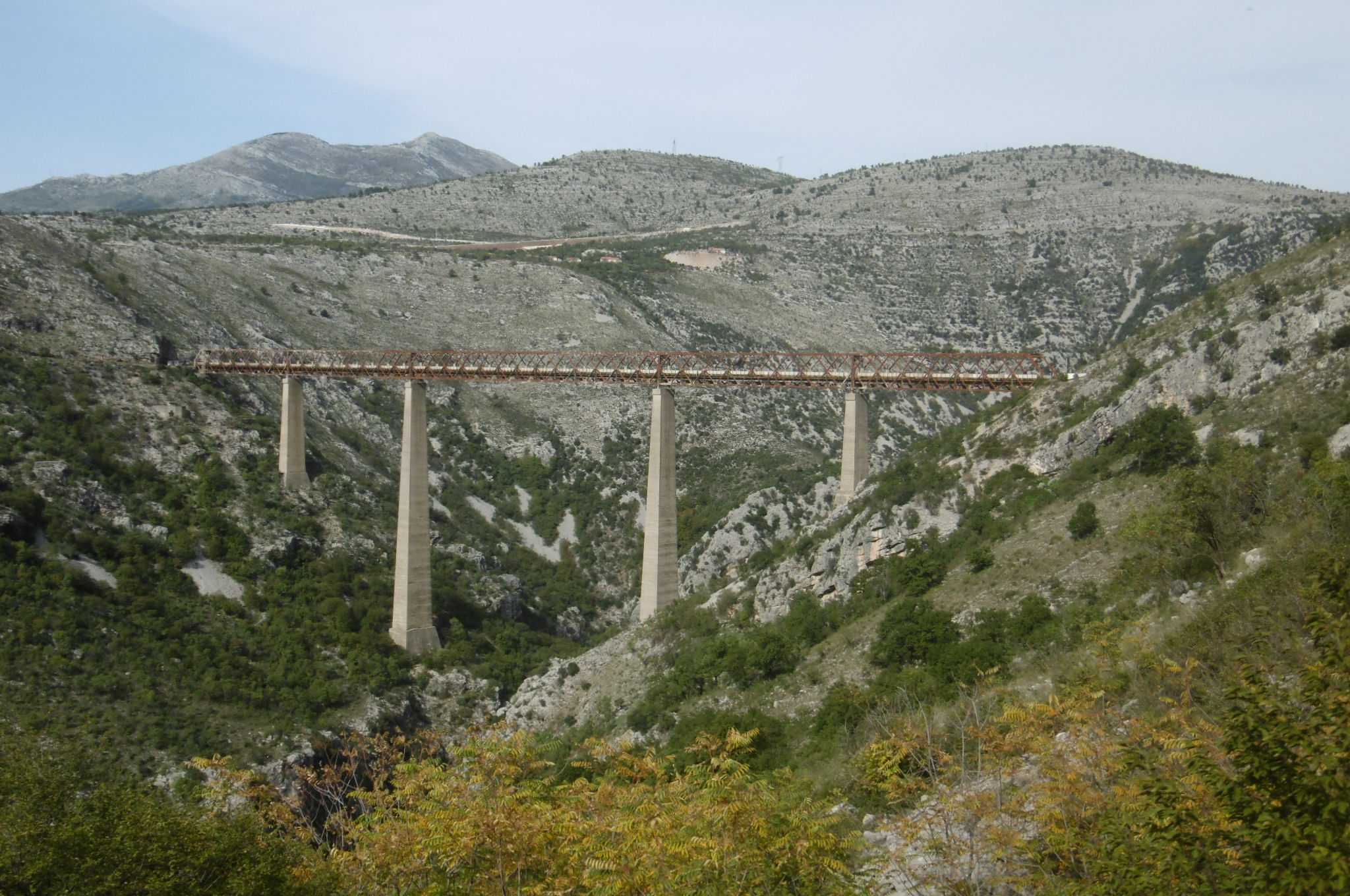 The level of the bridge is situated 198 metres higher than the level of the small river.
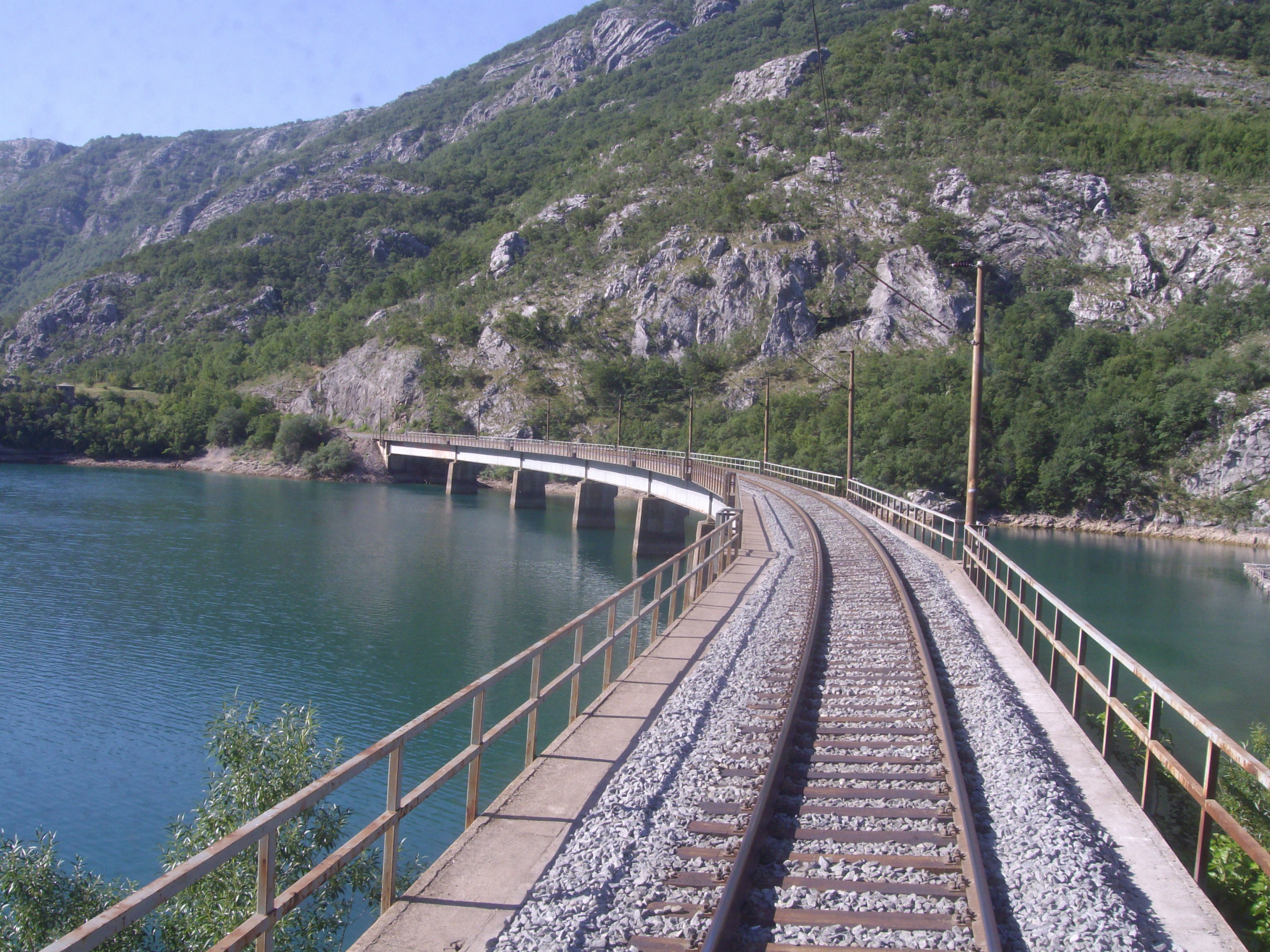 The stucture of the railway bridge in Donja Drežnica, Bosnia is not so special, but the landscape around it is fabolous.
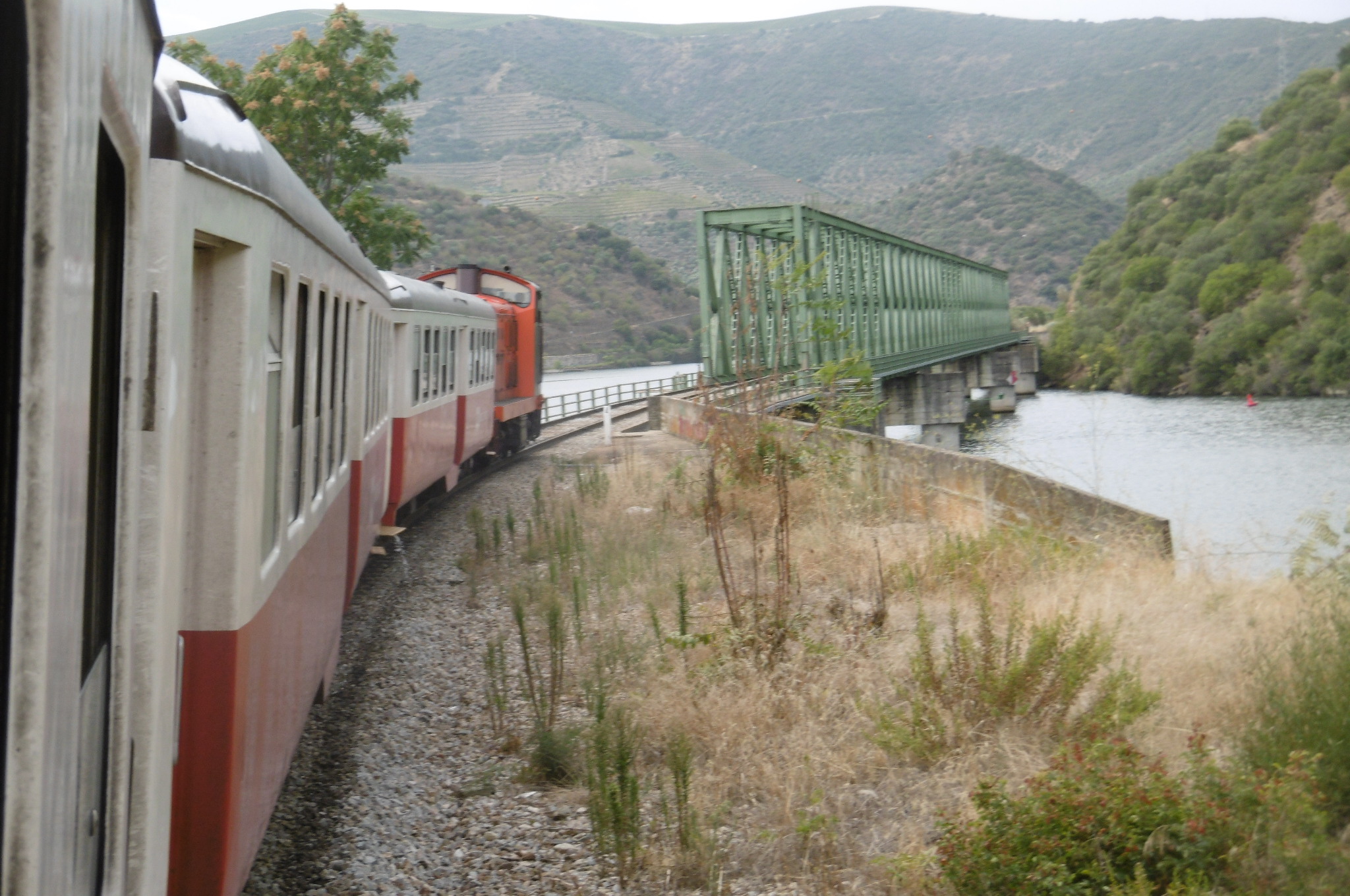 The Porto-Pocinho is a scenic route by train, by car or by boat in the valley of Duoro, but the railway crosses only once the river.
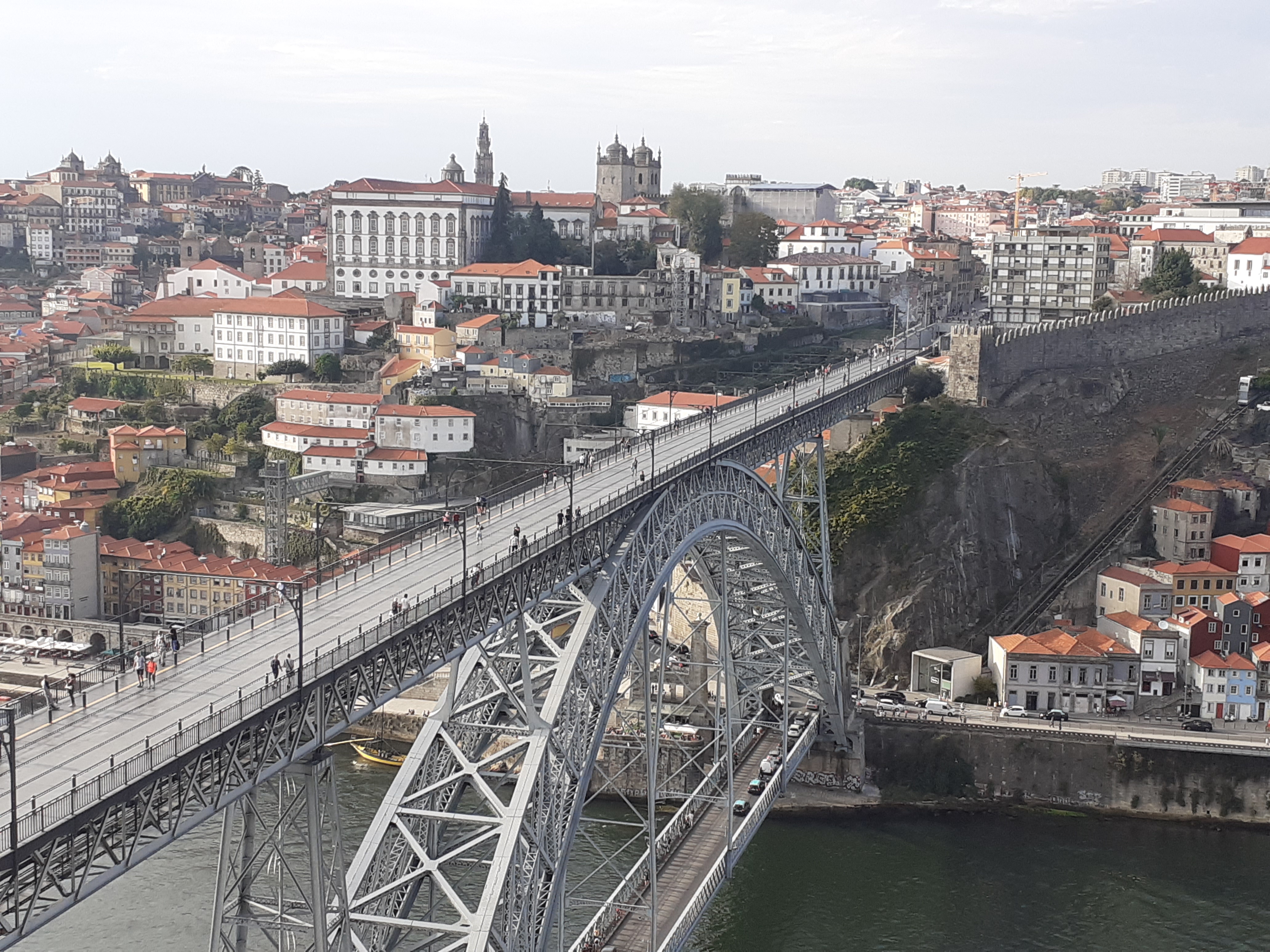 The Dom Luis I. bridge is a symbol of Porto. Its second level is used by light metro trains and pedestrians.
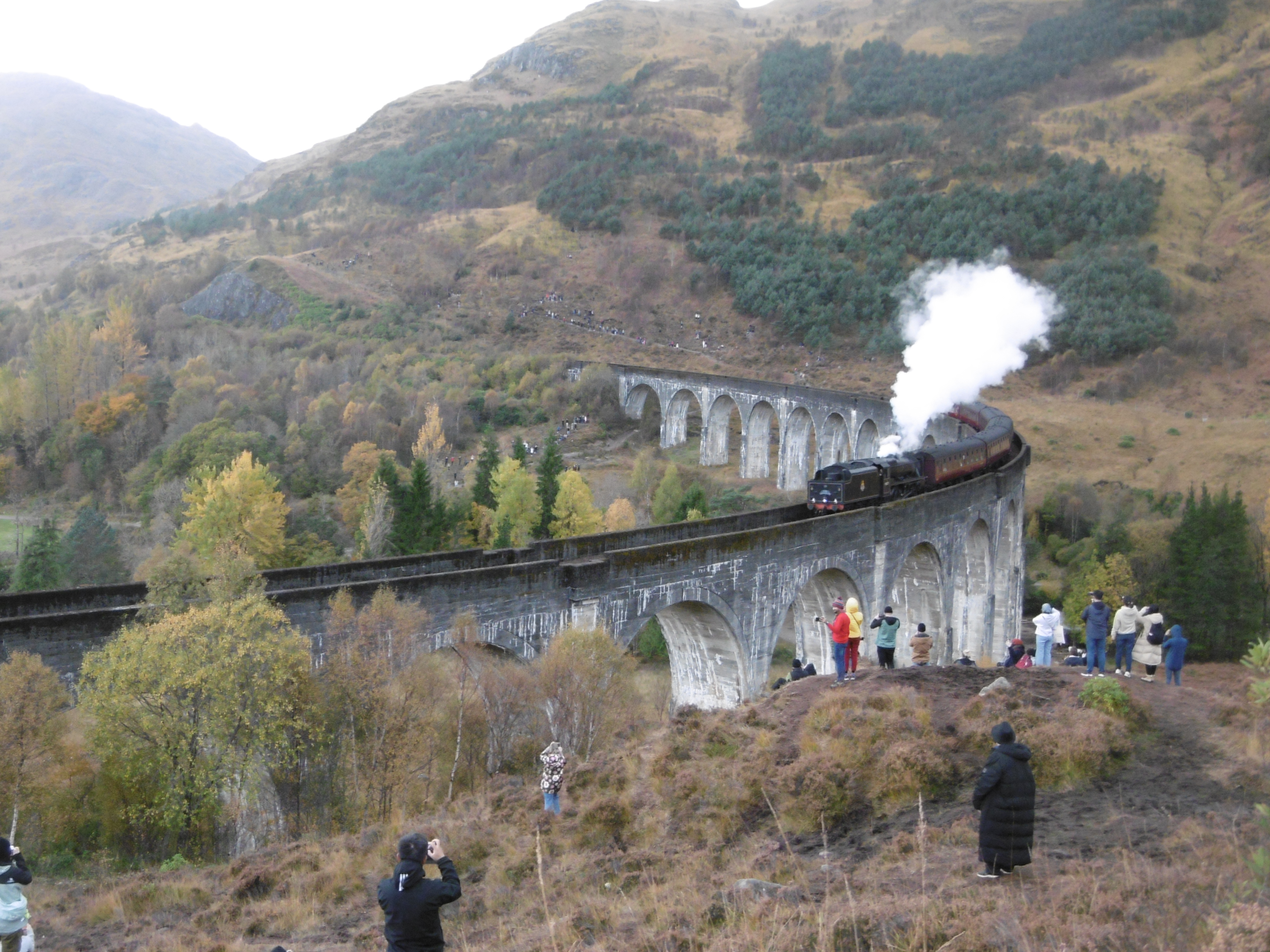 The viaduct of Glenfinnan in Scotland is well-known, especially from Harry Potter movies. About 200 tourists were waiting with me for taking photos and videos of the Jacobite Steam Train.
 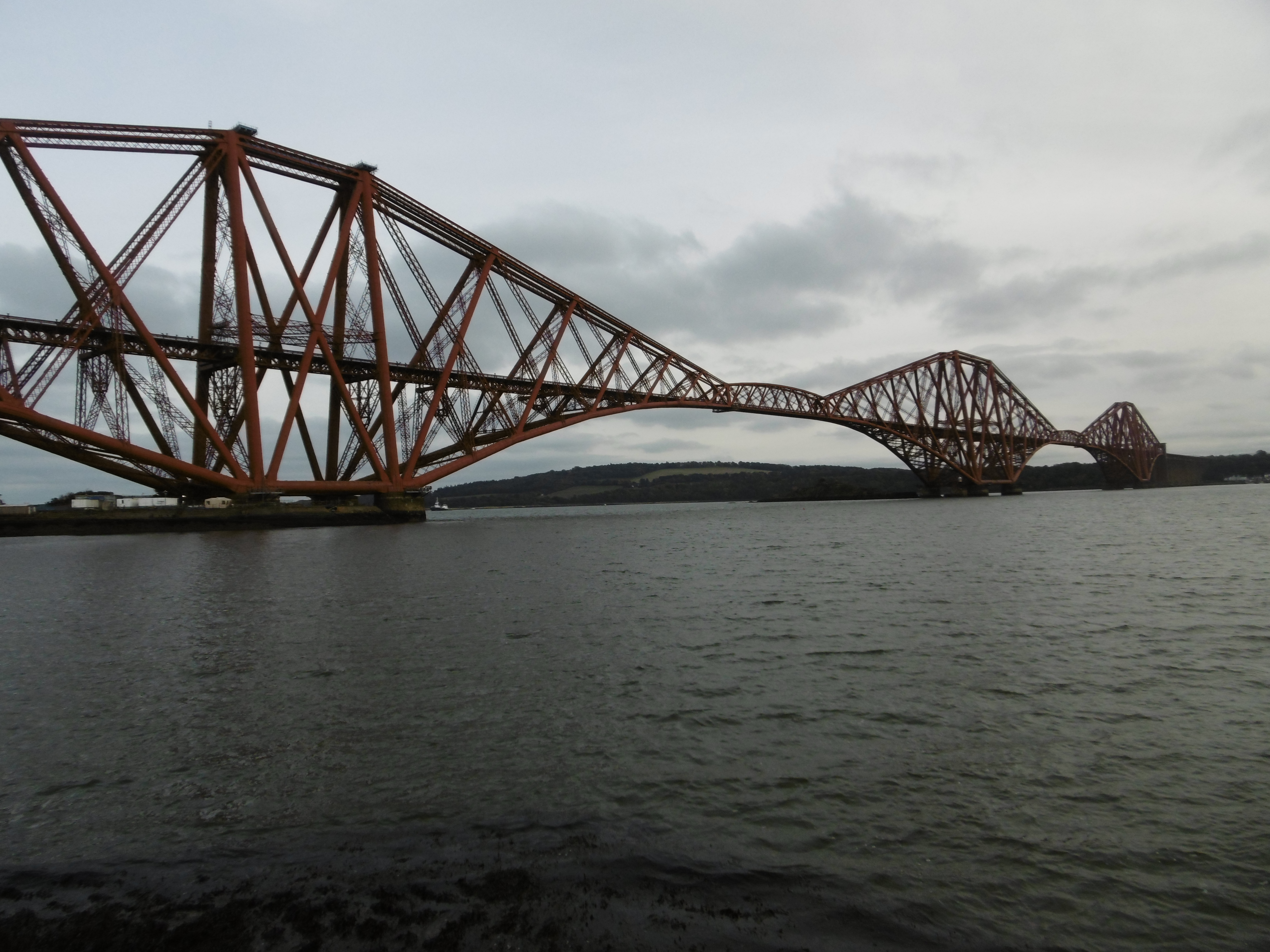 I finish my collection with an other iconic bridge, situated in Scotland. Forth Bridge was finished in 1890 and it is a masterpiece of engineering achievement.
 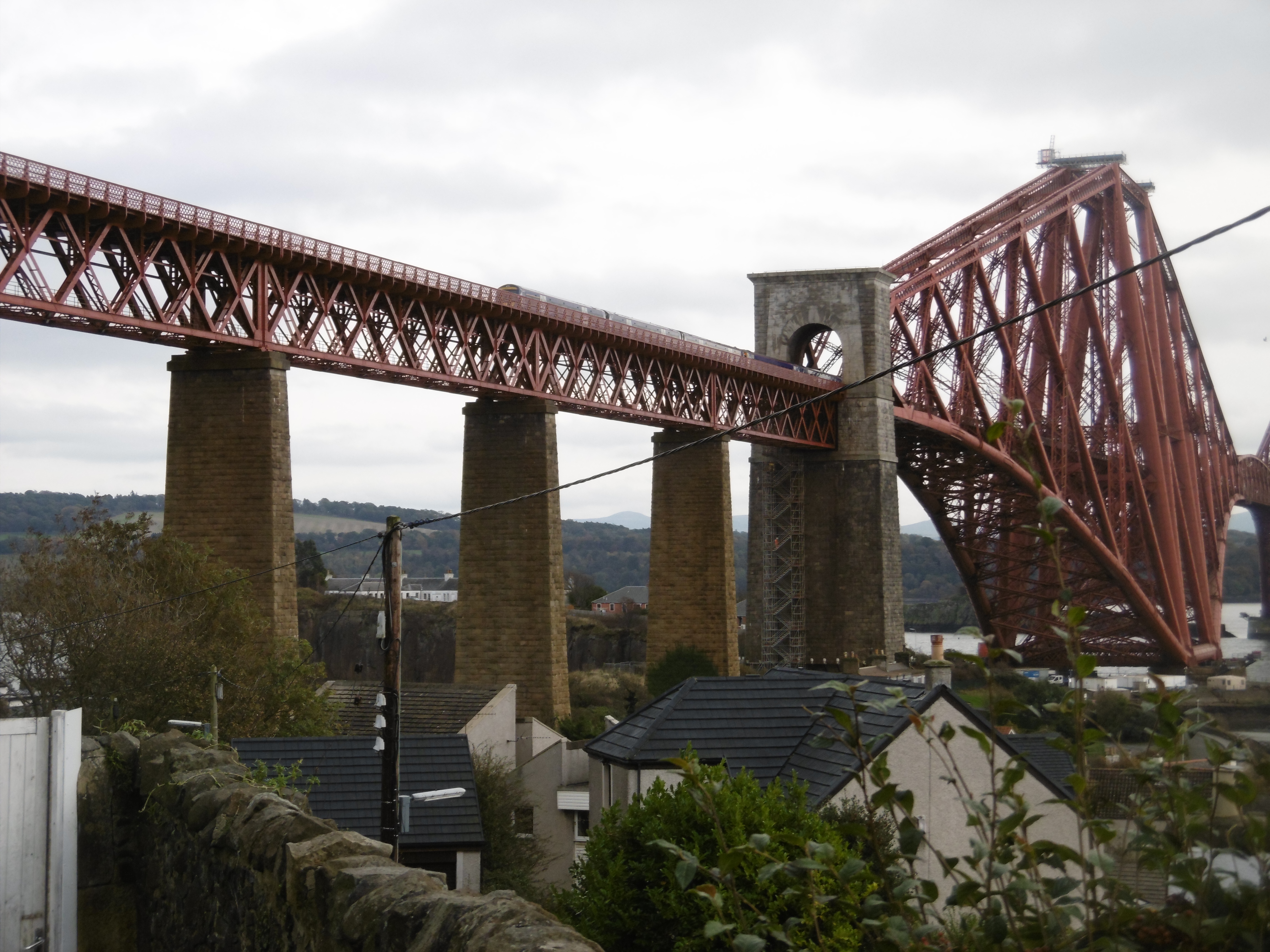 I have chosen an other photo to show the enormous size of Forth Bridge.