Vasúti utazások

Vasúti utazások

Old Ikarus buses and few foreigner friends of them

2026. július 25. - Ferrovia88

imgp0915.JPG

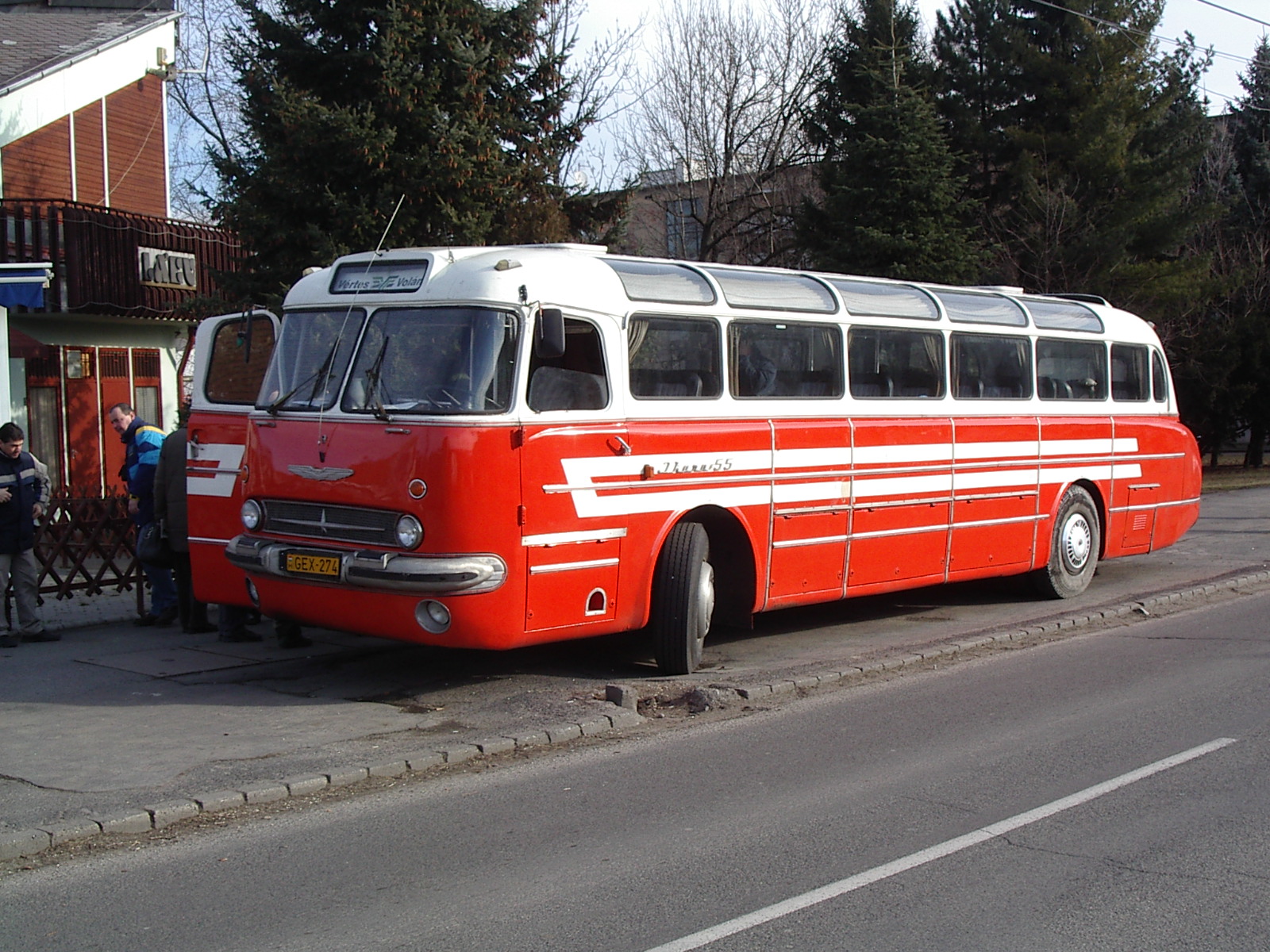
The Ikarus 55 bus series was in production between 1954 and 1973. First time I traveled with this series was 2007. The bus in the picture was built in 1970 and owned by former Vértes Volán coach company on the day of my trip. 
p1060589.JPG

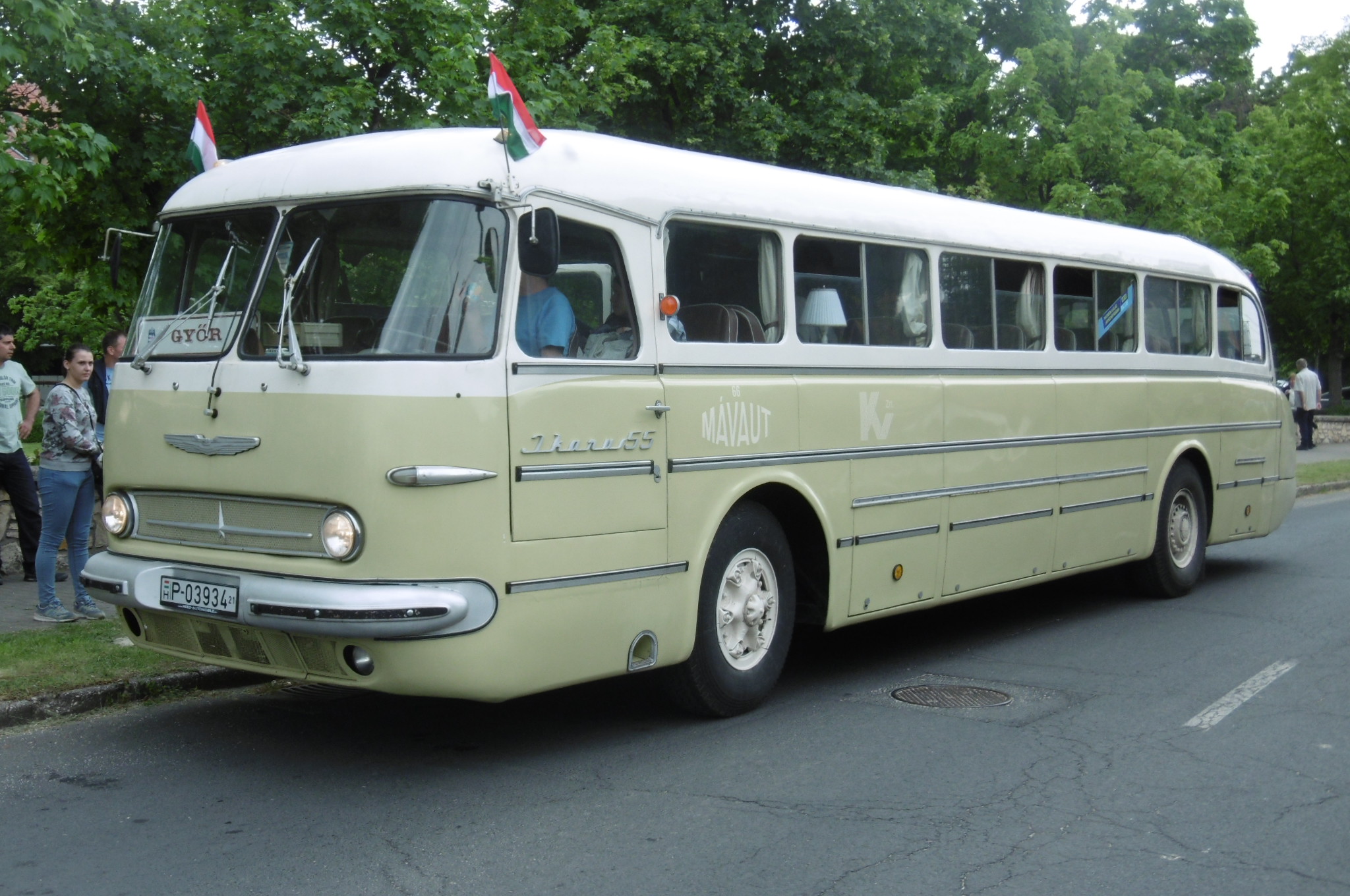
Ikarus 55 buses were rear-engined and had monocoque body which was a modern technology in the 1950s. This bus was produced in 1956, I was lucky enough to travel by it in 2010 in Győr. My photo was taken in Tapolca at the International Ikarus Meeting of 2018.
p1050308.JPG

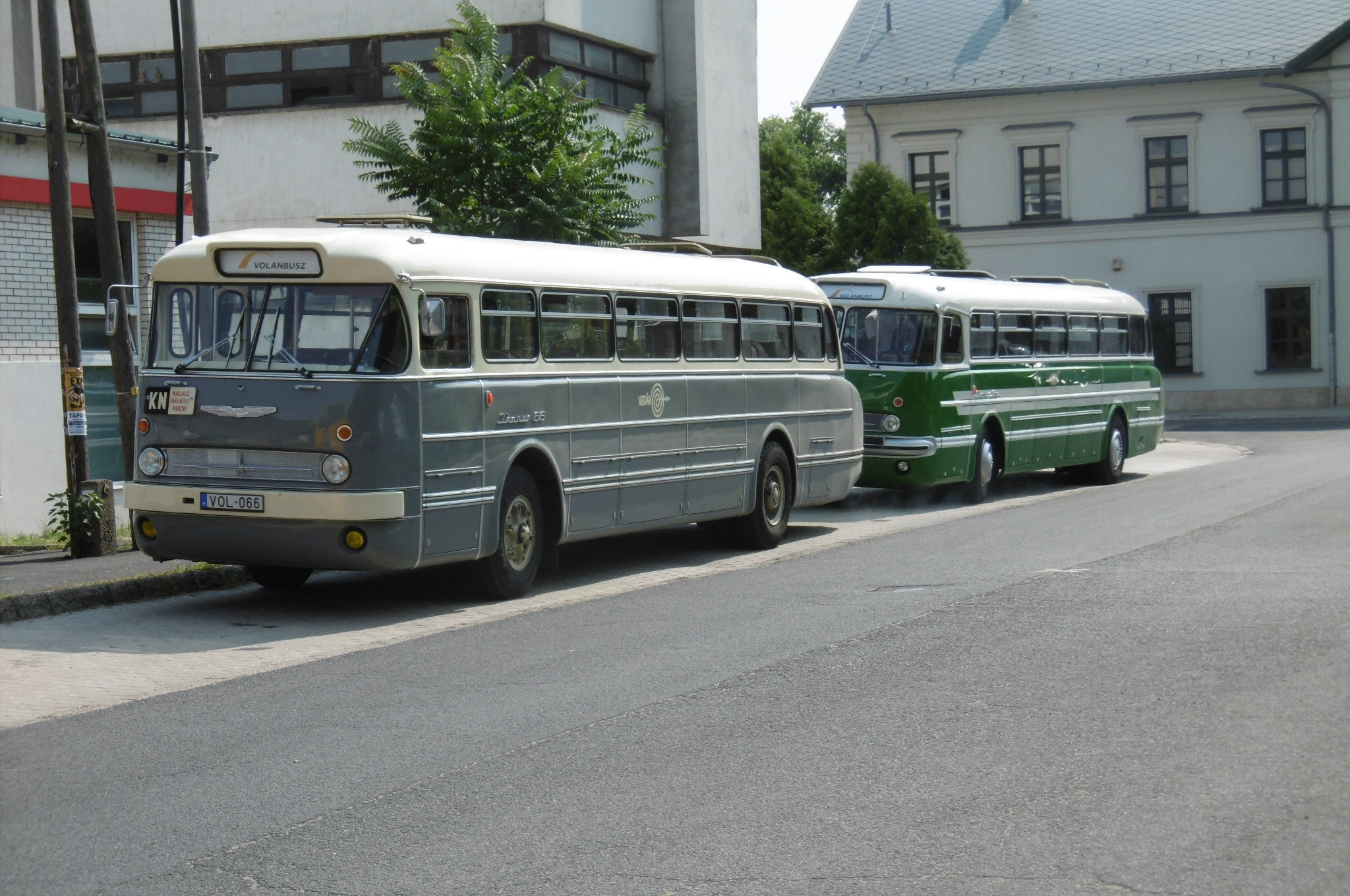
On the front you can see a bus of Ikarus 66 series which was the urban version of Ikarus 55, had an additonal door in the middle. It was built in 1972. Behind it there is an Ikarus 55 of former Kapos Volán company, manufactured in 1967. I traveled by both of them in 2021 around Tapolca, as an extra part of MÁV Retro Train Weekend.
p1060591.JPG

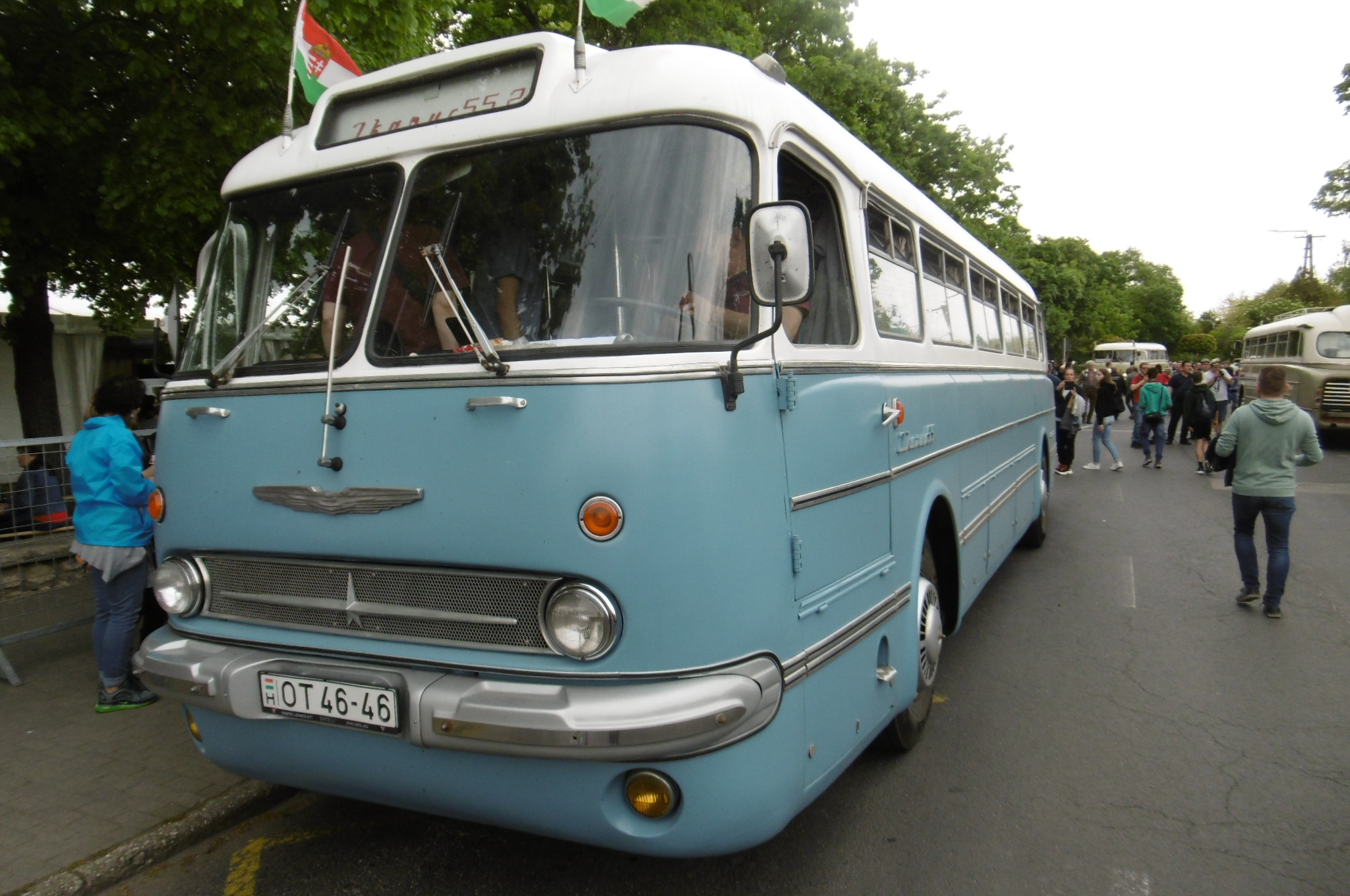
This blue Ikarus 55 bus is private property, was produced in 1971. I traveled by it during the International Ikarus Meeting of Tapolca in 2022. In the background you can see a back of an other Ikarus 55 bus. This series was exported to several countries, including East-Germany and the Soviet Union.
p1080837.JPG

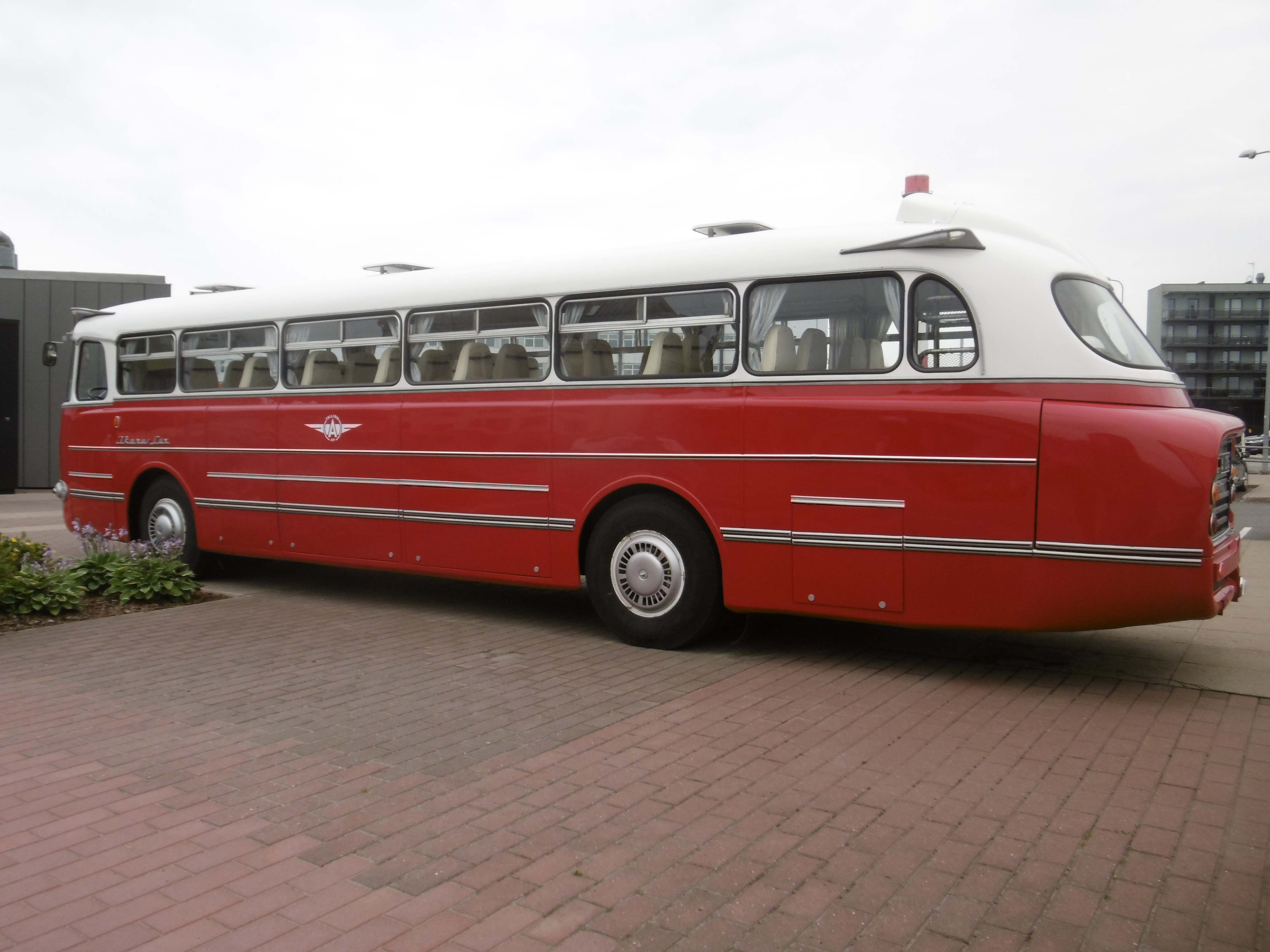
Hungary has more operable Ikarus 55 buses, but I haven't traveled by them. I was so happy when I met one at Tallinn Bus Station in 2023. This picture shows well the place of the engine which gave the Hungarian nickname of this series (Faros). At the bus station there were even few exhibition boards about Ikarus buses.
p1030540.JPG

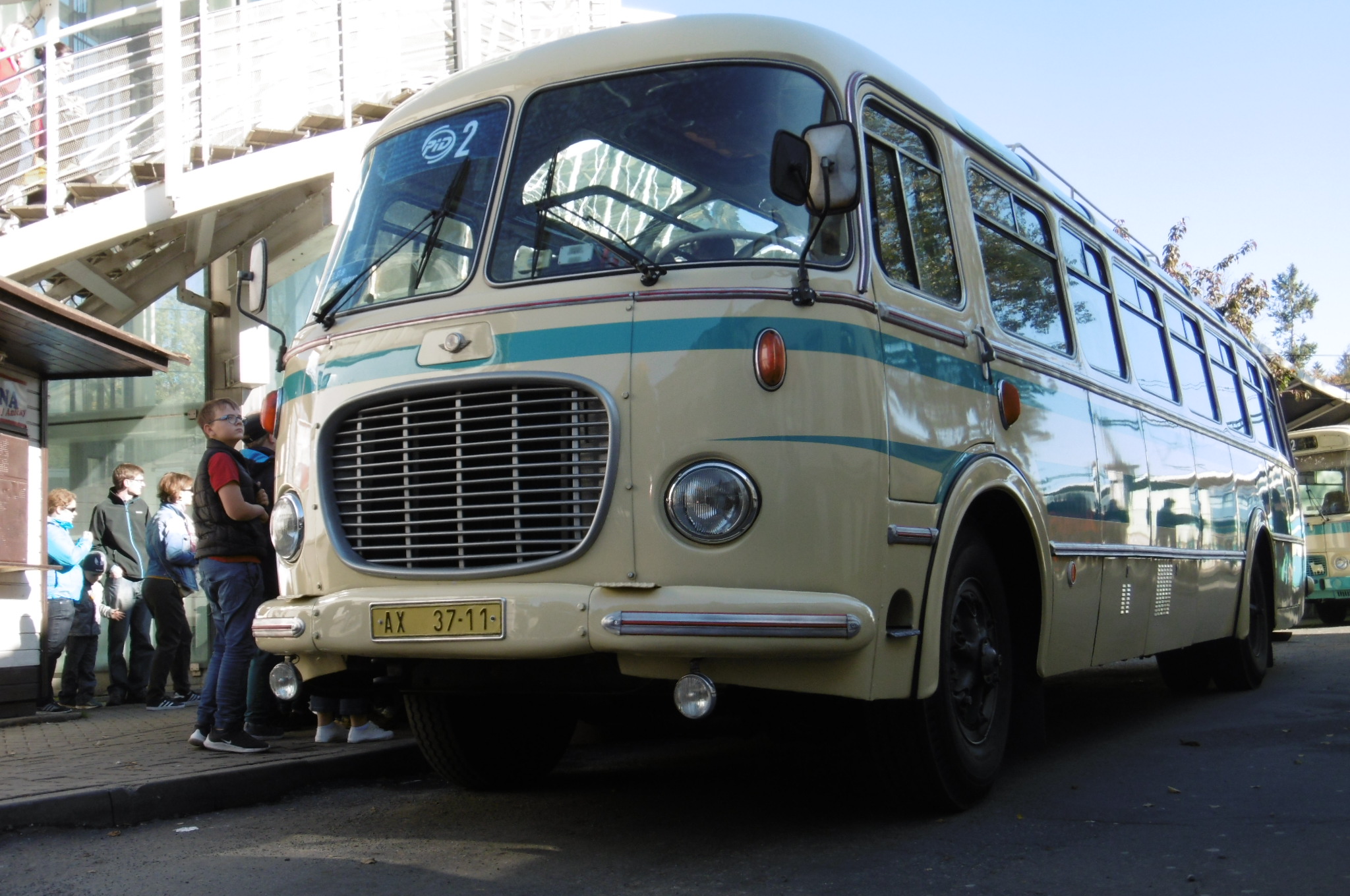
Prague Integrated Transport (PID, or Pražská integrovaná doprava) organizes a special event every year. In 2019 I attended and traveled by this Škoda 706 RTO LUX coach. This bus was built in 1971, but the production of the series started in 1958.

20240713_202758_1.jpg

Jelcz 043 series was produced under the previous Škoda 706 license. Accidentally I saw 2 of them in Warszawa in 2024, near to the Palace of Culture and Science. 
p1030562.JPG

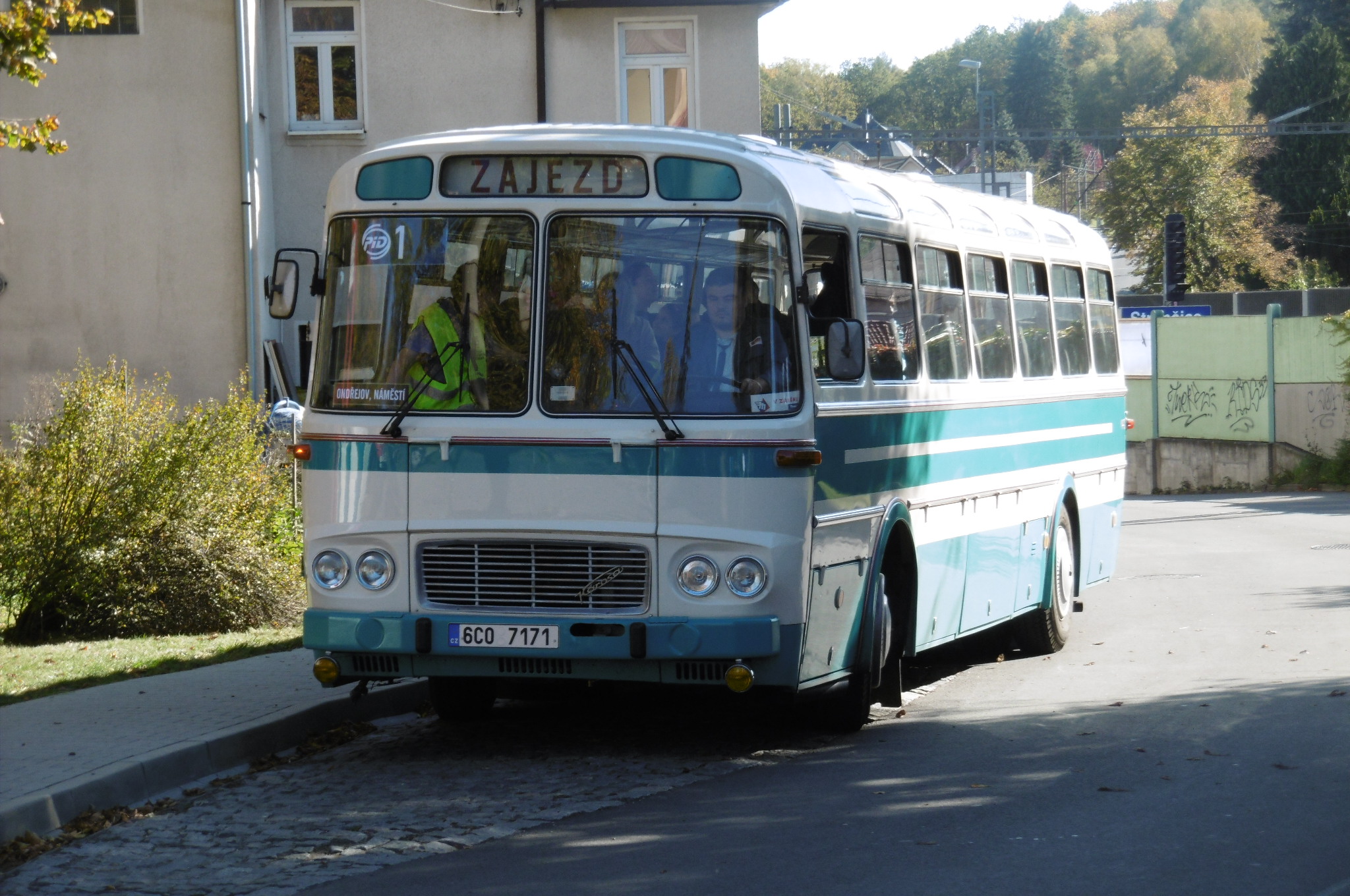
The Karosa ŠD 11 series was a Czechoslovakian long-distance coach produced from 1963 to 1981. I rode it at the same event when I did it also by the Škoda 706 RTO LUX bus. This one was built 1977.

20240127_165251.jpg

Ikarus 311 series was the further development of Ikarus 31, manufactured between 1961 and 1972. The bus in the picture was built in 1971 and is owned by the Hungarian Transport Museum. This long-distance series had also international fame - like IK 55 -, one IK 311 attended an expedition through Western-Africa in 1963. 
imgp6715.JPG

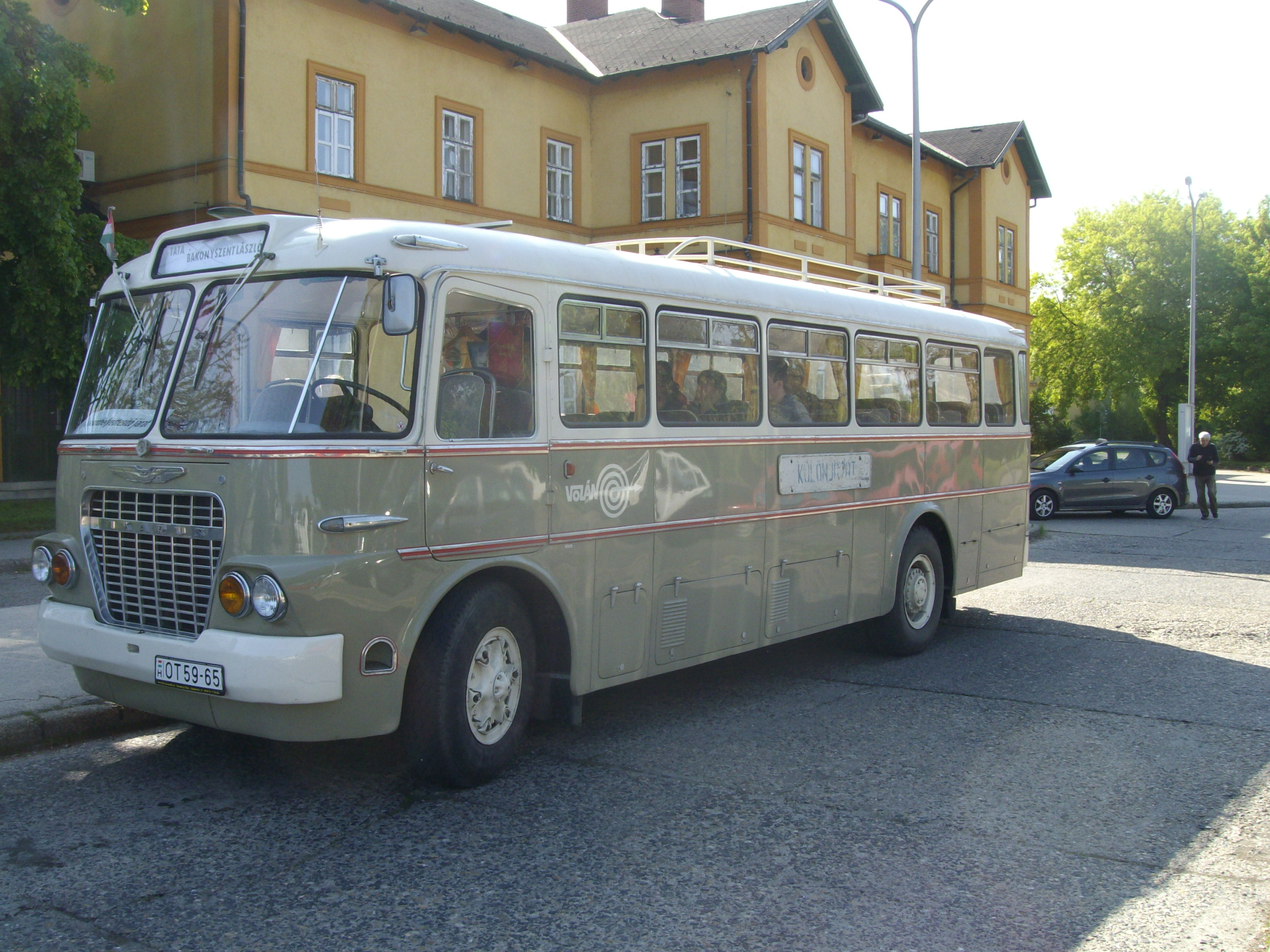
The Ikarus 630 series was manufactured between 1959 and 1971. One of these buses also took part the famous expedition in Western-Africa in 1963. I traveled by it in 2016, the picture was taken at Tata railway station.
p1090516.JPG

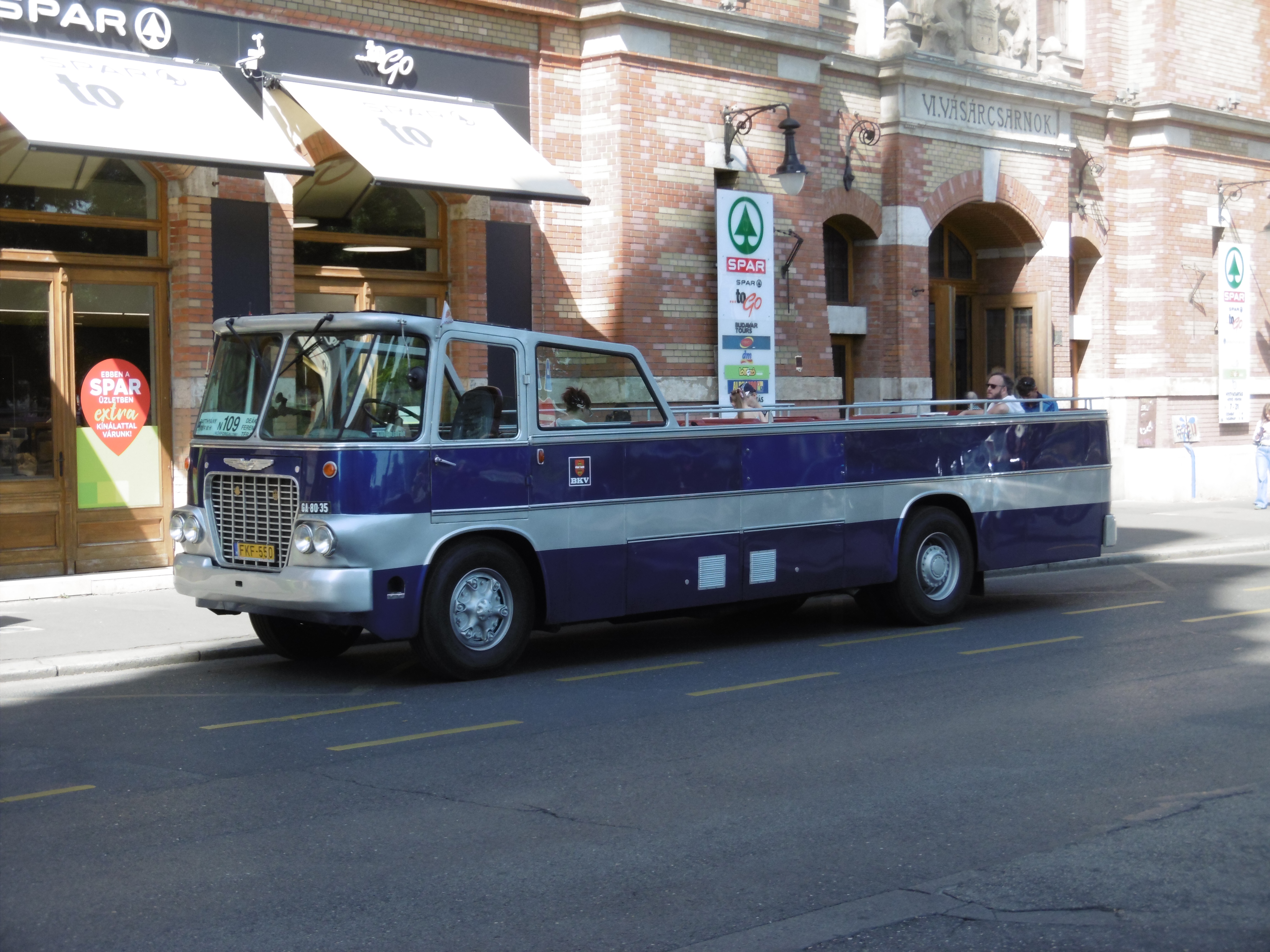
The BKV (Budapest Transport Privately Held Corporation) owns a special Ikarus 630 Cabrio bus. It was produced in 1971, originally with normal car body. In 2017 it was restored and modified to cabrio as a replica of former Ikarus 630 Cabrio buses. It had been on my bucket list for a long time, in 2023 finally I managed to travel by it.
imgp6159.JPG

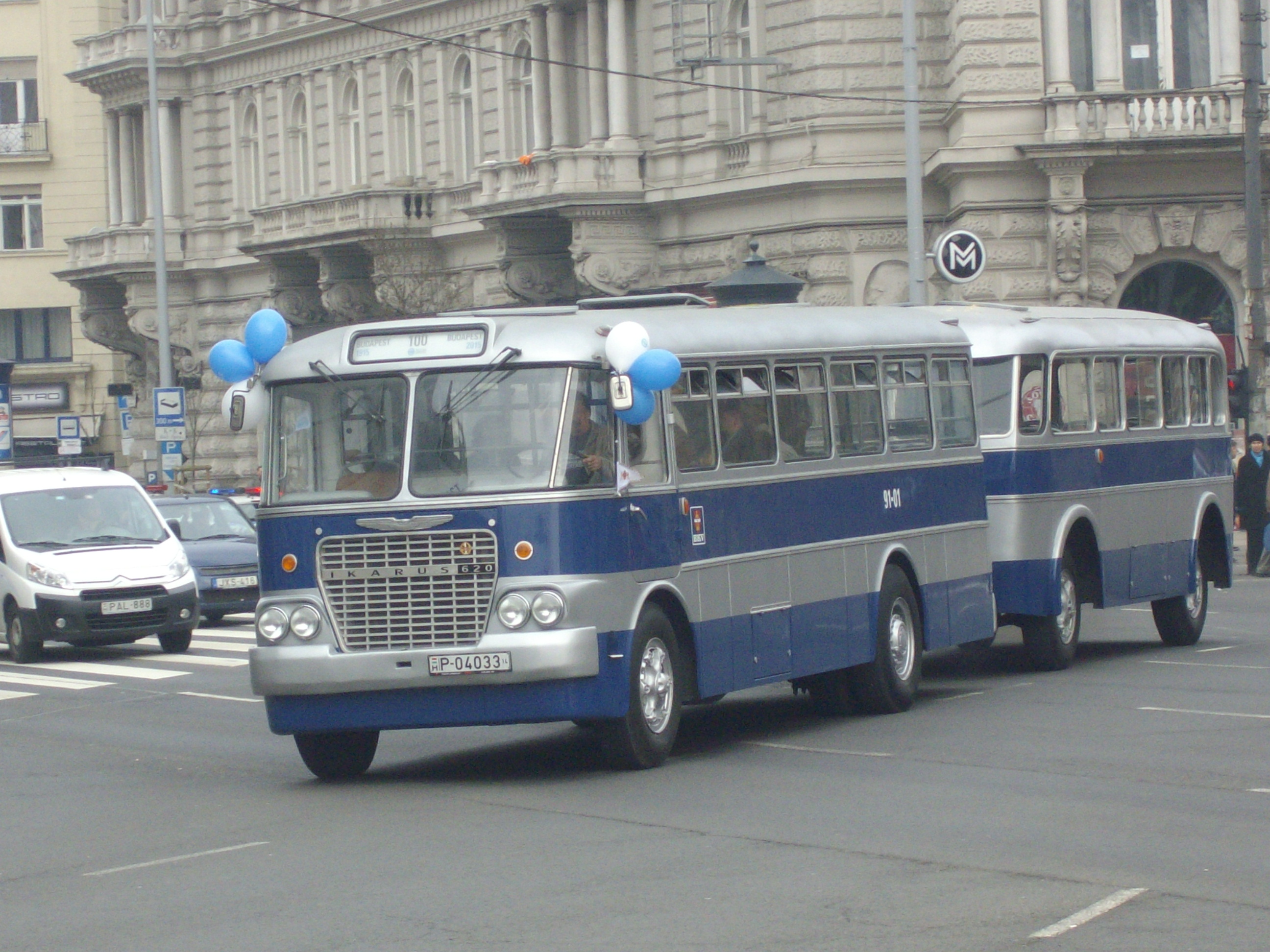
The Ikarus 620 series was the urban version of Ikarus 630. The picture shows a preserved bus built in 1963, it is private property. I traveled by it on the 100th anniversary of the bus transportation of Budapest (2015) when it pulled a trailer car.
imgp3024.JPG

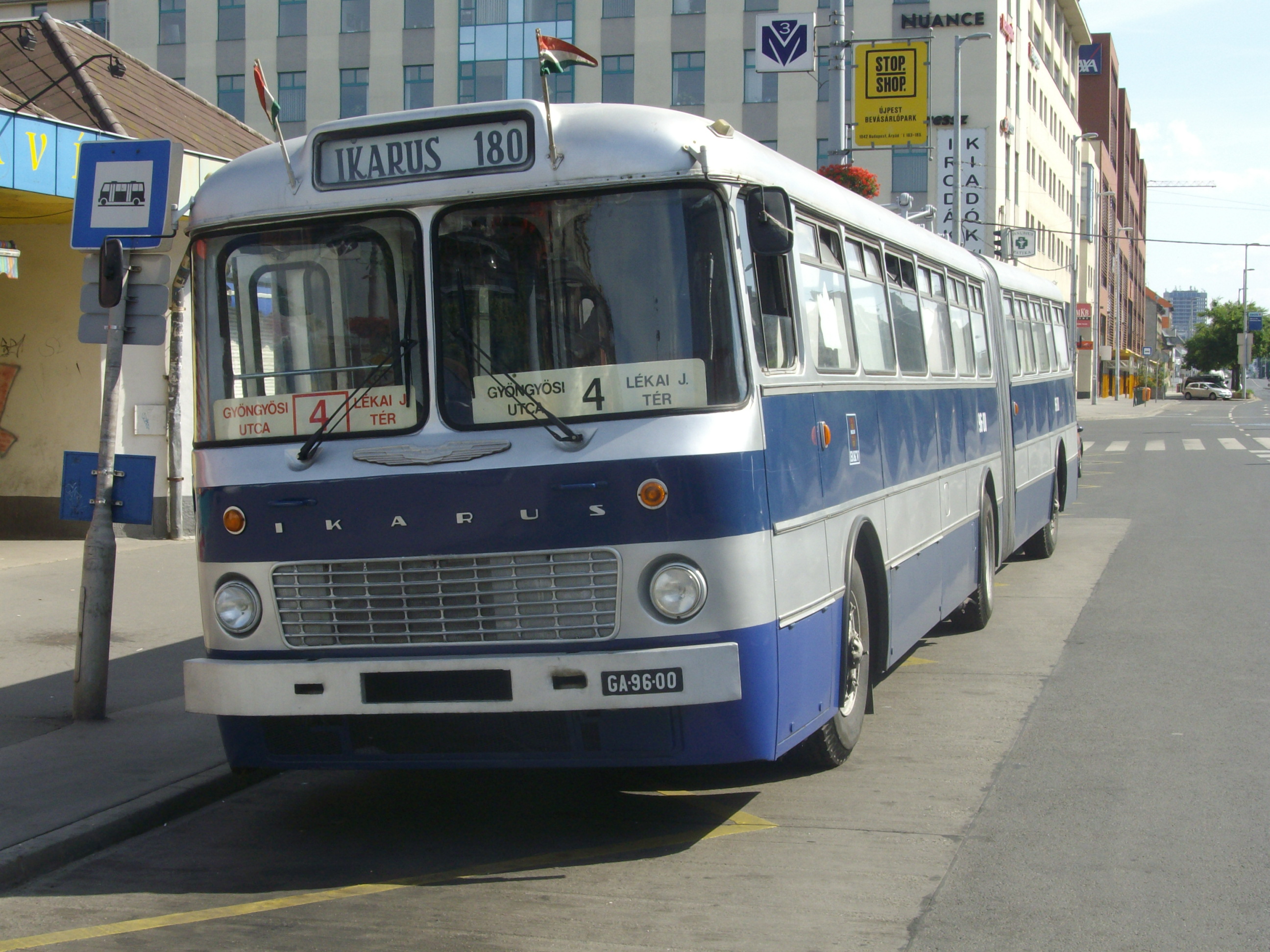
The Ikarus 180 is Ikarus' first articulated bus to be produced in series between 1967 and 1973, however the prototype was presented already in 1961. I took my picture in 2011 and traveled by it in 2013. 

20250802_171246.jpg

The Ikarus 556 series was built from 1964 to 1973. It was the solo version of IK180. The picture represents a replica IK556 (from a modified IK260) which entered to Budapest heritage service in 2025.

20240608_145319.jpg

One Ikarus 556 was modified in 1969 and became the only double decker Ikarus bus. It served in Pécs until 1976. "Nejlon Piroska" (nylon little Red) was the nickname ok Ikarus 30 bus series. It was the first Ikarus produced in series in the 1950s. I was lucky to travel both of them at the Retro Coach Day of Hatvan in 2024.

20220625_184936.jpg The first Ikarus 60 bus was built in 1951 in Mátyásföld (part of Pest), in cooperation with Csepel-Steyr. Series production started in 1952, and 1,744 of them were built until 1959. One vehicle was preserved, then restored by BKV in the 2010s and has since become part of the heritage fleet. I traveled by it in 2022.
imgp4525.JPG

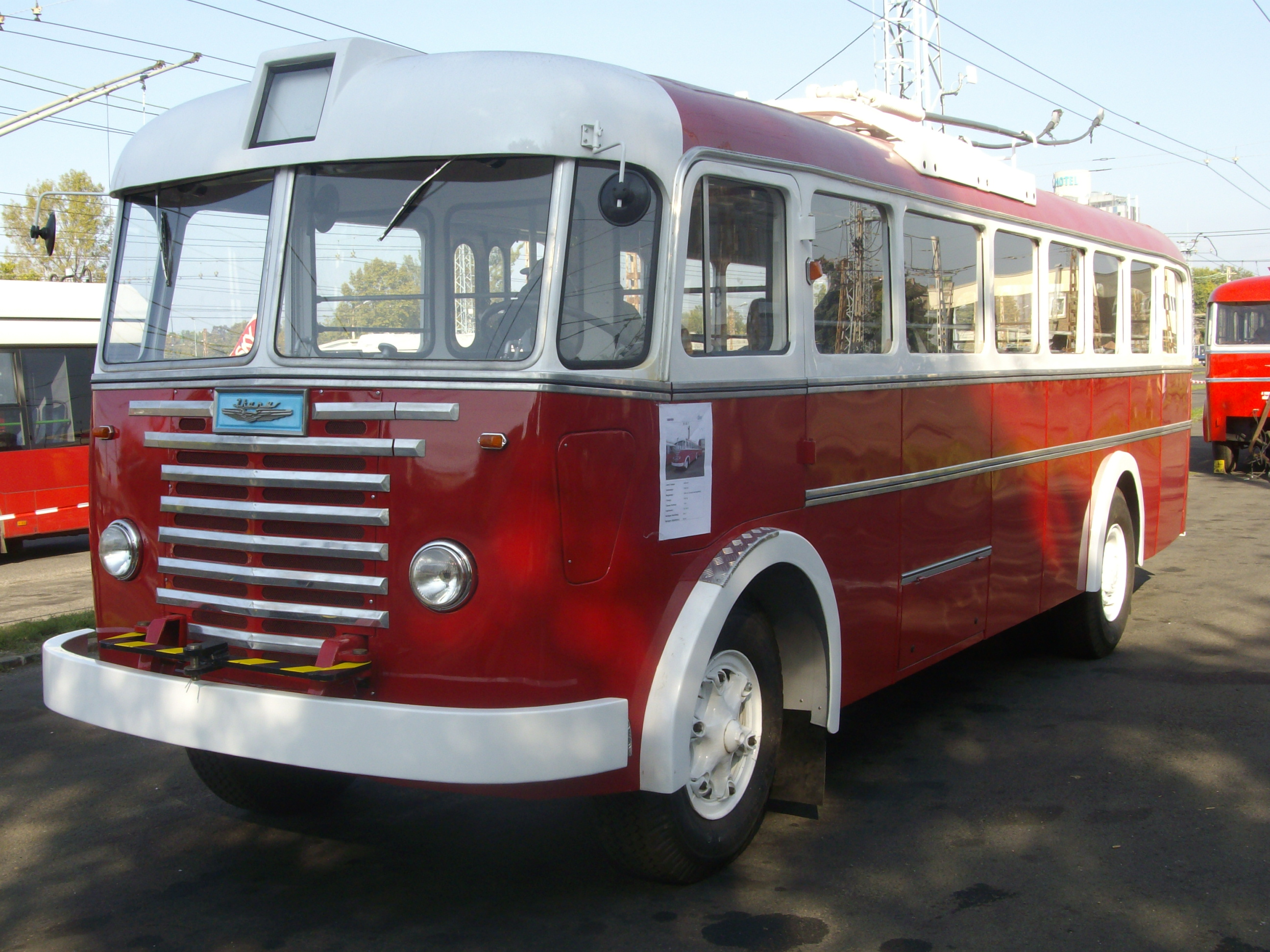
The Ikarus 60T was born because Soviet trolleybus exports in the 1950s were insufficient. A total of 157 of them were built and operated in Budapest between 1952 and 1976. In 2023-24 the vehicle was converted back to serviceable condition. My picture was taken in 2013 when it couldn't move from its own power.

20250920_165416.jpg

The ZiU-9 (ЗиУ-9 in Russian) is a type of trolleybus produced in the Soviet Union from the early 1970s.  The vehicles were gradually withdrawn in the 2000s, their last operational year was 2012. However it was a common vehicle in my young age, I have taken only few photos of them, because it didn't seem so special.
imgp4550.JPG

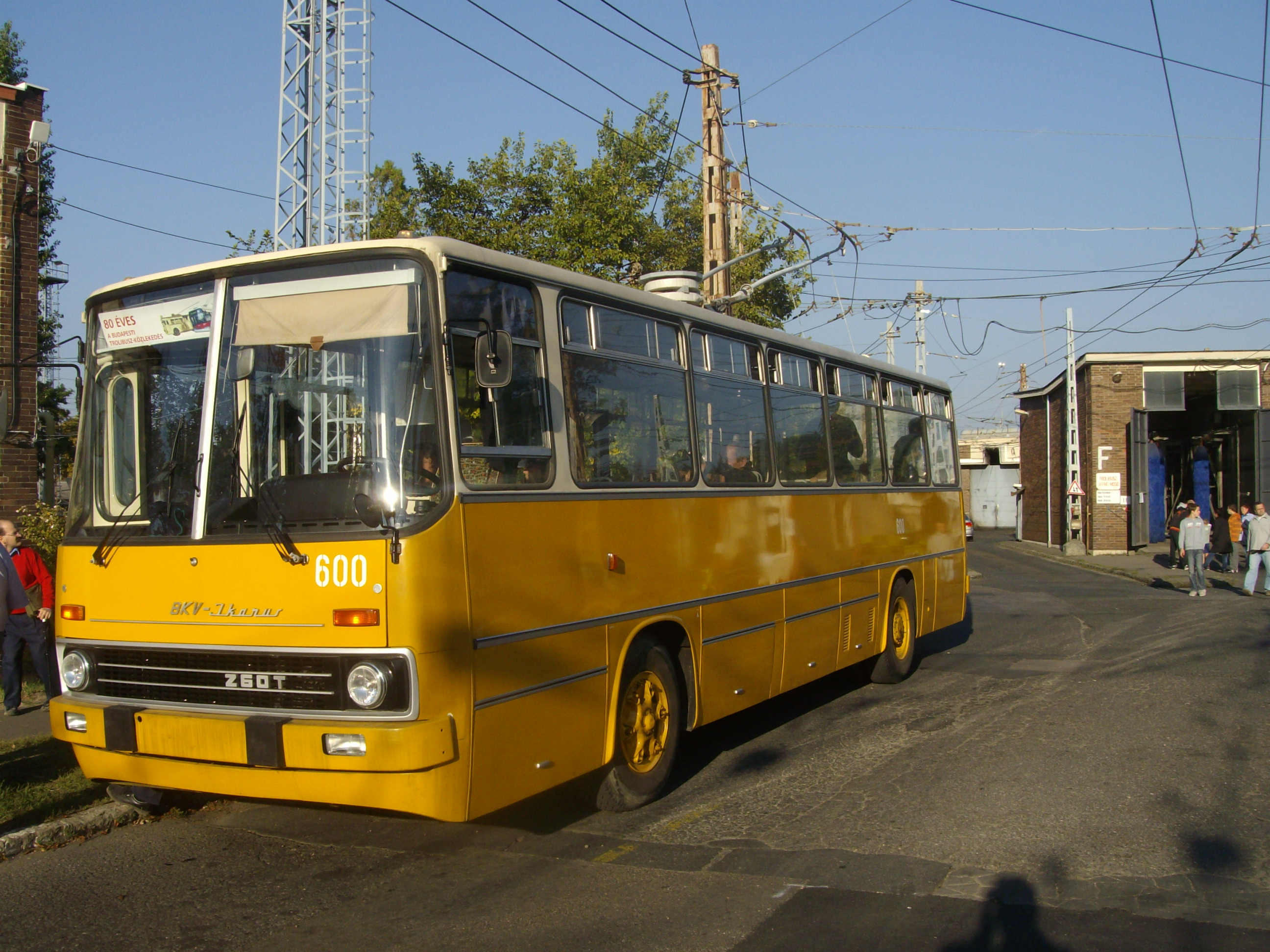
In 1974, the Ikarus 260T trolleybus with the number 600 was developed jointly by BKV and Ikarus. Two of the type were built. The first one - the 600 - was equipped with the electronics of the Soviet-made ZiU-5 trolleybus, and was put into service in 1975. I took my photo in 2013 and I rode this trolleybus 2 years later.

 20221119_122247.jpg

The prototype of the Ikarus 260 series was introduced in 1971, with series production from 1972 to 2002. The folding ‘concertina’ door bus with the registration number BPO-671, which was in service from 1981 to 2001 and then renovated in 2013. They were common buses in my childhood, however they mostly had different doors.
p1000637.JPG

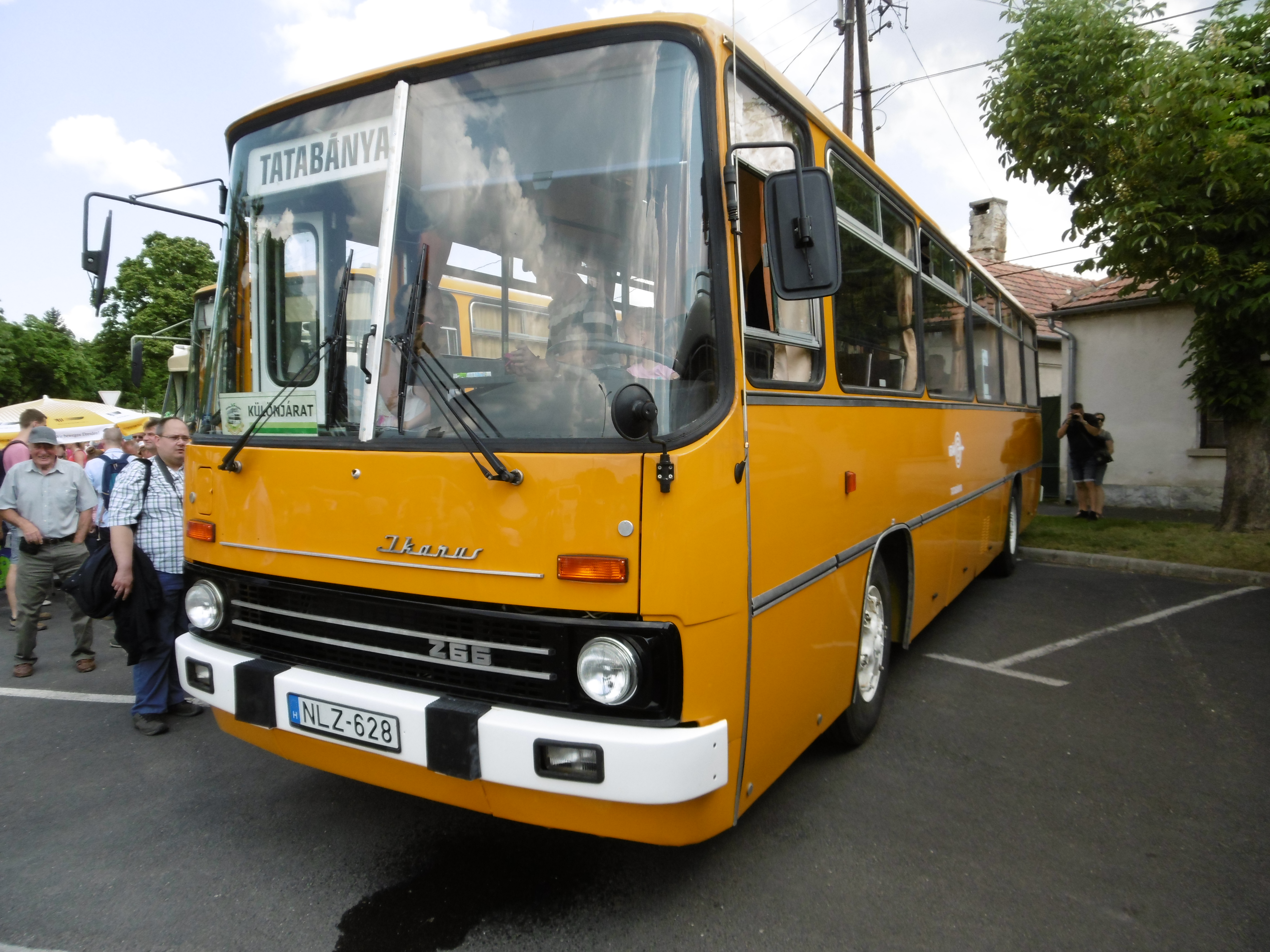
The Ikarus 266 is classic high-floor coach built by Ikarus Factory from 1972 to 1990. Over 6,600 units were produced, making it a defining vehicle of public transport across Hungary and other Eastern Bloc countries during the late 20th century. These flat-stringed vehicles were so typical in my childhood in Hungary.
p1060584.JPG

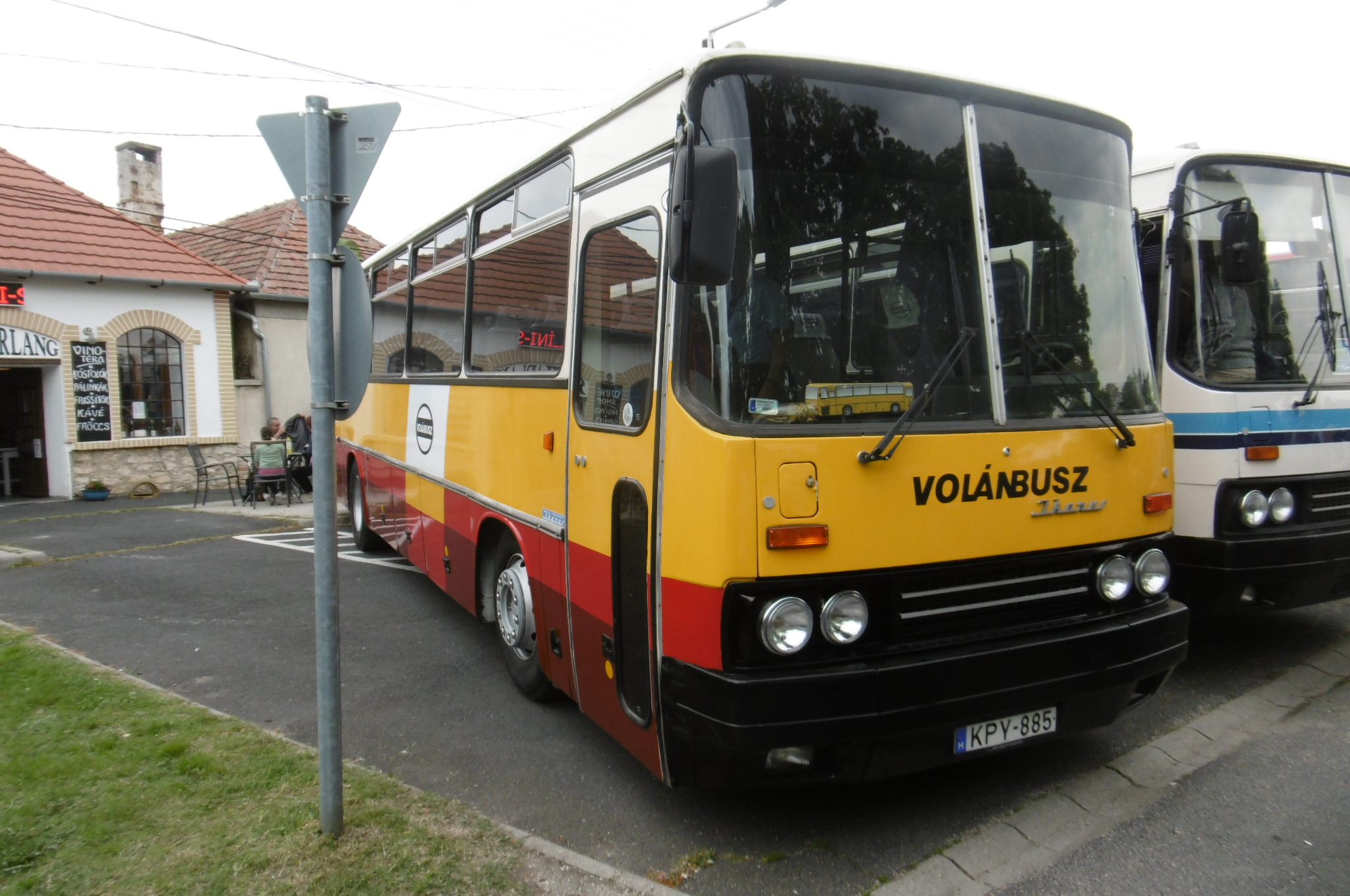
 The Ikarus 256 is a high-floor bus used as a coach for long-distance service and for interurban traffic. It was made from 1977–1989, alongside the larger Ikarus 250, by the Hungarian bus manufacturer Ikarus. This restored one was produced in 1989 and wears the 1990s colours of Volánbusz (former coach company of Pest county).
p1060603.JPG

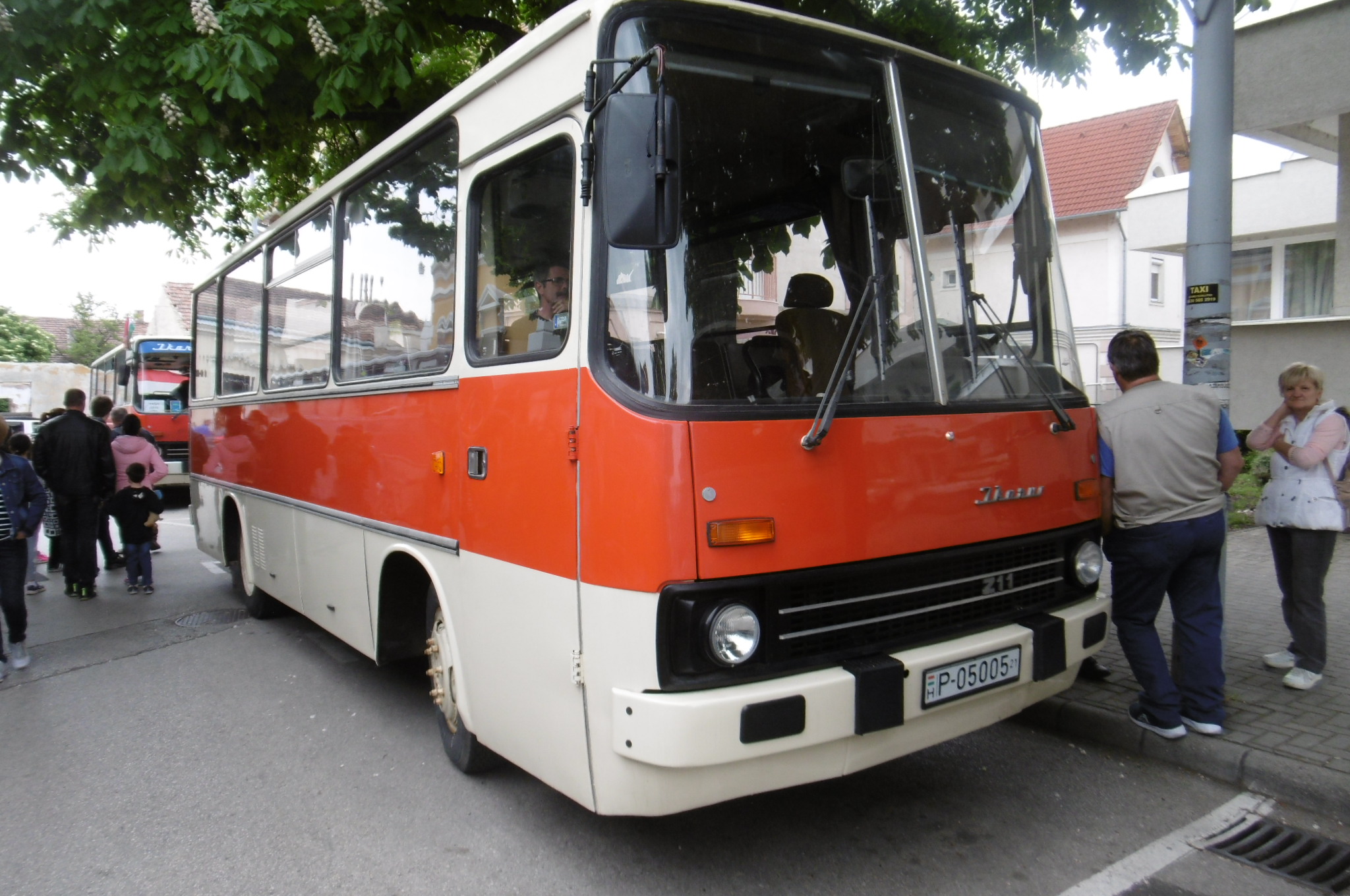
Ikarus 211 was in production from 1973 to 1990. It was the largest series of midi buses by Ikarus. It has IFA engine and flat strings in its suspensions. Few times I traveled by this series during school trips. 
p1040637.JPG

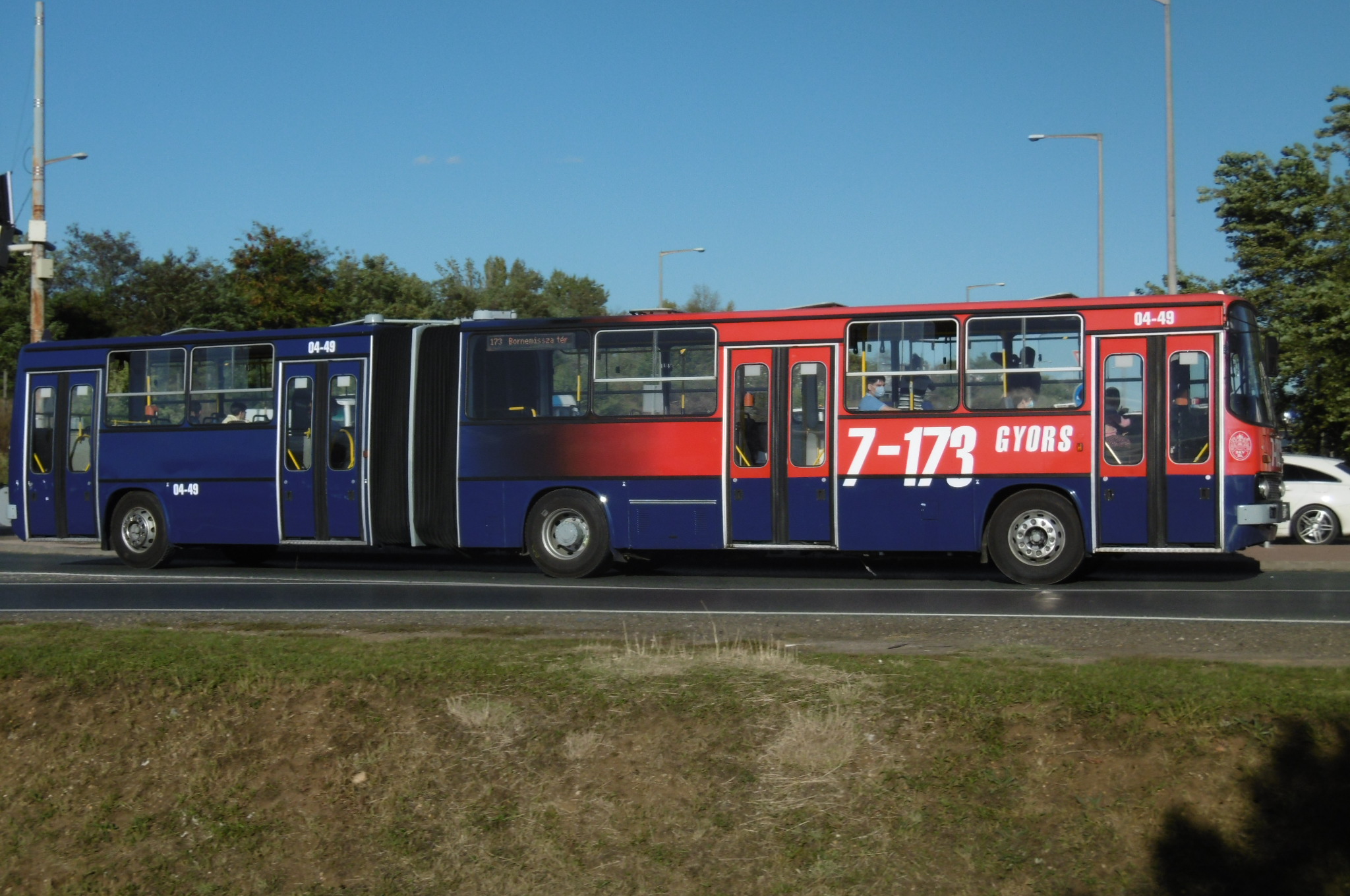
The prototype of the Ikarus 280 series was officially unveiled in Budapest in 1972, and went into series production from 1973 until 2002.  There is more than just one Ikarus 280 in the preserved collection including a typical bus of the 1990s,  BPO-449 with the "7-173 GYORS" livery dedicated to the Rákóczi út express services. 
p1120110.JPG

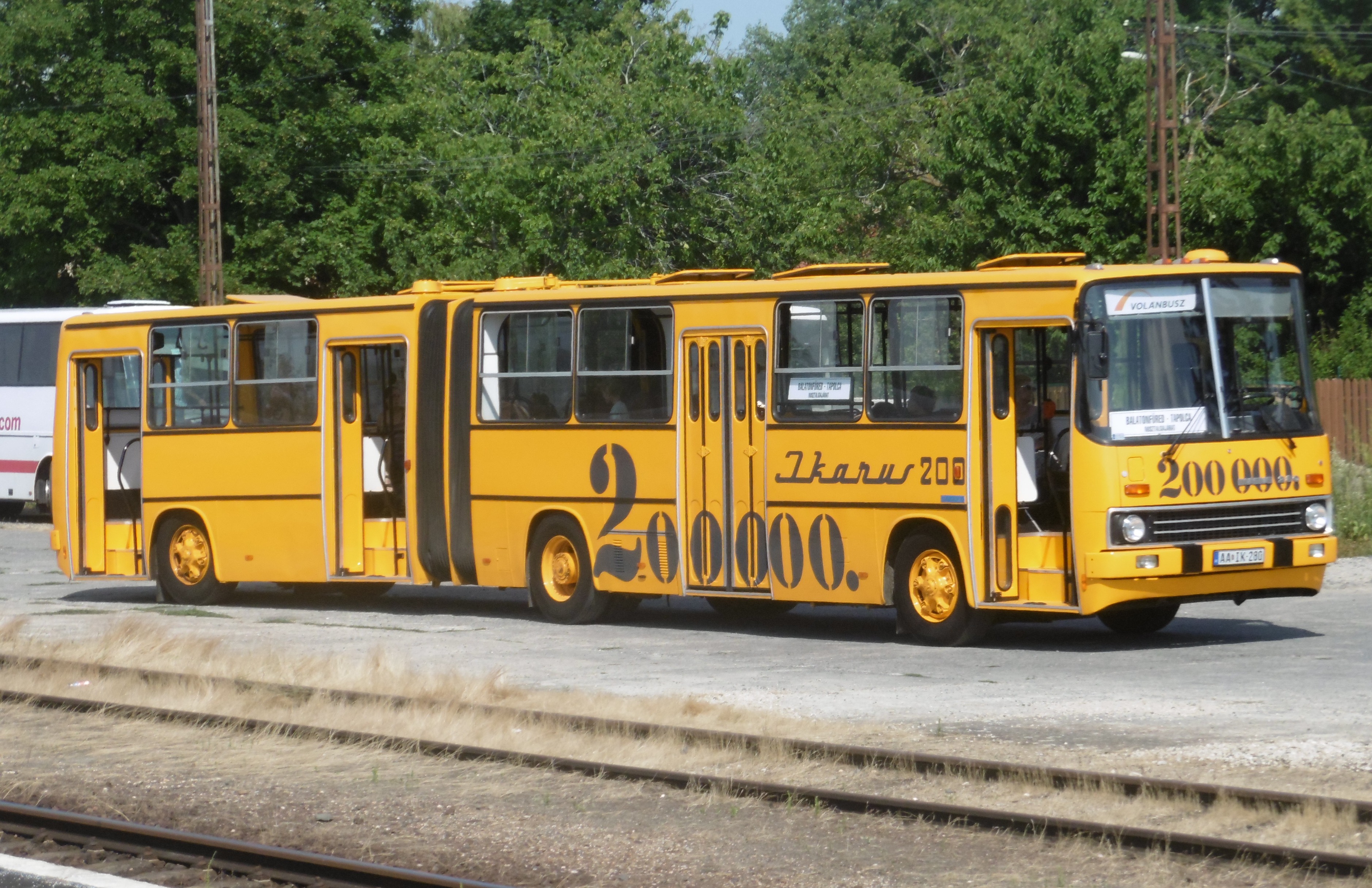
The Ikarus 200 series family is Ikarus' most successful  bus, known and used all over the world, and is the pride of Hungarian industry. The Soviet Union and the GDR have bought the largest numbers, but there have also been several examples in Poland, Turkey, Venezuela, Iran, Madagascar, Syria, Cuba, Taiwan, Tanzania, Iceland and many others. The 200,000th bus of the factory was planned to be exported to Russia, but finally remained in Hungary and used to serve in Győr for Kisalföld Volán.

Épületek, tájak, vonatok Dublinból és környékéről

20260118_145725.jpg

Dublin belvárosával a Trinity College egyetemen kezdtem az ismerkedést, amit I. Erzsébet angol uralkodó alapított a 16. sz. végén. A mai Írország legrégebbi felsőoktatási intézménye, eredeti célja a protestáns értelmiség kinevelése volt. Könyvtára különösen híres, népszerű látványosság.

20260118_152522.jpg

A Temple Bar negyedben éttermek, kávézók, galériák, bárok sokasága található. Bár kevésbé pénzlehúzó turistacsapda, mint a budapesti Váci utca, a túlértékelt dublini látványosságok köré sorolható.

20260118_160339.jpg

A dublini vár az írországi angol uralom közigazgatási székhelye volt évszázadokig.  A független Írországban is megmaradt hivatalos fogadások, rendezvények helyszínének.

20260118_160700.jpg

A várat eredetileg a normannok építették, de középkori részéből mára nem sok maradt fenn. Kivétel a fotó bal oldalán látható kör alakú "Record" torony.

20260127_164321.jpg

A vár belsejének talán leglátványossabb része a Szent Patrik terem. 1937 óta az ír elnök beiktatási helyszíne.

20260118_154320.jpg

A Christ Church székesegyház a 12. században épült, később több bővítésen is átesett, állapotromlás miatt részleges újjáépítésére is szükség volt. Az írországi anglikánokhoz tartozik, belépődíj ellenében látogatható.

20260118_161904.jpg

Nem sokkal később épült a Szent Patrik katedrális, ami Írország legnagyobb temploma. A reformáció során ez a templom is az anglikánokhoz került. Mai formáját az 1864-ben befejeződő restauráció során nyerte el.

20260118_153820.jpg

A dublini városháza eredetileg királyi tőzsdének épült a 18. sz.-ban. A vár közelében található.

20260228_103309.jpg

A Liffey partján elhelyezkedő Custom House, egykori vámház ma az ír Önkormányzati és Örökségvédelmi Minisztérium épületeként szolgál.

20260310_134033.jpg

A Vámháztól egész közel, a belvárosban található egy buszpályaudvar (Busáras) és Dublin Connolly vasúti pályaudvara. Az Ír Vasutak 22000 osztályú Hyundai dízel motorvonatáról utóbbin készült a felvételem. 

20260310_133920.jpg

Érdekesség, hogy teljes Írországban kizárólag a Malahide/Howth - Dublin Connolly - Greytones észak-déli irányú DART (Dublin Area Rapid Transit) vasútvonala villamosított. Jellege (járatsűrűség, utazási sebesség, megállókiosztás) a budapesti HÉV-nek feleltethető meg, vágányait azonban egyéb vonatok is használják.

p1120567.JPG

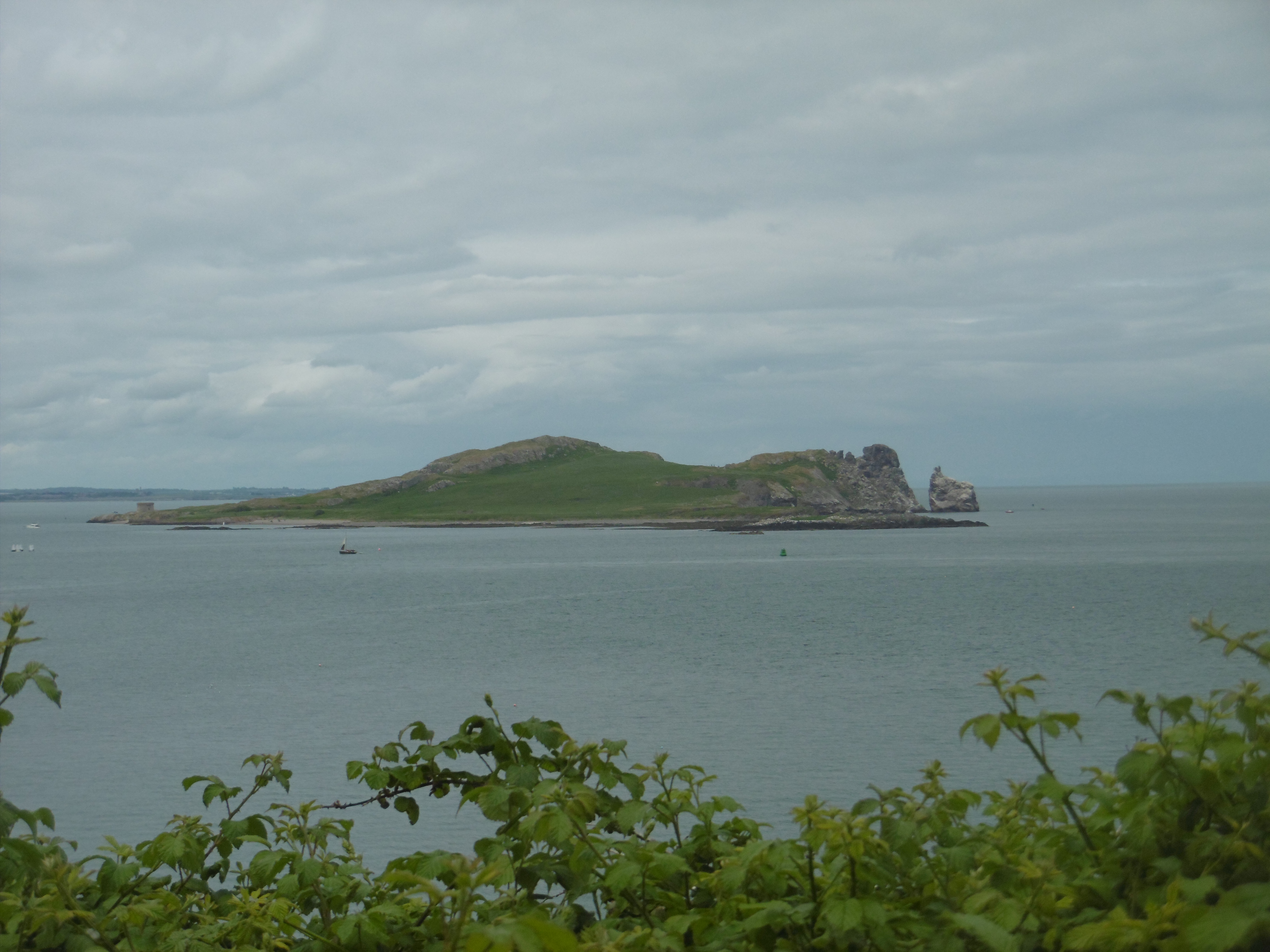
A DART egyik északi végállomása Howth, ami népszerű kirándulóhely. A félszigetről szépen látszik a képen szereplő aprócska sziget, ami Ireland's Eye, azaz "Írország szeme" névre hallgat.

p1120576.JPG

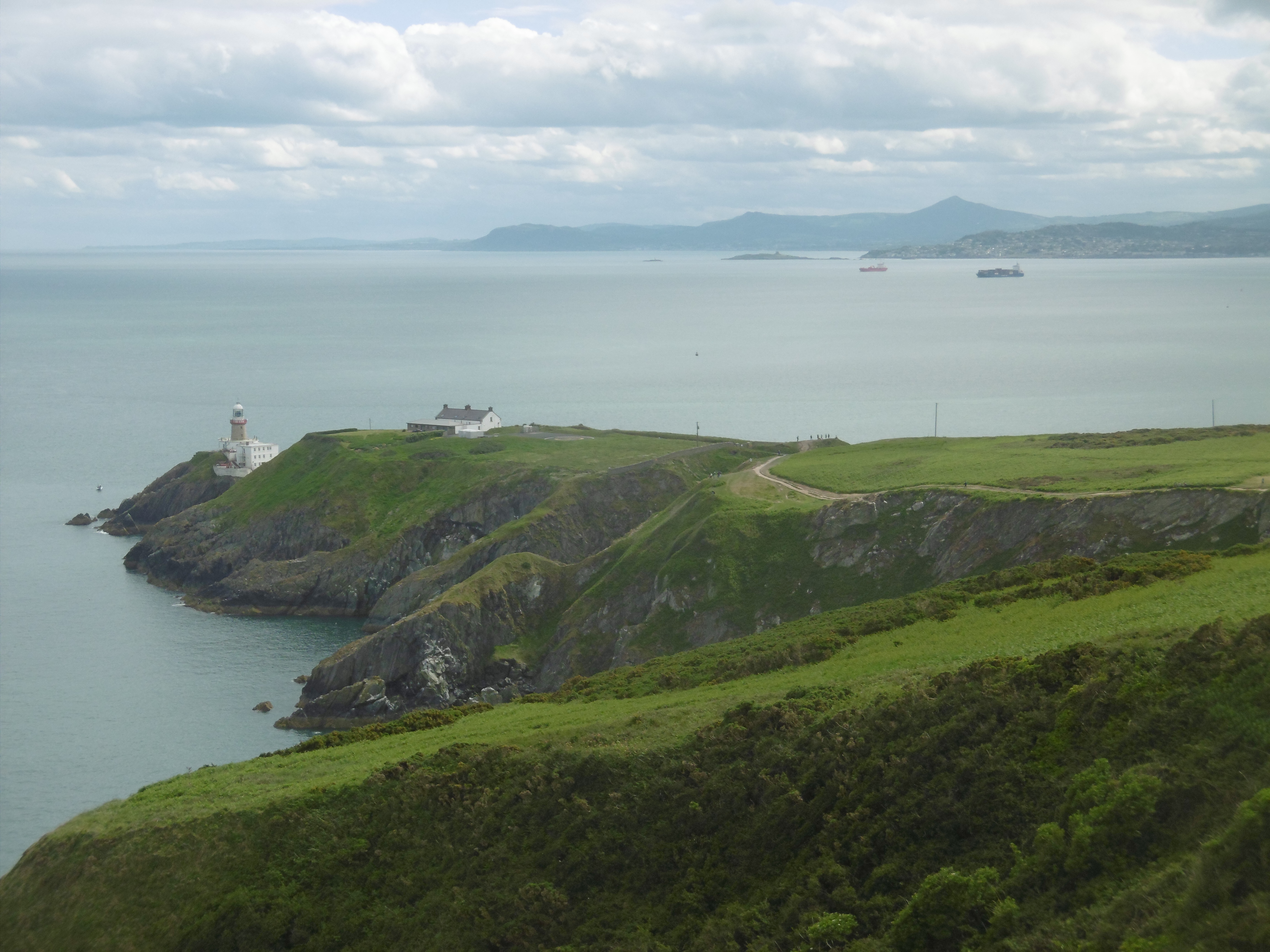
 Írország híres a tengerparti szirtjeiről, ahol számos túraútvonal vezet, többek között Howth teljes partszakaszán. A félsziget délkeleti csücskében világítótorony épült a Dublini-öbölbe tartó hajók tájékozódásához. 
p1120518.JPG

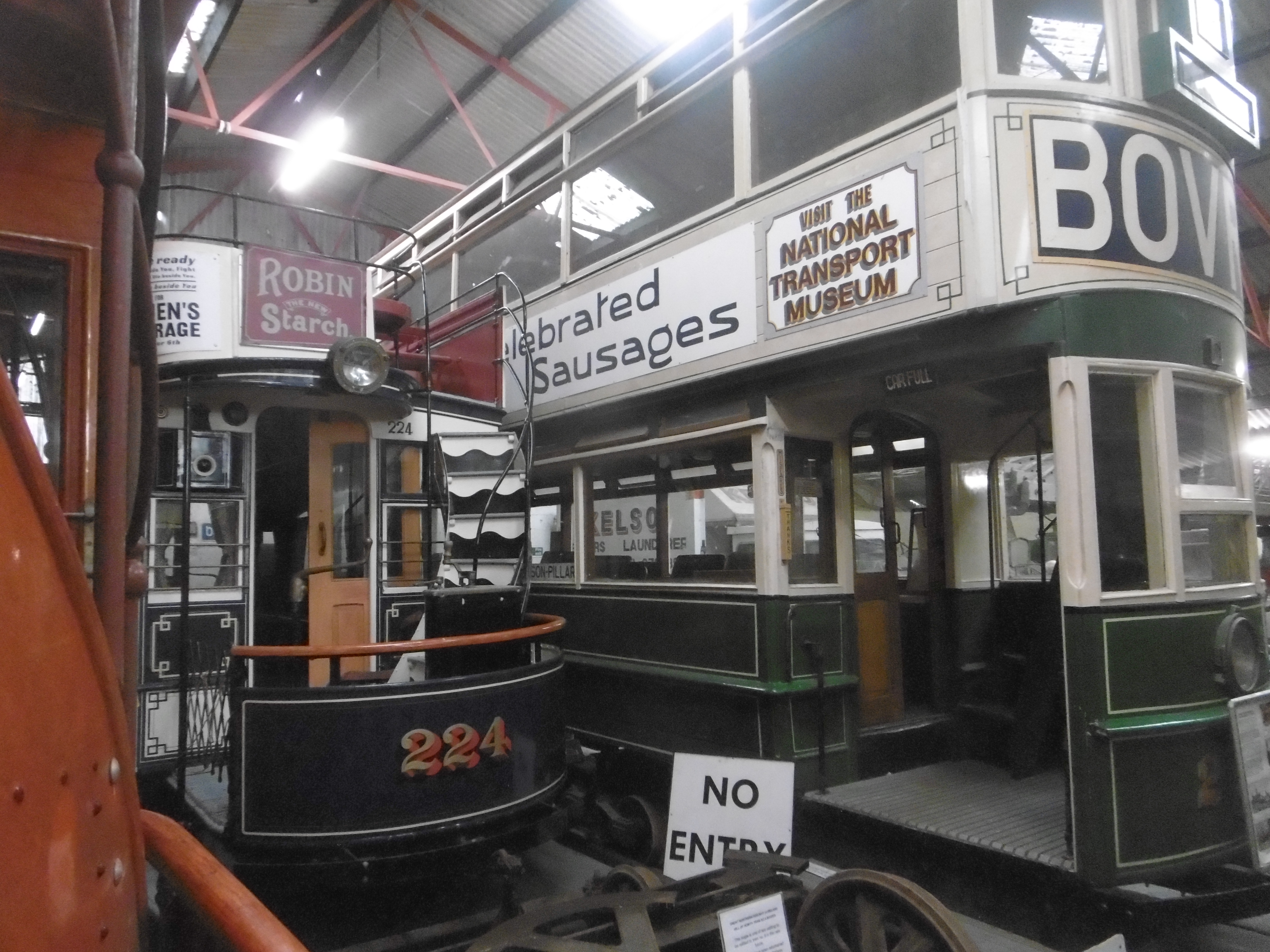
Howth ad otthont az ír közlekedési múzeumnak (National Transport Museum), ami egy kisebb járműgyűjtemény egy rendkívül zsúfolt raktárépületben. A kötöttpályás közlekedést mindössze néhány régi ír villamos képviseli.

p1120523.JPG

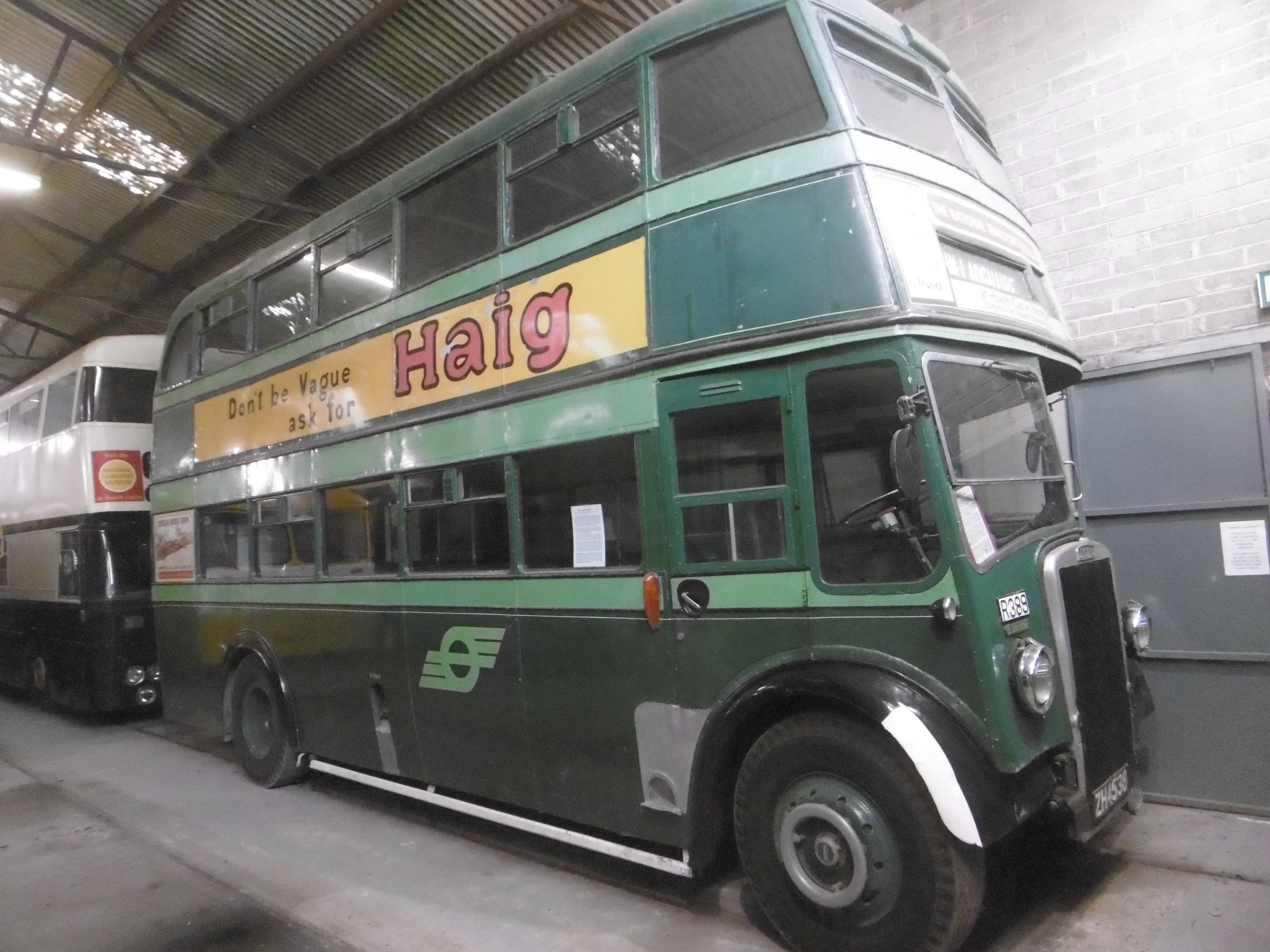
A dublini utcaképhez máig hozzátartoznak az emeletes buszok, így volt ez már évtizedekkel korábban is. A Leyland Titan PD2/3 típusú autóbusz 1949-ben készült, egyike a múzeumi double-decker buszoknak.

p1120512.JPG

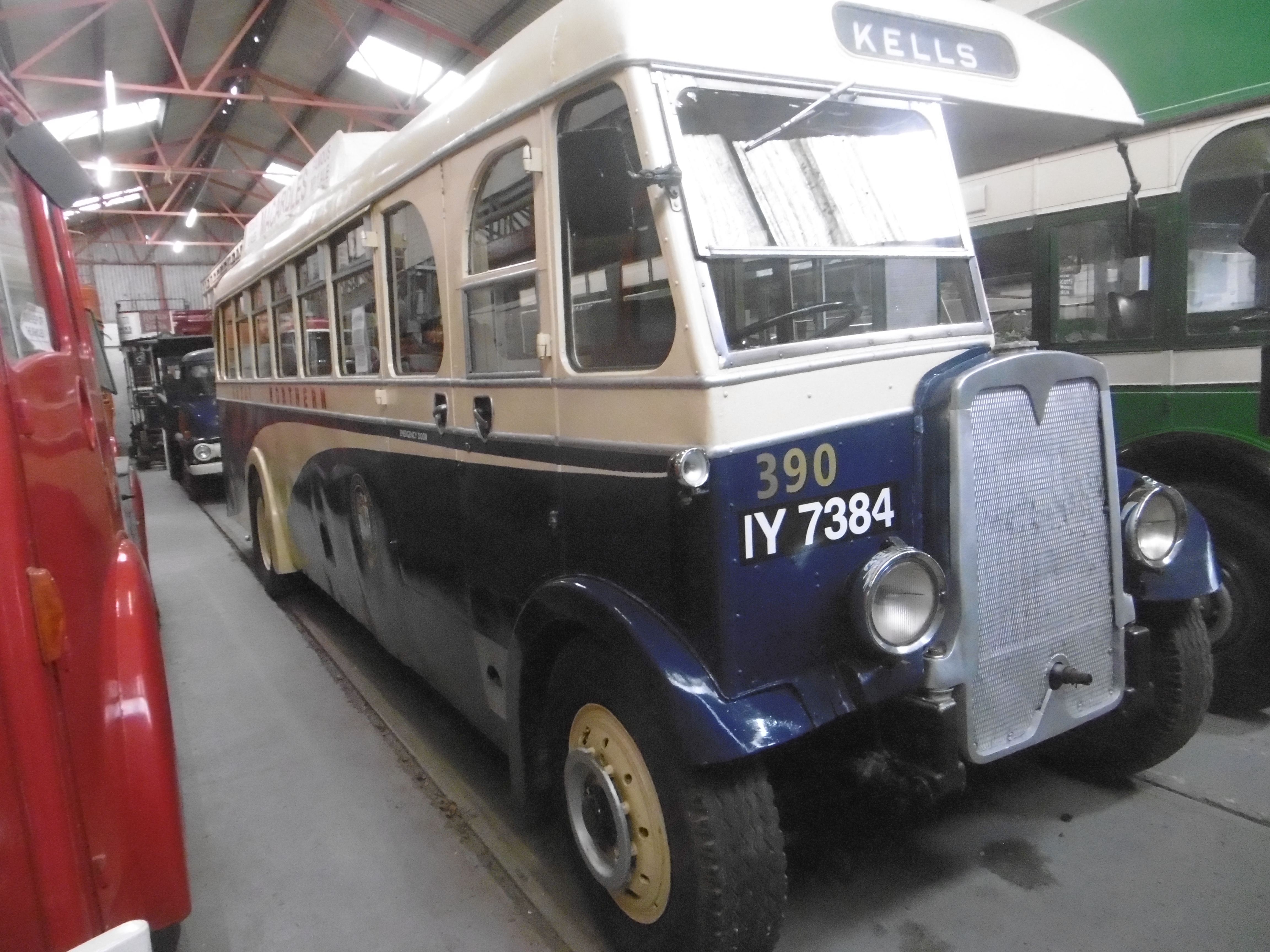
Great Northern Railway vasúttársaság üzemeltette a fotón szereplő, 1929-ben gyártott Gardiner 390 autóbuszt.

p1120499.JPG

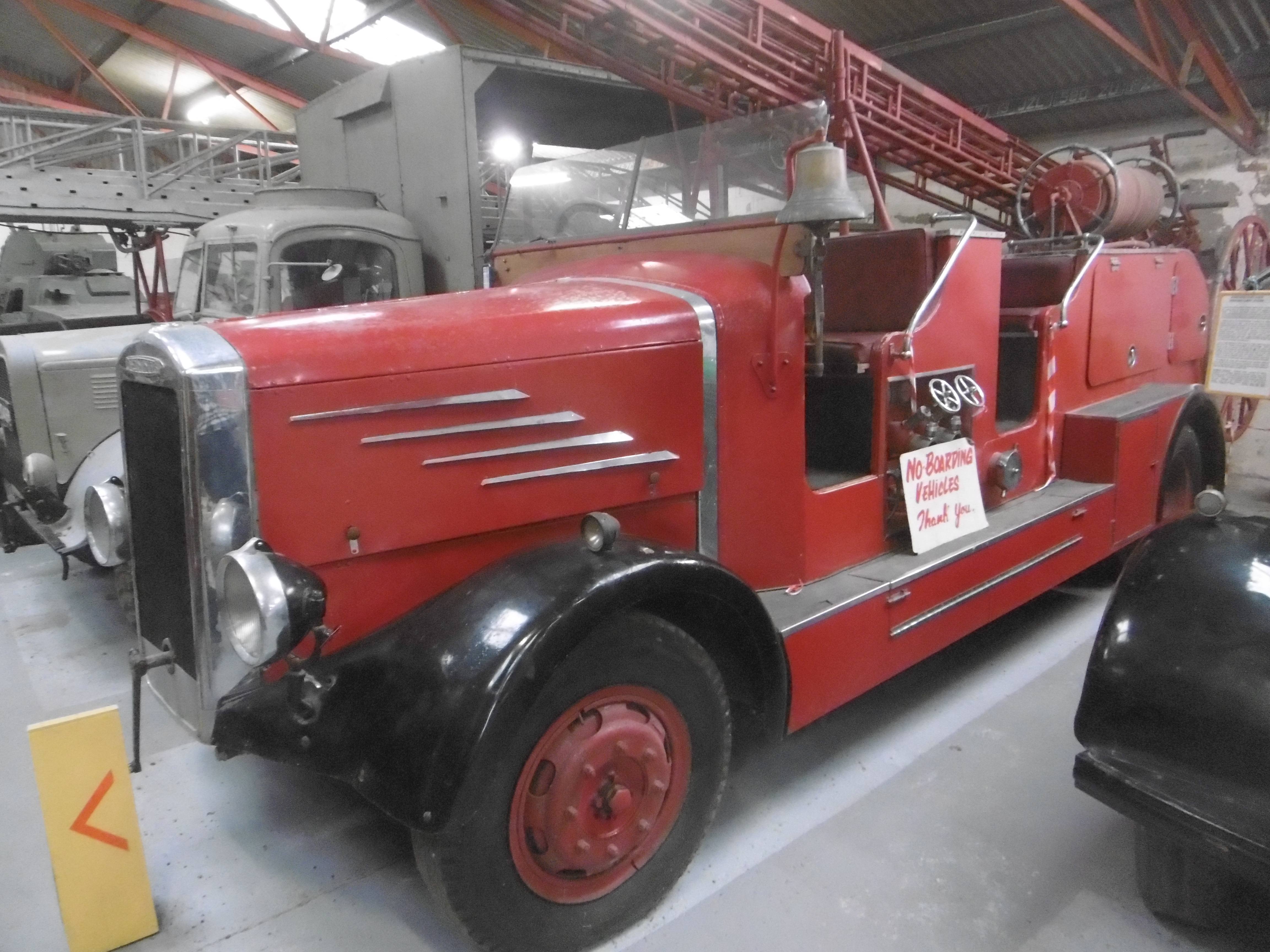
A kizárólag szombat és vasárnap délután látogatható múzeumban arányaiban sok tűzoltóautó található. A képen látható Dennis Pump (JB 7280) a régebbiek közé tartozik, 1935-ben állt szolgálatba.

20260517_161645.jpg

A 171-es pályaszámú "Slieve Gullion" gőzmozdony 1913-ban épült Manchesterben. Egy Dublin Connolly és Maynooth között továbbított, megfizethető árú különvonatával szerencsém volt utazni. A felvétel Maynooth állomáson készült a körüljárás után.
20260517_173016.jpg

Mivel a gőzmozdony jellemzően Dublin és Belfast között közlekedett, a képen szereplő Connolly pályaudvar autentikus helyszínt biztosított számára. Helyi vasútbaráttól megtudtam, hogy általában egyidőben csak egy ír gőzmozdony üzemképes, amíg másik néhányat javítanak. 2025 november óta a 171-es ez a masina.

20260523_110134_masolata.jpg

Connolly pályaudvarról a DART vonala vezet a gyönyörű mozaikokkal díszített tengerparti Bray állomására.

20260523_141045.jpg

A vasút Bray és Greystones között sziklaszirtek alatt a tengerparton és alagutakban vezet. A feljebb található turistaút (Bray-Greystones Cliff Walk) egy szakaszát kőomlás veszélye miatt évek óta lezárták, de ettől még tömegek használják, miközben a vasúton nincs semmilyen korlátozás. 

p1120478.JPG

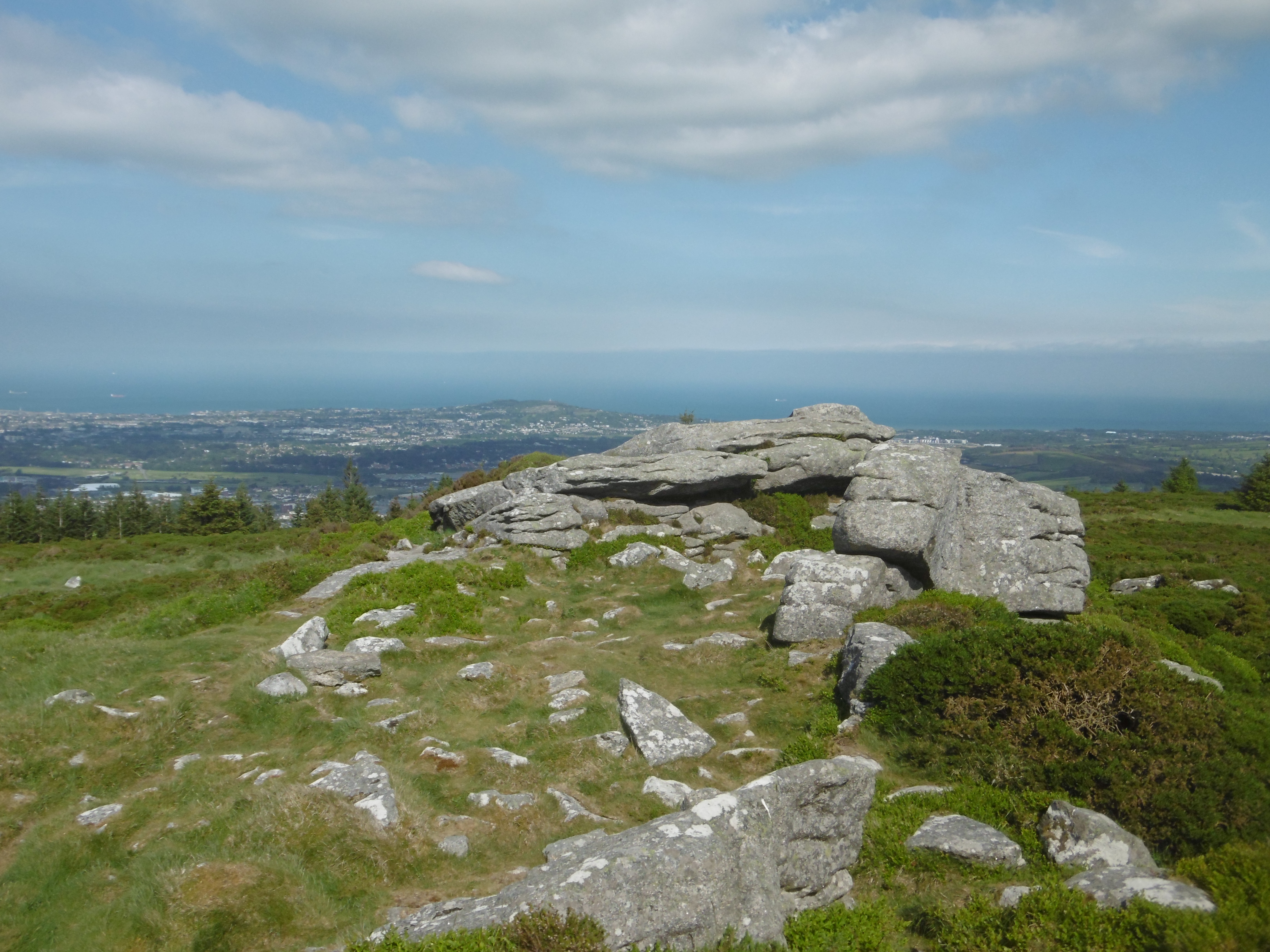
Dublin környékére talán a 444 méter magas Three Rock Mountain csúcsáról nyílik a legjobb panoráma.

p1120487.JPG

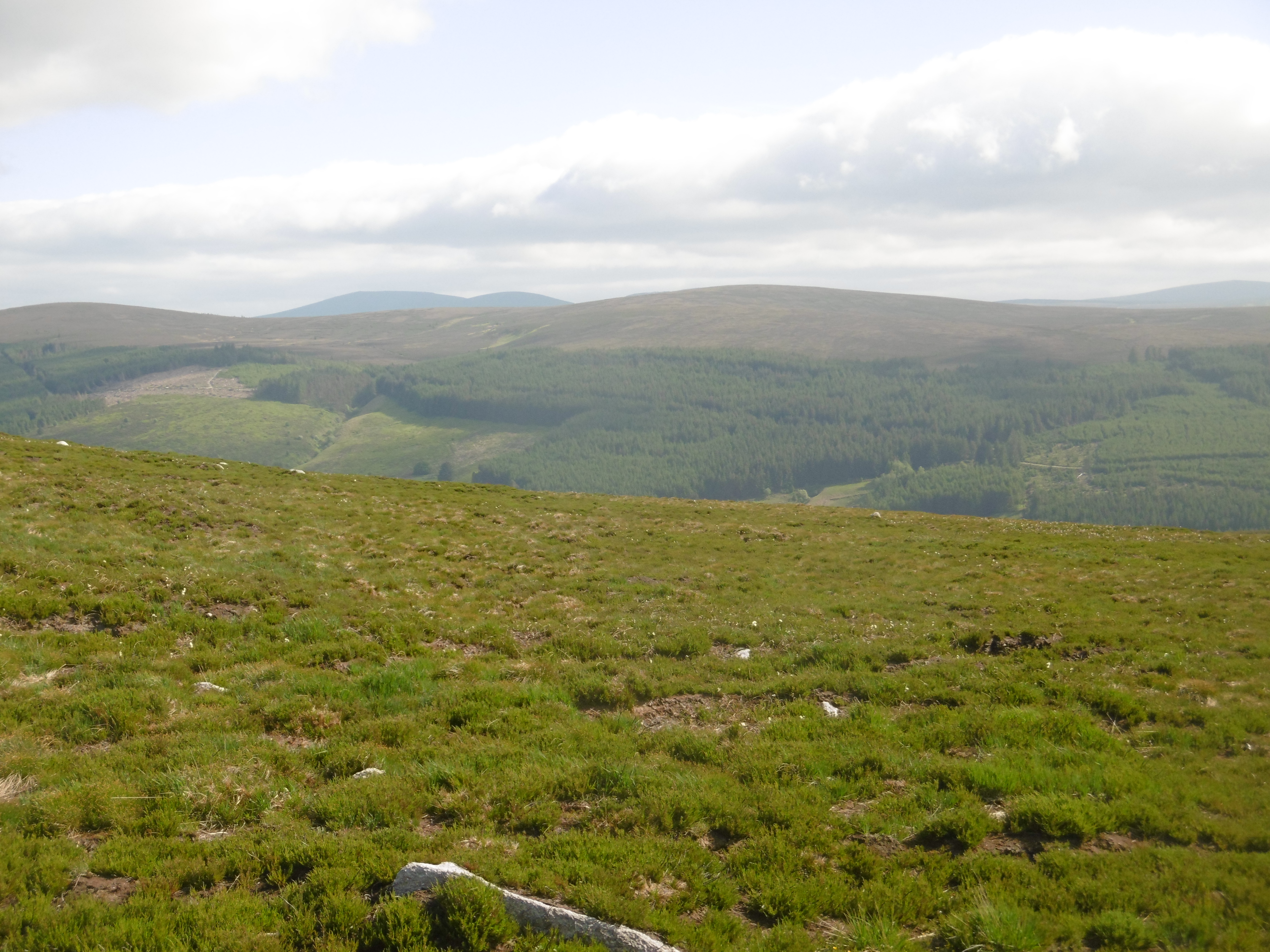
A Dublini-hegység legmagasabb pontjai meghaladják az 500 méter tengerszint feletti magasságot. Ezen a szinten erdők helyett már sekély mocsár található.

p1120460.JPG

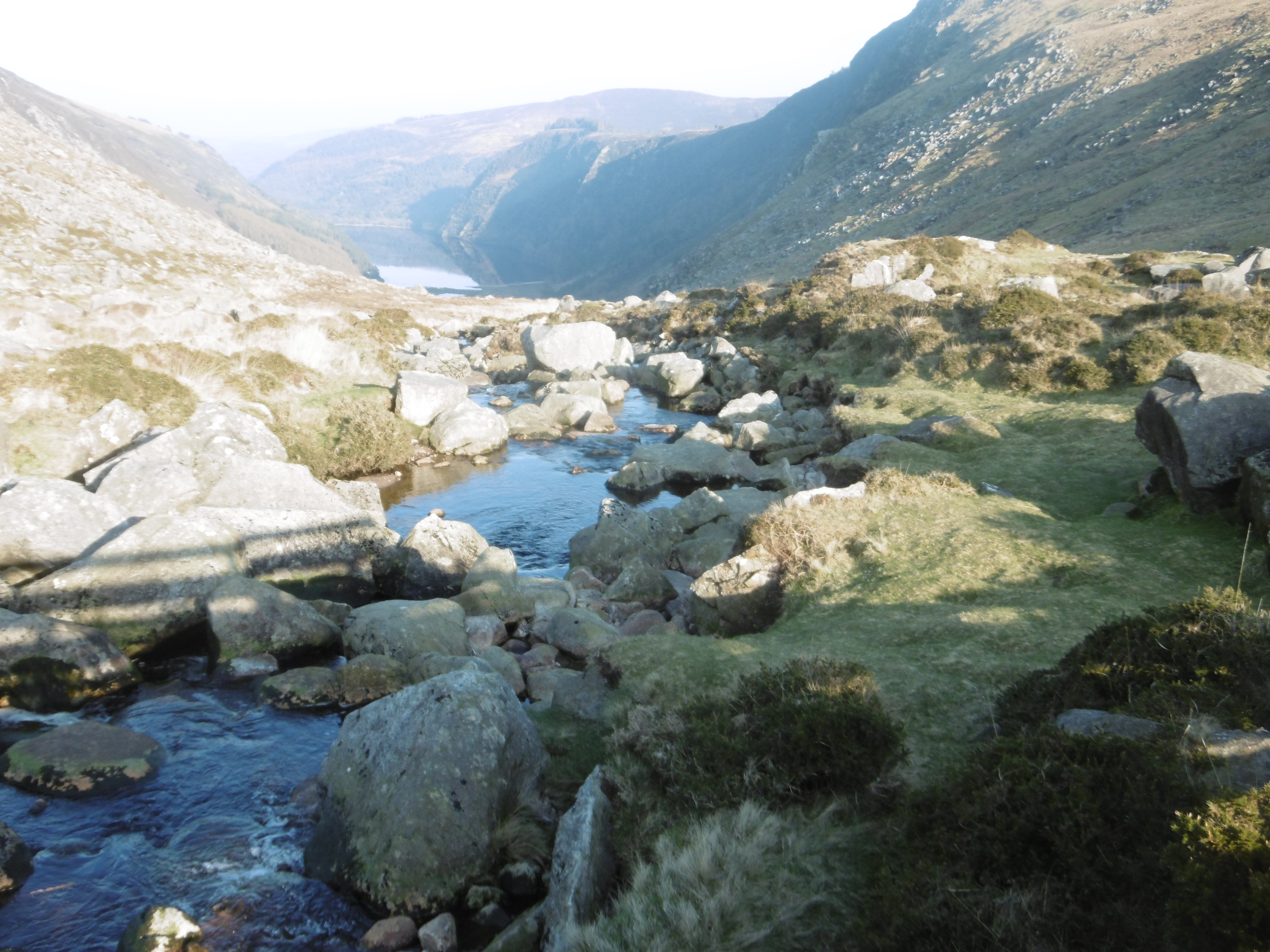
A Dublini-hegység közvetlen szomszédságában található a Wicklow-hegység. Egyik legnépszerűbb kirándulóhelye, turistautak kiindulópontja a jégvájta völgyben két tóval is rendelkező Glendalough. 

 p1120455.JPG

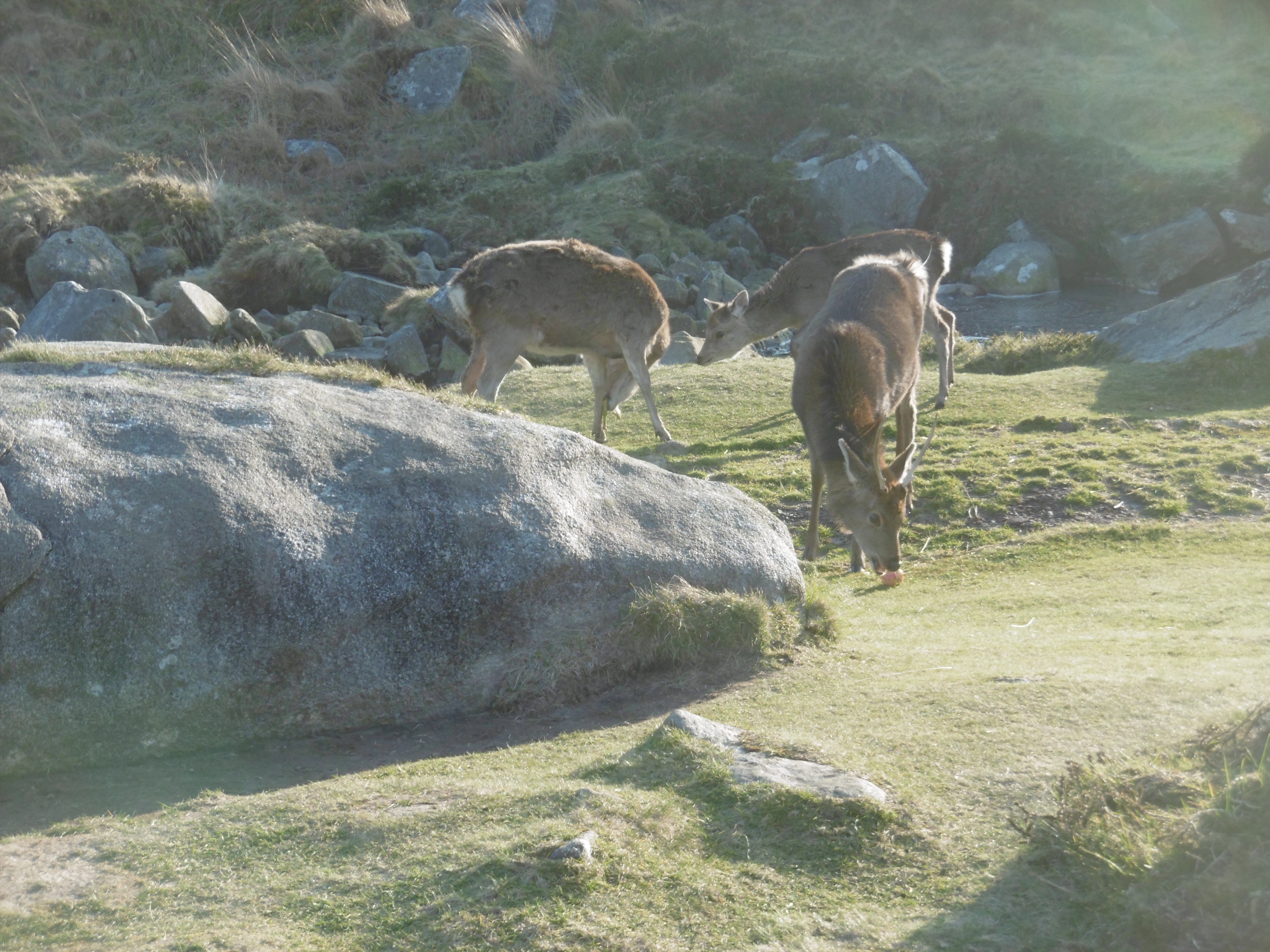
A glendaloughi őzek nemhogy elkerülik, táplálék reményében egyenesen keresik a kirándulók közelségét.

p1120464.JPG

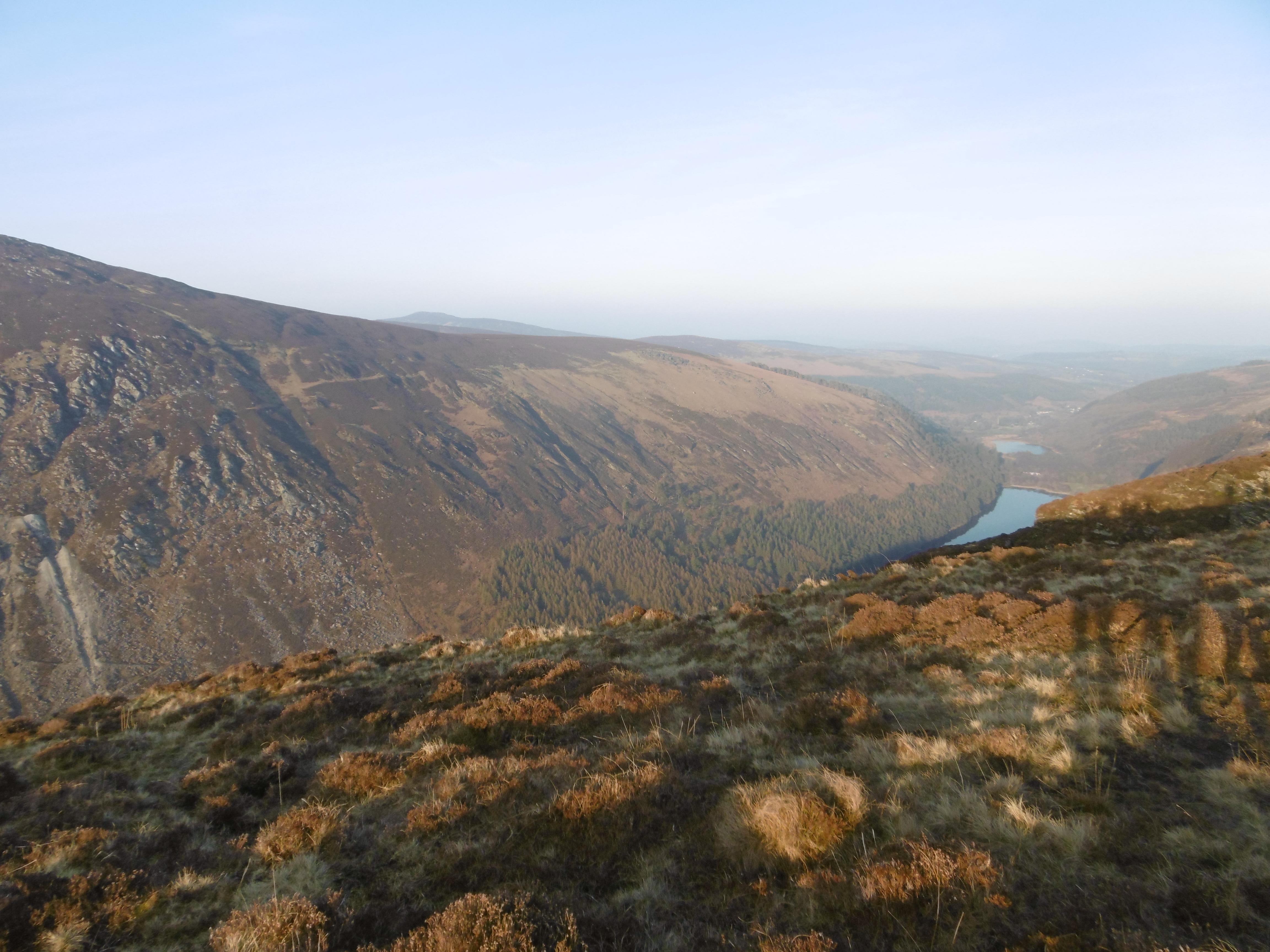
Bár látványra magashegységnek tűnhet, a fotó alig 500 méteres magasságból készült, ahol sekély mocsár található. Alig magasabb a túloldalt, balra látható hegy is. A fényképen kivehető a két glendaloughi tó.

20260419_145630.jpg

A fényképen a természet és az épített örökség harmóniája figyelhető meg a látványos cseresznyevirágzás ideje alatt. Trim kisvárosa Dublintól kb. 45 km-re fekszik, várát a normannok emelték.

20260419_134135.jpg

Trim vára a 12. sz. végén épült, és a Walesből érkező normannok legnagyobb fennmaradt írországi erődítménye. Itt forgatták a The Big Red One amerikai háborús filmet.

20260419_145942.jpg

Trim neogótikus katolikus templomát 1902-ben szentelték fel, miután a korábbi templom anglikán kézre került. A kisvárosban több középkori templomrom is található, továbbá Írország legrégebbi hídja.

p1120422.JPG

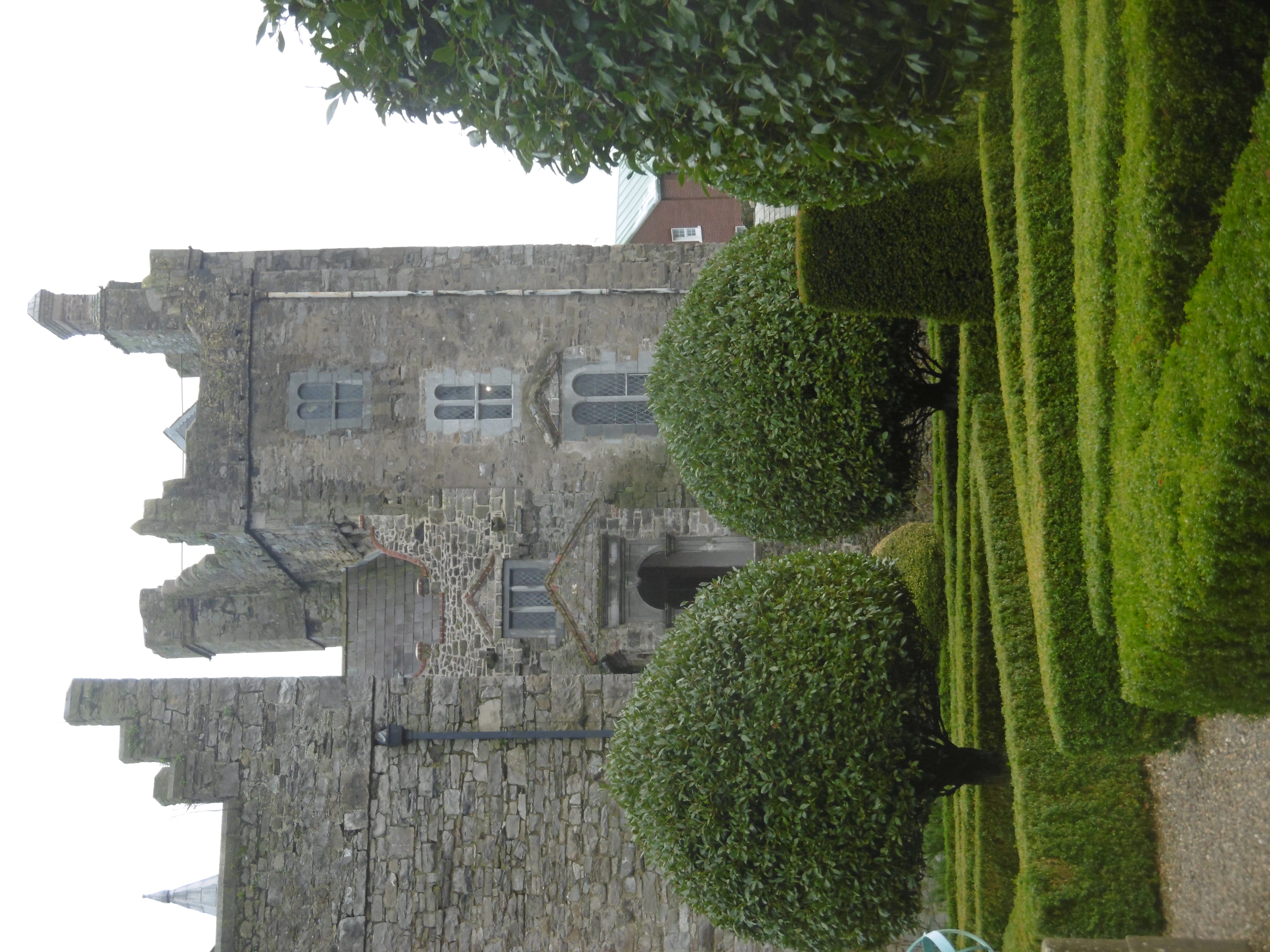
Nemcsak Trimben, hanem Dublinban is találunk egykori normann erődöt. Drimnagh vára körbeépítésre került a terjeszkedő Dublin város által, a lebontástól is éppen hogy csak megmenekült. Bár magántulajdonban van, szép kertjével együtt látogatható. 


Írországi körutazás - vonattal

 p1120578.JPG

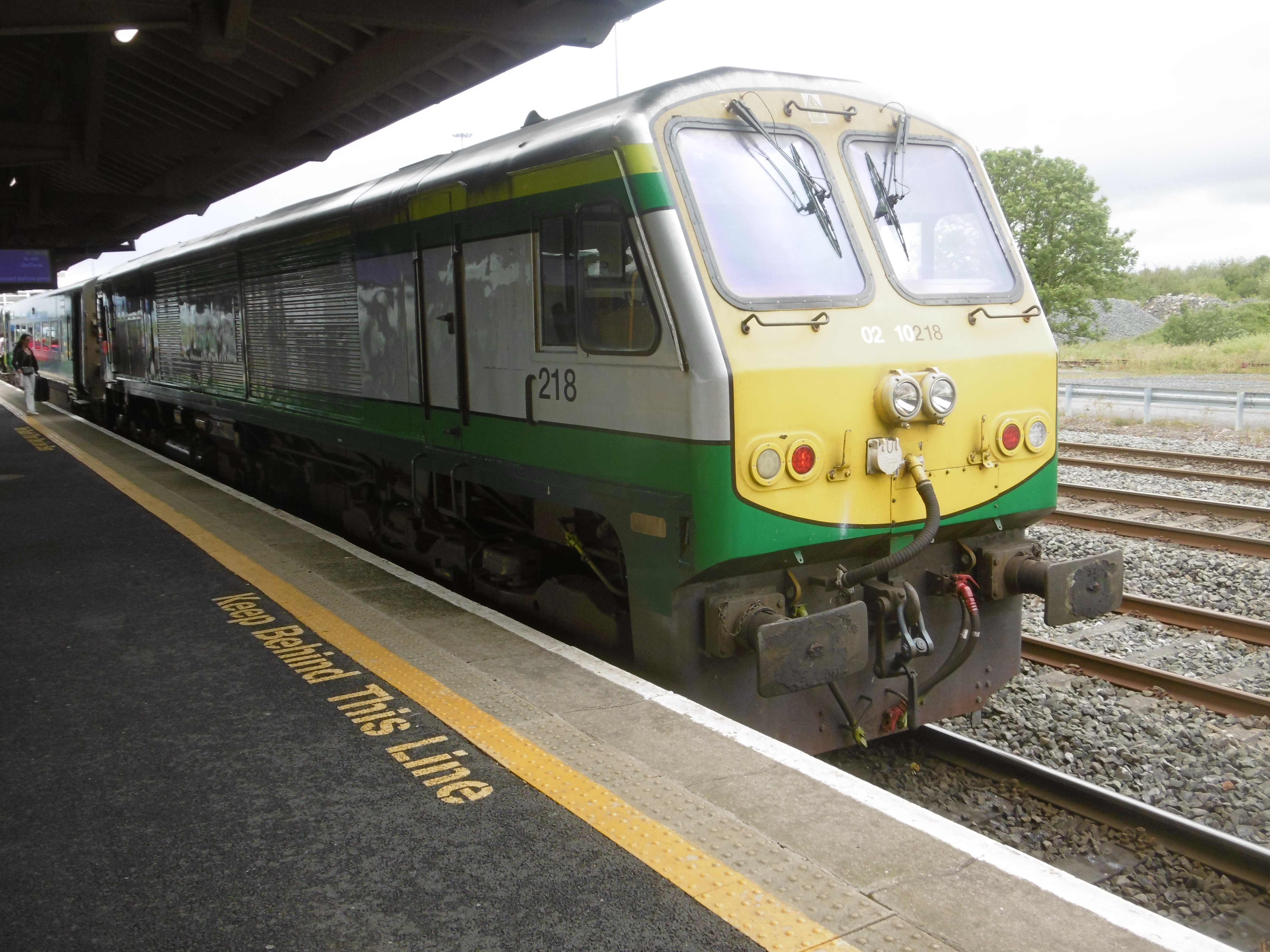
Mind az Interrailhez, a viszonylati jegyekhez képest pedig különösen kedvező az Irish Rail 4 napos turistajegye (Trekker Ticket) 88 euróért. Dublinból ezzel indultam a többi országrész felfedezésére. A képen látható 201-es sorozatú mozdonyokat 1994-1995-ben gyártotta a GM, Dublin Heuston és Cork között továbbítanak InterCity-ket ingavonati üzemmódban, egyes szakaszokon 160 km/h-val.


p1120614.JPG

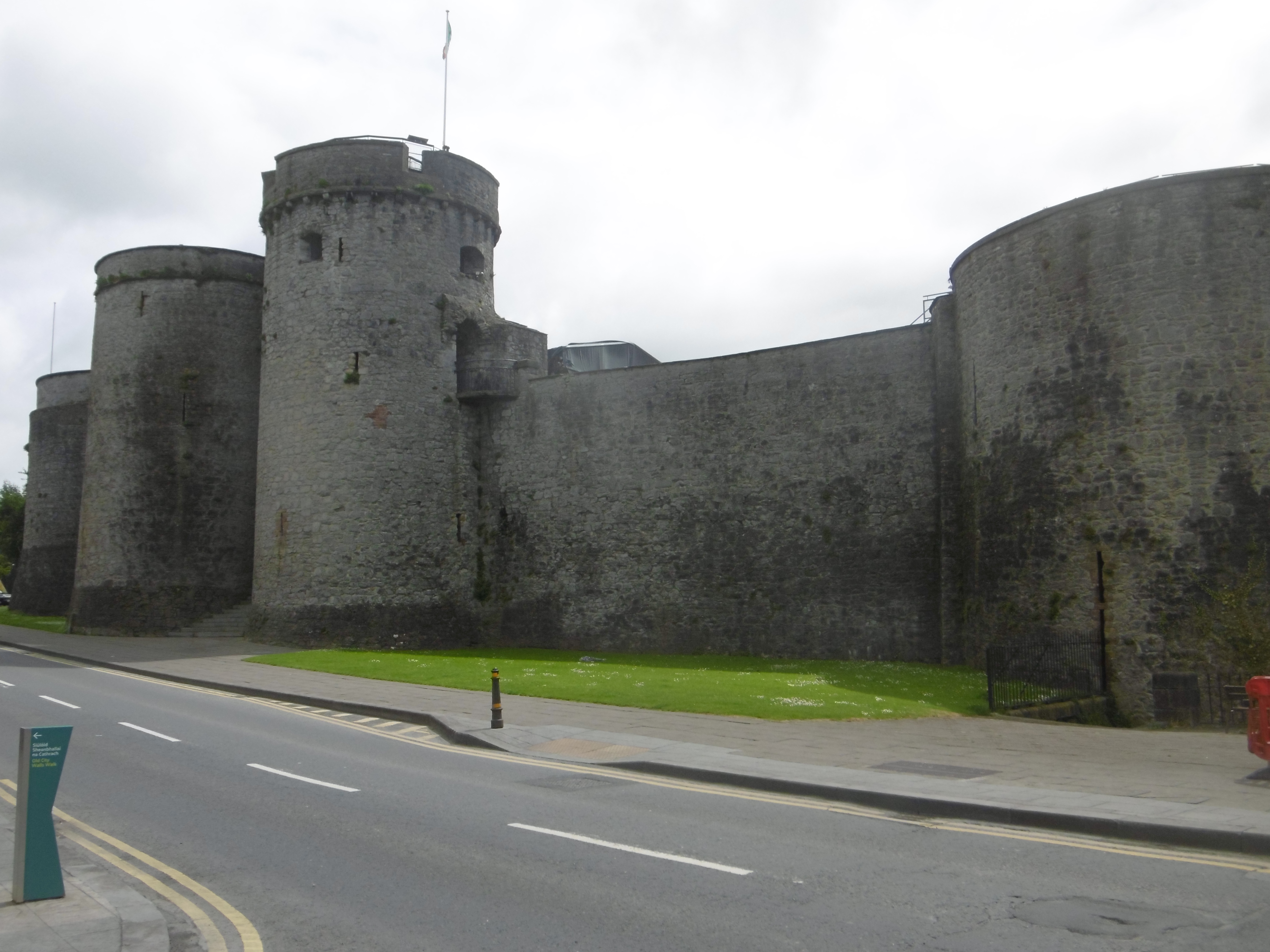
Utam első állomása Limerick volt, ahol János király vára (King John's Castle) az egyik fő látnivaló. A fotón látható ikertornyok épültek meg először a vár részeként, a 13. században. Az ír függetlenségi háborúk során több véres ostrom is zajlott itt a 17. században.
p1120624.JPG

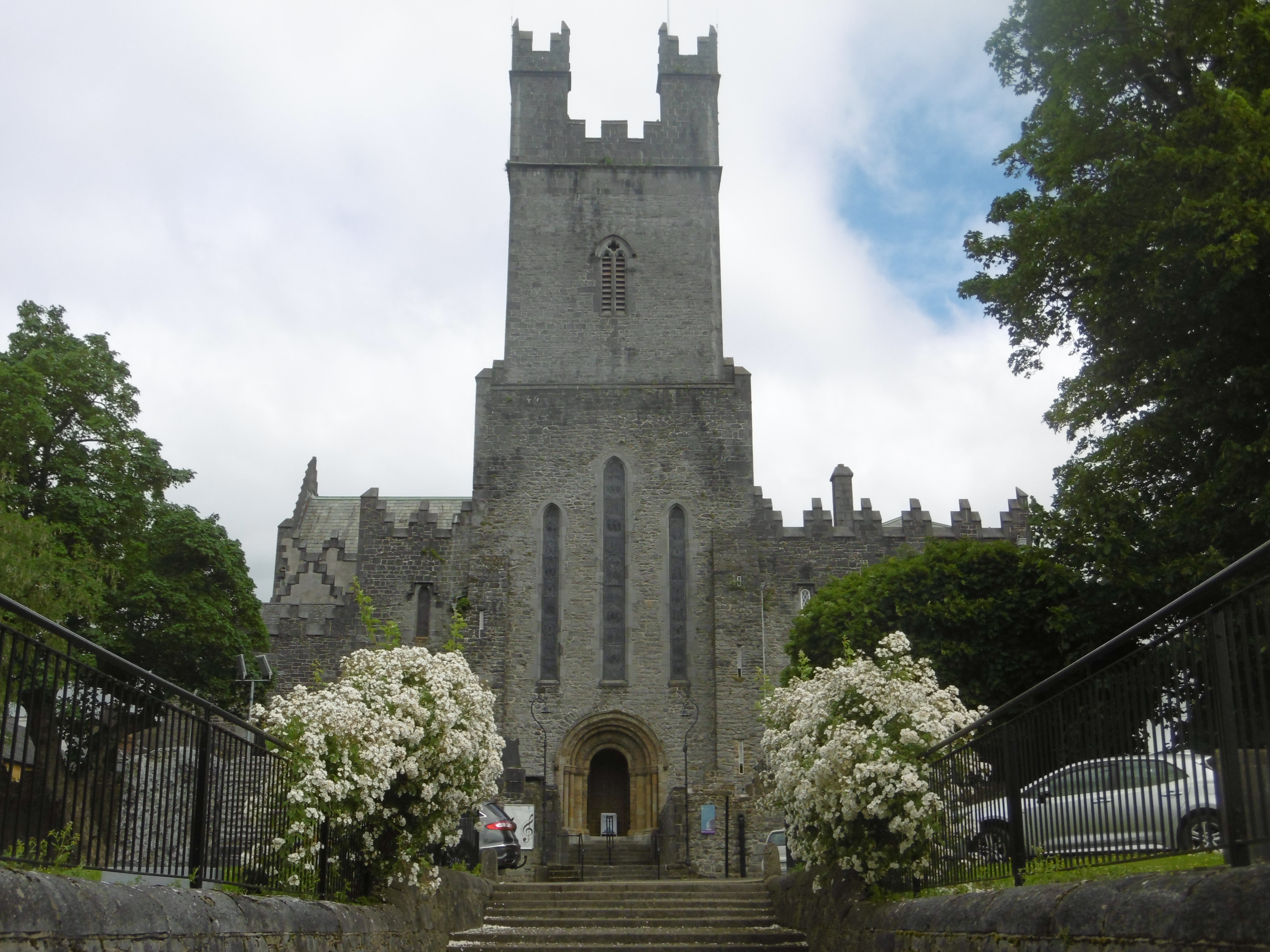
Limerick másik kiemelkedő nevezetessége a Szűz Mária székesegyház (Saint Mary's Cathedral), mely még a 12. században, a normann invázió előtt épült és a város legrégebbi épülete. Jelenleg az írországi anglikán felekezethez tartozik. 

p1120626.JPG

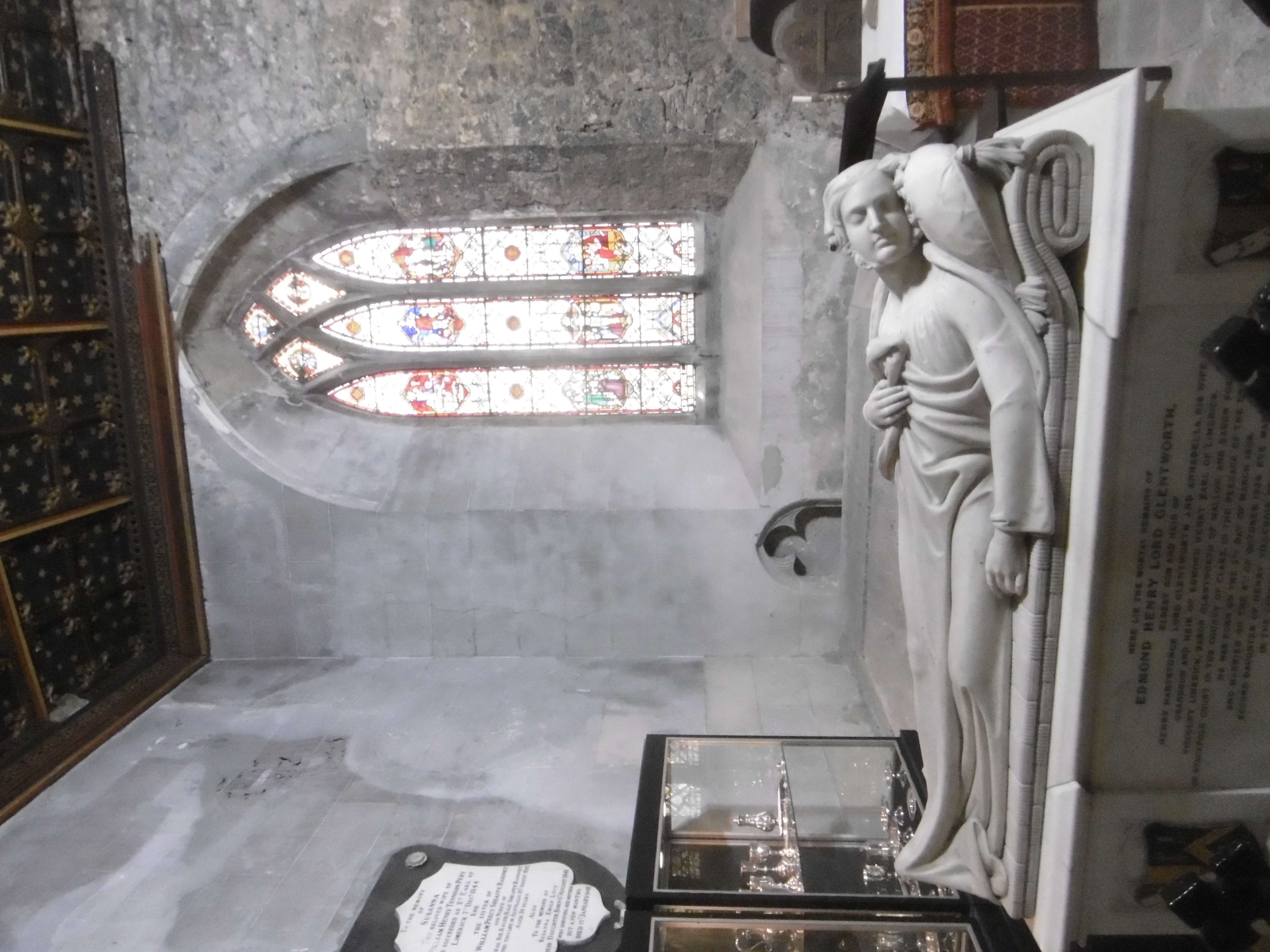
A katedrális Szent György kápolnájában (Saint George's Chapel) található a limericki grófok, a Pery család temetkezési helye. A templomnak csak ebben a részében van kazettás mennyezet, azonban valamennyi ablak színes üvegből készült, bibliai személyeket és szenteket ábrázolva.

p1120674.JPG

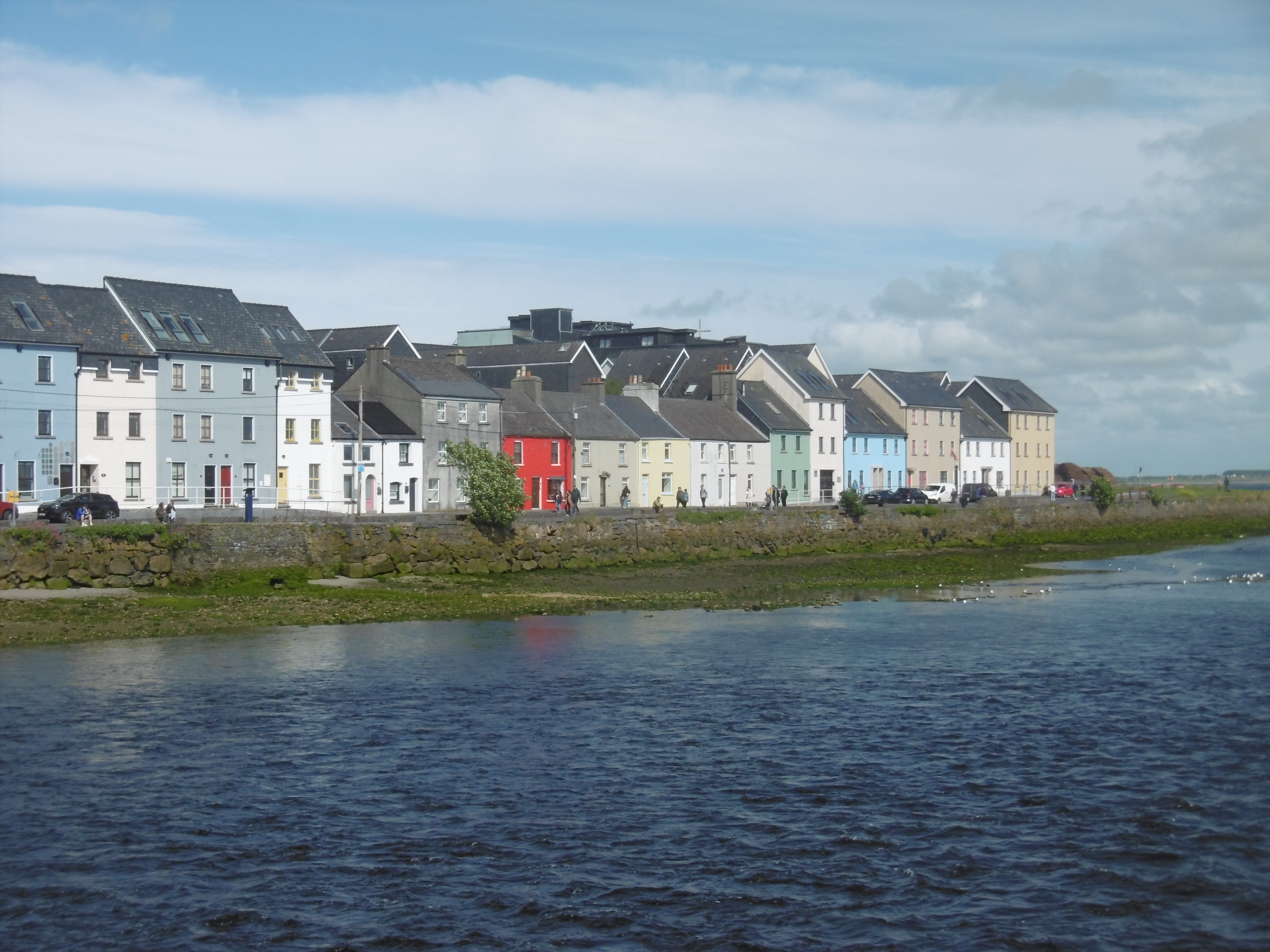
Limerickből a Western Railway Corridor 2010-ben újranyitott szakaszán Galway felé vettem az irányt. A Long Walk kikötői házsora a város egyik leggyakrabban fényképeken szereplő jelegzetessége.

p1120698.JPG

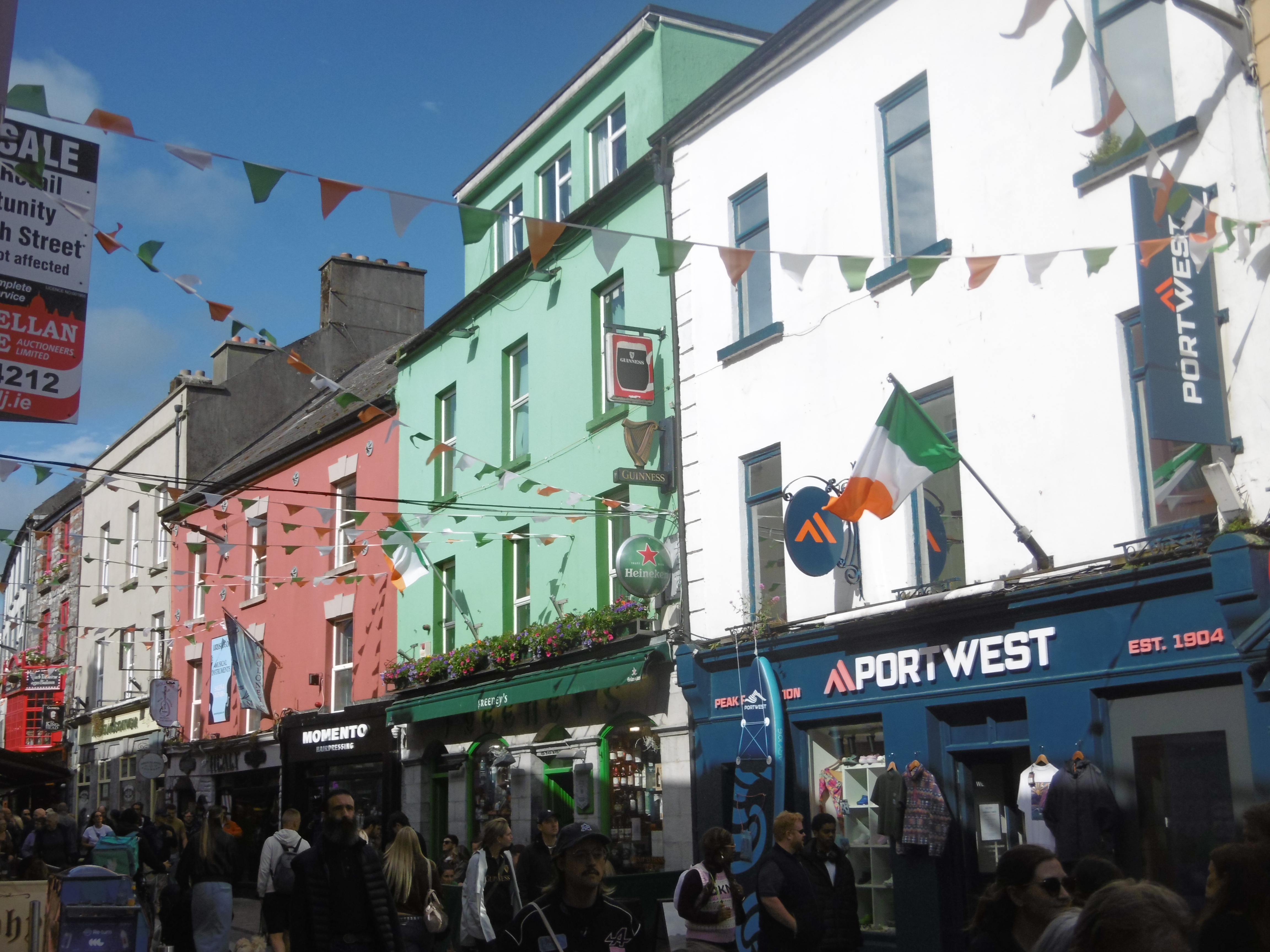
Szombati életkép a Latin negyedből (Latin Quarter). A város híres a zenés bárjairól és utcazenészeiről, amire látogatásom napján is turisták tömegei voltak kíváncsiak. 

p1120711.JPG

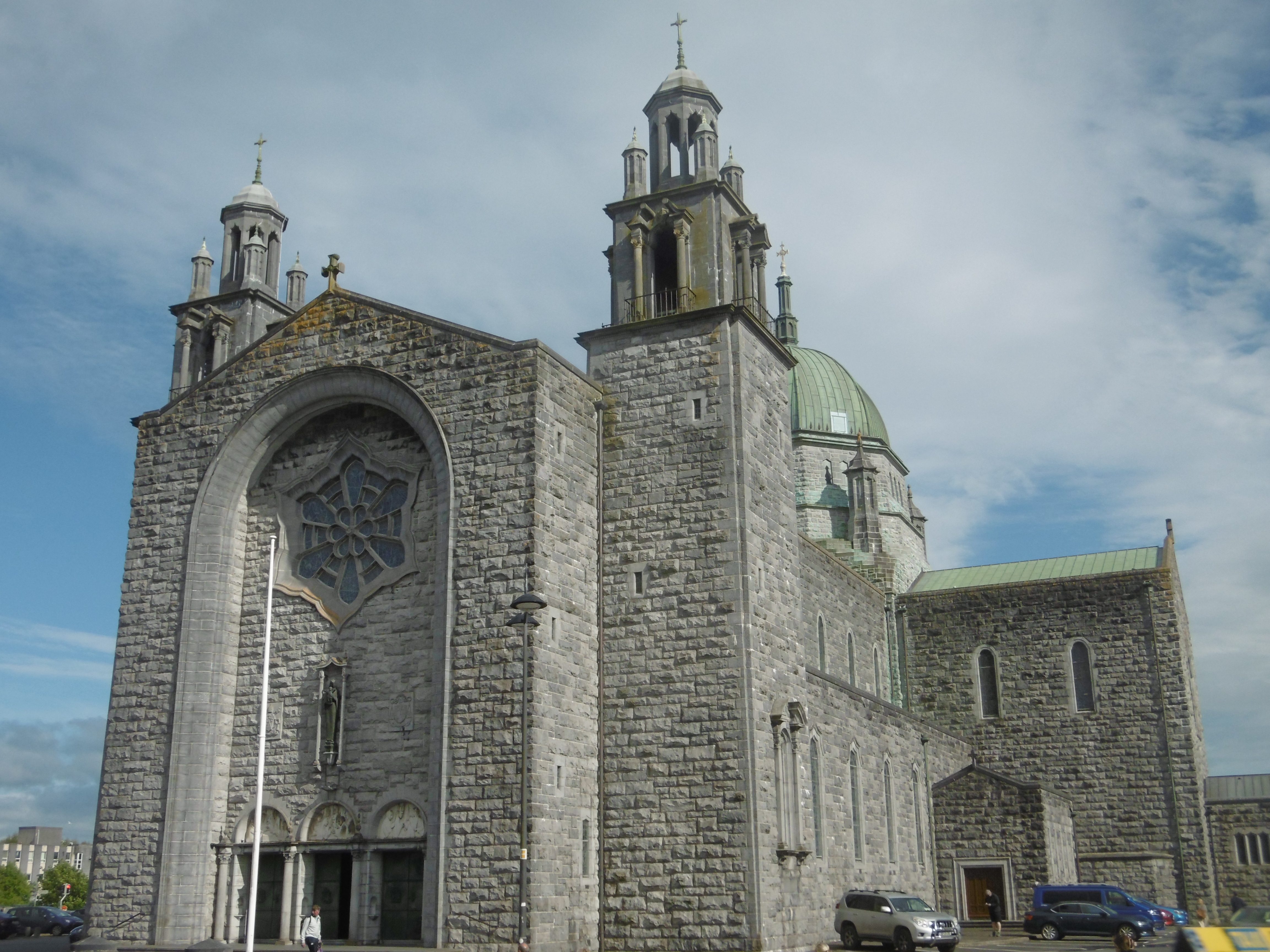
Galway monumentális katolikus székesegyháza már a 20. század második felében, 1958-tól 1965-ig épült. 

20260606_195418.jpg

Galwayből Dublinba visszaúton Athlone városában álltam meg egy rövid sétára. Vára a Shannon folyó partján fekszik, akárcsak a limericki, de felújítás miatt 2026. őszéig belülről nem látogatható.

20260606_195209.jpg

Az athlonei Szent Péter és Pál templom a két világháború között épült, neoklasszicista stílusban. 

p1120756.JPG

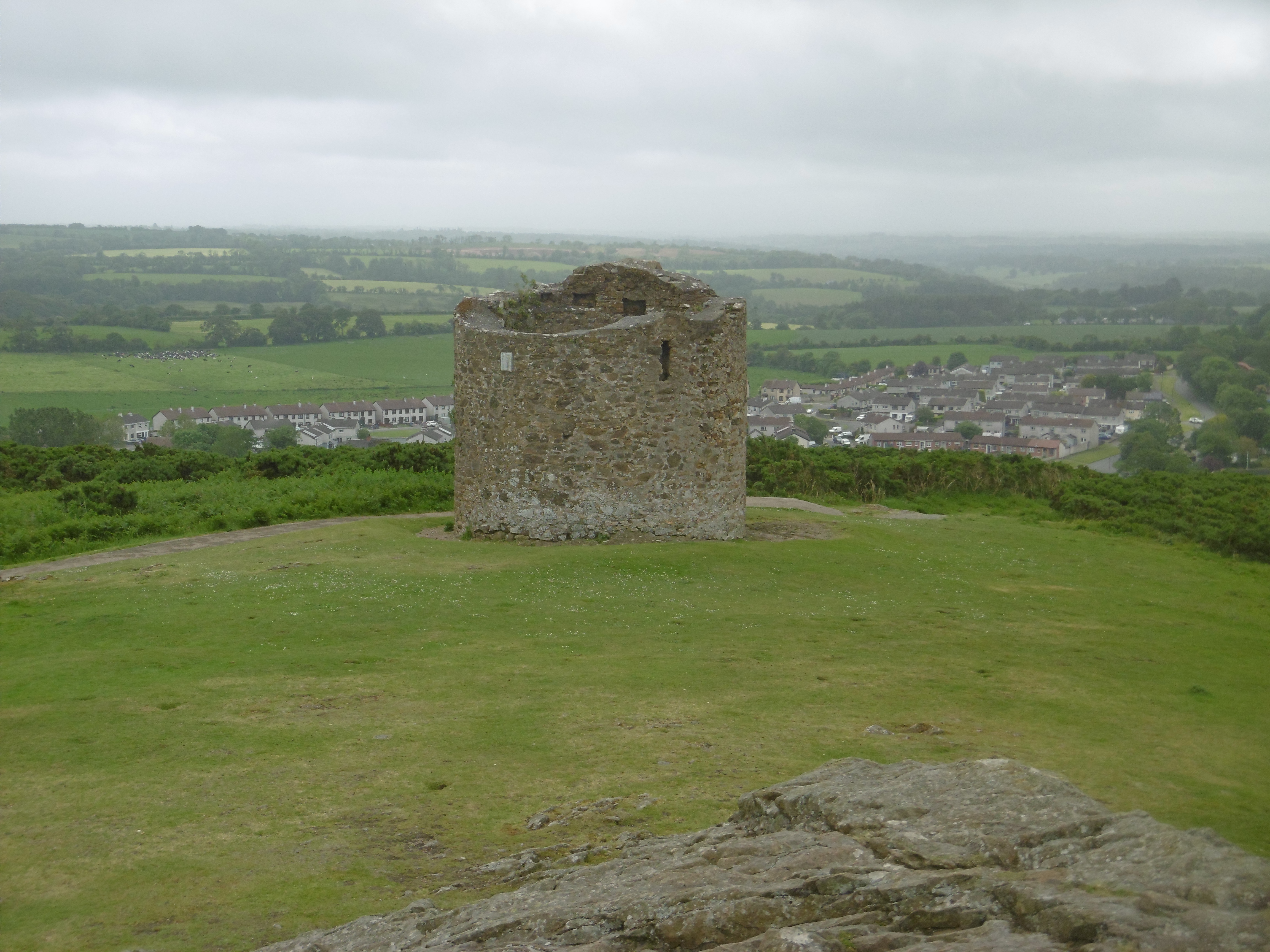
Utazásom második napján a Dublinból délre, a hosszabban az Ír-tenger partján vezető vasútvonalon utaztam Enniscorthy városkáig. A város fölé magasodó, fotón szereplő Vinegar Hill nemcsak pompás panorámát kínál, hanem az 1798-as ír felkelés során fontos csata helyszíne is volt. A királyi csapatok ugyan fontos győzelmet arattak, de a felkelők többsége az angol gyűrű nagyobb rését kihasználva el tudott menekülni.

p1120793.JPG

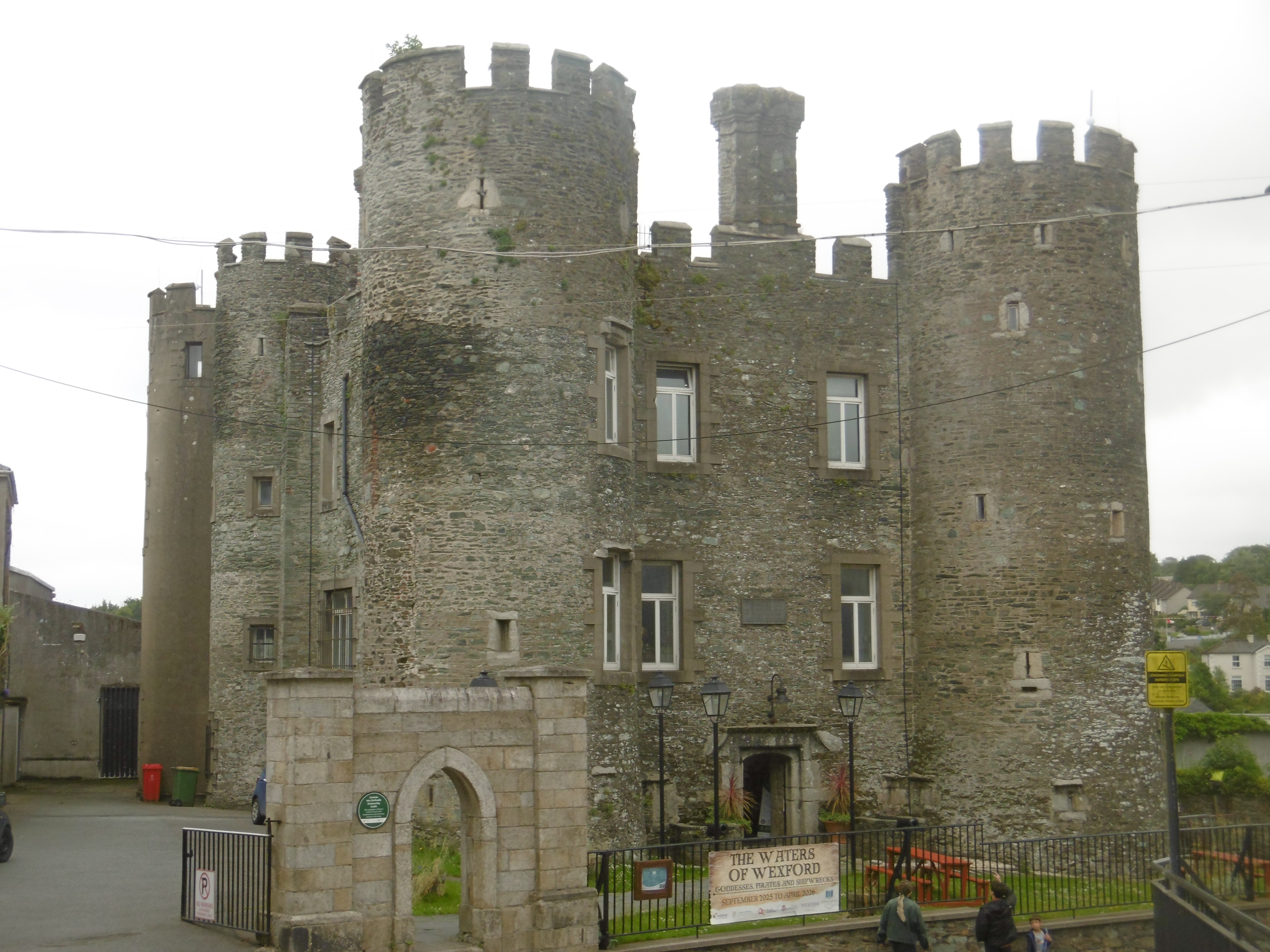
Enniscorthy vára több, mint 800 éves, a normannok építették. Az 1798-as ír felkelés során mindkét hadban álló fél börtönként használta. 1903-tól 1951-ig a Roche család magánlakása volt, azóta múzeum.

p1120771.JPG

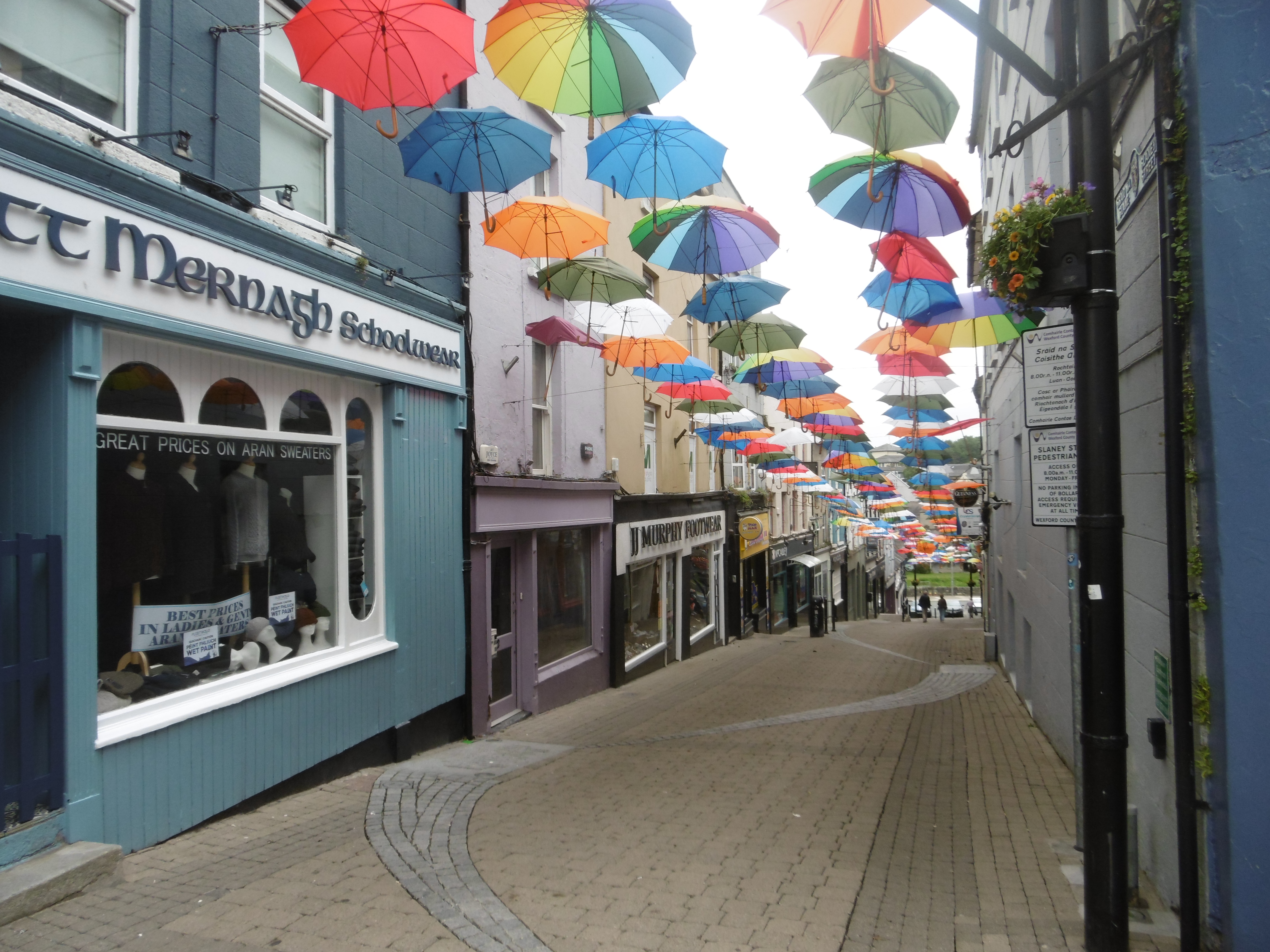
Az enniscorthy Slaney Street színes esernyőivel a városka egyik üde színfoltja. 


p1120855.JPG

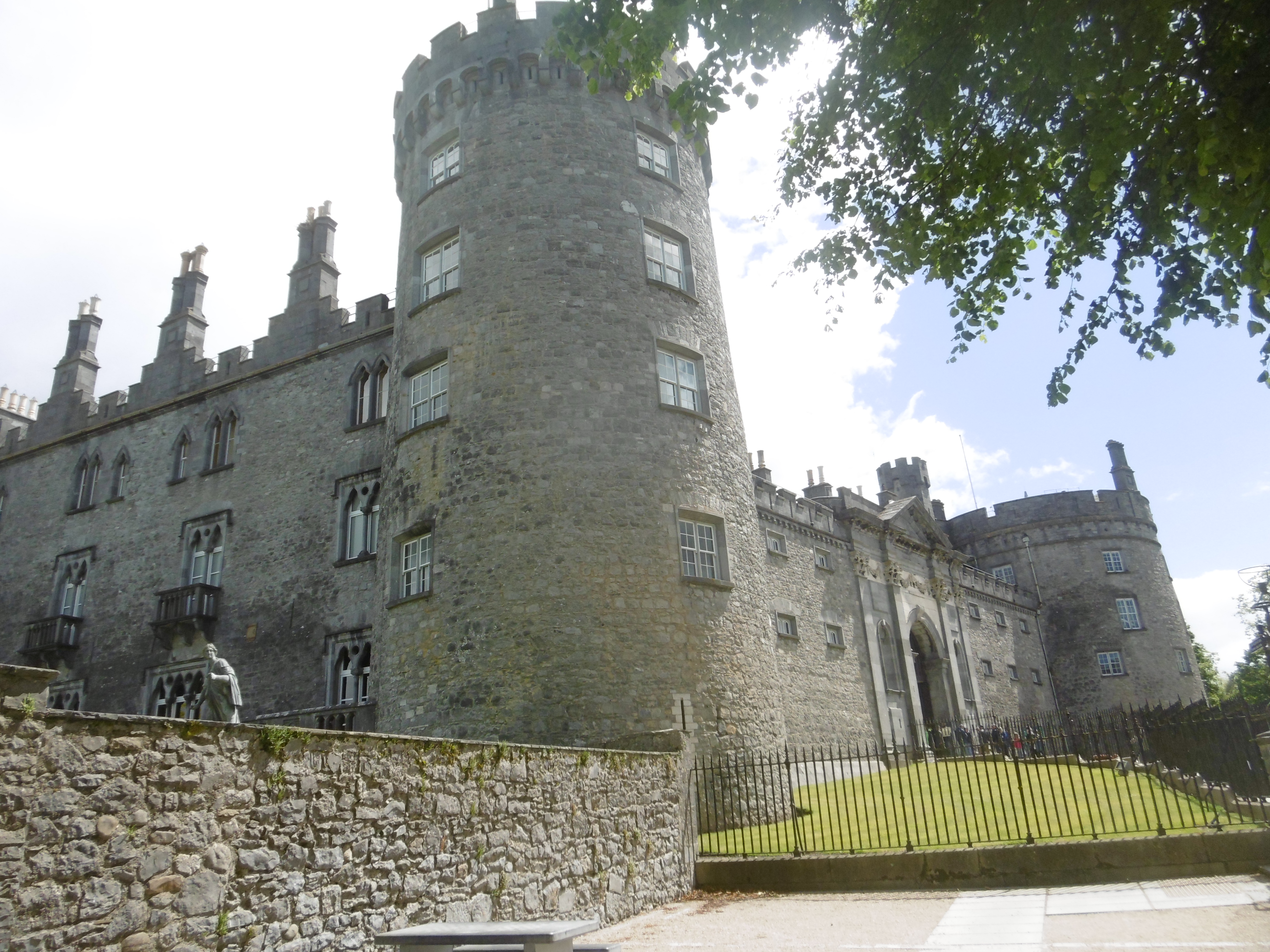
Utazásom harmadik napján első állomásom Kilkenny volt. Várkastélyát a normannok kezdték el építeni, majd a Butler család évszázados rezidenciájaként nyerte el mai formáját.

p1120873.JPG

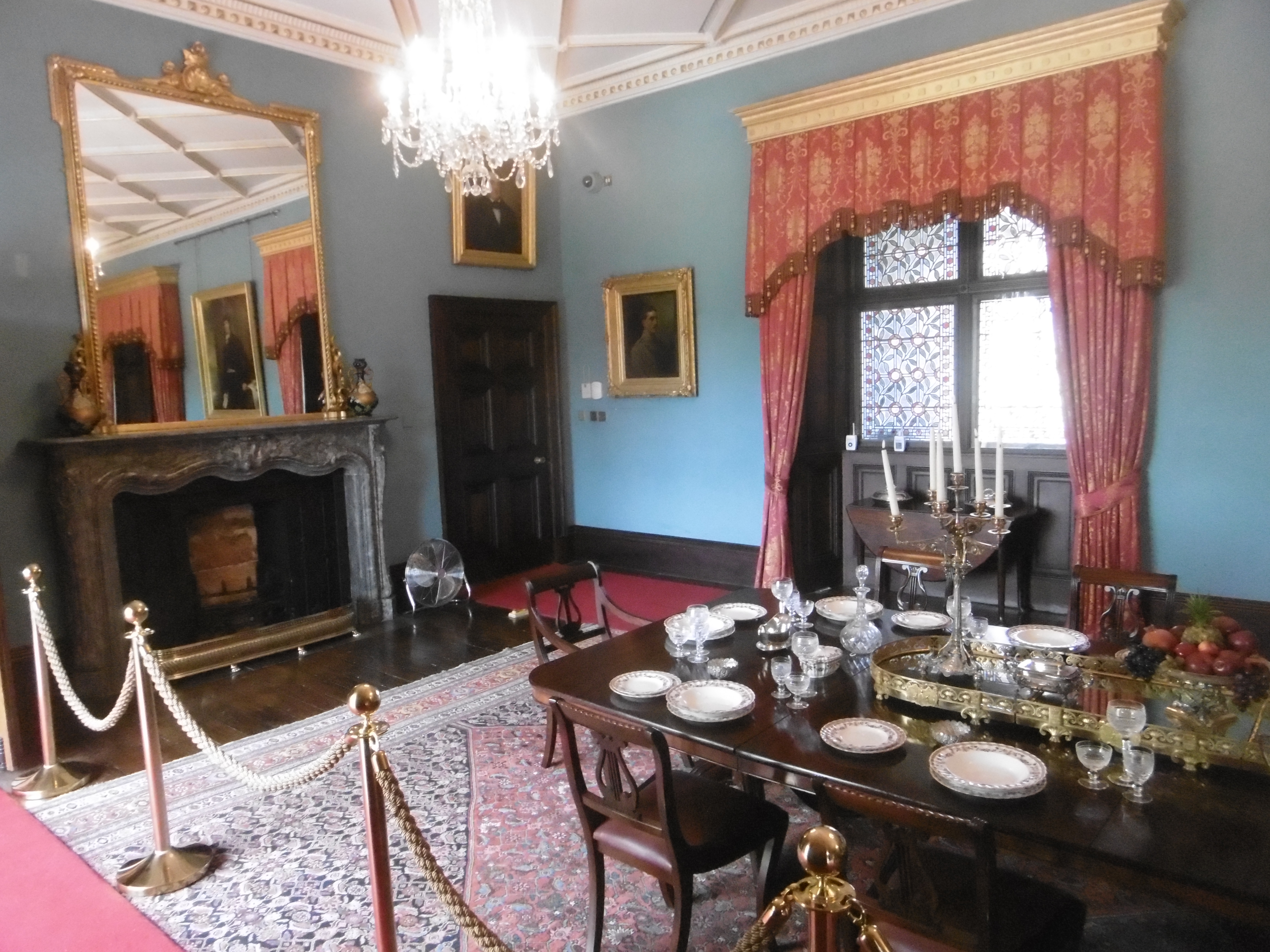
A várkastély belülről gazdagon berendezett; a kép az étkező részletét mutatja.

p1120903.JPG

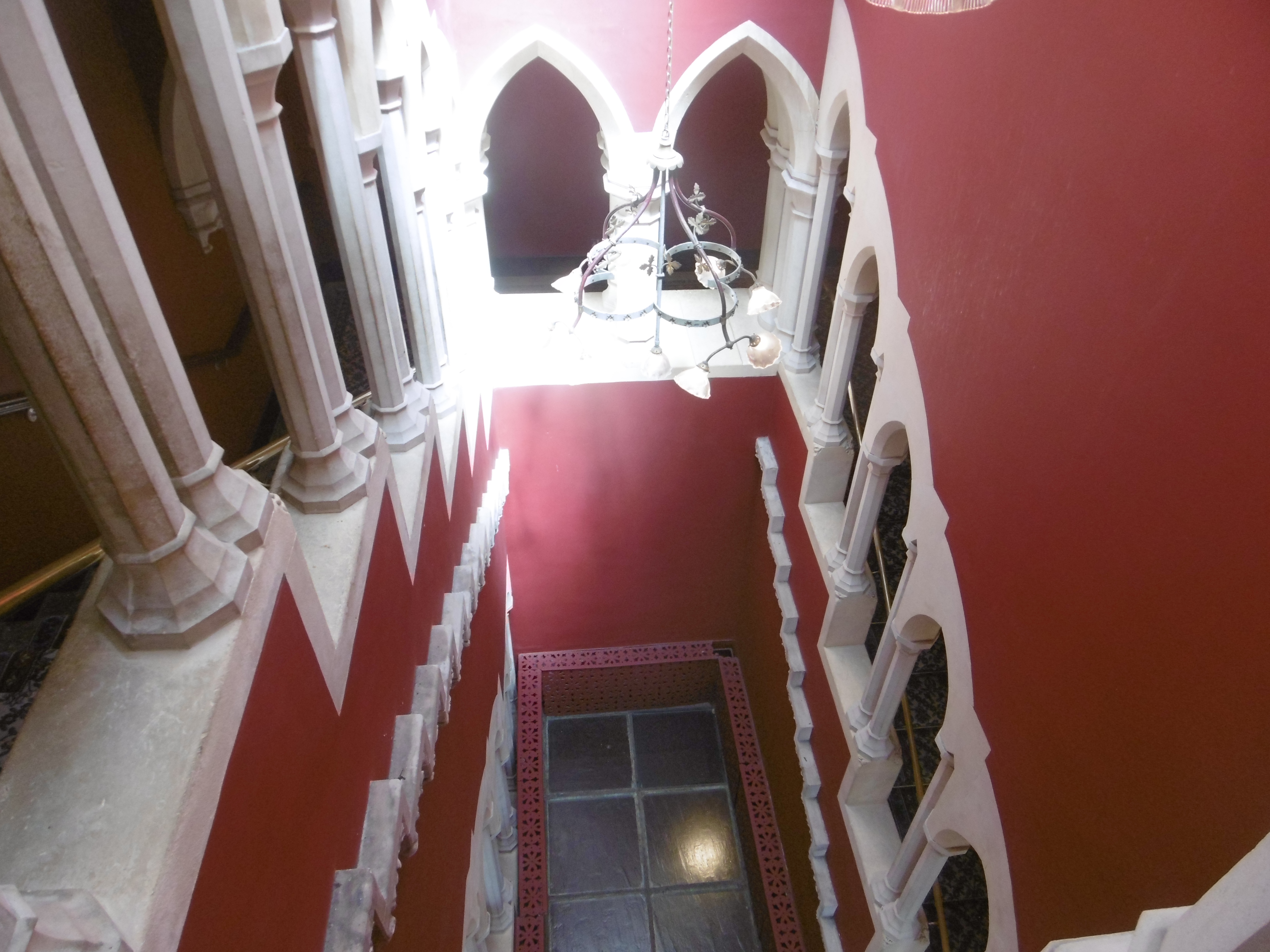
A vár különböző építészeti stílusai közül a mór lépcsőház különösen tetszett.

p1120939.JPG

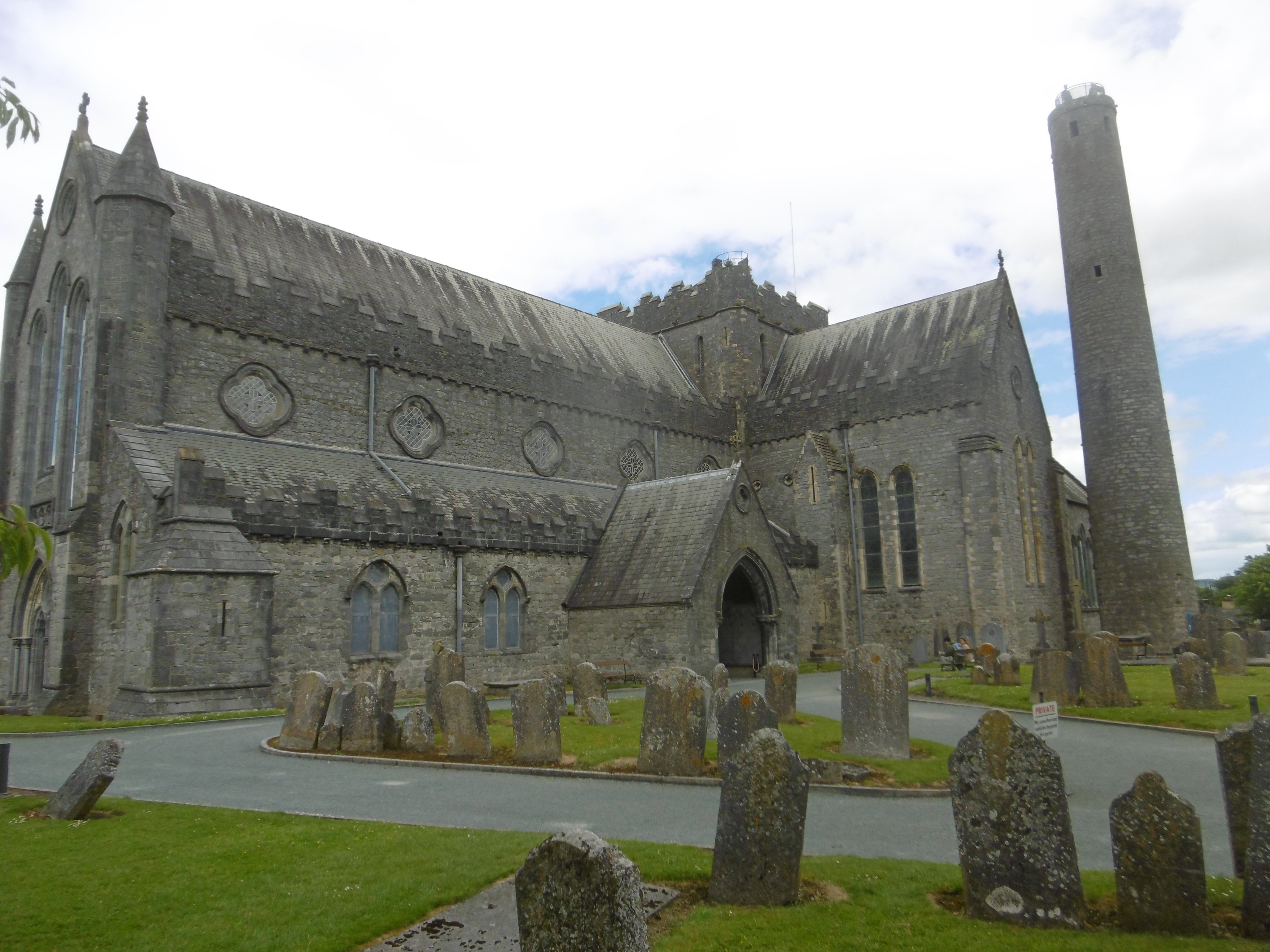
 Kilkenny kiemelkedő látnivalója a Saint Canice székesegyház (St. Canice's Cathedral), amely a 13. században épült, és Írország egyik legnagyobb temploma. A 16. században az anglikánok szerezték meg, ma is hozzájuk tartozik. A mellette lévő toronyból szép kilátás nyílik a városra. 

p1120845.JPG

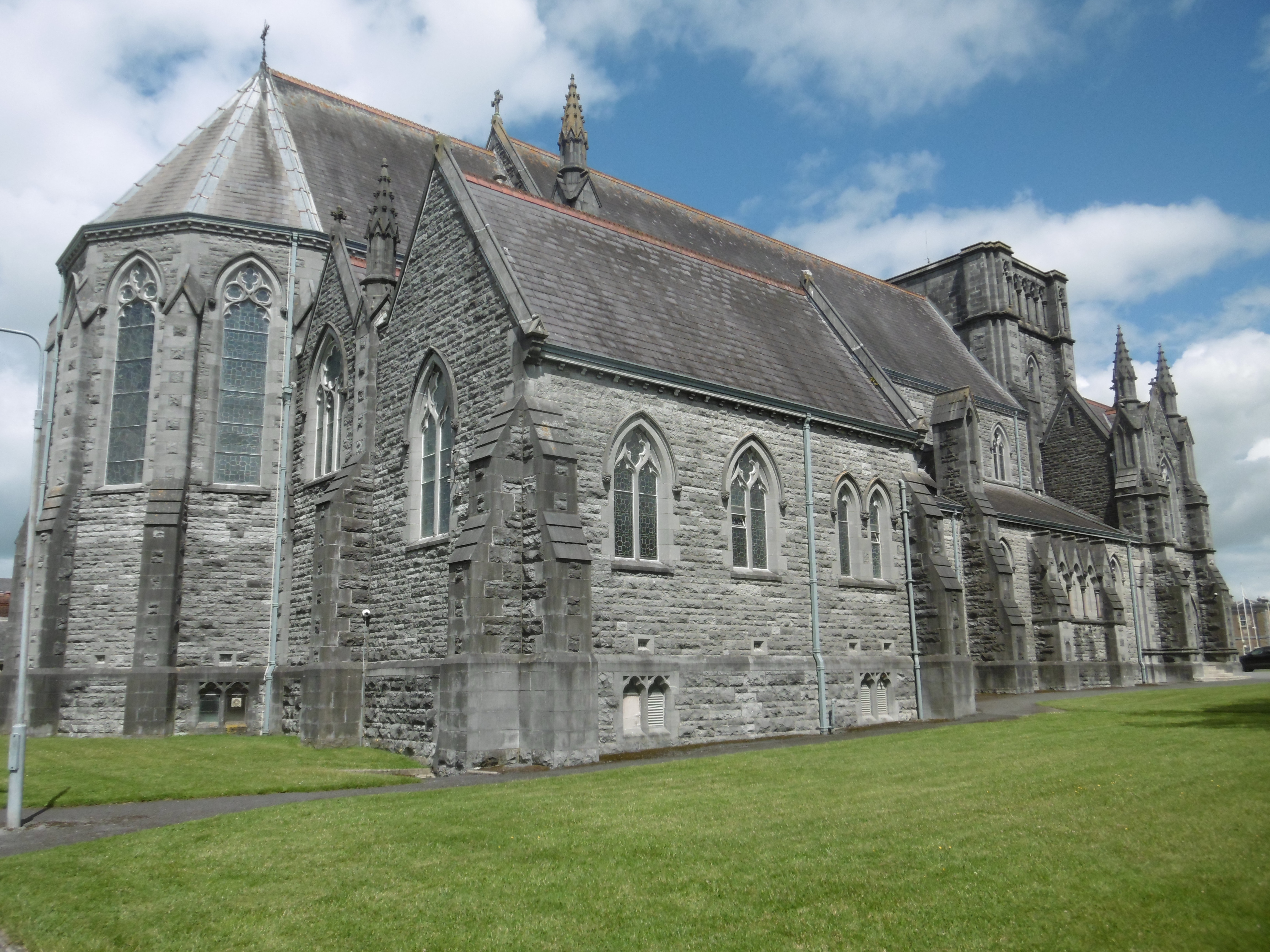
A katolikusok később több nagyméretű templomot építettek a városban. Ezek egyike a vasútállomás közelében elhelyezkedő neogótikus Szent János Evangélista templom (Church of St. John The Evangelist), aminek építése 1903-tól 1908-ig tartott.

p1120970.JPG

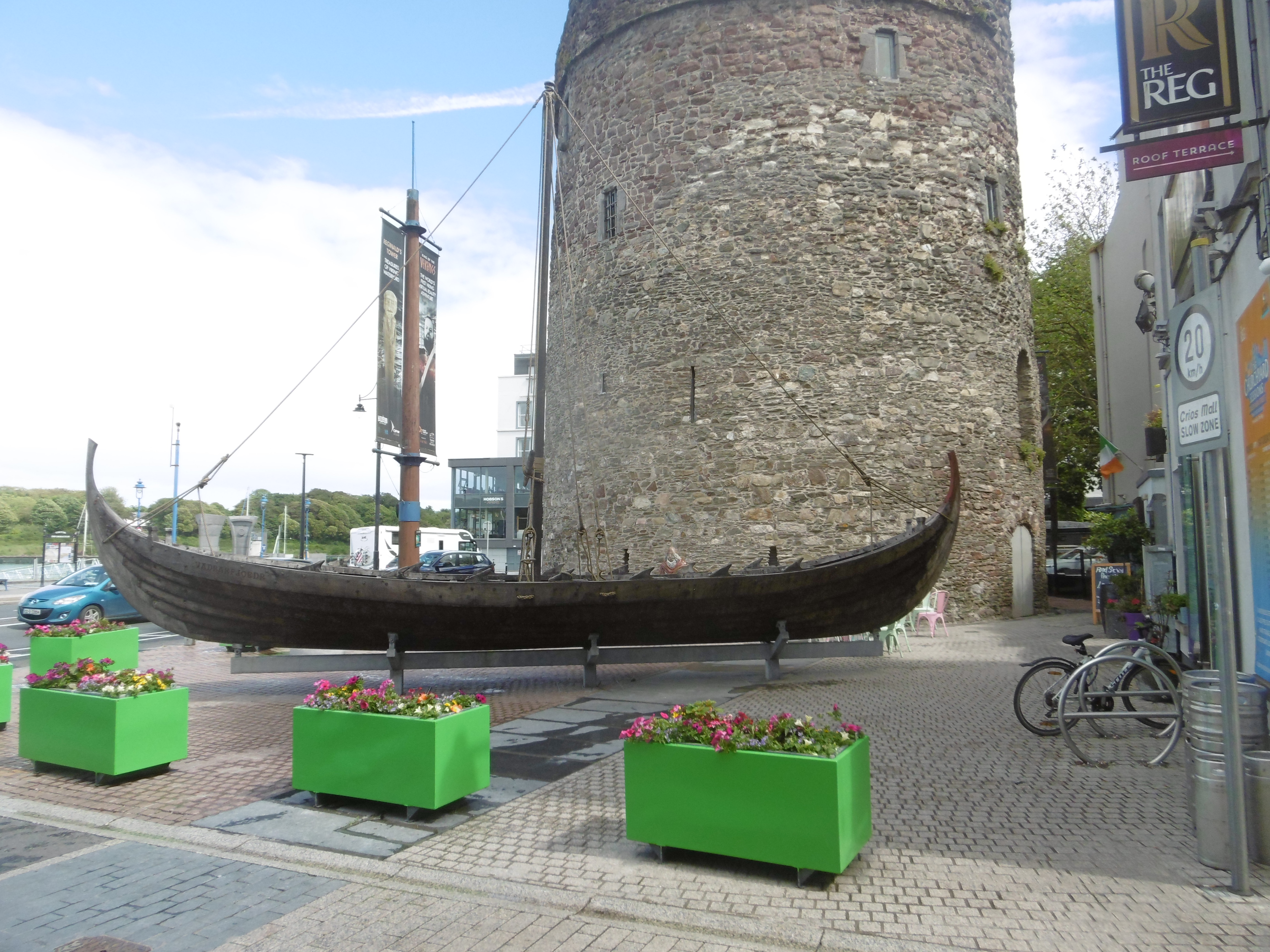
 Kilkennyből Waterfordba vonatoztam, amit a vikingek alapították a 9. században. Kevesebb, mint egy órám volt csak, ami alatt a városközpontot sétáltam körbe. A Reginald-torony előtti hajó csak egy a sok látnivaló közül, amivel a vikingekre emlékeznek. 

p1120988.JPG

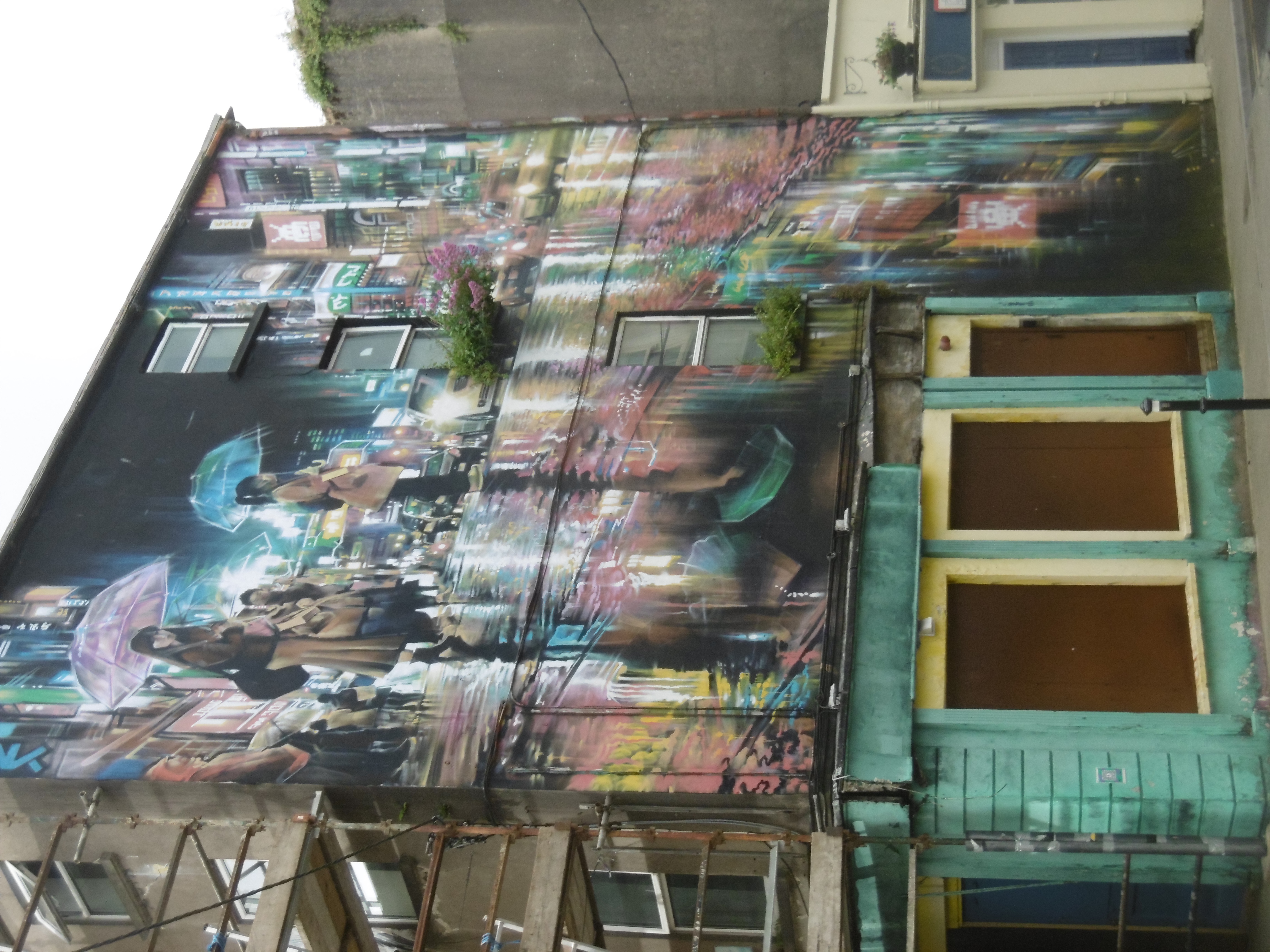
 A waterfordi kulturális negyedben számos épületet díszít érdekes falfestmény,

20260608_182046.jpg

Waterfordból egy napi két vonatpárral kiszolgált vasútvonalon jutottam el Cahirbe, ahol Írország egyik legnagyobb vára található, ami eredetileg egy szigeten helyezkedett el. A folyó holtágában libák úsznak a kép hátterében.

20260608_182540.jpg

Cahir vára több ostromot is átélt az angol-ír háborúk során, szerencsére azonban viszonylag ép állapotban fennmaradt. 1961 óta az ír állam tulajdona.  A kevés vonat miatt busszal tudtam elérni hazaútban Limerick Junction vasútállomását.

p1130049.JPG

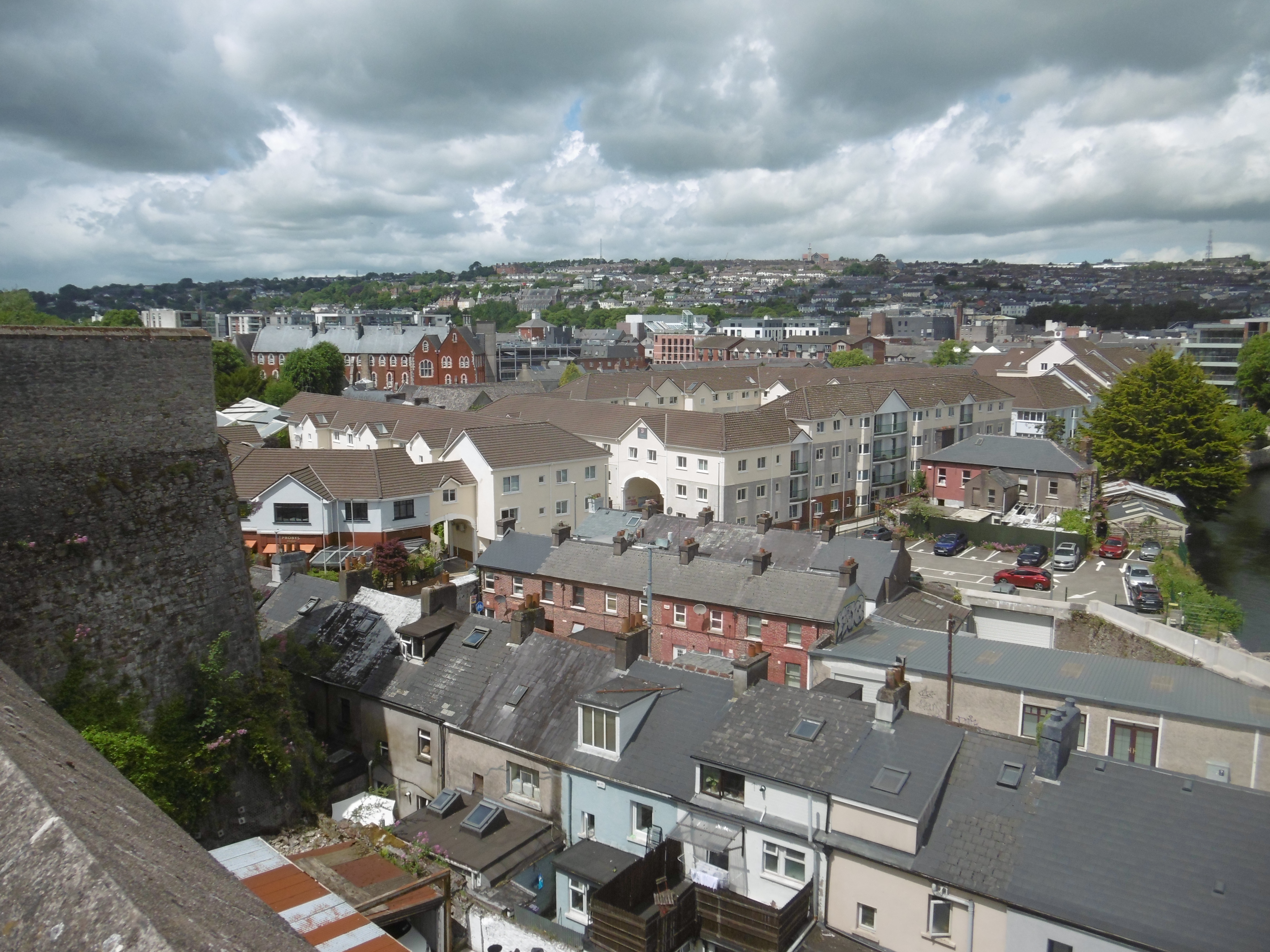
 Turistajegyem érvényességének utolsó napján először Dublinból Corkba utaztam. Az ingyenesen látogatható Elisabeth Fort magas falairól csodás kilátás nyílt a városra. Az erődöt egy ideig női börtönnek is használták, közelében található a St. Fin Barre anglikán székesegyház.

p1130077.JPG

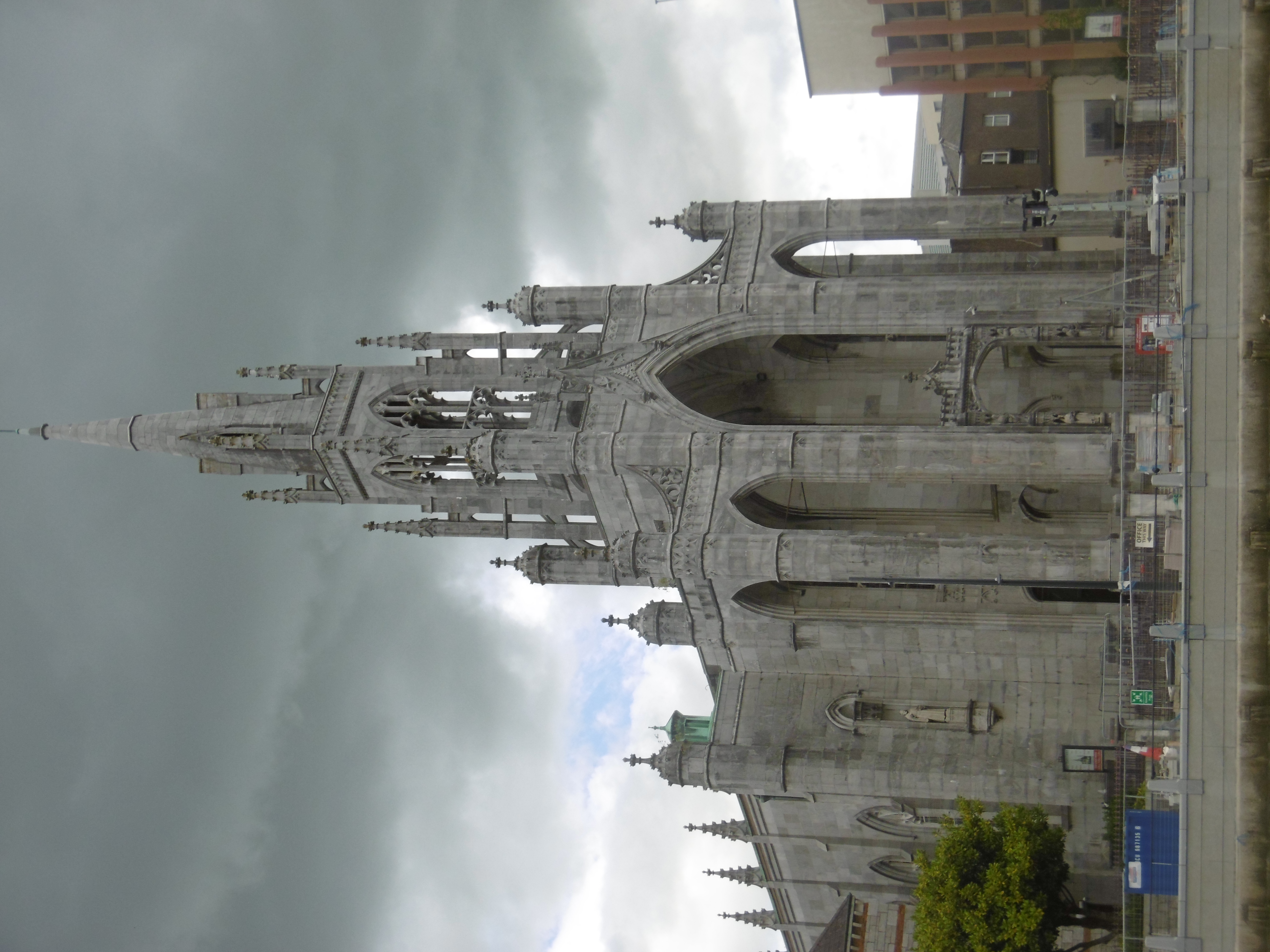
 A ferencesekhez tartozó Szentháromság templom a látszattal ellentétben nem középkori, a 19. század végében épült neogótikus stílusban. Érdekes, hogy Írországban milyen sok neogótikus templomot építettek ekkoriban.

p1130079.JPG

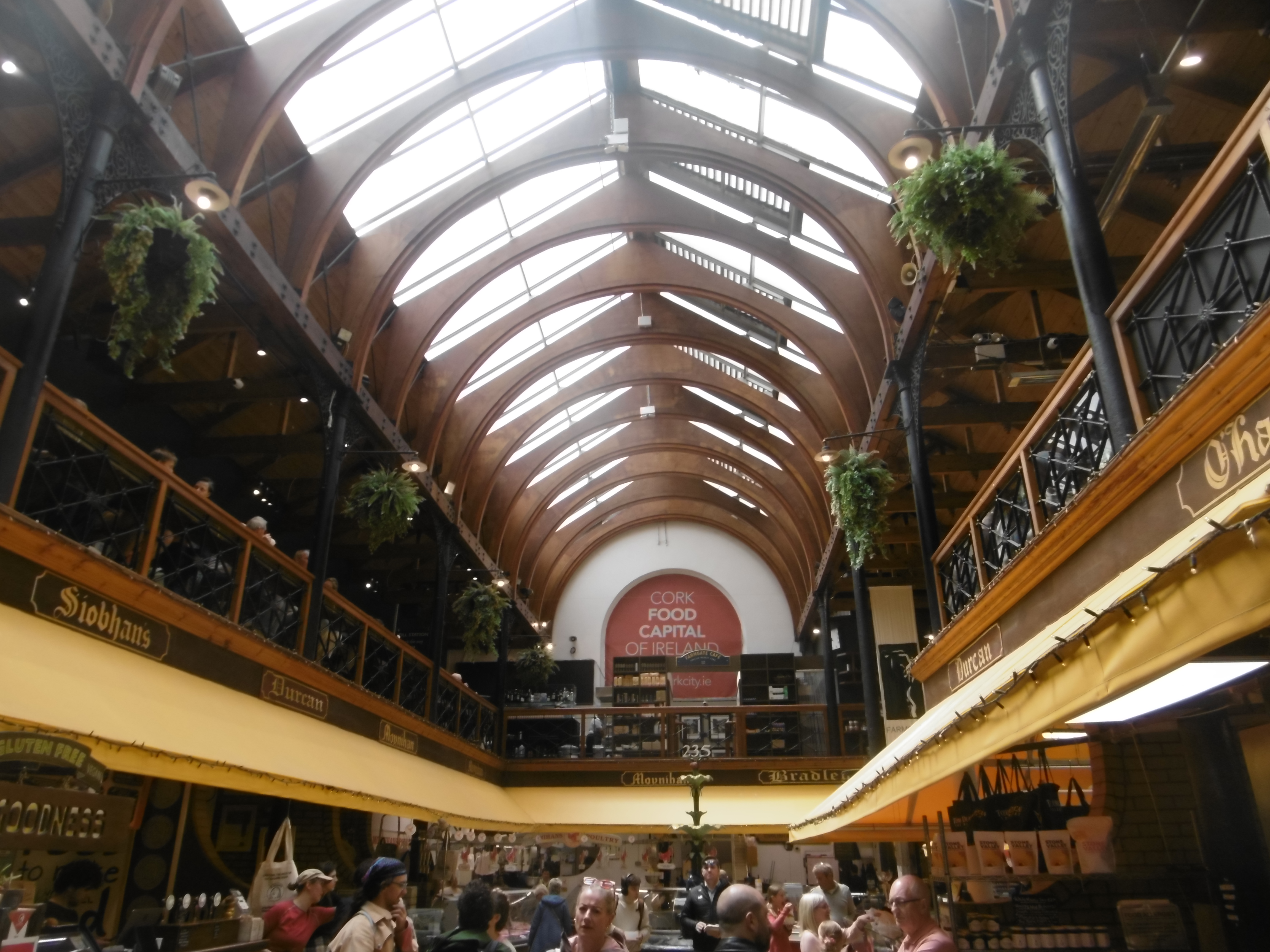
Cork egyik nevezetessége az English Market, ahol mindeféle étel kapható, ami szem-szájnak ingere.

p1130088.JPG

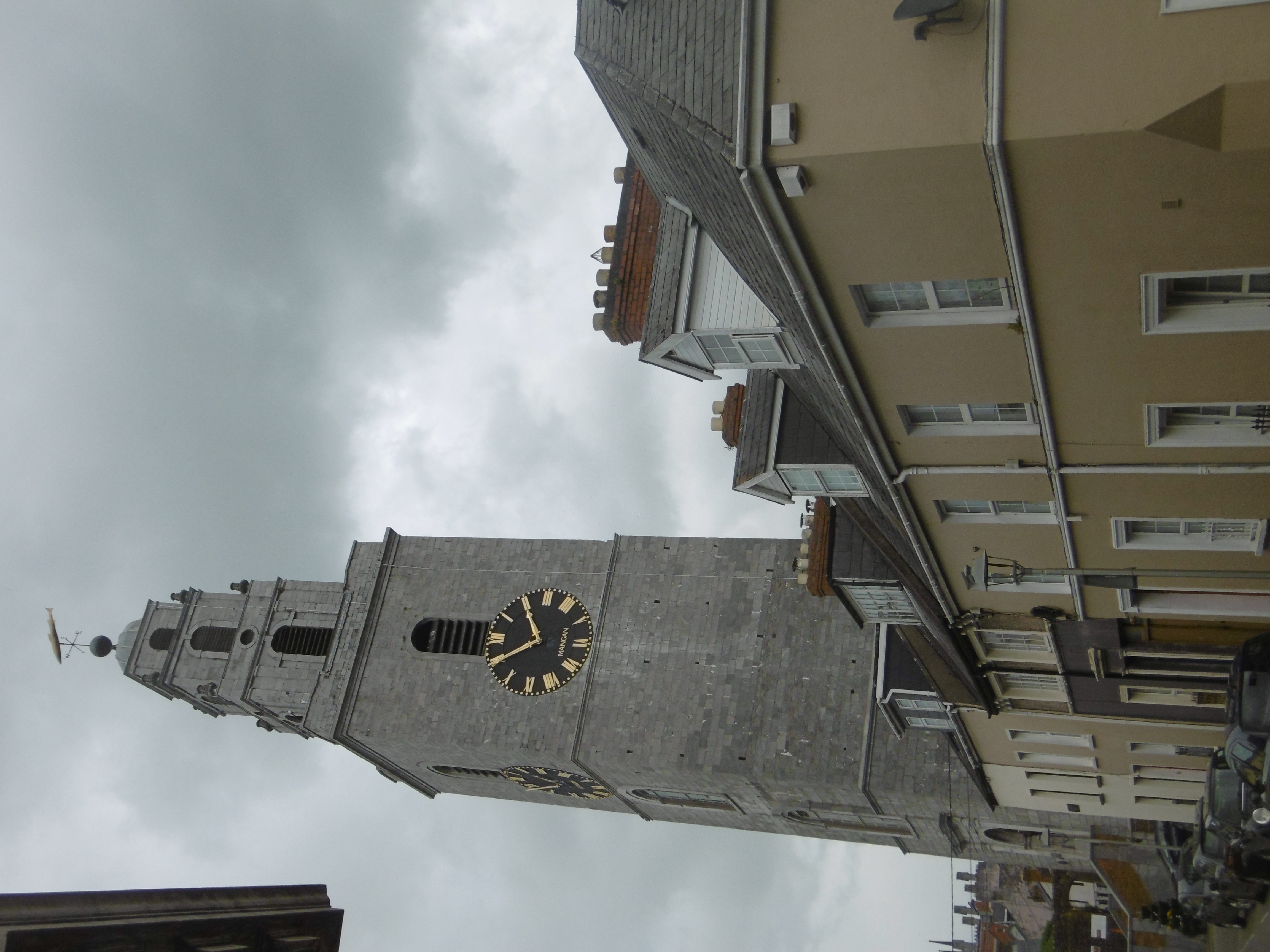
 A Szent Anna templom és tornya a harangokkal (Church of St. Anne) Cork egyik legismertebb látnivalója. A torony mindegyik órája más időt mutat, ezért csak "négyarcú hazudósként" ("The Four Faced Liar") emlegetik a helyiek. Belépődíj ellenében fel lehet menni a toronyba, és a harangokat is megszólaltathatja a látogató.

p1130120.JPG

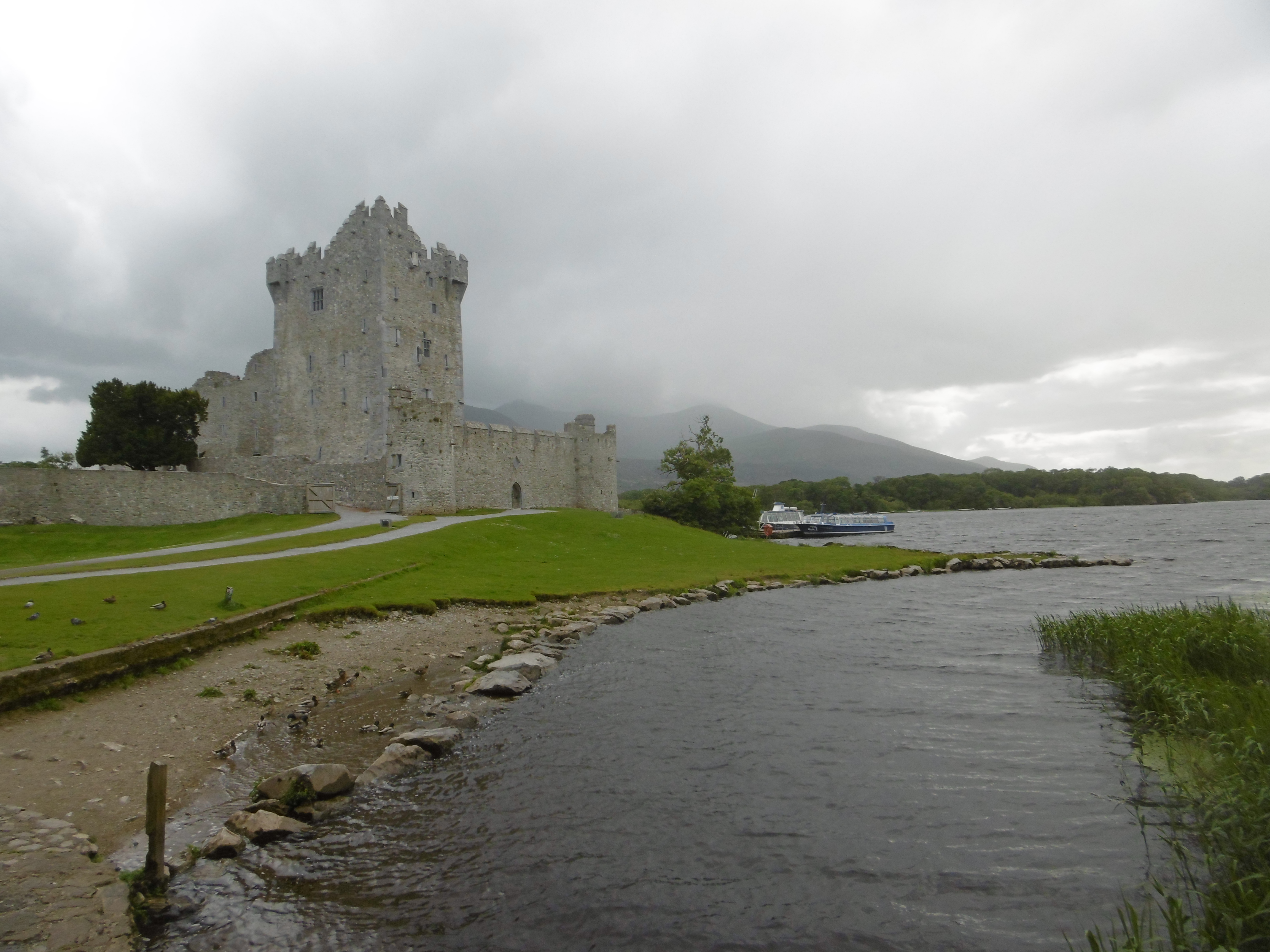
 A Ross Castle Killarney városa közelében, a Lough Leane tó partján fekszik, festői környezetben. Valójában nem is vár, hanem középkori torony erőd. A vasútállomástól nagyon sietős léptekkel (3,1 km-t 26 perc alatt megtéve) épp odaértem a napi utolsó vezetett túrára. A tavon hajózásra és csónakázásra is van lehetőség.

p1130133.JPG

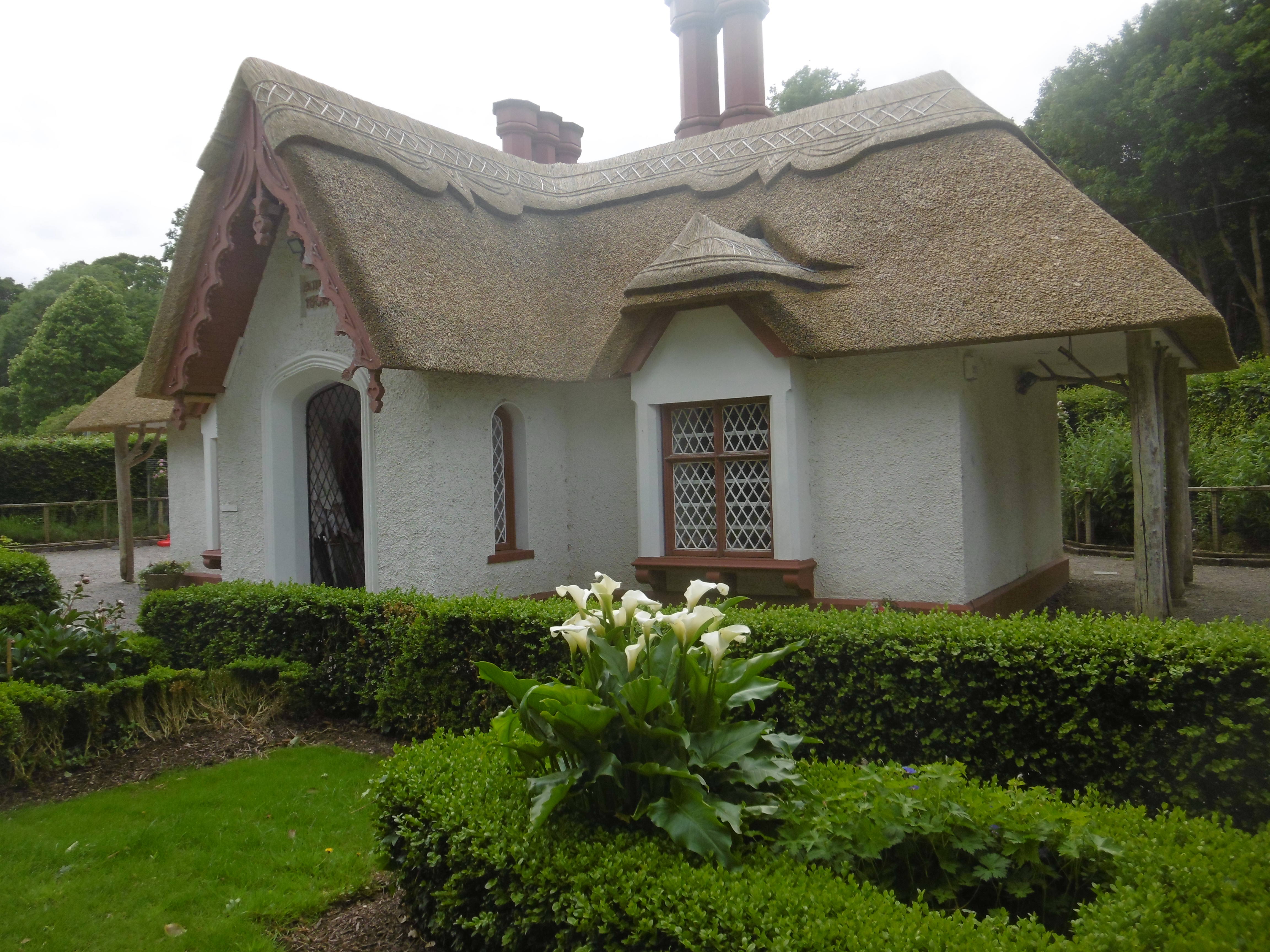
 A Deenagh nádfedeles házikó (Lodge) közvetlenül a város mellett, a nemzeti park szélén található. Down-kórosok által működtetett kávézó üzemel benne.

20260609_183639.jpg

Részlet Killarney bájos belvárosából. 

20260609_192222.jpg

 Utam utolsó állomásán, Killarneyben találkoztam az Emerland Isle Express országjáró luxusvonat szerelvényével. Én jóval olcsóbban jártam végig részben hasonló útvonalat. Mozdonyát a '70-es években gyártotta a GM, kocsijai a '60-as években készültek. Egyikében én is utaztam egy másik különvonatban, ami a következő posztomban fog szerepelni. 

ir_beutazott_vonalak.png

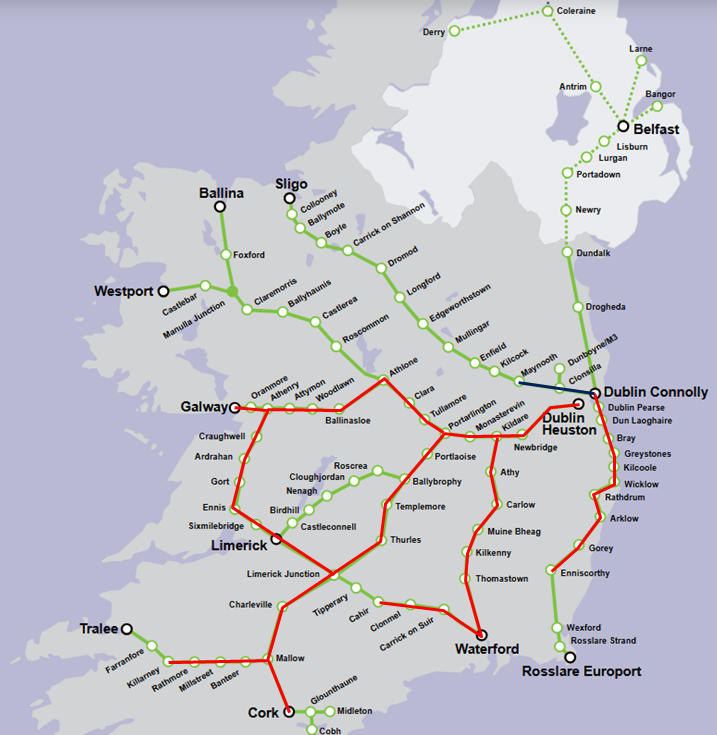
A négy nap során beutazott vasútvonalakat pirossal jelöltem meg a vasúti hálózati térképen. 

Remélem, hogy a fentiekkel kedvet ébresztettem ennek a gyönyörű országnak a felfedezéséhez. Az érdeklődök az alábbi helyeken megtekinthetik a további képeim is:

Limerick, Galway, Athlone: https://photos.app.goo.gl/4iYxTfSpH7GzZb6H8

Enniscorthy: https://photos.app.goo.gl/SA5f4Qa3JZk9rpGB9

Kilkenny, Waterford, Cahir: https://photos.app.goo.gl/USJeCkc7gj2Fcy4S9

Cork, Killarney: https://photos.app.goo.gl/XUgWGAzcSC1v21u78

Some special railways in Europe - funiculars, rack railways and a suspension railway


Special railways in cities

20241026_172928.jpg

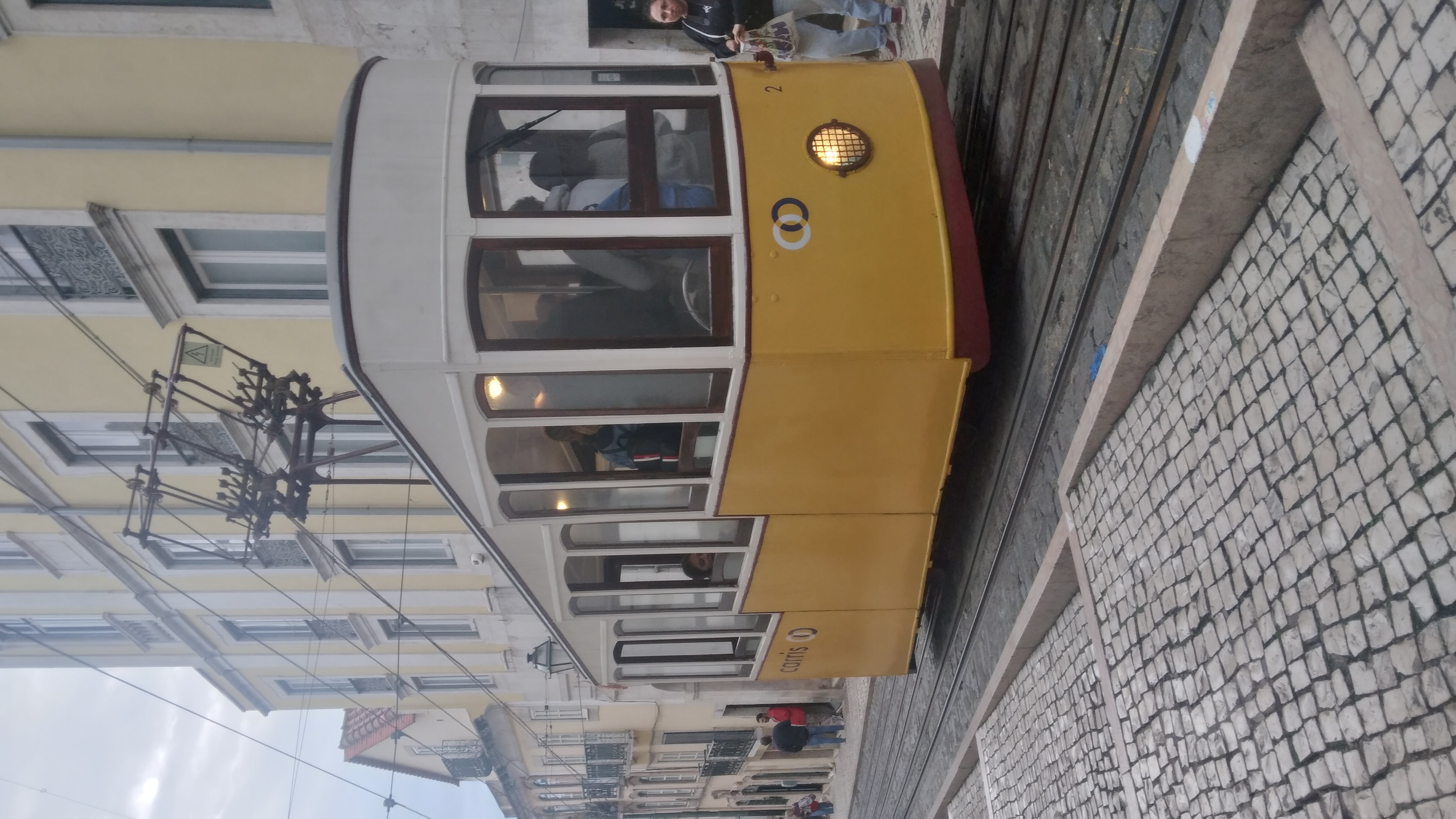
Lisbon has 3 historical funiculars from the 19th century, however they are currently closed due to a tragic accident in 2025. I rode the Bica Funicular (Elevador da Bica) which was opened in 1892.


imgp1244_1.JPG

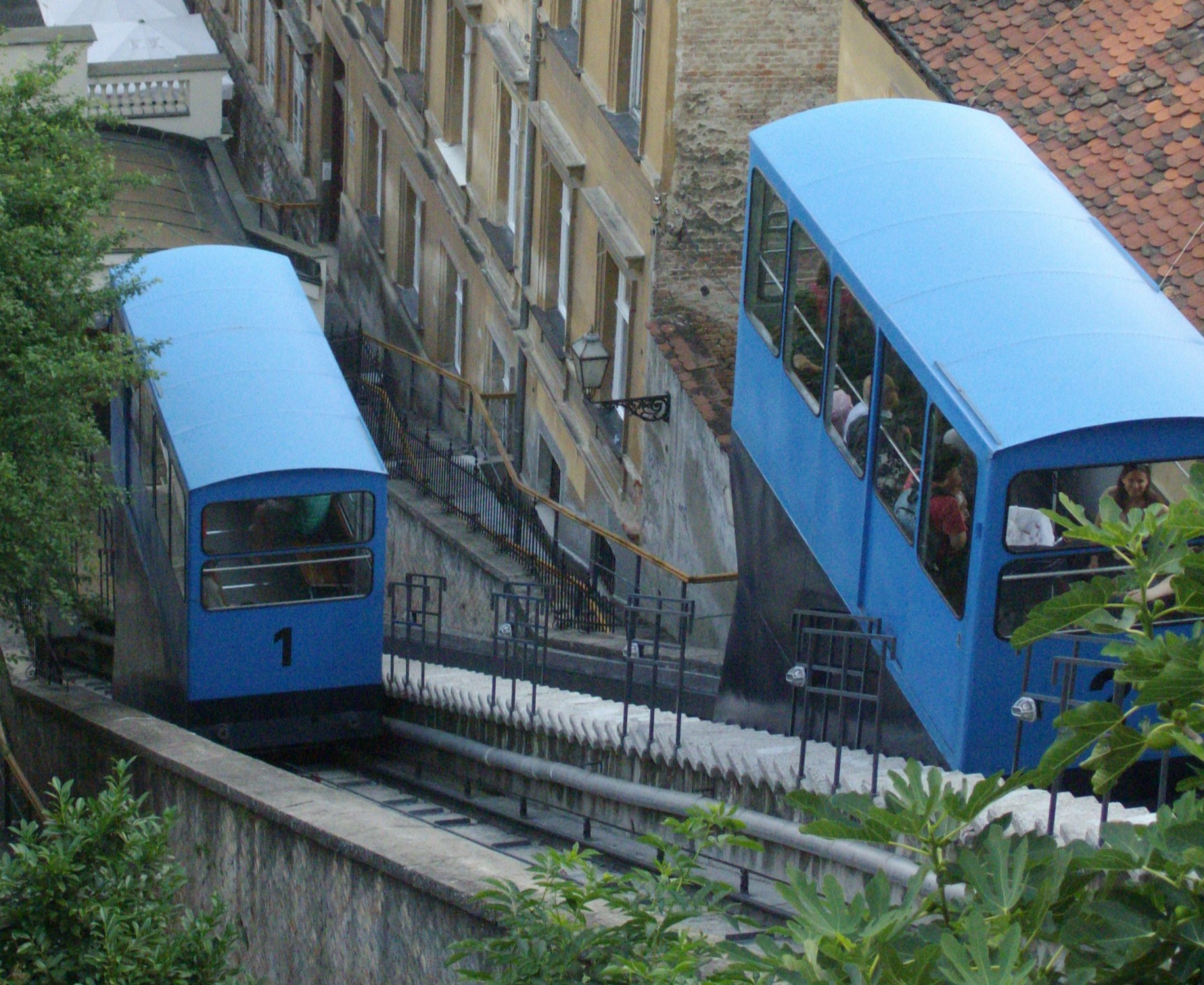
In Zagreb, there is a very short (66 meters long) historic funicular to the upper town, which was opened in 1890.


graz18.jpg

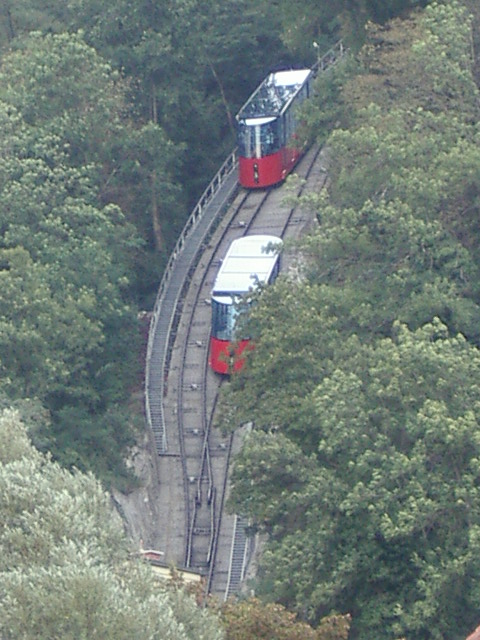
The Schloßbergbahn (Castle Hill Railway) is a funicular railway in the Austrian city of Graz. It connects the city center with the Schloßberg hill. It was built in 1894, but has been modernized twice, most recently in 2004.


imgp6106.JPG

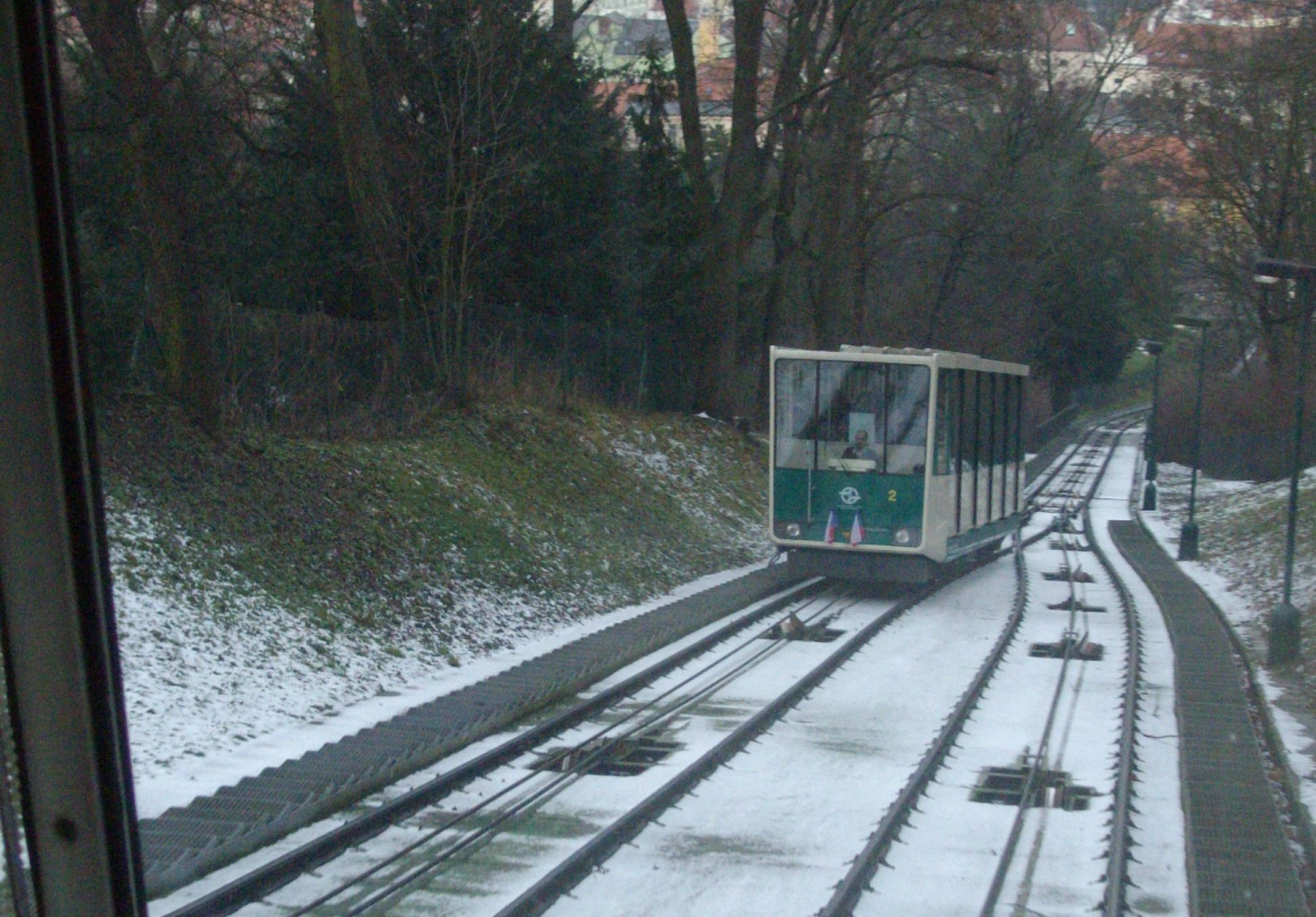
The Petřín Funicular in Prague reaches a height of over 130 meters on a 510-meter-long track. The funicular was originally water-powered when it was put into operation in 1891. It had to be rebuilt due to major landslides.


budavar.JPG

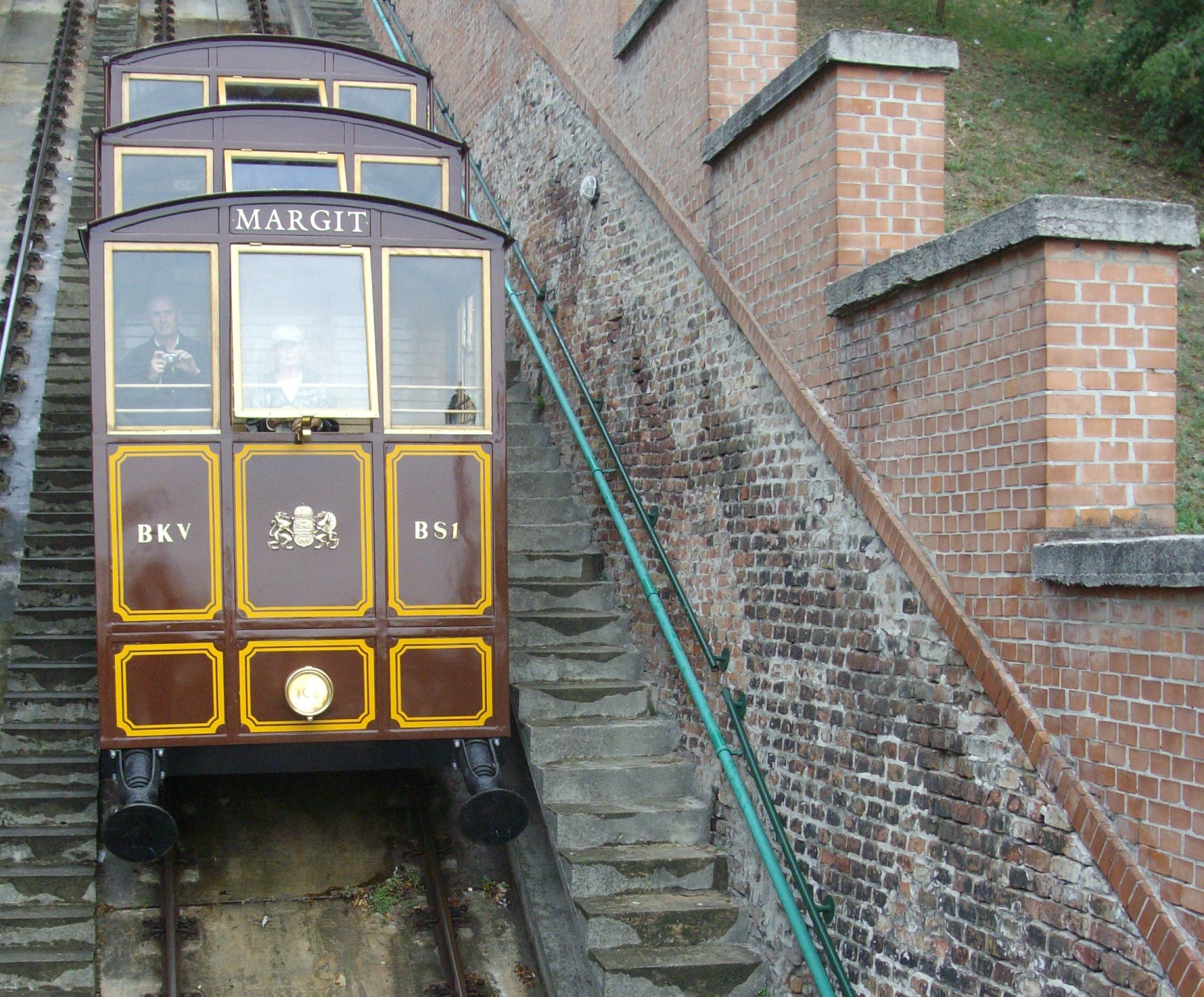
 The Buda Castle Funicular in Budapest has been a link between the riverbank of the Danube and Buda Castle since 1870, originally using steam power. The Funicular was listed as a UNESCO World Heritage Site in 1987.


20260101_153649.jpg

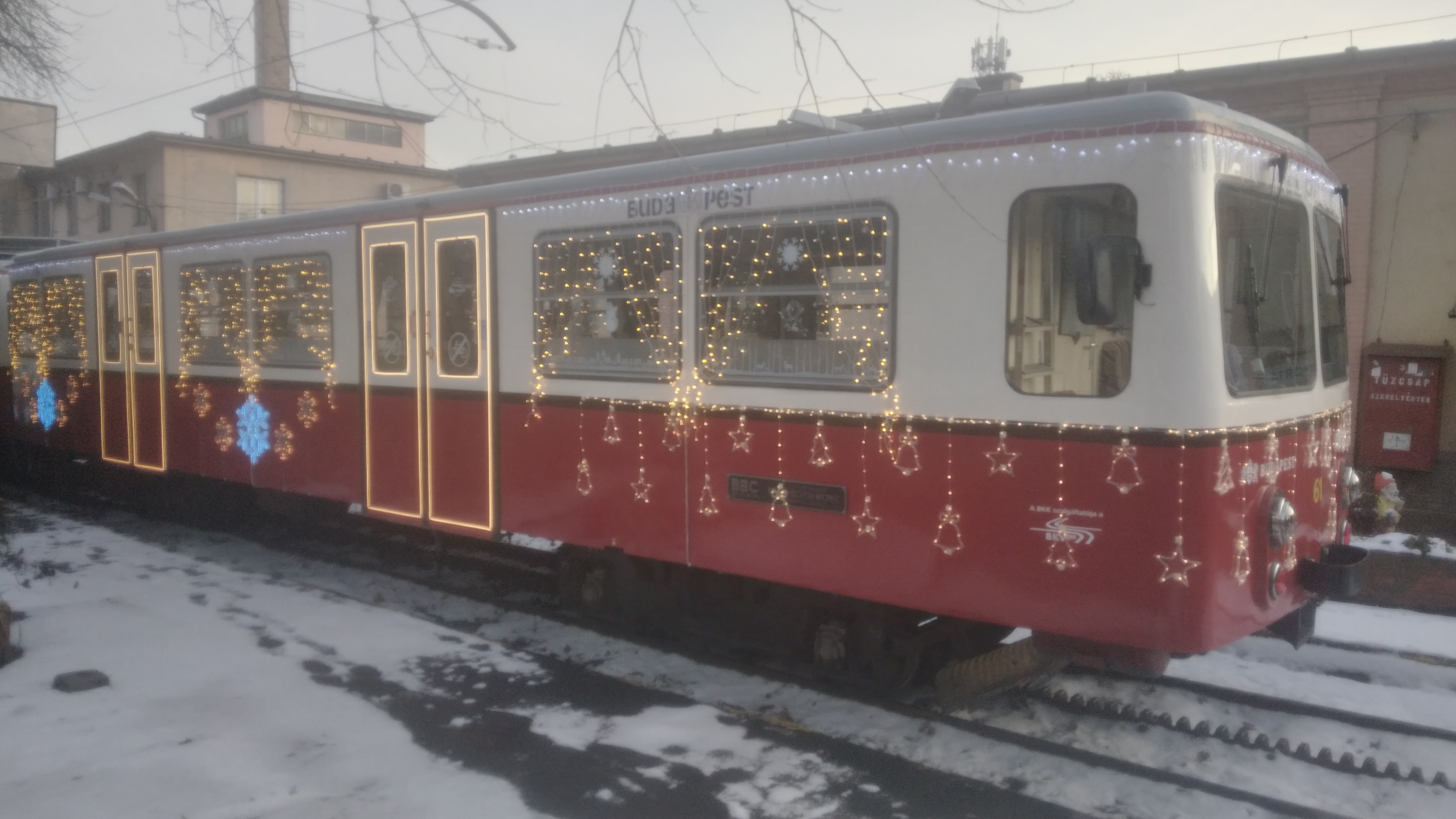
The Budapest Cog-wheel Railway is a rack railway, it was opened in 1874 with steam locomotives. The electrification was completed in 1929. Last Chistmas a train had special decoration.


imgp5302.JPG

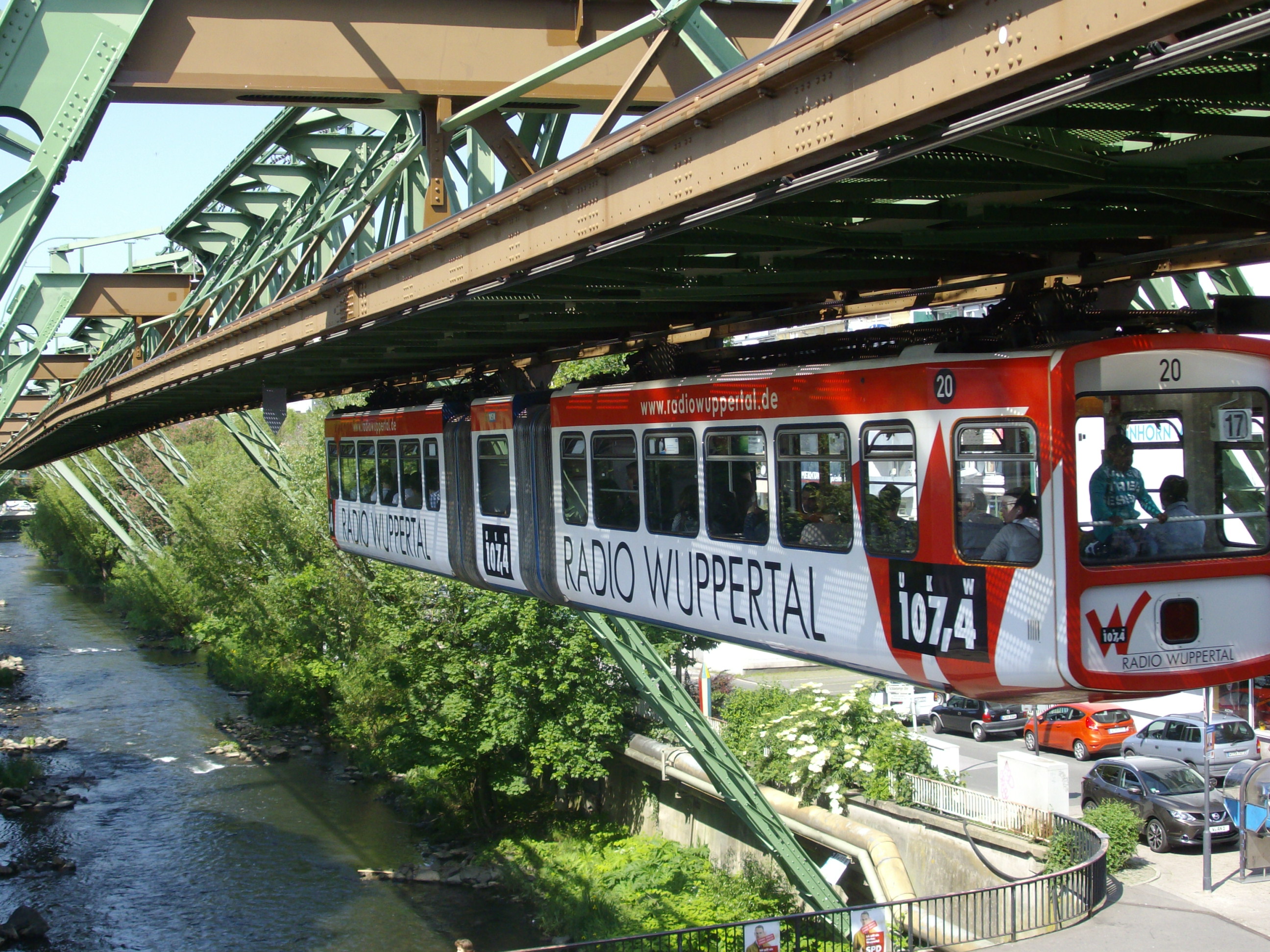
 The Wuppertaler Schwebebahn in Germany is the oldest and probably the most famous suspension railway in Europe. It was opened in 1901, completed in 1903. It still operates as a local public transport line.

Touristic special railways

20250613_140059.jpg

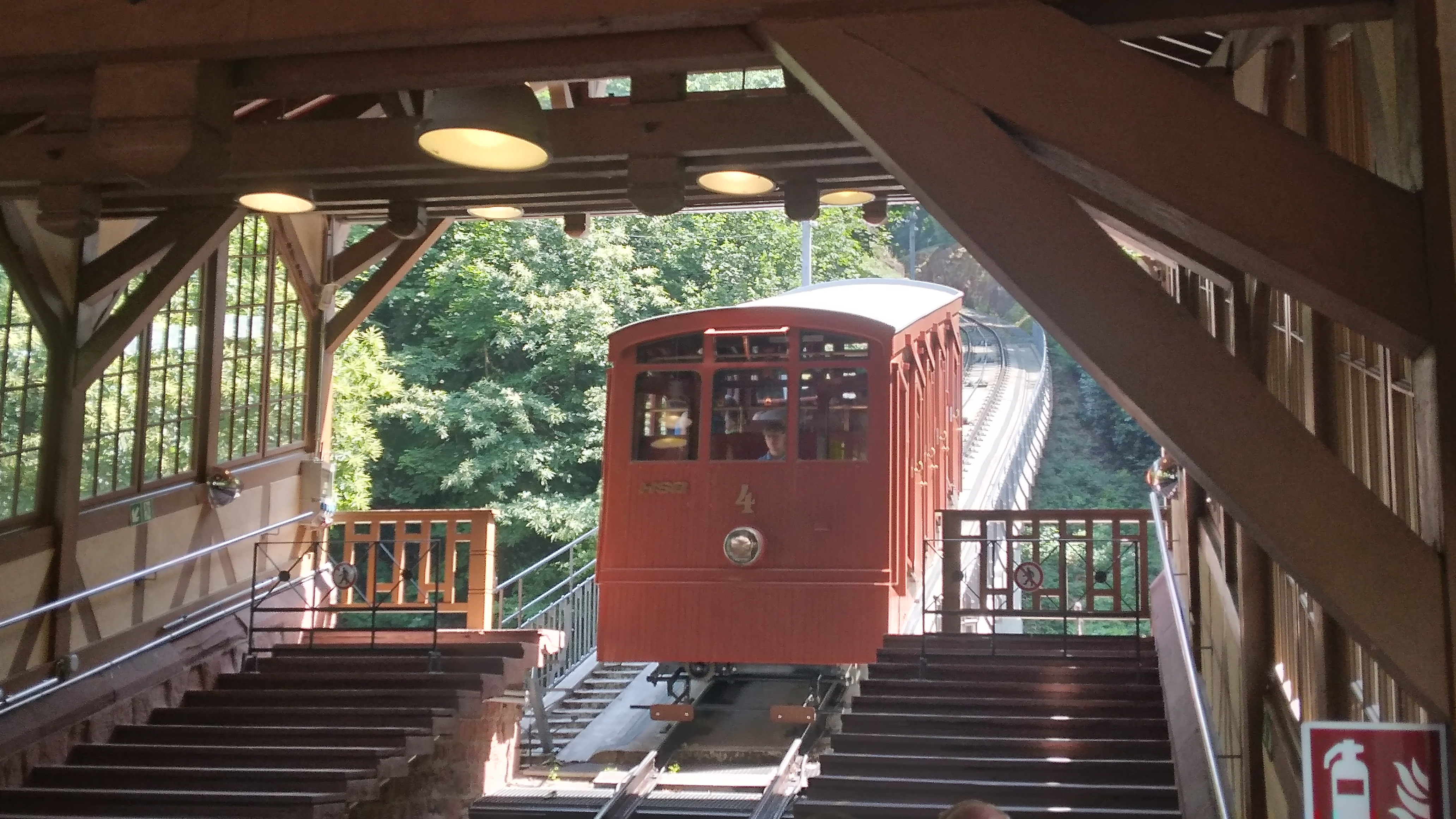
Heidelberg (Germany) has 2 funiculars: one to the castle and to the lower station of the other one. The upper one has retained its original appearance even after modernization, and its highest point is 568 meters above sea level.


20250617_135658.jpg

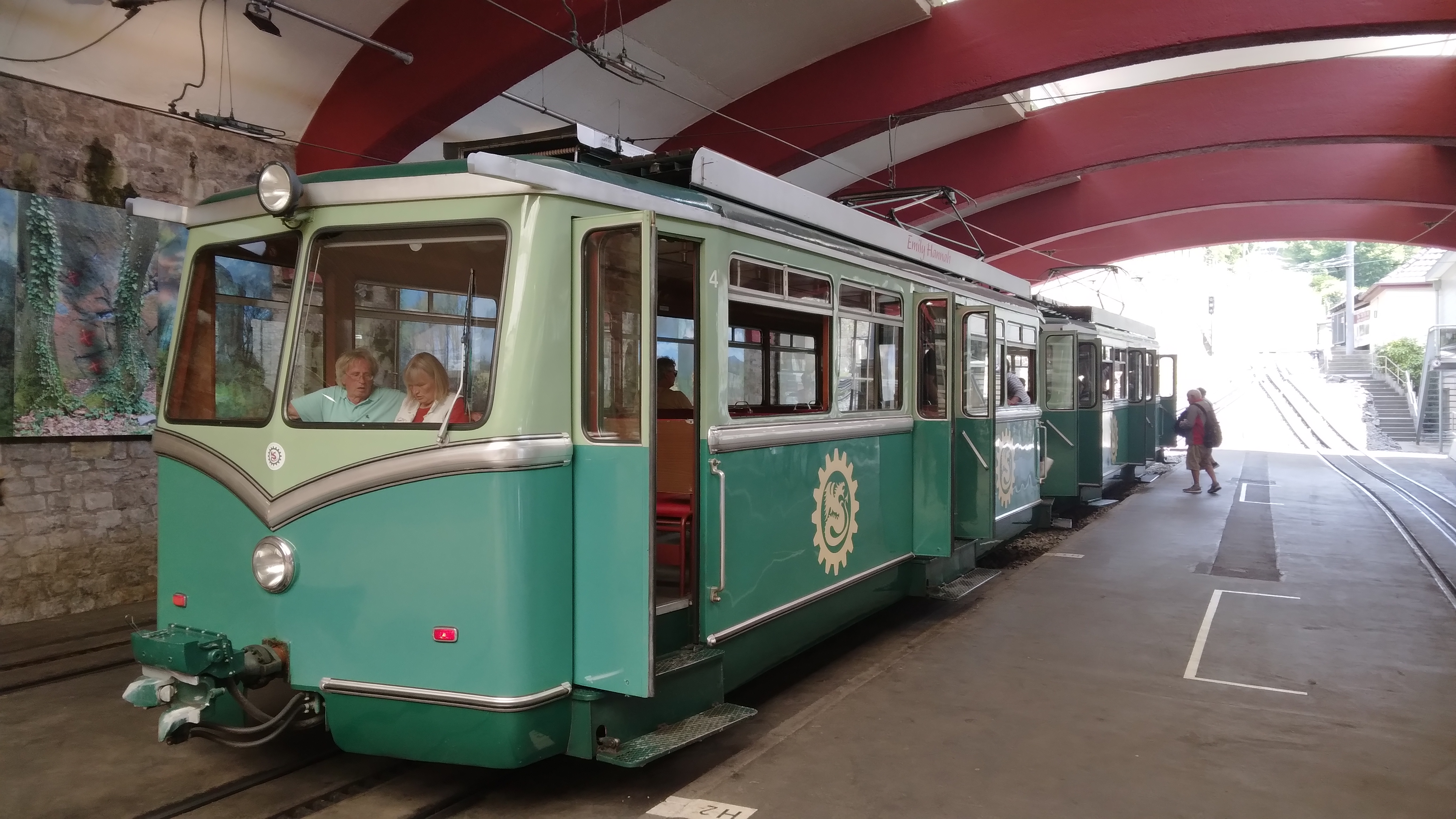
 Drachenfelsbahn near Bonn is the oldest rack railway in Germany, opened in 1883, electrified in 1953.


20240209_151141_1.jpg

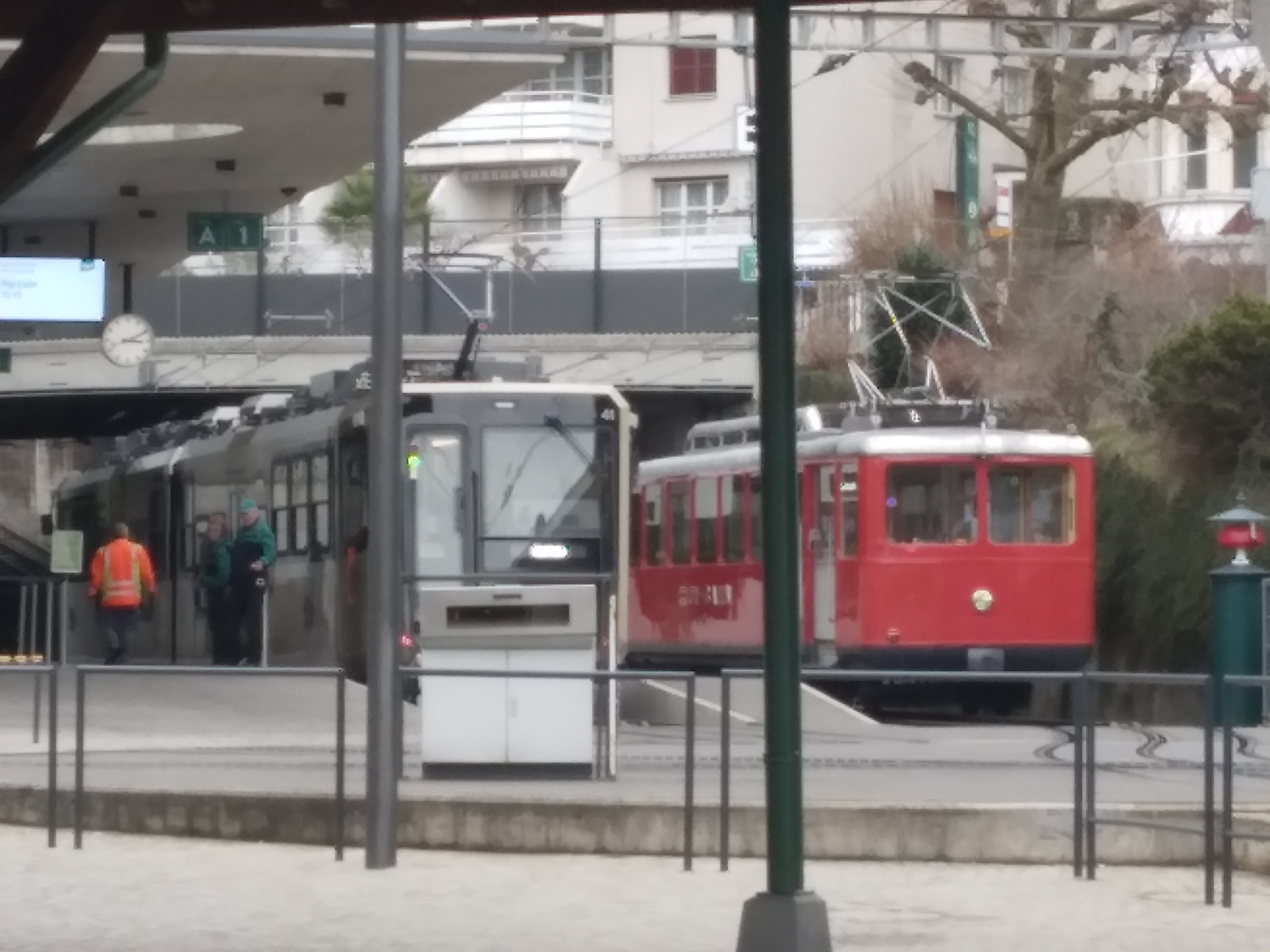
The Vitznau–Rigi railway (VRB) was opened on 21 May 1871 as the Rigibahn and the first mountain railway in Europe. The picture shows its oldest electric carriage toegther a modern Stadler EMU at Vitznau station.


20240318_094614_1.jpg

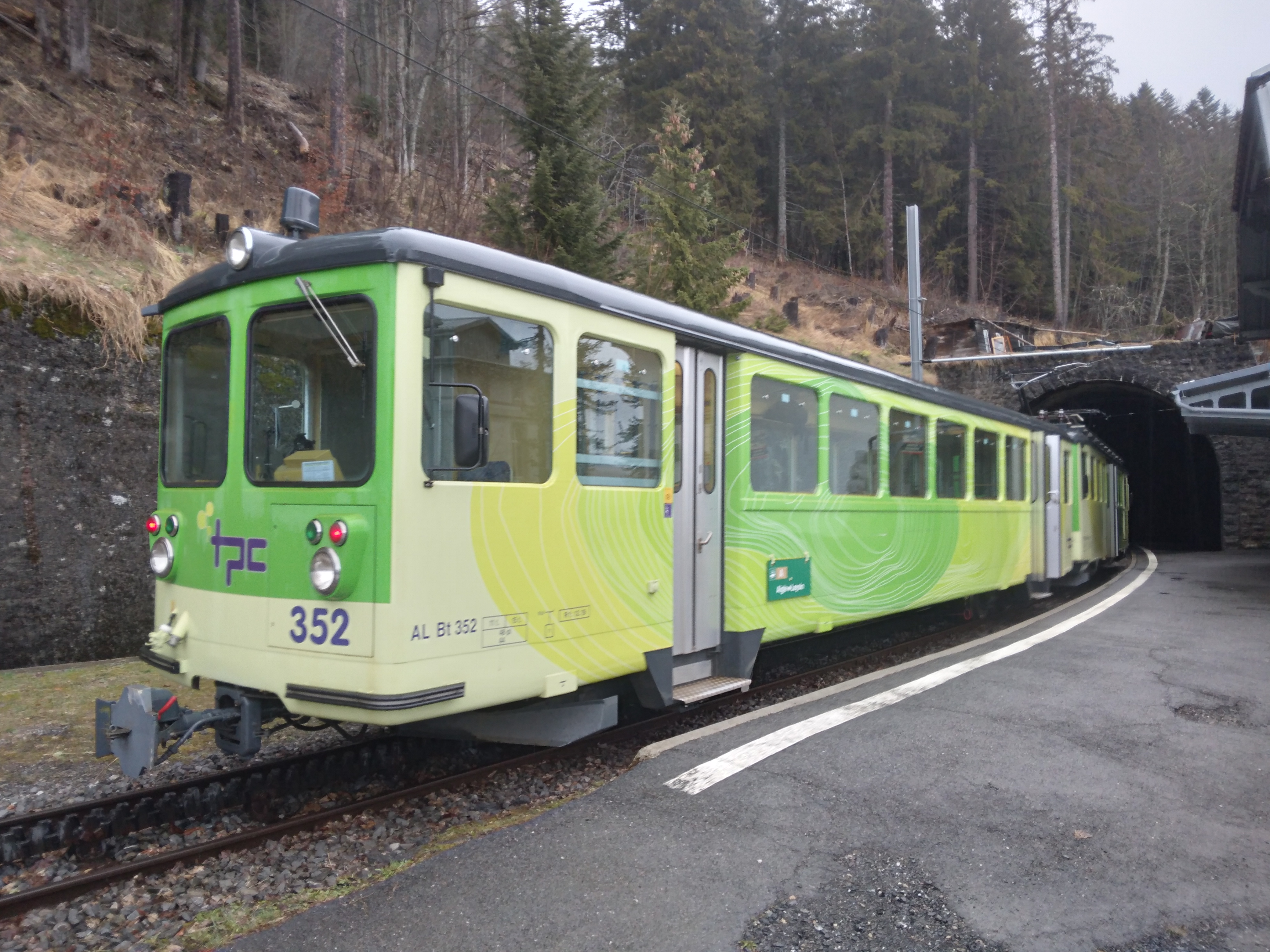
 The Transports Publics du Chablais (TPC) regional company operates 3 rack railway at the eastern end of Lake Geneva. The Aigle - Leysin line was opened in 1900, extended in 1915 to Leysin-Grand Hôtel (pictured).


20240318_144229.jpg

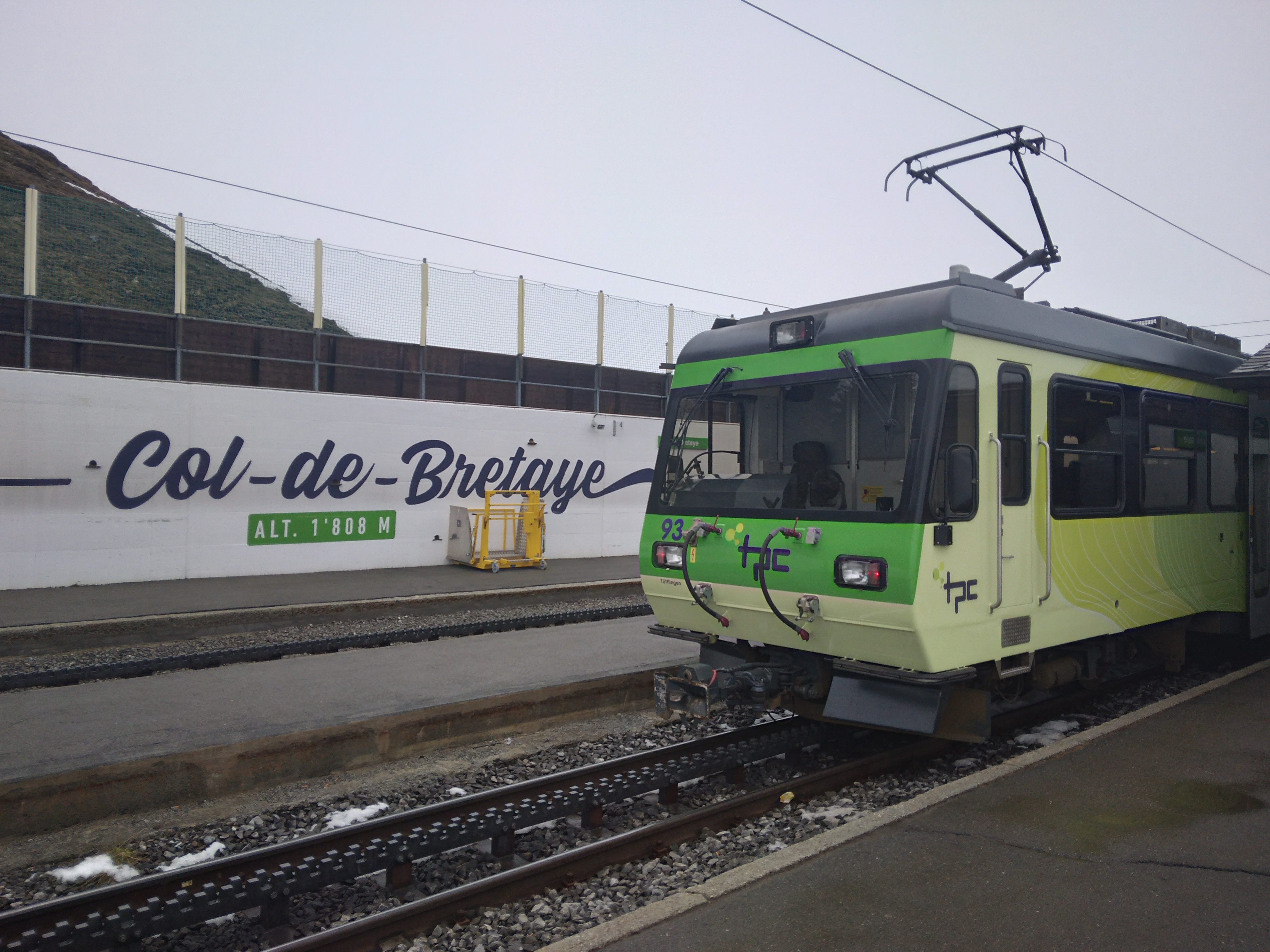
The Bex - Villars - Bretaye rack railway also belongs to TPC. Its highest point is Col-de-Bretaye (altitude 1808 m).


p1000050.JPG

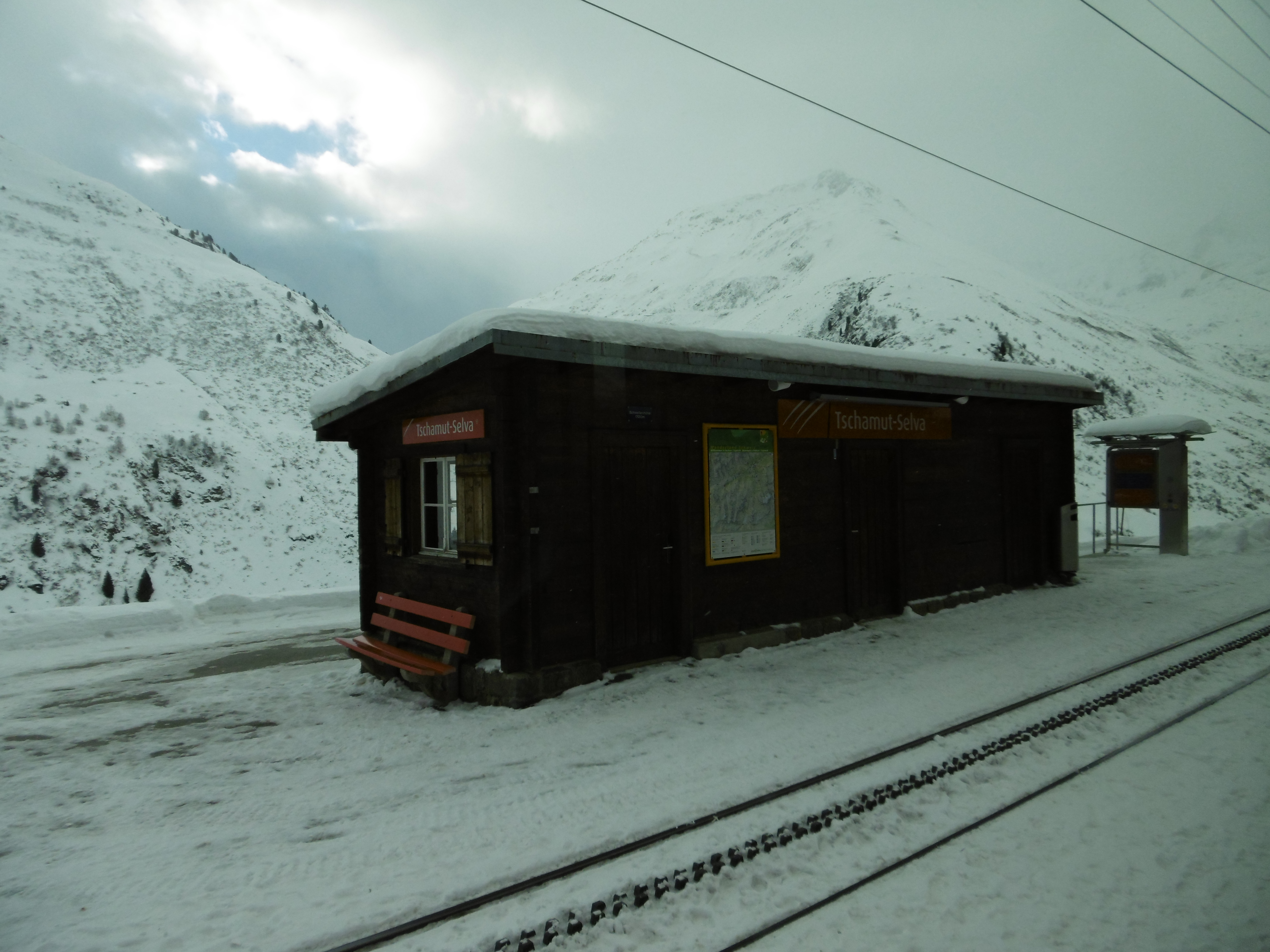
The famous Glacier express has 2 sections which also include cogwheel railway parts. One goes through the Operalppass, between Disentis and Andermatt, opened in 1926 by Furka Oberalp Bahn.


p1000098.JPG

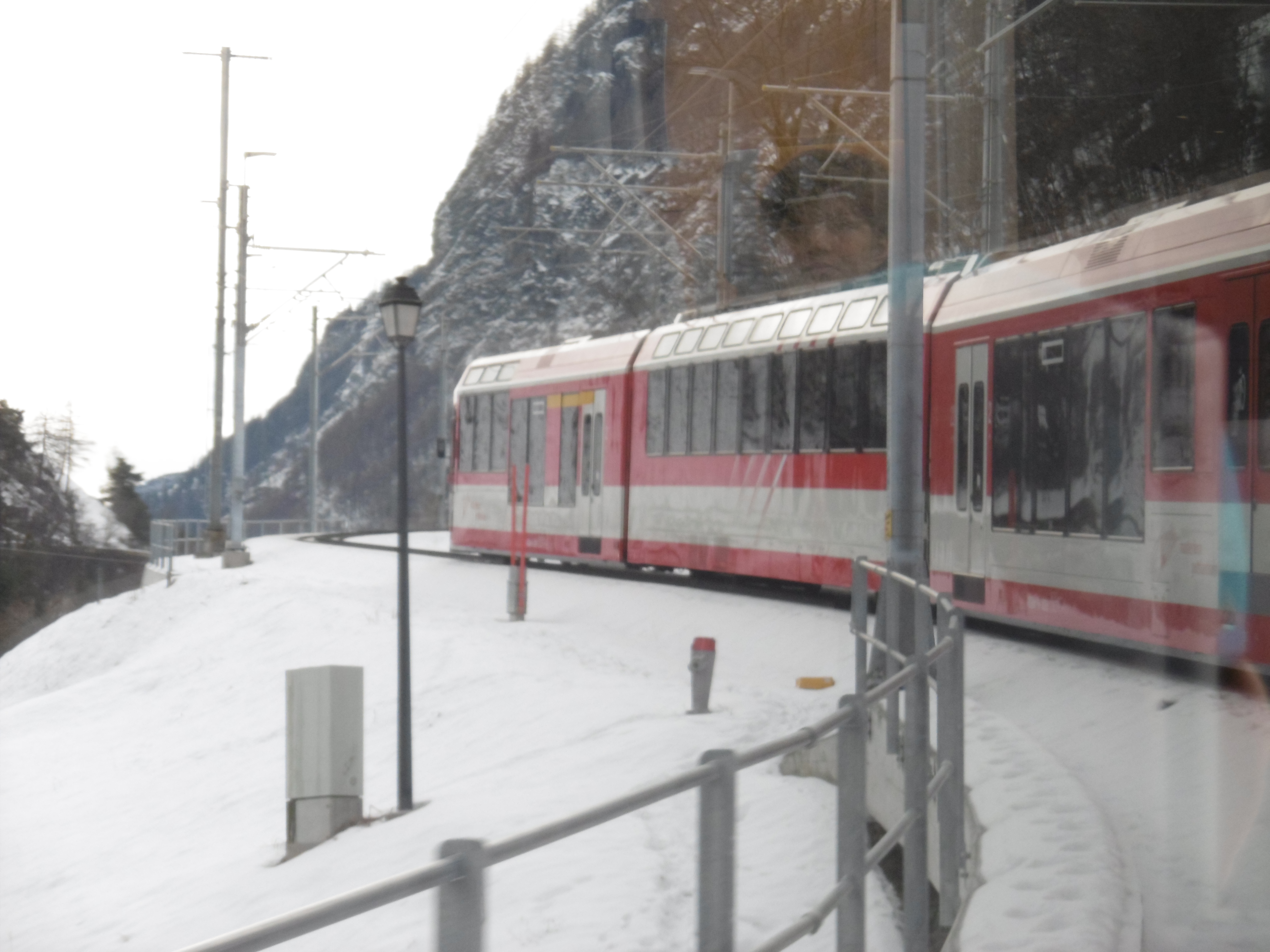
The Visp - Zermatt section is the other one. It was completed by Visp-Zermatt-Bahn in 1891.


p1000109.JPG

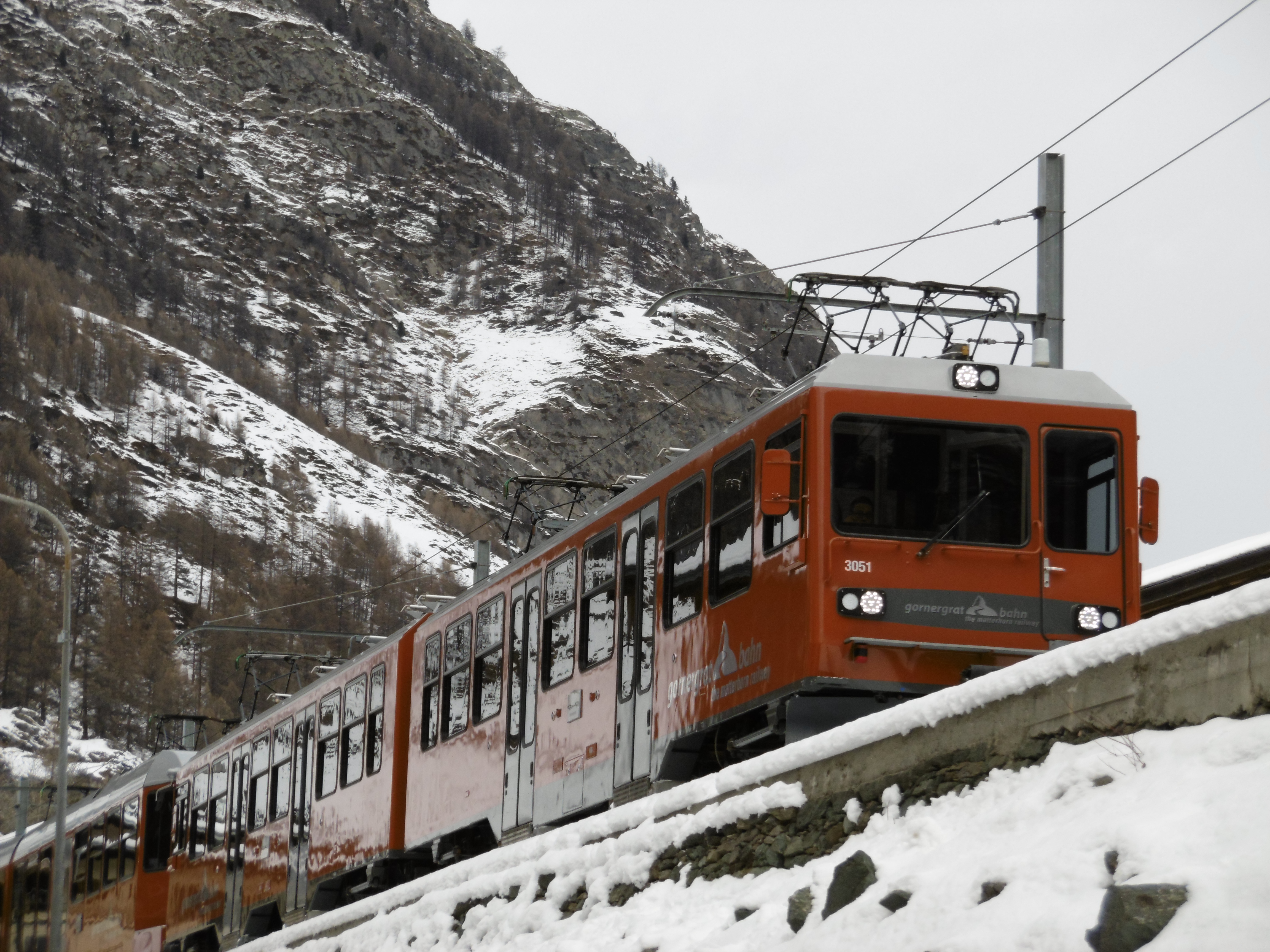
Zermatt is the starting point of the Gornergratbahn, which is highest open air rack railway in Europe. The iconic view from the Gornergrat platform (altitude 3089 m) is dominated by the Matterhorn summit.


20230218_125036.jpg

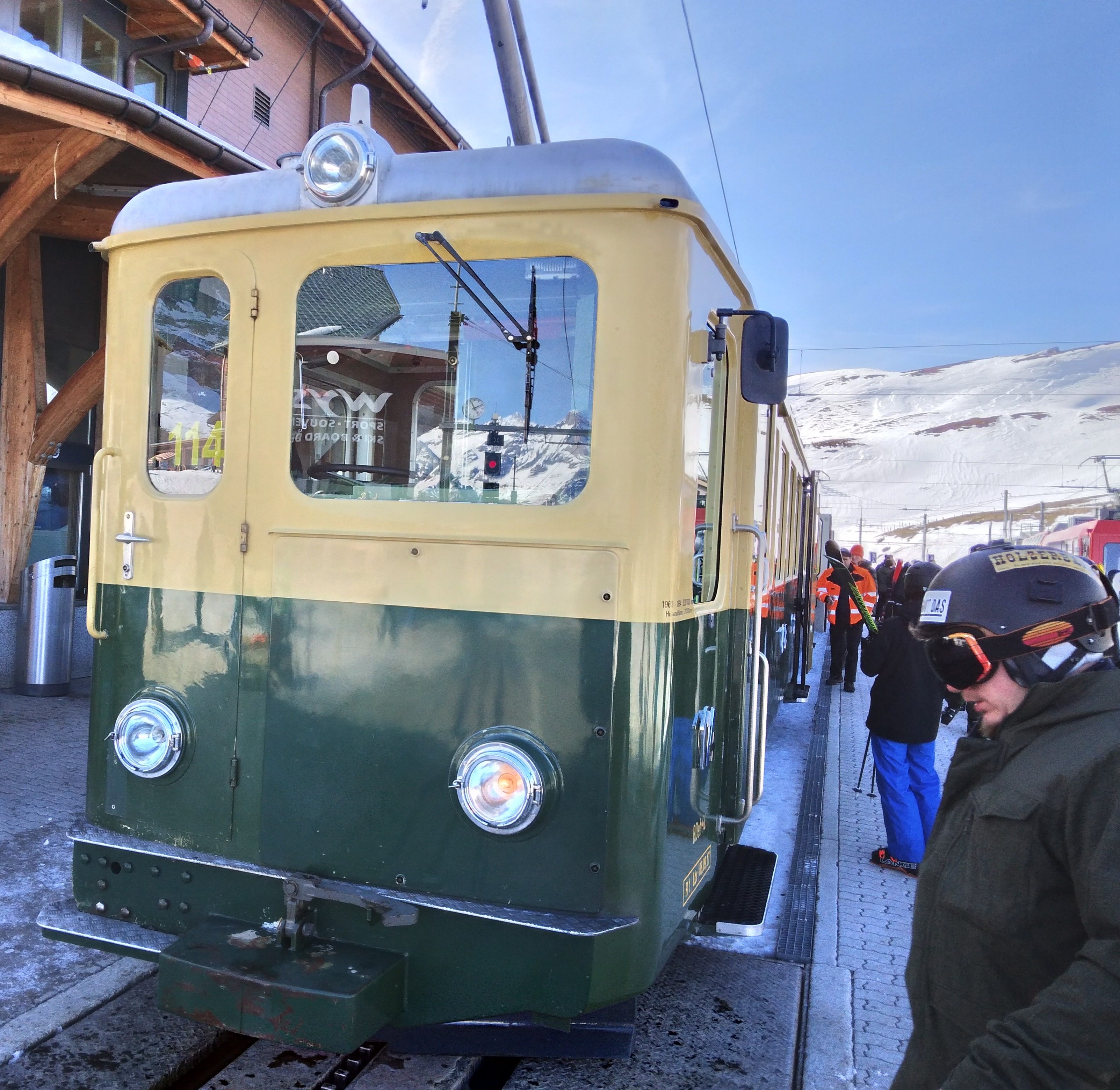
 Kleine Scheidegg (altitude 2061 m) is the junction of the Wengeralpbahn, the longest continous rack railway and the Jungfraubahn, the highest European rack railway. I was lucky to ride this class BDhe 4/4 old railcar in 2023.


p1060704.JPG

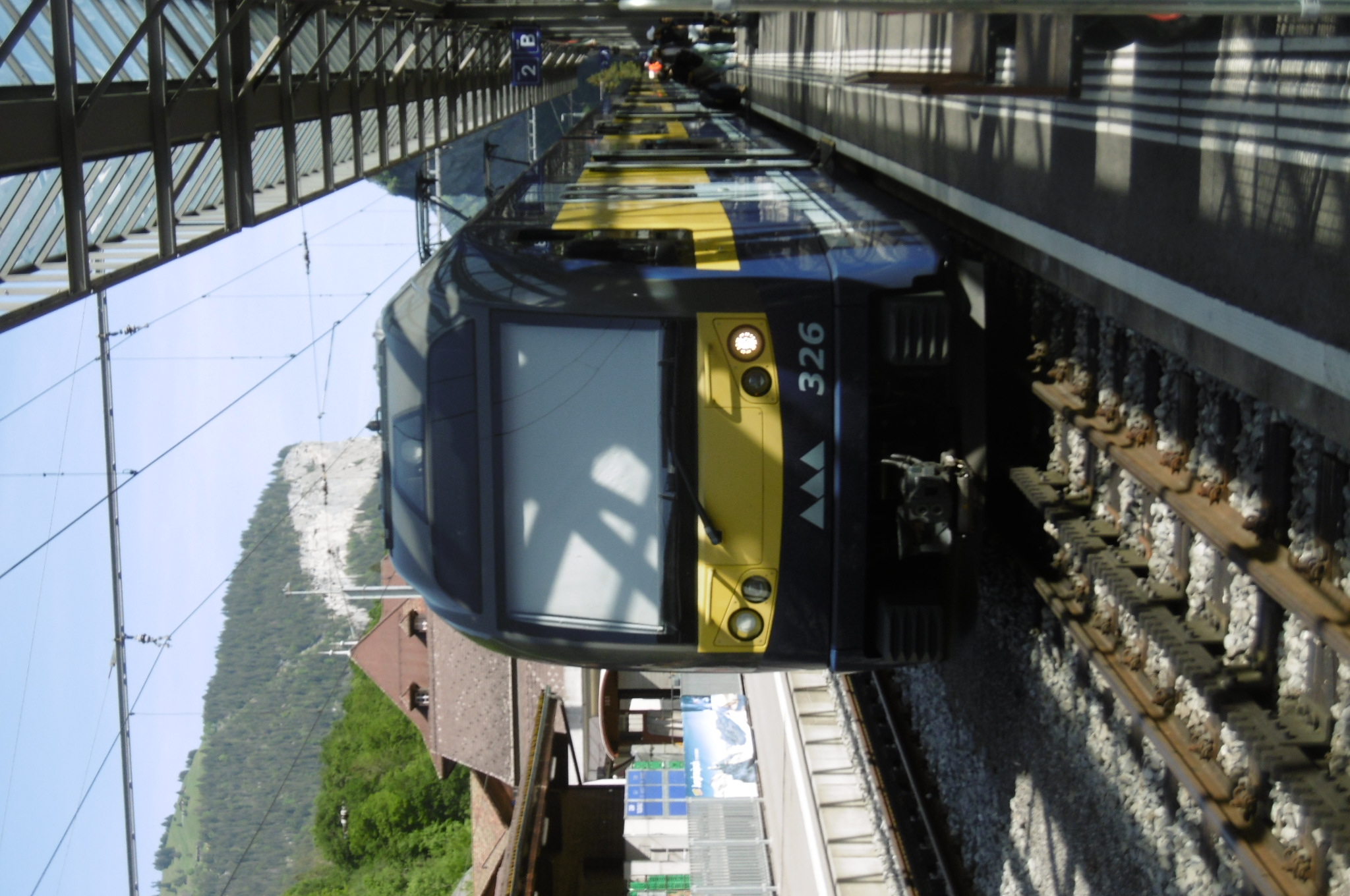
Lauterbrunnen station (pictured) is a junction of the Berner-Oberland-Bahn and the Wengernalpbahn. BOB has also some rack railway sections.


p1100559.JPG

 The Allmendhubelbahn is a short funicular in the Interlaken-Jungfrau region, near Lauterbrunnen, opened is 1912.


20220520_172018.jpg

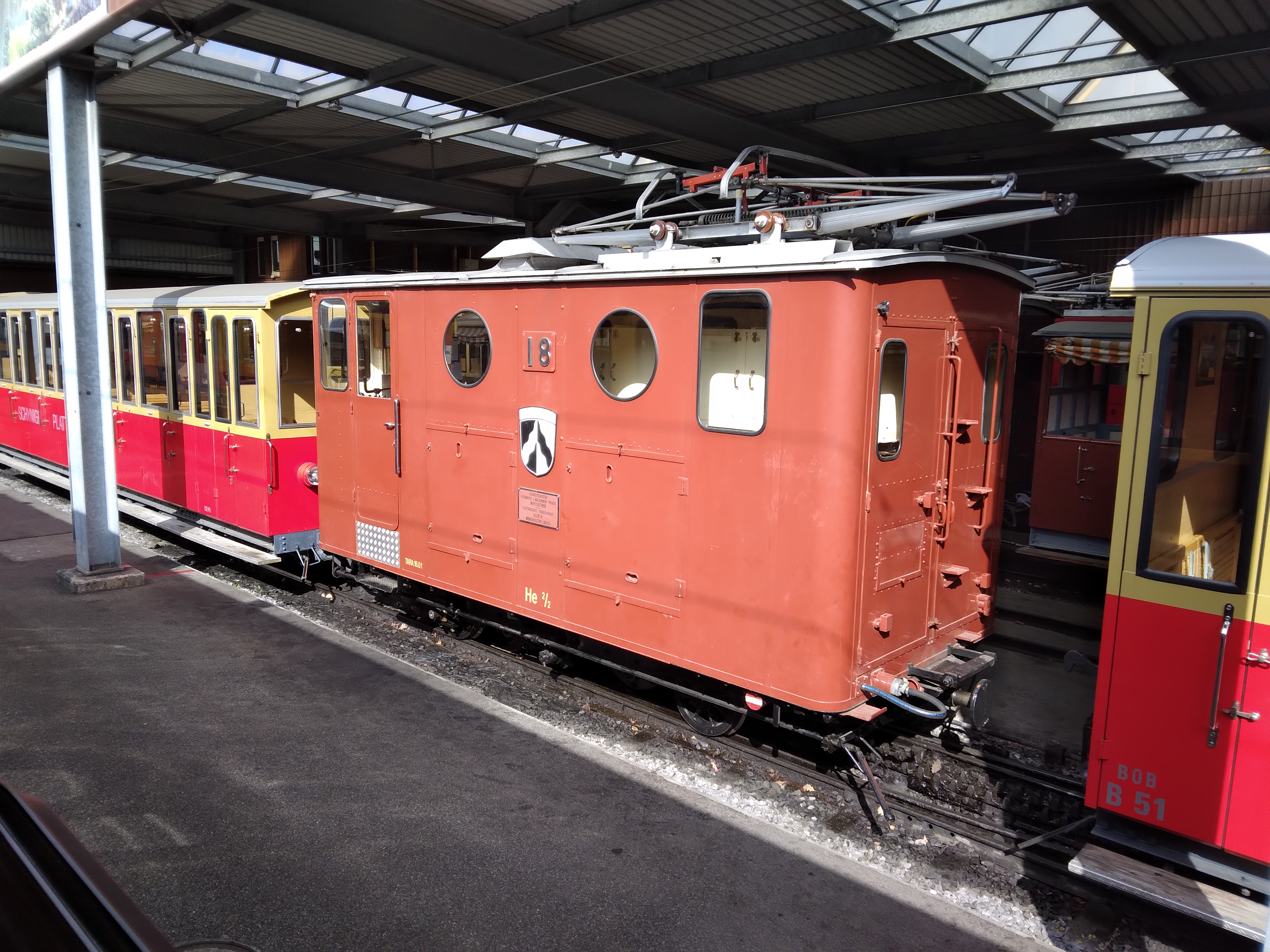
There are several special railway lines near Interlaken. One of them is the Schynige Platte-Railway. This rack railway is operated exclusively by historic locomotives from before the First World War.


imgp6554.JPG

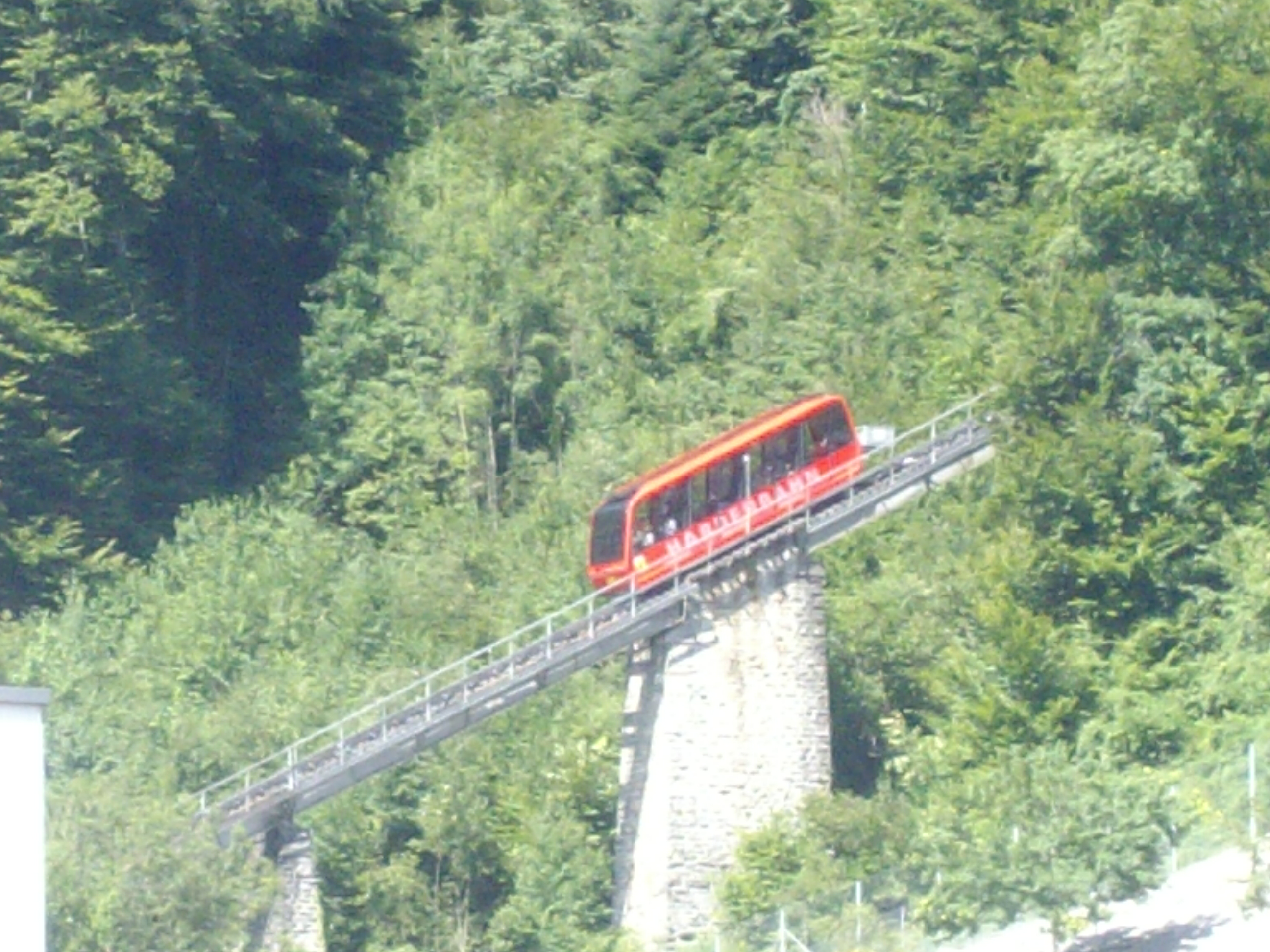
The Harderbahn(HB) is one of two operating funiculars from the town of Interlaken. Its highest elevation is 1305 m.


imgp0866.JPG

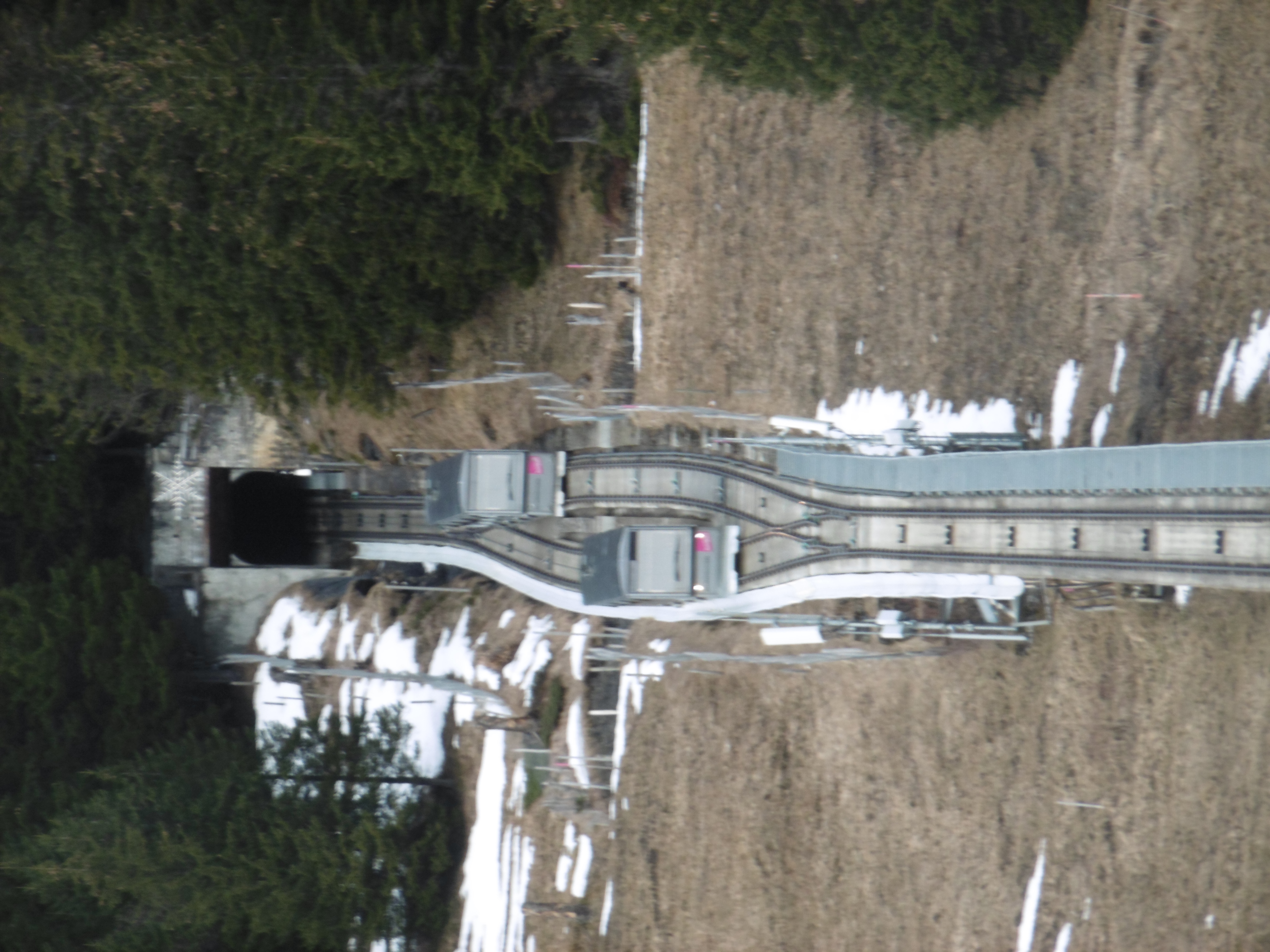
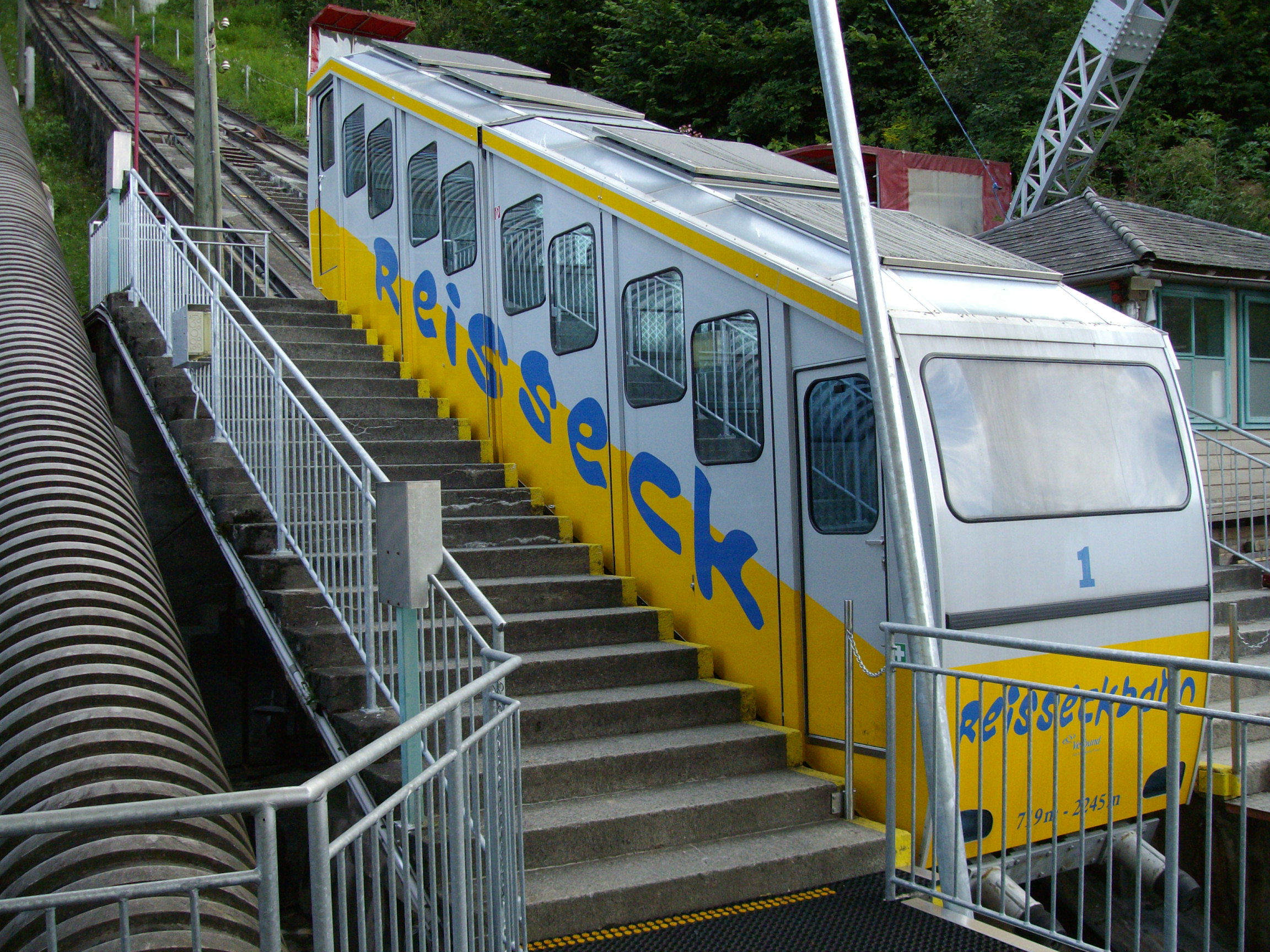
The Reisseckbahn was a system of 3 funiculars and a narrow gauge railway in Carinthia. The lowest funicular was the steepest, with an average gradient of 55% and a height difference of 551 meters. It was closed in 2016.


imgp0781.JPG

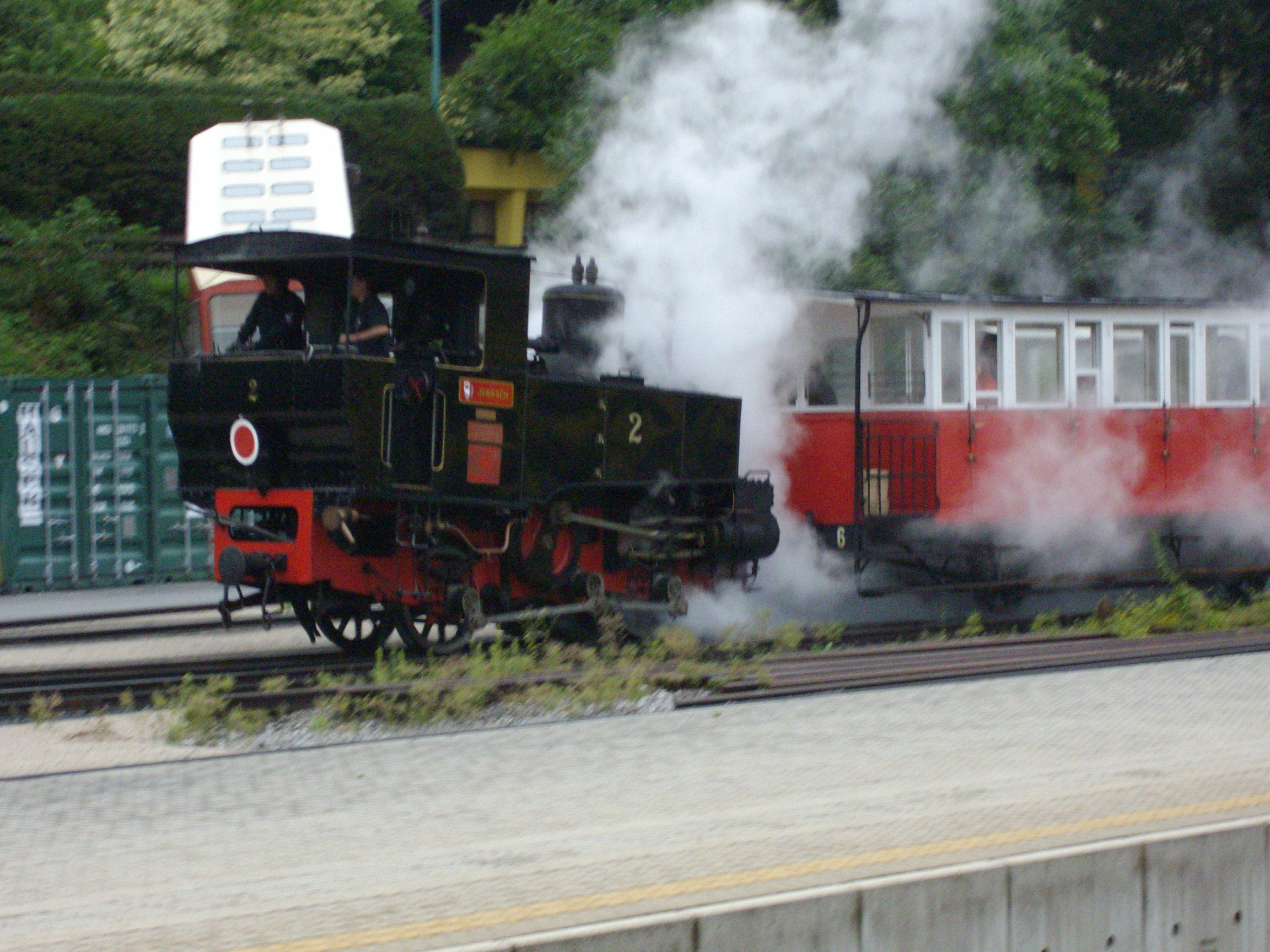
Achenseebahn rack railway in Tyrol (Austria) was opened in 1889. The origional steam locomotives.are still in use.


imgp7080.JPG

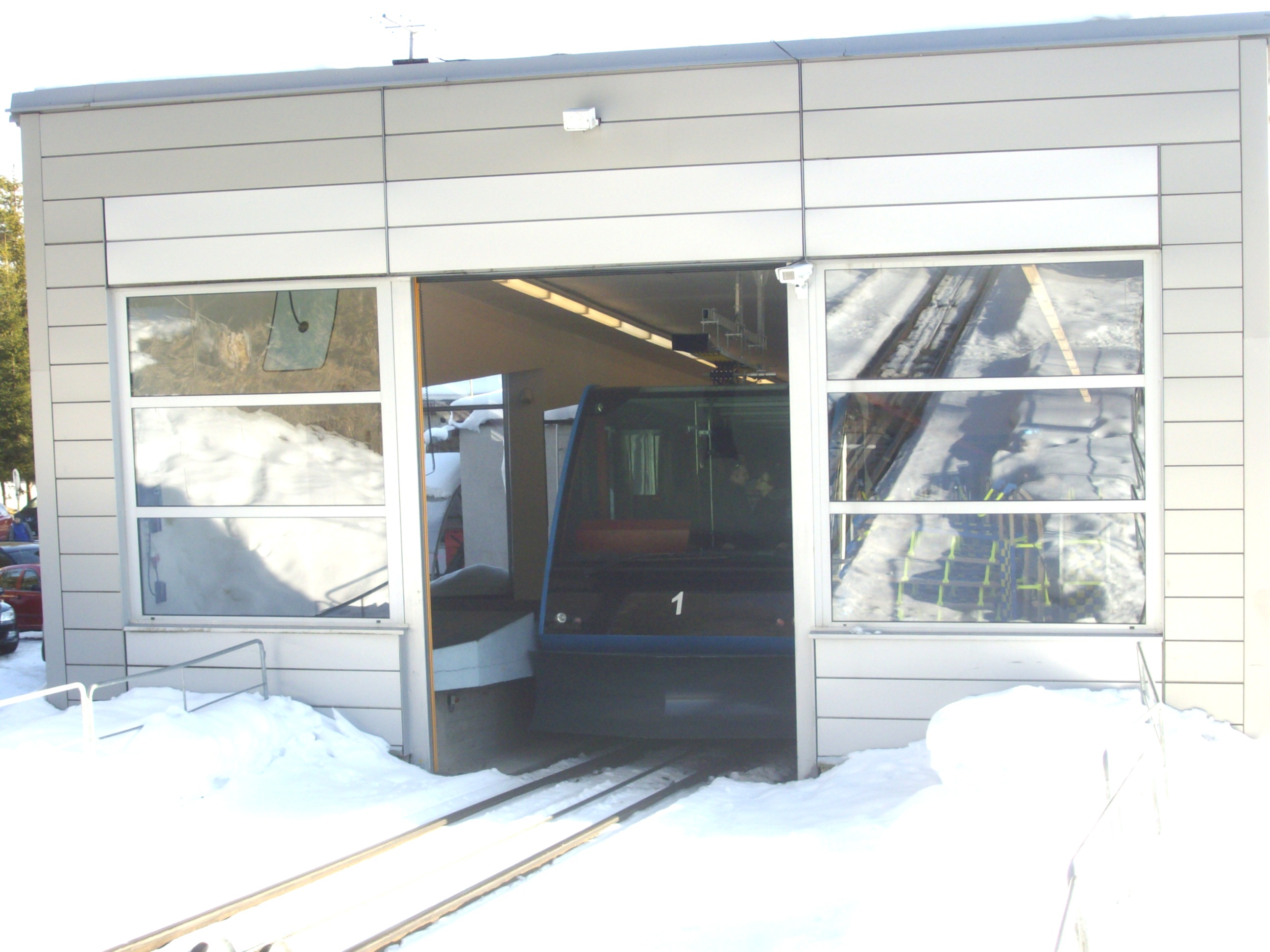
There is only one funicular in Slovakia between Stary Smokovec and Hrebienok. It was modernised in 2007.


imgp6418.JPG

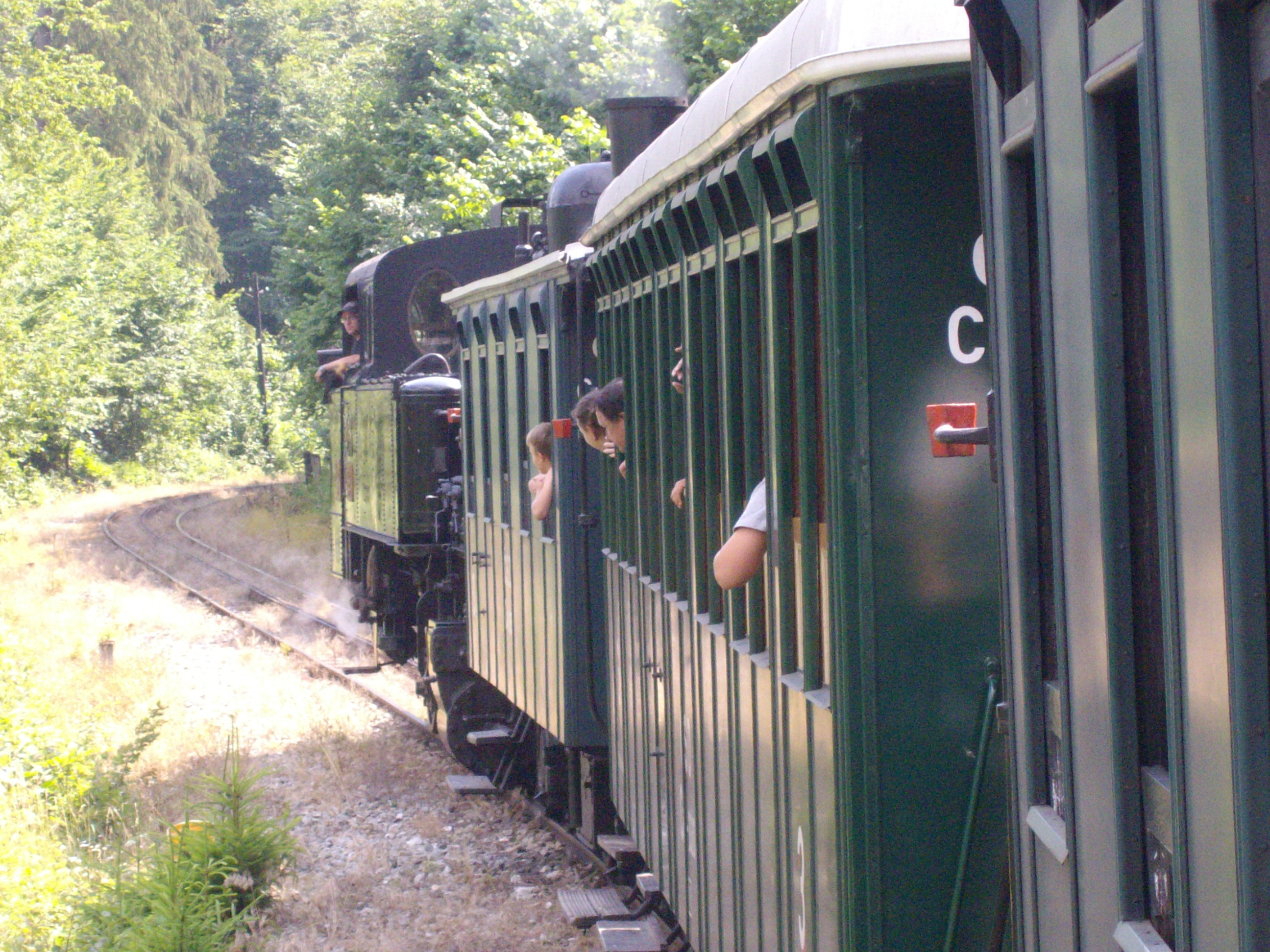
The railway line Tisovec - Brezno (Slovakia) was originally built with rack sections and later converted to adhesion track. In the 2010s, the rack sections were rebuilt and a historic steam locomotive runs on it in the summer.


imgp7432.JPG

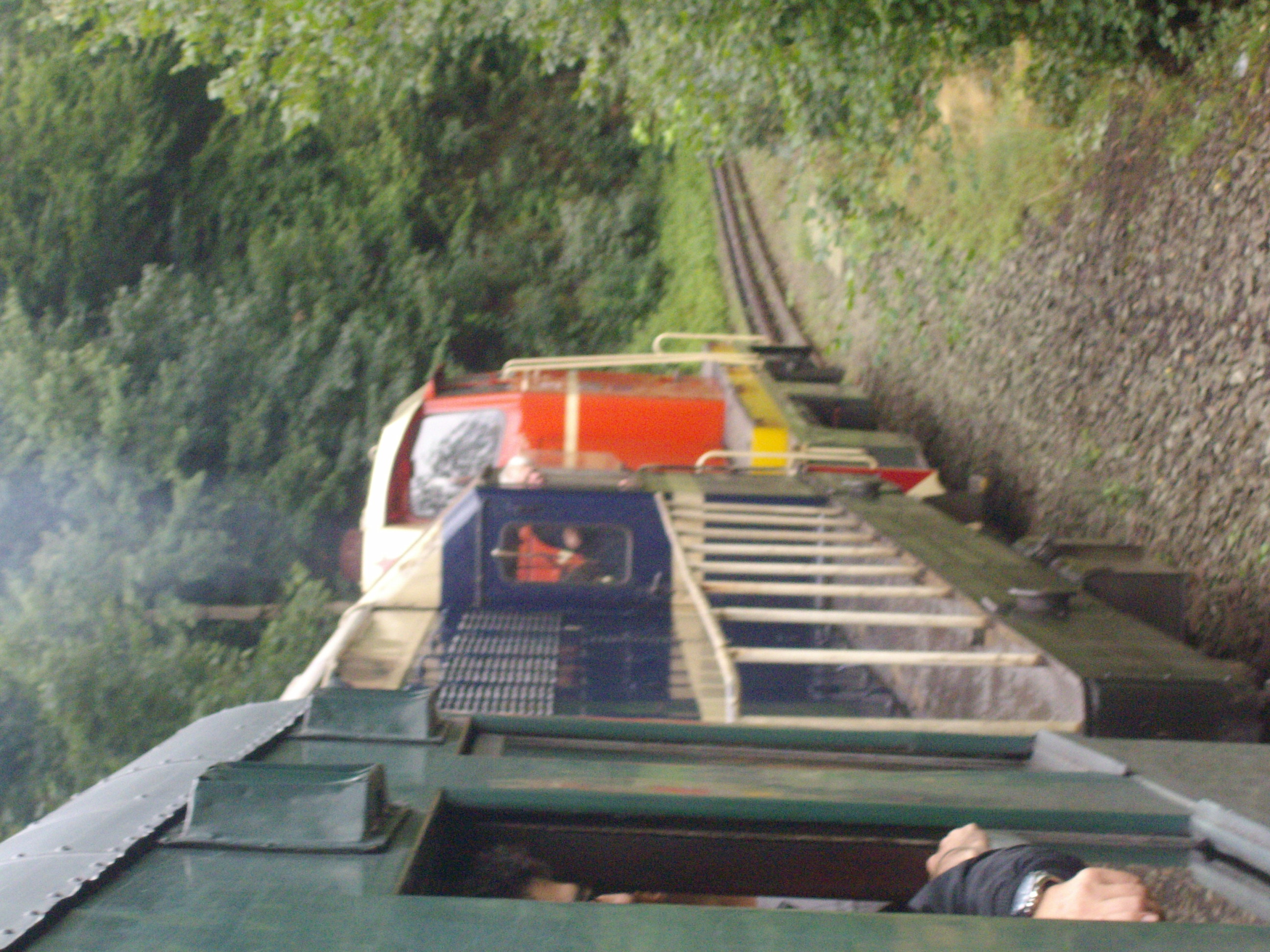
Like the previous one, the Tanvald - Kořenov line in the Czech Republic has only a reconstructed rack section. I traveled on it on a special train, the last locomotive of which (in the picture) used the rack.


p1110399.JPG

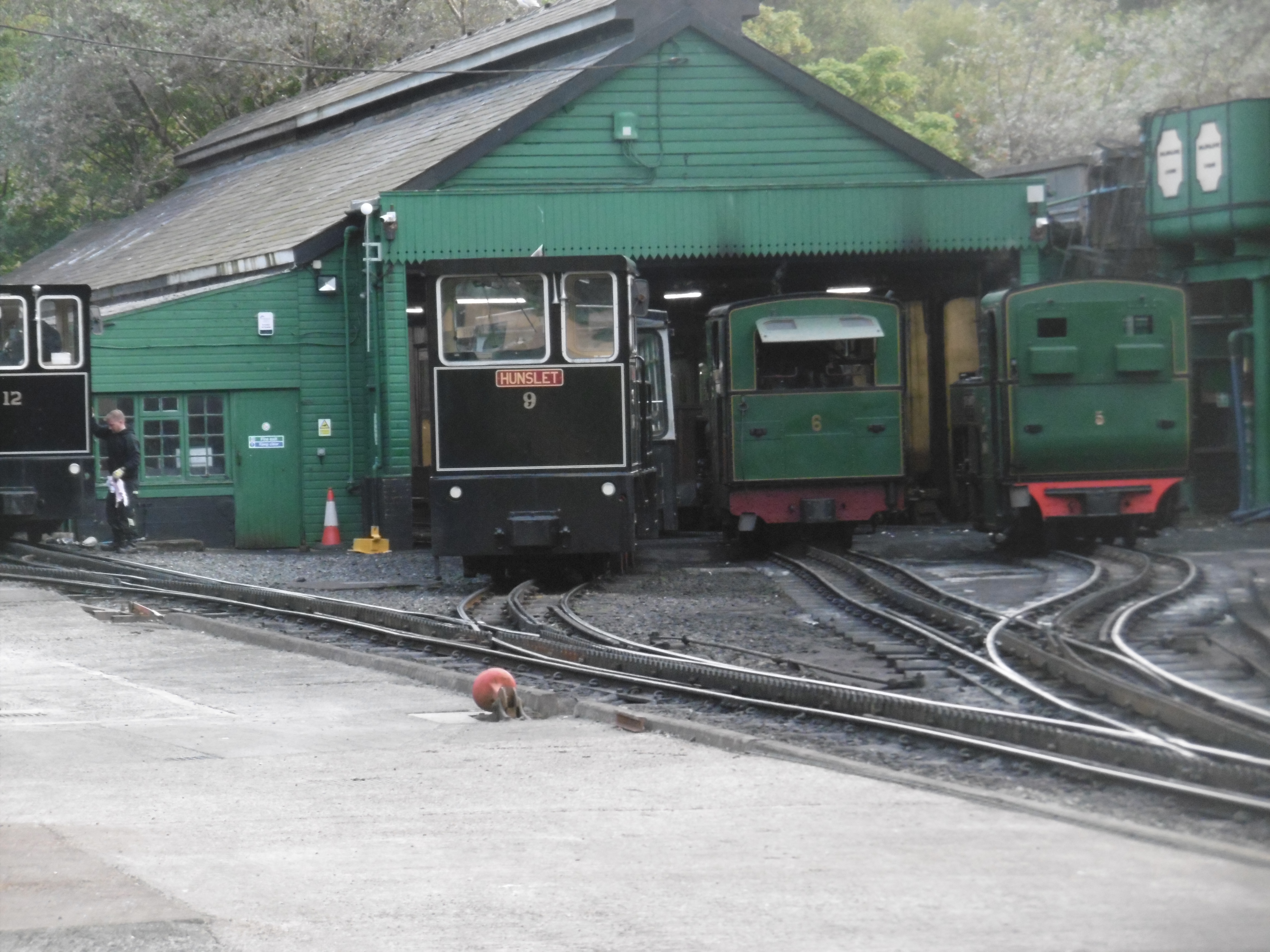
There is only one cogwheel railway in the UK, the Snowdon Mountain Railway in Wales, which opened in 1896. Diesel and steam locomotives are used, including one of the opening vehicles.


p1110285.JPG

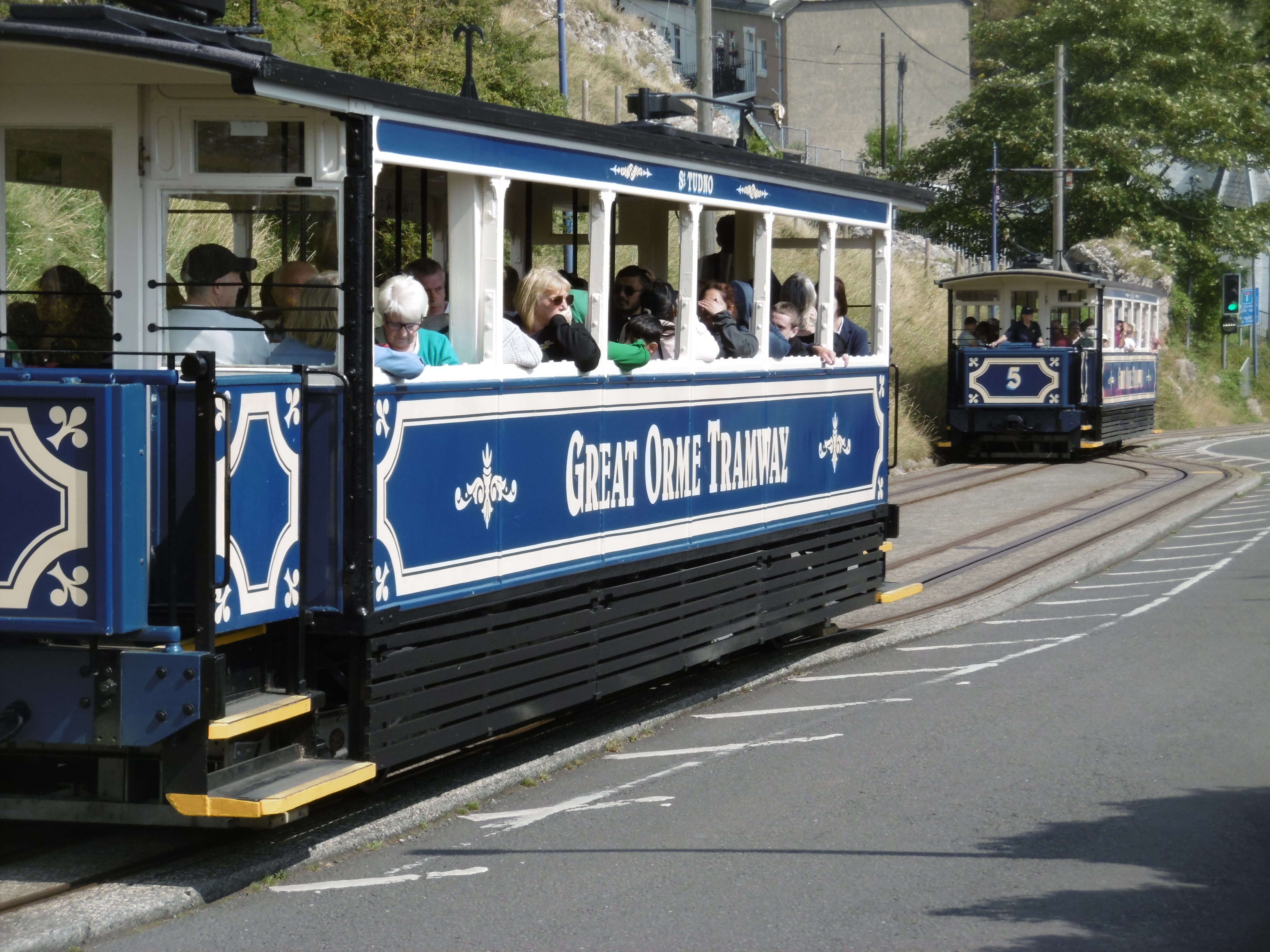
The Great Orme Tram is another famous special railway in Wales, and for a long time was the only funicular railway in the UK. Technically it has two separate funicular sections, the lower one running on the street.


p1110258.JPG

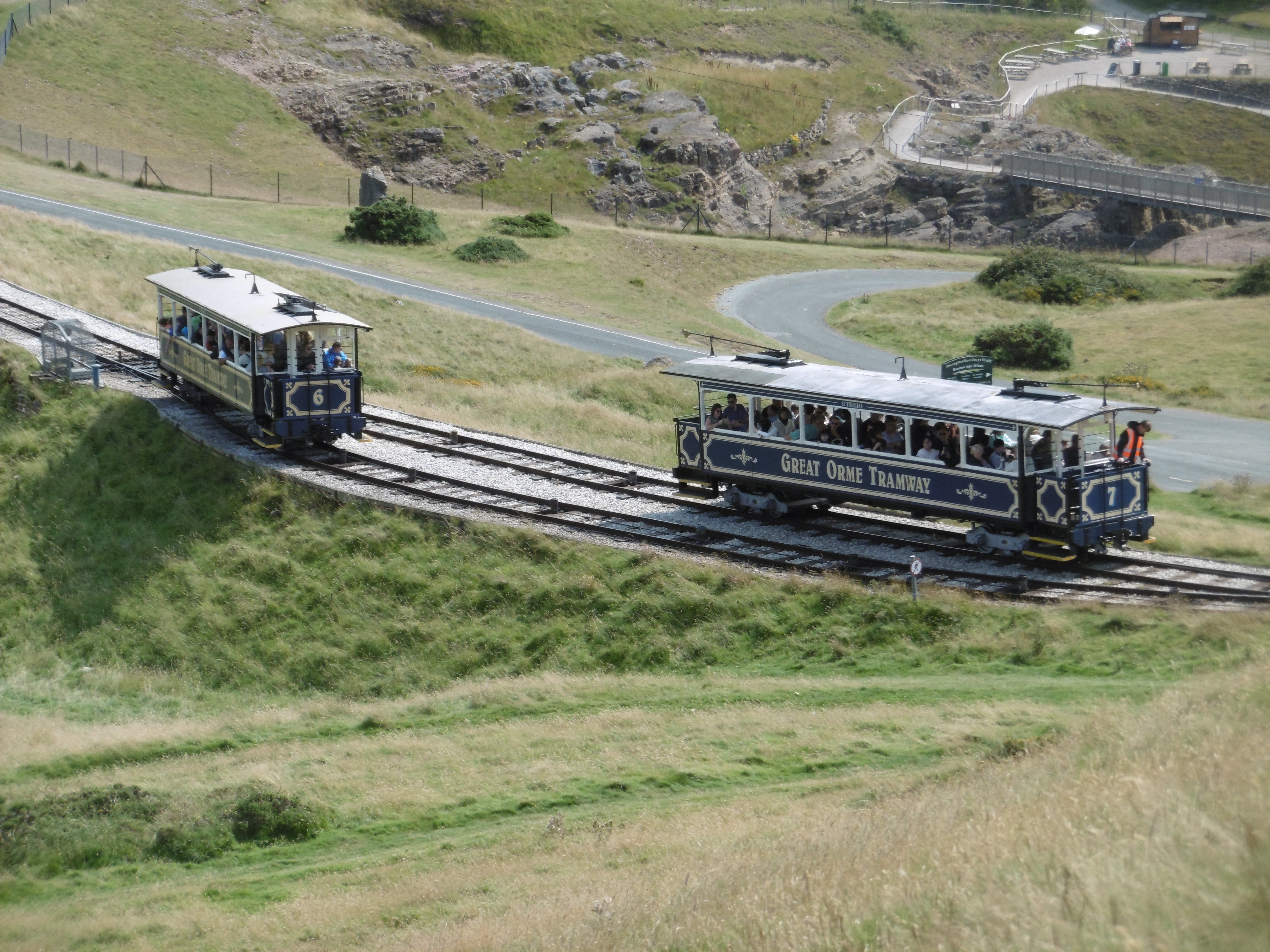
From near the endstation of the upper section (which opened in 1903), there are nice views of the sea or the funicular itself.


imgp5108.JPG

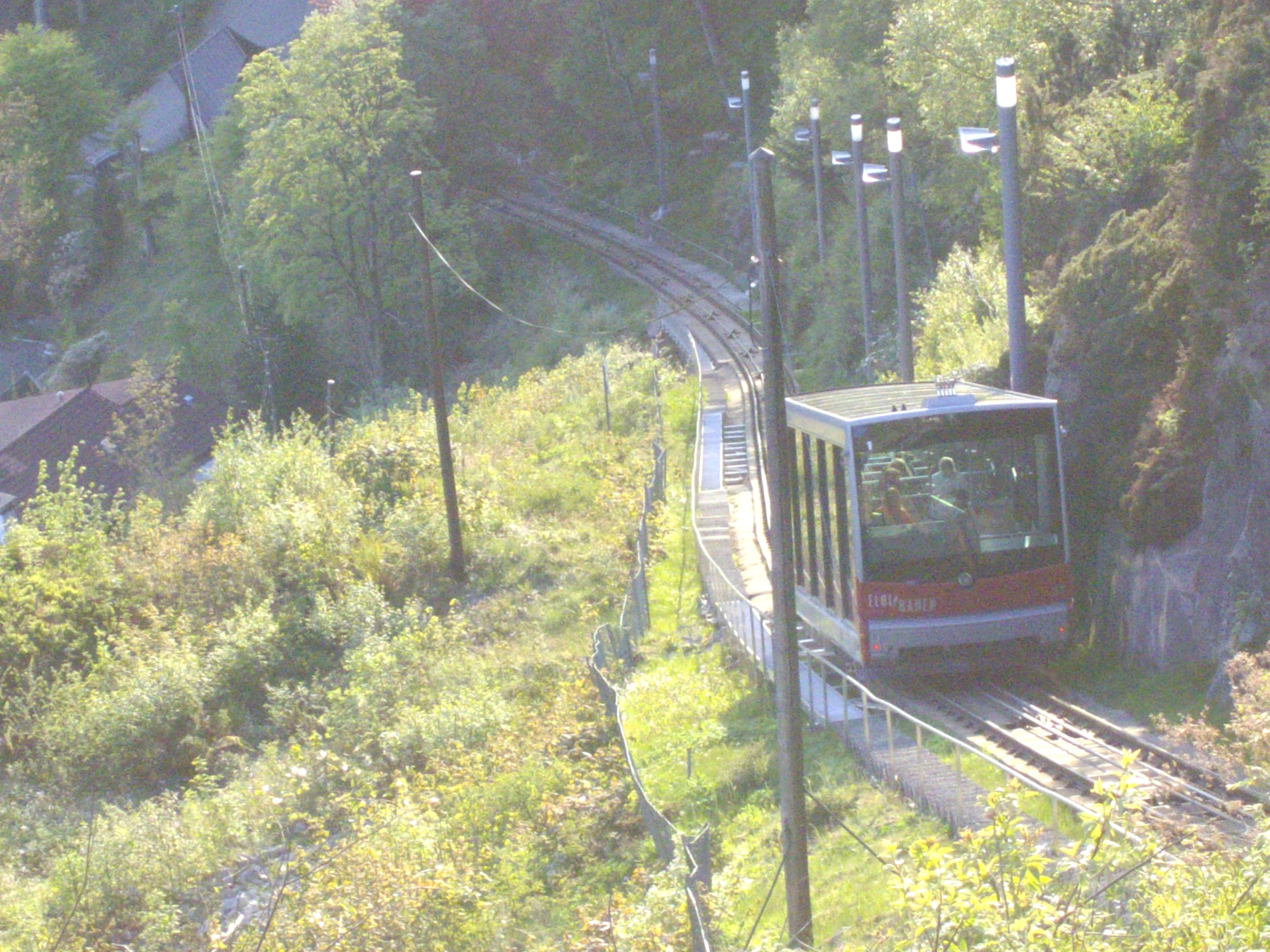
The Fløibanen funicular in Bergen, Norway, opened in 1918. It is a very popular tourist attraction, as it offers a picturesque panorama from Mount Fløyen.


p1070105_1.JPG

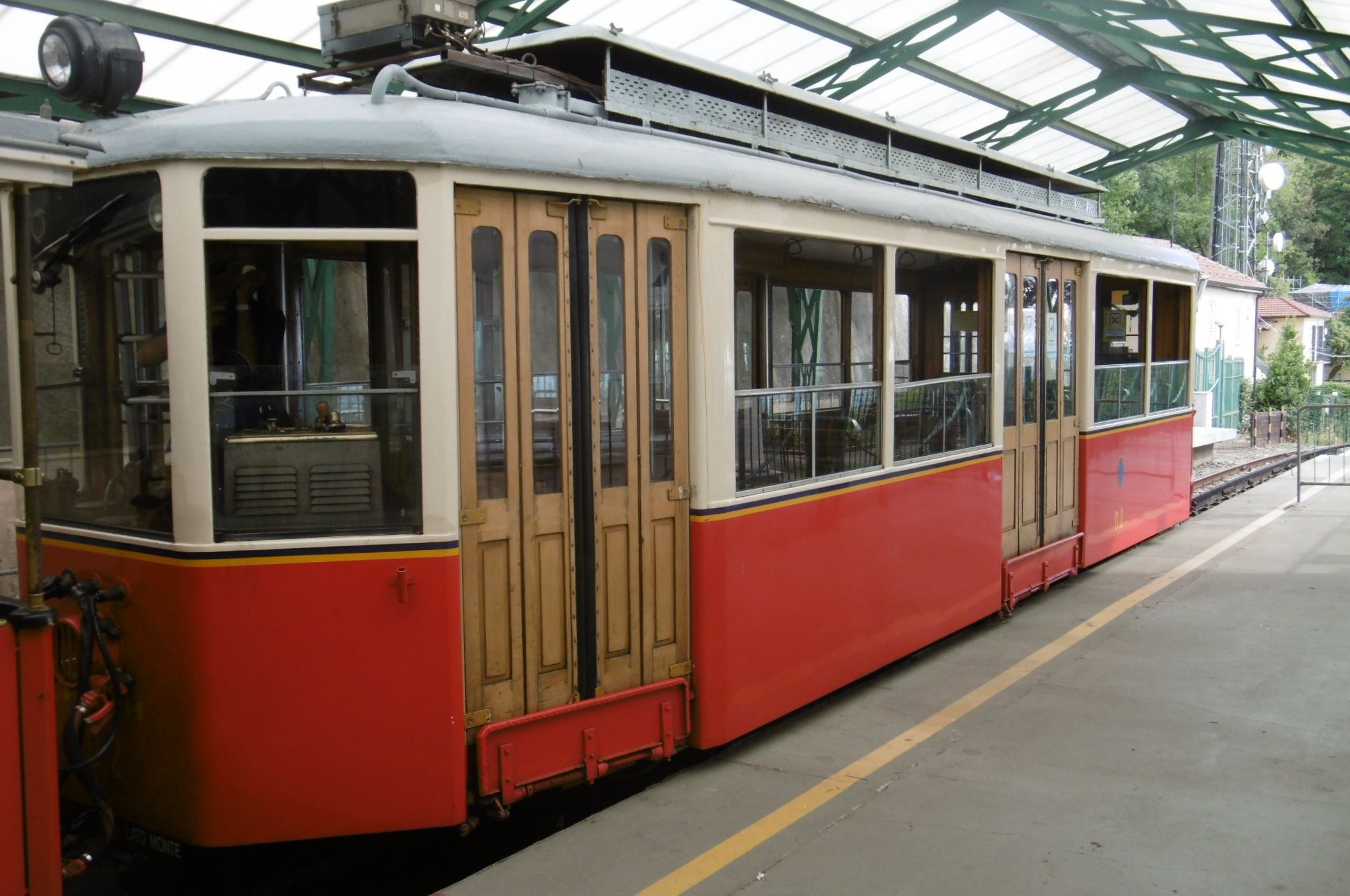
The Sassi - Superga line (in Turin) was opened as a special cable-driven cogwheel railway. It was converted into a traditional rack railway in 1934. From the Superga hill, there is a beautiful panorama of the city and the Alps.

Old electric locomotives and multiple units on the European tracks

I have already presented plenty of steam locomotives and old diesel vehicles in my 2 posts about European railway museums. But I hardly showed any electric railway vehicles, so I would like to do it in this article. I have seen these beautiful locomotives and EMU-s in operation, even I could travel by most of them. 


Electric locomotives from the 1950s

imgp6870.JPG

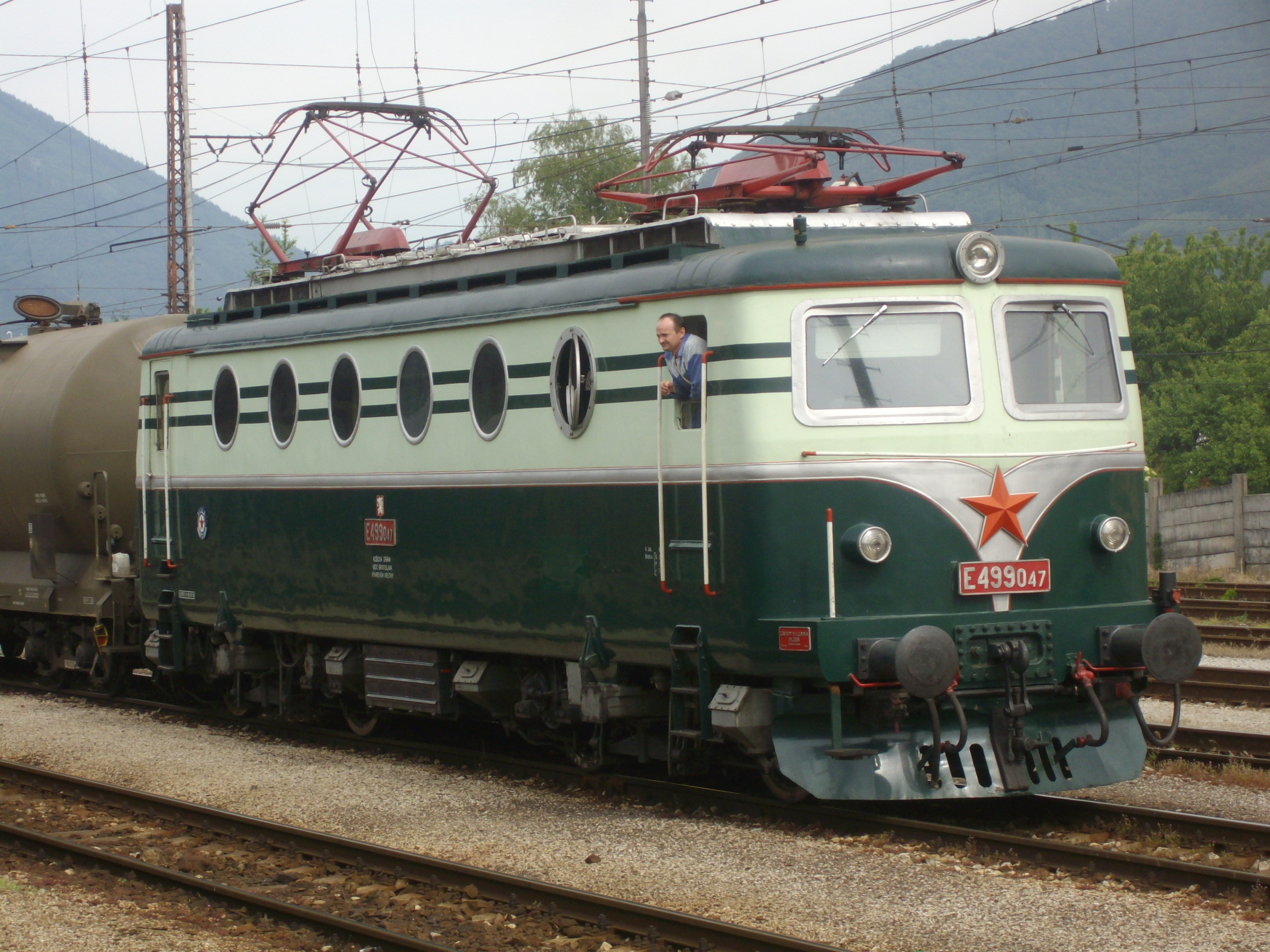
The ČSD E499.0 class locomotive was manufactured by the Škoda factory between 1953 and 1958. Similar locomotives were delivered to the Soviet Union and even to North Korea. This locomotive has traditional colors and runs in Slovakia. I traveled with another one (E499.0 052), which is owned by the Arriva group.


elmenyvonat2.JPG

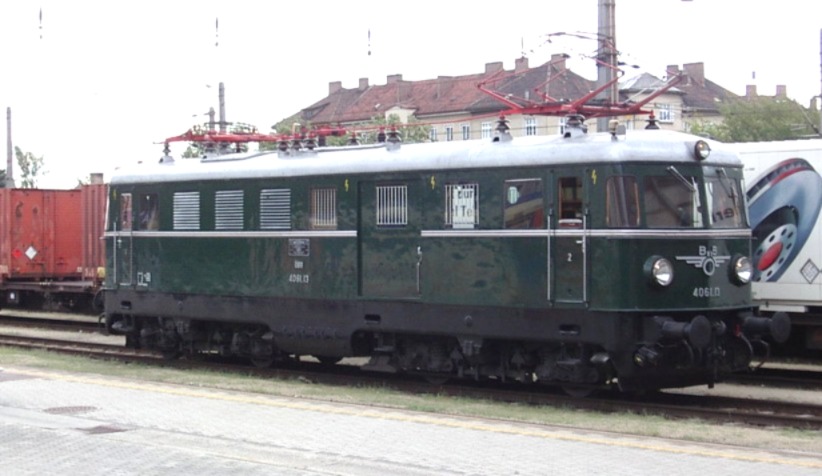
The ÖBB Class 4061 locomotives used to pull express trains. They had luggage space inside the locomotive. In 2007 and 2008 I saw it pulling the Erlebniszug between Vienna and Krems. Since 2015 it has been owned by Club 1018 and sometimes runs in special trains.


Electric locomotives and multiple units from the 1960s


imgp4516.JPG

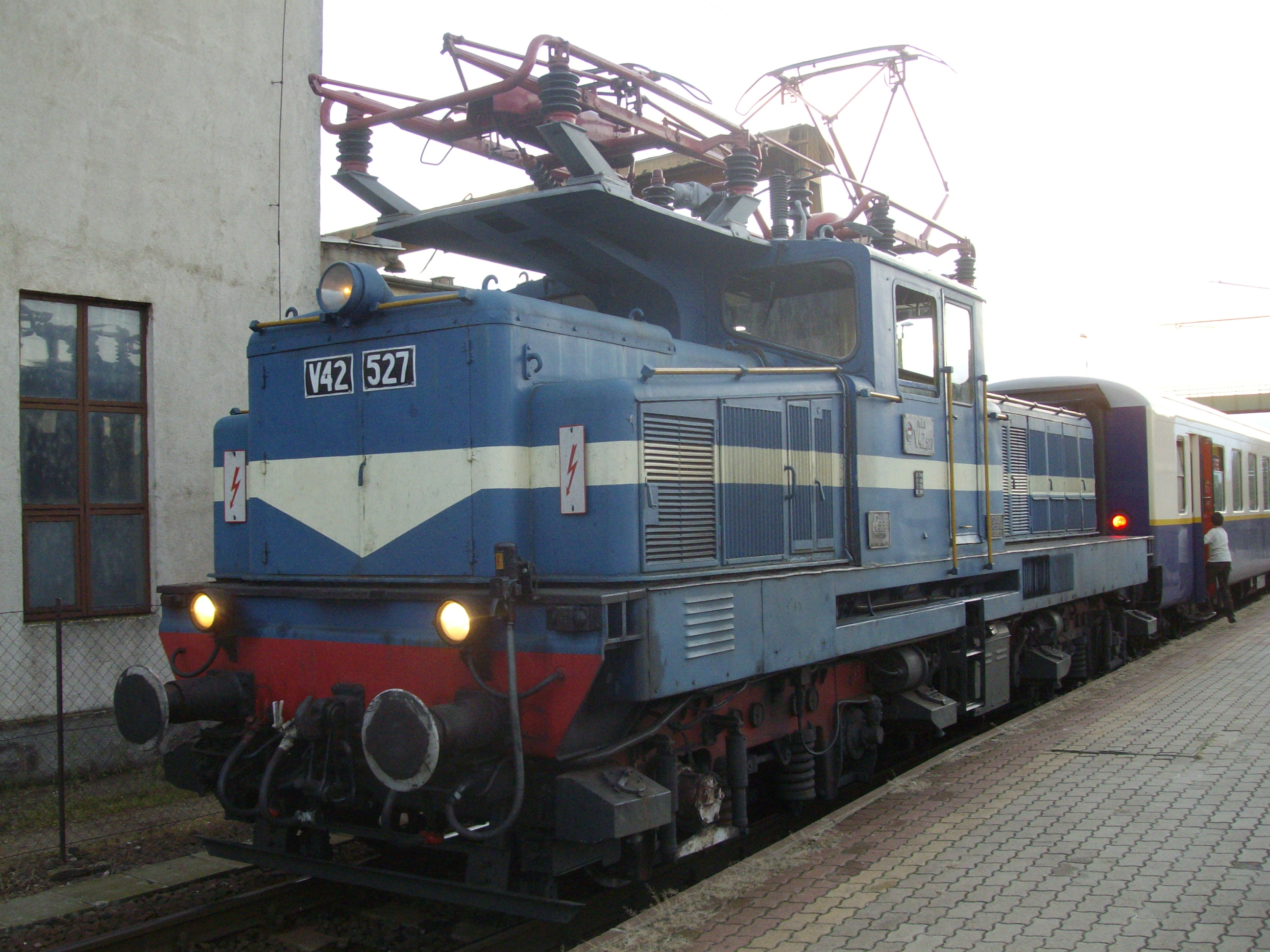
The MÁV class V42 locomotives were built by Ganz between 1961 and 1966. Their vehicle structure is the same as the MÁV class V41 locomotives (built between 1958 and 1962), only the electrical components differ. It pulled sometimes special trains but unfortunately it has been out of service for few years.


20240917_132004.jpg

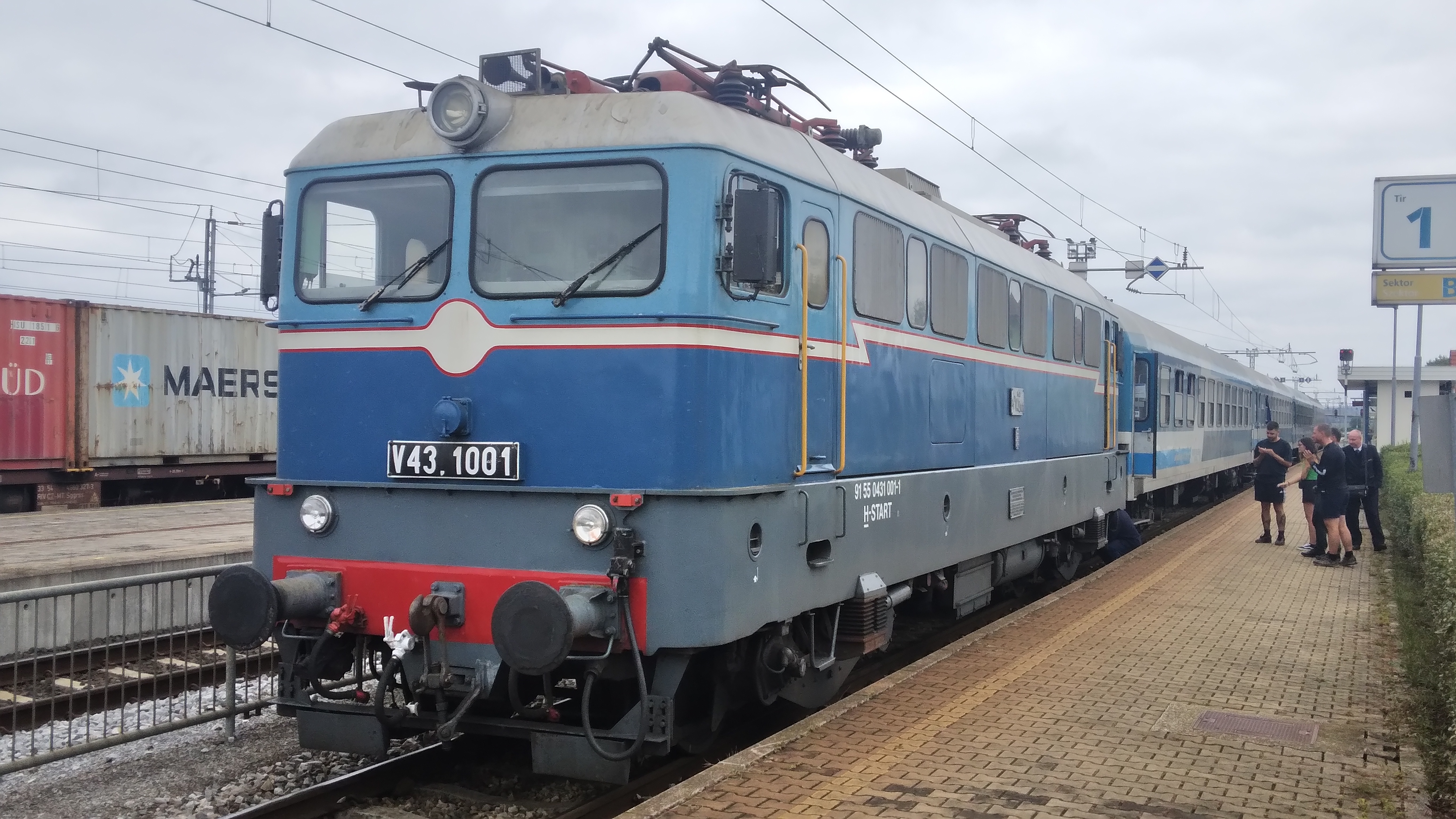
The Western European "Groupment 50Hz" designed MÁV class V43 locomotives. The first 7 locos were built in Essen, the next 372 under license by Ganz in Budapest. In the picture you can see the 1st one of this series from 1963 which still takes part of daily traffic.


imgp6612.JPG

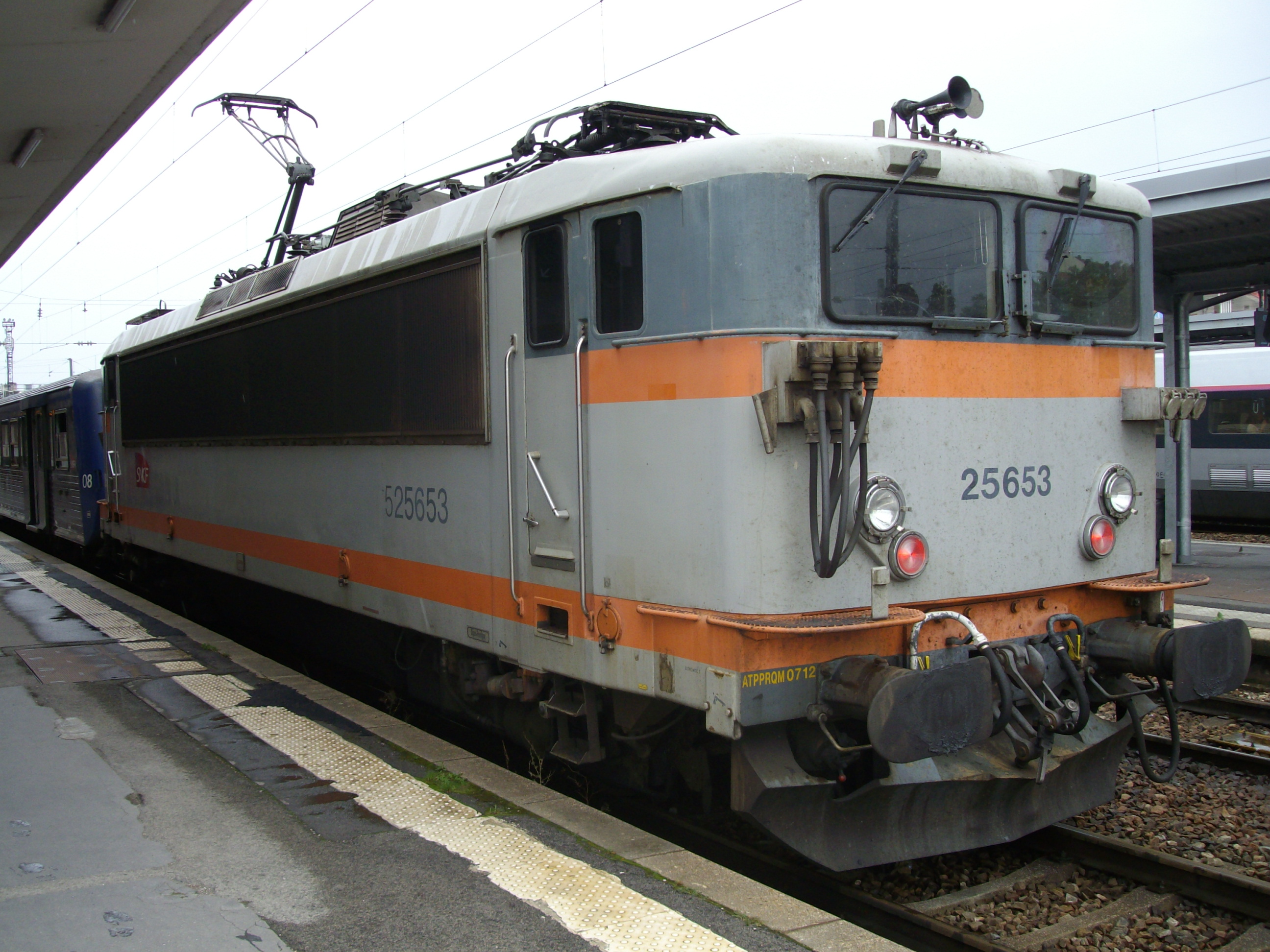
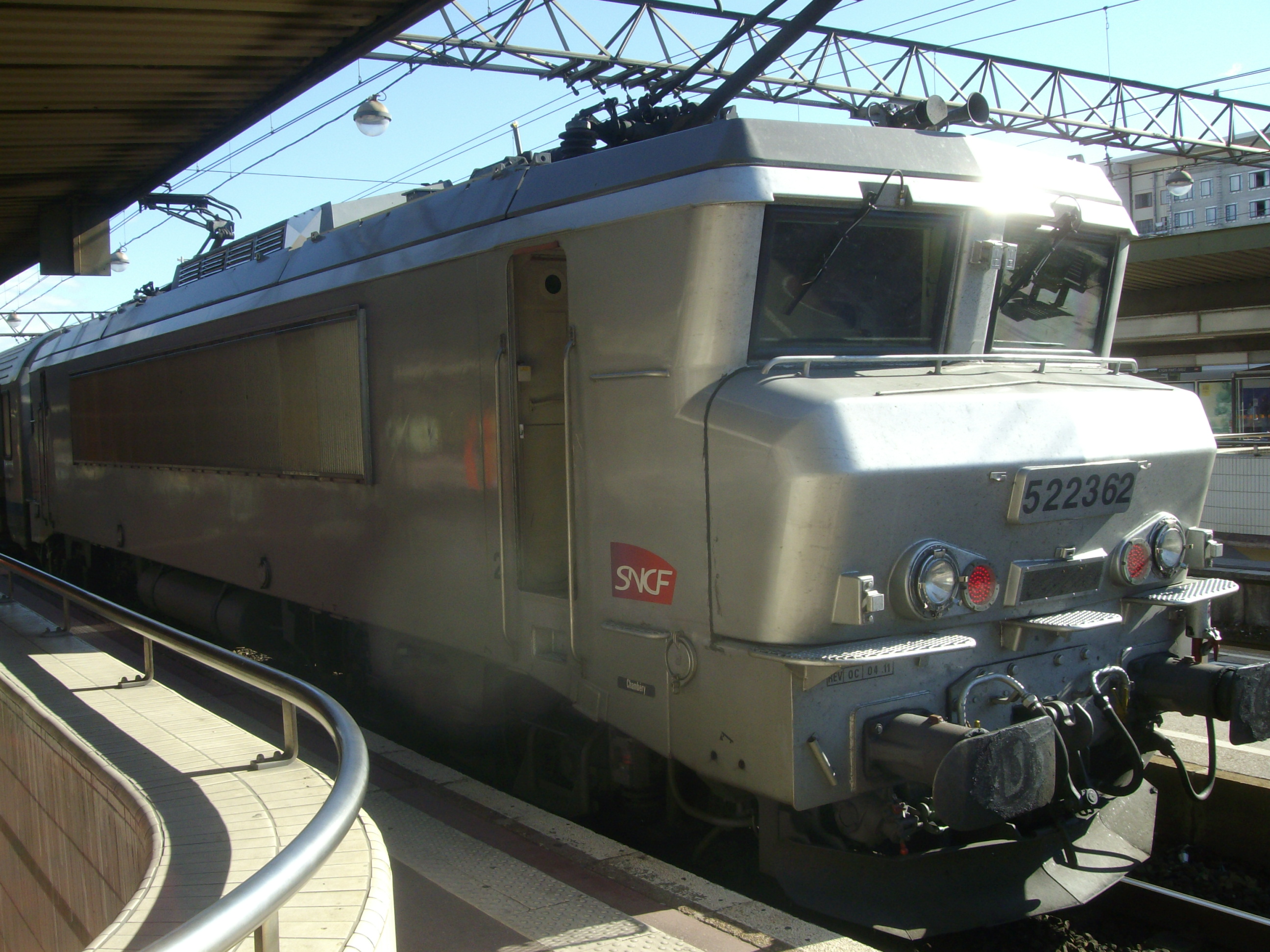
 The SNCF Class BB 25500 is a close relative of MÁV class V43. They were built by Alsthom between 1964 and 1976. I managed to travel by it also its homeland, in France, however it is no more possible. But the "Regio Calatori" Romanian company still operates some of this type in passenger trains between Bucuresti and Brasov.


imgp2321.JPG

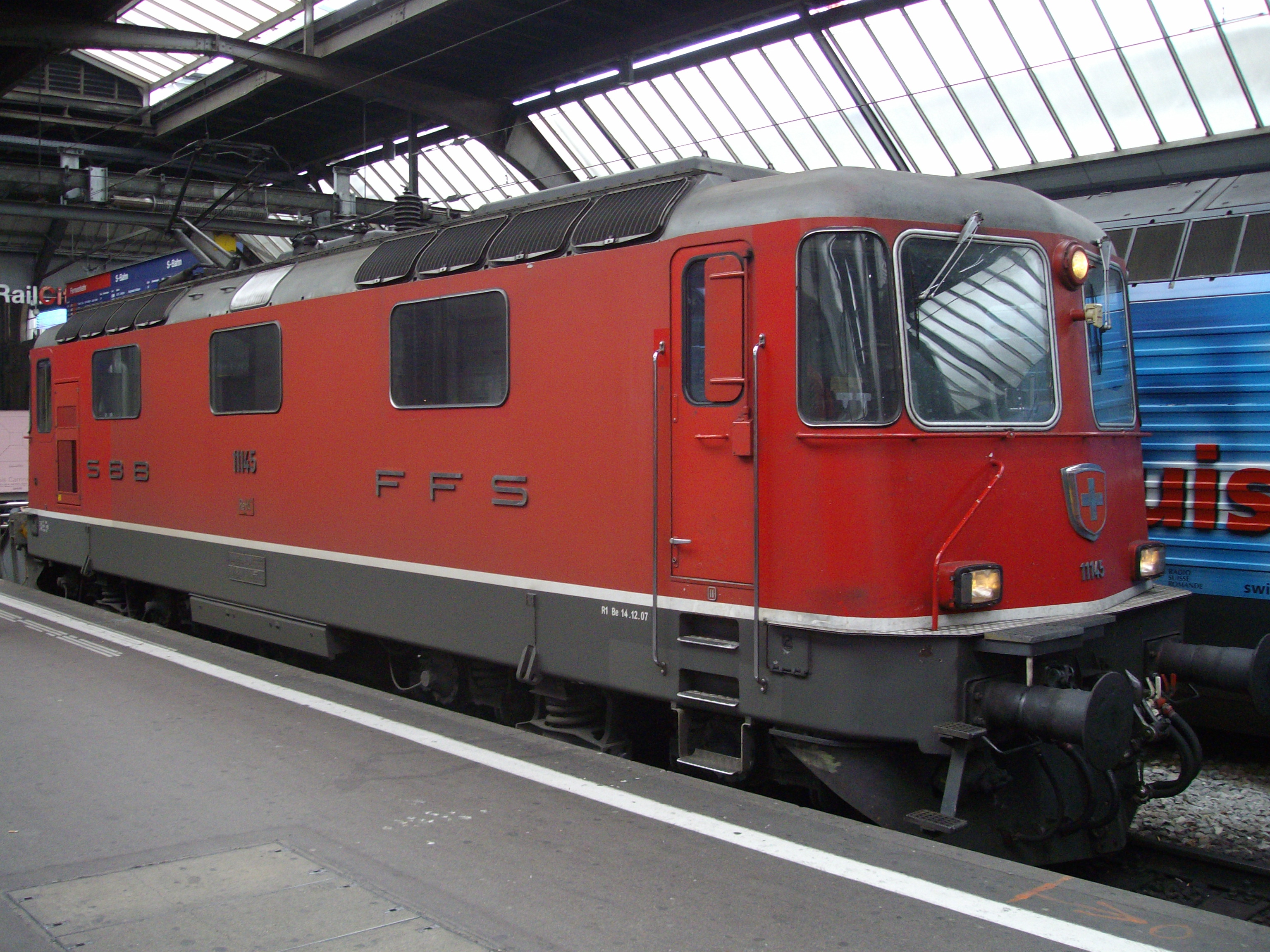
The SBB class Re 4/4II is an iconic series of Swiss locomotives. They were produced by different Swiss factories between 1964 and 1985. The picture shows number 11145 which was built in 1965. Only few of this locomotives are still used in passenger trains.


imgp3807.JPG

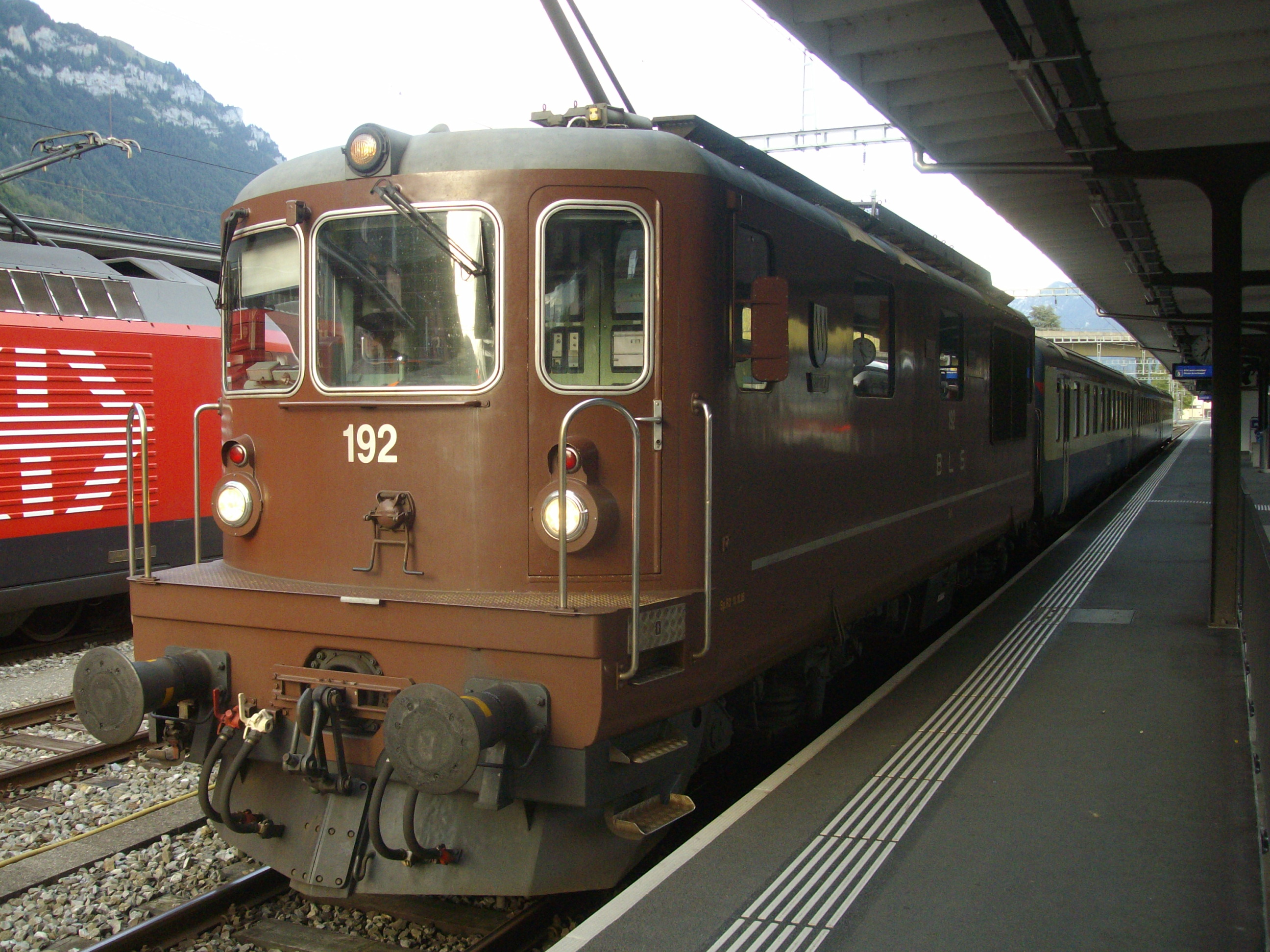
The BLS Re 4/4 class 425 is another legendary type in Switzerland (built between 1964 and 1982). I was lucky enough to travel by one in 2012. Some of them are still in rare use for a while, but no longer in passenger trains.


imgp4742.JPG

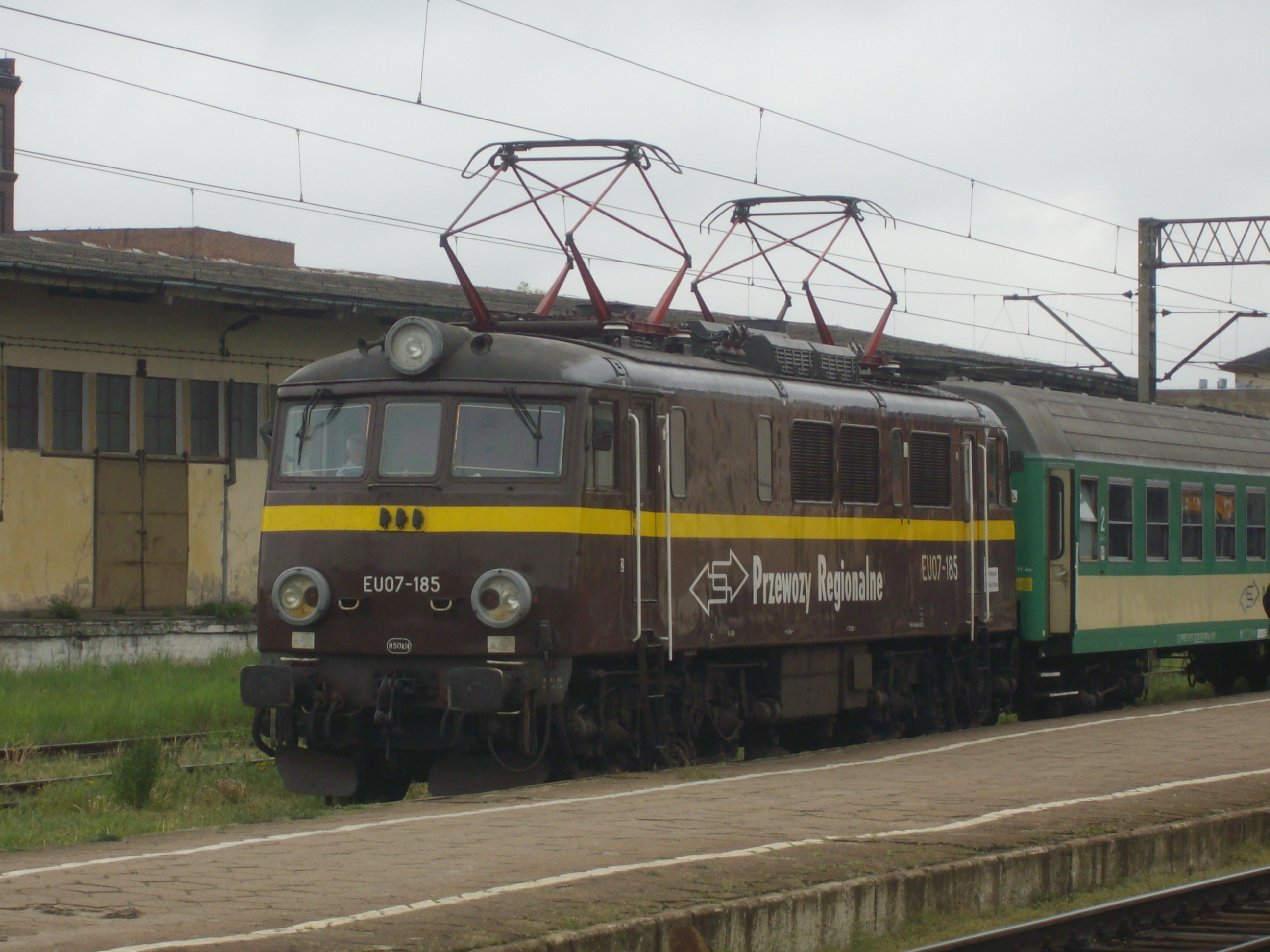
The PKP class EU07 is an iconic series of electric locomotives in Poland. They were manufactured by Pafawag (Wrocław) and Cegielski (Poznań) between 1965 and 1974, with modifications also between 1983 and 1994. I took this photo in Leszno in 2014.


imgp2525.JPG

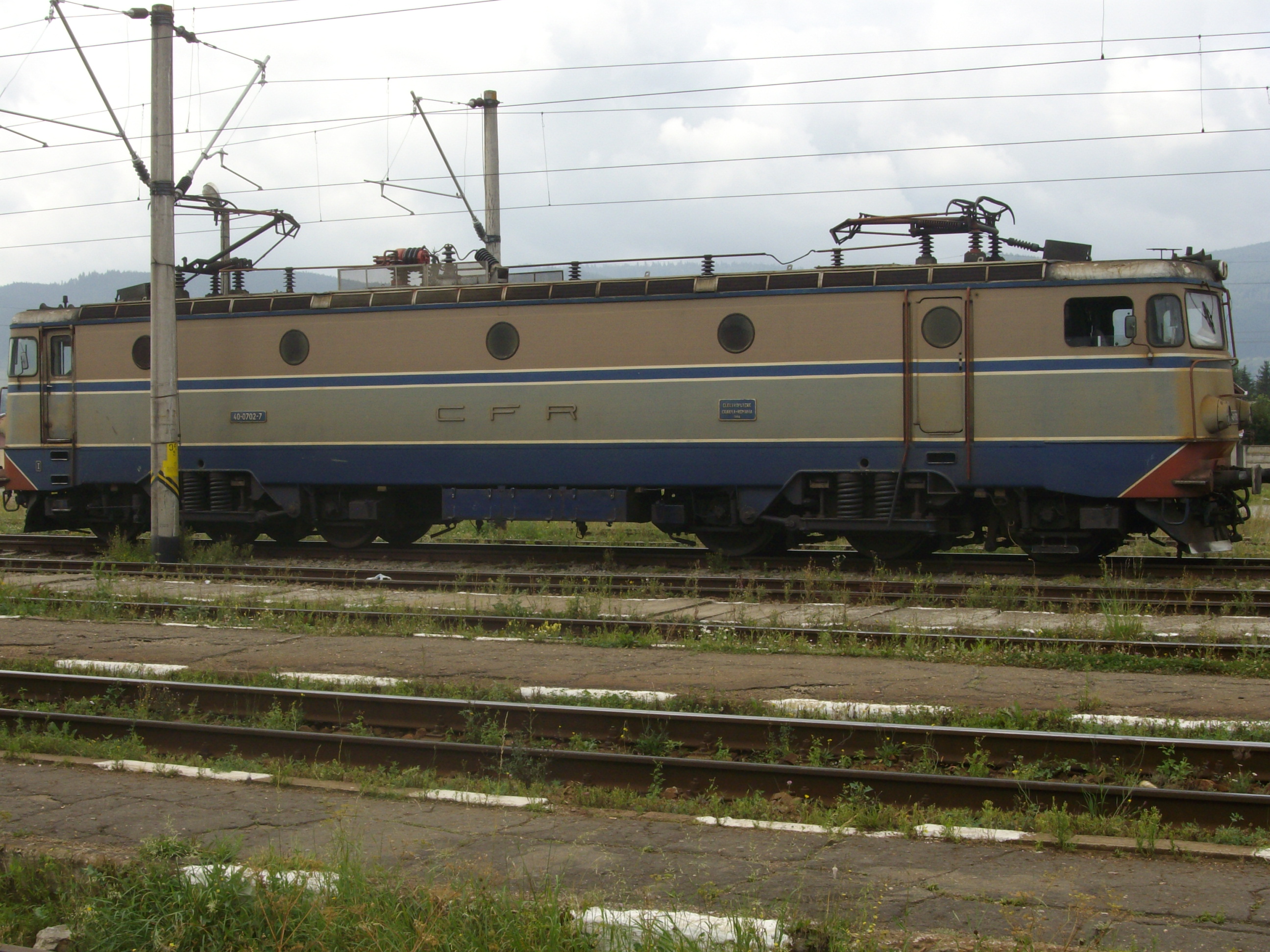
The CFR Class 40 locomotives were built by Electroputere Craiova under ASEA license from 1967 until 1991 with modifications. They are powerful electric locos, most of them still run. The picture shows the tradiional colours. The Romanian factory built also 4-axle ASEA locomotives and several locos was exported to fomer Yugoslavia.


imgp1228.JPG

Yugoslavia also purchased a license to manufacture four-axle electric locomotives from ASEA, but the first ones were manufactured in Sweden or Austria. The machine shown in the picture was manufactured by Simmering-Graz-Pauker in 1968. Between 1970 and 1987, factories in Yugoslavia, including Končar, produced this series.


imgp1223.JPG

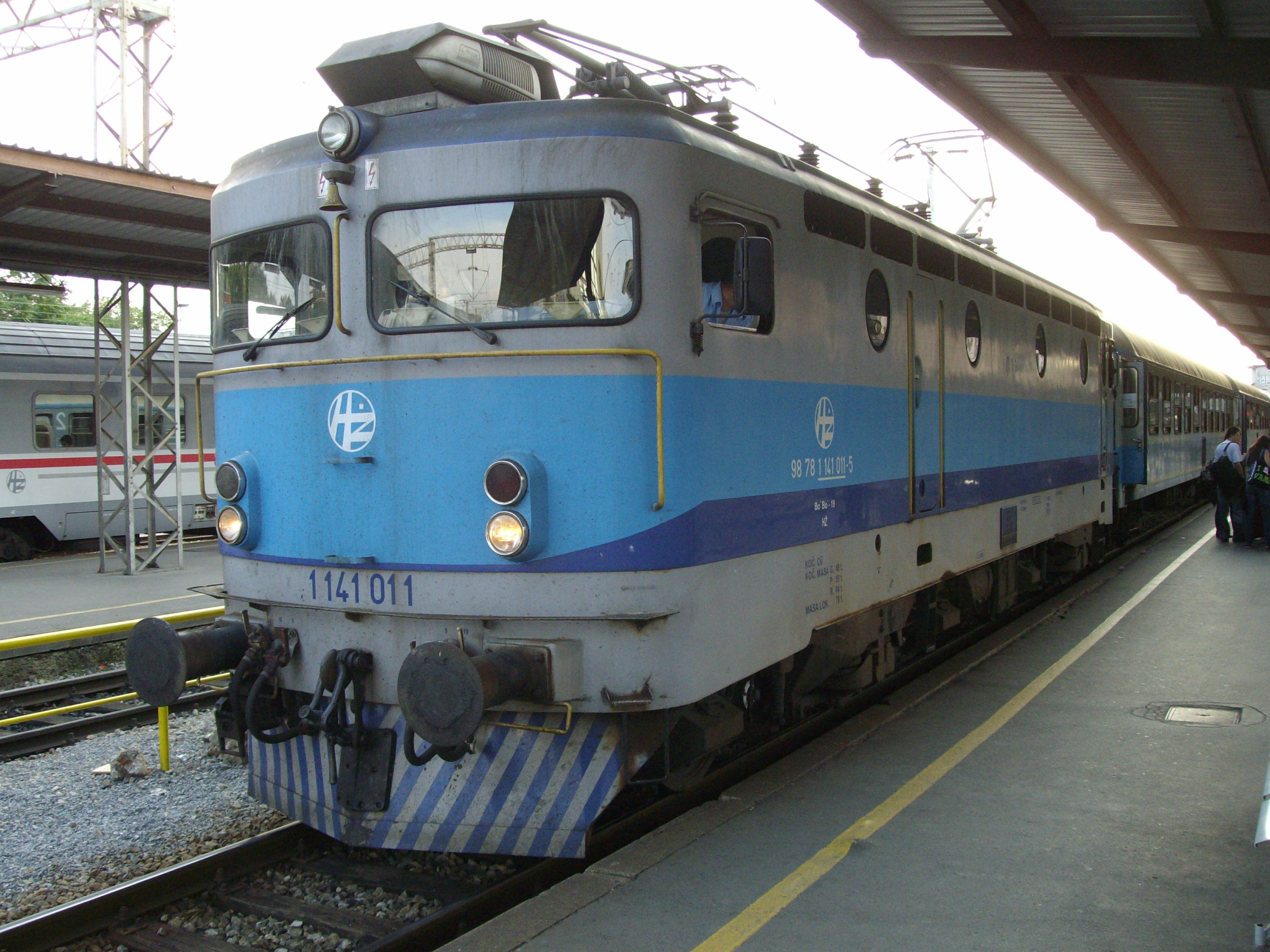
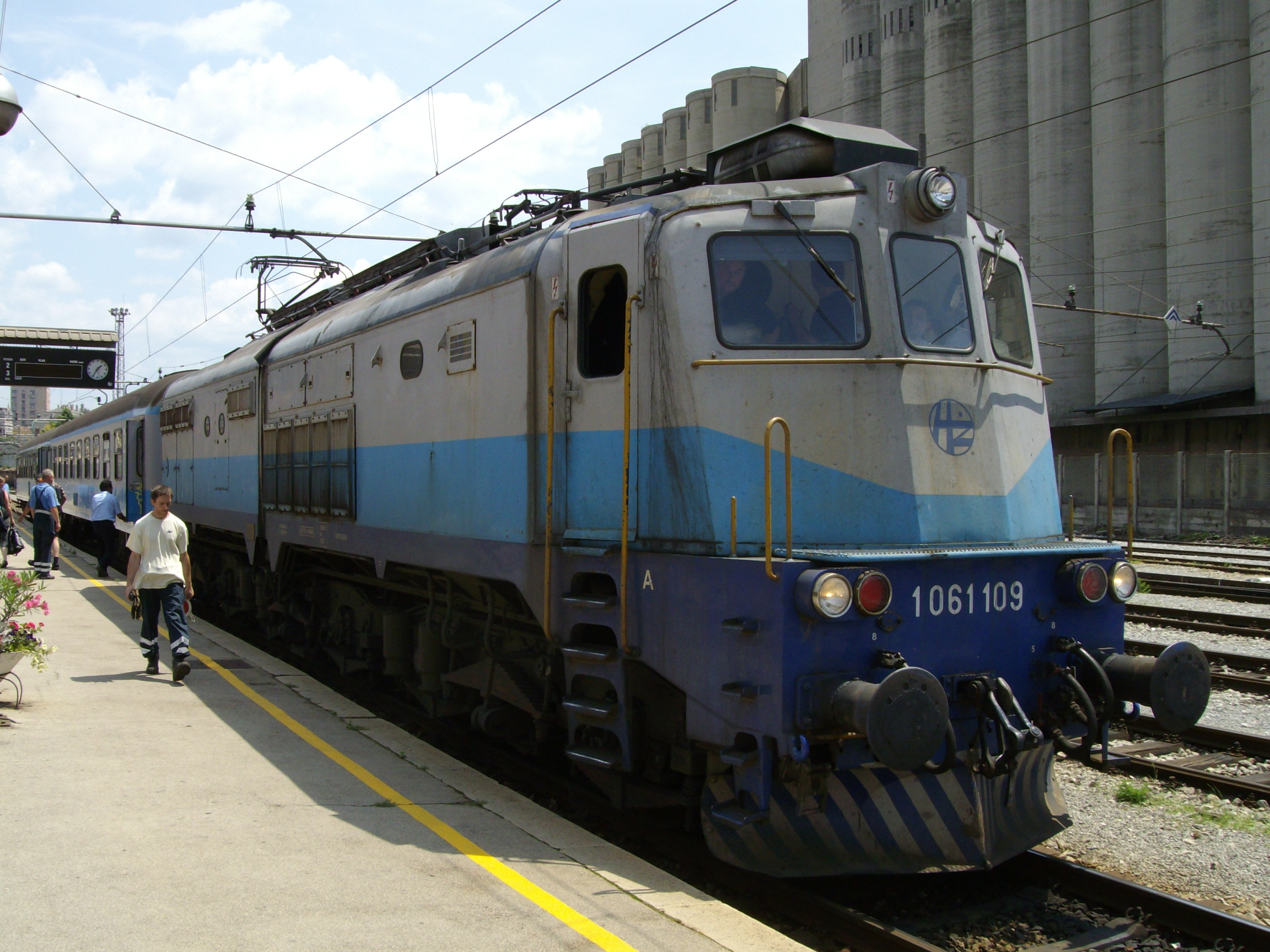
 HŽ series 1061 was a 6-axle articulated electric locomotive series used the 3 KV DC electrical system. They were manufactured by Ansaldo and Breda between 1960 and 1968 (109.1 series shown in the picture in 1968). They served until 2012 when the electriy sytem was converted to the 25 KV AC. I traveled by it in 2009 to Rijeka.


 imgp1084.JPG

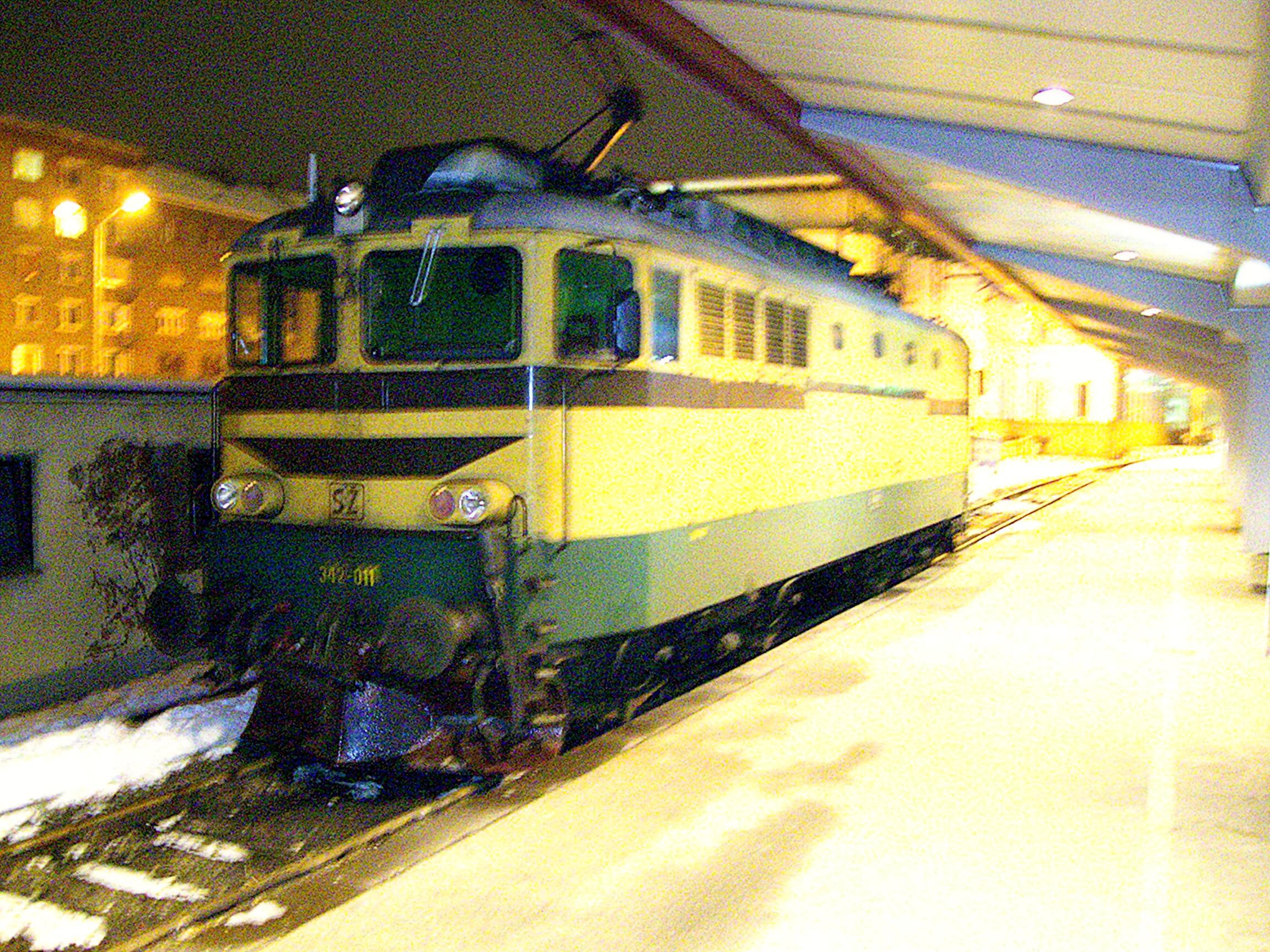
 The Slovenian Railways use 3 KV DC electric system so they have different locomotives. The SŽ 342 series was in delivered between 1968 and 1970. They still run in passenger trains and light freight trains. 


imgp4102.JPG

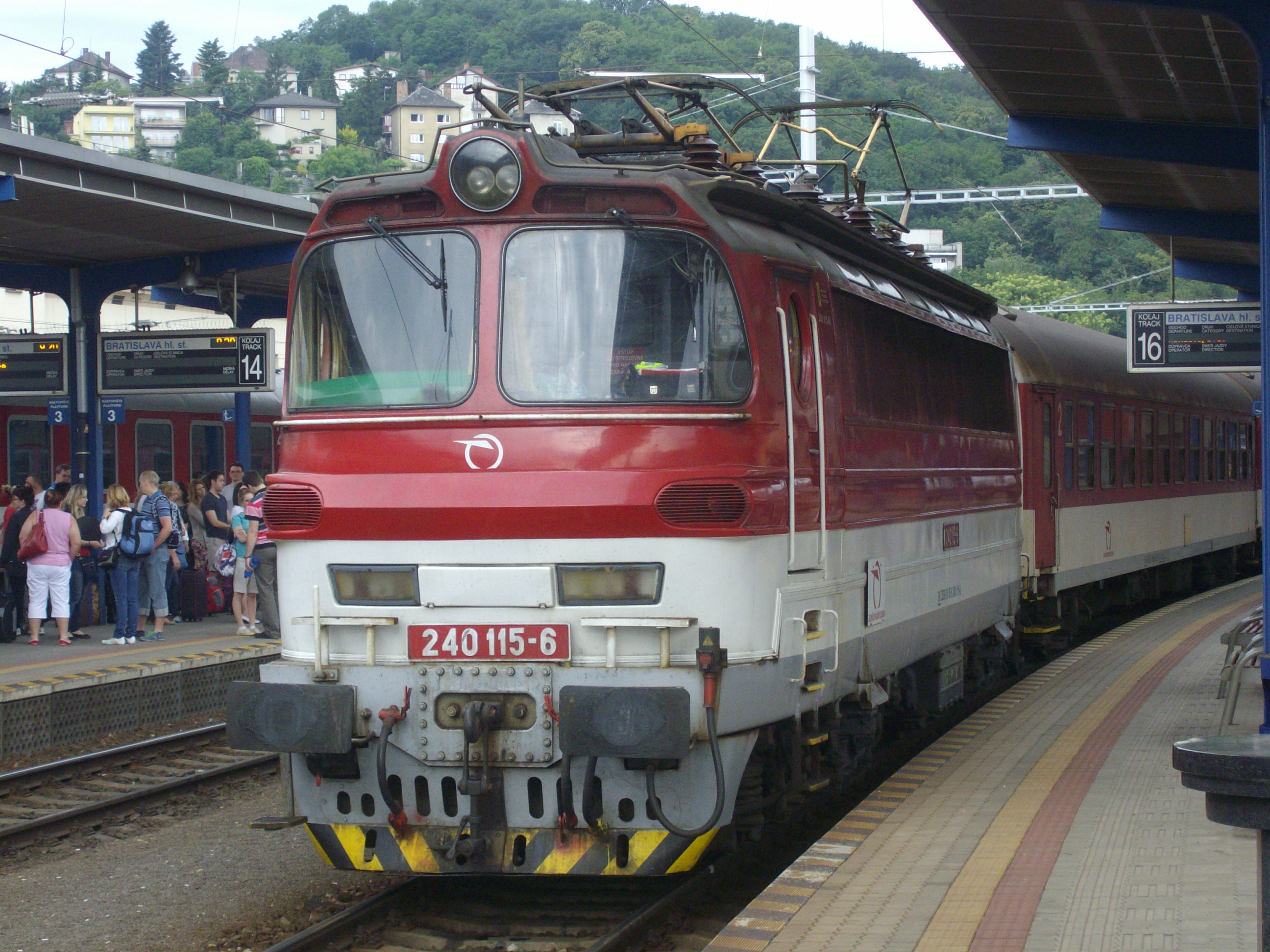
ČSD class S 499 locomotives were produced by Škoda factory in 1968 and 1969. They are very ugly, only the colours shown in the picture can more or less hide this fact. The locomotive is nicknamed Laminátka, because some parts were built from plastic strenghened with fiberglass. They still run, mostly by private cargo companies.


imgp4656.JPG

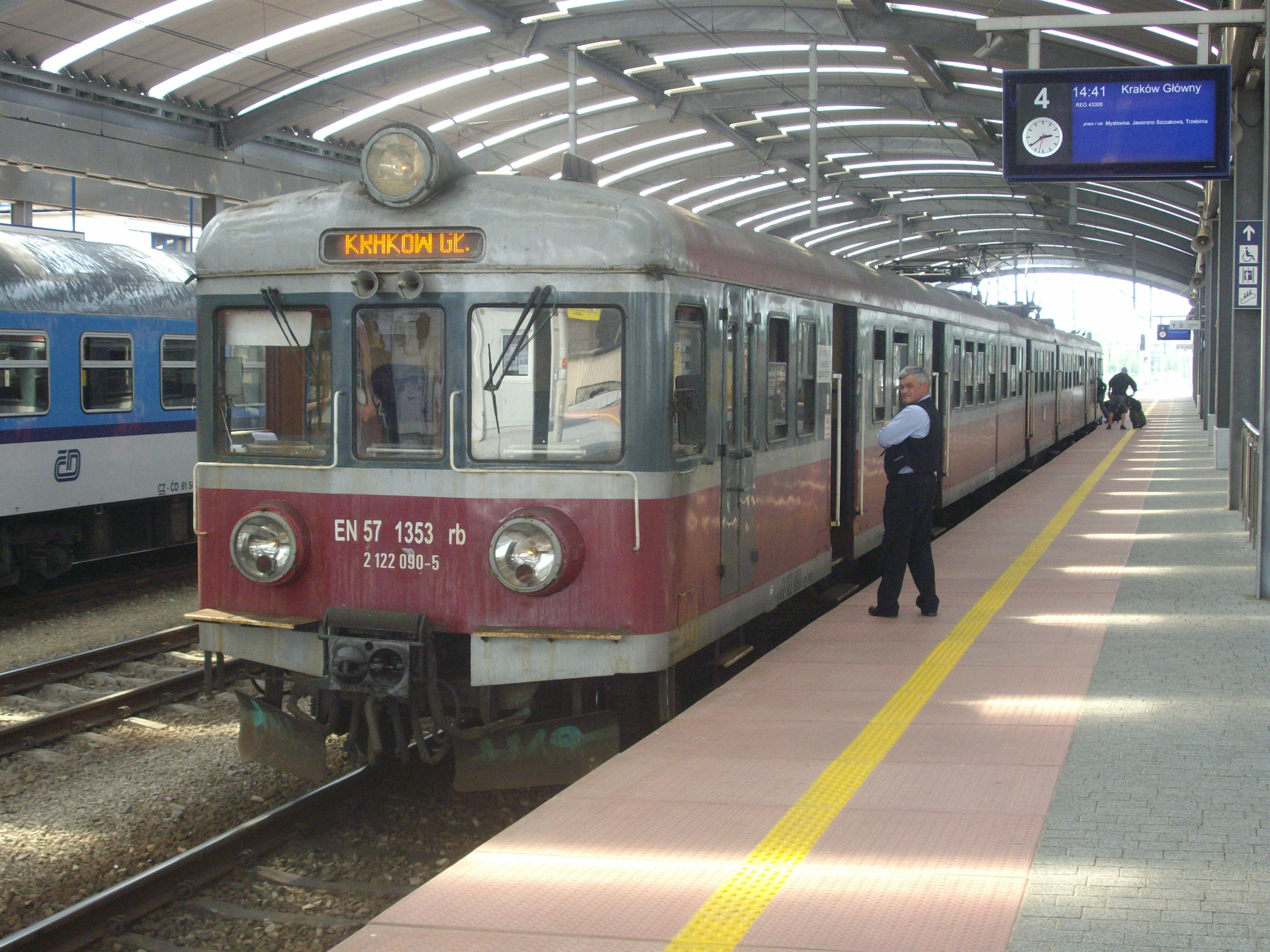
The PKP class EN57 is a three-car Polish electric multiple unit built by Pafawag for the Polish and Yugoslavian Railways between 1961 and 1963. Some are still in service, mainly by Polregio regional railway company.


p1000743.JPG

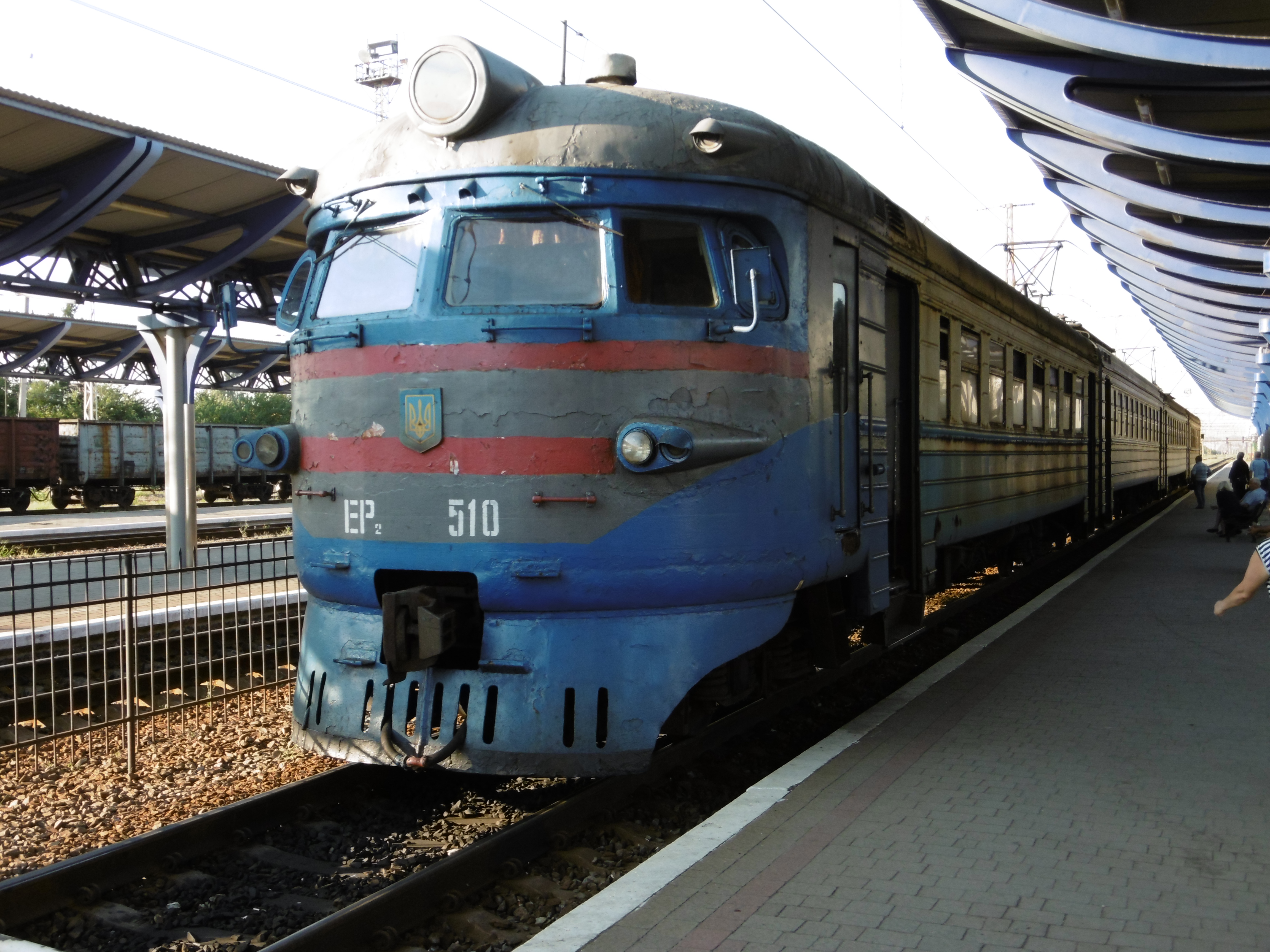
The Railroad Machinery Plants of Riga produced 850 ER2 type electric multiple units between 1962 and 1984. In 2018, I was able to travel with them in Ukraine, where they are still in use, as well as in the Caucasus countries.


p1030568.JPG

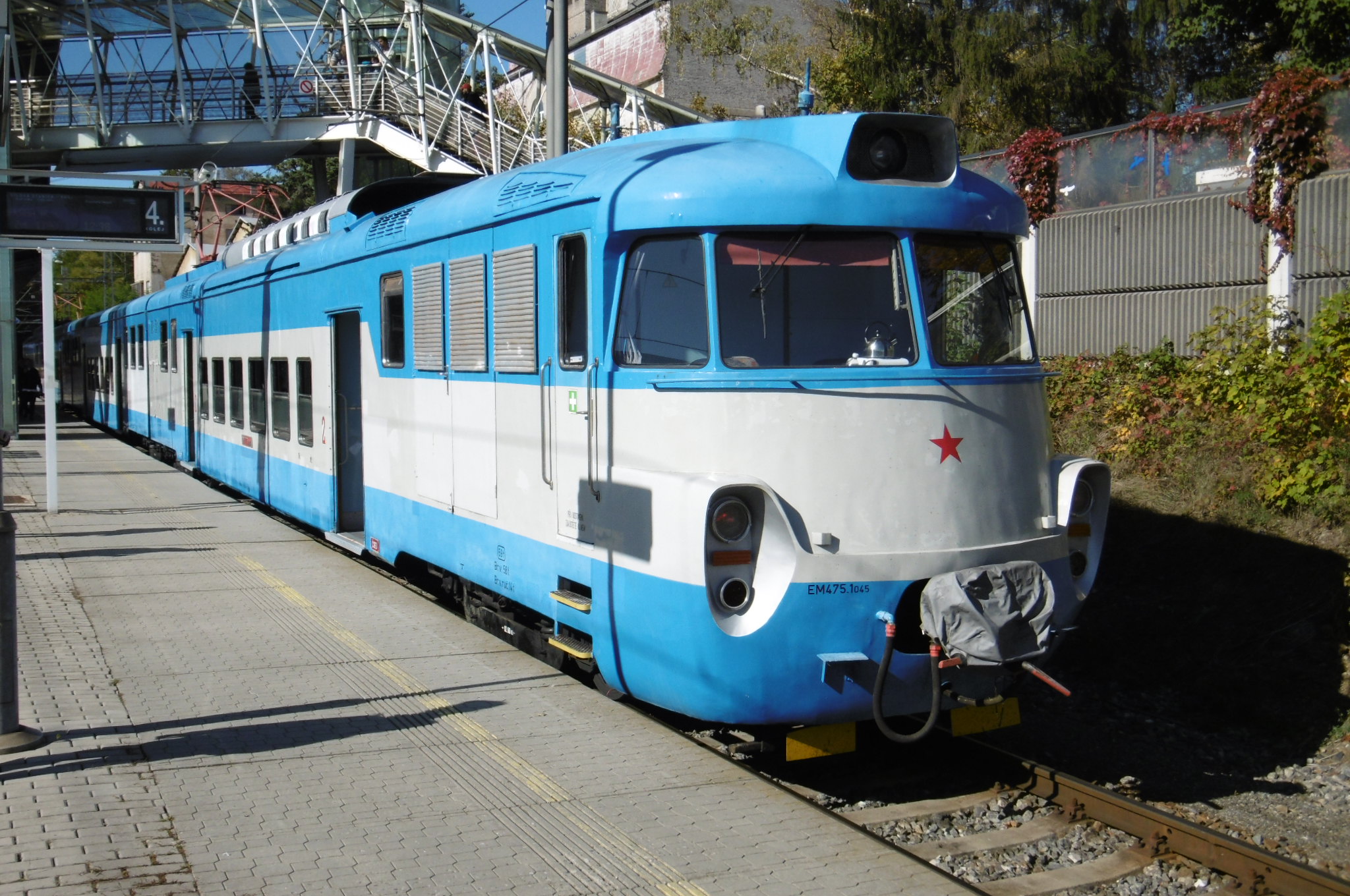
 The ČSD 475.1 series was ahead of its time, as it had low floor sections in the 1960s. They were manufactured between 1964 and 1968. The last one ran in daily traffic in 2018. I traveled by it in a special train in 2019.


old_french_train_1.JPG

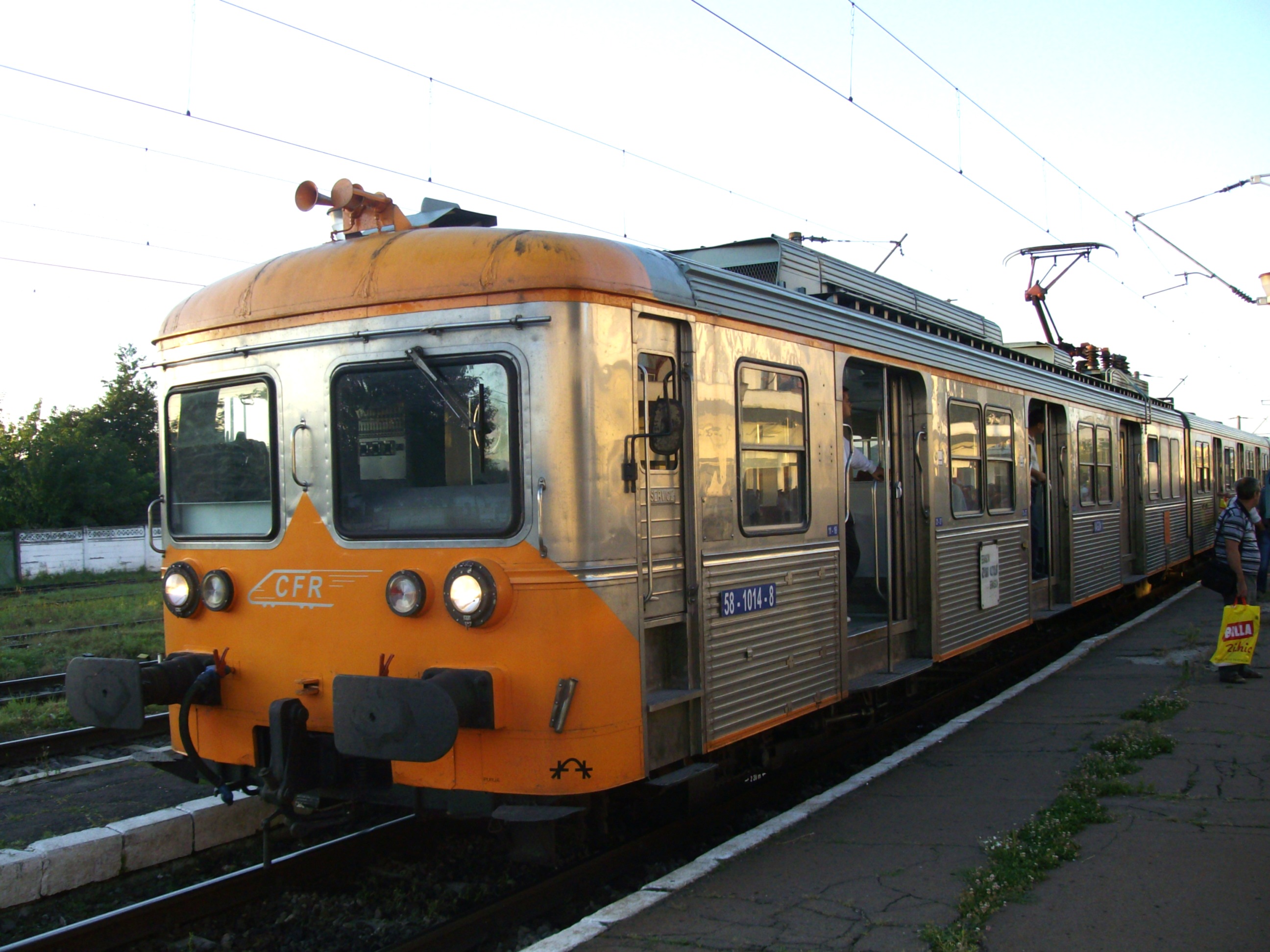
 SNCF Z 6100 series was in production between 1965 and 1971 by Alsthom and other 2 French factories. In 2006 the Romanians State Railways (CFR) bought 27 units which were used until the end of the 2010s.  


worgl2.JPG

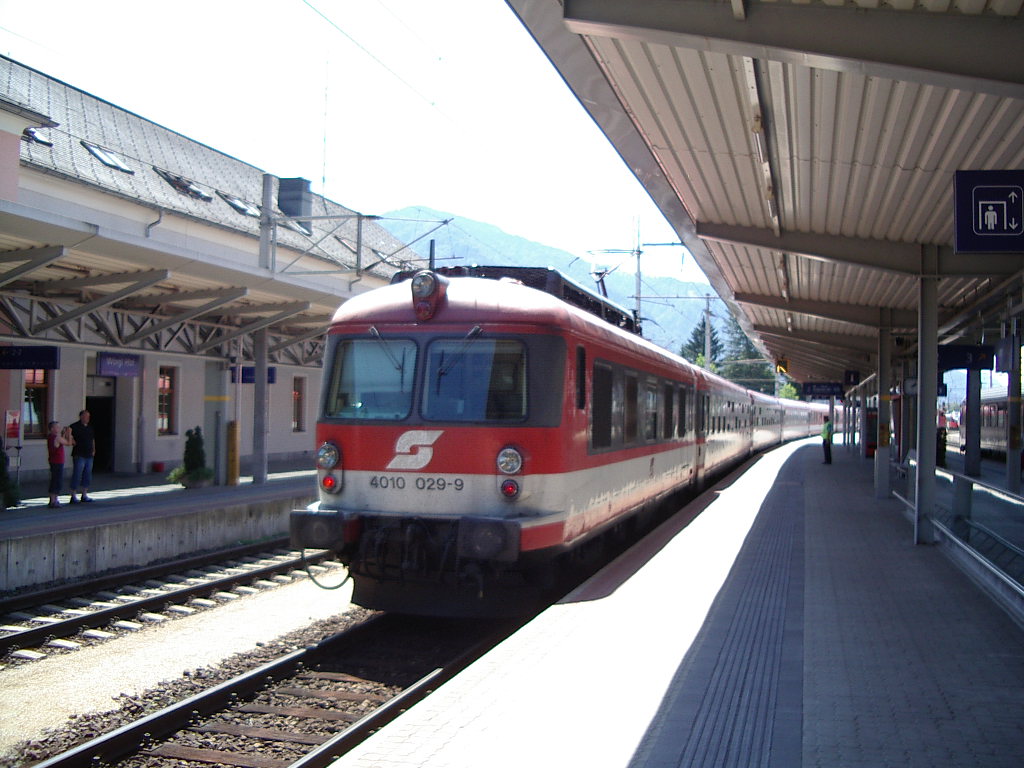
 The ÖBB class 4010 ("Transalpin") was a legendary EMU, built between 1965 and 1978. They were originally used in long-distance trains. I was lucky enough to travel by them in their 2 last operating years, in 2007 and 2008.


Electric locomotives and multiple units from the 1970s


20250614_124034.jpg

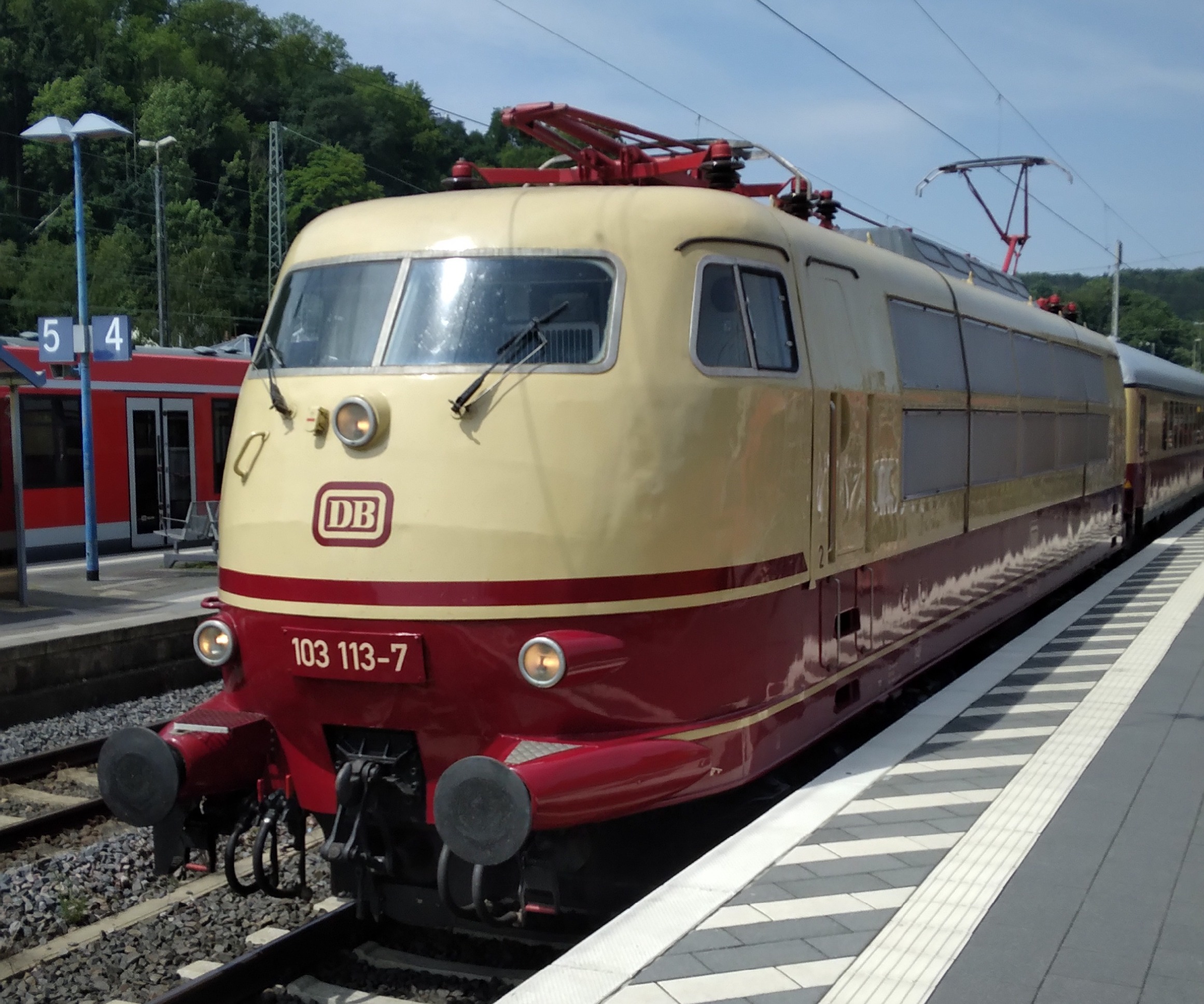
 However 4 prototypes were manufactured already in 1965, the serial production of the DB legendary Class 103 started only in 1970. The maximum speed of this beautiful locomotives were 200 km/h. They were retired from regular service by 2003, though in 2013 they worked again for a short time. I traveled by it in a historical train.


imgp0568.JPG

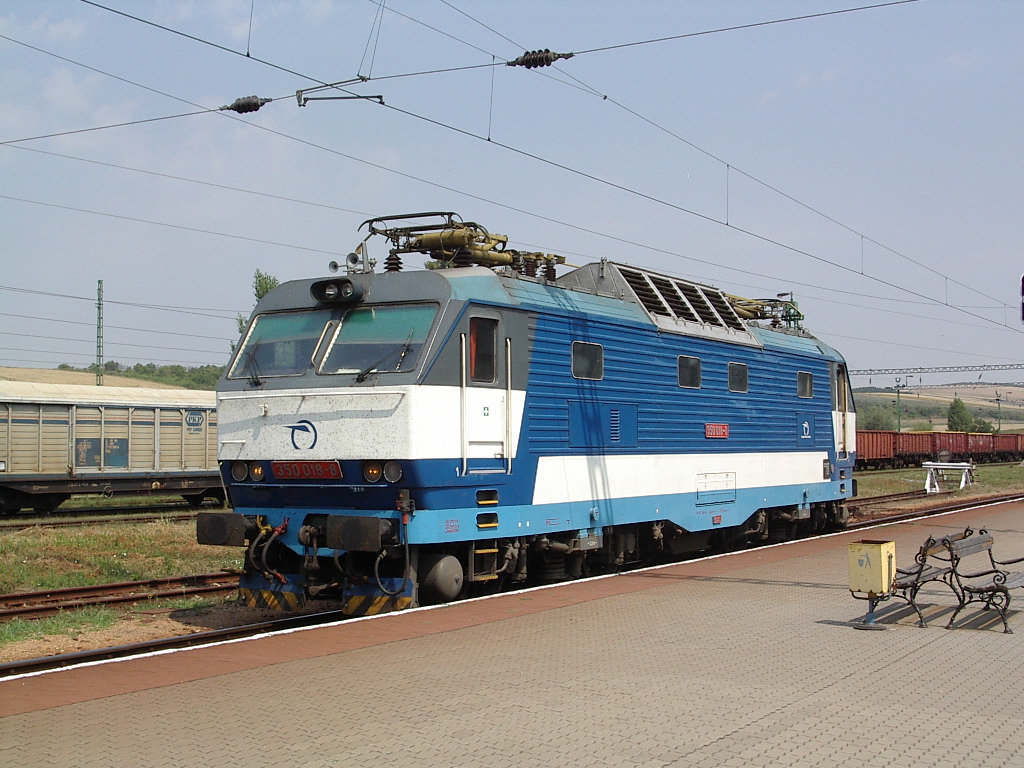
The ČD class 350 (formerly ČSD class ES 499.0, nicknamed Gorilla) is a Czechoslovak electric locomotive produced by Škoda Works between 1973 and 1975. They were modern locos in the 1970s with high performance (4000kW) and speed (maximum 160 km/h). They are still used in passenger trains, but not anymore in EC trains.


p1050069.JPG

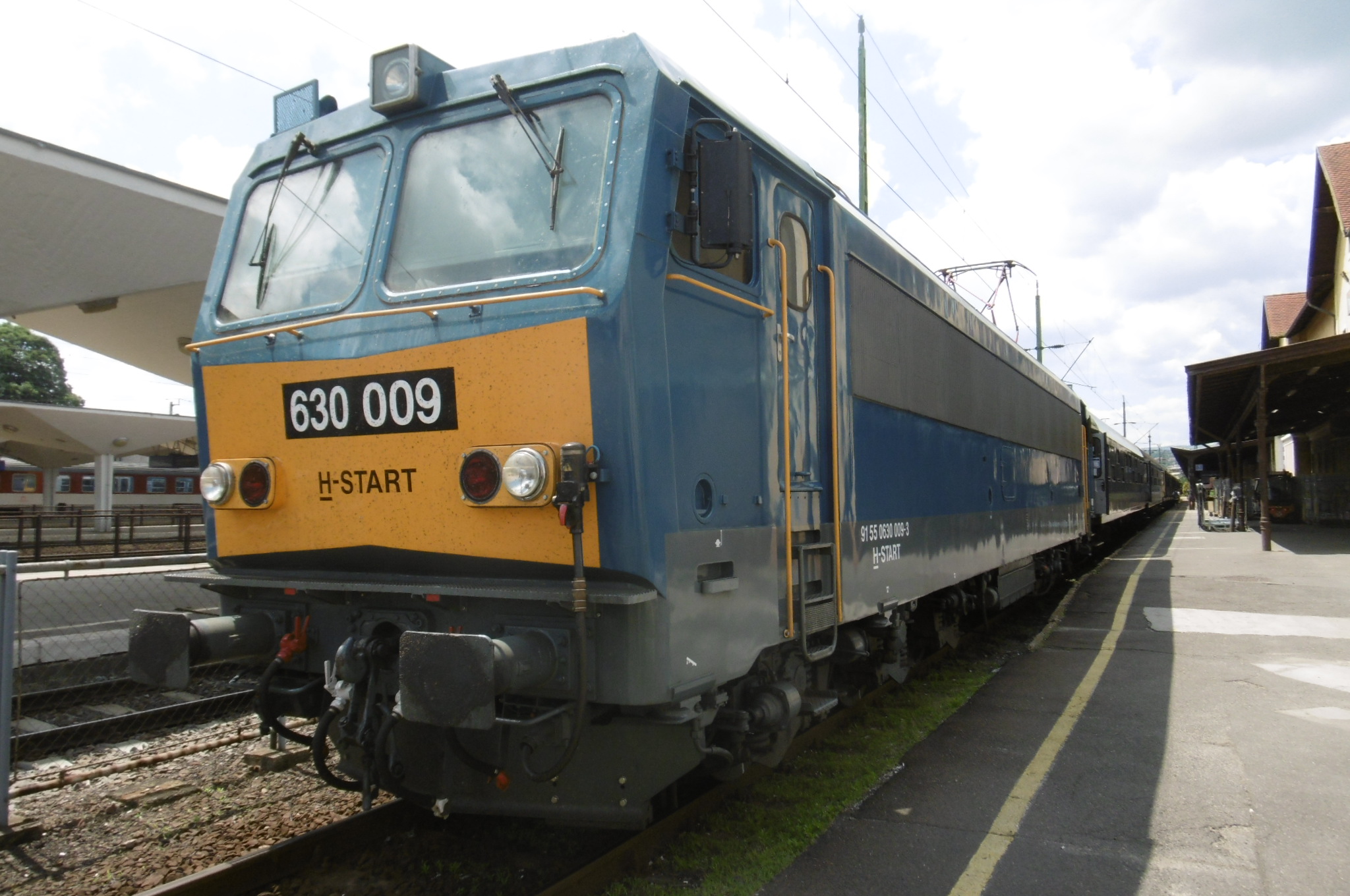
The MÁV class V63 was designed by Ganz-MÁVAG. These were the most powerful electric locomotives built by Ganz (between 1974 and 1988). Some of them still work in the daily traffic, mostly in passenger trains.


imgp0766.JPG

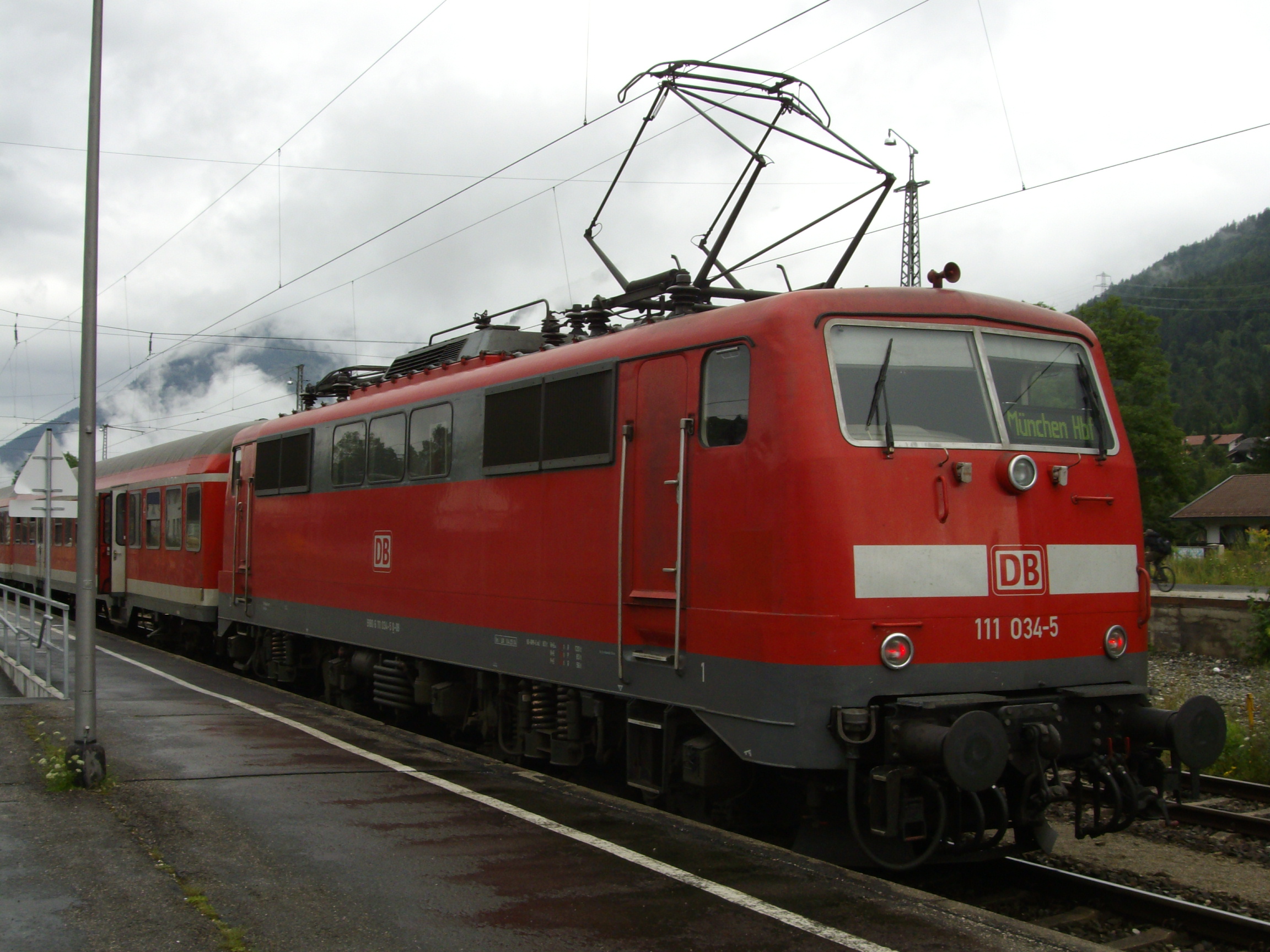
The Deutsche Bundesbahn's Class 111 locomotives were manufactured in various factories between 1974 and 1984. They were originally used in express trains and later in regional trains until 2013. The private company RailAdventure Gmbh operates some of them after modernization.


p1000838.JPG

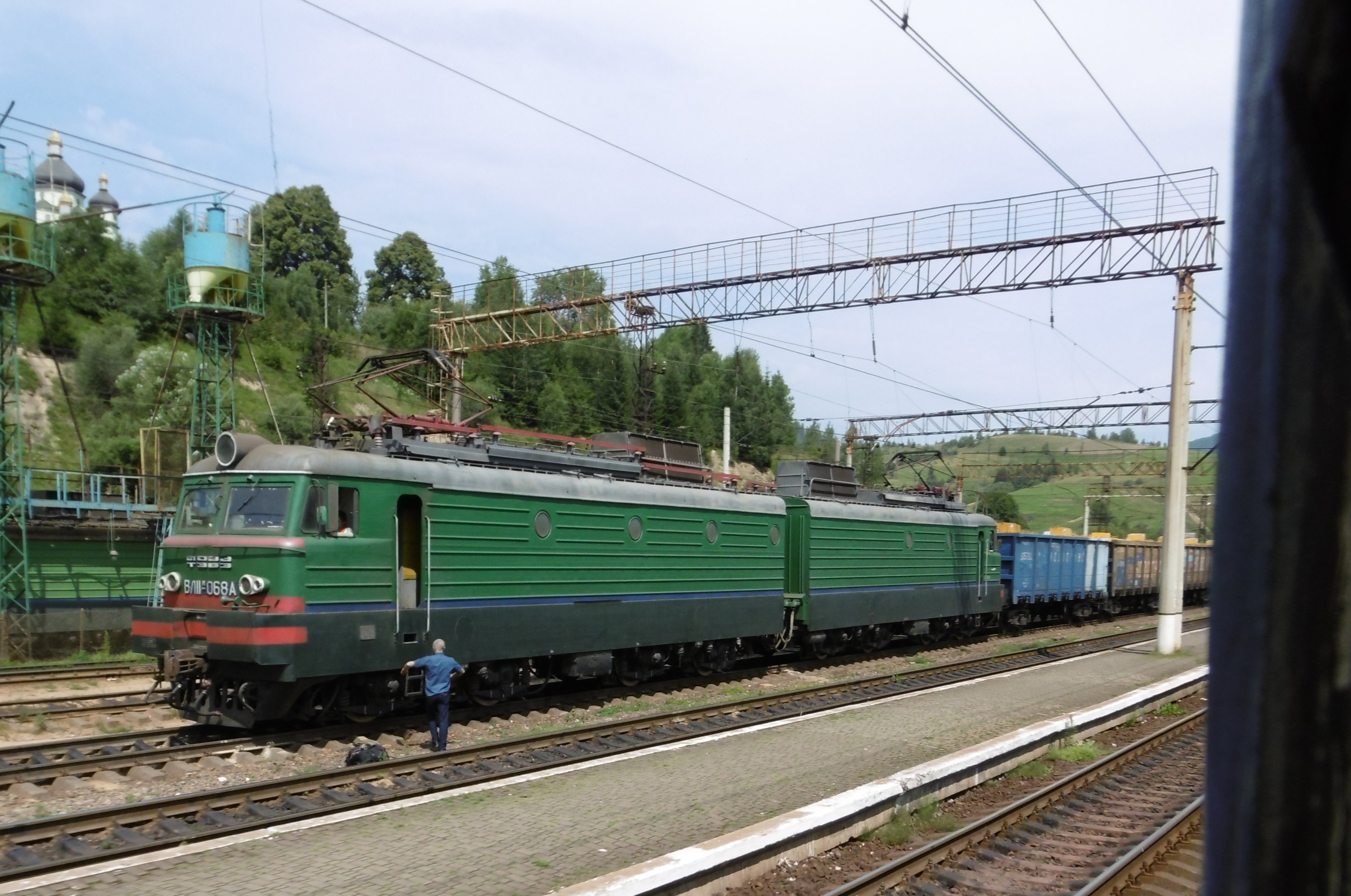
The VL11 is an electric mainline DC freight and passenger locomotive, built in Tbilisi from 1975, used in Russia, Ukraine and Caucasus countries The initials VL are those of Vladimir Lenin after whom the class is named.


imgp4104.JPG

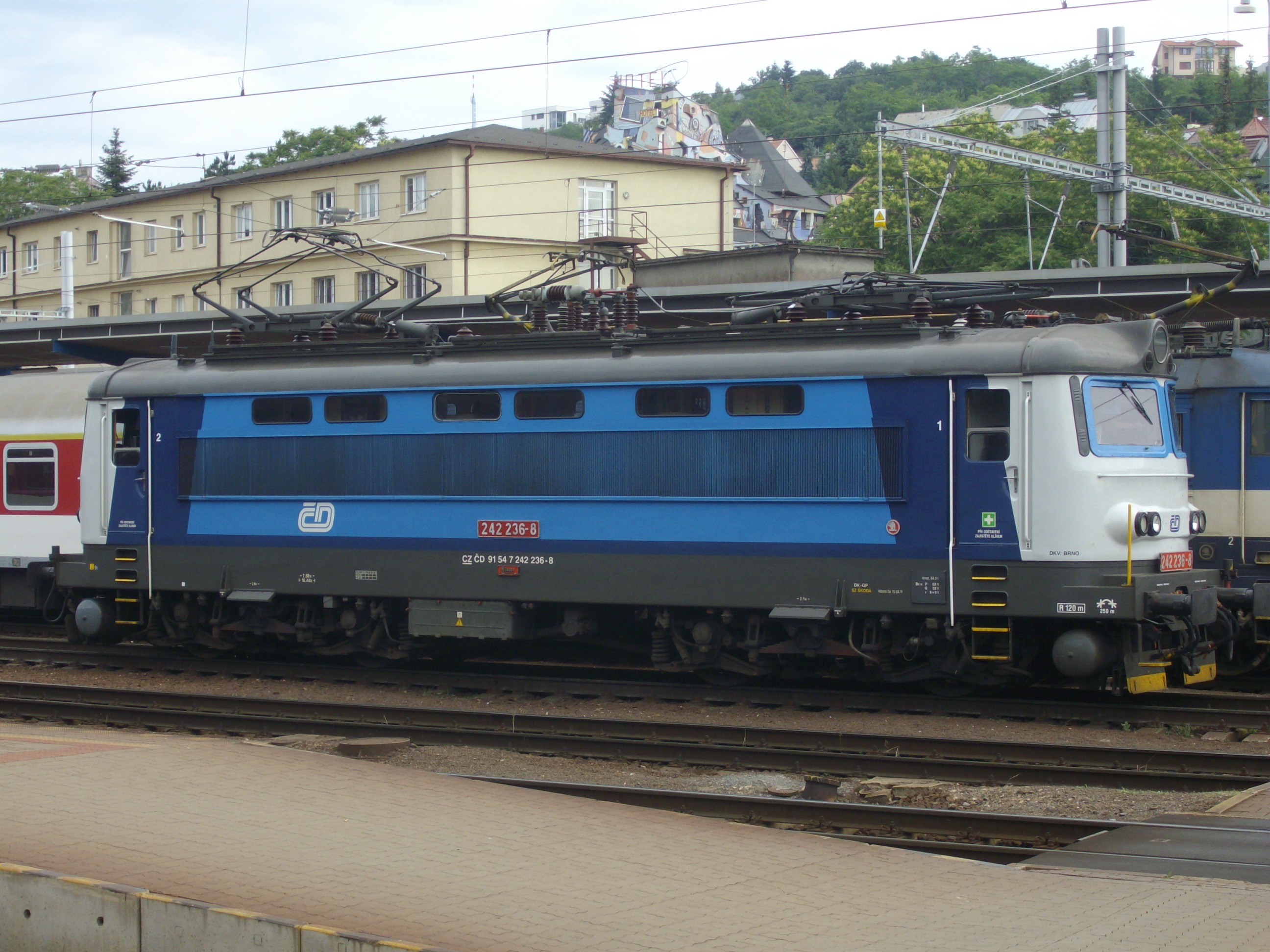
 The ČD class 242 (formerly ČSD class S 499.02, nicknamed Pleháč) is a Czechoslovak electric locomotive produced by Škoda Works between 1975 and 1981. They are still used in passenger and freight trains, and  particularly typical locomotives in Bulgaria.


attnang2.JPG

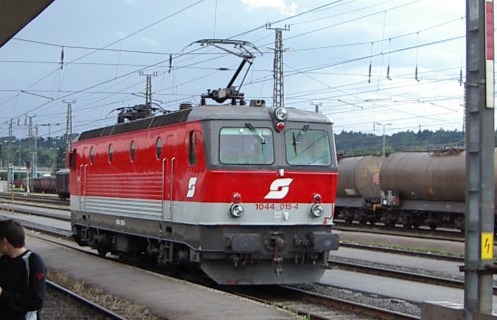
 The ÖBB Class 1044/1144 is a series of four-axle electric locomotives designed and manufactored by Simmering-Graz-Pauker between 1976 and 1995. They were powerful locos (5200kW) with 160 km/h maximum speed. Most of them were converted to ÖBB class 1144. In 2007 I traveled by it on the Salzkammergutbahn.


imgp3197.JPG

 The SNCF BB 22200 is a dual-system (1500 V DC and 25 KV AC) mixed traffic locomotive from the “Nez cassé” (broken nose) family produced between 1976 and 1986. Several of them are still active. Locomotives having similar appearance (with "broken nose") are used also in Portugal and Slovenia.


imgp5072.JPG

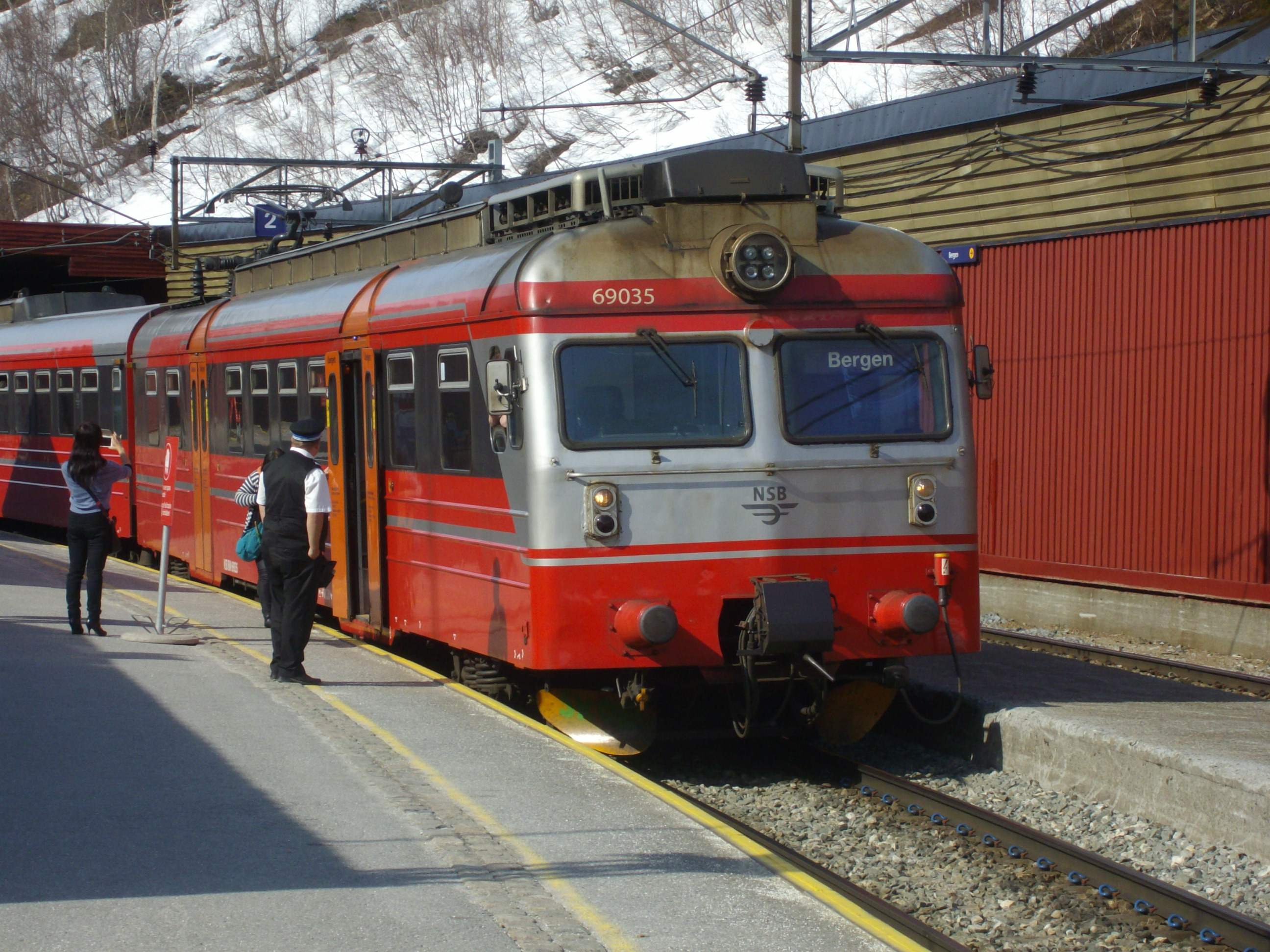
The Norges Statsbaner class 69 electric multiple units were produced by Strømmens Værksted between 1970 and 1994. The EMU in the picture was built in 1975 and shut down in 2018. I rode it between Myrdal and Voss in 2014. 


20200215_162816.jpg

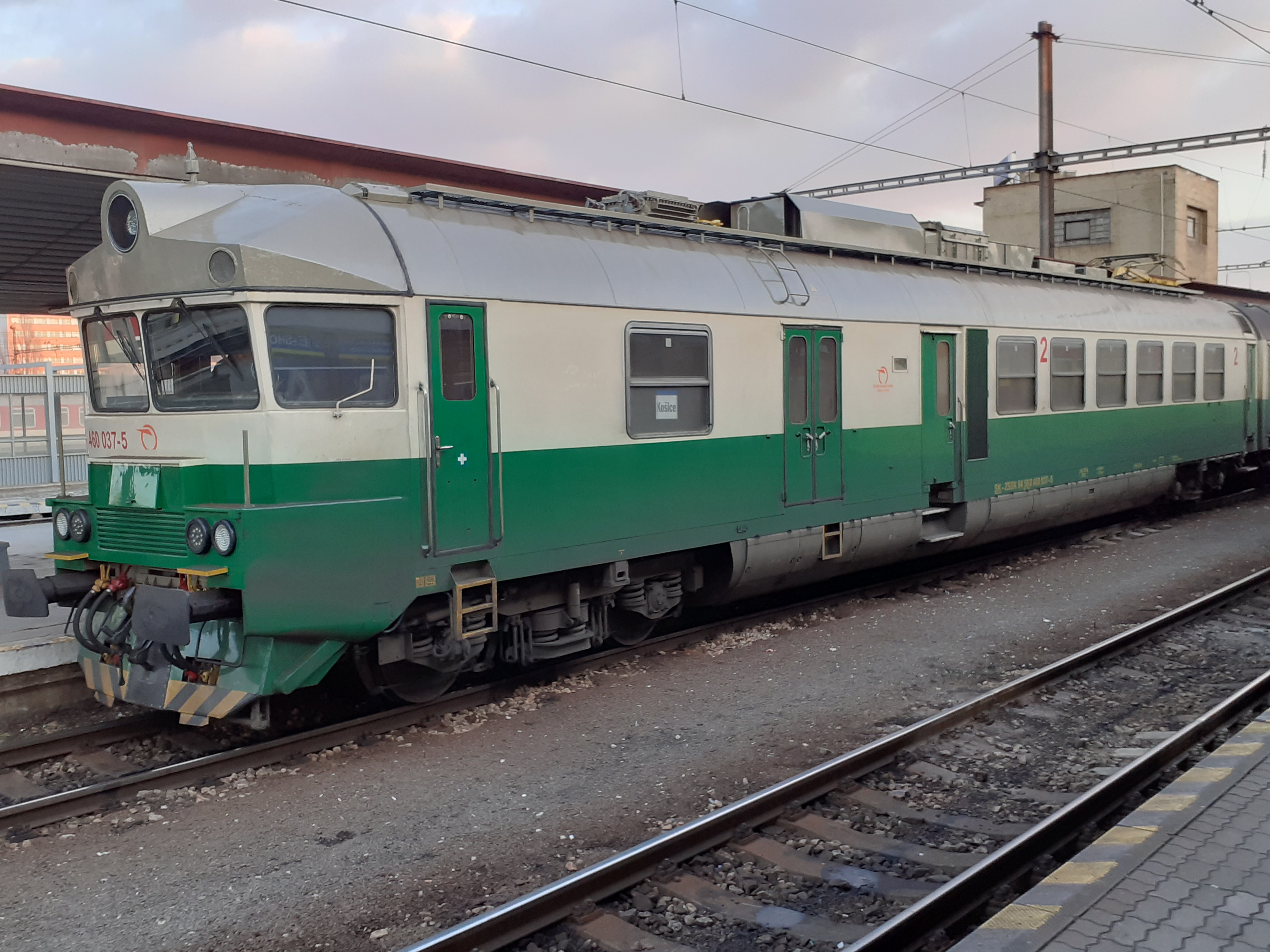
The ČSD class EM 488.0 (ČD and ŽSSK class 460, nicknamed Pantográf) are Czechoslovakian EMUs manufactured between 1975 and 1978, however the prototype was built already in 1971. They used to work until 2023 in the Czech Republic and until 2024 in Slovakia. Unfortunately I have never traveled with them.


p1080360.JPG

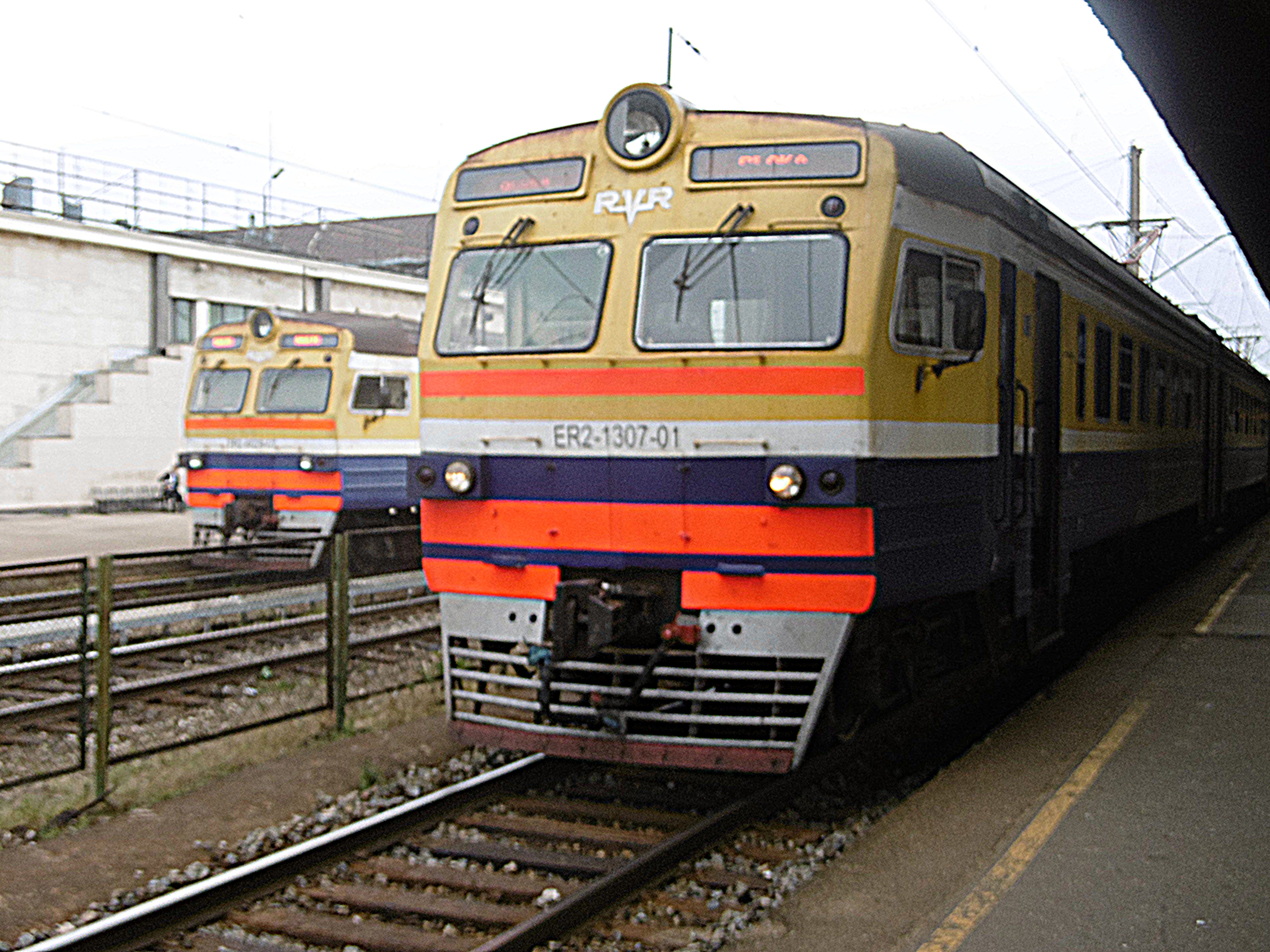
Latvian Railways operated the ER2 electric trains until the end of 2024, I was lucky to catch them in 2023. Their serial numbers can be confusing, as ER2 stands for the 3 KV DC version and ER9 for the 25 KV AC version, while Latvia uses the second electrification system. ER2 and ER9 class trains received this type of nose after 1974.


p1030129.JPG

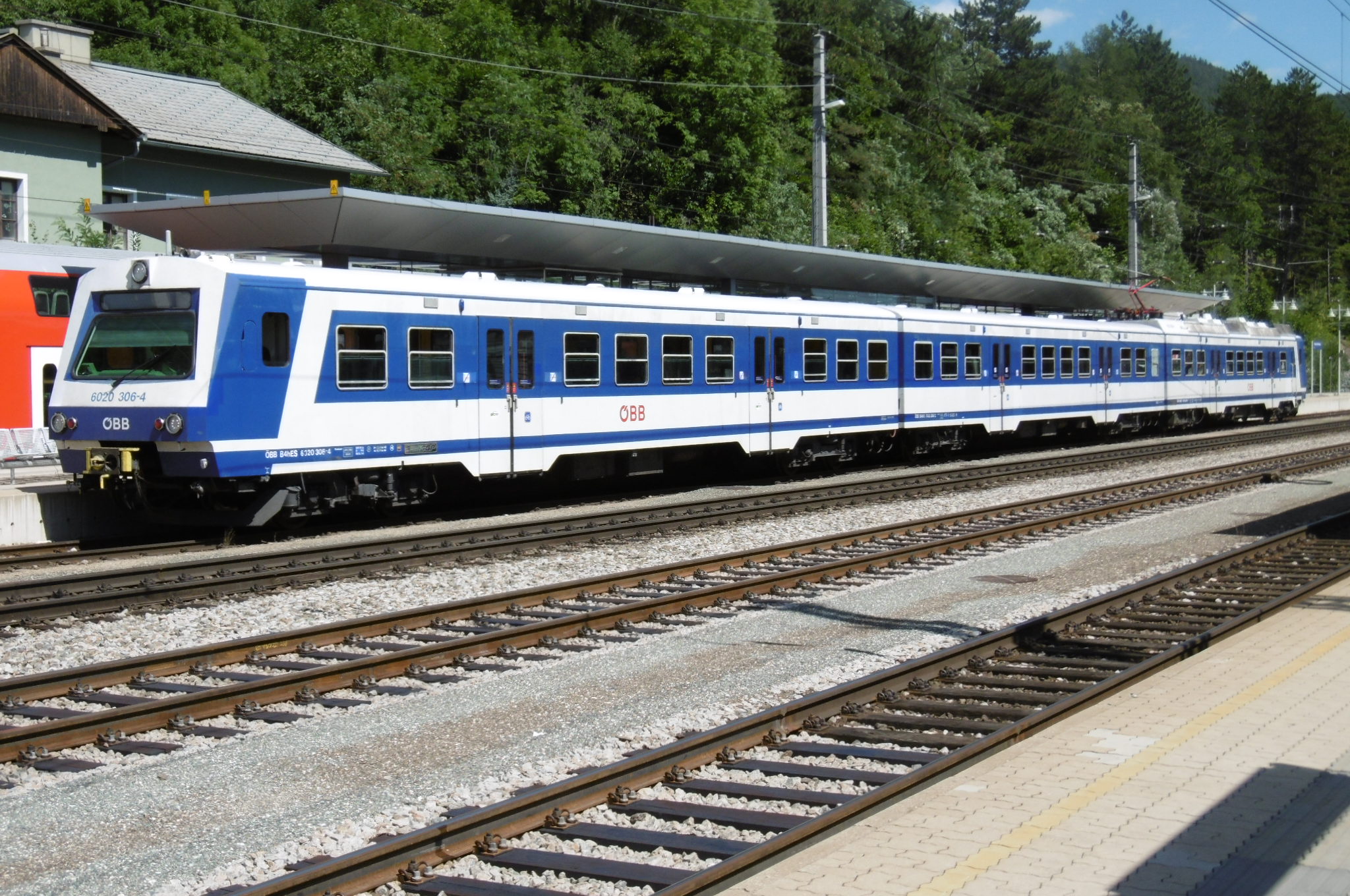
The ÖBB class 4020 are electric multiple units (EMU) developed by Simmering-Graz-Pauker. They started their service in 1978 and few of them are still in operation, however it was planned to shut down all of them in 2025.


Old trams on the European streets - in heritage and in daily service


Hungary, Budapest

p1080239.JPG

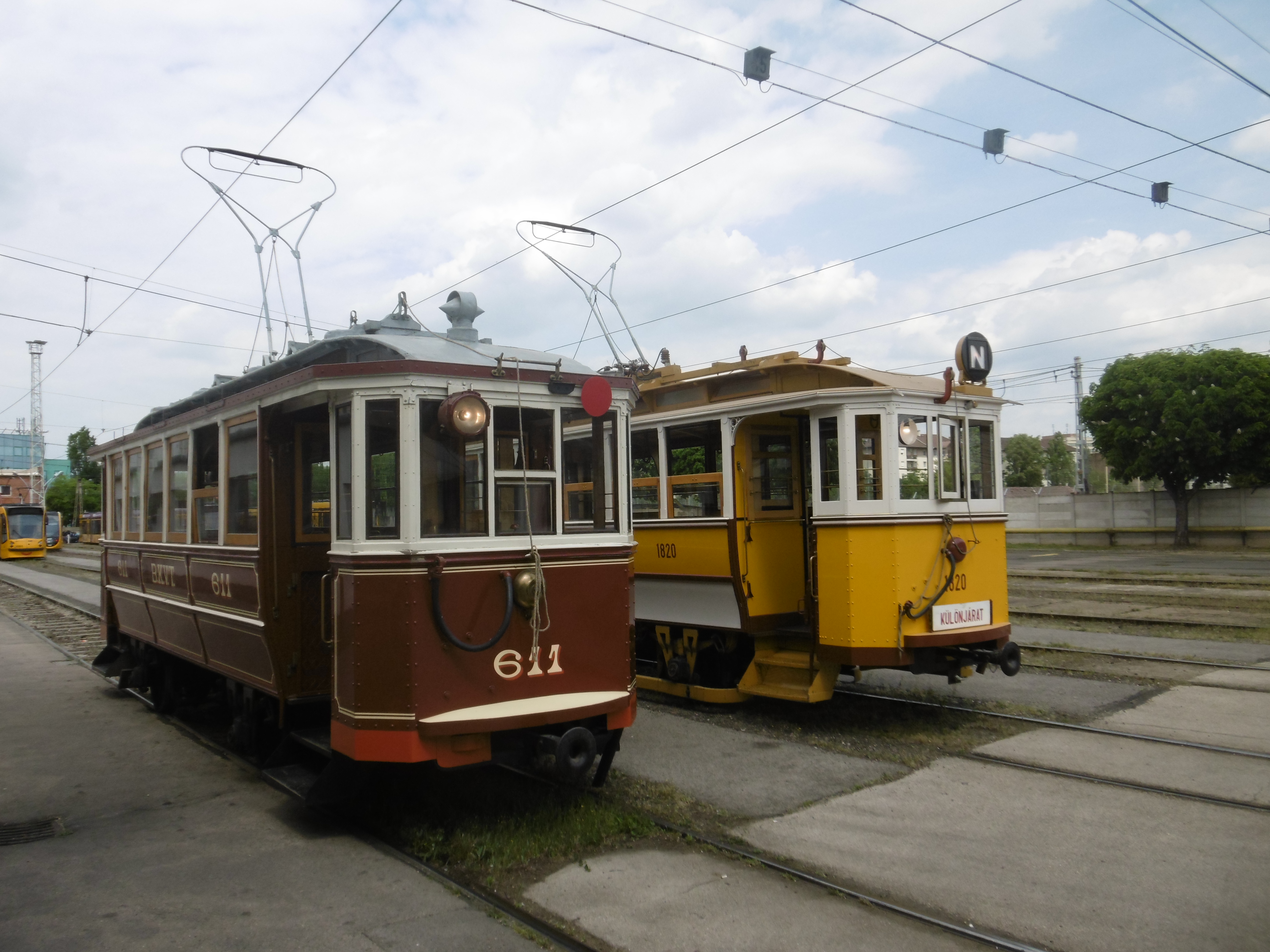
The BKVT company got S-type trams from 3 different factories between 1907 and 1909. These 2 trams were converted to a twin unit in the 1950s. Number 611 car was restored to its original condition. Number 1820 tram got back its BSZKRT-era (1923-1949) state.


p1020008.JPG

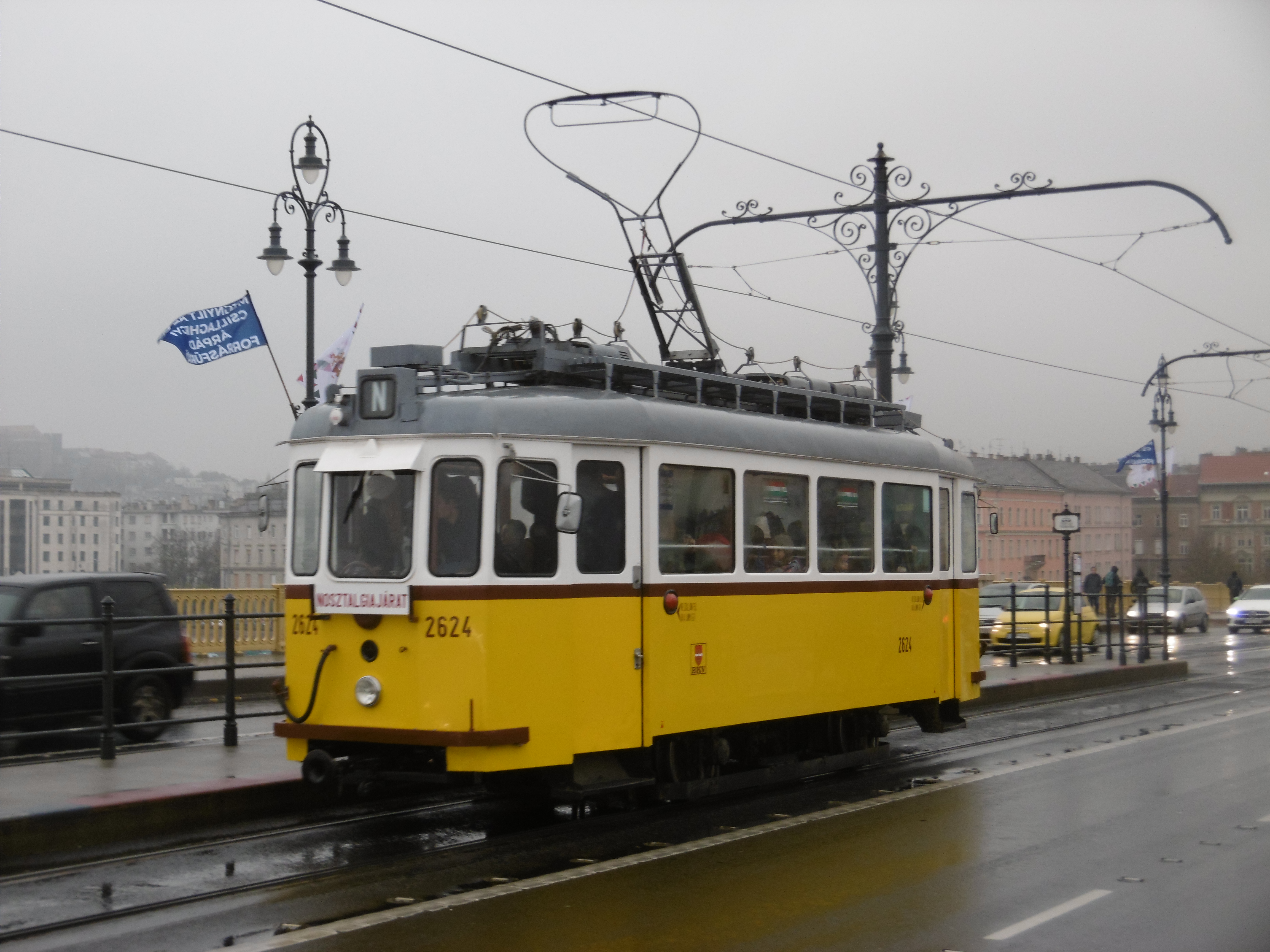
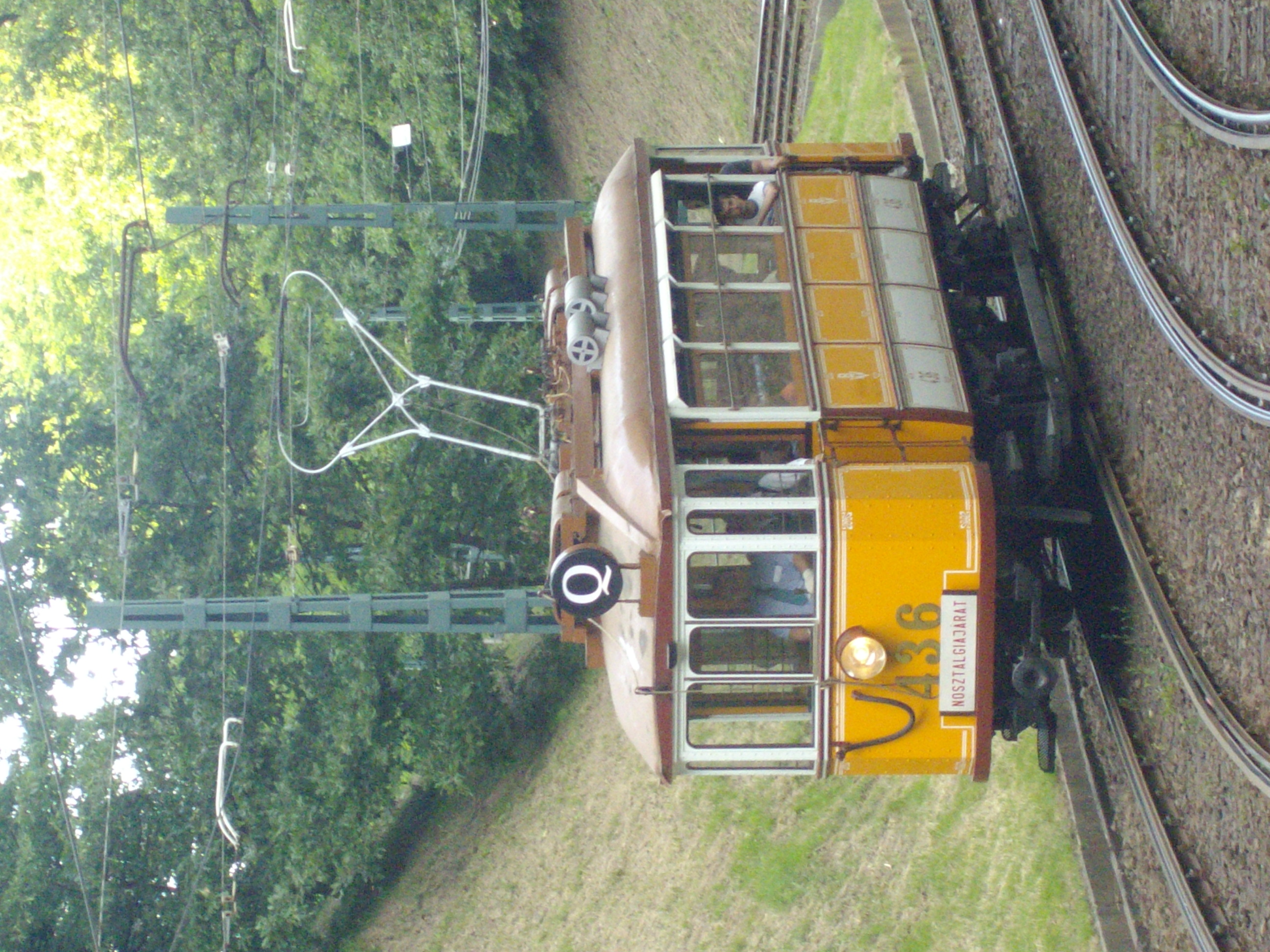
Number 2624 type-G tram is the oldest vintage tram of Budapest, originally was built in 1906 by Schlick factory. In 1959 it was given a steel body and later it was restored to its last operational condition.


imgp5620.JPG

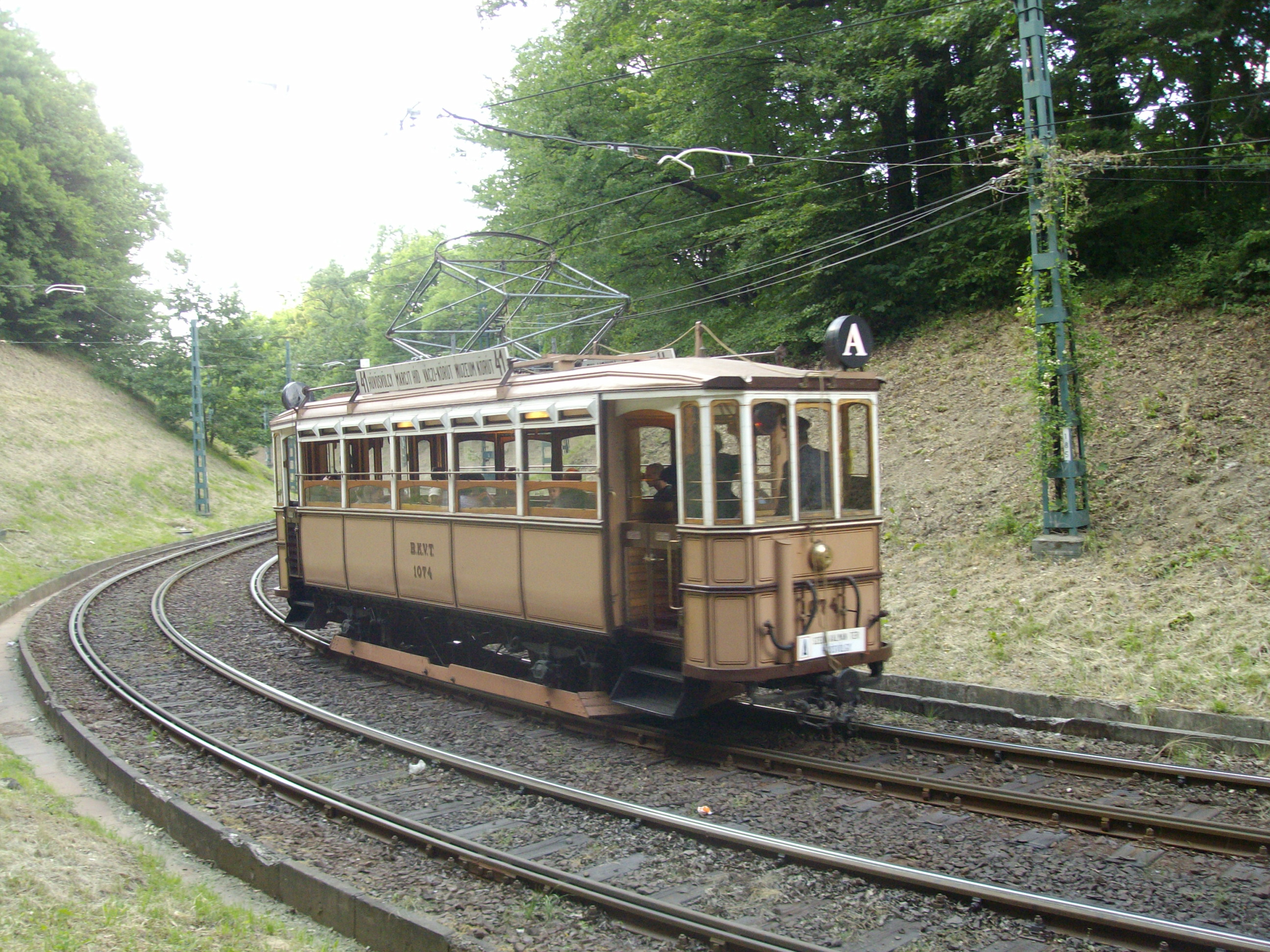
This BKVT V-type tram was built by Ganz in 1912. The 1074 car was steel-framed in the summer of 1958, but during the restoration in 1991 it was  given back a wood-frame structure


p1090517.JPG

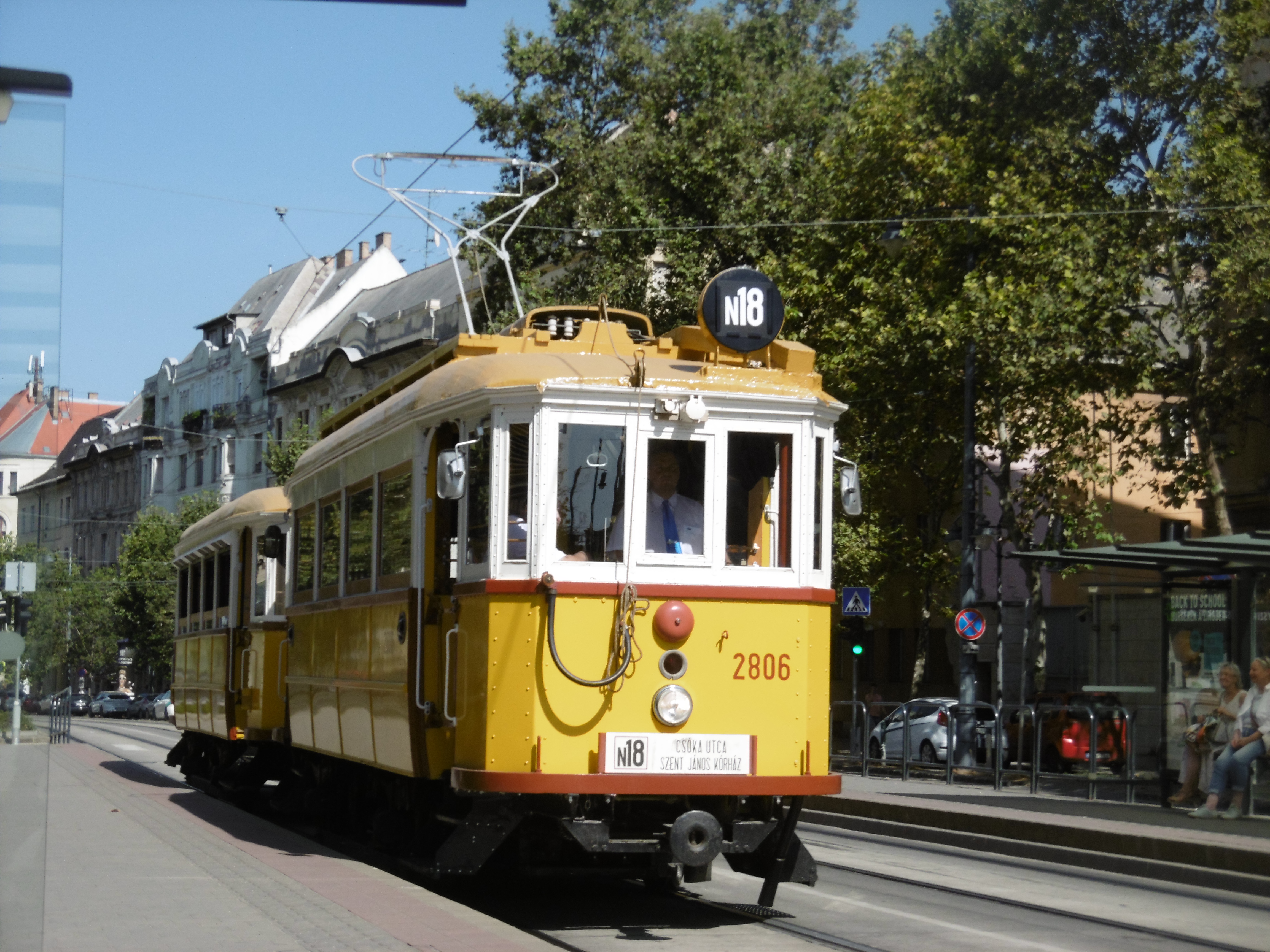
This BVVV company K-type tram was produced by Schlick in 1911. It served until 1977. The vehicle was restored to its last working condition in 2018. In the picture the electric car is pulling a trailer built in 1912. 


imgp5615.JPG

In 1913, the Budapest Municipal Electric Railway (BVVV) ordered a total of 65 L-type double-axle trams from the Schlick Factory, it is the first one of them. Between 1961 and 1980 it ran in a twin unit. In 1987 it got back its original condition by restoration. 


p1100732.JPG

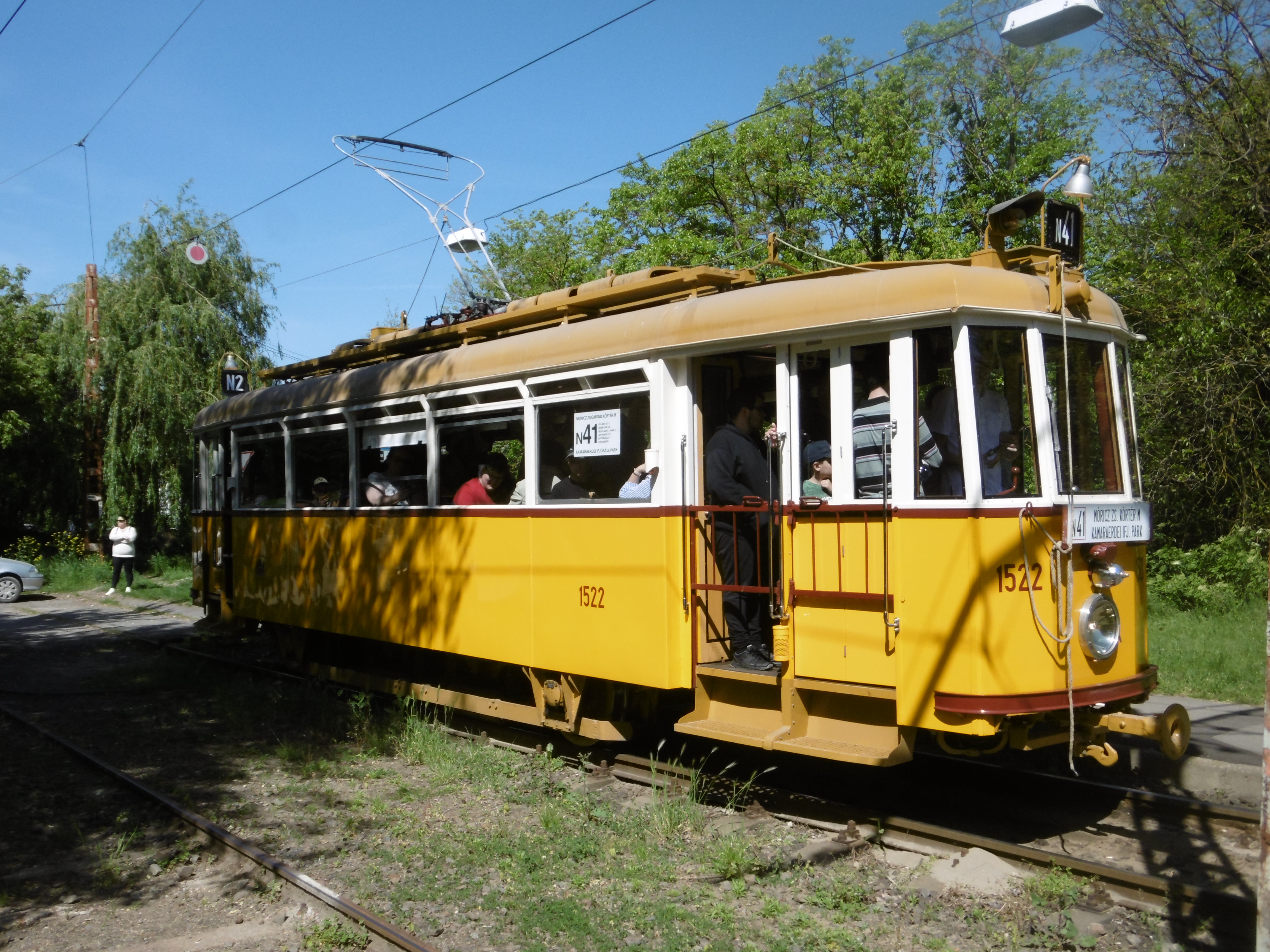
Tramcar 1522 was built in 1939 based on the BSZKRT company's own designs as a member of the 1500 F1A series. It served in daily traffic until 1979. Its restoration was completed in 2023.


20240908_161755.jpg

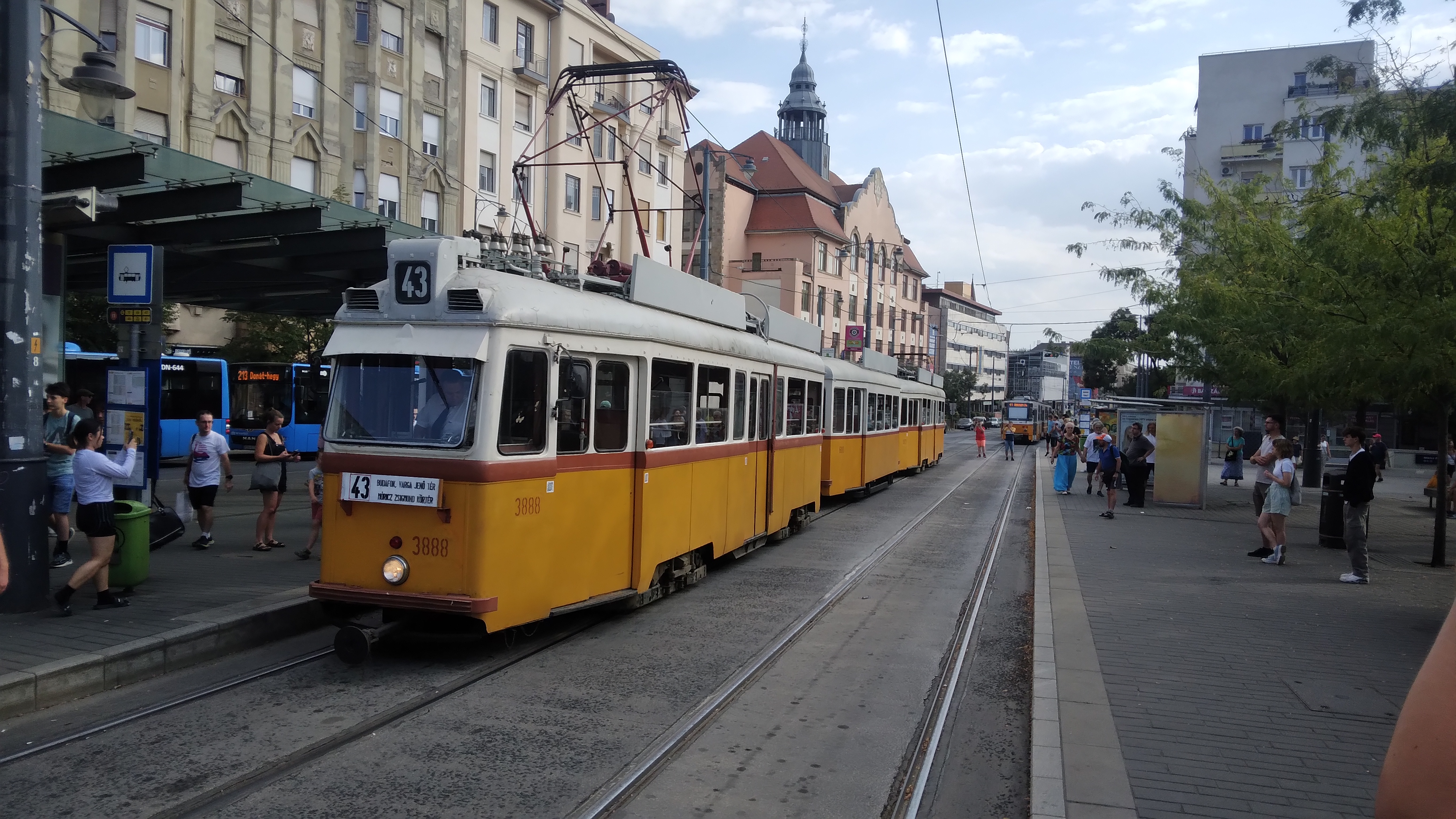
UV-type trams were built between 1956 and 1965 by Ganz. This series was a further development of the earlier Stuka type trams. They ran in daily traffic until 2007, often with a middle trailer.I took this photo at a tram stop that was part of the last operating line.


p1060777.JPG

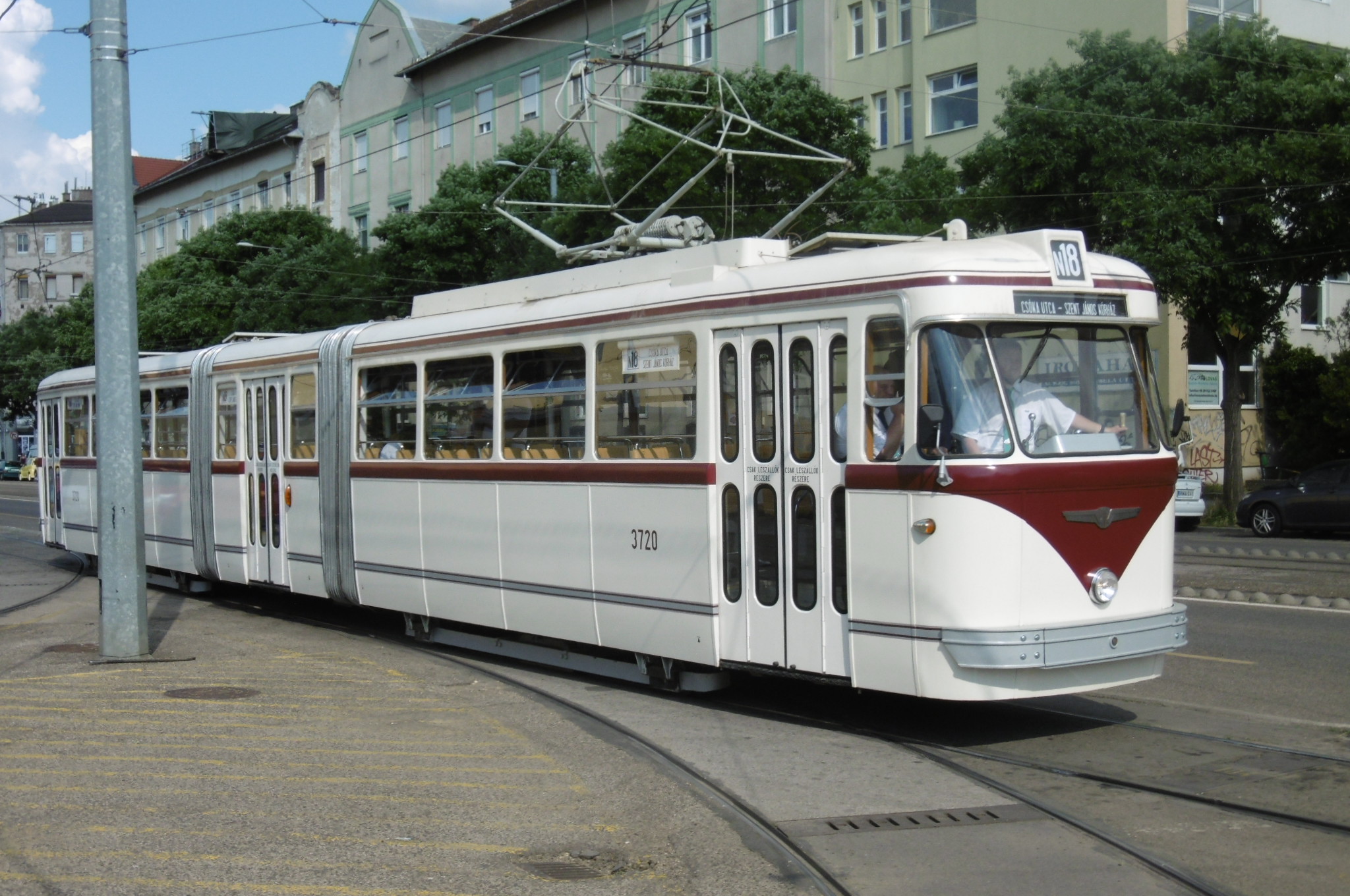
 Number 3720 is the prototype of the unidirectional "in-house made" articulated "Bengáli" trams. The ivory-red colours give it an elegant appearance. It was in operation until 1980. After a complex restoration, it has been a highlight of the heritage fleet since 2018.


p1020012.JPG

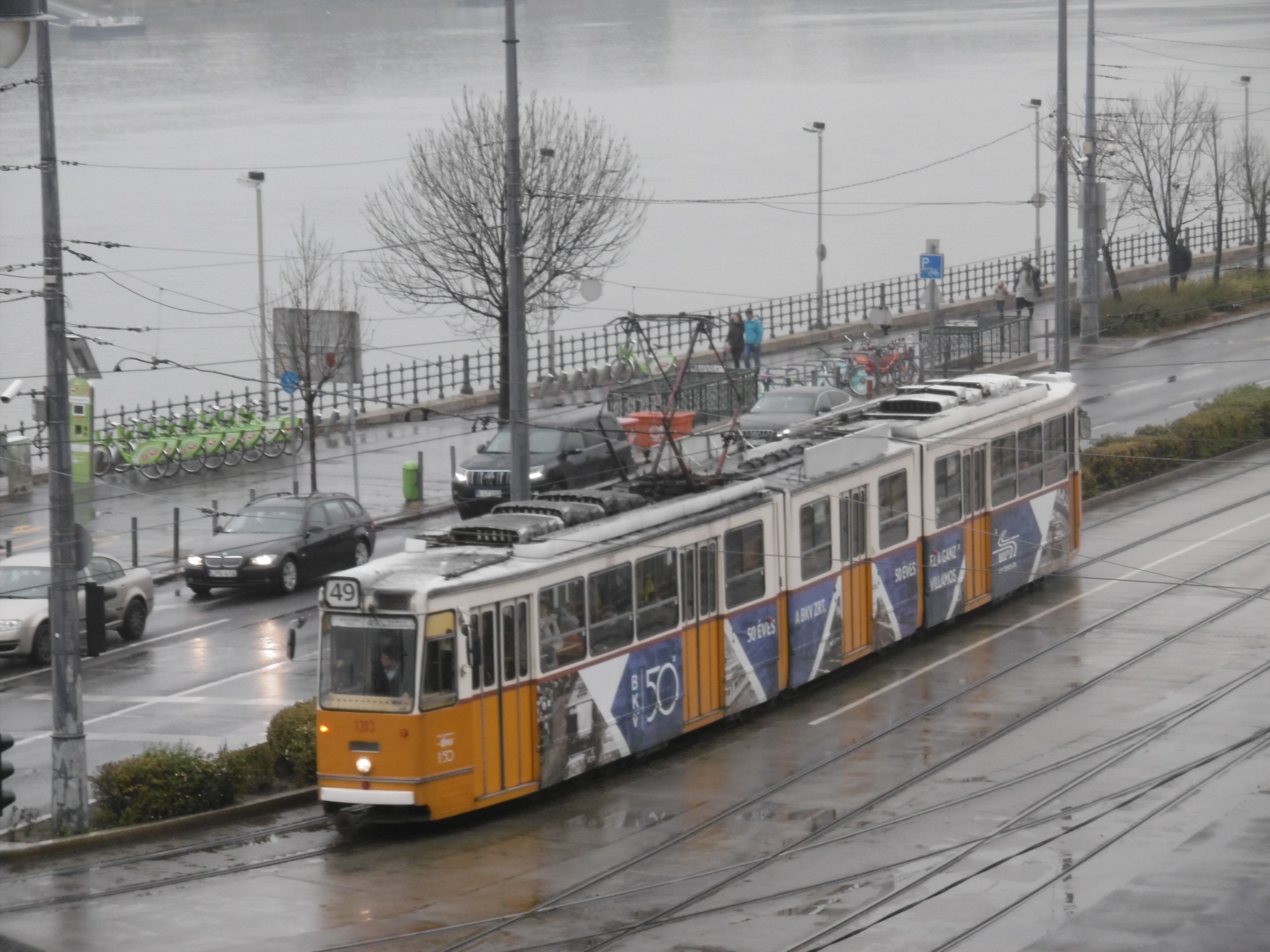
A few years after the Füzesi Main Workshop had manufactured articulated "Bengáli" trams, the Ganz Factory also started producing articulated trams, they did it from 1967 until 1978. Some of these are still part of daily operation on line 47 and 49. The tram in the picture was 50 years old on the 50th anniversary of BKV in 2018.


Slovakia

imgp5729.jpg

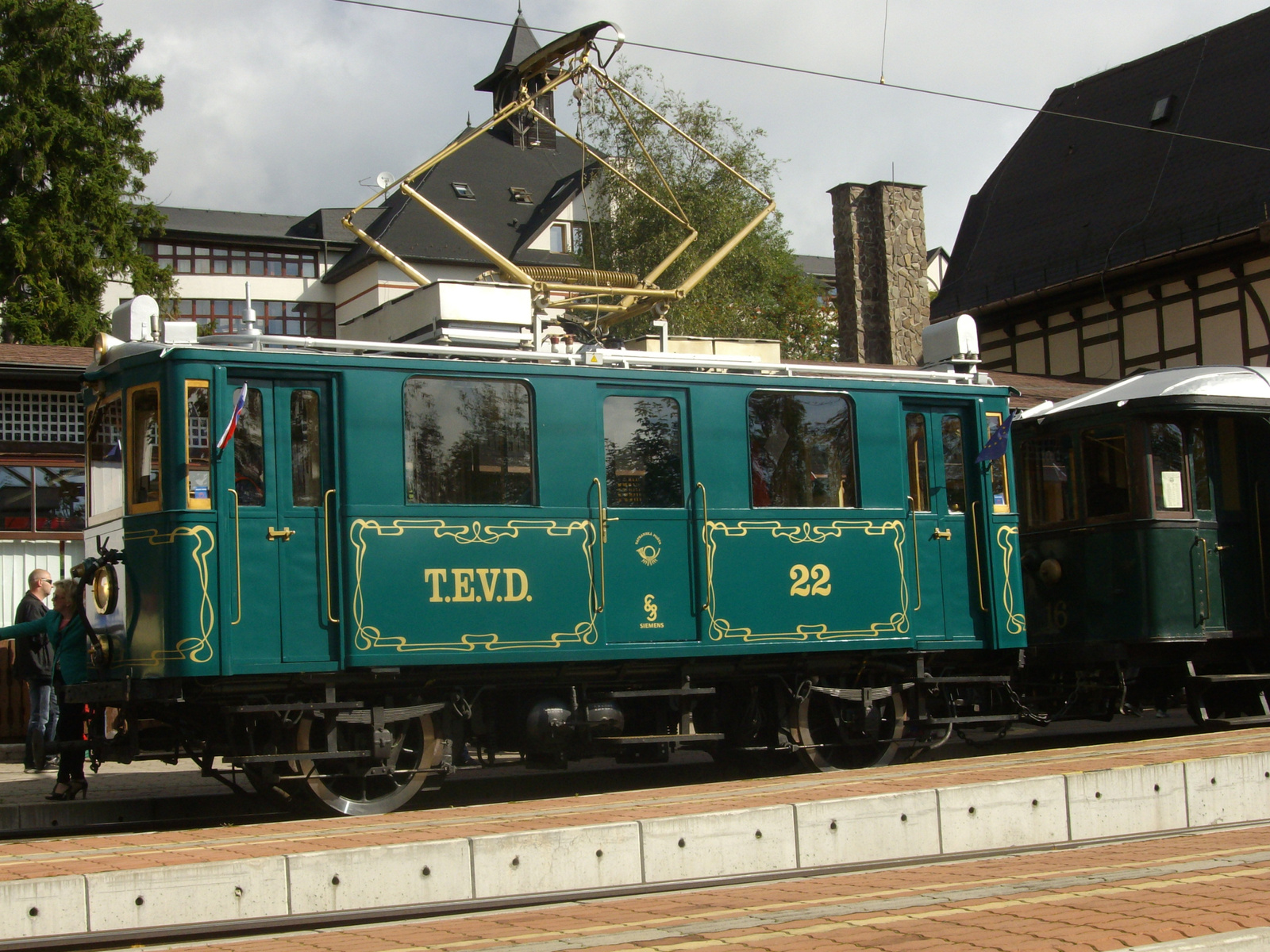
The Tatranská Kométa tram was built by Ganz in 1912 Sometimes it runs in heritage trains on the Tatranská Elektrická Železnica.


Czech Republic

20240508_180254_1.jpg

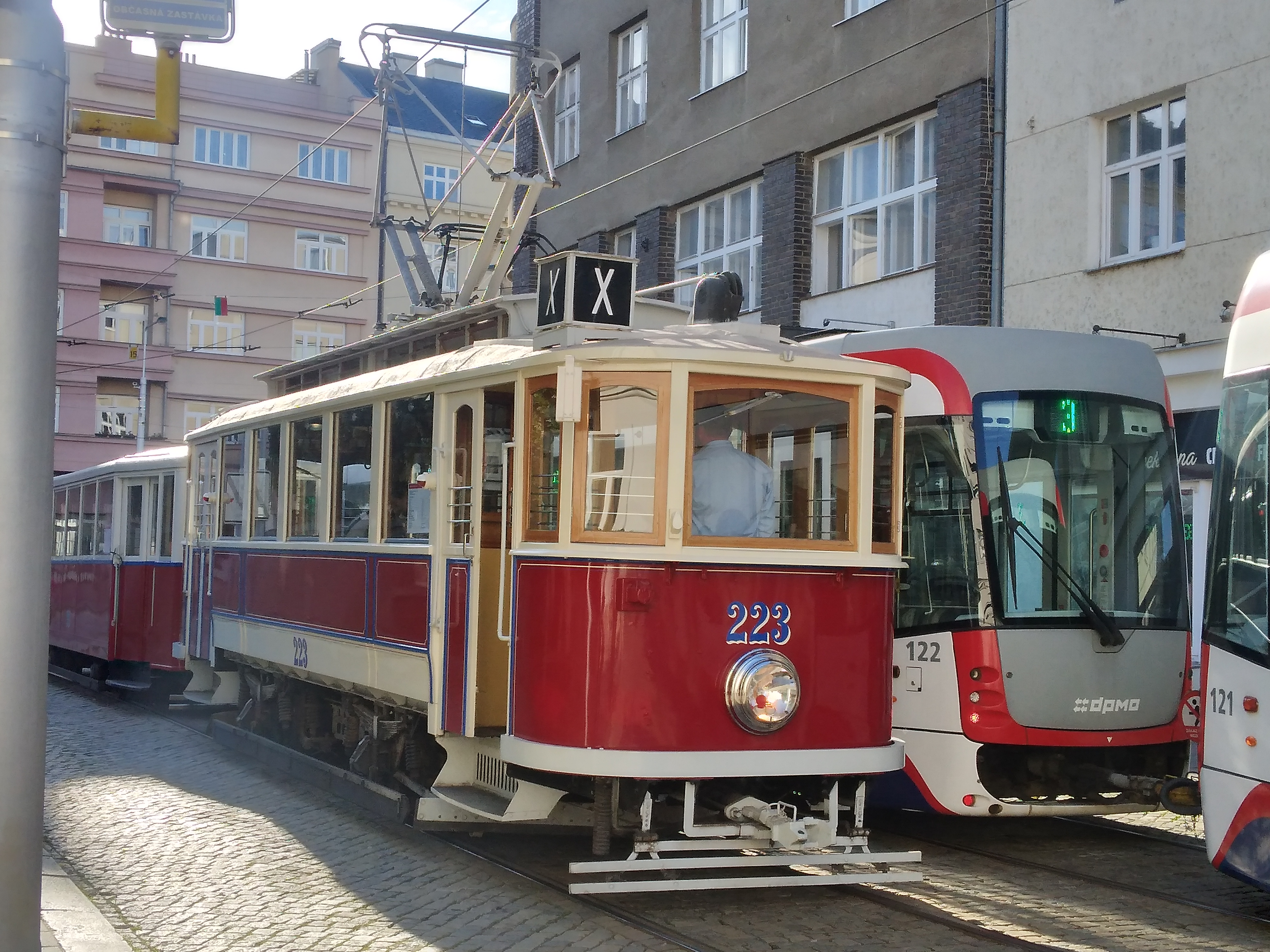
Tram 223 was built in Prague in 1930 for the local network. In 1975 it was transferred to Olomouc, where it was restored in 1989. In 1996 it was declared a cultural monument.


p1070649.JPG

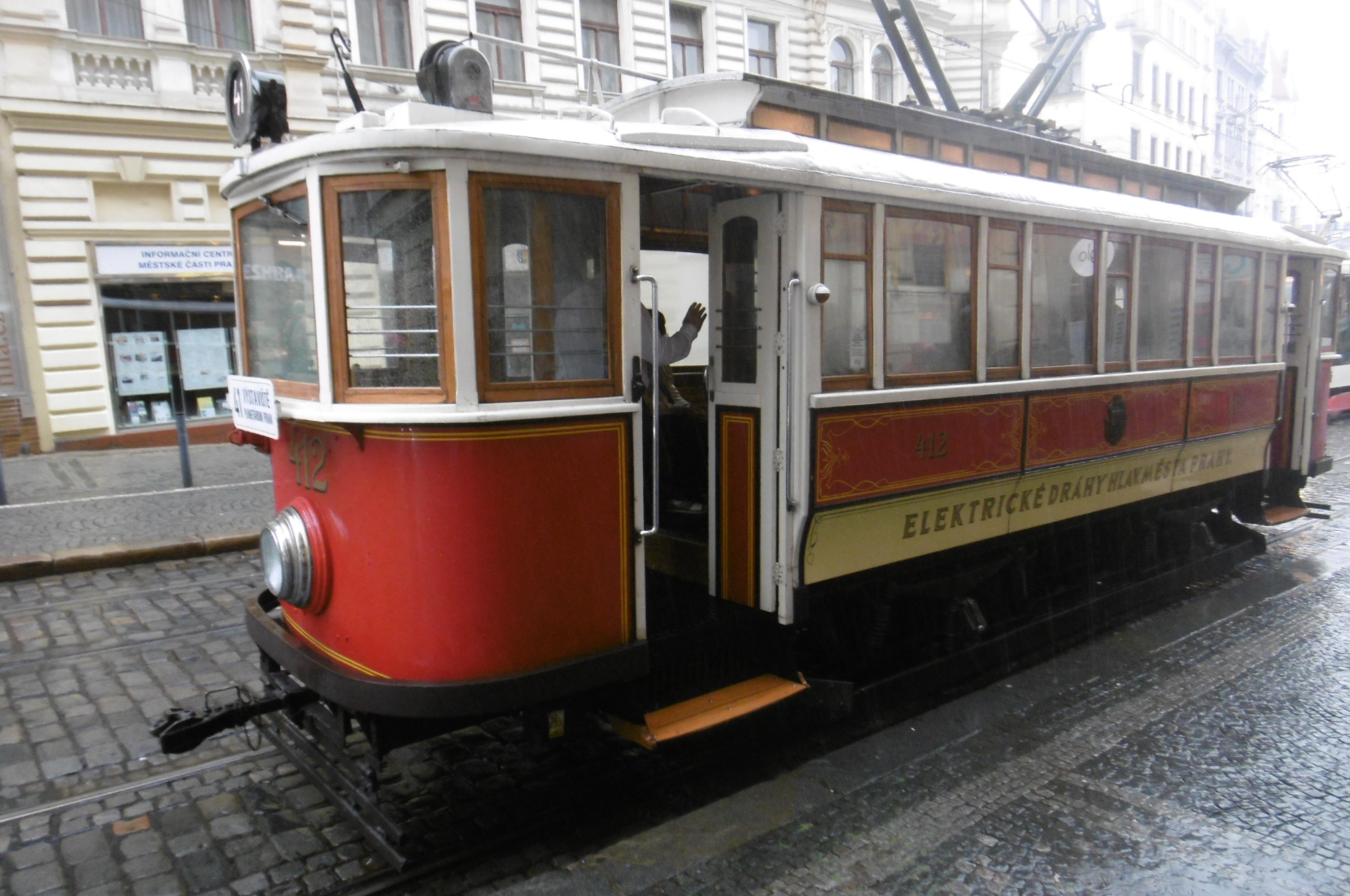
 Car 412 began operating in the 1920s as one of the first series of trams containing doors and nine windows along the sides. It regularly runs on the streets of Prague in heritage service.


Poland

20240713_152728.jpg

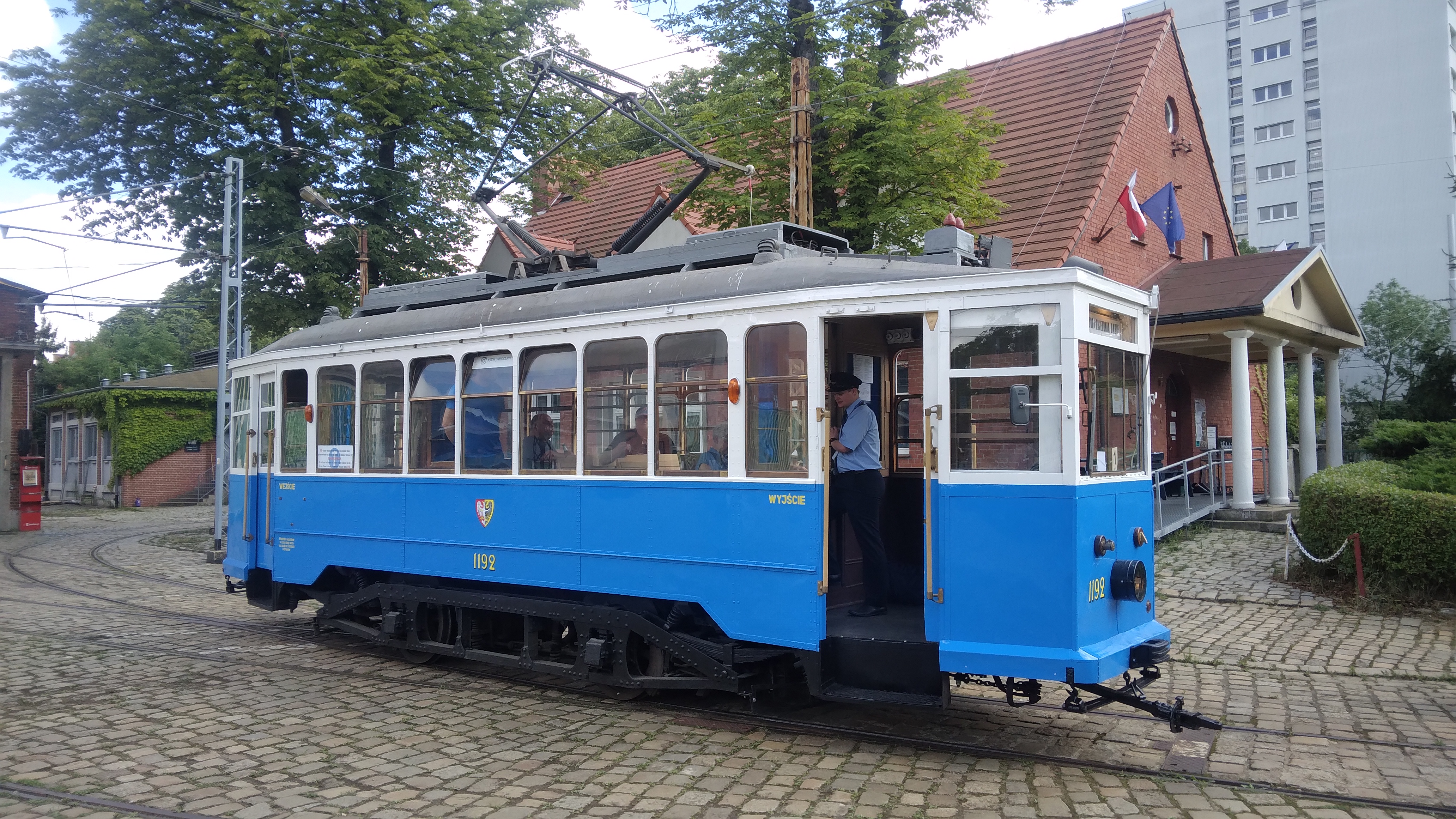
Linke-Hofmann Standard trams were produced for Breslau (Wrocław) from 1925. Most of them survived World War II, and some of them served until 1977. Several cars were delivered to Warsaw. Tram 1192 was produced in 1929 and is a valuable, monument-like vehicle of the historical tram service of Wrocław.


p1010156.JPG

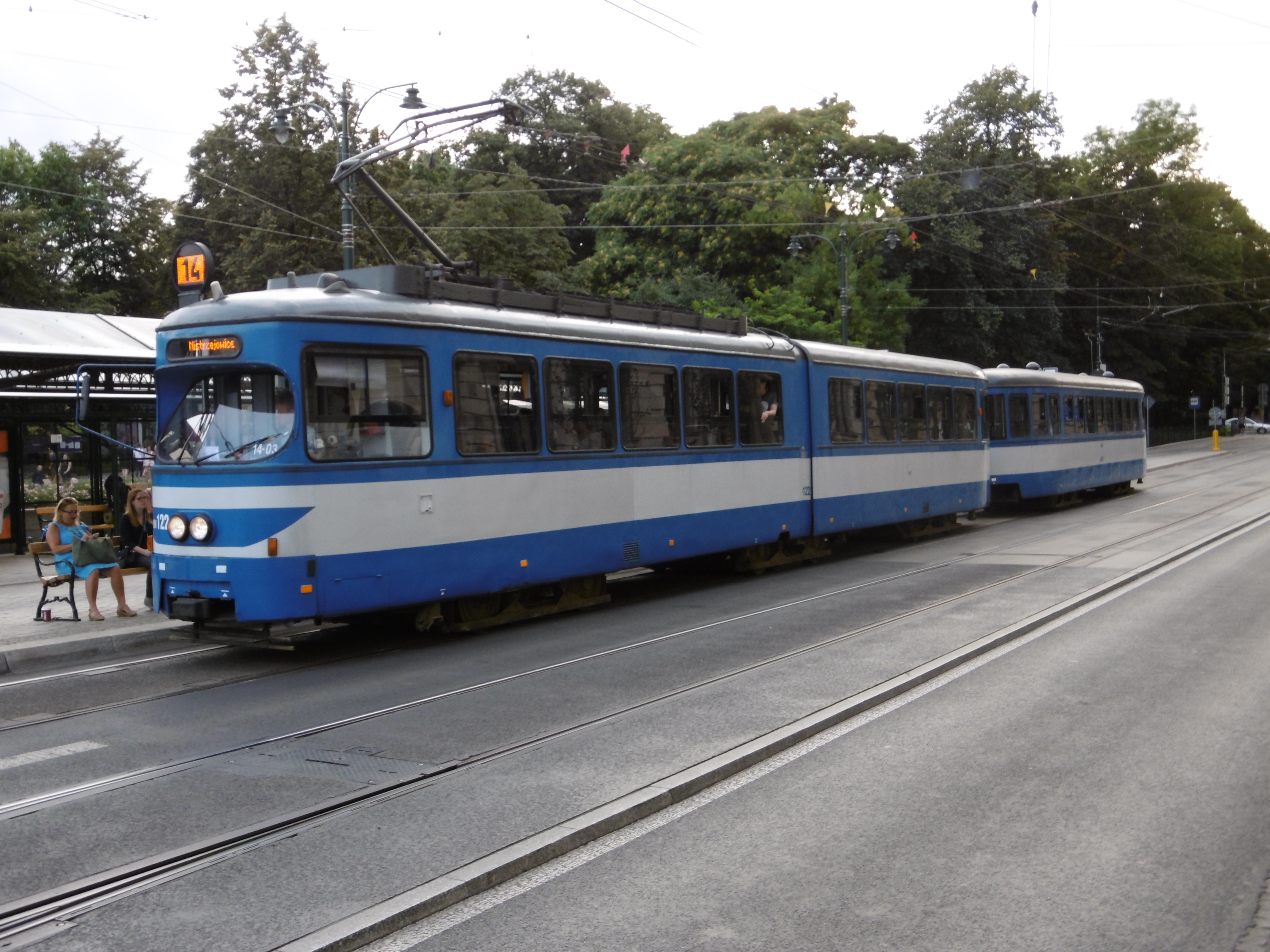
Kraków bought some E1 trams with C3 trailers from Vienna. These are still in operation, but will soon be completely replaced by new Pesa trams.


Austria

becs_villamos.jpg

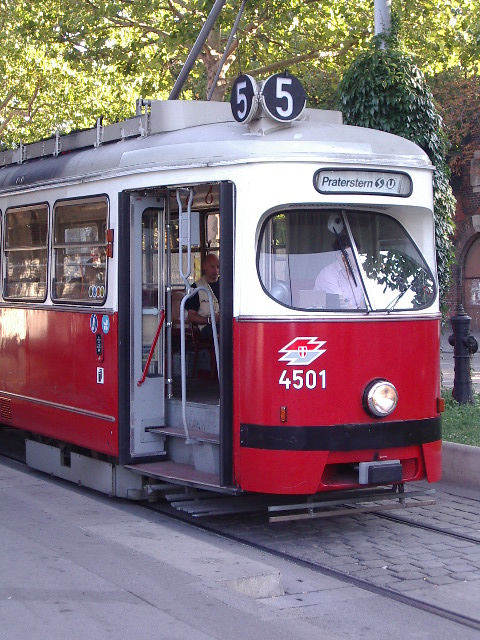
An iconic E-type tram in its home city of Vienna. They were a permanent part of the cityscape between 1959 and 2022. They were built by the Simmering-Graz-Pauker factory under license from Düwag.


postlingerbahn.jpg

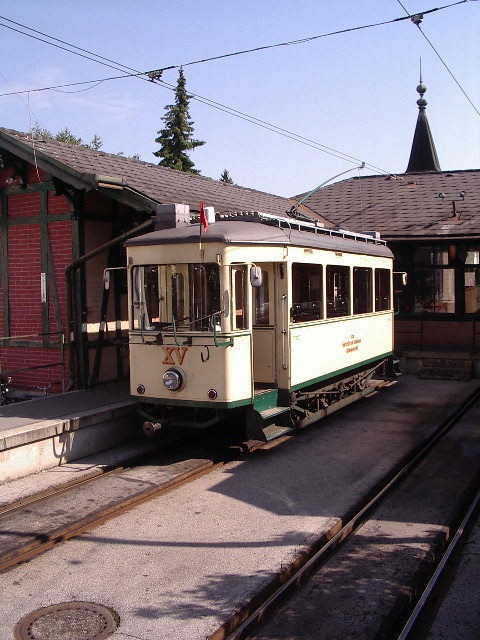
I could see the Pöstlingbergbahn in Linz in its original state in 2007 before the modernization and integration into the city tram network. It used to be the steepest adhesion tram line in Europe. Tram number XV was built by ESG factory in 1954.


p1030168.JPG

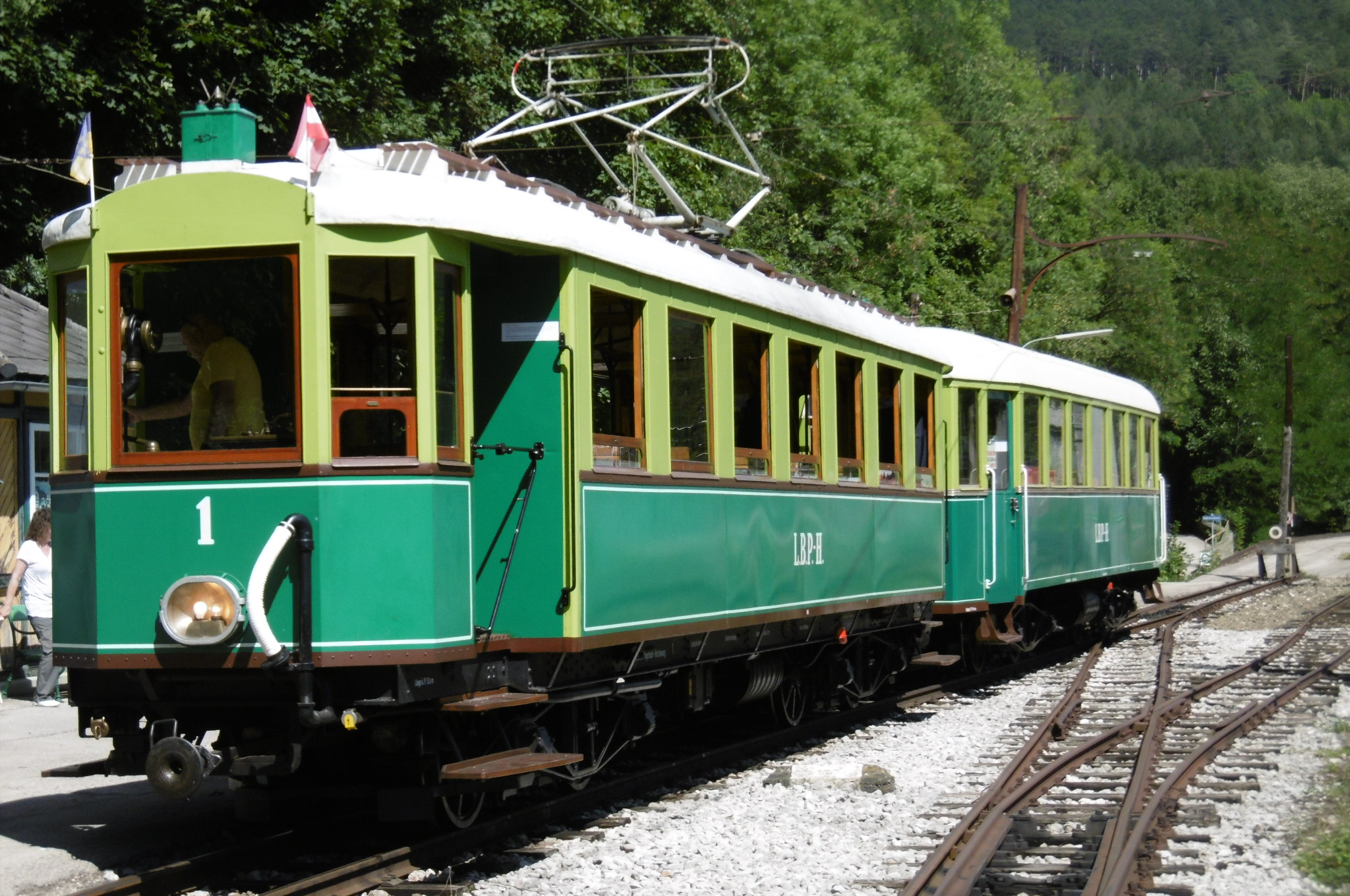
Höllentalbahn (Austria) is a narrow gauge interurban museum tram line in the Semmering area. This 4-axle electric railcar was produced in 1926. It is the standard vehicle of heritage service.


Isle of Man

20250503_095111_1.jpg

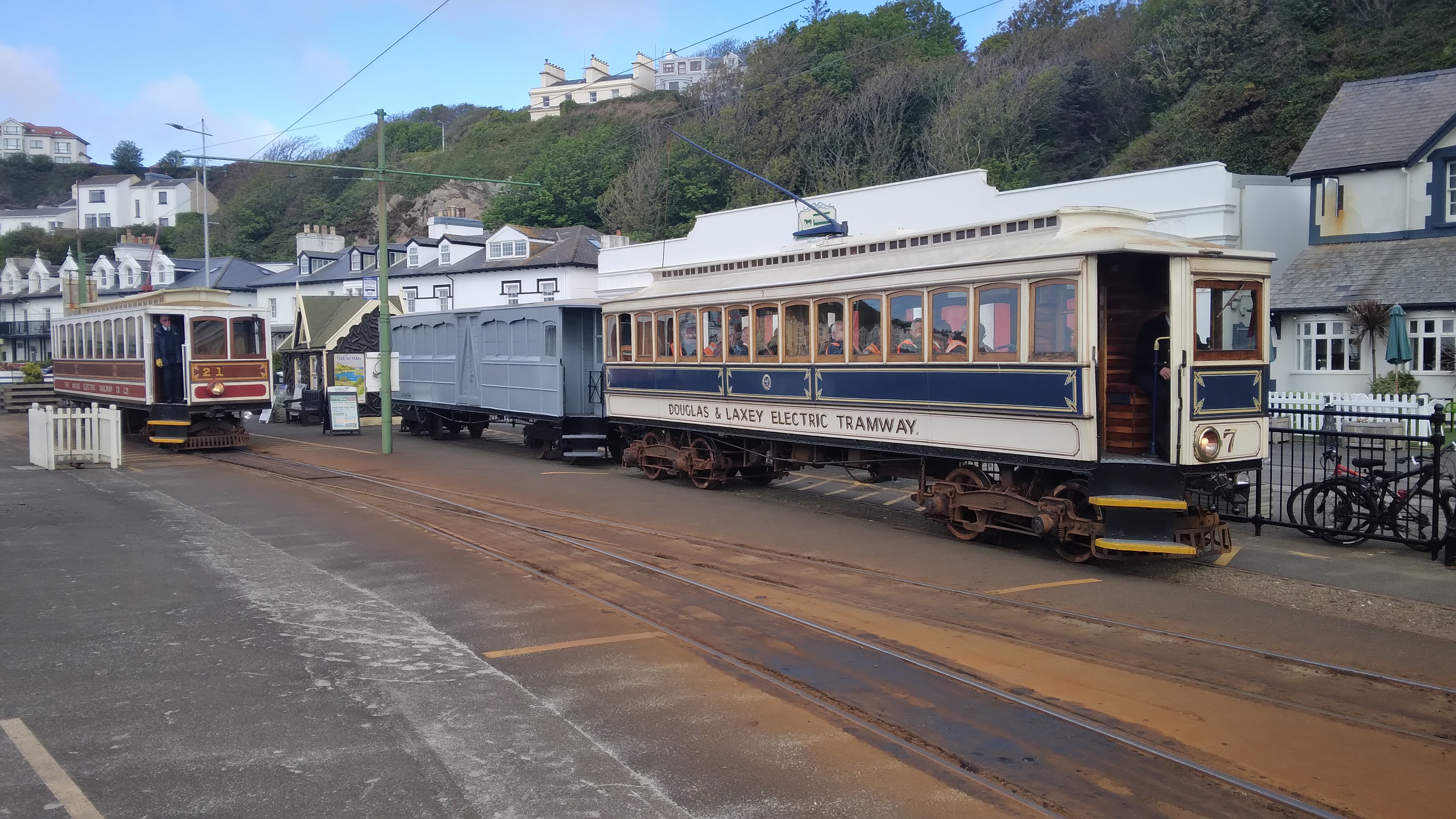
The Manx Electric Railway is an interurban heritage tram line on the Isle of Man. Only original vehicles run there. The blue tram (number 7, type Tunnel Car) was built in 1894. In the background you can see a brown tram (number 21, type Winter Saloon) from 1896.


20250502_093346.jpg

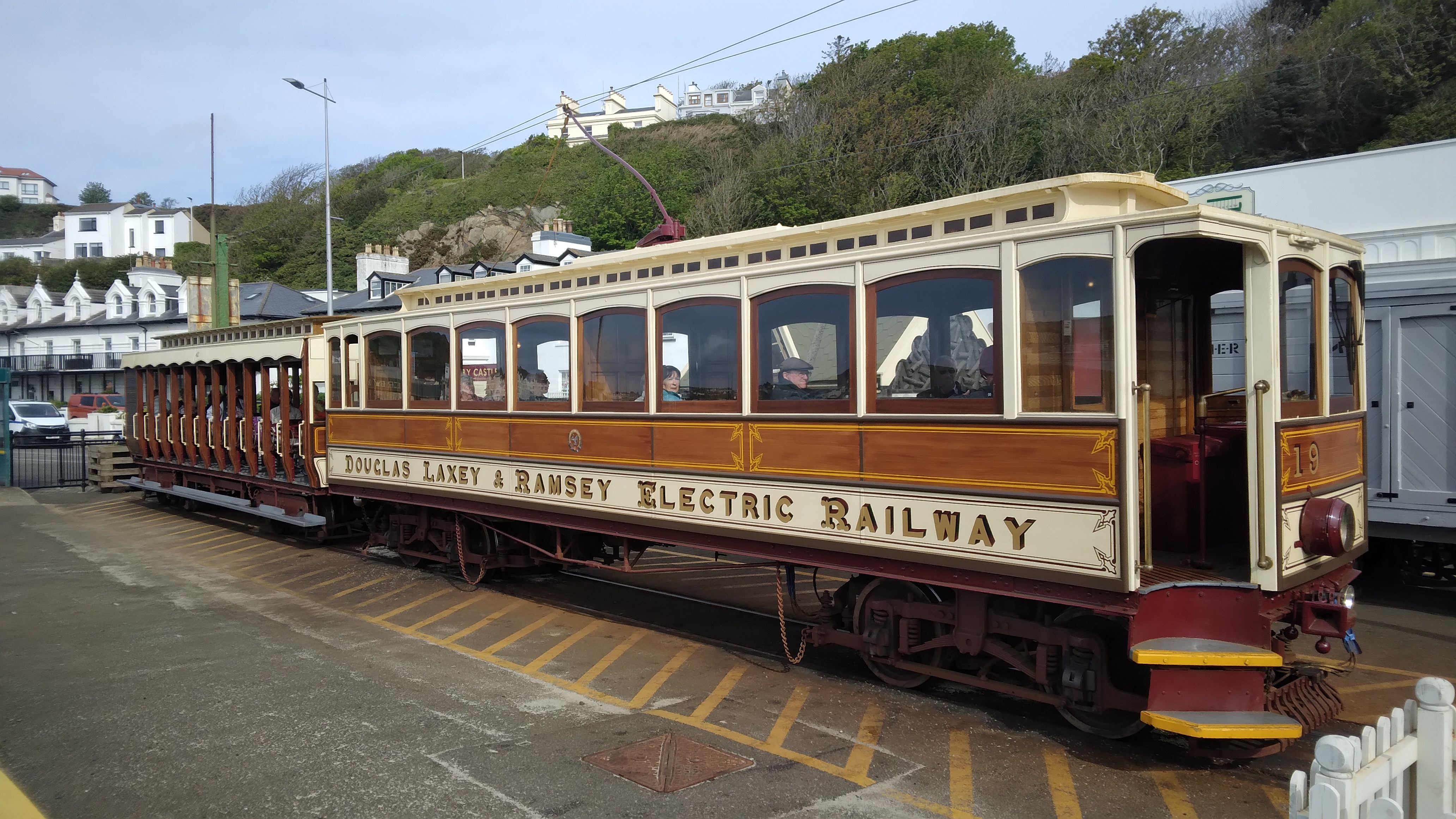
Winter saloon number 19 is waiting to depart in Douglas. You can buy a model of this railcar in the gift shop of the tramway. Trams usually pull a trailer, most of which are open.


20250502_093424.jpg

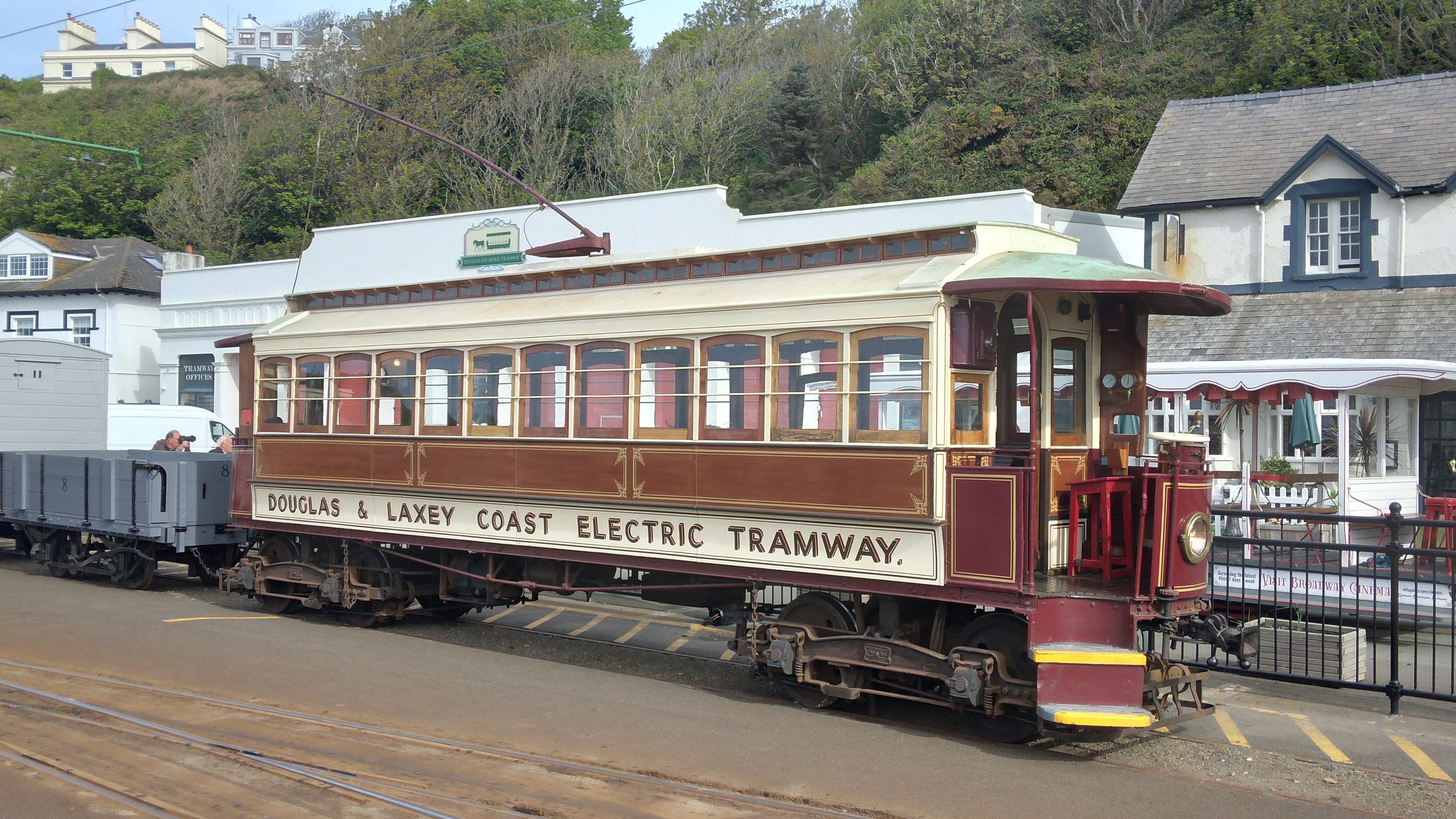
The Unvestibuled Saloon is the oldest type of electric railcars, they were built in 1893. A group ordered it for their special train.


20250503_122348.jpg

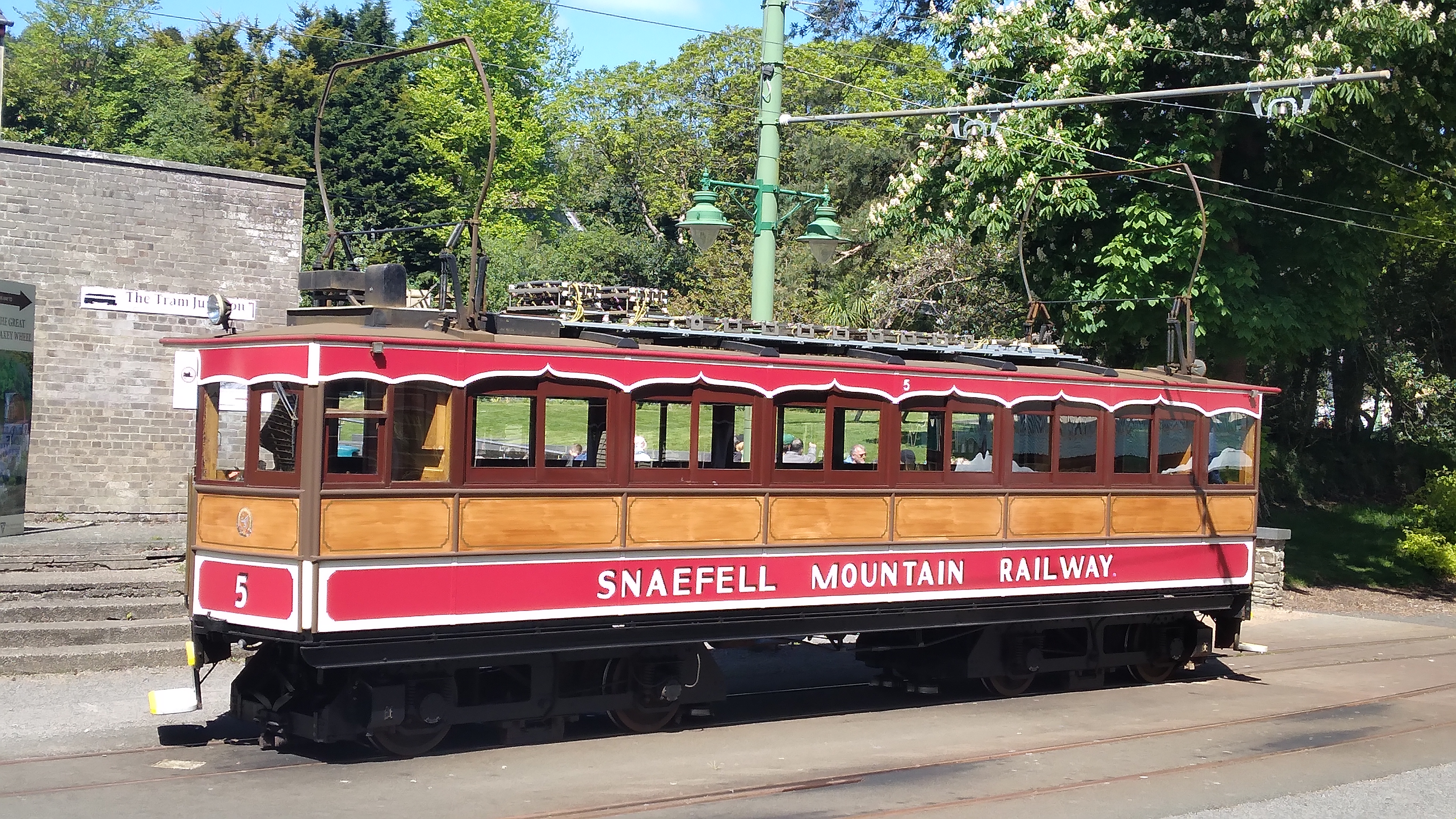
The Snaefell Mountain Railway is another historic tramway on the Isle of Man. Most of the railcars were built in 1895. The cars change colour from time to time.


Portugal

20241026_174925.jpg

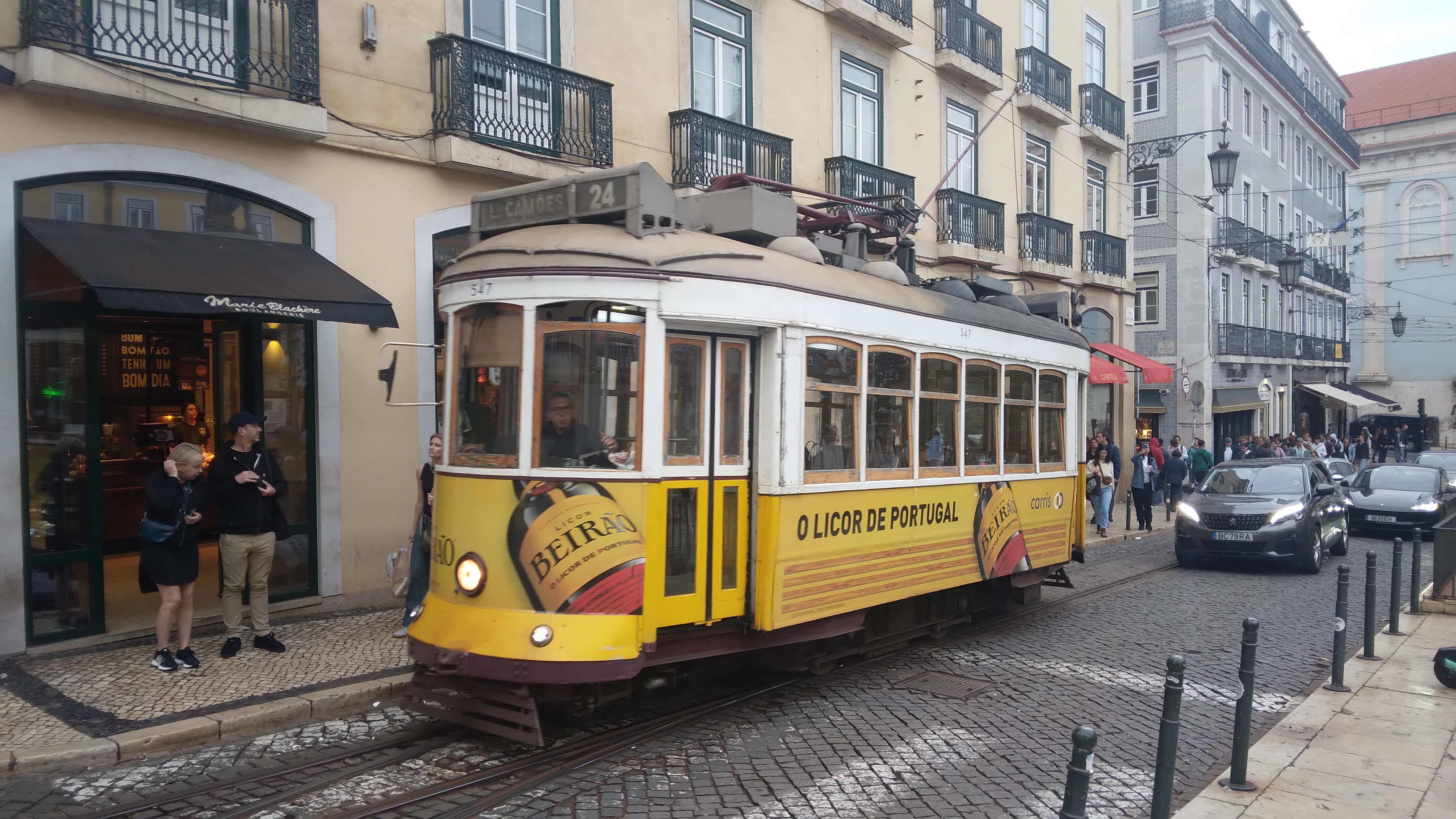
The Remodelado trams have become an iconic part of the streets of Lisbon. They have been running since the 1930s. Although line 28 is the most famous, they can also be found on other lines in the city center.


p1060174.JPG

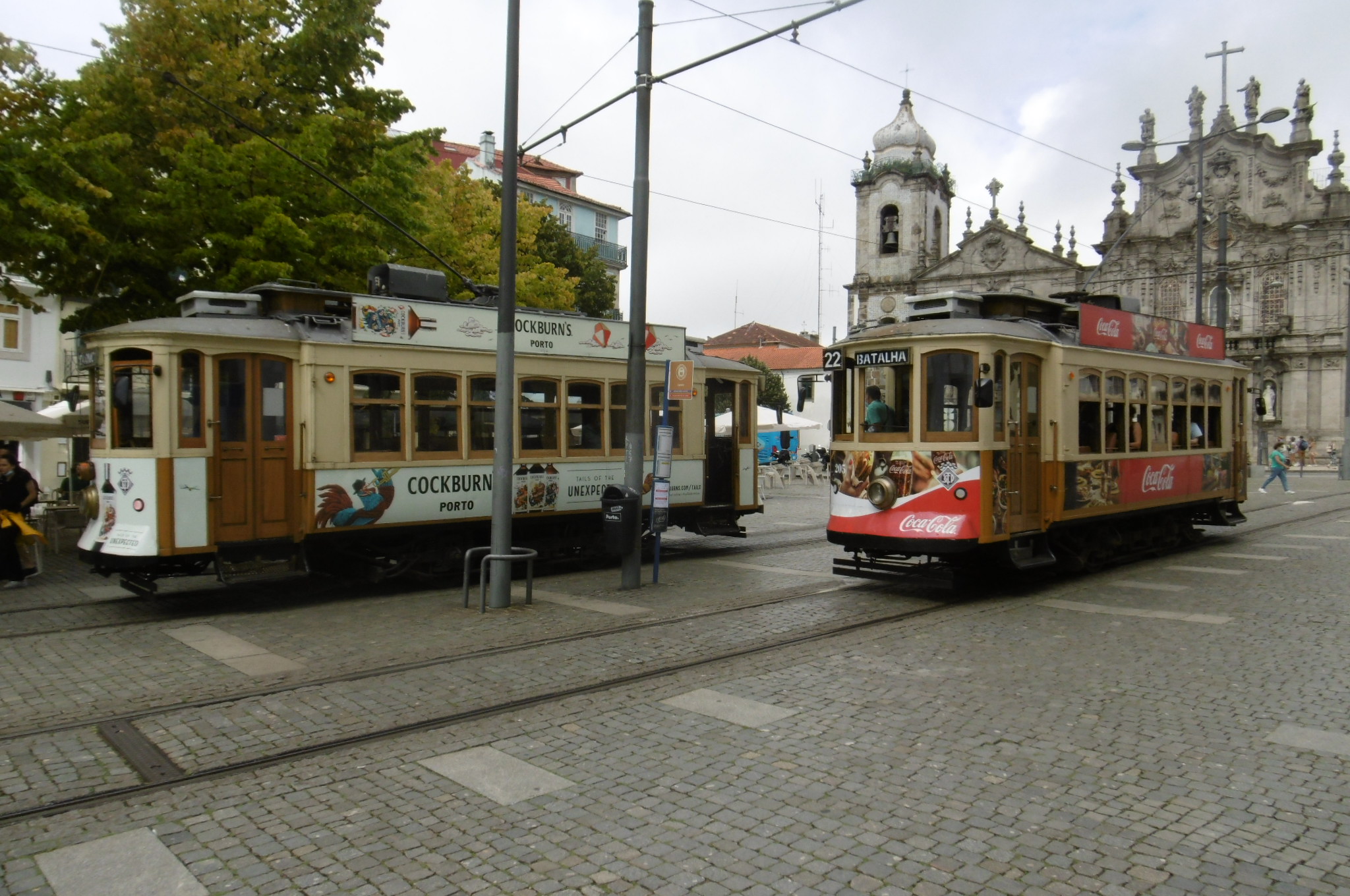
Porto has 3 historic tram lines (two currently in operation), with vehicles from different decades. The cars in the picture were originally built before World War I, but were rebuilt by local workshops in the 1940s.


Germany

p1090383_1.JPG

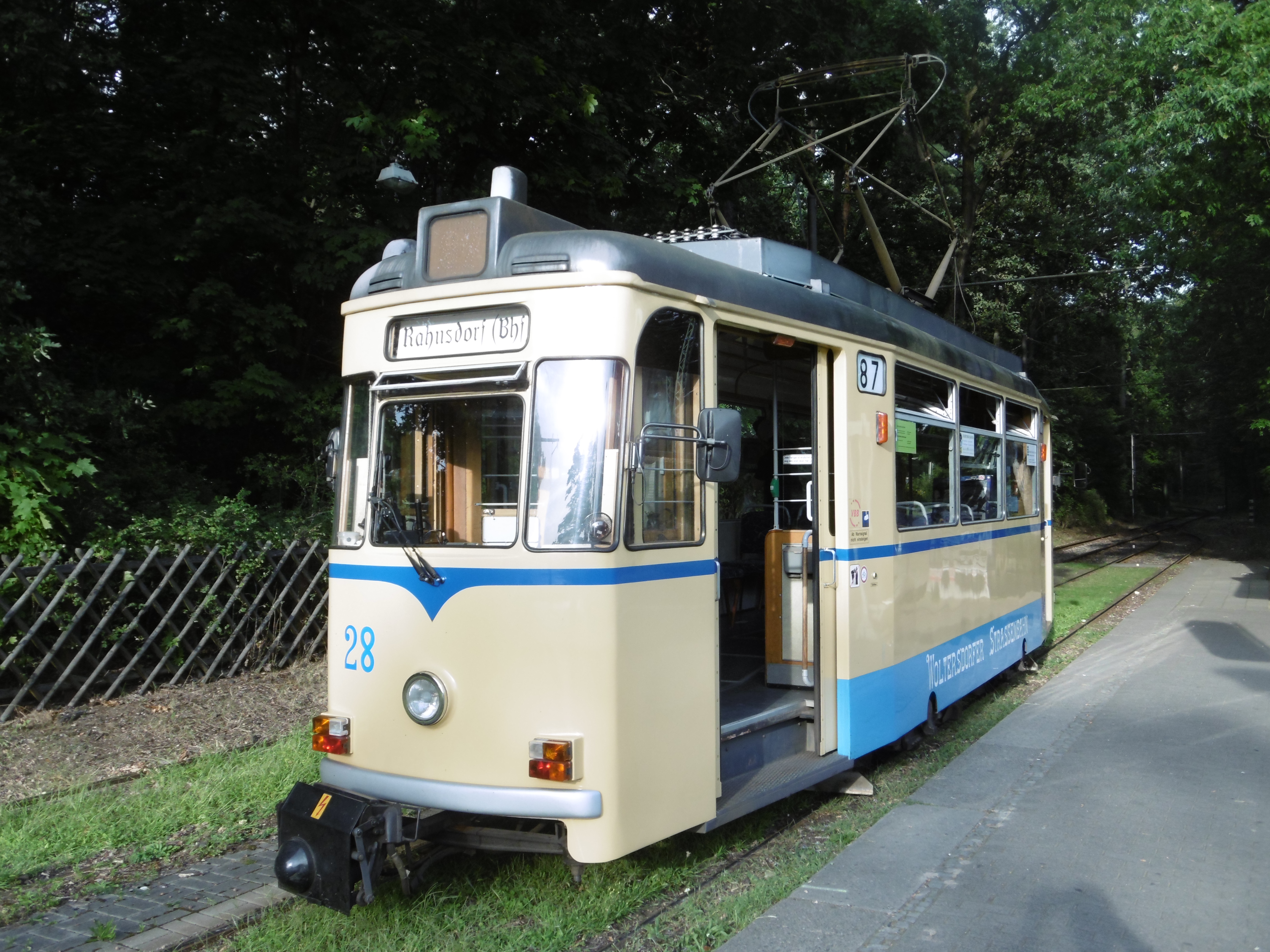
Let us continue with 2-axle trams. The Woltersdorf tram is located near Berlin. Until 2025, the Gotha T57 type trams were in operation, which were manufactured in the 1960s.


imgp7605.JPG

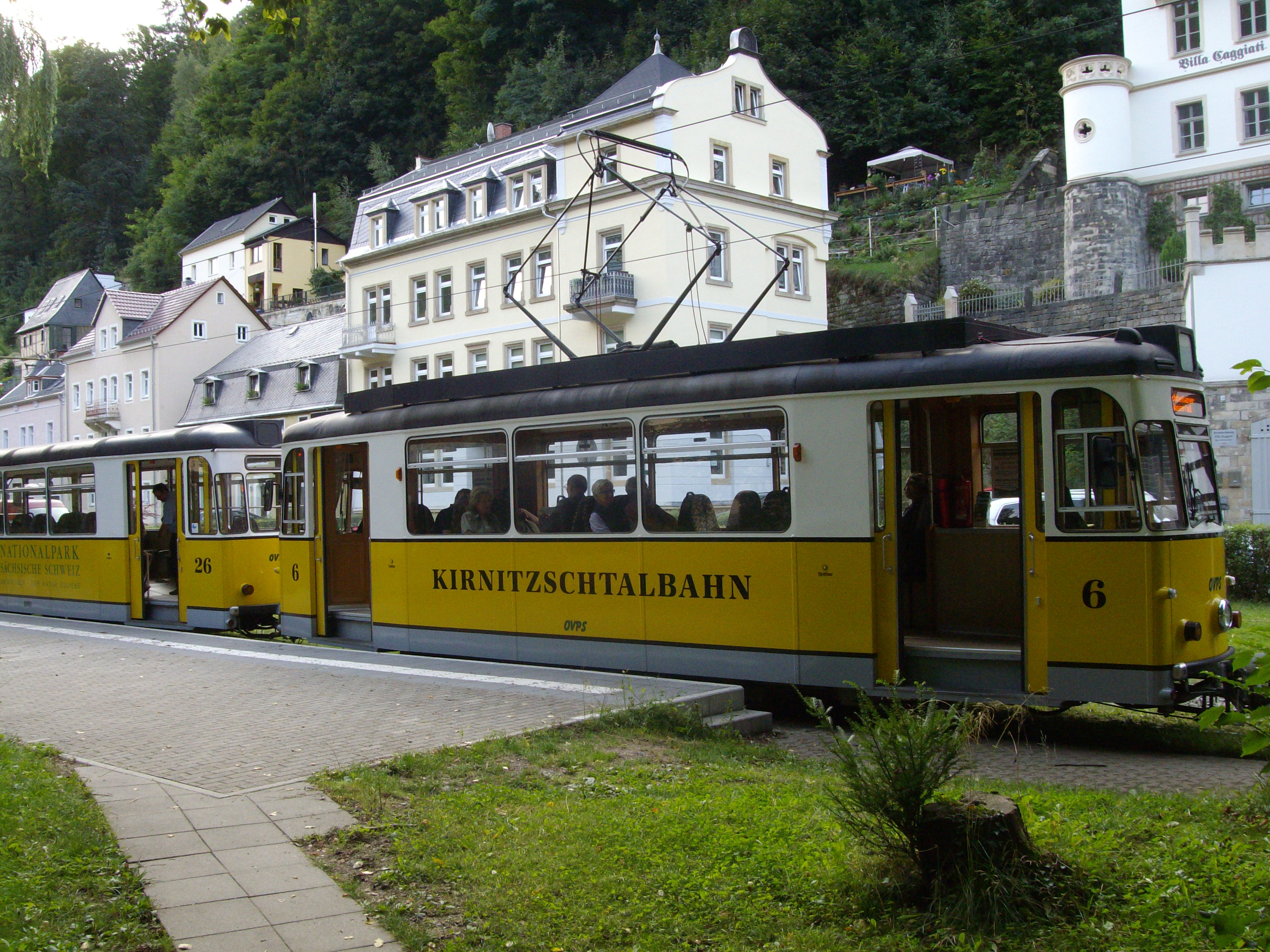
The Kirnitzschtalbahn, a forest tram line in the Saxon Switzerland, still uses Gotha type T57 trams, usually with trailers.


Romania

imgp2741.JPG

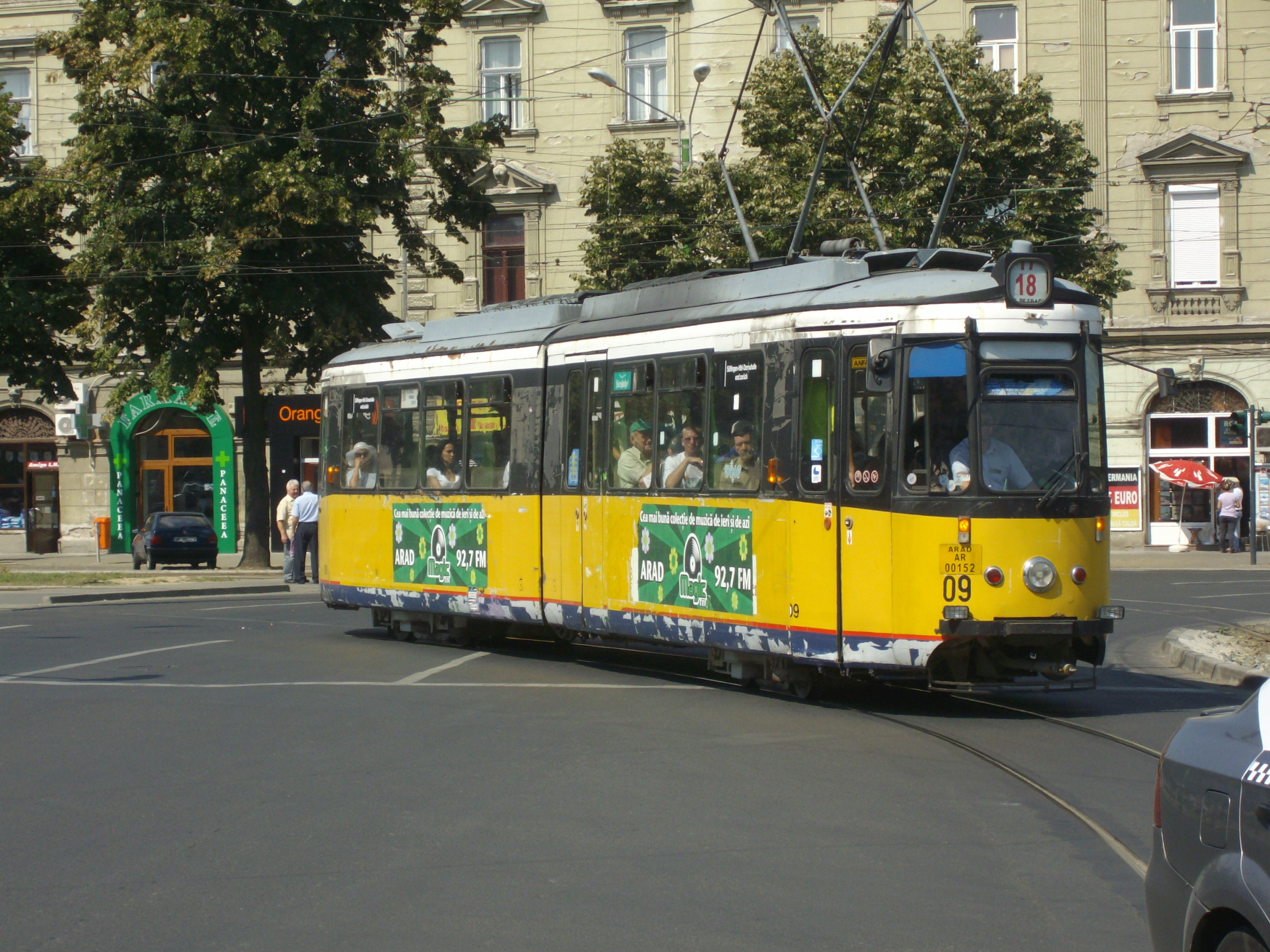
The GT4 is an articulated tram vehicle built by Maschinenfabrik Esslingen from 1959 until 1965. They were used in Arad between 2003 and 2025 where I took this photo in 2010. They are still operated in Iași.


imgp2740_masolata.JPG

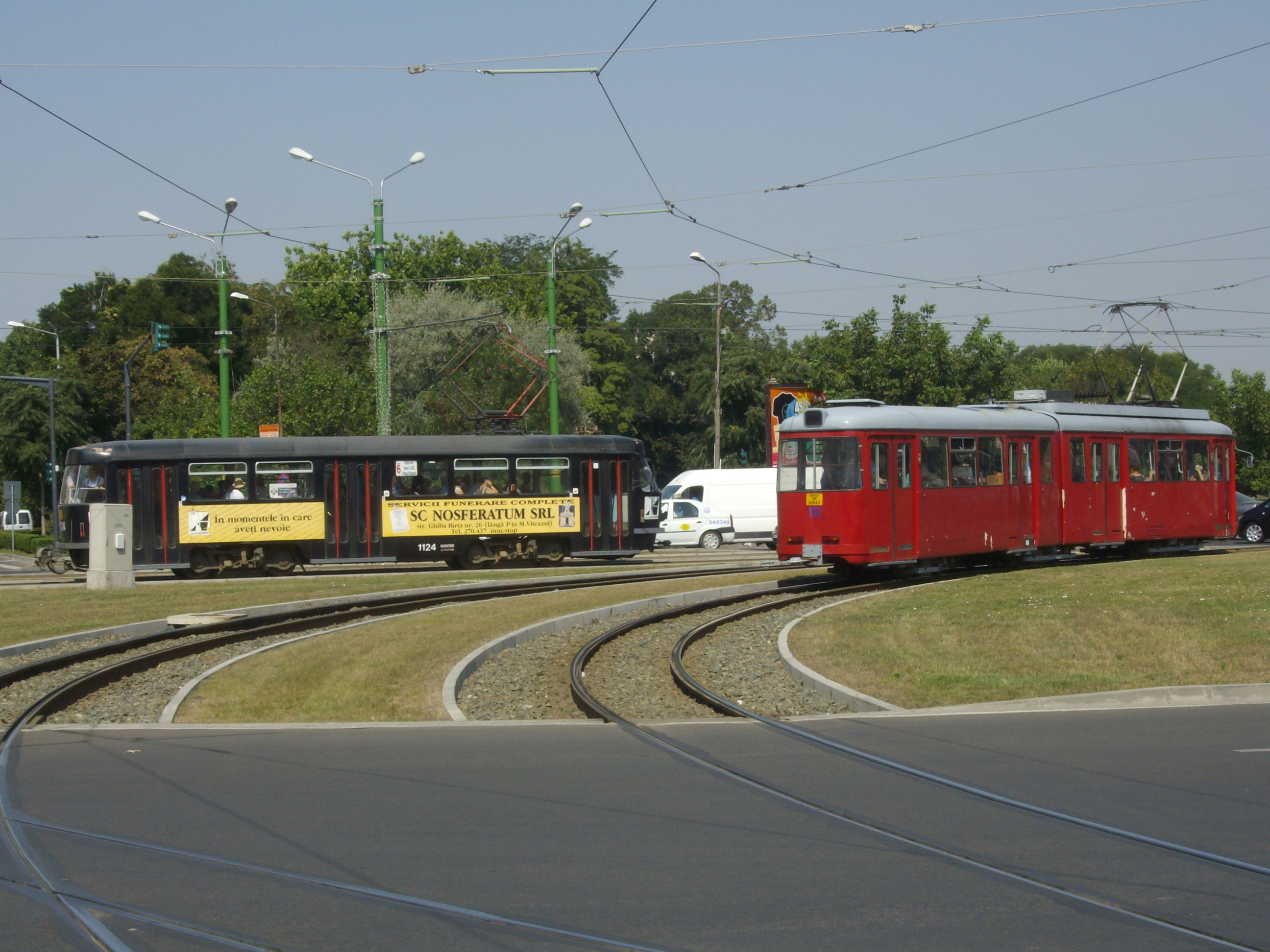
Arad still uses few Tatra T4 (left) and Düwag GT6 (right) trams. GT6 trams arrived in Arad from different German cities as second-hand vehicles. In 2010 the trams had various colours.


imgp2737_masolata.JPG

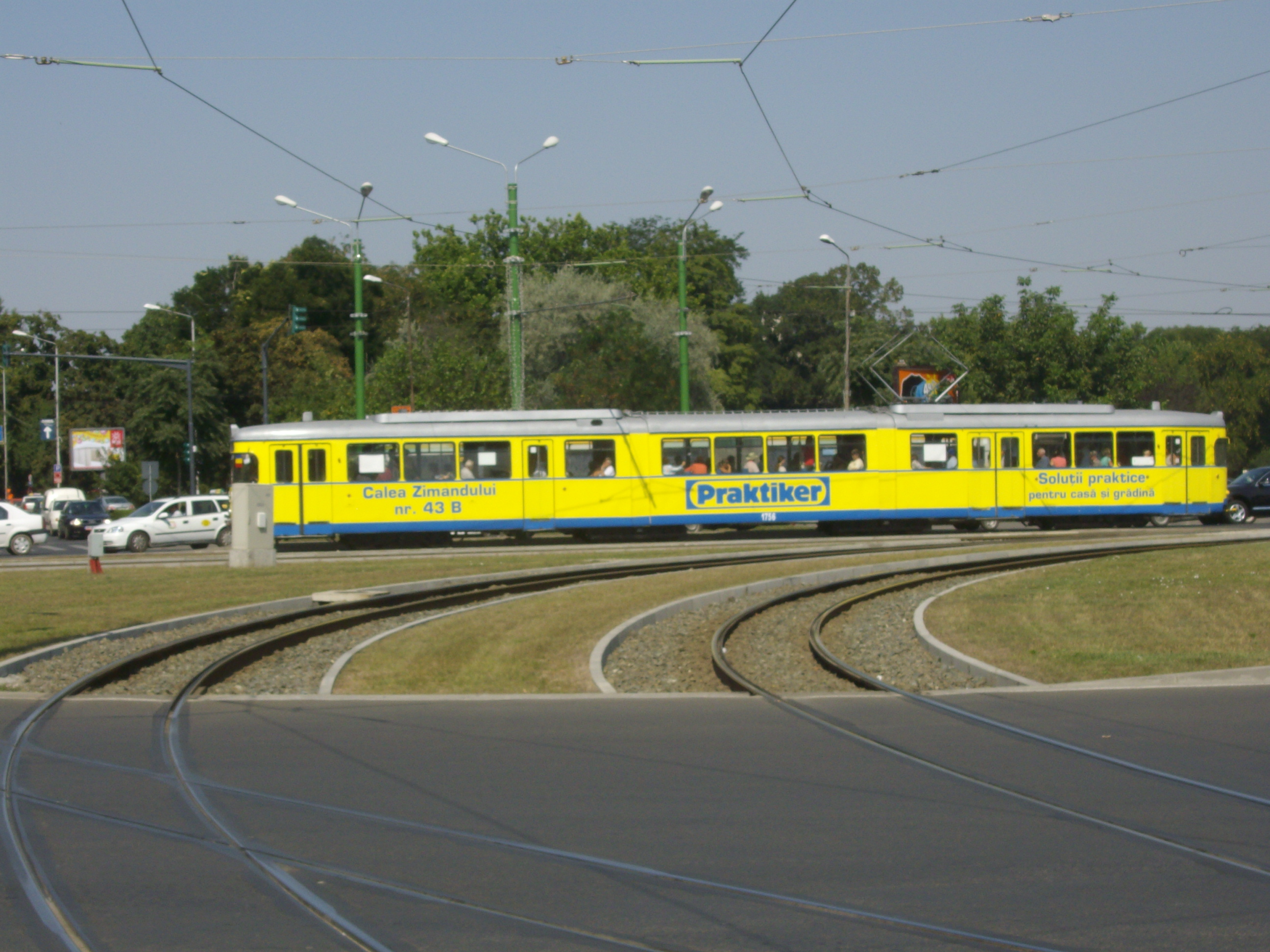
Düwag GT8 type trams have 8 axles. 7 of them are still in operation in Arad. Most of them served in Essen before arriving in Arad.


imgp2704.JPG

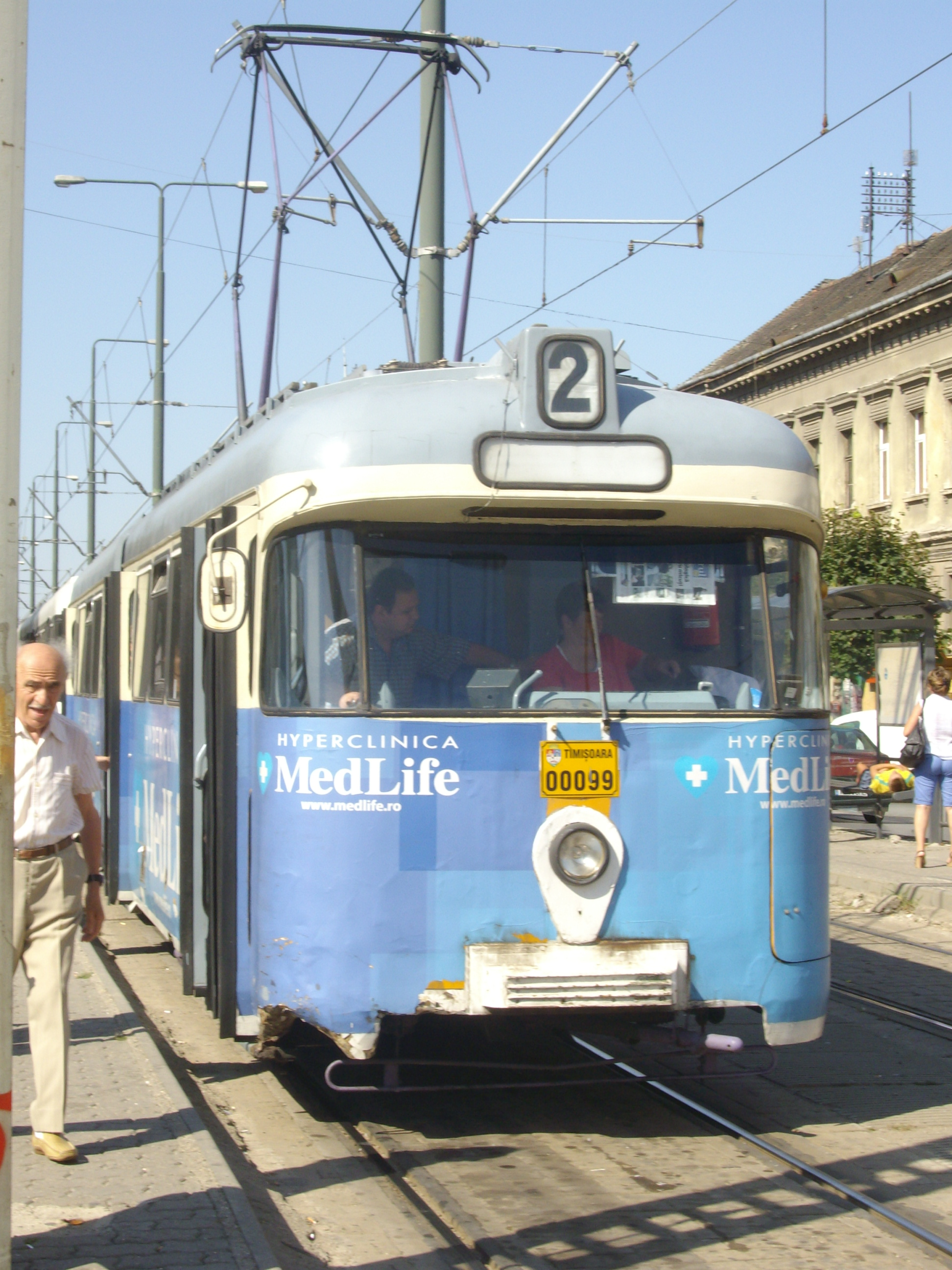
Only a few Hansa GT4 trams are still running on the streets of Timisoara. All of them came from Bremen. The tram in the picture was manufactured in 1967.


Sweden

imgp5201.JPG

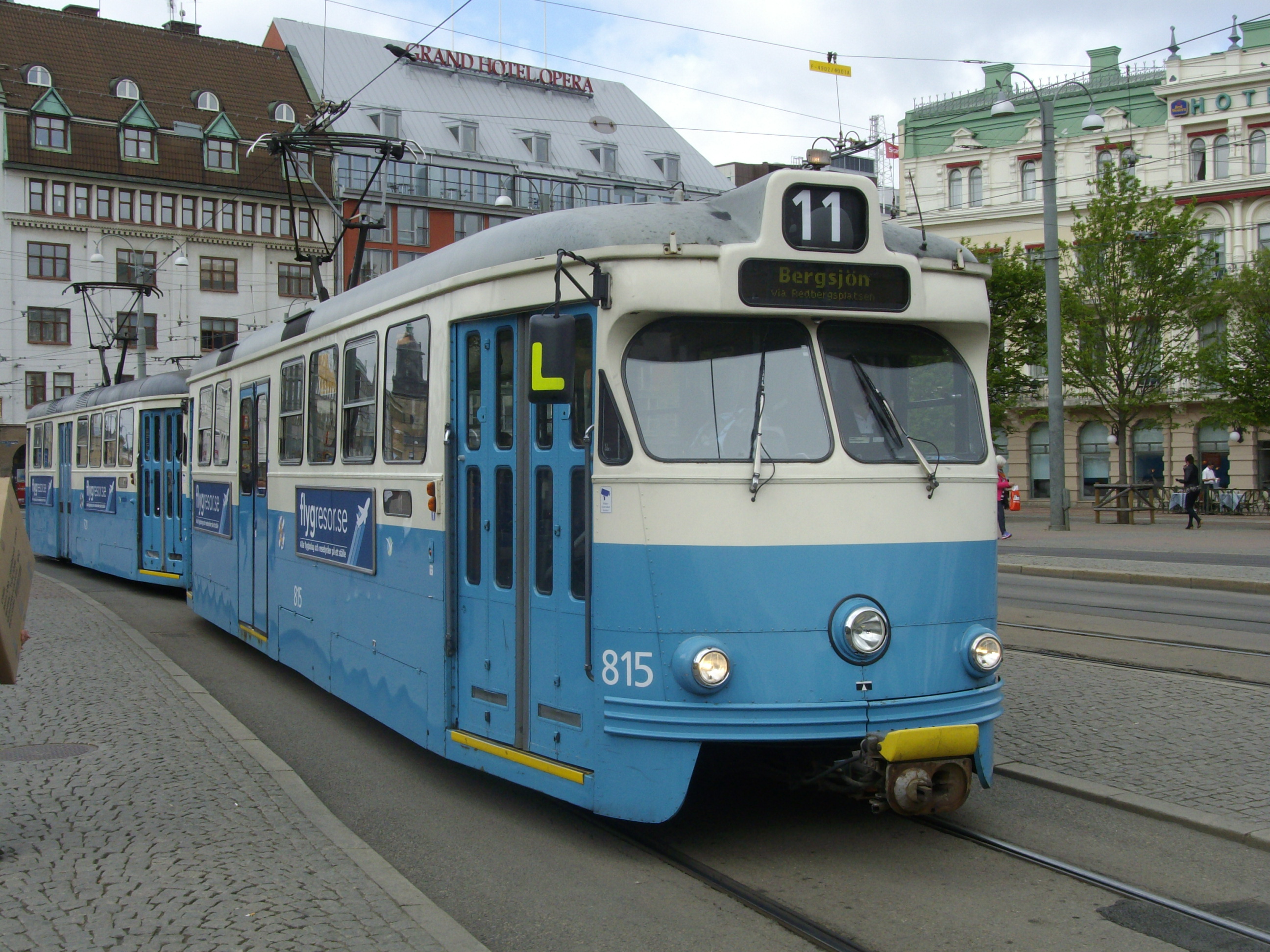
2026 will be the last year that the M29 class trams (built between 1969 and 1972) will run in Gothenburg. After the new trams arrive, they will be donated to Ukraine. I took this picture in 2014 at the train station.


Diesel locomotives on European narrow gauge railways

Hungary, Germany, Bulgaria, Poland, Slovakia, Czechia, Austria, Ukraine, Latvia, Wales


Hungary 

imgp0924.JPG

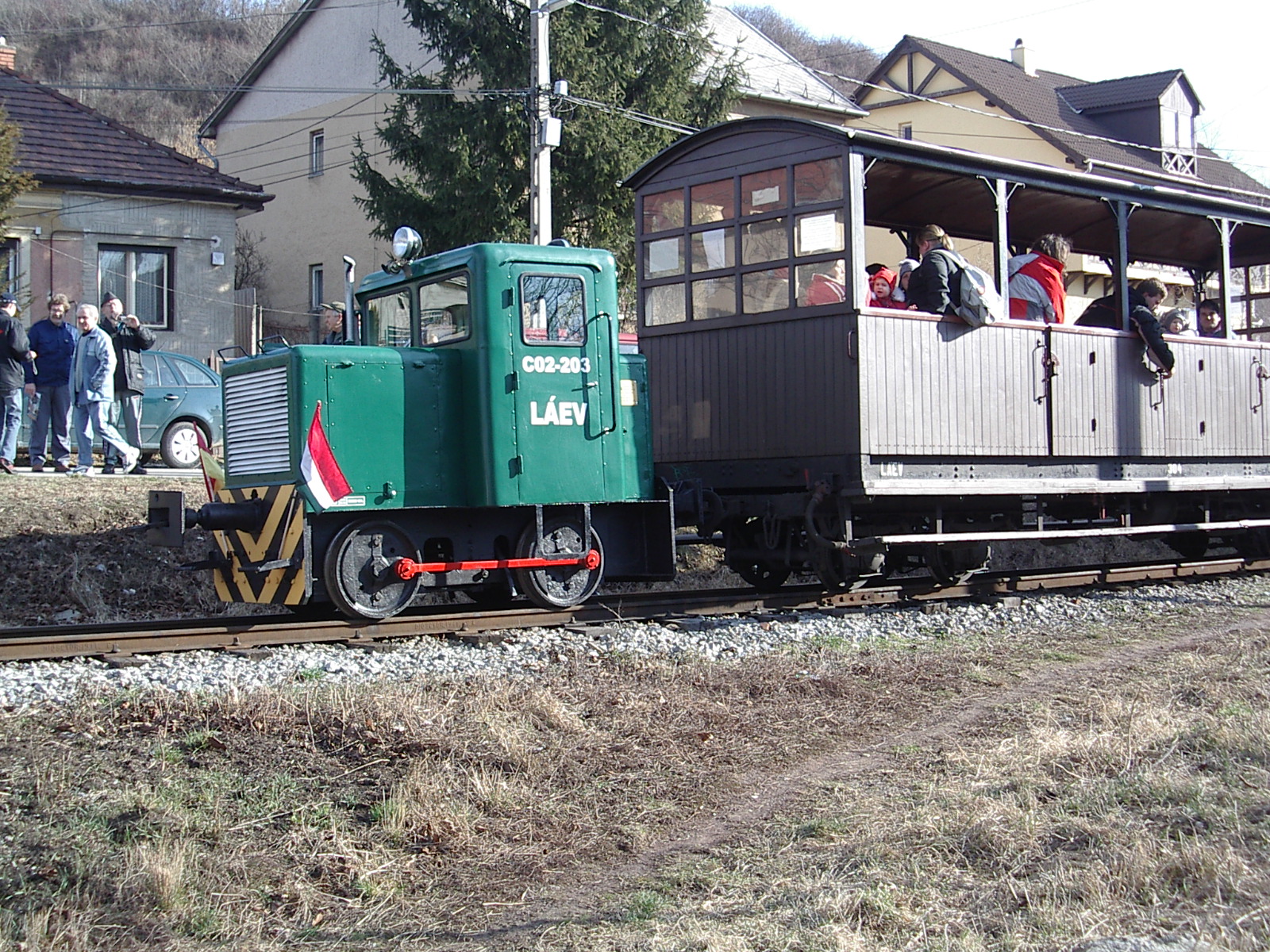
 The Forestry Railway of Lillafüred (LÁEV) owns a tiny B-26 type locomotive from 1954. It used to work in a sugar factory and it is the only preserved one of this series. Sometimes it runs in special trains.


imgp0918.JPG

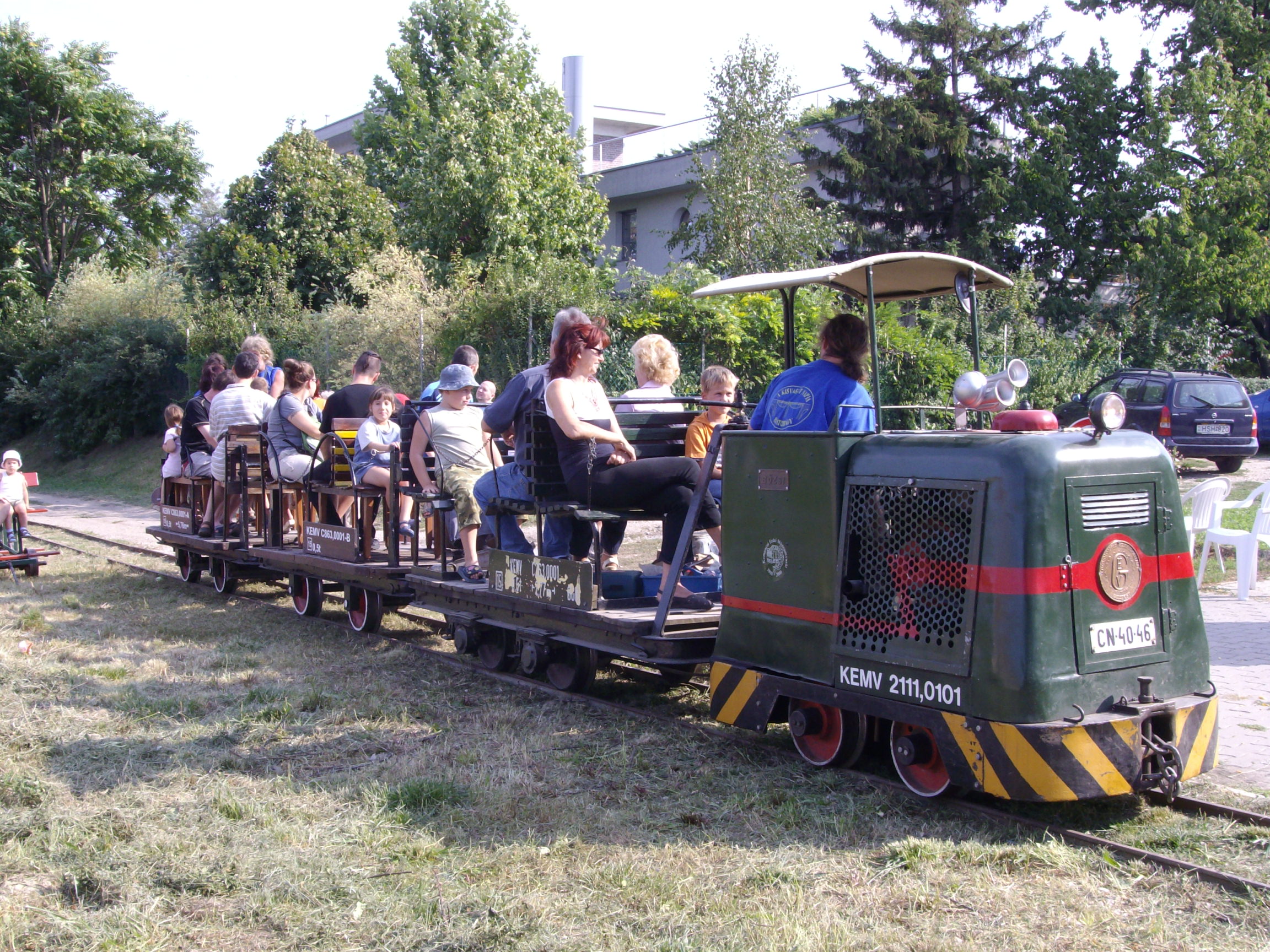
 There are special locomotives on the Forestry Museum Railway of Kemence. This series's nickname is "Kuli", they used to work mostly in brickyards. In the picture it is running on a temporary track.


20240525_111403.jpg

The passenger trains on the museum railway are usually pulled by MD40 locomotives. This locomotive came from a narrow gauge railway operated by a fish farm near Szeged.


imgp1384.JPG

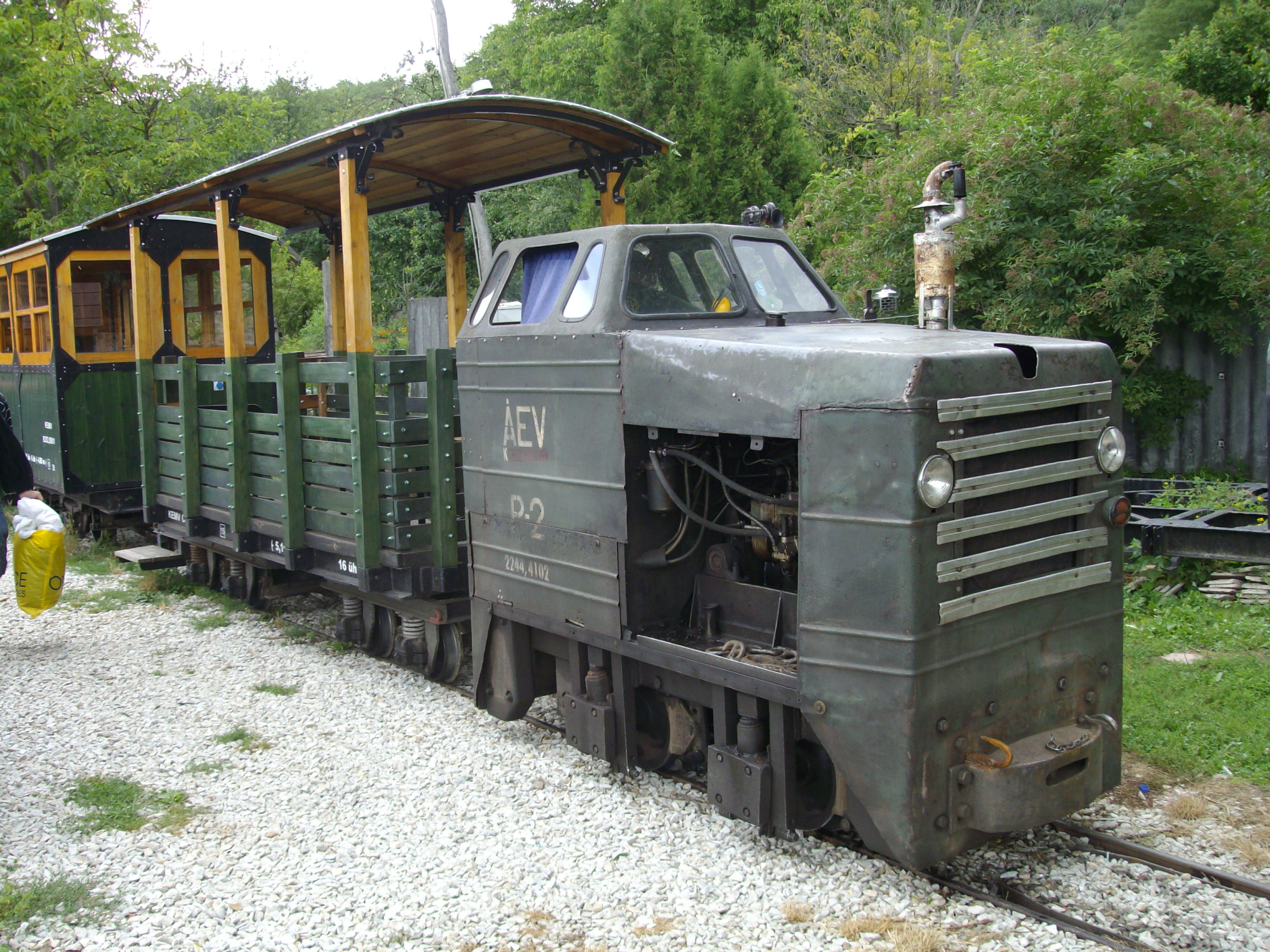
Locomotive number P2 is the symbol of the museum railway. It is the only surviving MD40 series locomotive with such a driver's cab. Some other railways also have MD40 locos but they don't use them in passenger service.


felsopeteny2.JPG

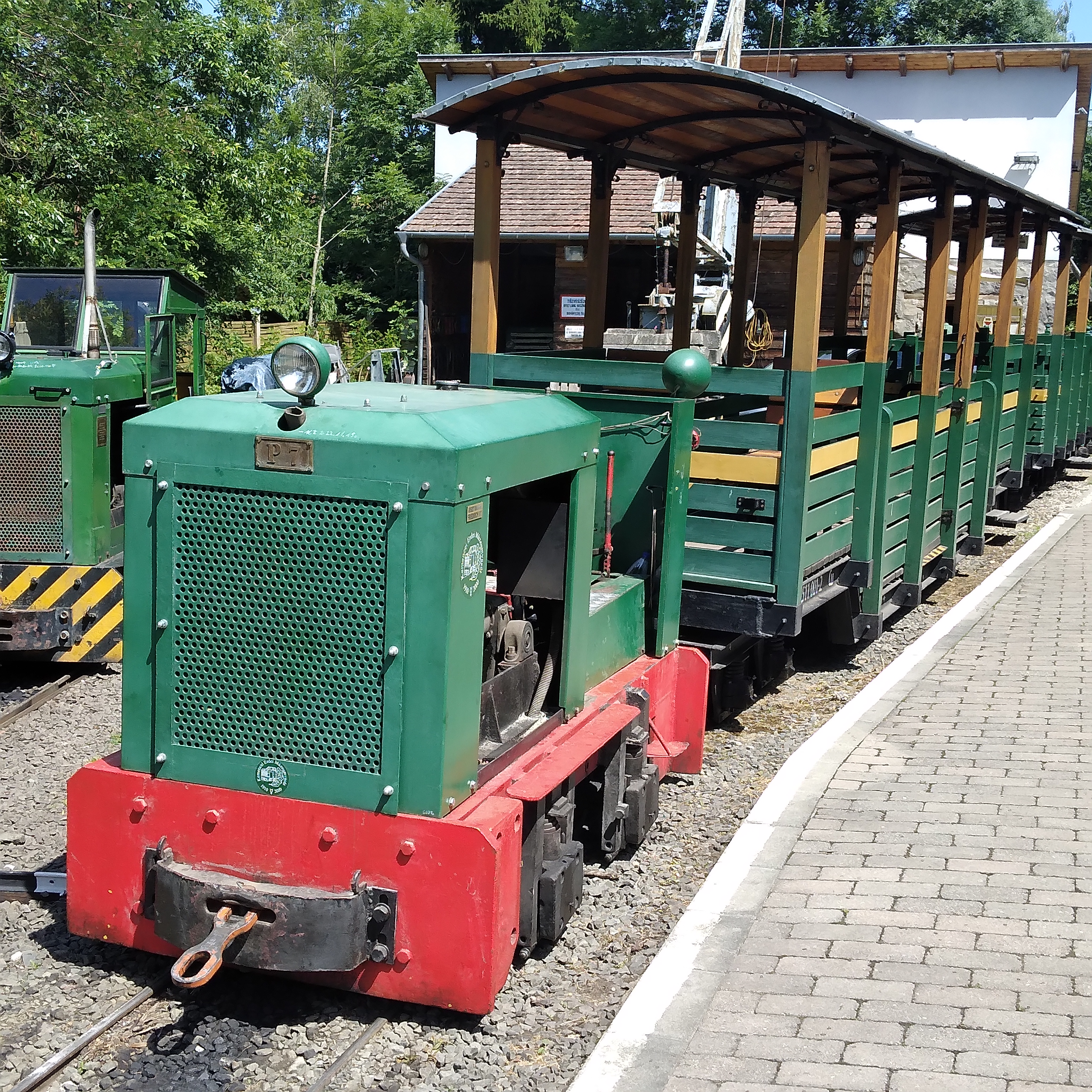
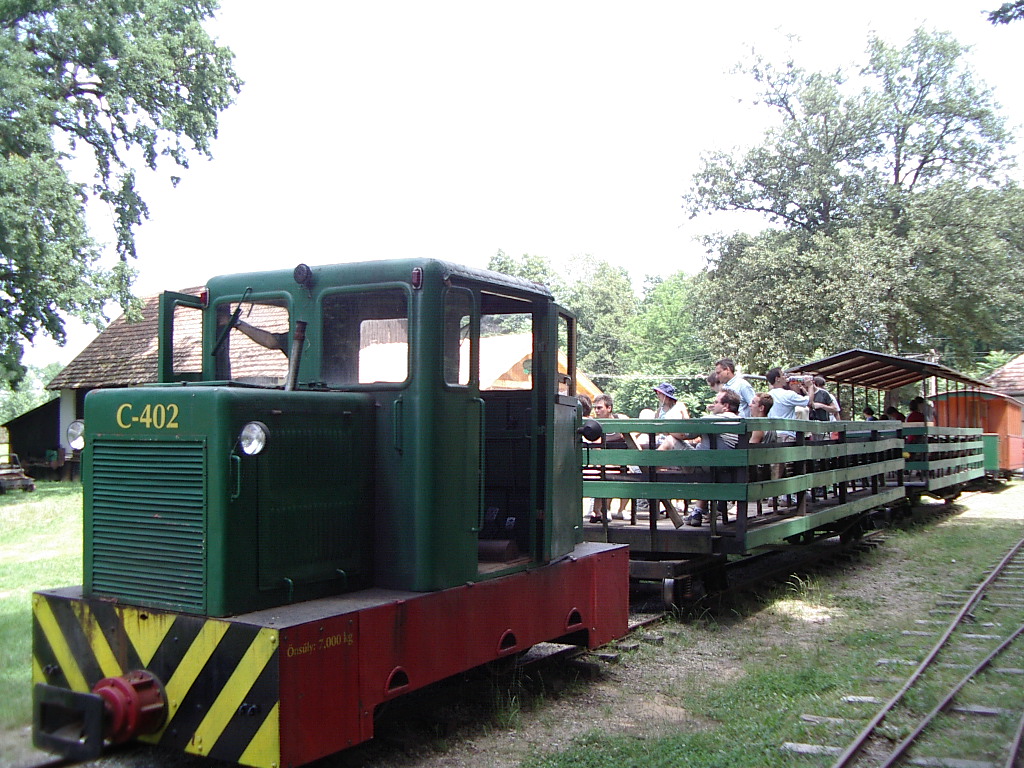
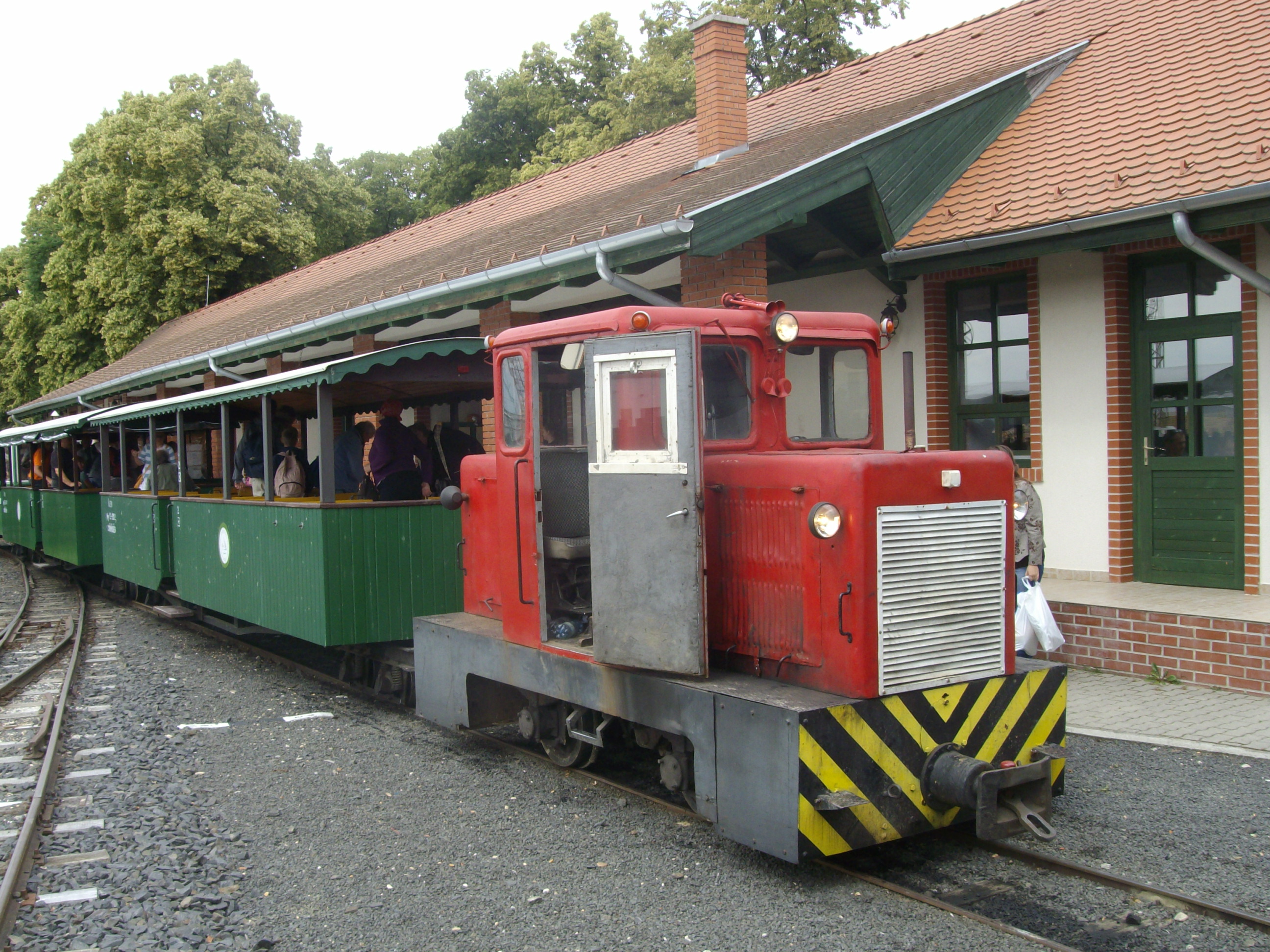
 Series C50 locos were produced in the 1950s with truck engines. They have pedals and a gearbox in the driver's cabin like in a truck. 600 mm gauge version has a little bit different engine hood. The picture was taken on a removed mine railway. 600 mm gauge C50 locos currently run only in Almamellék.


imgp0497.JPG

 C50 locomotives were common on forestry and agricultural narrow gauge railways. I took this photo in Kaszó, at the endstation of a short forestry railway. They work regularly on the forestry railways of Gemenc, Csömödér, Nagybörzsöny, Felsőtárkány and Pálháza, as well as on leisure railways in Pécs, Debrecen and Tiszakécske.


imgp4247.JPG

The Lenti Forest Railway was connected to the Csömödér network in 2000, and is currently the longest narrow gauge railway in Hungary. The picture shows a red C50 locomotive, which is rare, only found in Csömödér and Felsőtárkány. Occasionally, C50 locomotives also run in Nagycenk, Budapest, Balatonfenyves and Lillafüred.


imgp1330.JPG

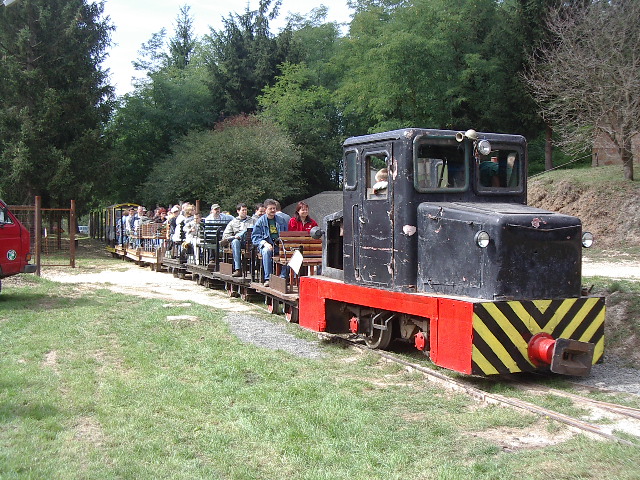
Type L-60 locomotives were built in East-Germany in the 1950s. One of them operates regularly near to the Danube Bend, between Szob and Nagyirtás. The Forestry Railway of Szilvásvárad also have one loco of this type. 


p1020099.JPG

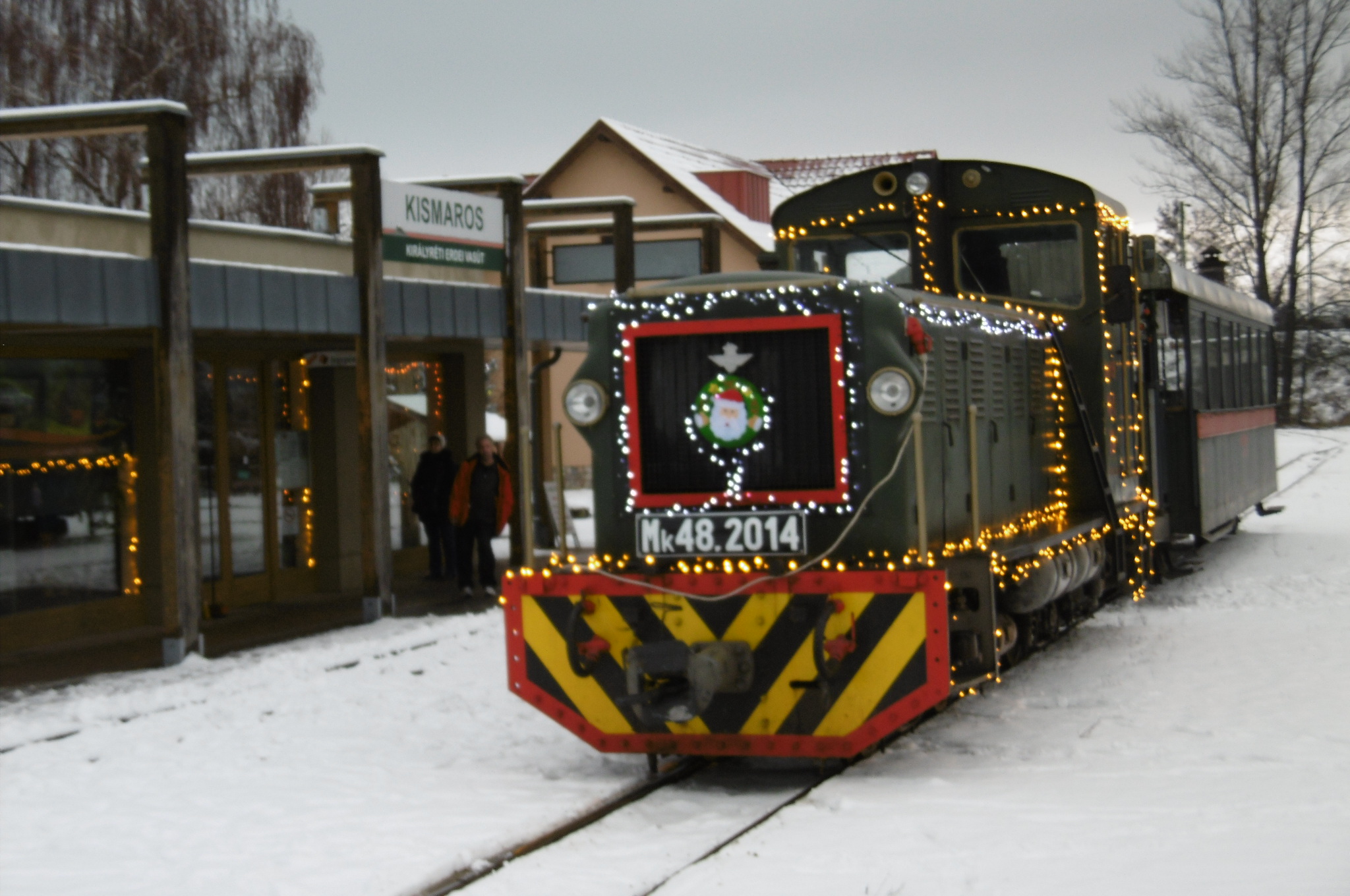
The Mk48 series was an other widely use type of narrow gauge locomotives in Hungary. They were produced in Rába Factory in Győr between 1960 ans 1961. This picture represents the Forestry Railway of Királyrét near Budapest with Christmas decoration. 


imgp1772.JPG

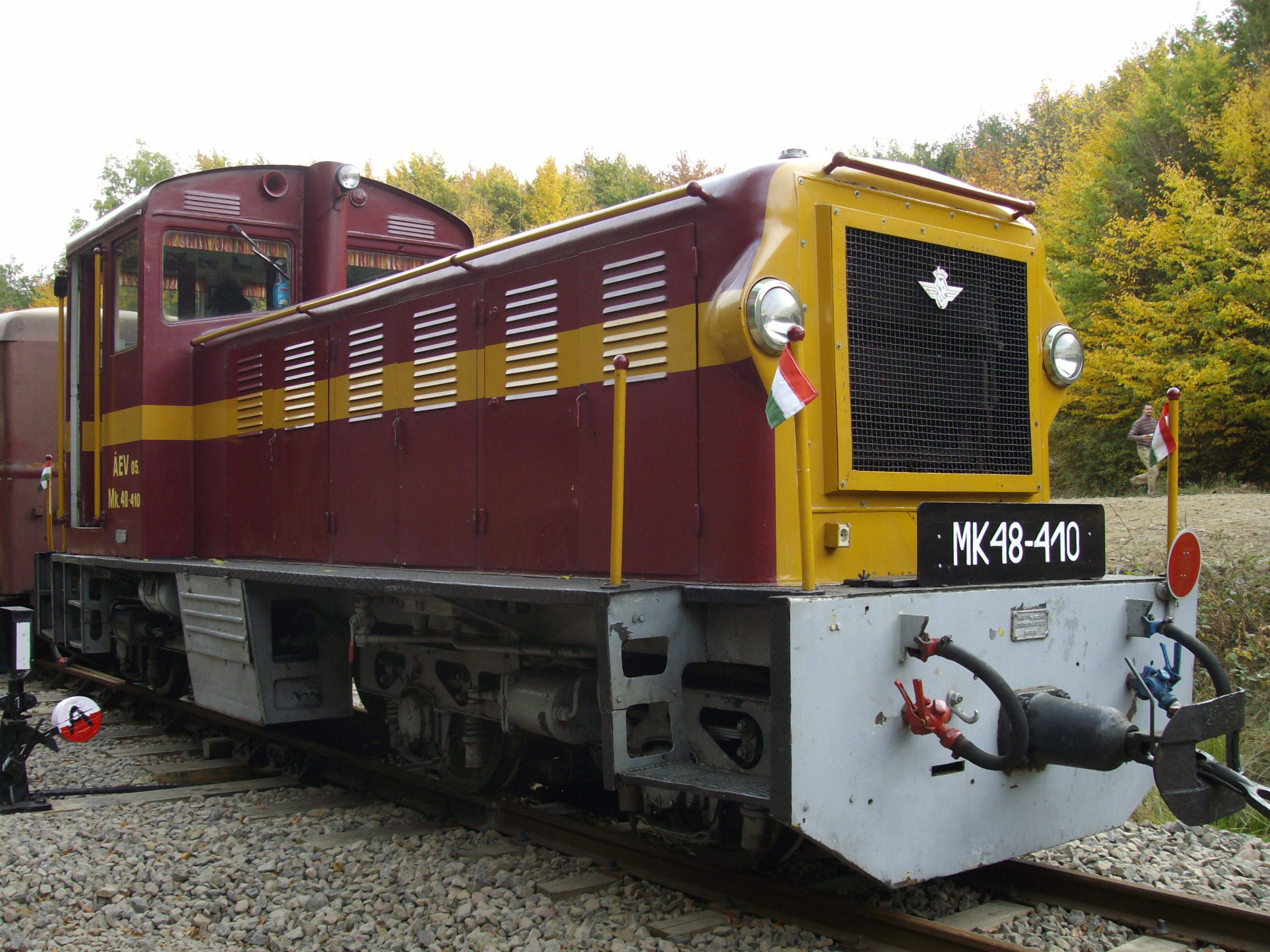
 "Mátravasút" in Gyöngyös has diesel locomotives only from Mk48 series. They have typical colours here. Type Mk48 is the usual locomotive on the forestry railways of Szilvásvárad and Lillafüred. These 2 other railways have even few modernised, hybrid ones of them, as well as the Children's Railway in Budapest.


zsuzsivasut5.JPG

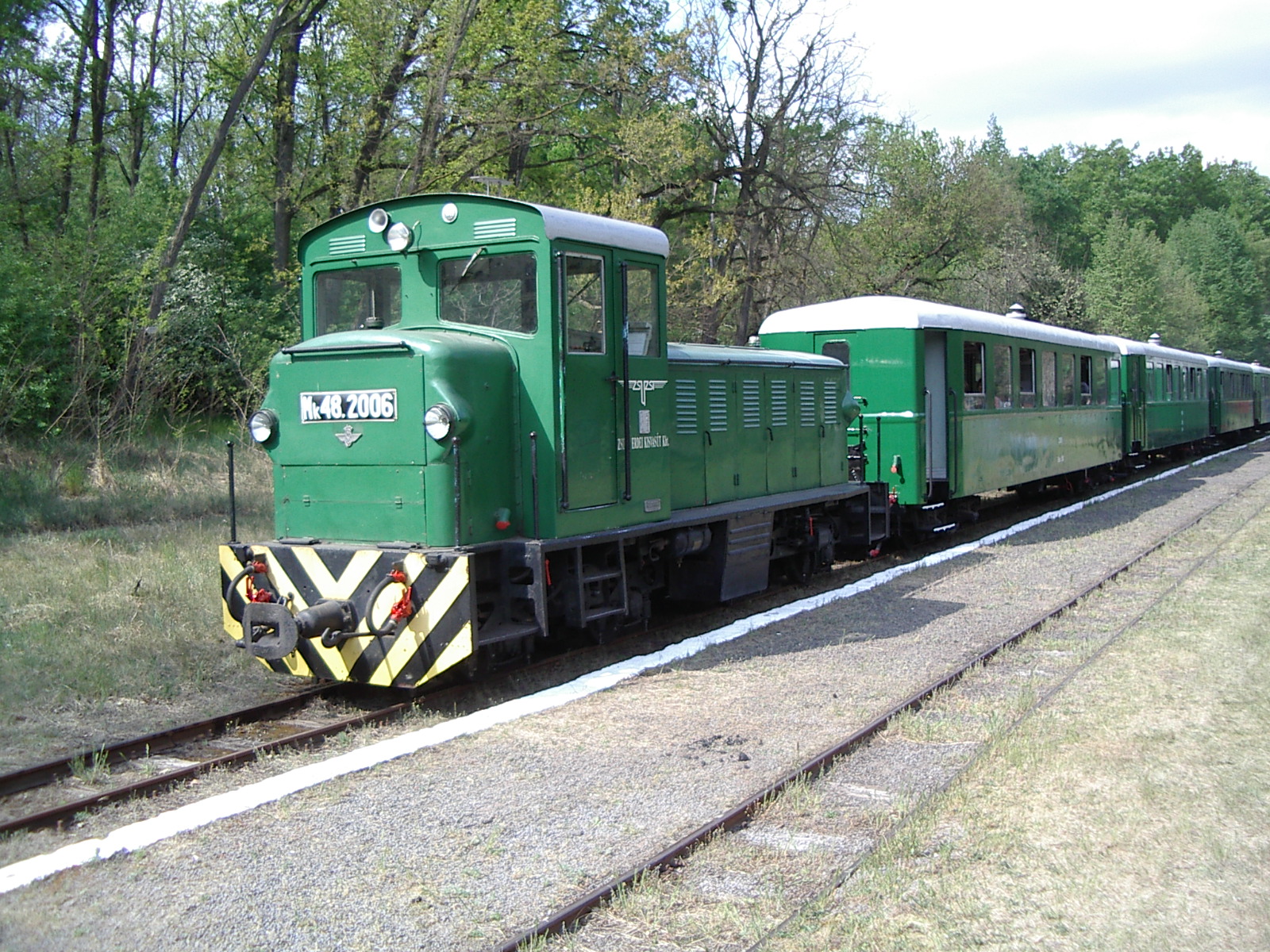
The Zsuzsi Forest Railway is the oldest narrow gauge railway in Hungary, still in operation today. Passenger trains are pulled by Mk48 locomotives. The Csömödéri Forest Railway also has two green colour Mk48 locomotives, but these are rarely used. We can also find this type of locomotive in Slovakia and Austria.


20240601_183630.jpg

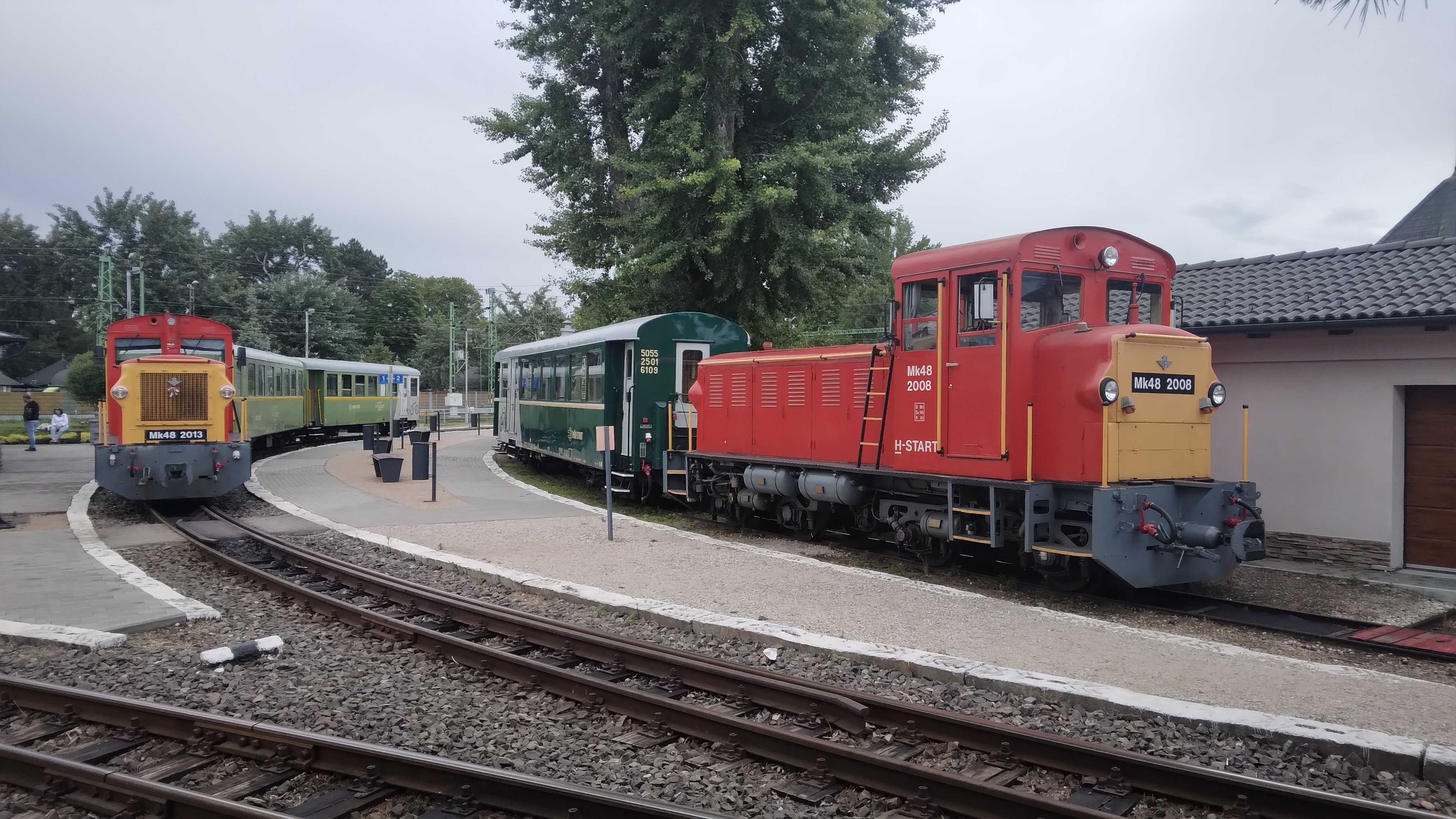
The Balatonfenyves Agricultural Railway is Hungary's last narrow gauge railway line with little commuter passenger traffic, operated by MÁV. These Mk48 locomotives arrived from Kecskemét, a closed railway line. MÁV's Mk48 locomotives can also be found in Viktor Orbán's hometown, in Felcsút.


wp_20180428_006.jpg

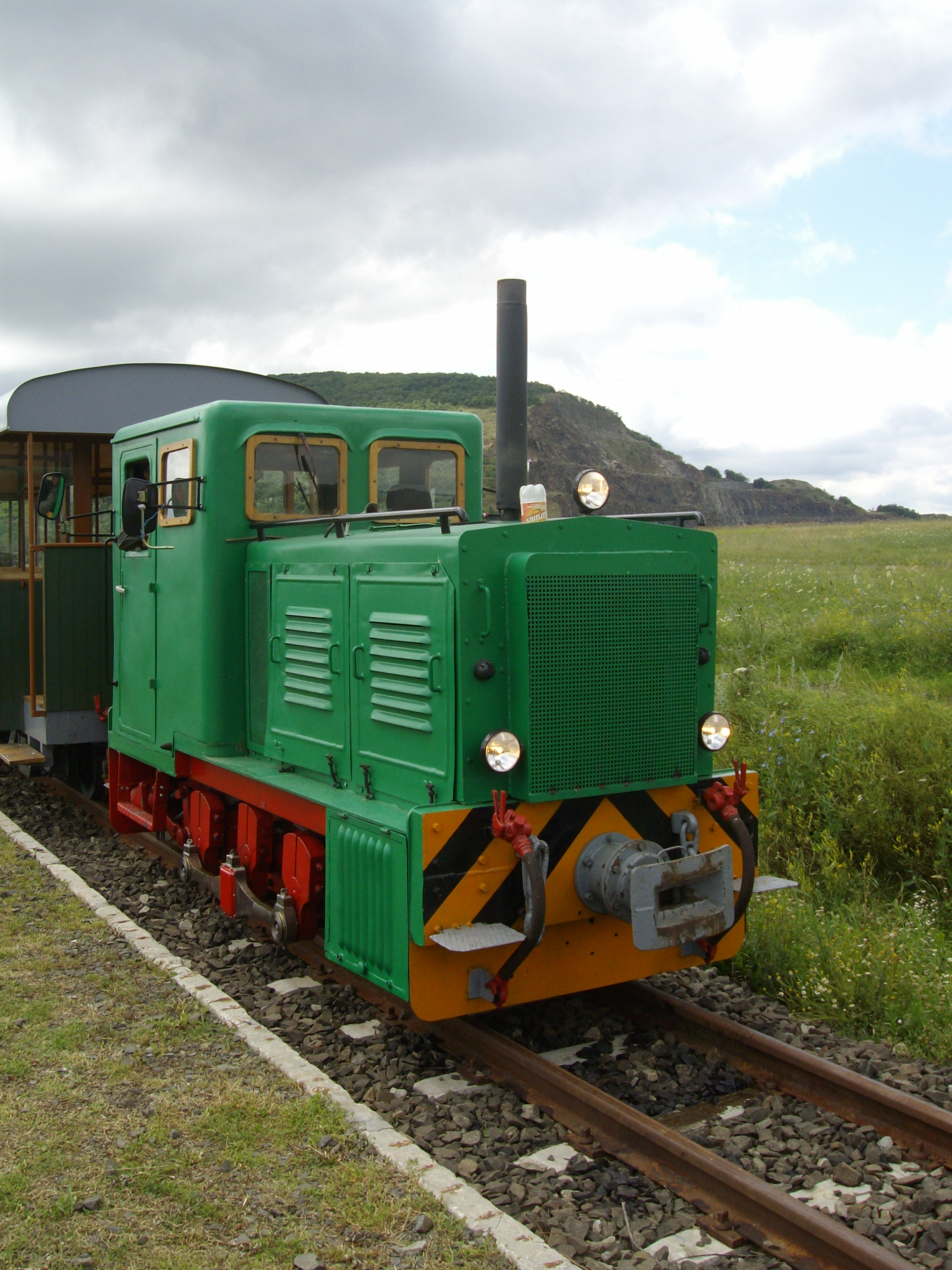
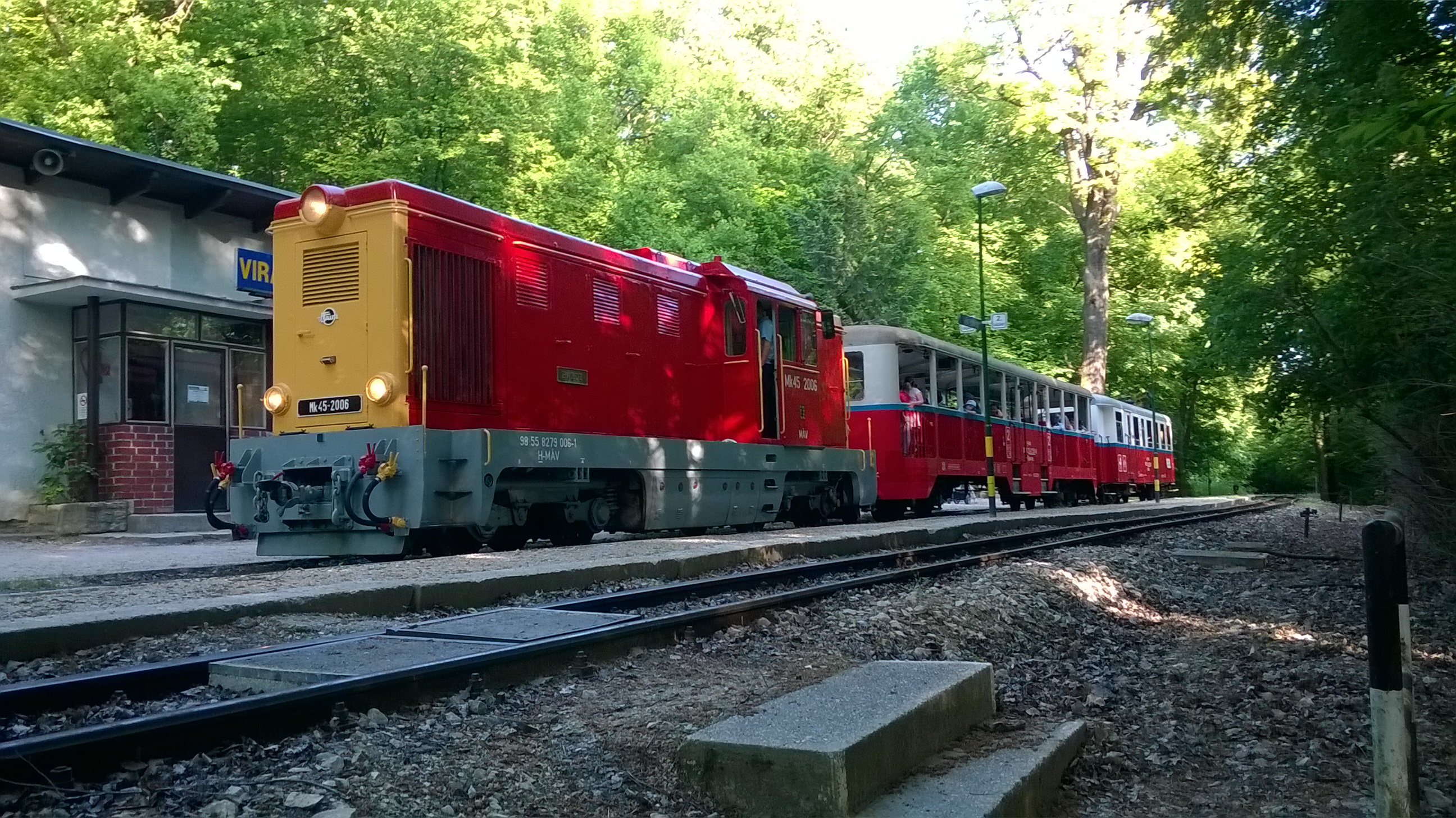
The MK48 type (LDH45) is very close to my heart because I used to work for the Children's Railway of Széchenyi-hegy for several years. This strong series was produced in Bucuresti and became a common type in several countries. In Hungary they operate only in Budapest.


Germany


p1000949.JPG

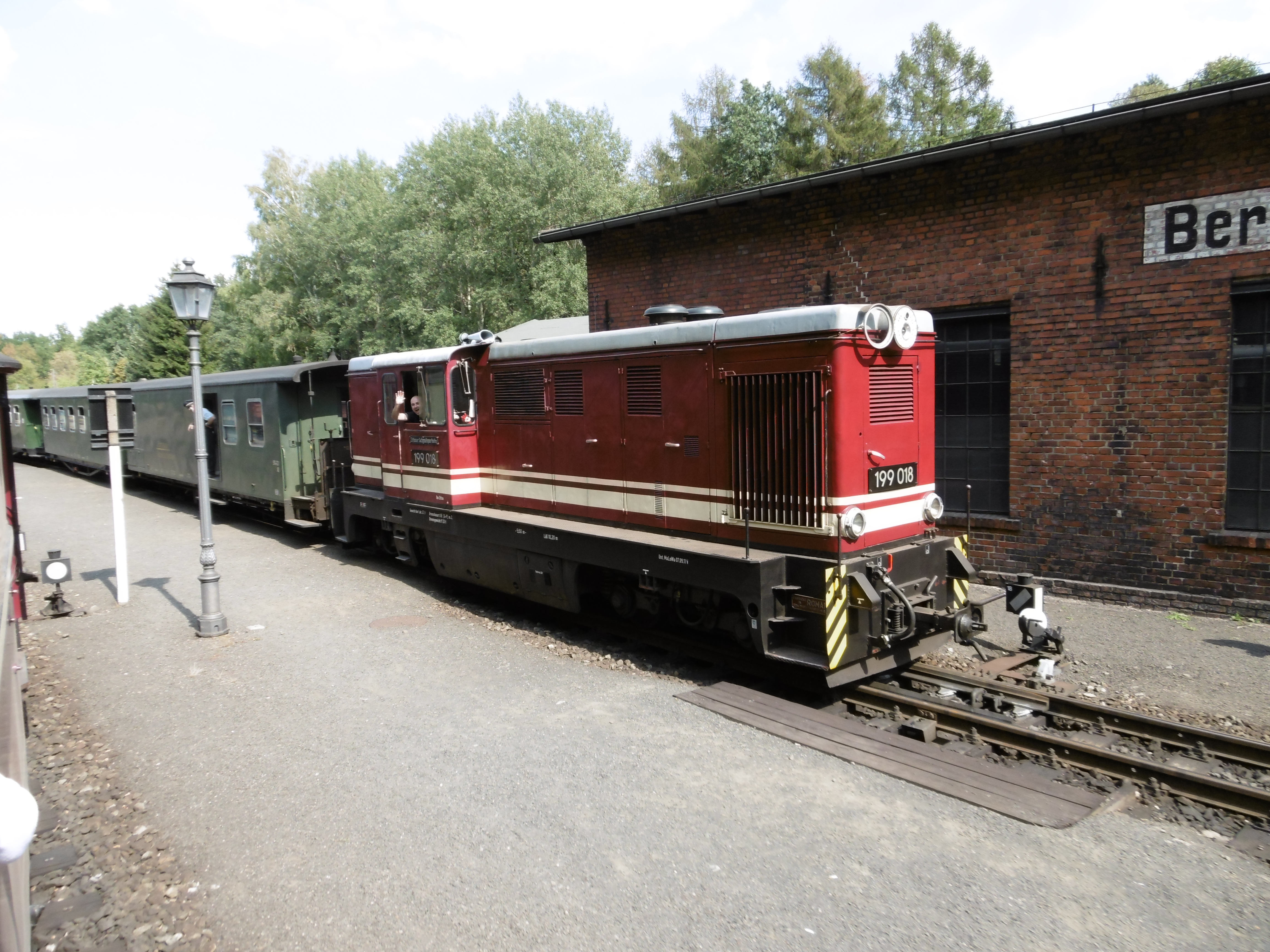
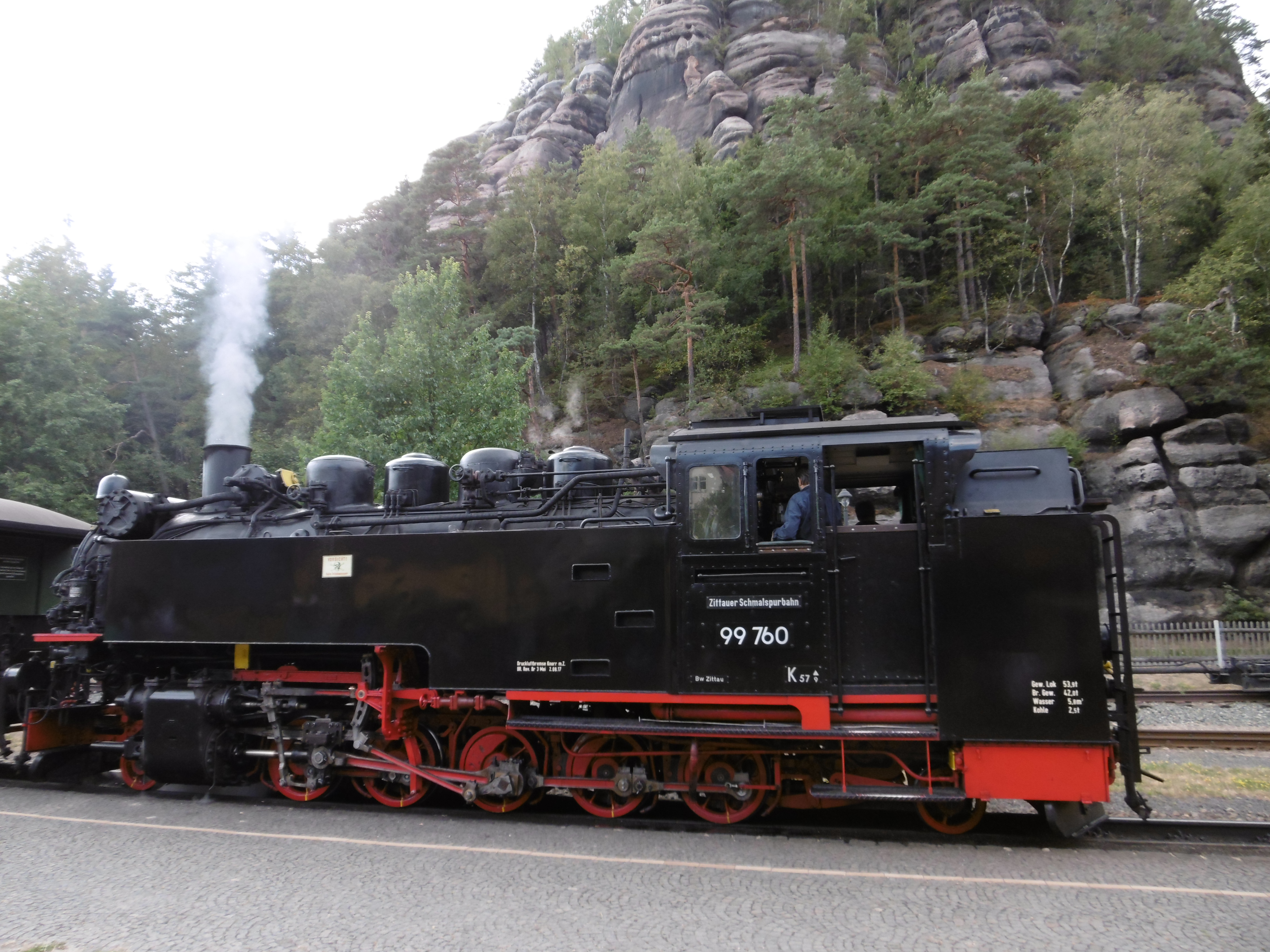
Although the LDH45 is a widely used series, I have only encountered it outside of Hungary on the Zittauer Schmalspurbahn.


imgp6621.JPG

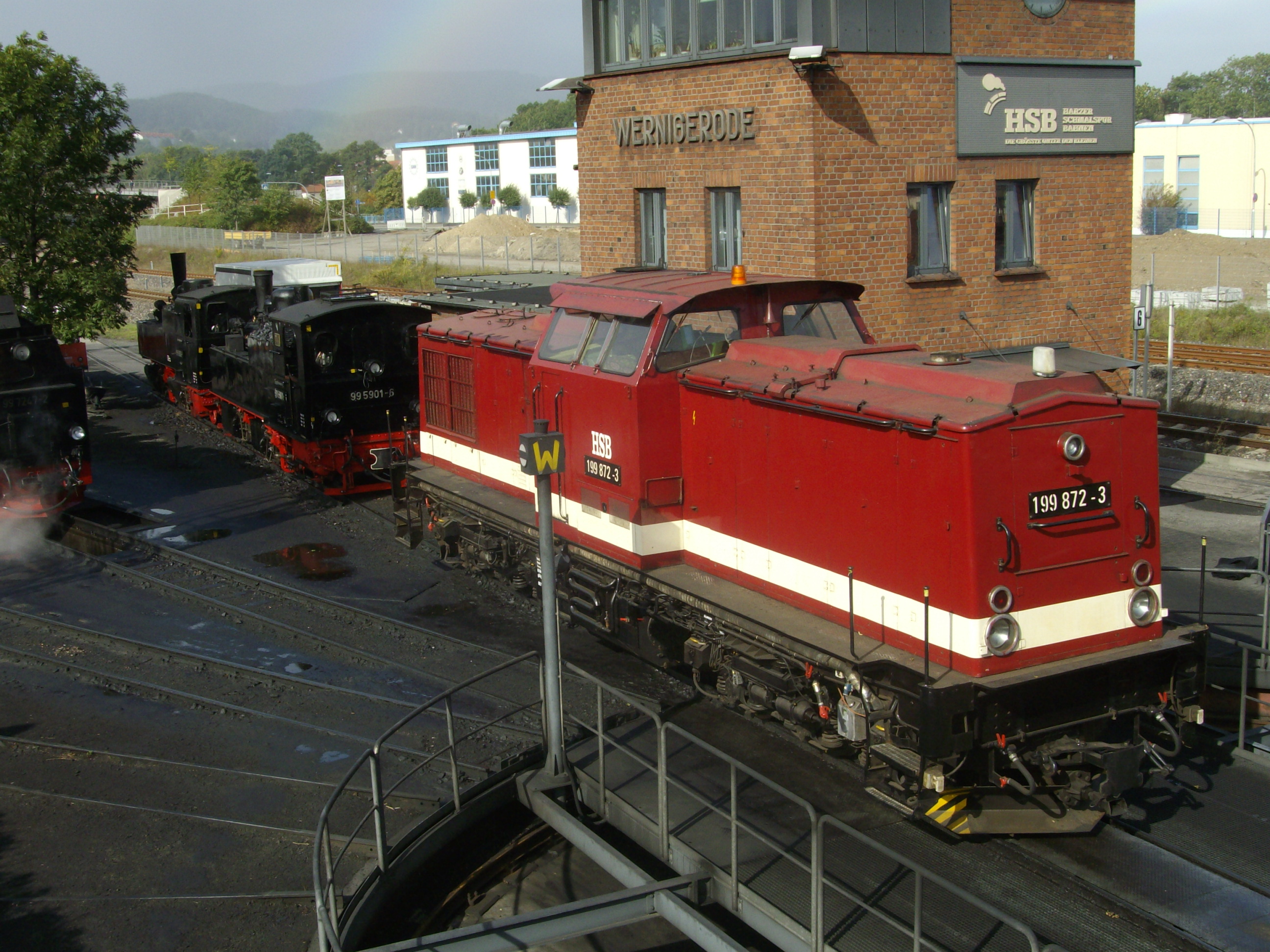
The 199.8 series were truly special, originally standard gauge type 112 locomotives, later their gauge was modified to 1000 mm. However, steam traction was eventually retained on the Harzer Schmalspurbahnen, so these special locomotives are rarely used. Two of them (including this one) were equipped with standard gauge folding buffers.


20250615_100245.jpg

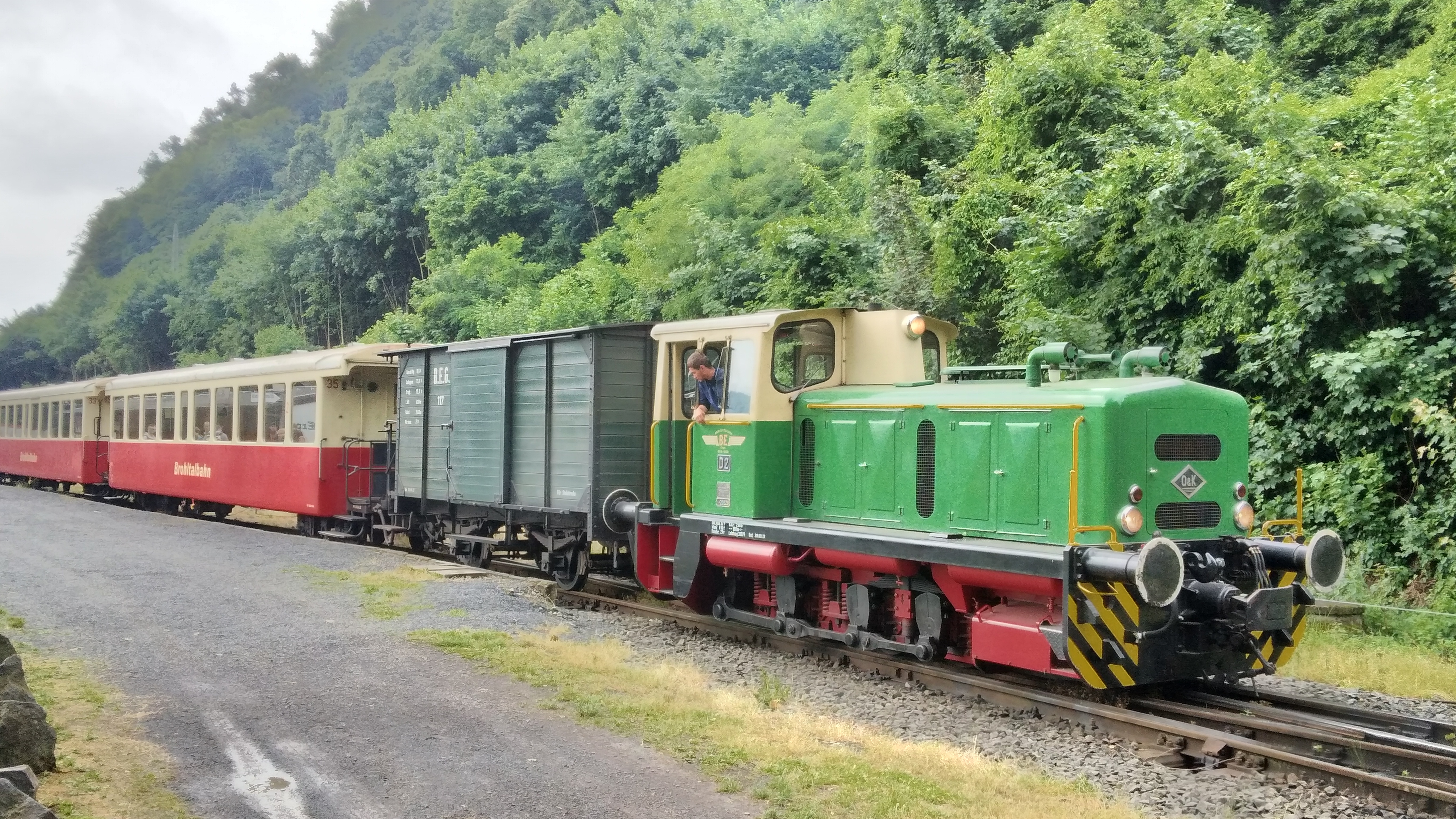
Orenstein-Koppel built three three-axle diesel locomotives for the Brohltalbahn in the 1960s. This railway also has a four-axle Henschel diesel locomotive, but unfortunately I did not see it.


Bulgaria

p1020821.JPG

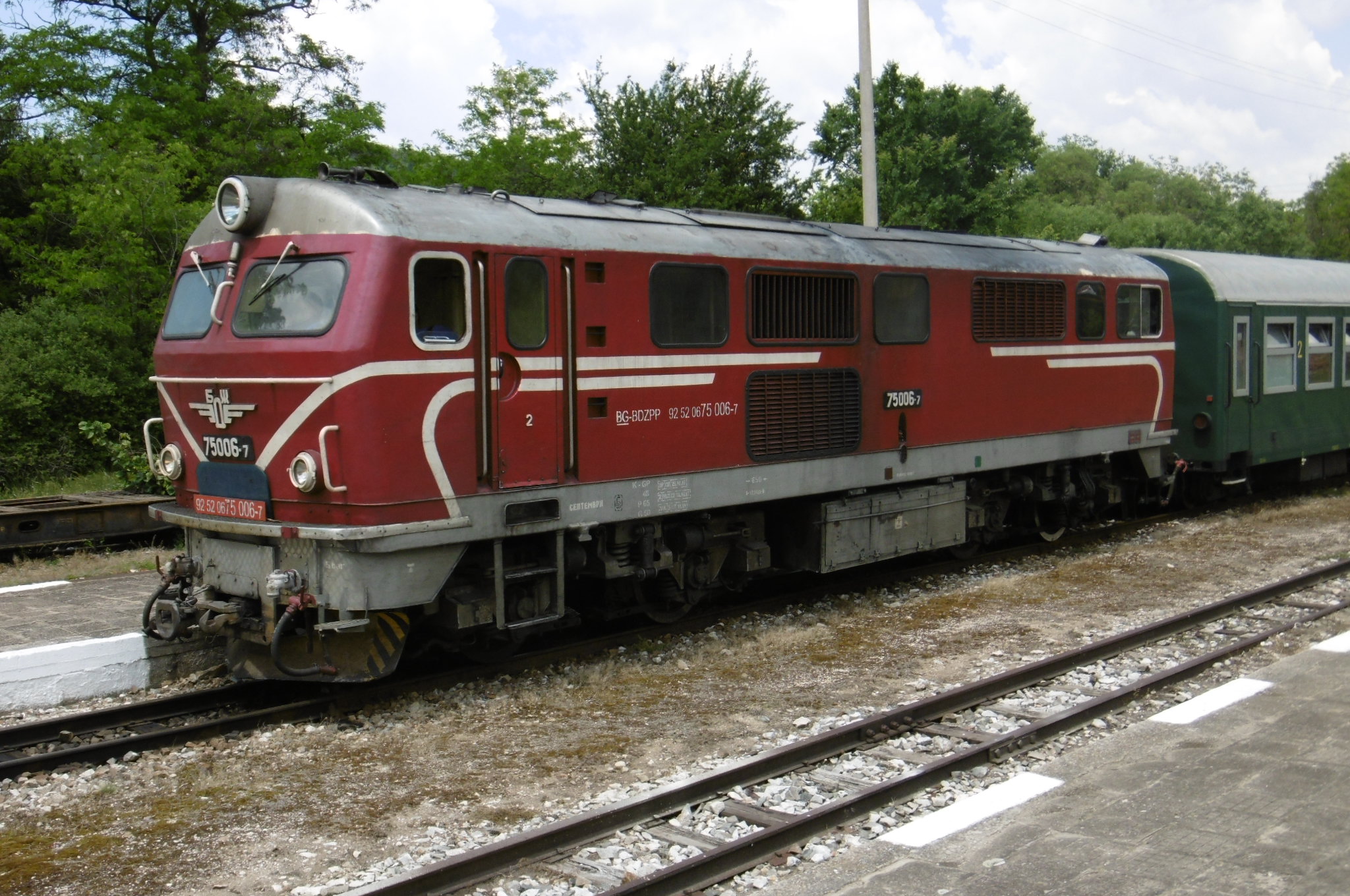
 On the Rhodope Narrow Gauge Railway I managed to travel by a 4-axles Henschel diesel locomotive from 1965. At the end of the 1980s, the FAUR Factory in Bucuresti copied this type, but the original one was a better construction.


Poland

p1050475.JPG

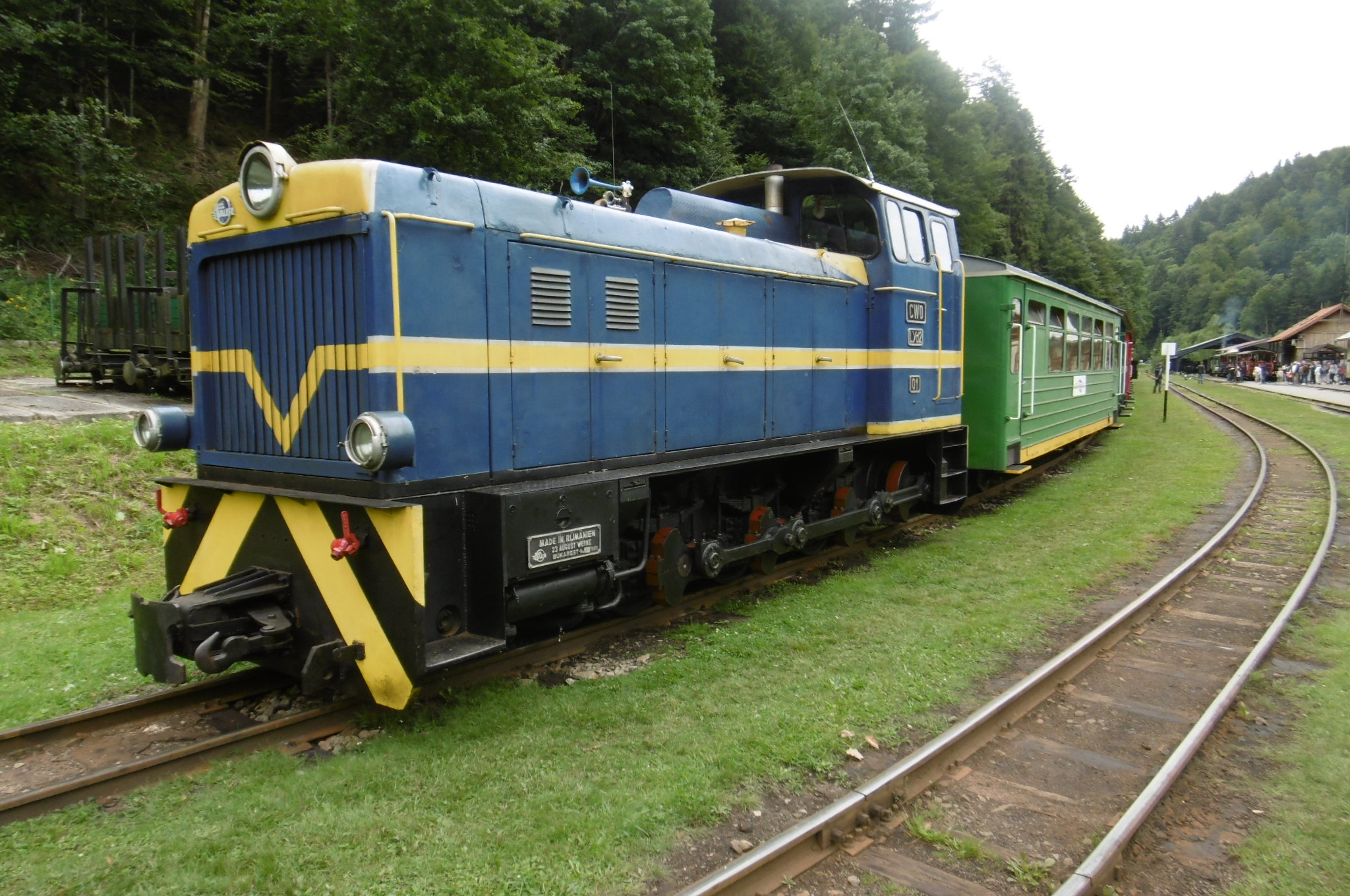
The L30H series (Polish: Lyd2) were widely used on Polish narrow gauge railways, including industrial railways. These three-axle types were manufactured by FAUR in Bucharest between 1973 and 1983. They are regularly used on passenger trains by Bieszczadzka Kolejka Leśna in south-eastern Poland.


p1050467.JPG

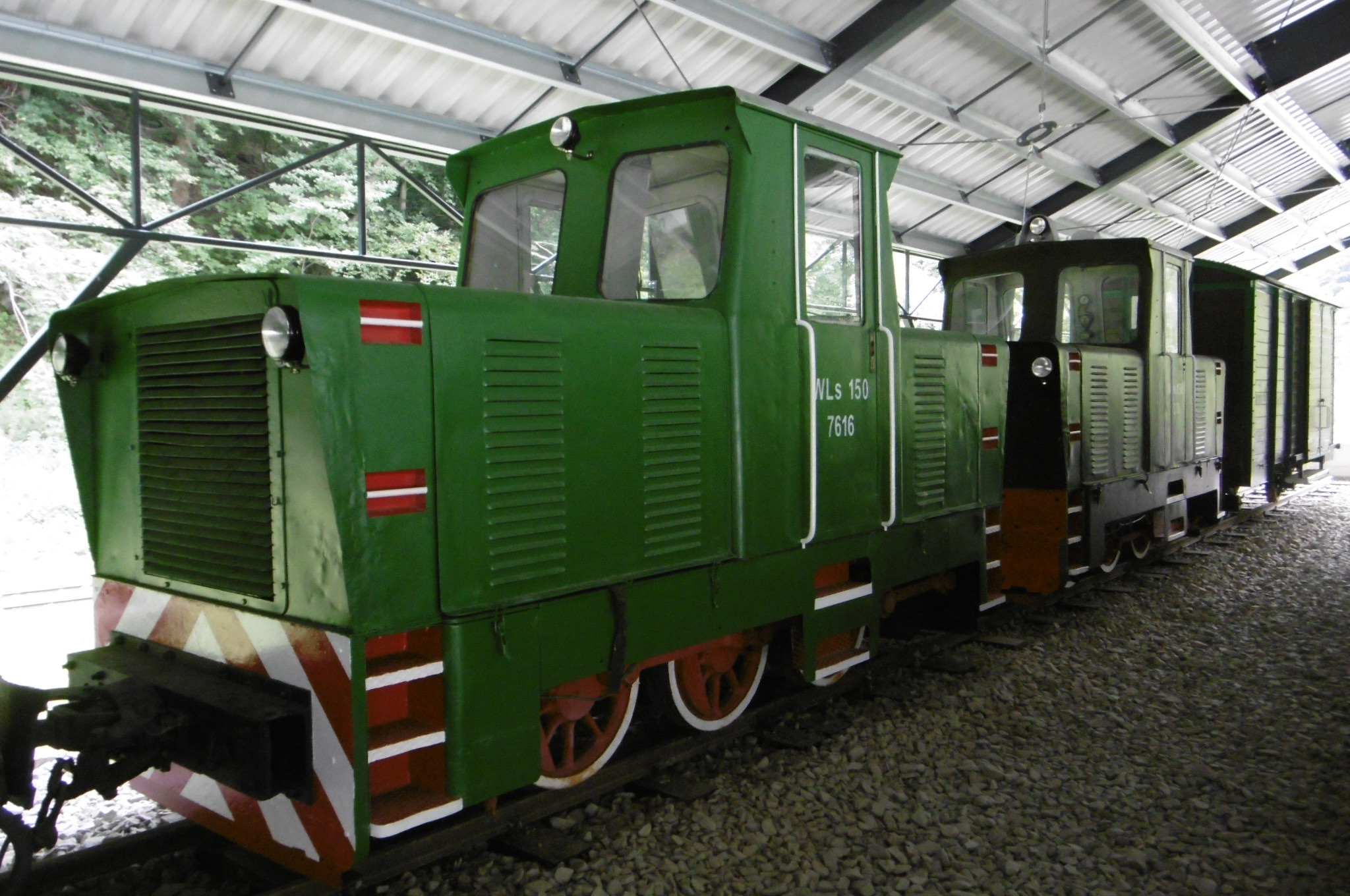
The Wls 150 series (Lyd1) locomotives are not in service on this forestry railway, but I saw a working locomotive in Środa Wielkopolska in 2023. This type was mainly used on industrial railways.


Slovakia

imgp3715.JPG

The BNE-50 series locomotives were built in the 1950s with Škoda engine. On the Čiernohronská železnica they use it mostly in work trains. The narrow gauge railway of Szob has also one of this type.


p1040335.JPG

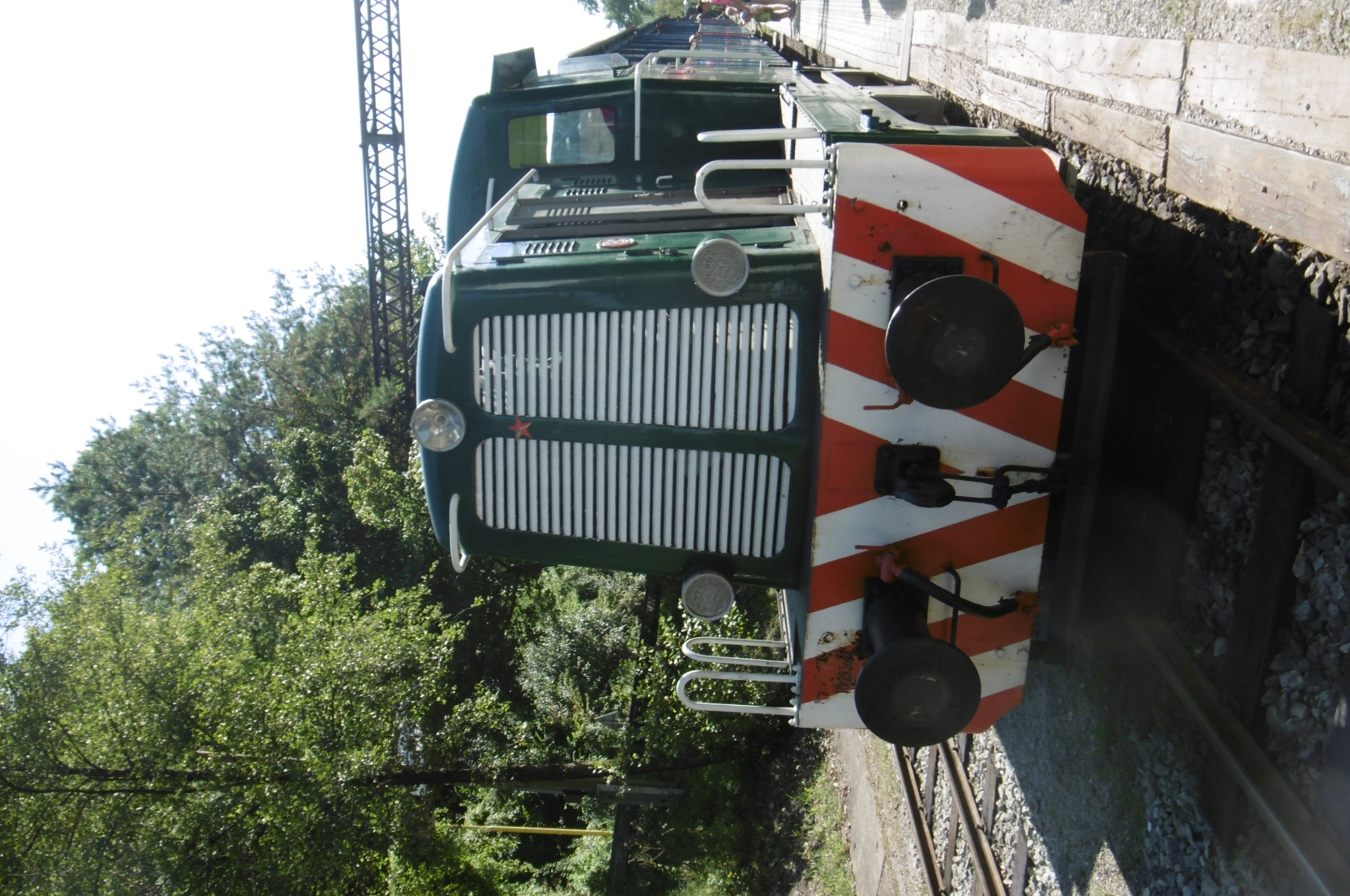
TU29.2 series was a modified narrow gauge version of type T211 shunting locomotives. This locomotive originally was built on standard gauge by ČKD factory. It has been working on the Children's Railway of Košice since 2018.


Czech Republic

20240508_121915.jpg

ČKD produced TU47 series narrow gauge locos in the 1950s in Prague. These have 2 driver's cab which is not so common on narrow gauge lines. This one operates in Osoblaha which is the last narrow gauge line of ČD.


imgp7865.JPG

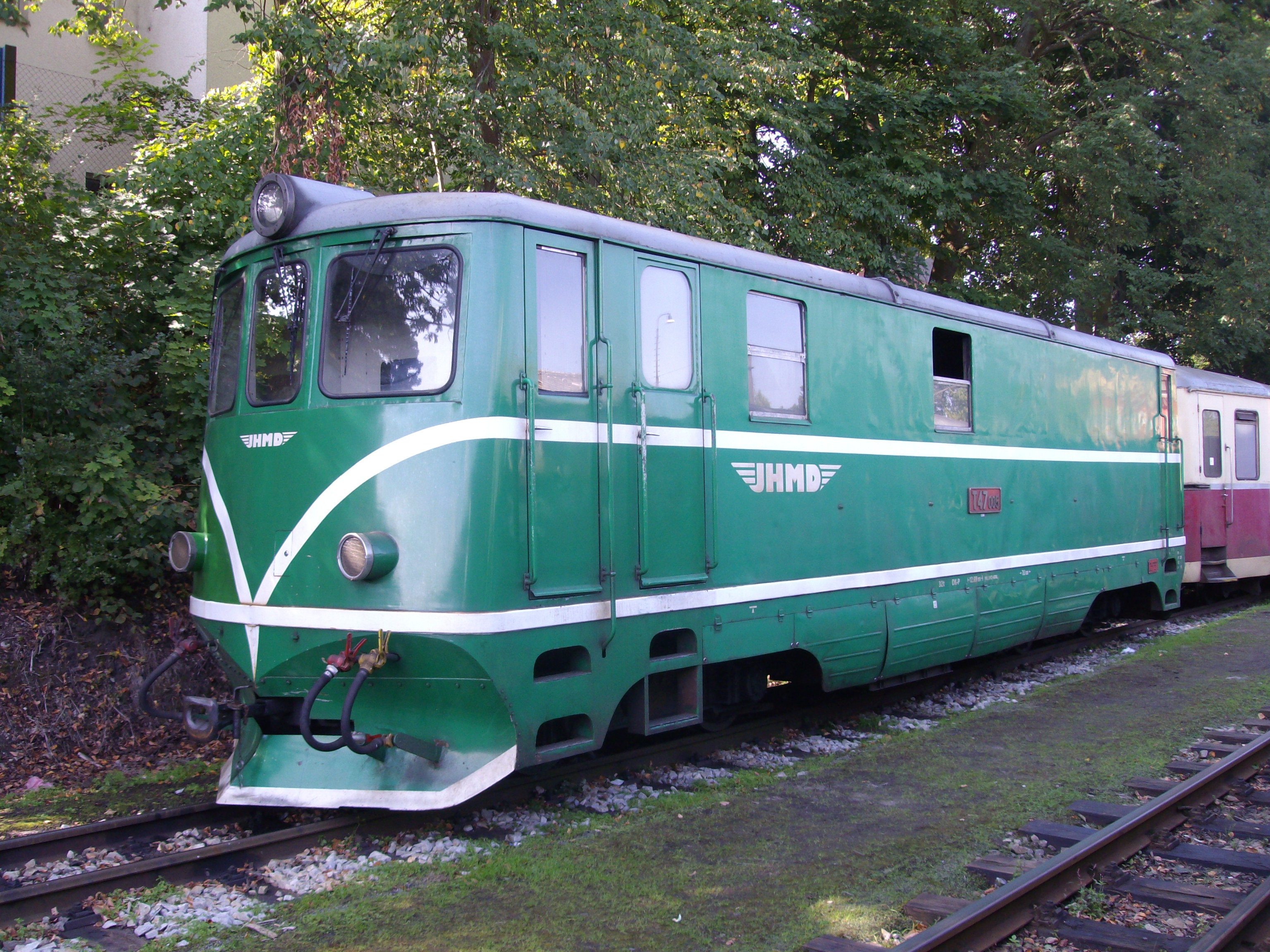
The Jindřichův Hradec Local Railways (JHMD) also operates some locos of TU47 series, both in red and green colours. These series also previously operated on the former narrow gauge line of Ružomberok, which is now located in Slovakia.


Austria

mittersill3.JPG

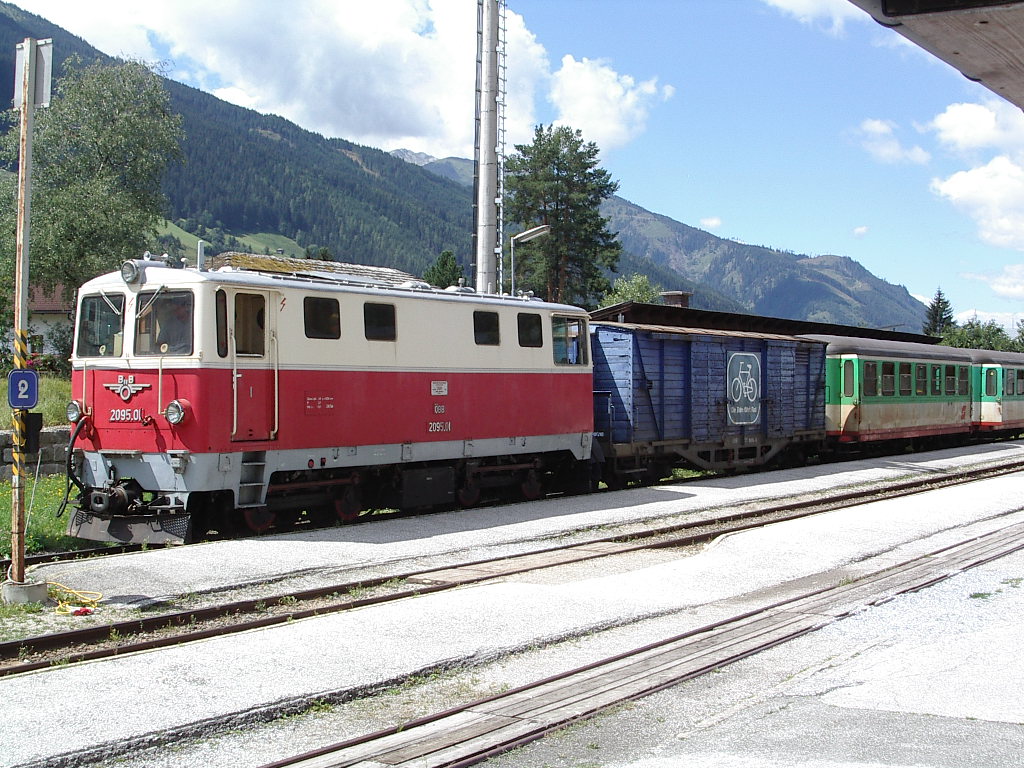
The ÖBB 2095 series diesel locomotives were built by Simmering-Graz-Pauker Factory between 1958 and 1962. On the Pinzgauer Lokalbahn they were operated regularly in 2007. This one has beautiful original BBÖ colours.


imgp0775.JPG

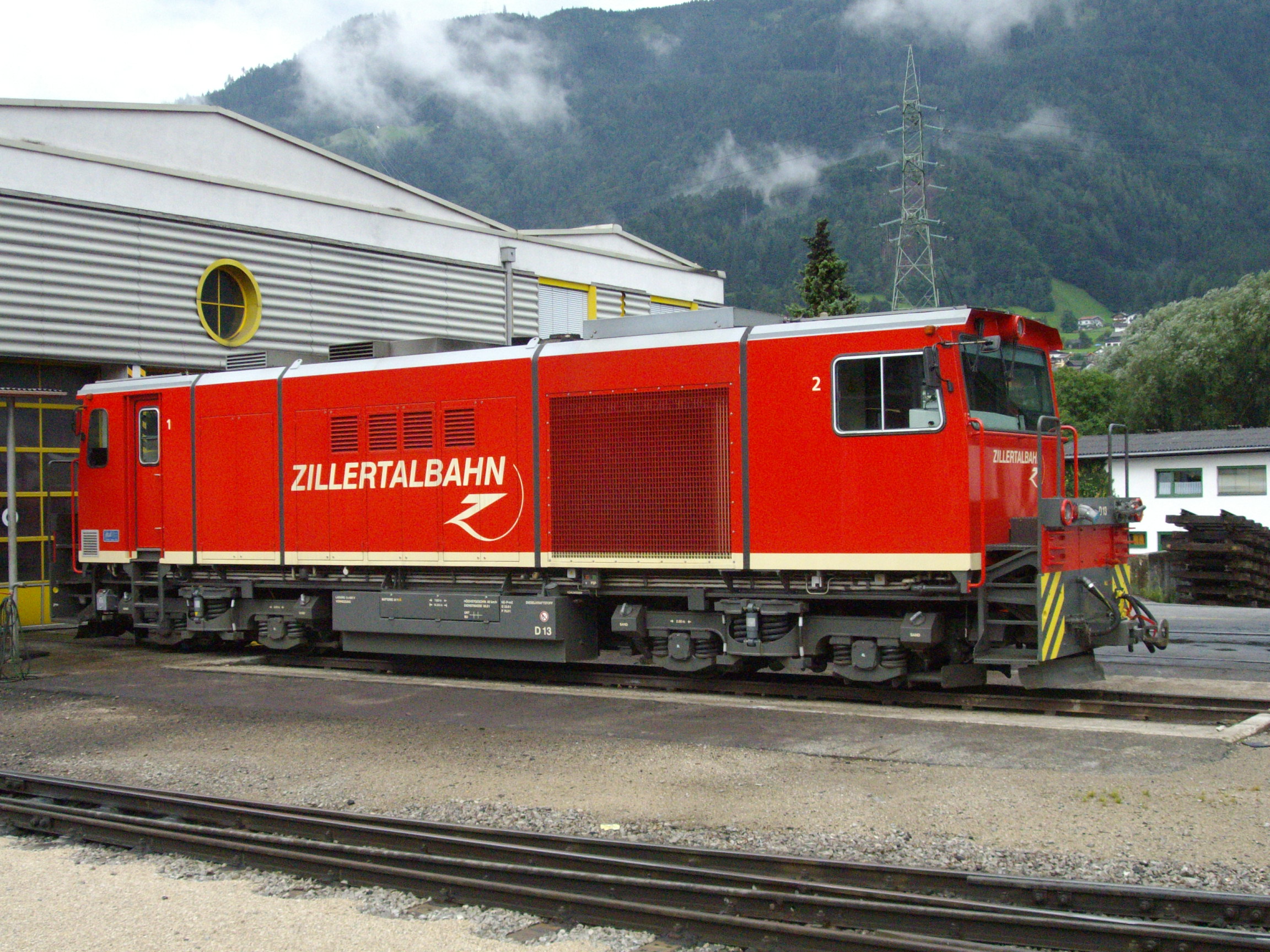
Zillertalbahn got 7 high-permormance diesel locomotives between 2004 and 2012. They are used for both freight and passenger trains. Their local nickname is Lupo. The loco in the picture was sold to the Pinzgauer Lokalbahn.


Lithuania

p1110041.JPG

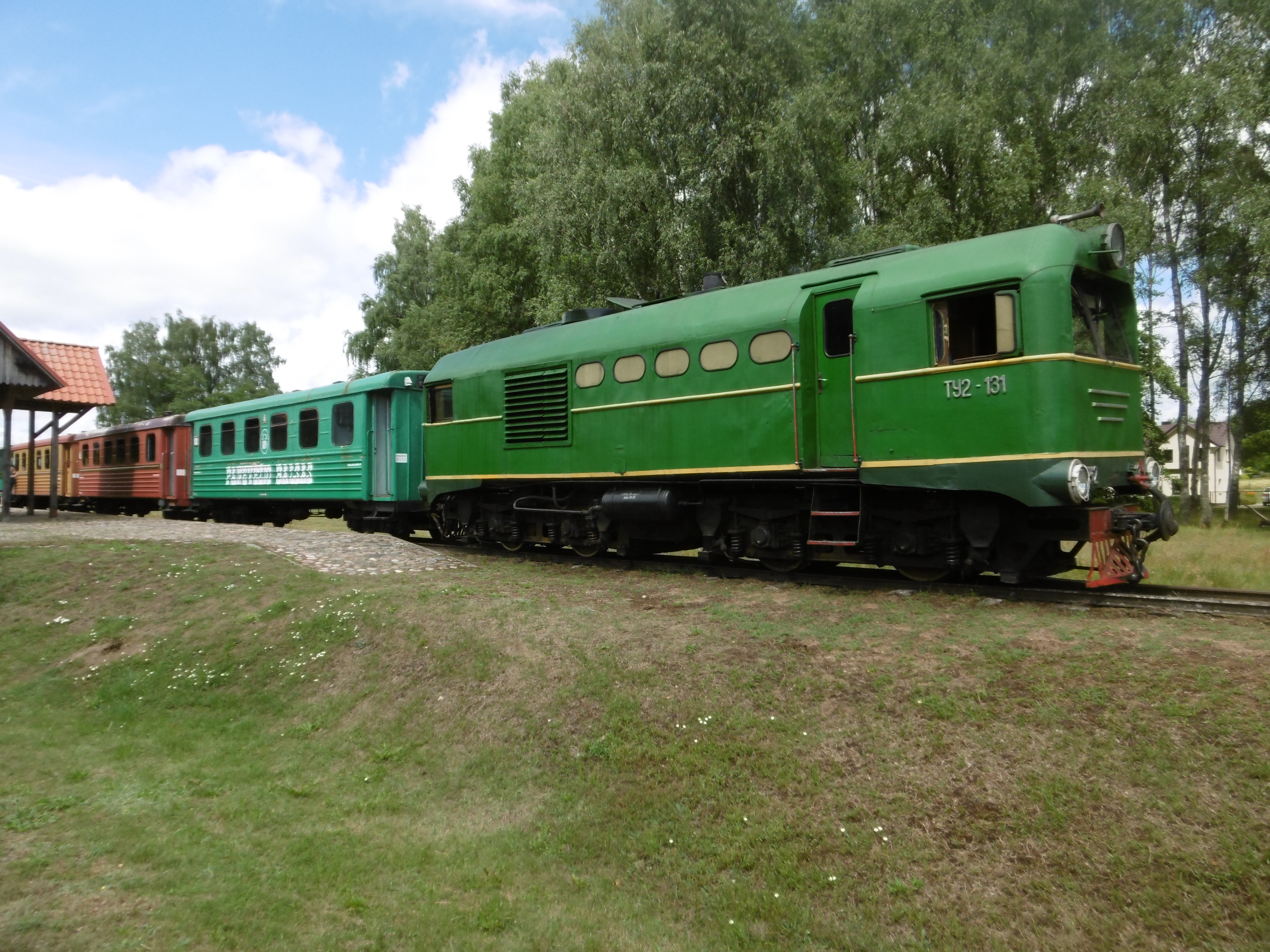
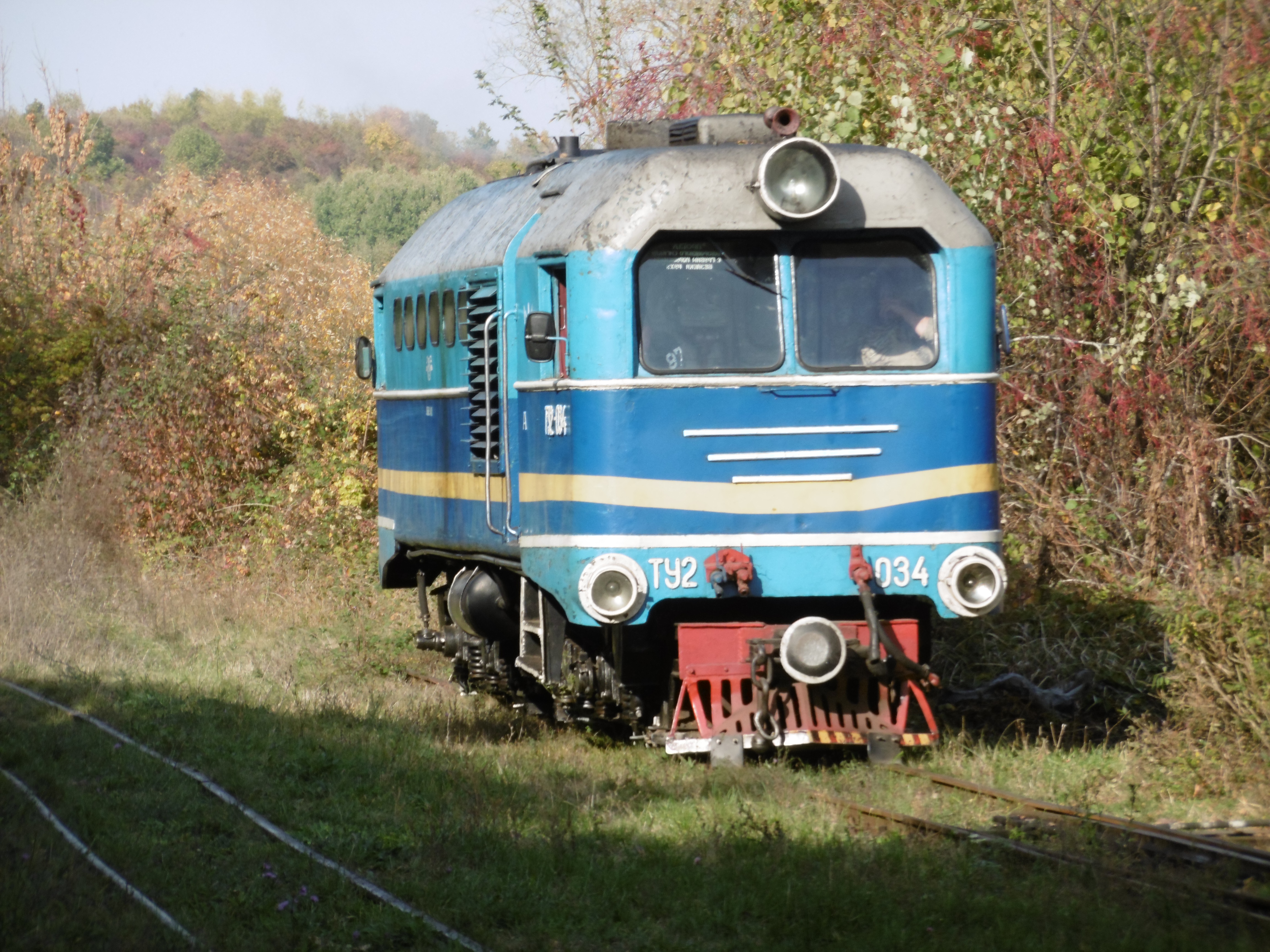
The TU2 series was built in the 1950s by Kaluga machine factory in the Soviet Union with tank engines. They are in operation only on the last Lithuathian narrow gauge line (Panevežys - Rubikai) and on Ukrainian narrow gauge railways. They are suprisingly quiet vehicles.


Ukraine

p1010445.JPG

The Borzhava narrow gauge railway was shut down just before the war. TU2 diesel locomotives are still in operation in other parts of Ukraine, such as Haivoron. This type is the last in my collection to have two cabs.


p1010578.JPG

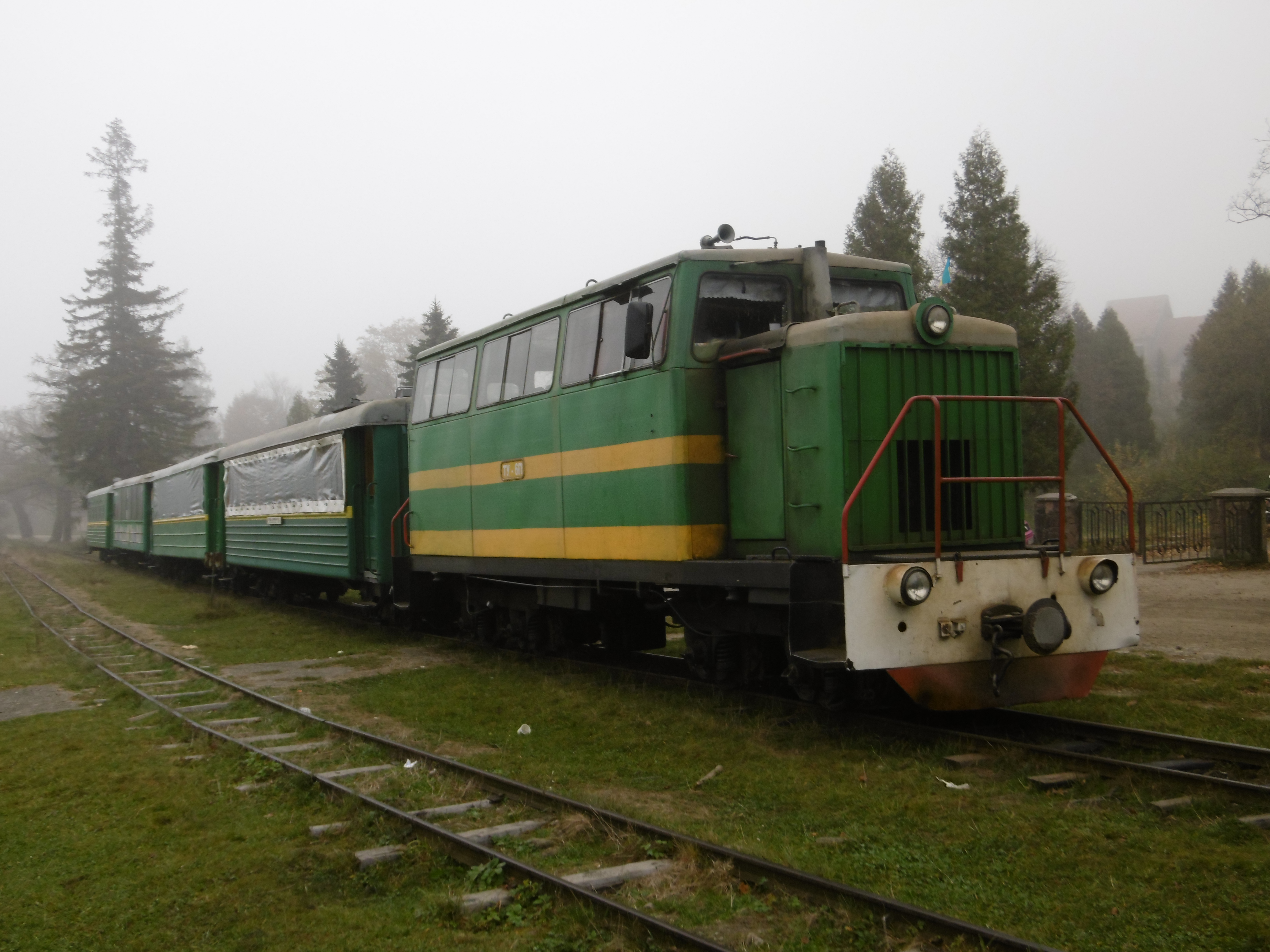
The former Vyhoda Forest Railway has become a tourist attraction under the name "Carpathian Railway". This TU6P locomotive or railcar from 1988 built in Kambarka was the standard engine for passenger trains.


Latvia

p1090099_1.JPG

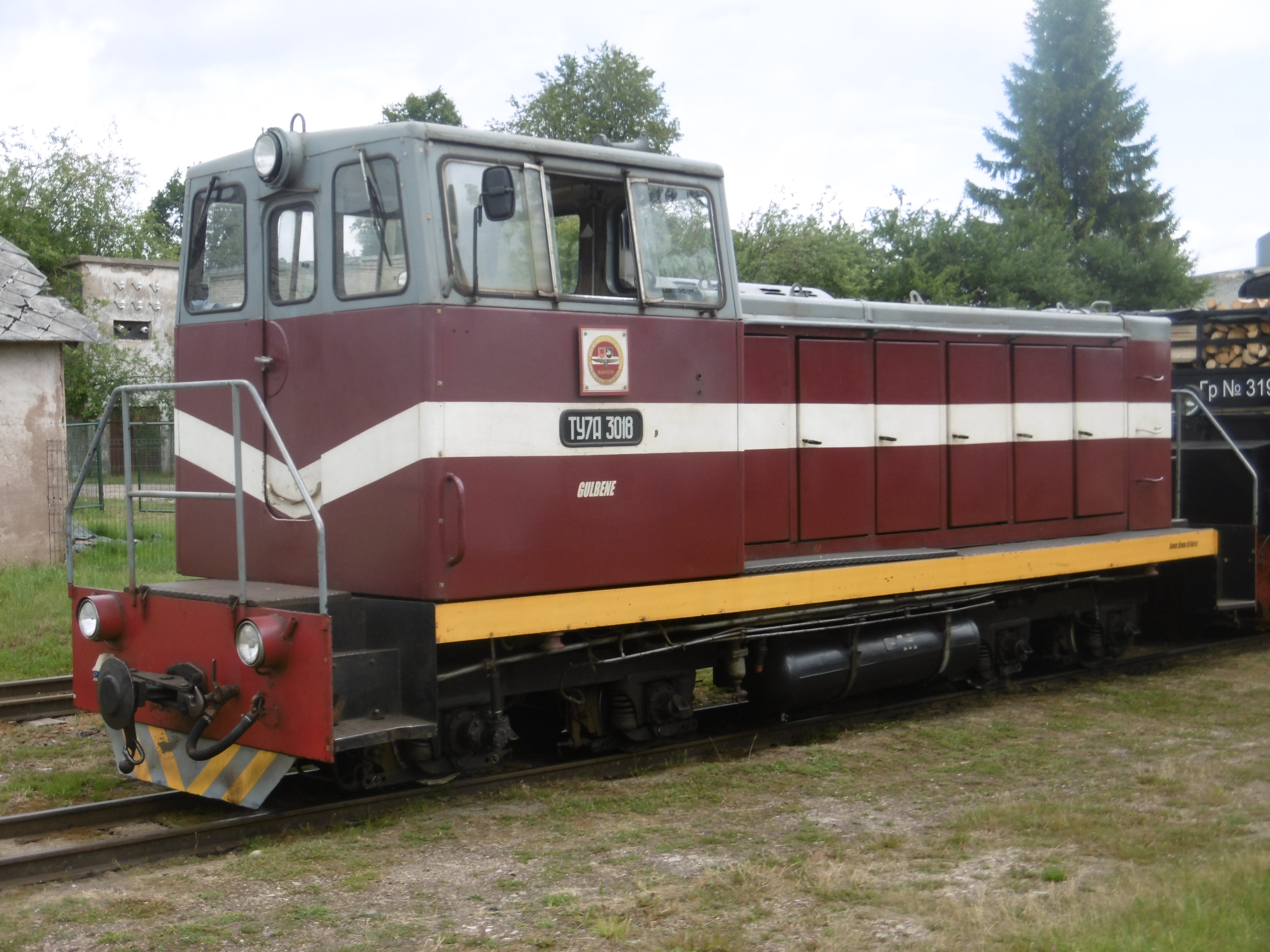
The TU7 series locomotives were built in the same factory which produced TU6 type. This TU7 engine works on the last daily operating narrow gauge railway of the Baltics, between Gulbene and Alūksne.


Wales

nr9.jpg

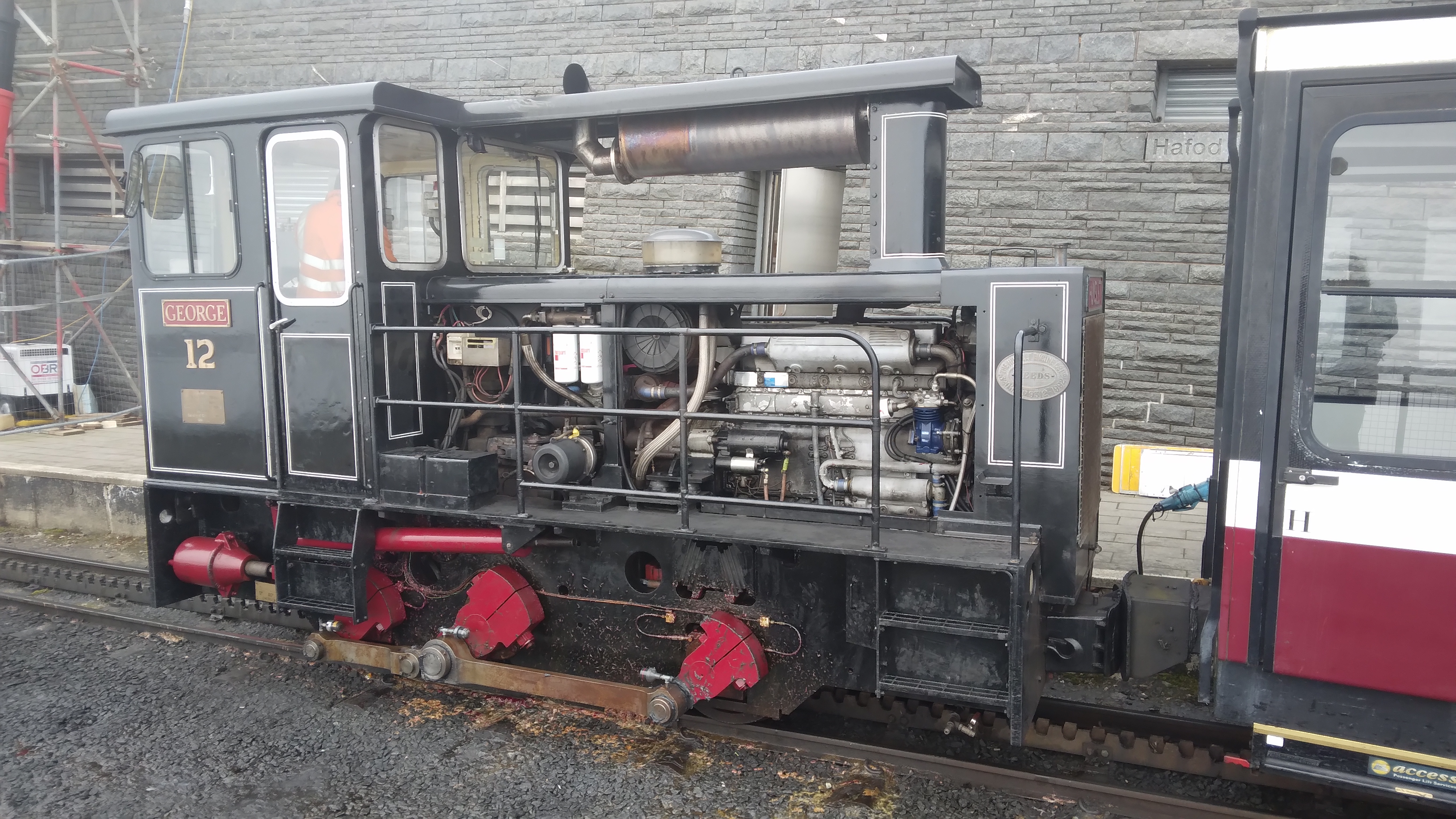
The Snowdon Mountain Railway is the UK's only narrow gauge cogwheel railway. Hunslet-built diesel or steam locomotives take passenger trains up the summit of Snowdon.

Mountains and railways - Part two, The Carpathians and the Balkans

Slovakia, Ukraine, Romania, Bulgaria, Bosnia and Montenegro


Slovakia

imgp6771.JPG

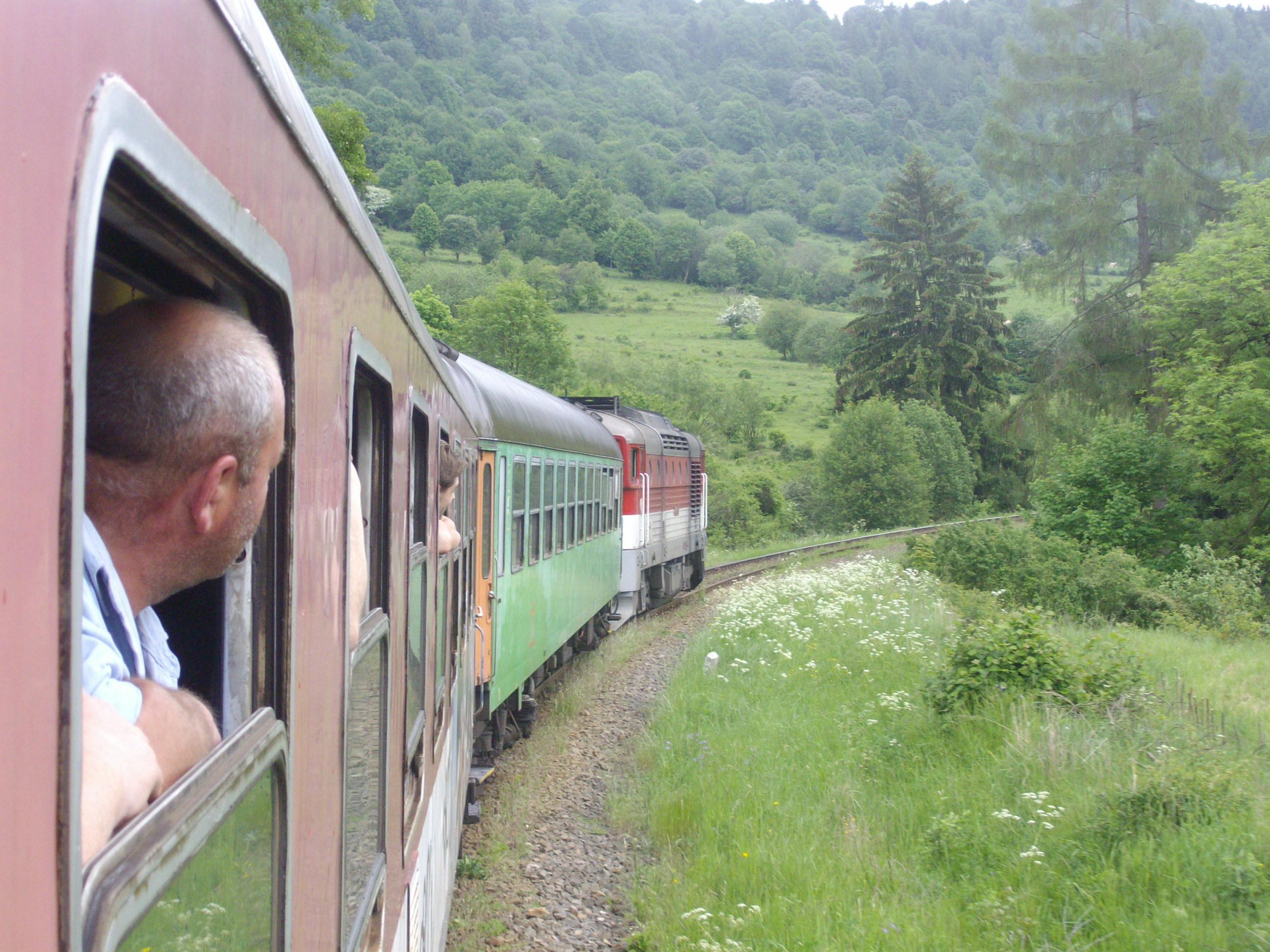
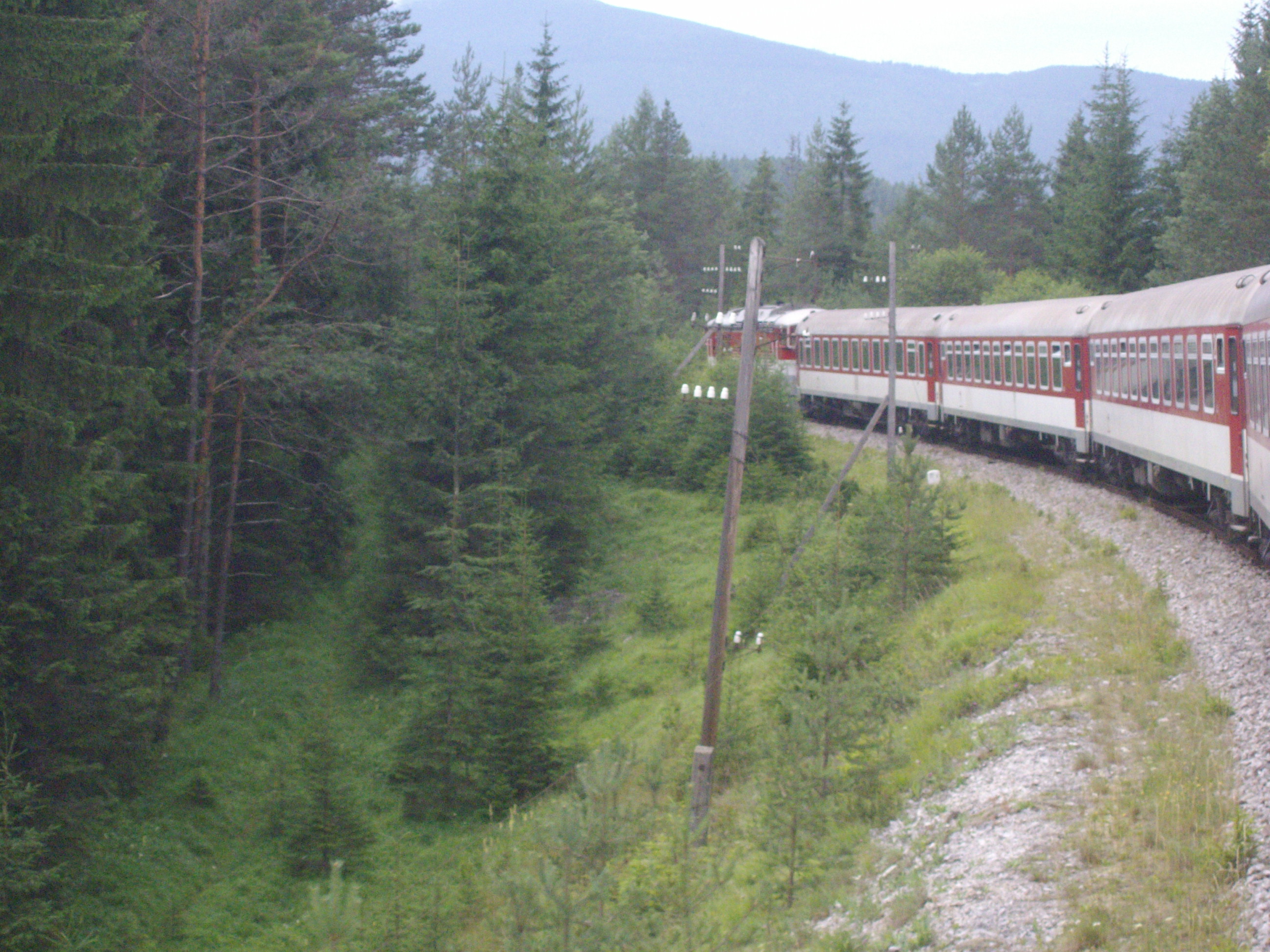
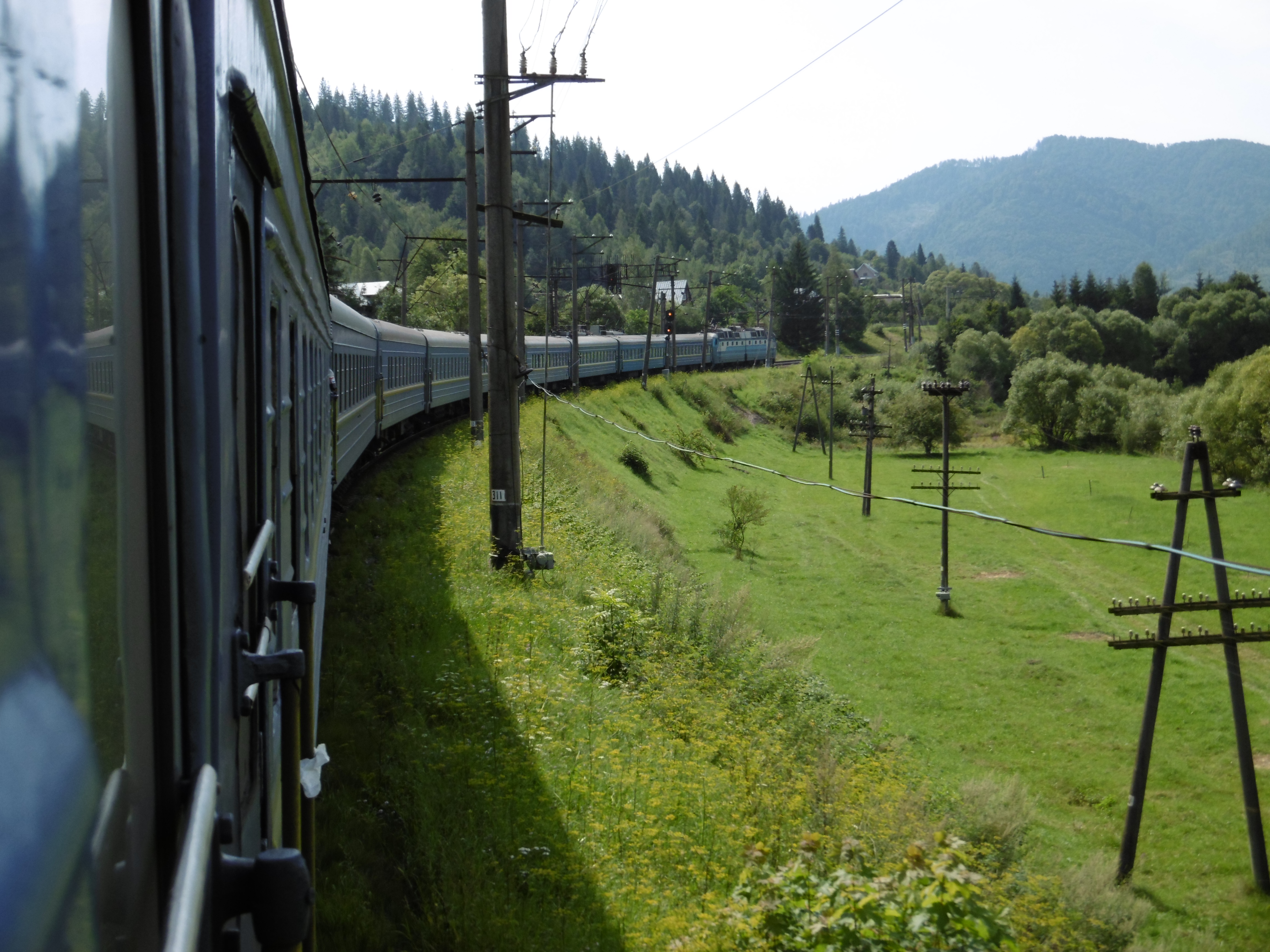
The Zvolen - Vrútky railway was the first line built by MÁV, was opened in 1872. It passes through the Kremnica Mountains. 


p1040325.JPG

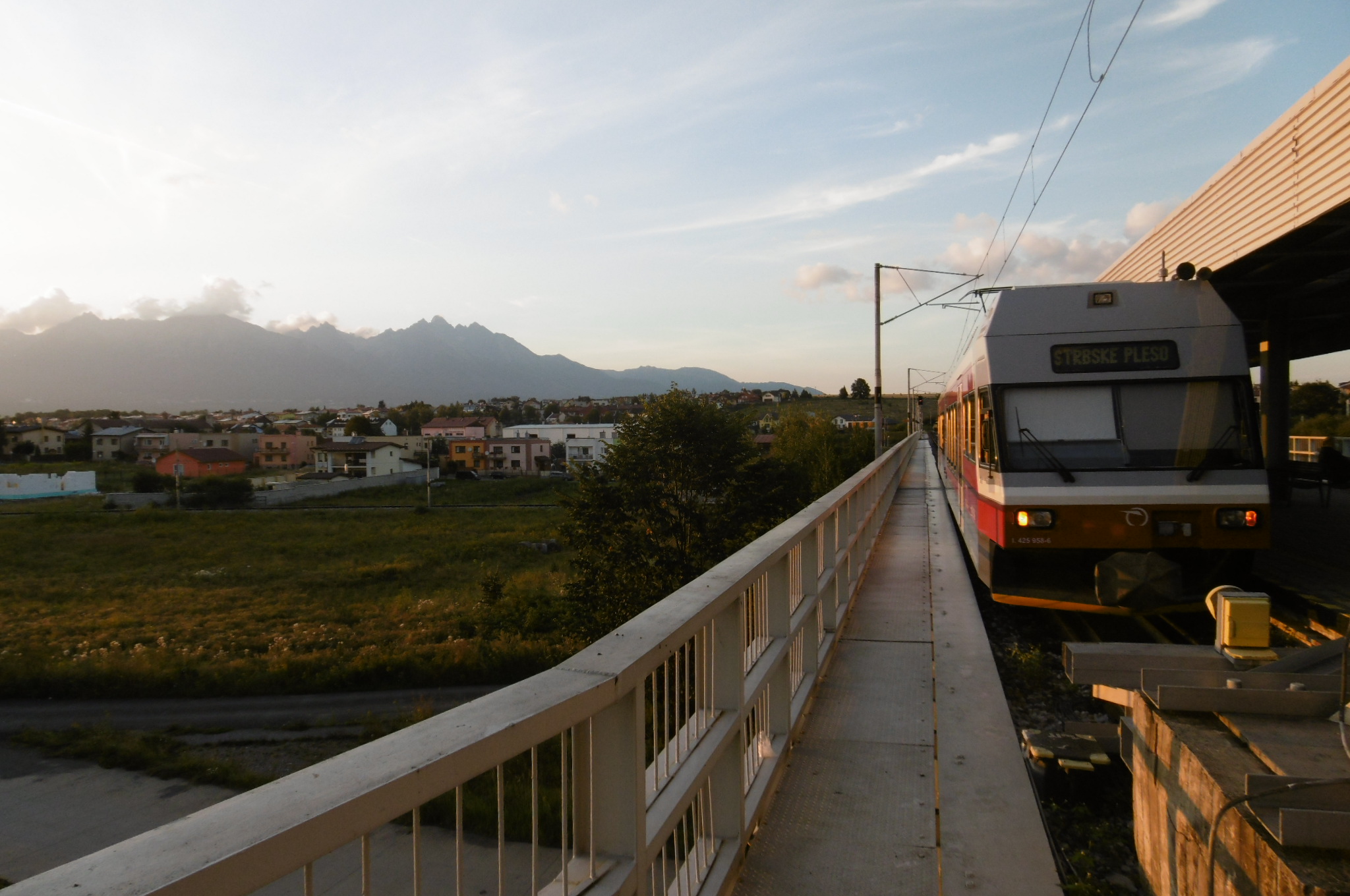
The endstation of the Tatra Electric Railway (Slovak: Tatranská elektrická železnica) in Poprad, in the background with the High Tatras. The Poprad - Starý Smokovec section was opened in 1908.


imgp3757.JPG

The newly independent Czechoslovakia needed west-east lines in Slovakia, as they only had a single railway line in that direction to eastern Slovakia. The Červená Skala - Margecany railway line was finally opened in 1936.


imgp7038.JPG

The Telgárt - Dedinky section is particularly beautiful with its viaducts, tunnels and the Slovak Ore Mountains.


imgp3768.JPG

This part of the route crosses the popular Slovak Paradise National Park. 


imgp6999.JPG

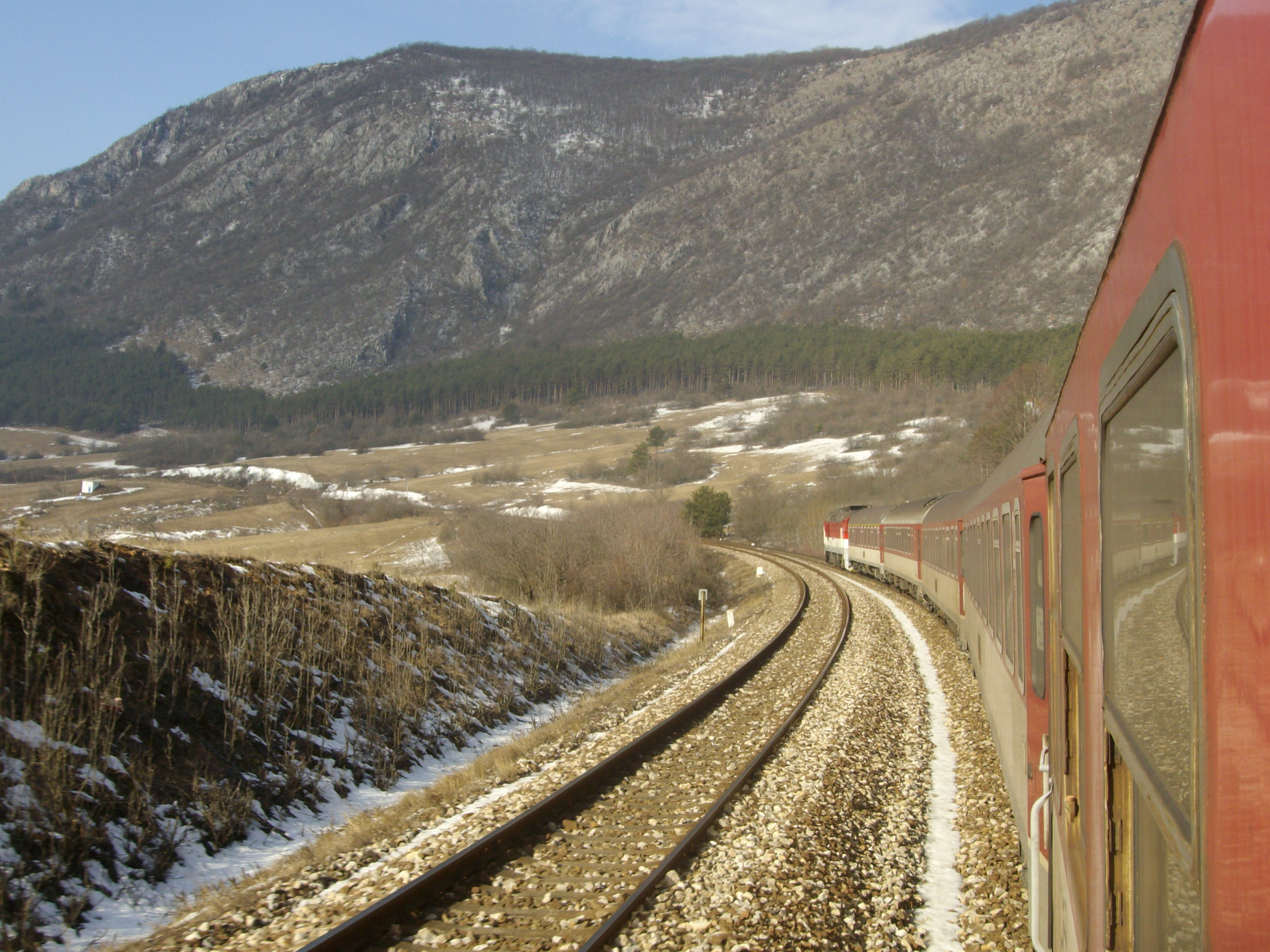
Czechoslovakia built another west-east railway between Turňa nad Bodvou and Rožňava to connect Košice and Lučenec. They finished it in 1955.


p1040446.JPG

A double-track line was built on the new section, except for a long tunnel that crosses the Slovak Ore Mountains.


Ukraine

 p1000763.JPG

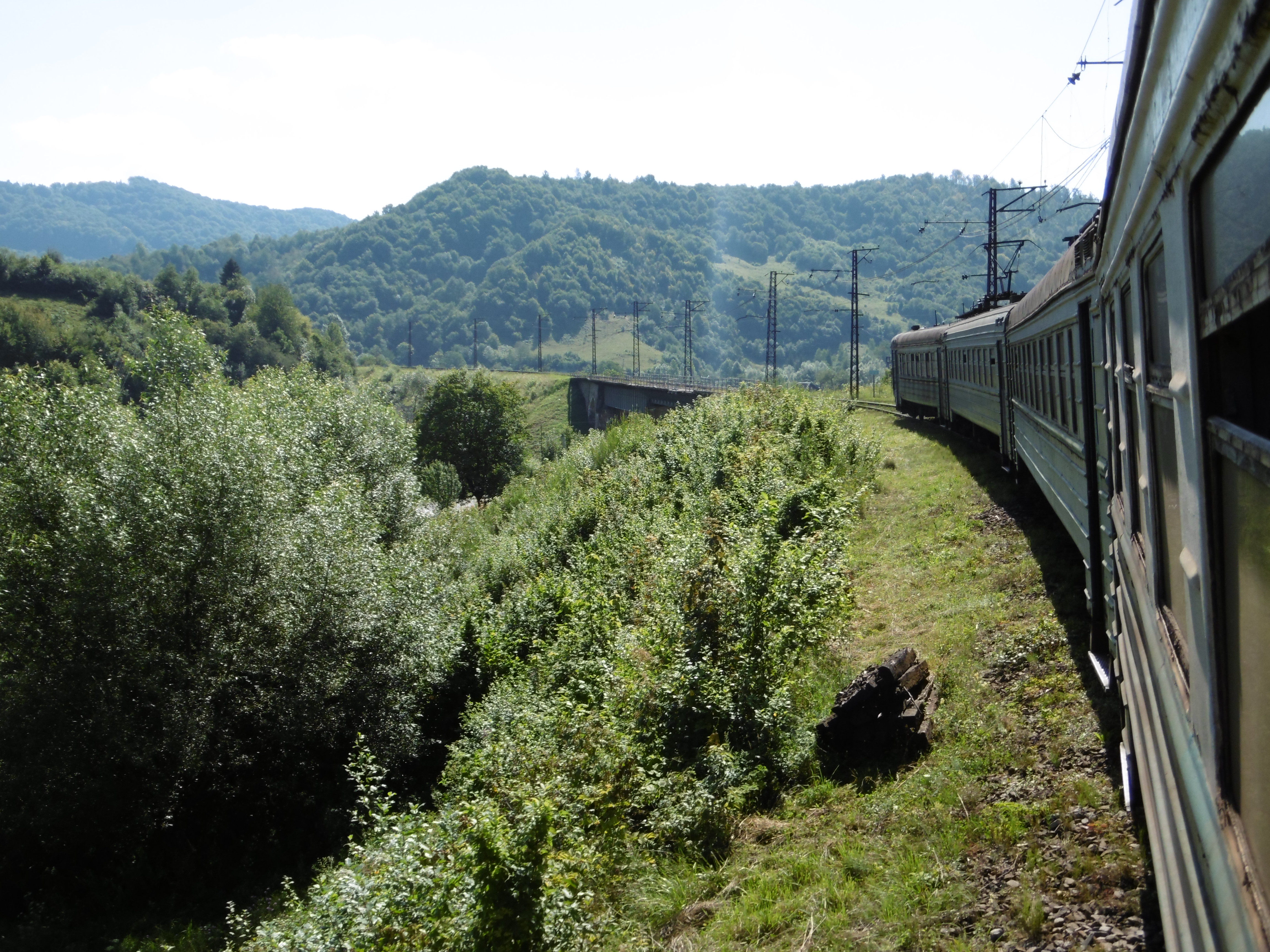
Travelling towards the Uzhok Pass by an old Elektricka. This line is electrified but it has only one track.


p1000835.JPG

The Lviv-Mukachevo-Chop main line crosses the Carpathians under the Volovets Pass in a tunnel. The picture shows a long-distance train pulled by a two-section electric locomotive.


p1010697.JPG

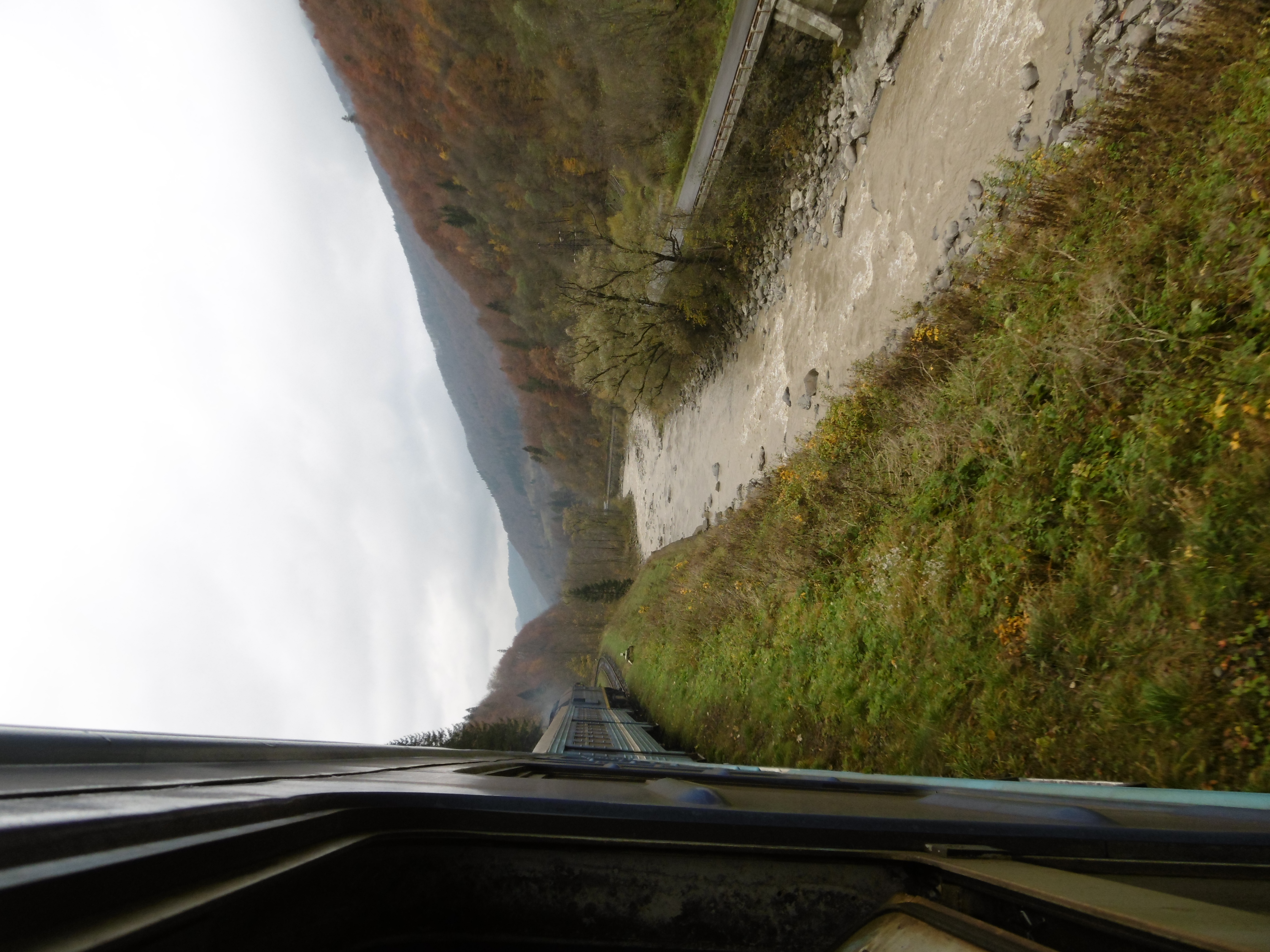
A single-track, non-electrified railway line goes through the Yablonitski Pass. In this picture you can see the Upper-Tisa river in the Carpathians.


Romania

imgp2628.JPG

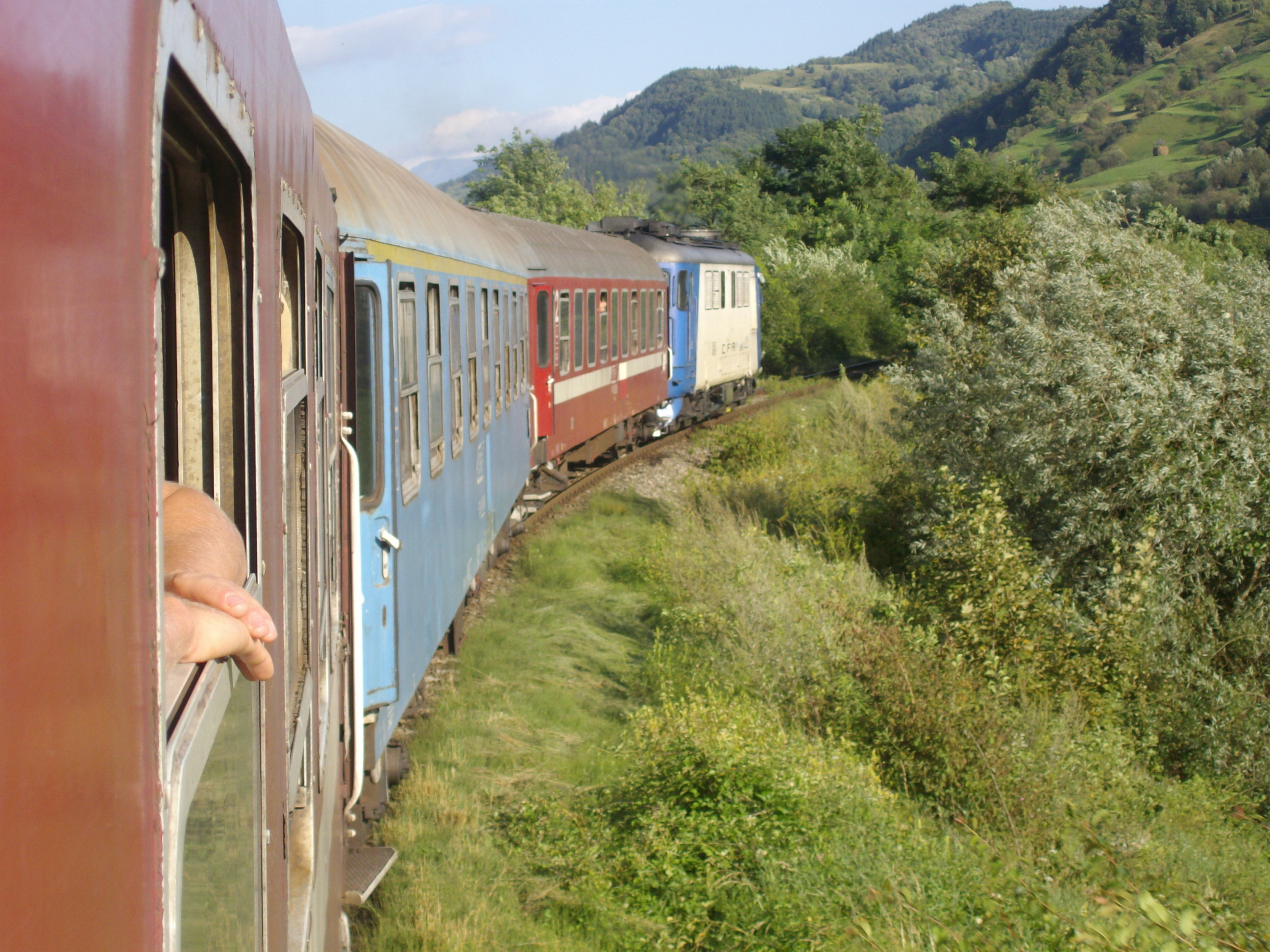
The Salva - Sighetu Marmației railway is spectacular with the mountains, its viaducts and few tunnels. The Salva - Vișeu de Jos section was finished in 1949.


p1100314.JPG

In the background, the Plopiș Mountains near Ciucea in Northern Transylvania. The Oradea - Cluj line is currently undergoing an electrification and modernization project.


imgp2662.JPG

The Oravița - Anina line is a scenic, mountainous line with narrow curves, so special vehicles operate on it. And although the train reaches its maximum speed at the Oravița switch area, as a Hungarian tourist sarcastically remarked during our trip, the first viaduct is not far from the starting point of the line.


imgp2691.JPG

When the railway line was opened, passenger traffic was not allowed due to its danger, and it was only permitted later. The line has tunnels, viaducts and cuttings. It is called sometimes as the Semmering of Banat.


p1120233.JPG

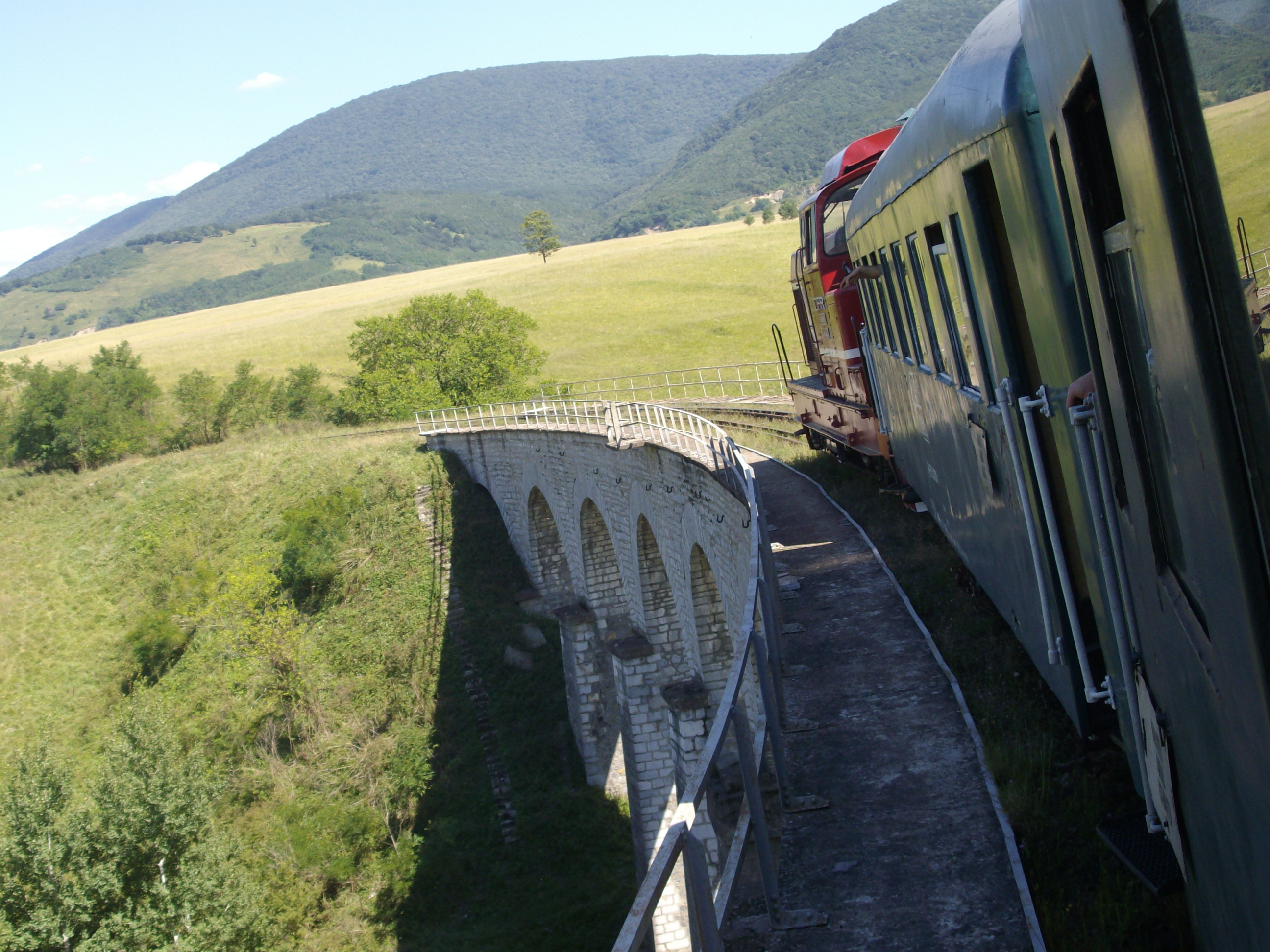
The Podu Olt - Piatra Olt railway line is the only non-electrified line that crosses the Carpathians in Romania. The train heads towards the Turnu Roșu Pass, the only place where a river (the Olt) flows through this mountain range.


p1120251.JPG

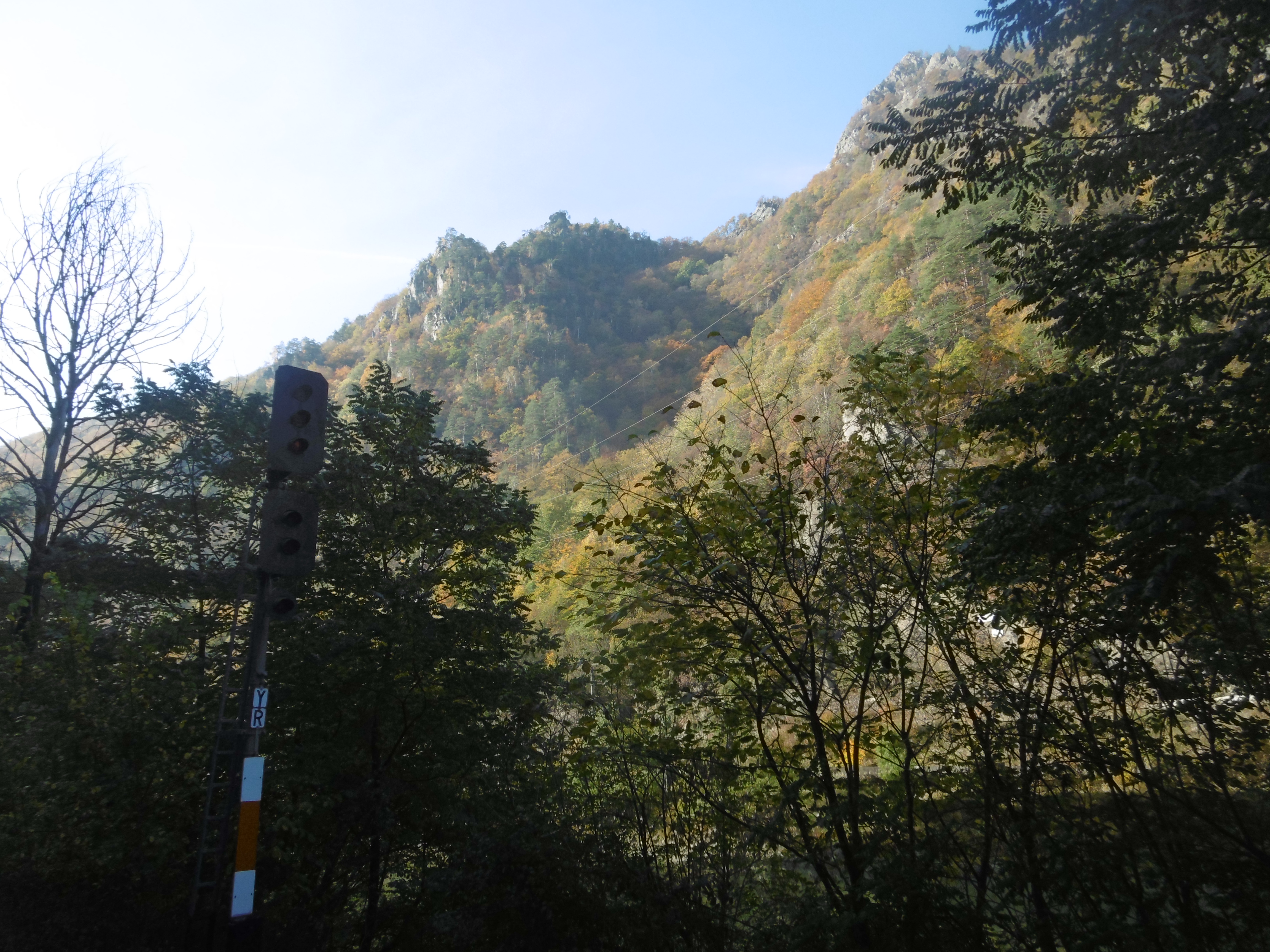
There are high mountains.in the Olt River valley. This picure shows also a light railway signal.


p1120303.JPG

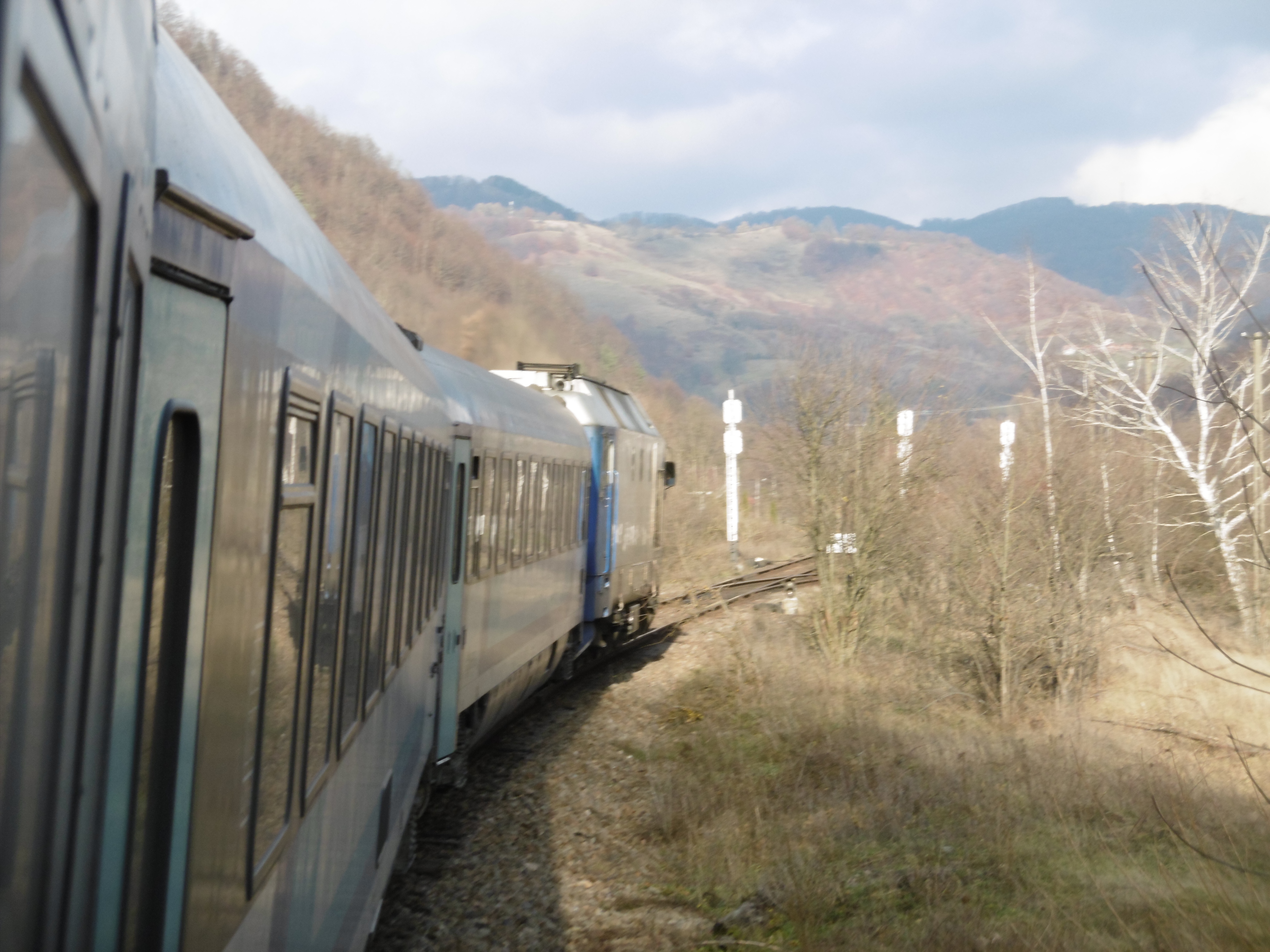
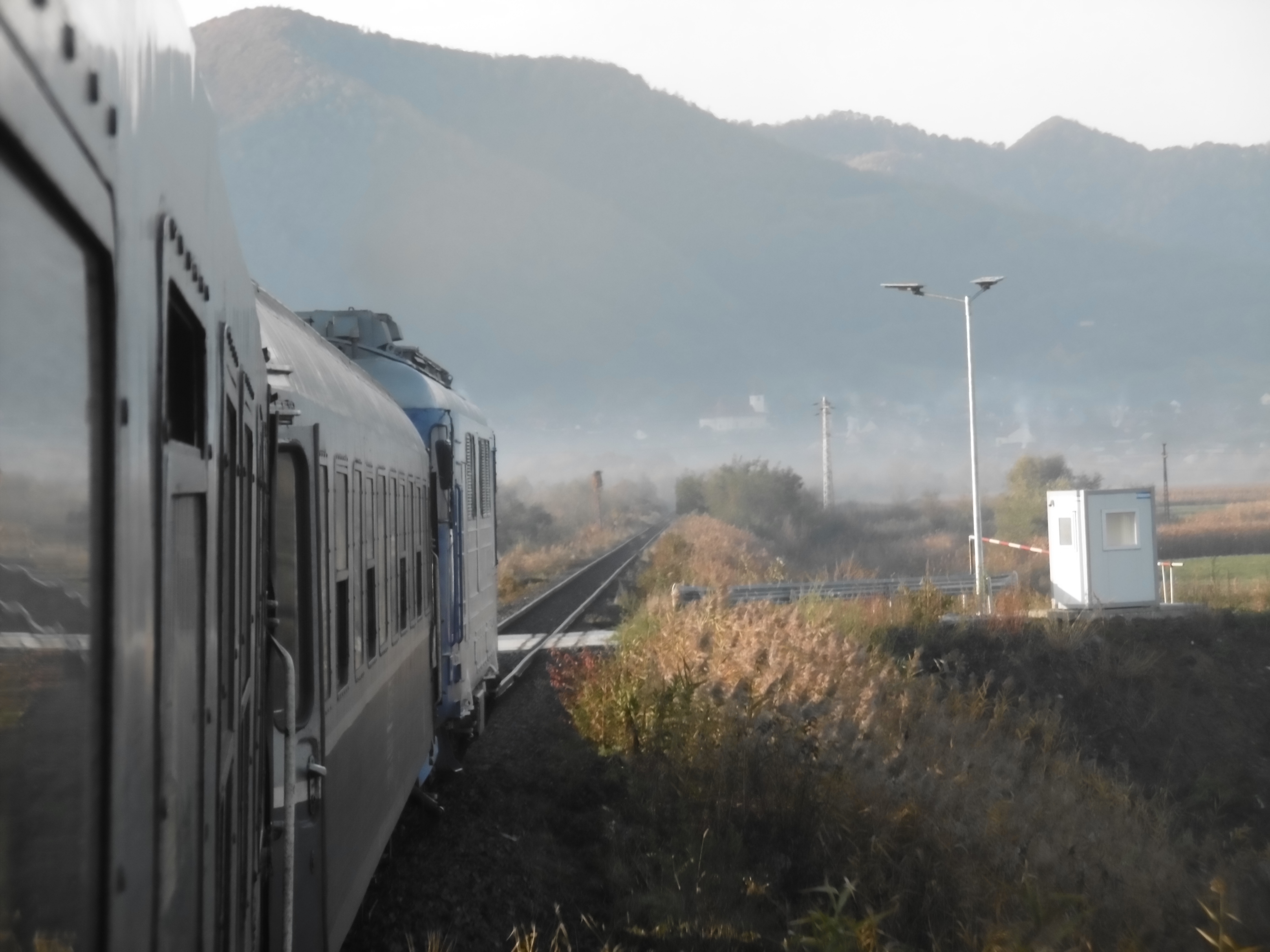
From Brașov towards to the Predal Pass and the Carpathians.


20251023_144945.jpg

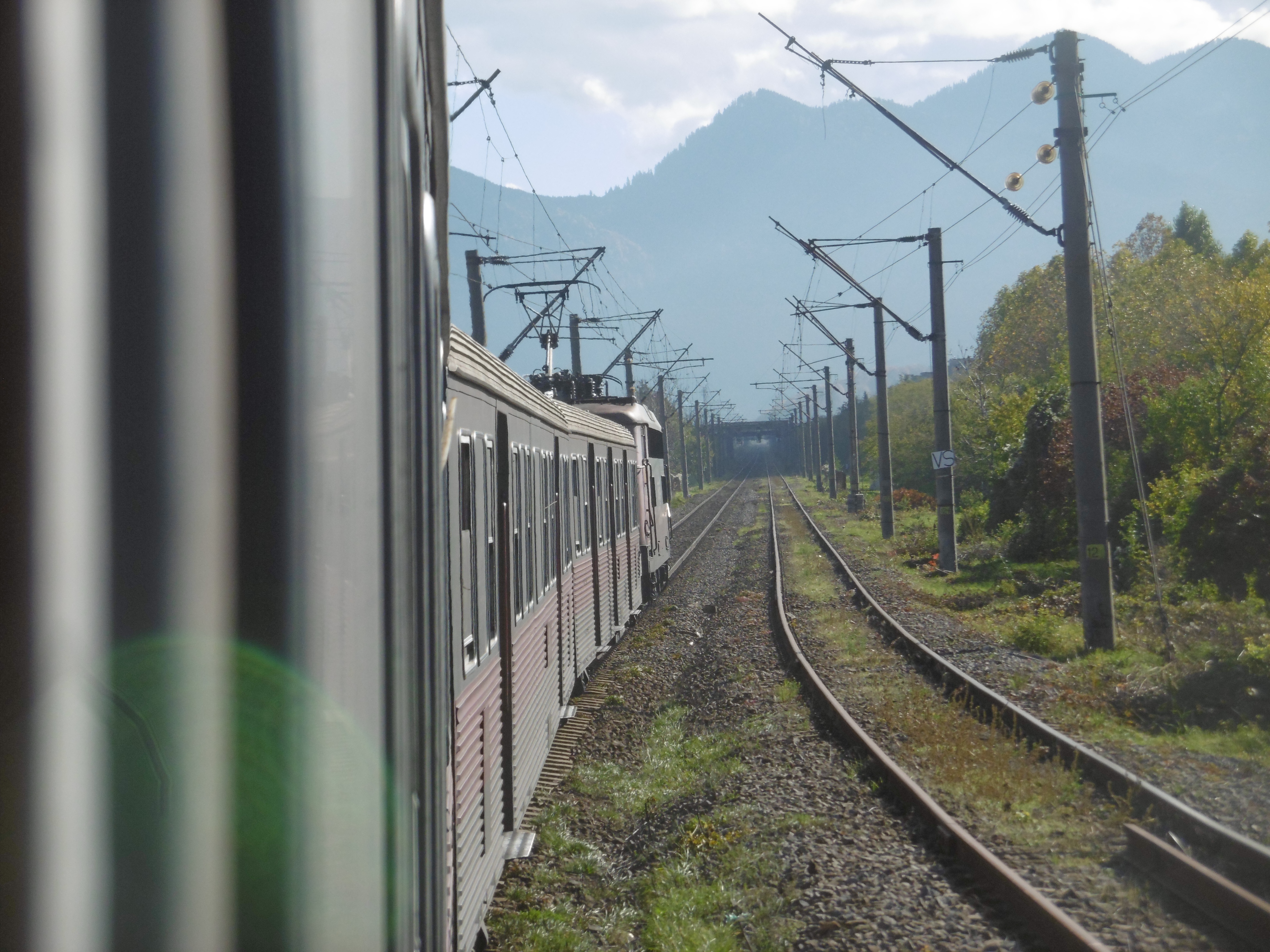
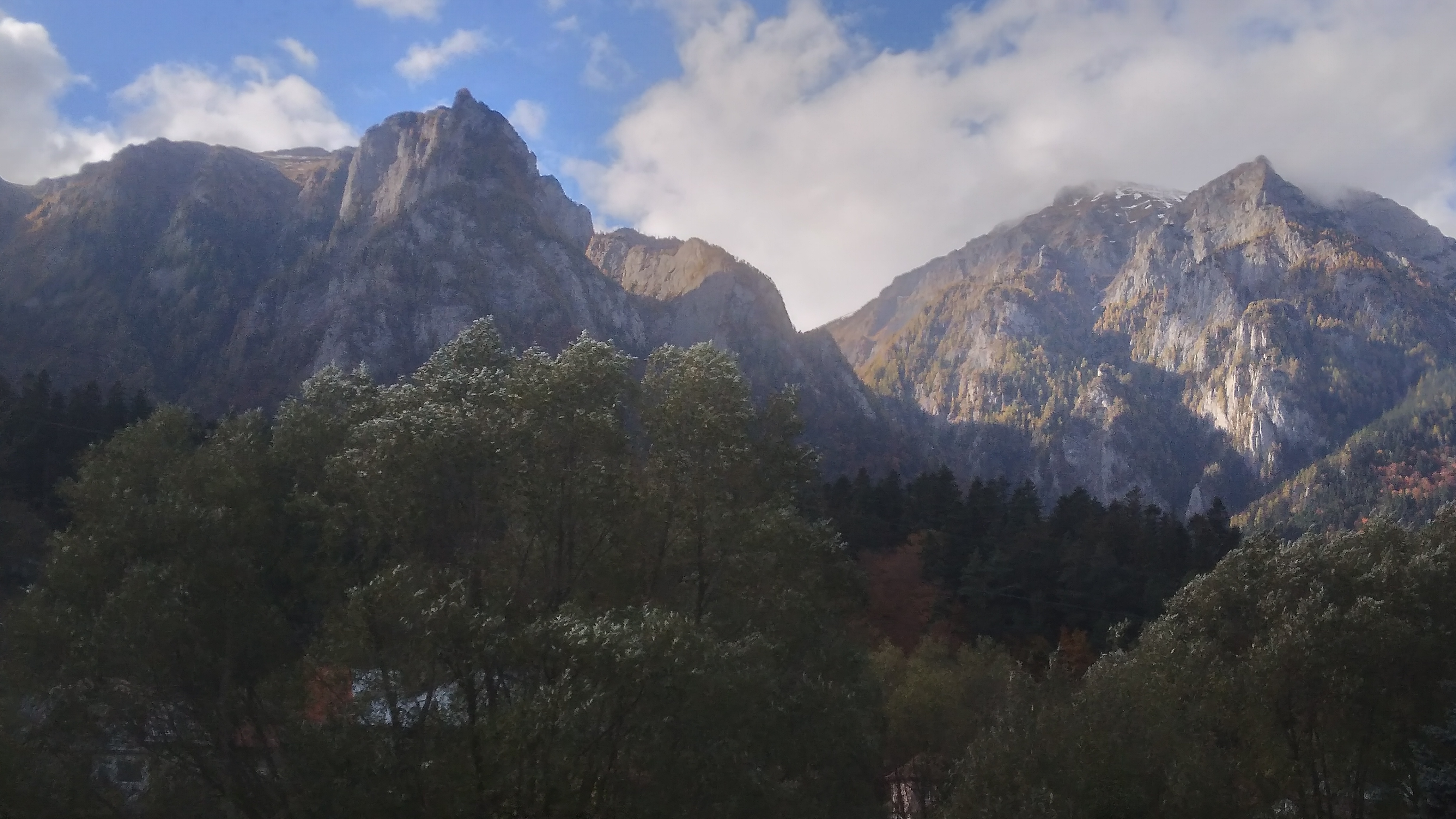
Between Predeal and Sinaia you can see breathtaking mountains from the window of the train.


Bulgaria

p1020878.JPG

The Rhodope narrow gauge railway has the highest railway station in the Balkans. However, the line between Varvara and Kostandovo stations, including the valley of the Chepinskaya River, is more spectacular than the higher section. This railway is less crowded than the Šargan Eight in Serbia.


Bosnia

imgp3123.JPG

A long section of the Ploče - Sarajevo line runs through the Neretva River valley, surrounded by mountains.


imgp3117.JPG

The Neretva river from the window of the train.


imgp3124.JPG

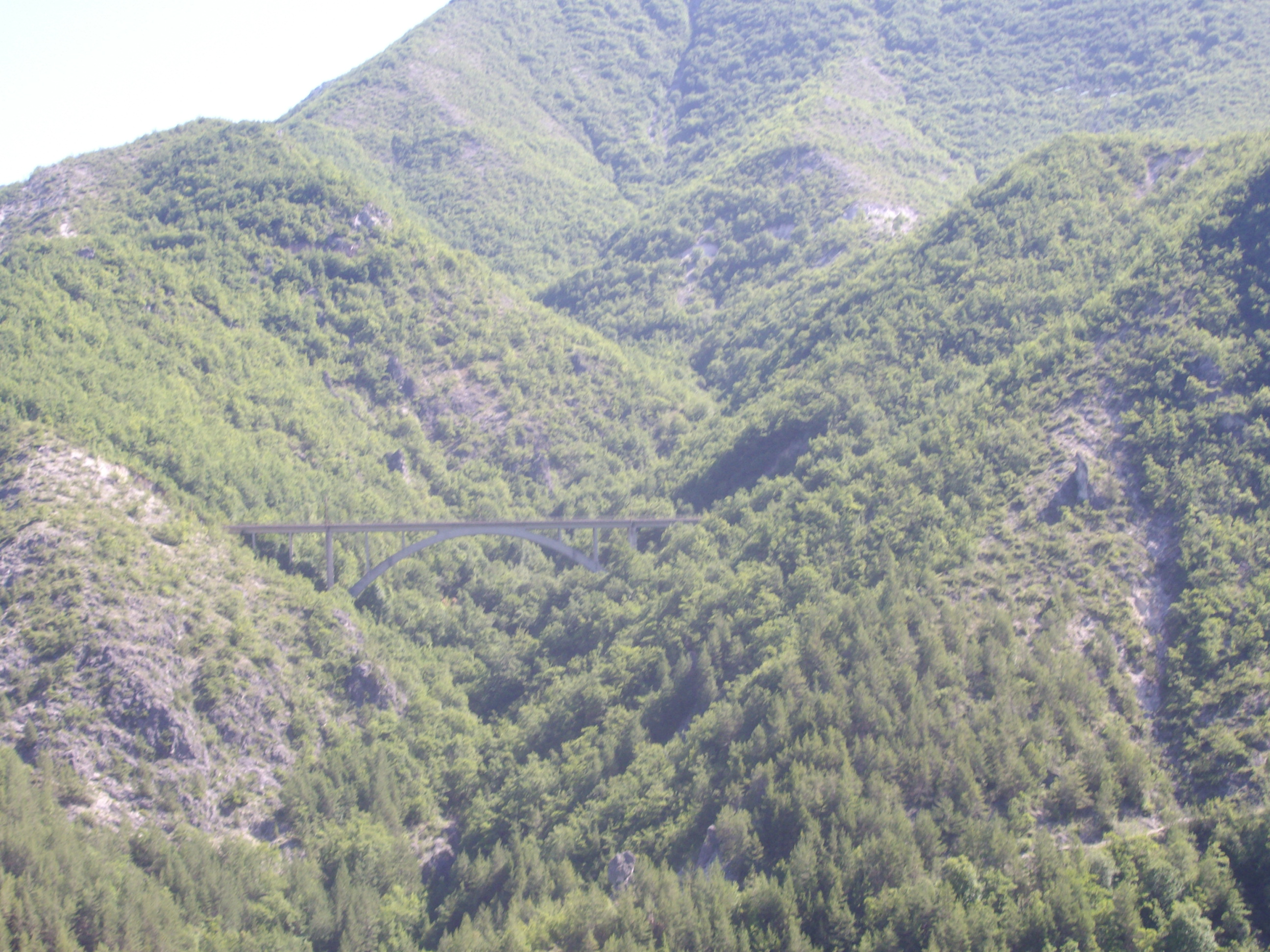
Between Konjic and Sarajevo the railway line has several U-shaped curves, tunnels and few viaducts. This viaduct is located between 2 tunnels and is visible from an other point on the railway line, too.


Montenegro

p1070823.JPG

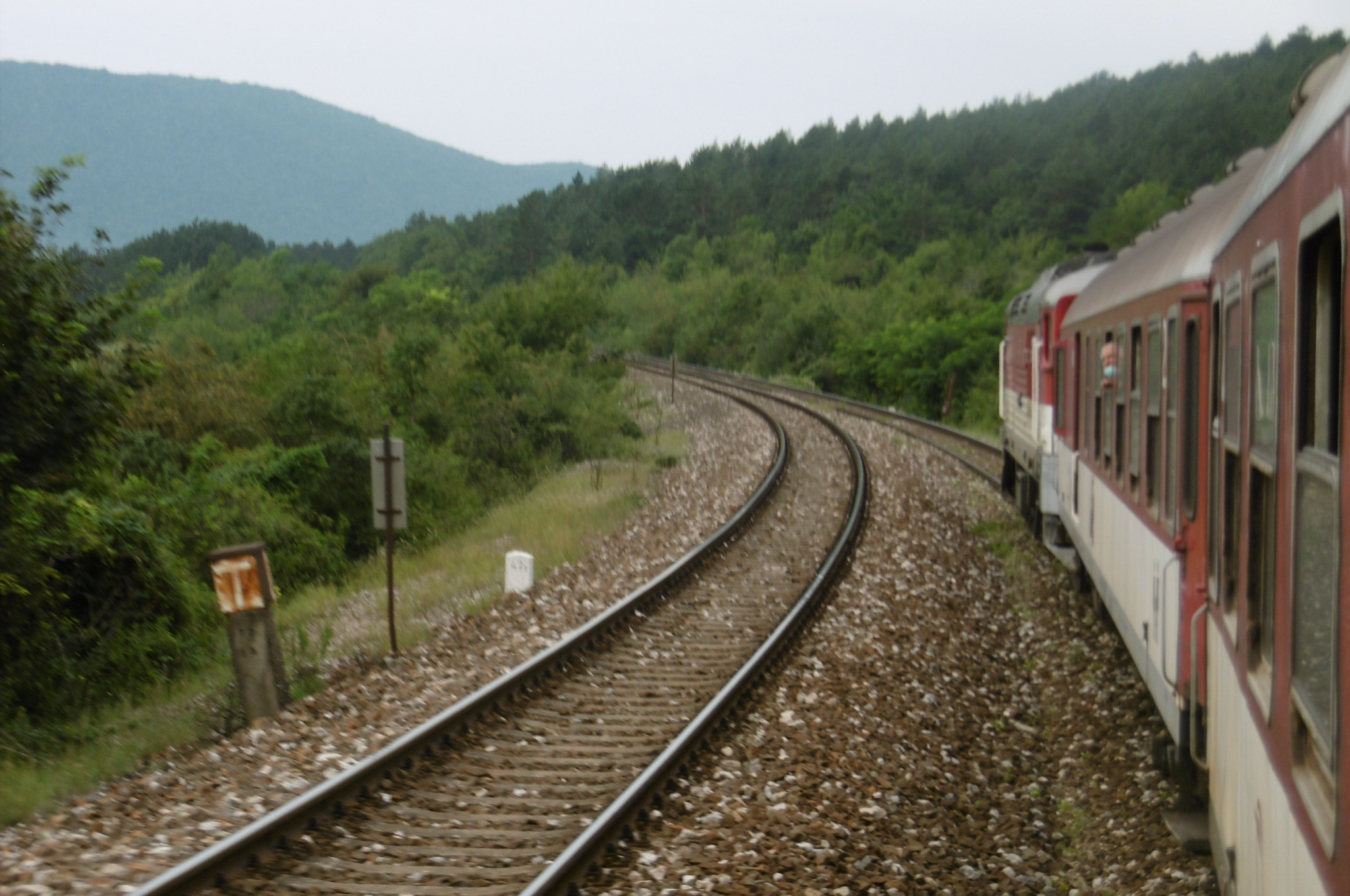
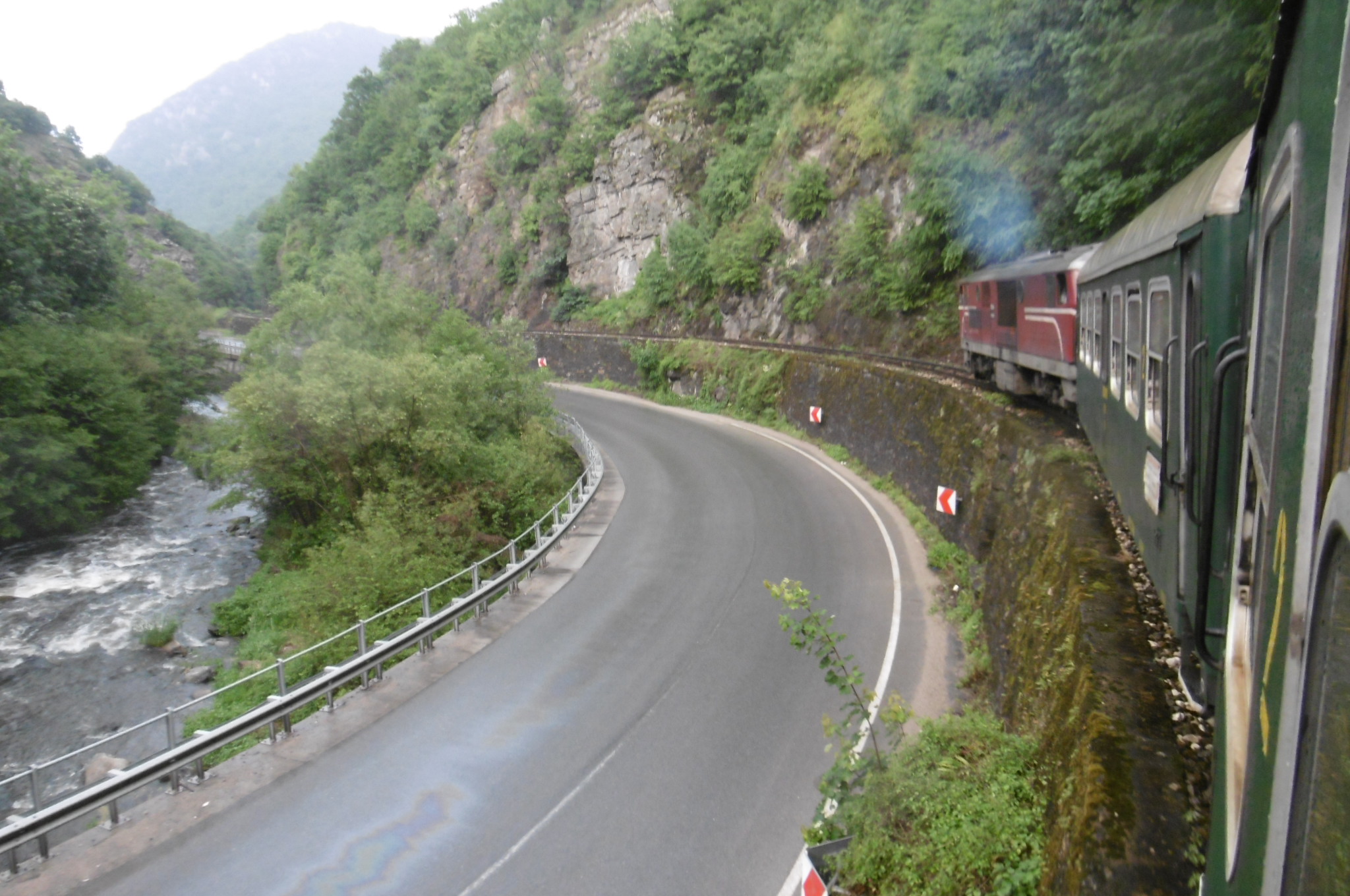
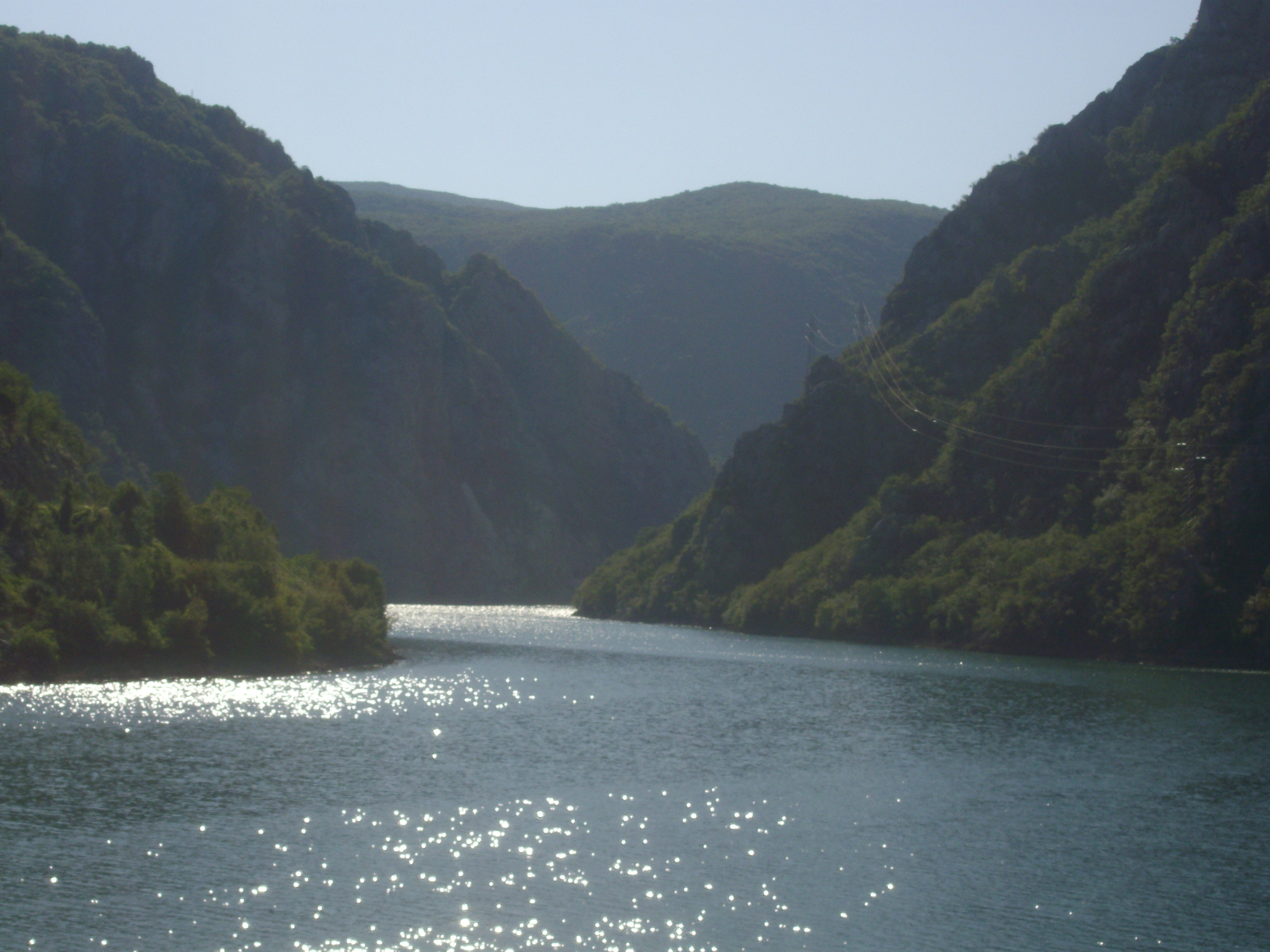
The Belgrade - Bar standard gauge railway was finished in 1976. It is a very spectacular line through the mountains of Serbia and Montenegro. On the Montenegrin side you can travel at daylight only by local trains or in summer by the Tara fast train.


p1070808.JPG

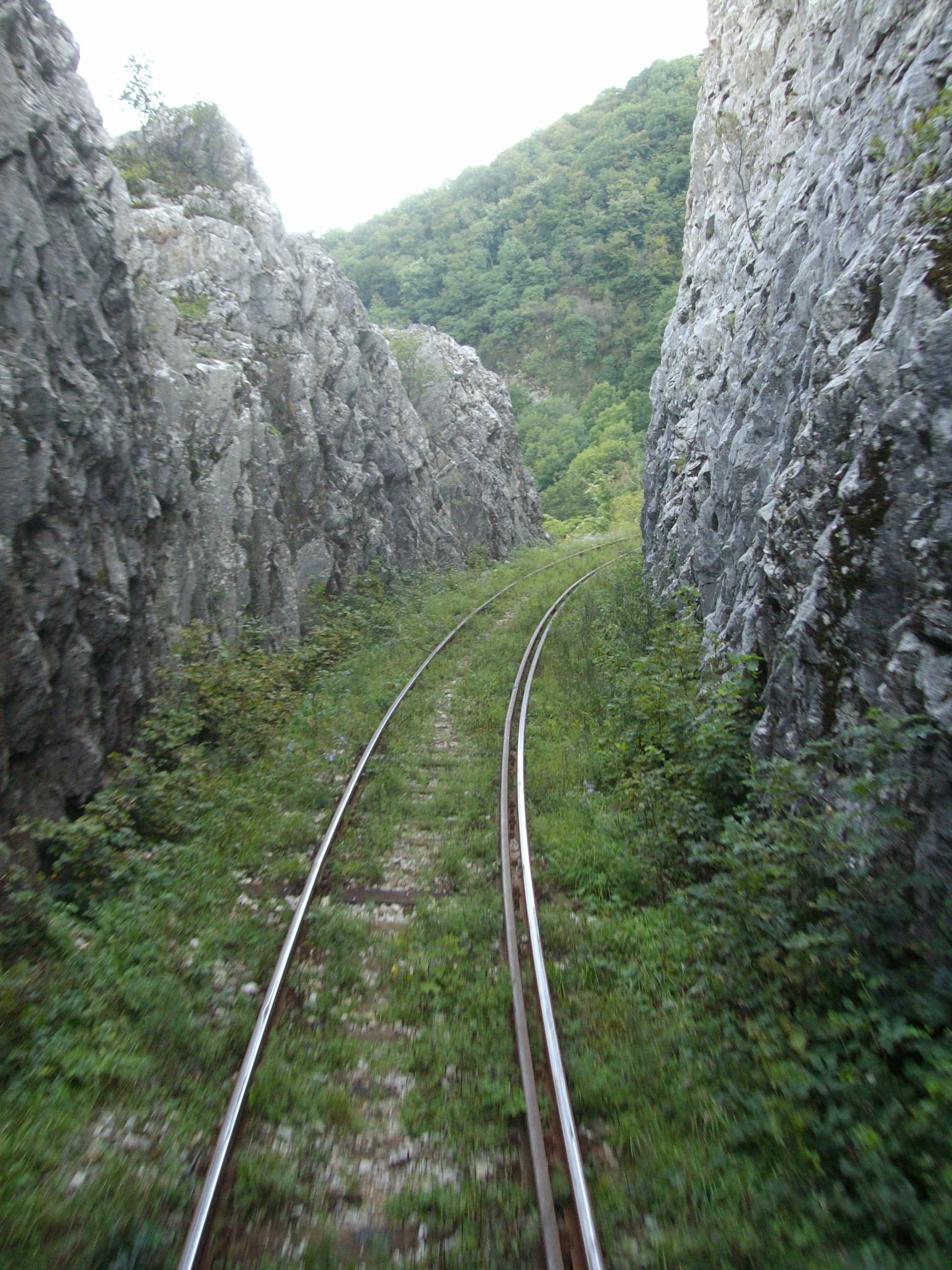
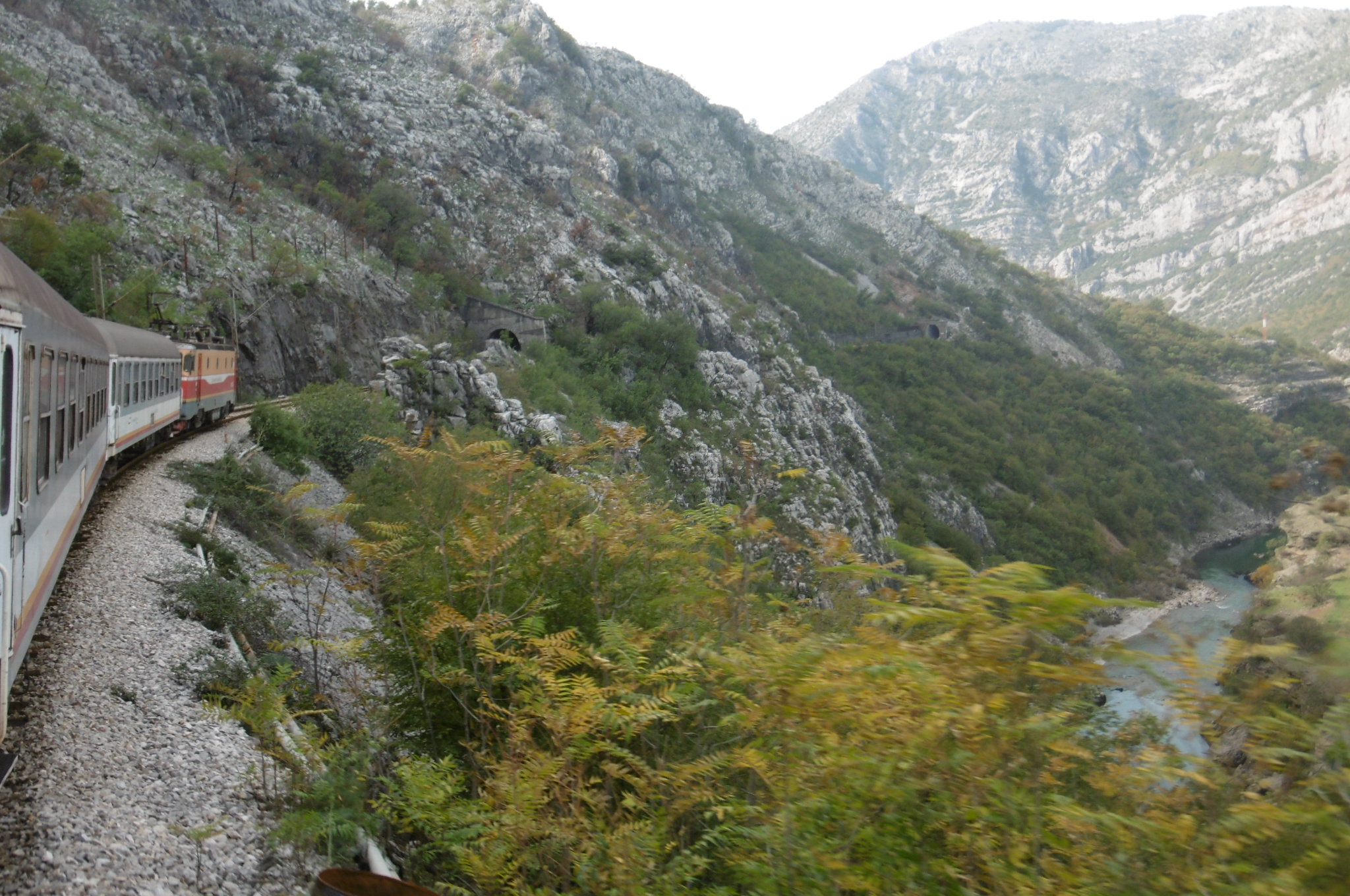
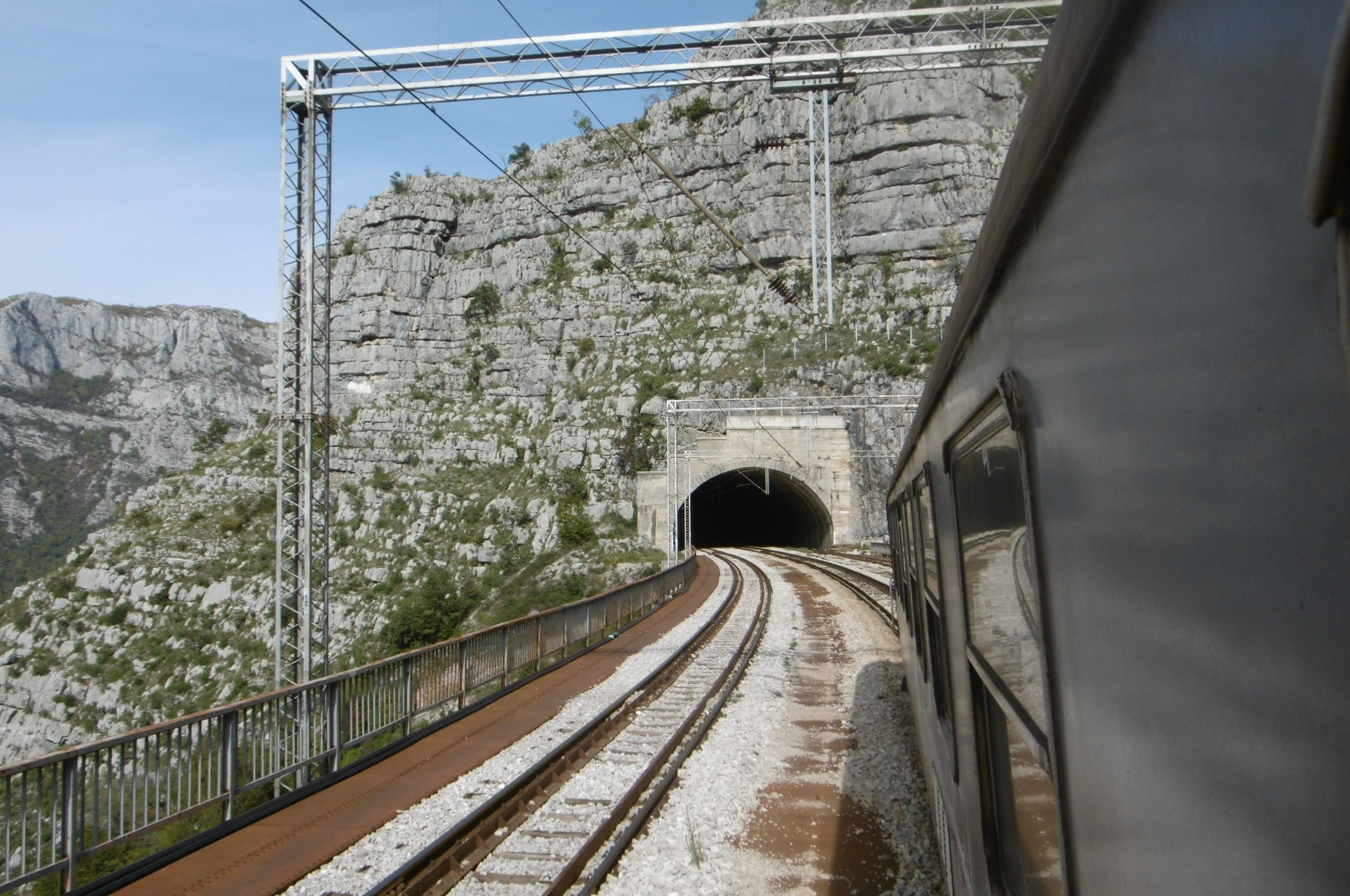
There are rocks and tunnels everywhere. About 20% of Montenegro's railway lines is located in tunnels.


p1070825.JPG

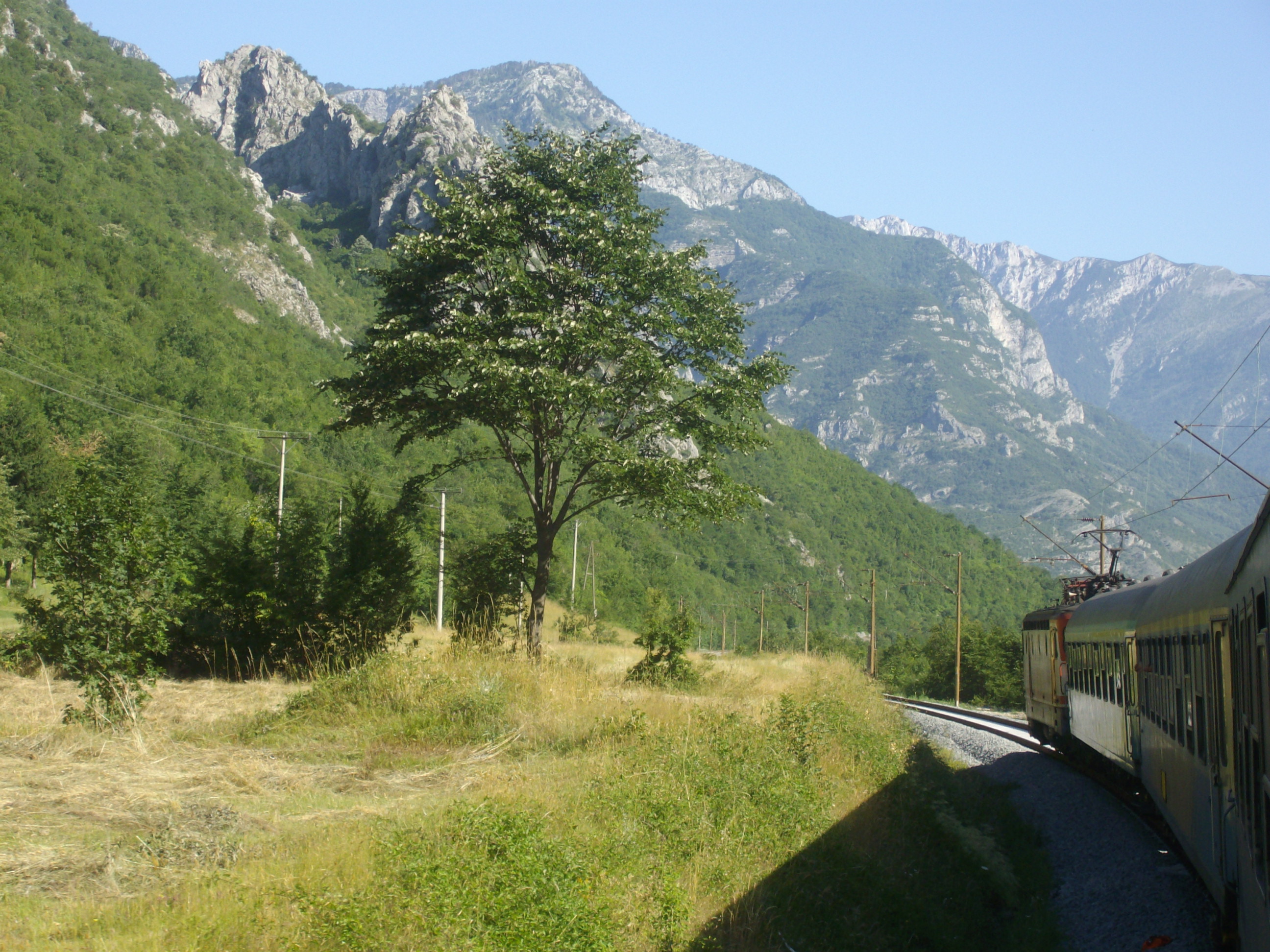
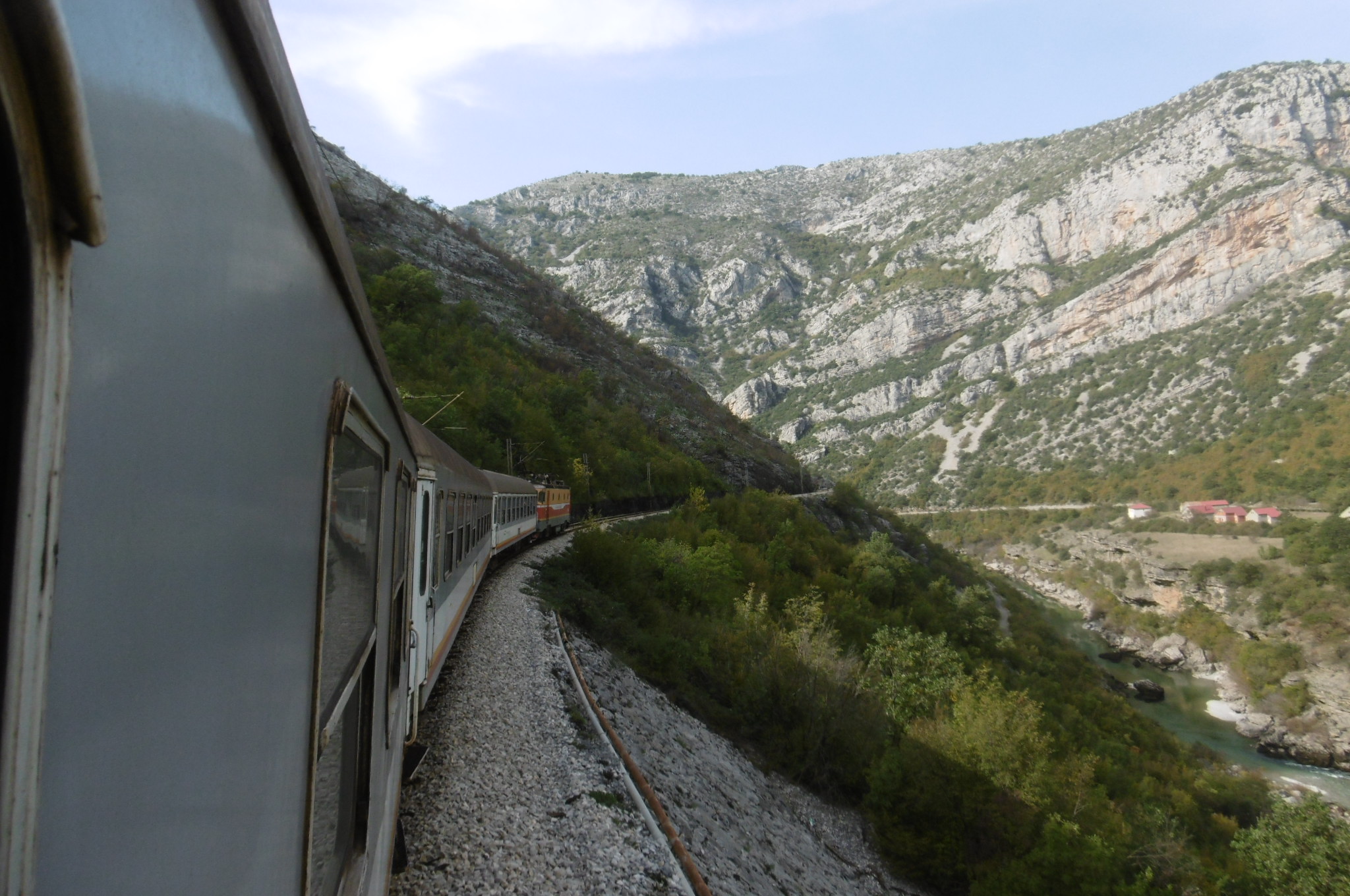
The railway line runs along the side of the mountains. The layers of the fold mountains can be observed.

Diesel railcars on European narrow gauge railways


Hungary

imgp2976.JPG

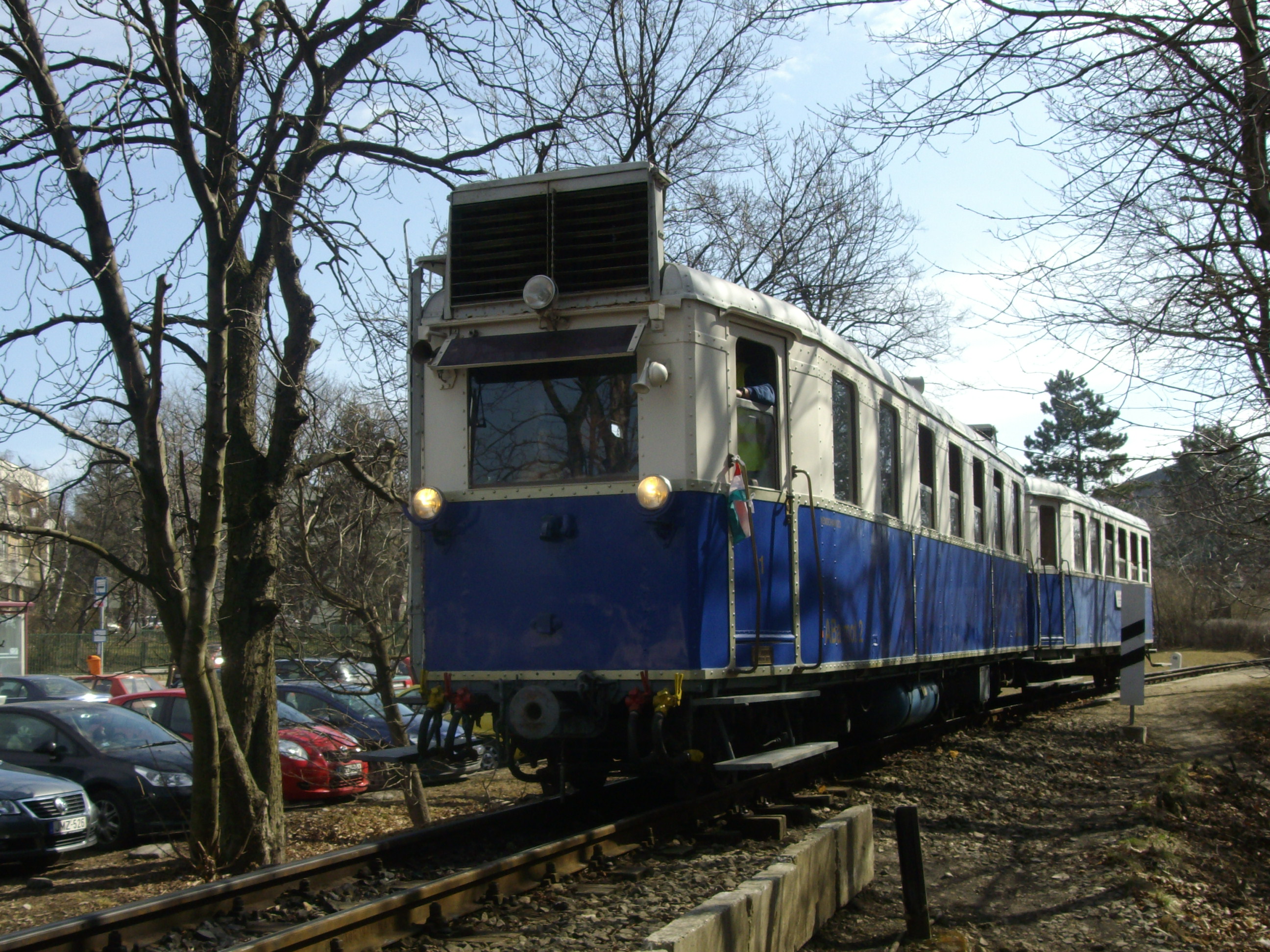
The Ganz factory produced famous diesel railcars also for narrow gauge railways. This Abamot railcar from 1929 is one of the first ones. It used to run in Miskolc (on the forestry railway of Lillafüred) for decades but since the 1990s it serves on the Children's Railway in Budapest.


p1040849.JPG

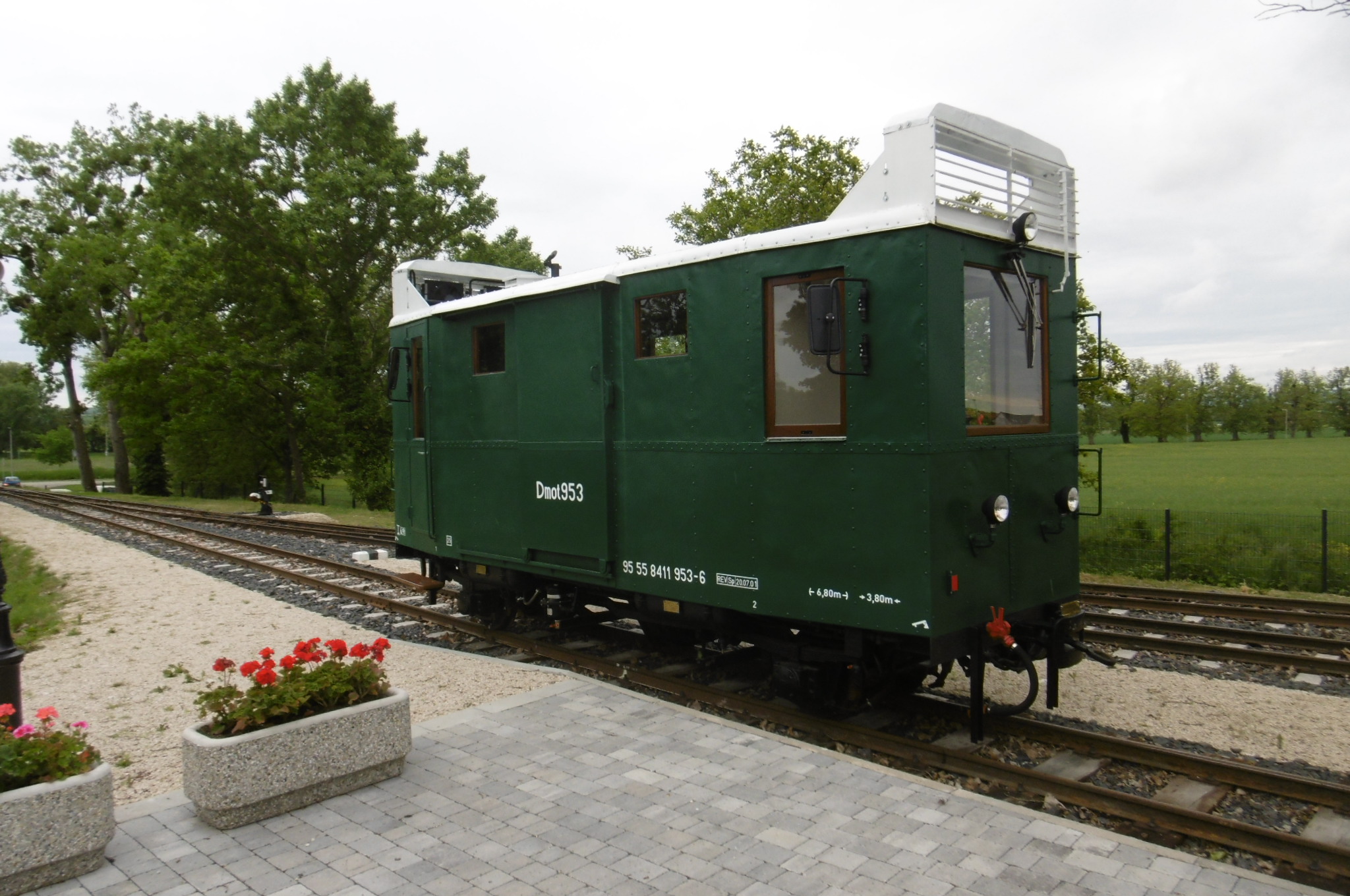
Ganz Dmot type is a narrow gauge baggage railcar. The last preserved one from 1940 has been running on the museum railway of Nagycenk since 2021. Ganz exported several narrow gauge passenger railcars to former Yugoslavia and Bulgaria. The Rhodope Railway in Bulgaria plans to renew a preserved one.

20250817_130642.jpg

In the 2010s the engine shed of the forestry railway of Királyrét transformed 2 cargo wagons to railcars. One of them runs there and the other one (in the picture) works nearby, between Szob and Nagyirtás.


Romania

p1000423.JPG

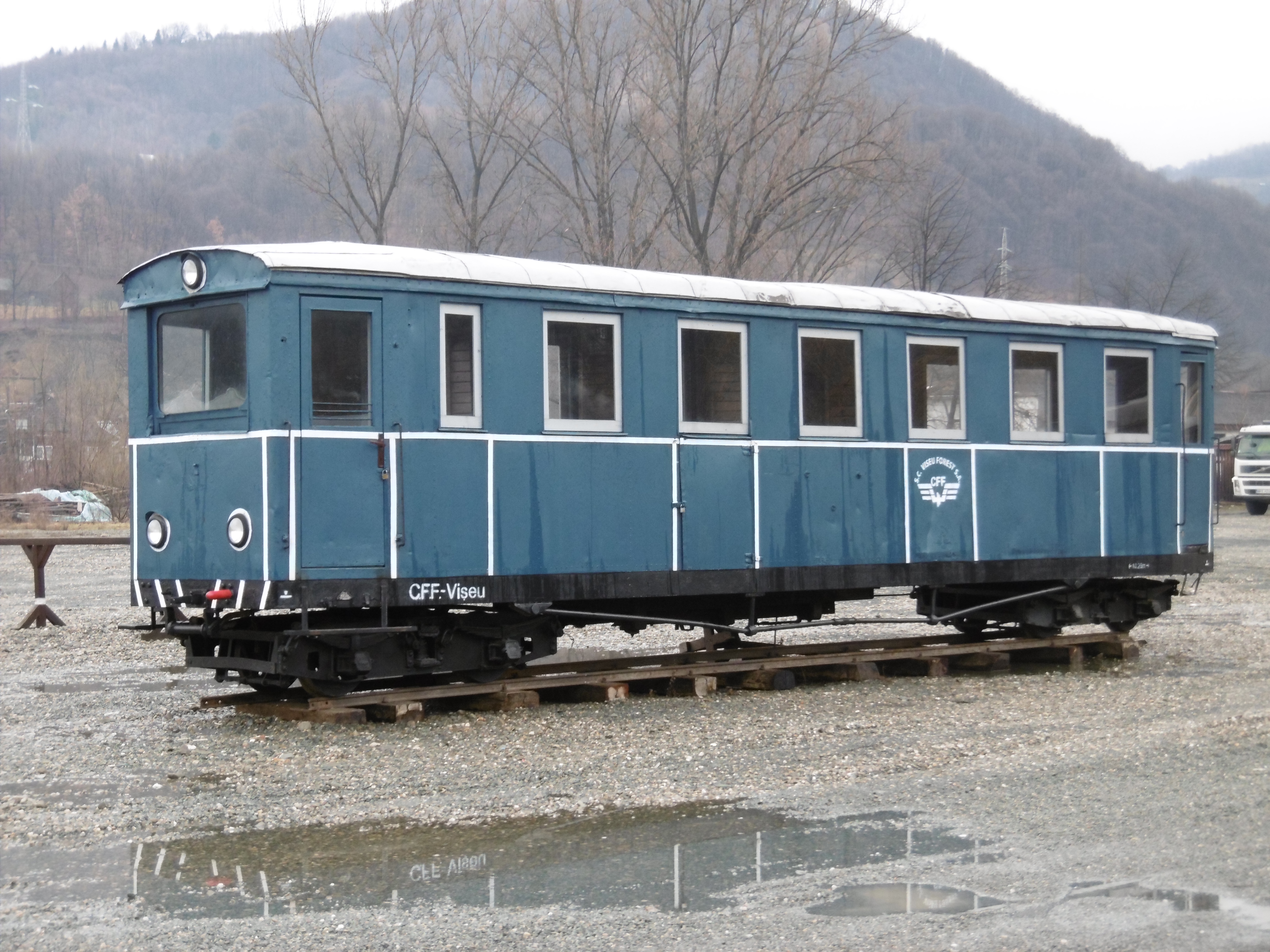
The famous Vaser Valley Forestry Railway in Vișeu de Sus manufactured a railcar from a passenger wagon around 1960. Unfortunately it doesn't run, it is part of the open-air exhibition.


p1000478.JPG

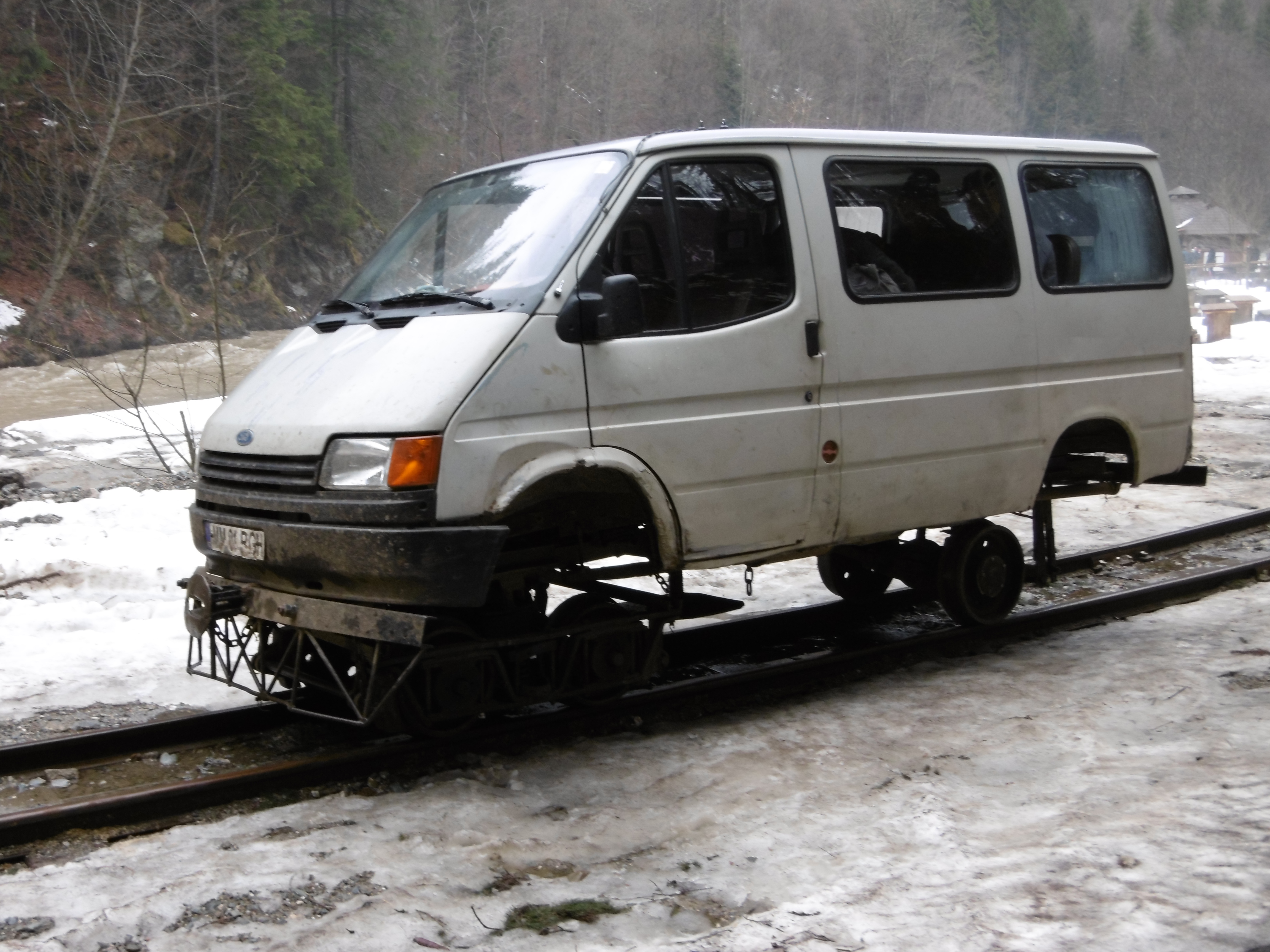
You can find several light railcars there, mostly transformed Ford Transit minibuses. 


Poland

p1090256.JPG

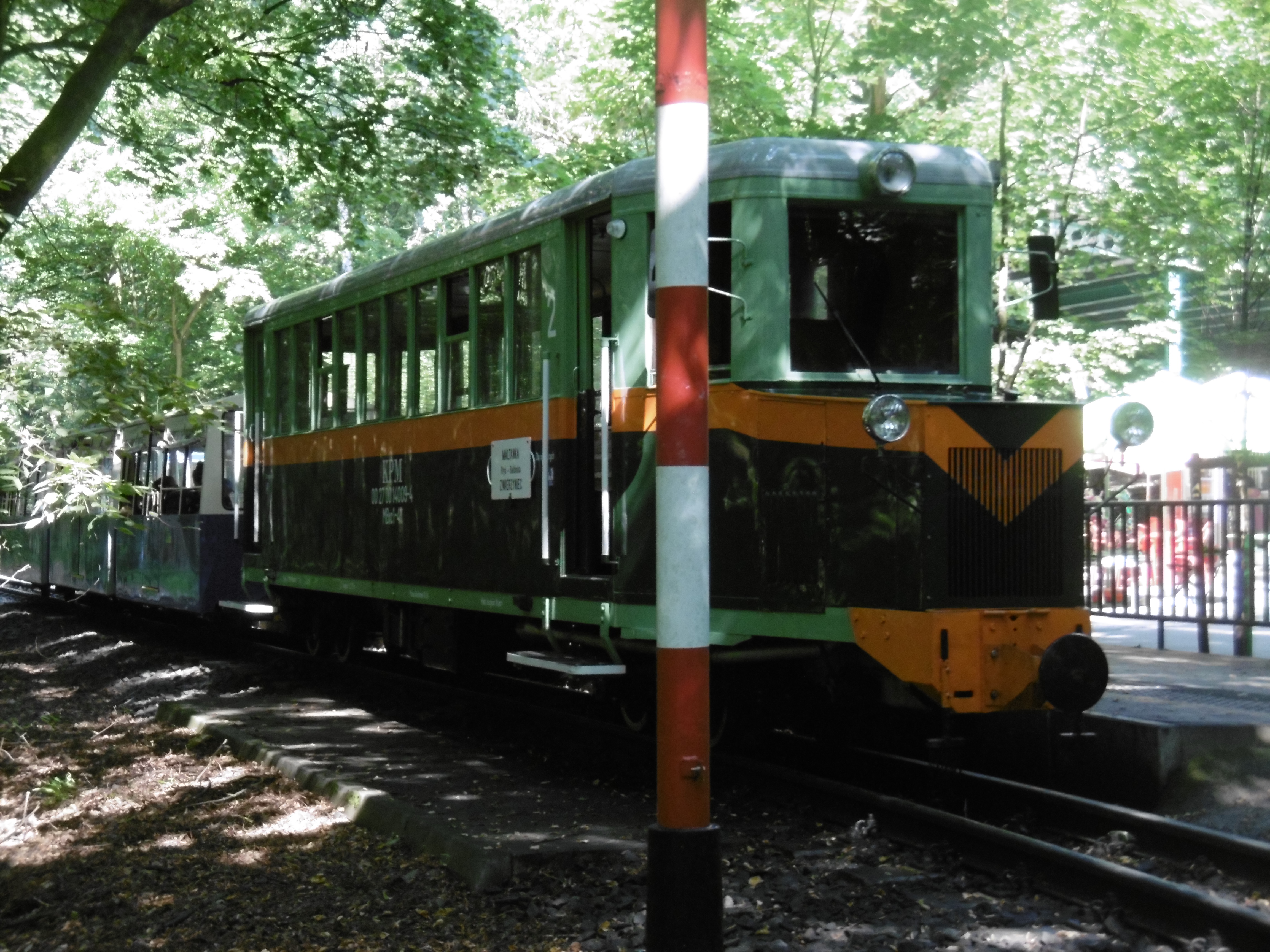
The Park Railway Maltanka in Poznań has a railbus built in 1932.


Slovakia

imgp3702.JPG

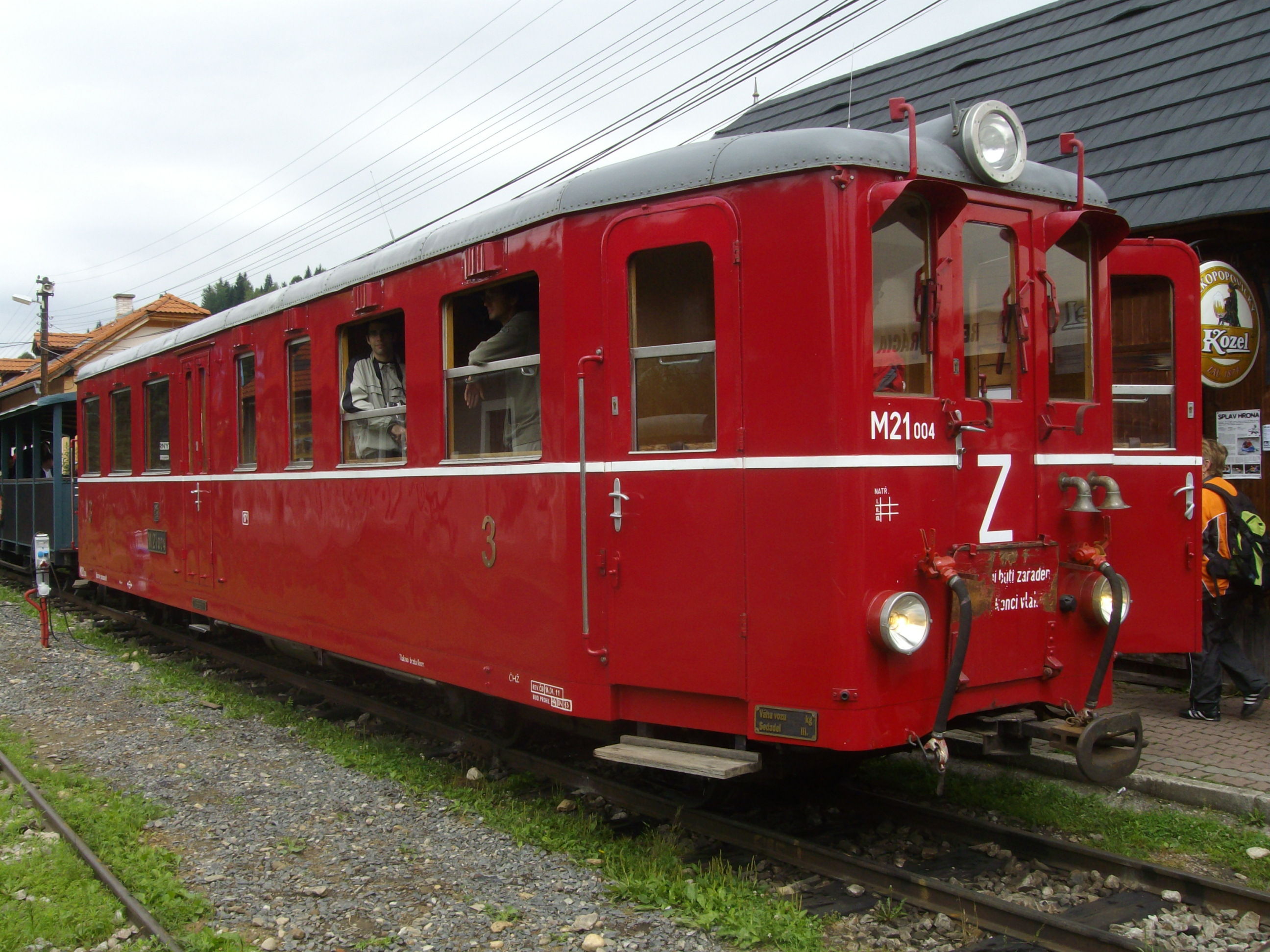
The M21.004 Tatra railcar from 1939 is a valuable vehicle of the Čiernohronská železnica (ČHŽ).


Czech Republic

imgp7878.JPG

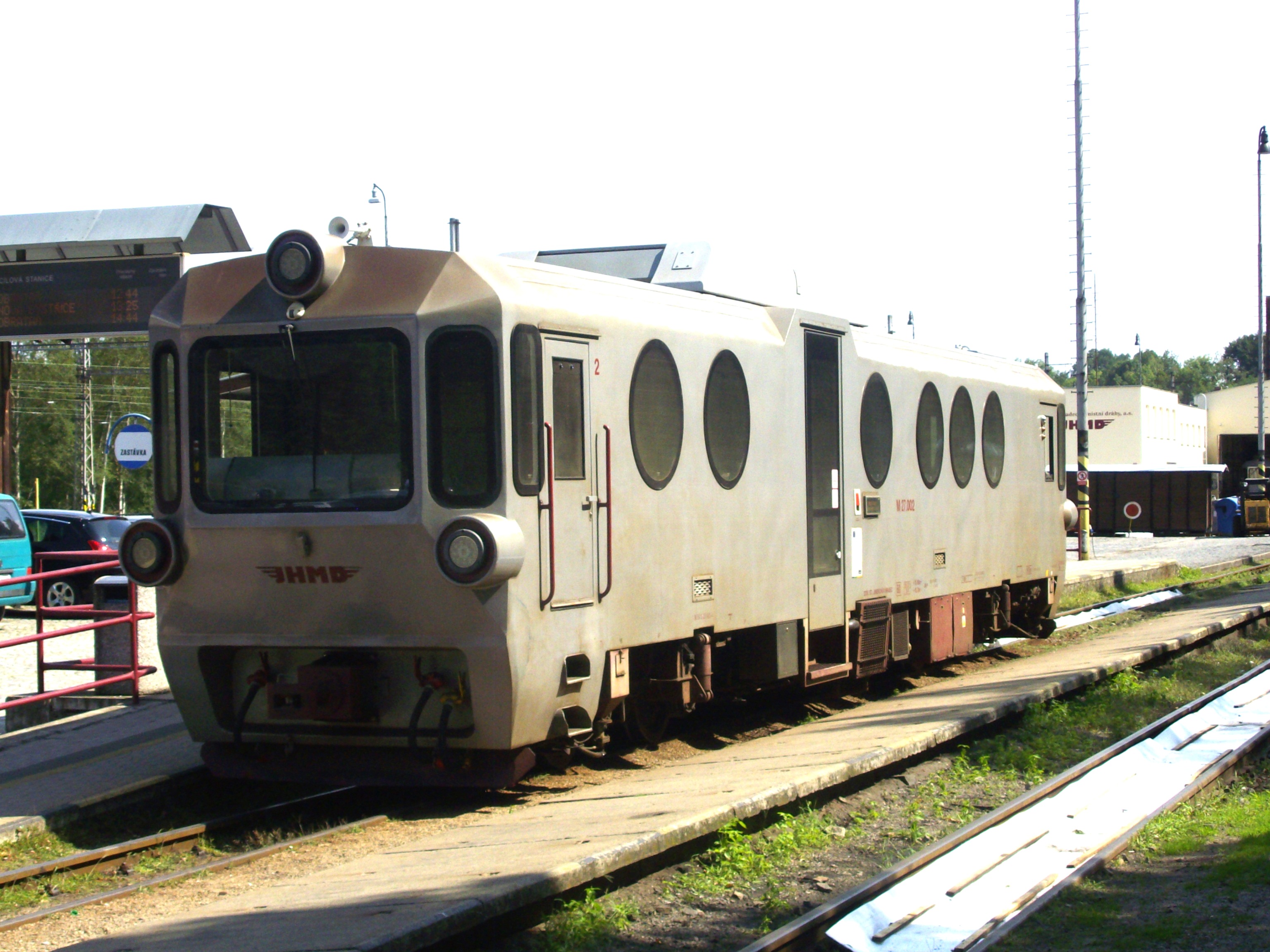
The Jindřichův Hradec Local Railways (JHMD) bought a MBxd2 series railcar from Poland. They reconstructed it in an unconventional way in 2014. Its nickname is Submarine.


Austria

ybbsitz.JPG

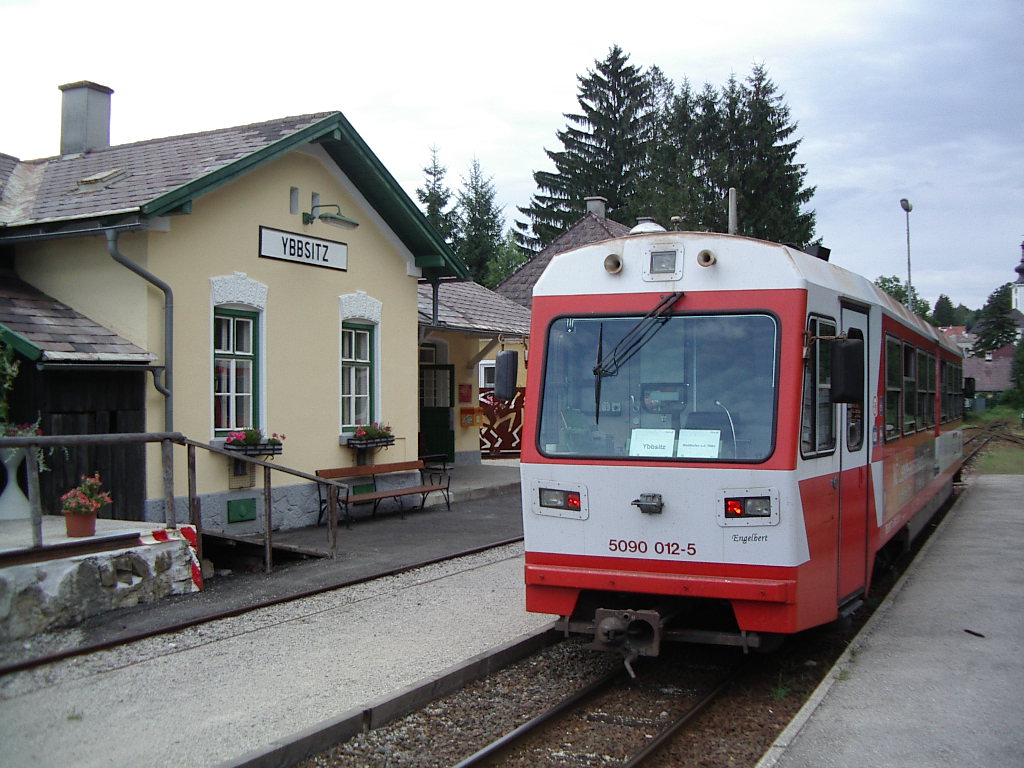
The ÖBB used to have narrow gauge railways in the past. Railcars type 5090 were common vehicles on these lines. The track to Ybbsitz has been already removed, I took this picture in 2007.


mittersill5.JPG

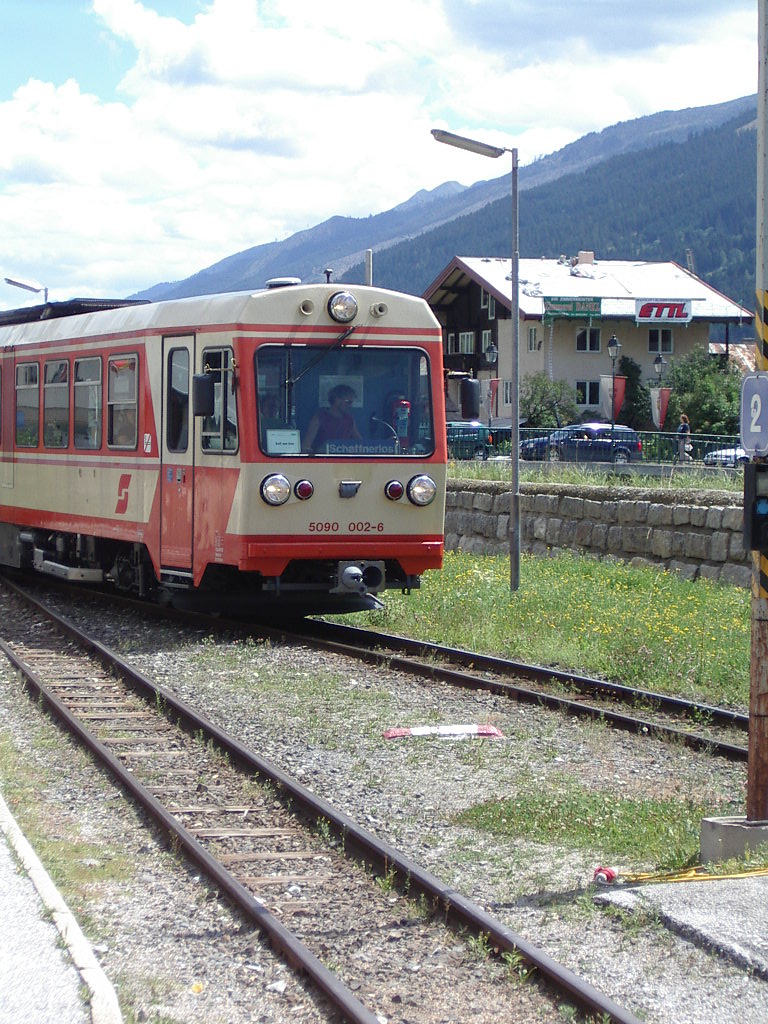
Type 5090 railcar in Mittersill in 2007. They still run there on the Pinzgauer Lokalbahn. This series was built by Jenbacher Werke in Austria.


p1030378.JPG

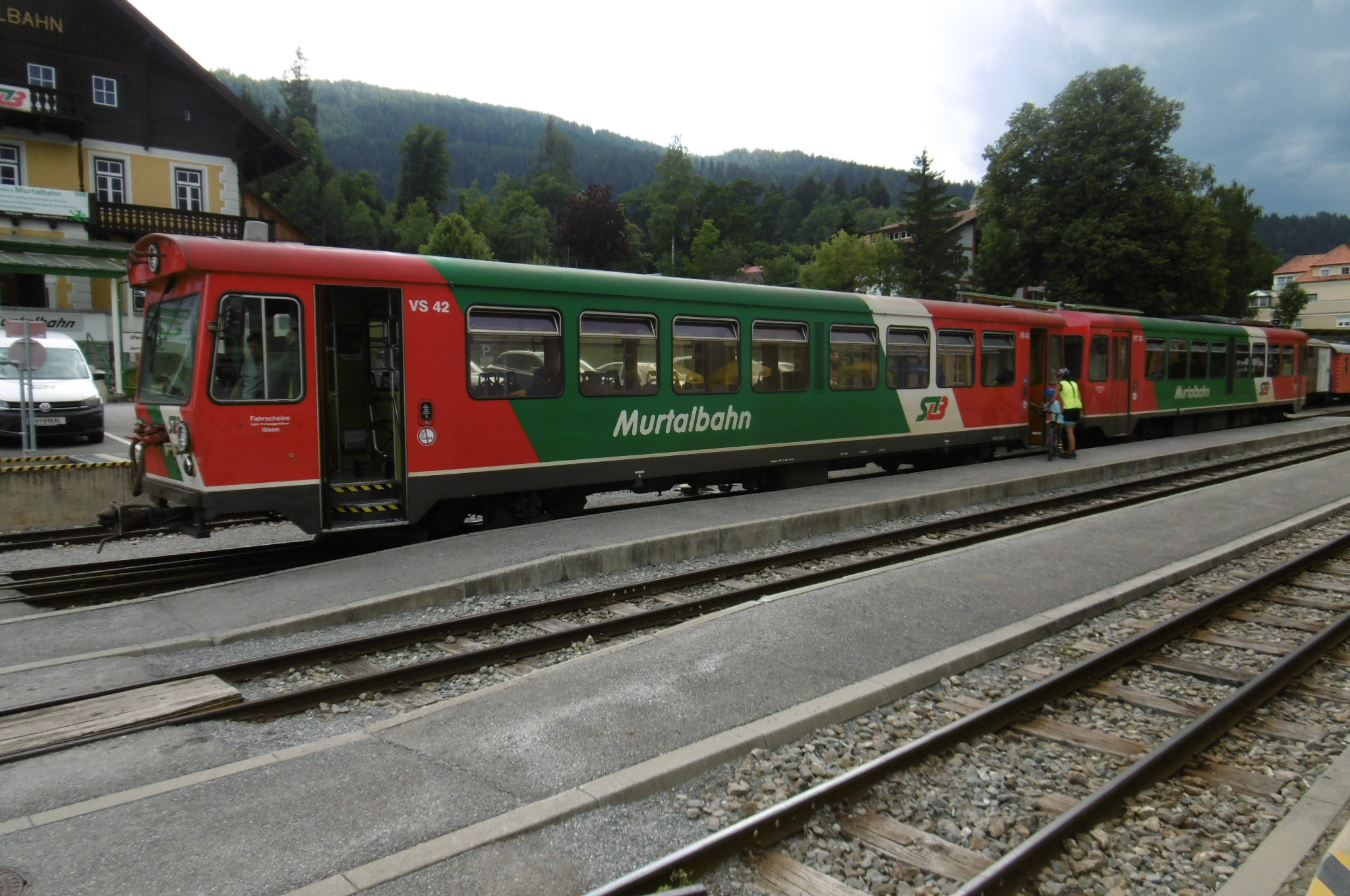
Murtalbahn has also very similar vehicles to type 5090. In one train they use a railcar and a driving trailer. Unfortunately the driving trailers lost their traditional colours in 2023 and they are currently white.


Portugal

20241019_154703.jpg

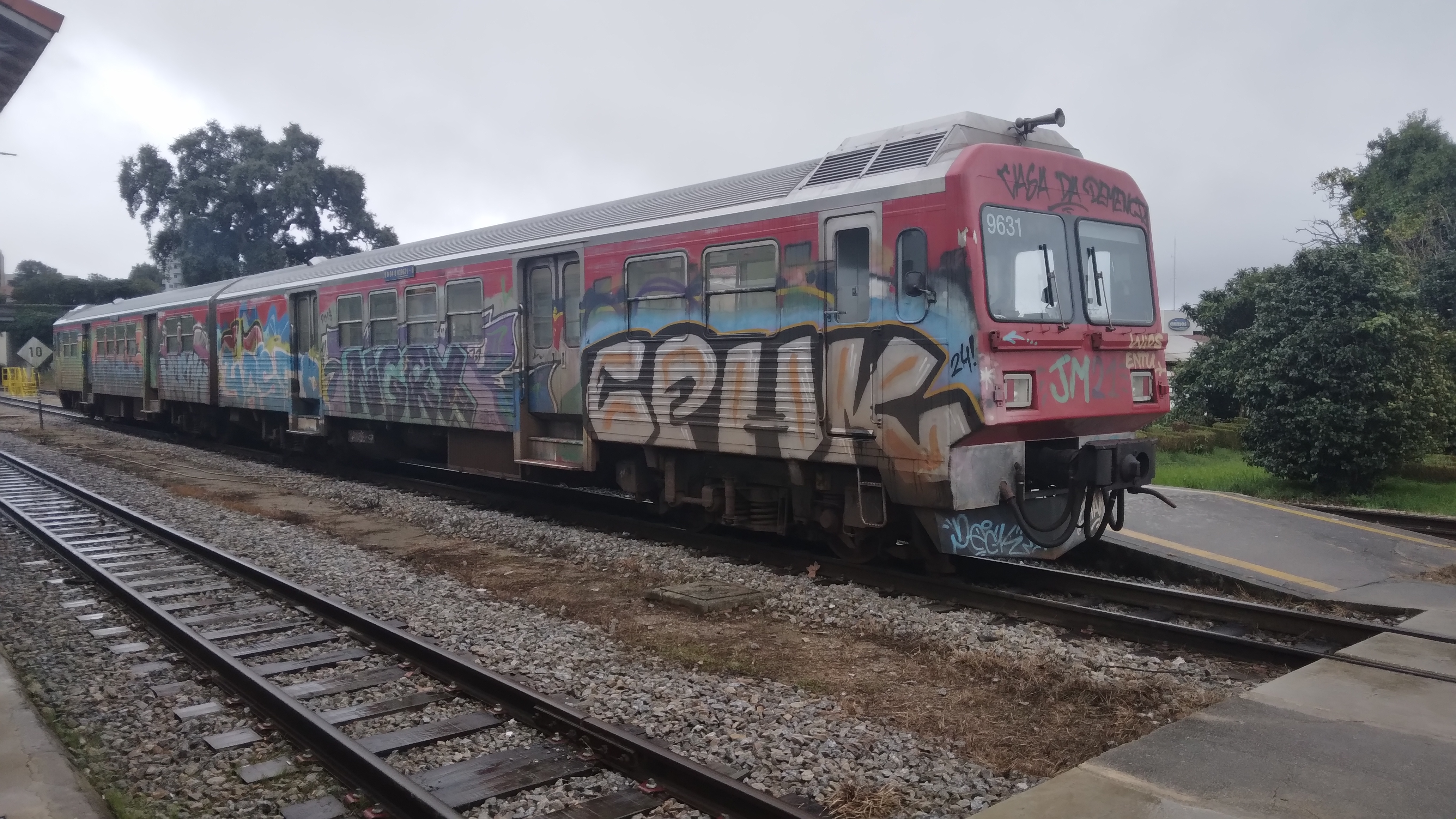
On the last narrow gauge line of Portugal only series 9630 diesel multiple units serve the daily traffic.


Germany

p1000950.JPG

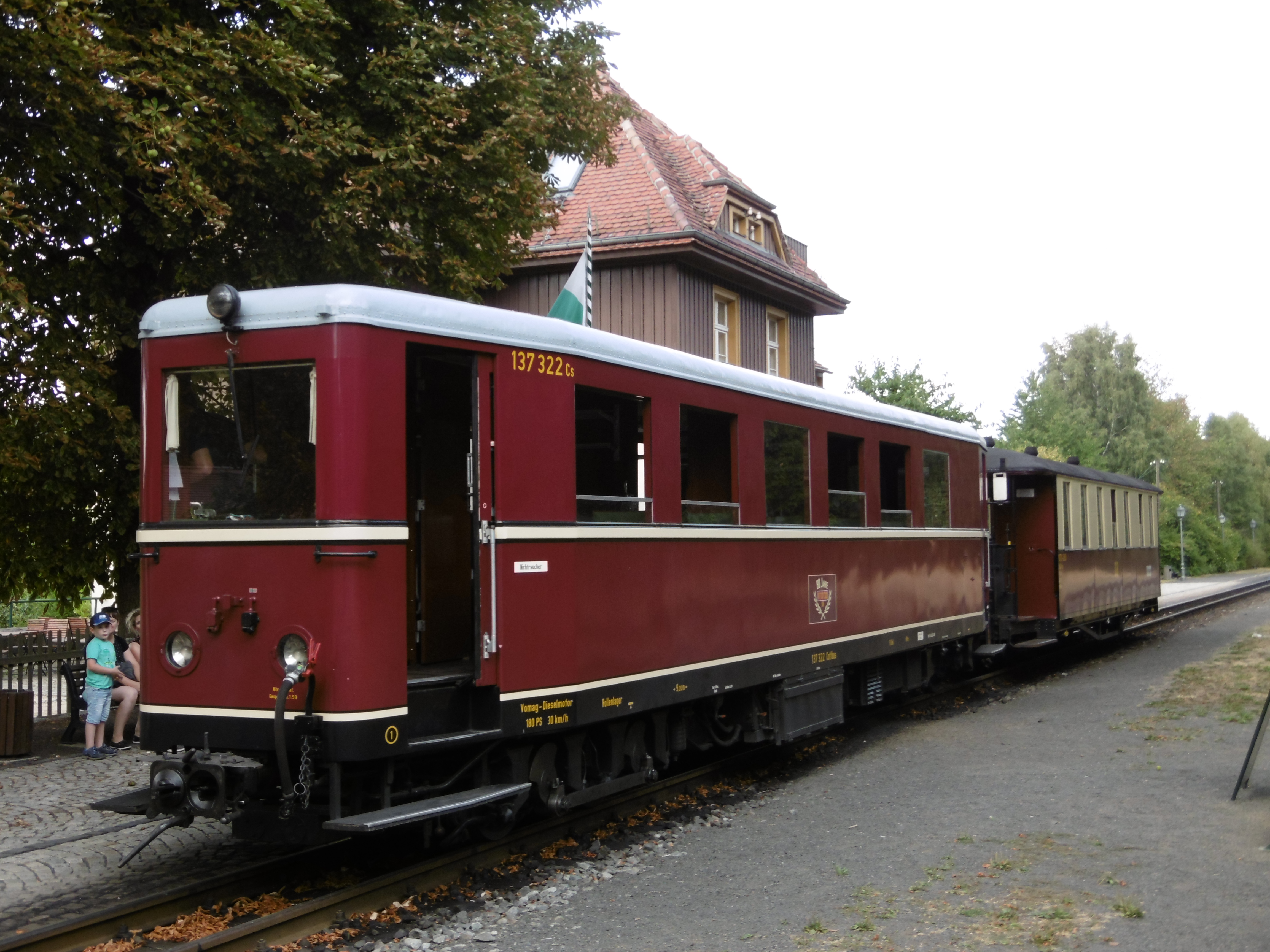
In Bautzen they built 4 vehicles of VT 137 series. Only one of them survived which was 80 years old in 2018 when I traveled with it to Jonsdorf on the Zittauer Schmalspurbahn. Unfortunately currently it is out of service.


imgp6633.JPG

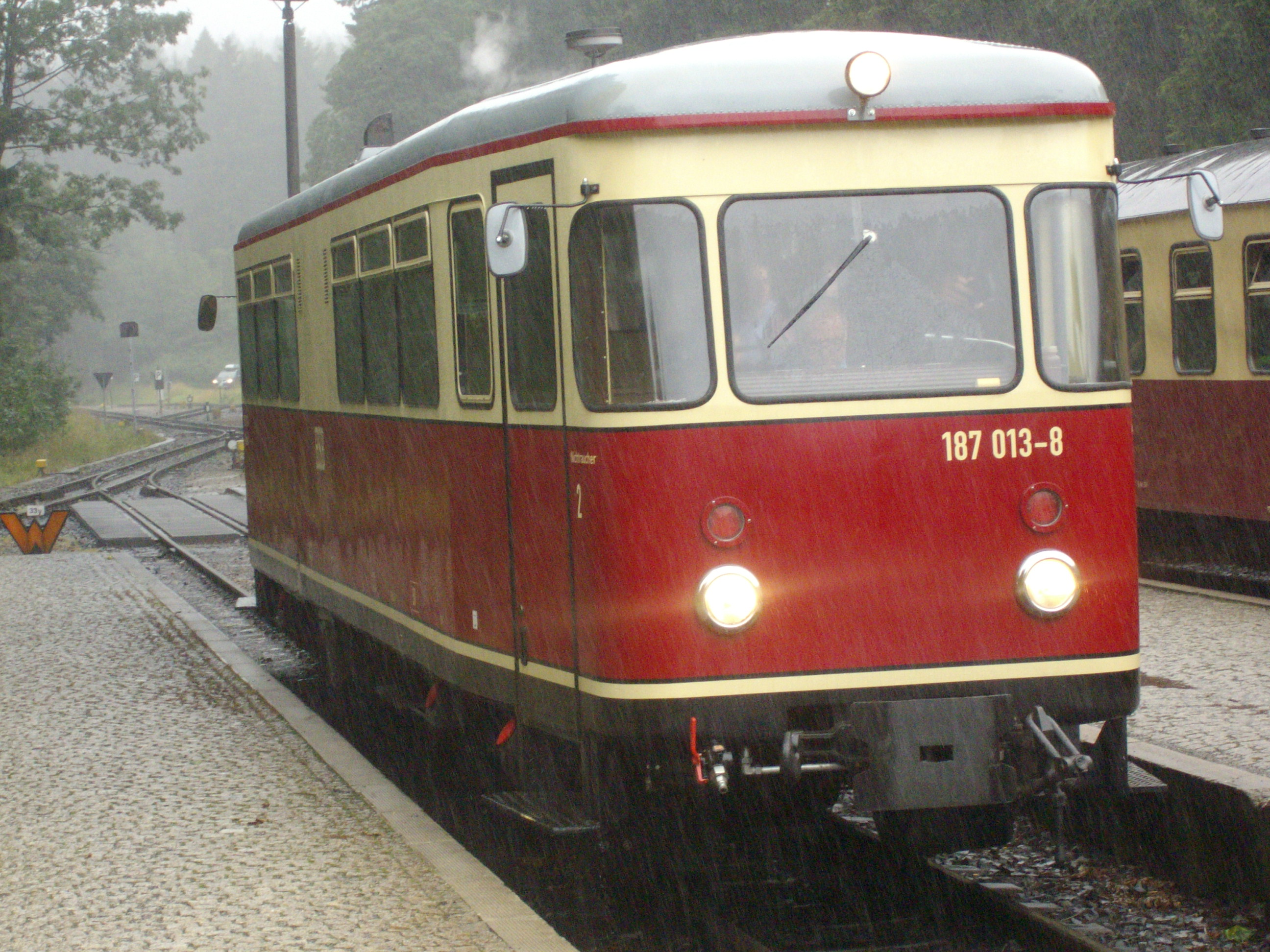
Number 187.013-8 railcar was built in Talbot factory in 1955. Nowadays it runs on the Harzer Schmalspurbahnen. They have one more railcar of this type.


imgp6663.JPG

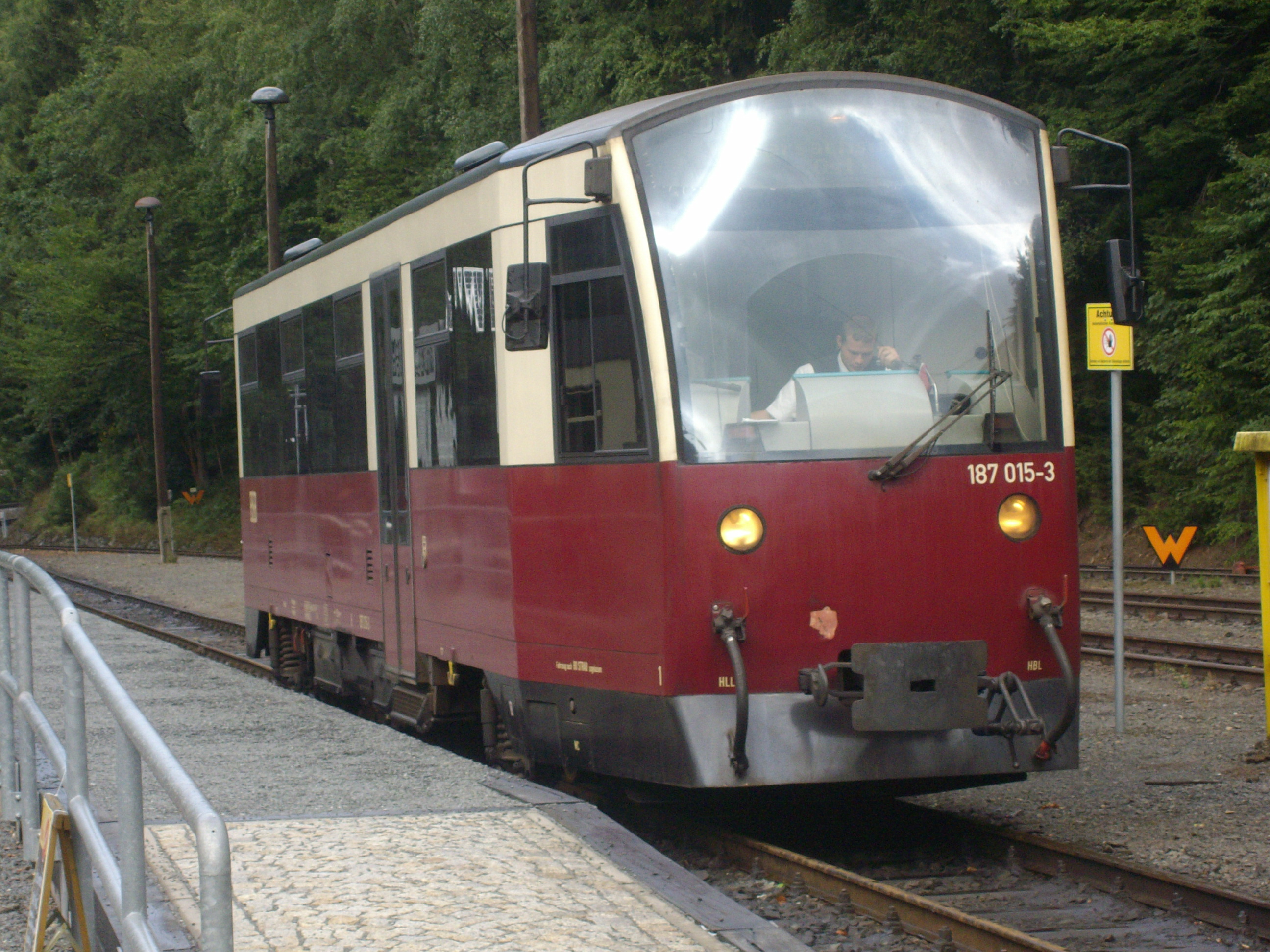
Number 187.015-3 is a prototype railcar of HSB from 1996.


imgp6664.JPG

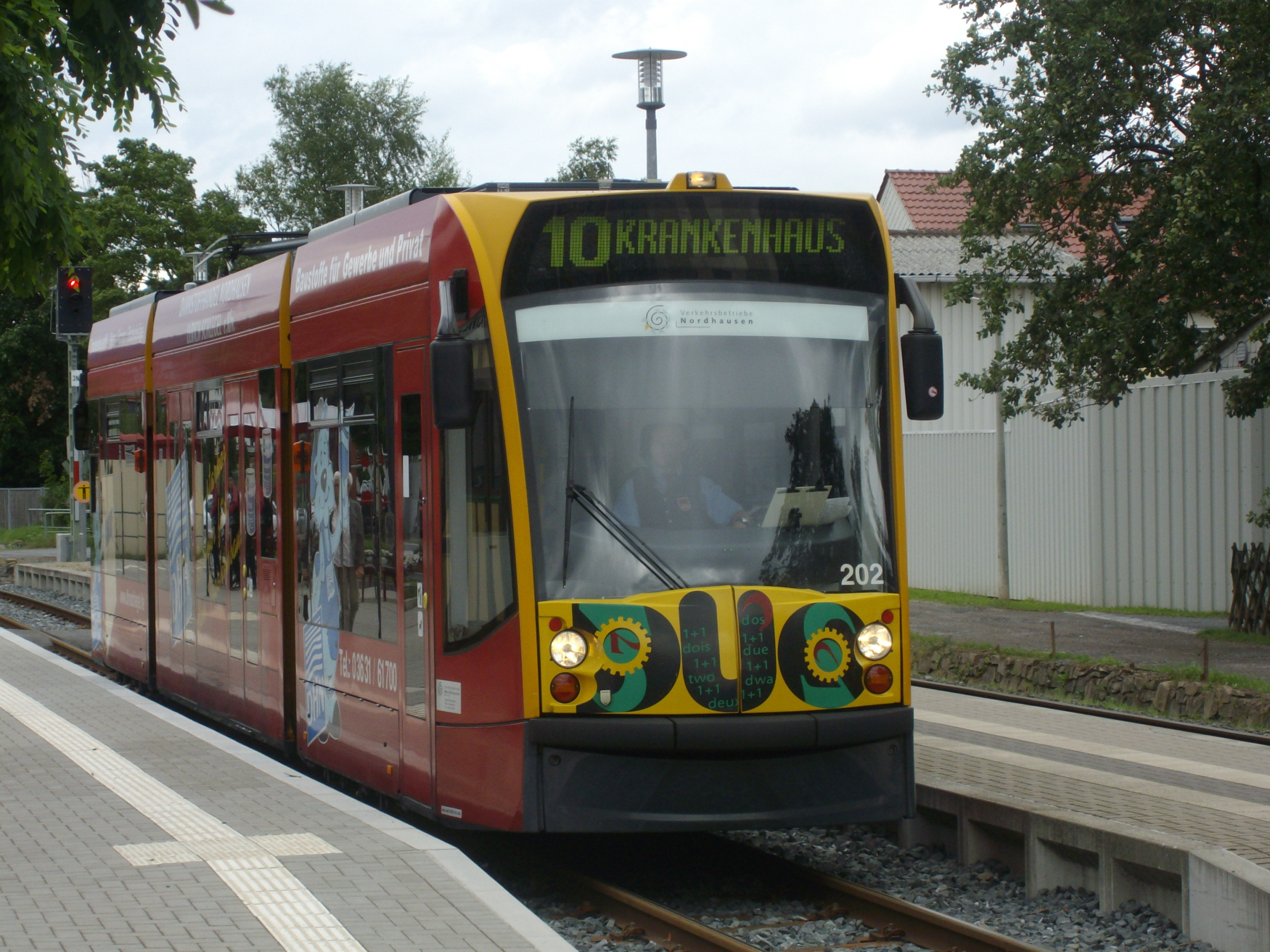
Verkehrsbetriebe Nordhausen GmbH got 3 Combino Duo type vehicles in 2004. They have also a diesel and an electric engines and use a short section of the HSB network.


European narrow gauge steam locomotives in operation

Wales, Isle of Man, Germany, Poland, Latvia, Hungary, Romania, Slovakia, Czechia, Austria


Wales

p1110423.JPG

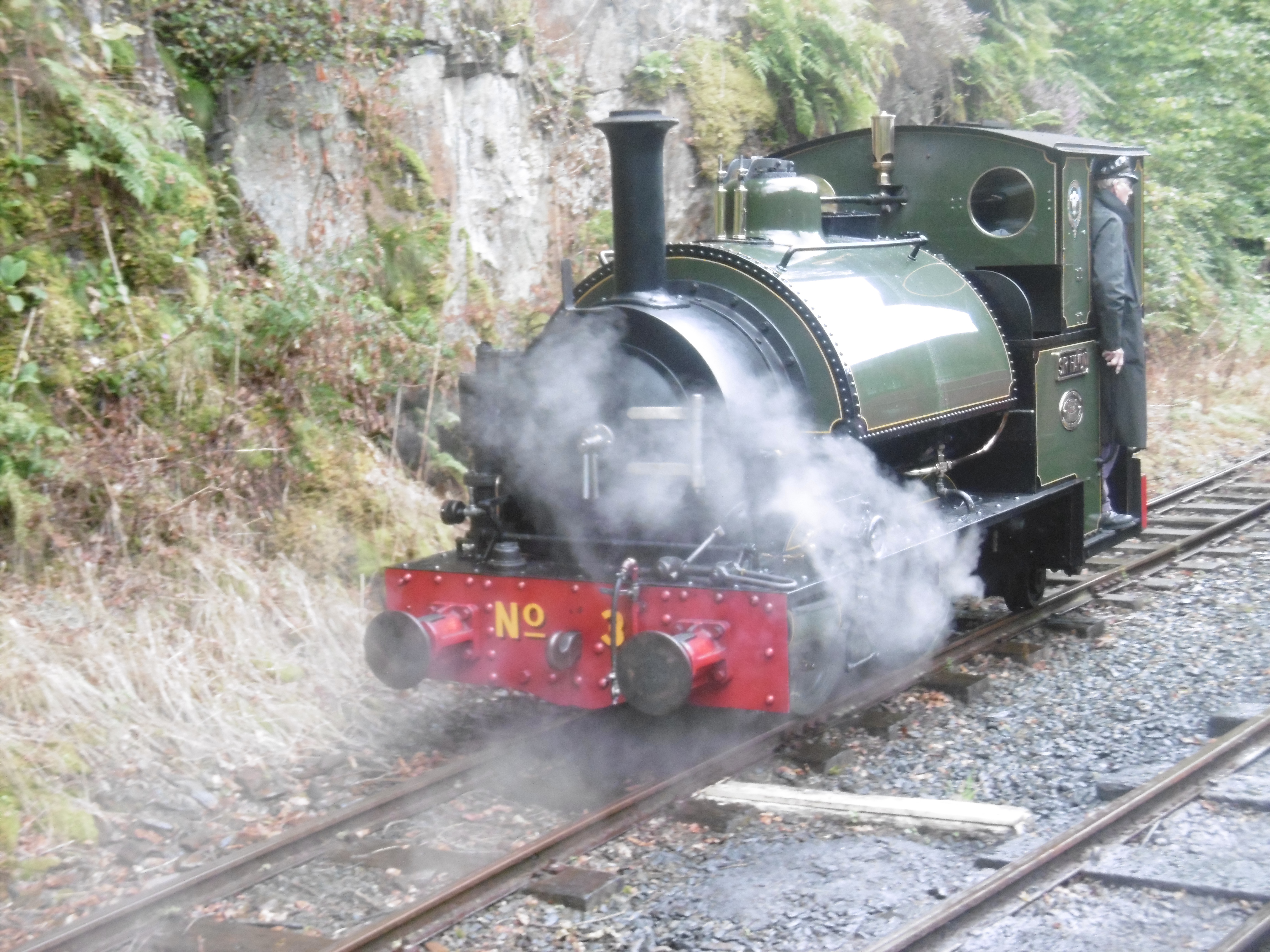
Sir Haydn locomotive is shunting at Nant Gwernol station on the Talyllyn Railway. This tiny steam was built in 1878 and it changed its colour, currently is red.


p1110431.JPG

Edward Thomas is the second youngest steam loco of this museum railway, but it is also over 100 years old.


nr11.JPG

Talyllyn is the oldest locomotive what I have even seen in operation. It was built in 1864.


nr12.JPG

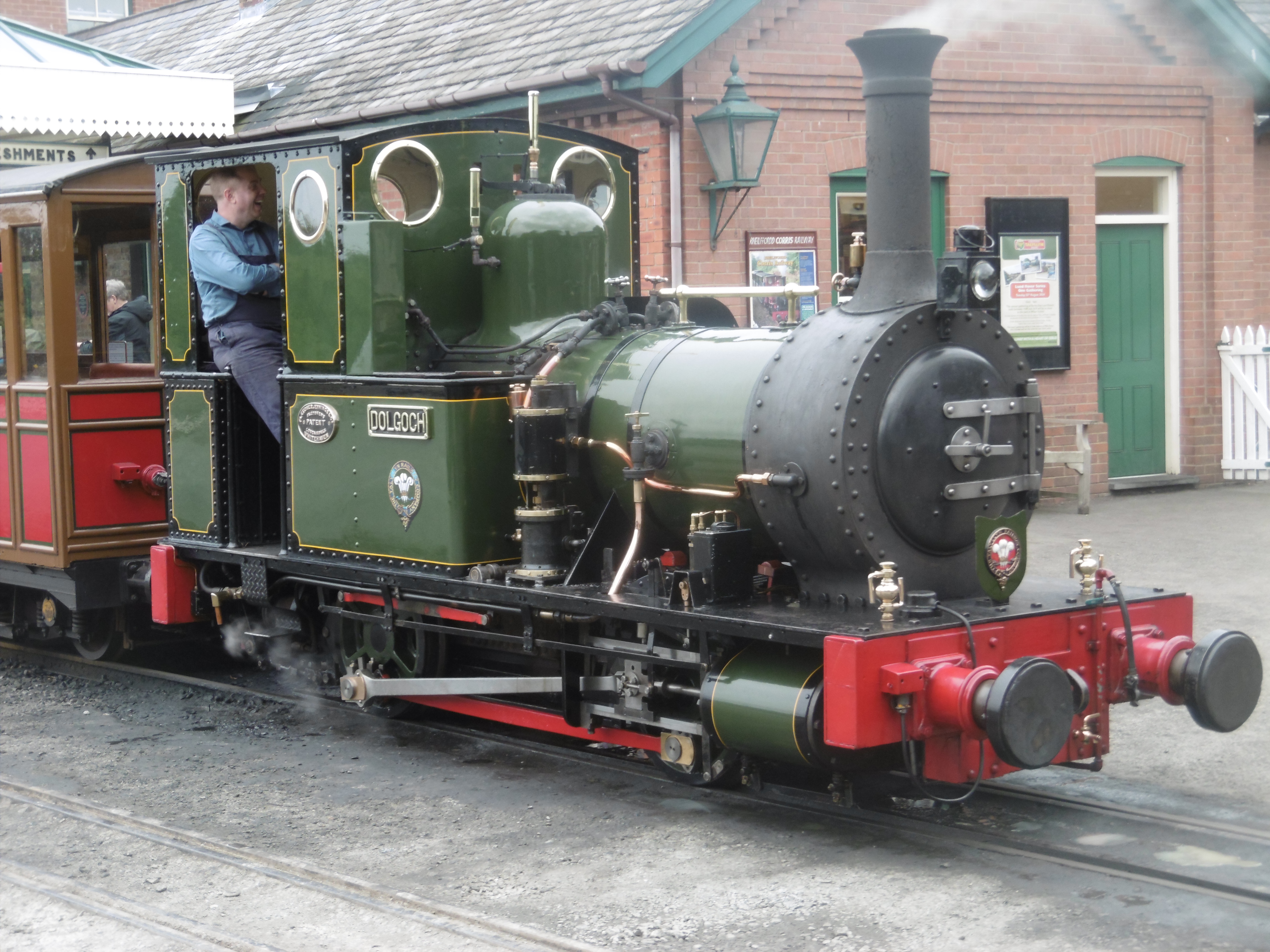
Dolgoch, a cute steam loco from 1866, is about to depart from Tywyn Wharf station.


nr4.jpg

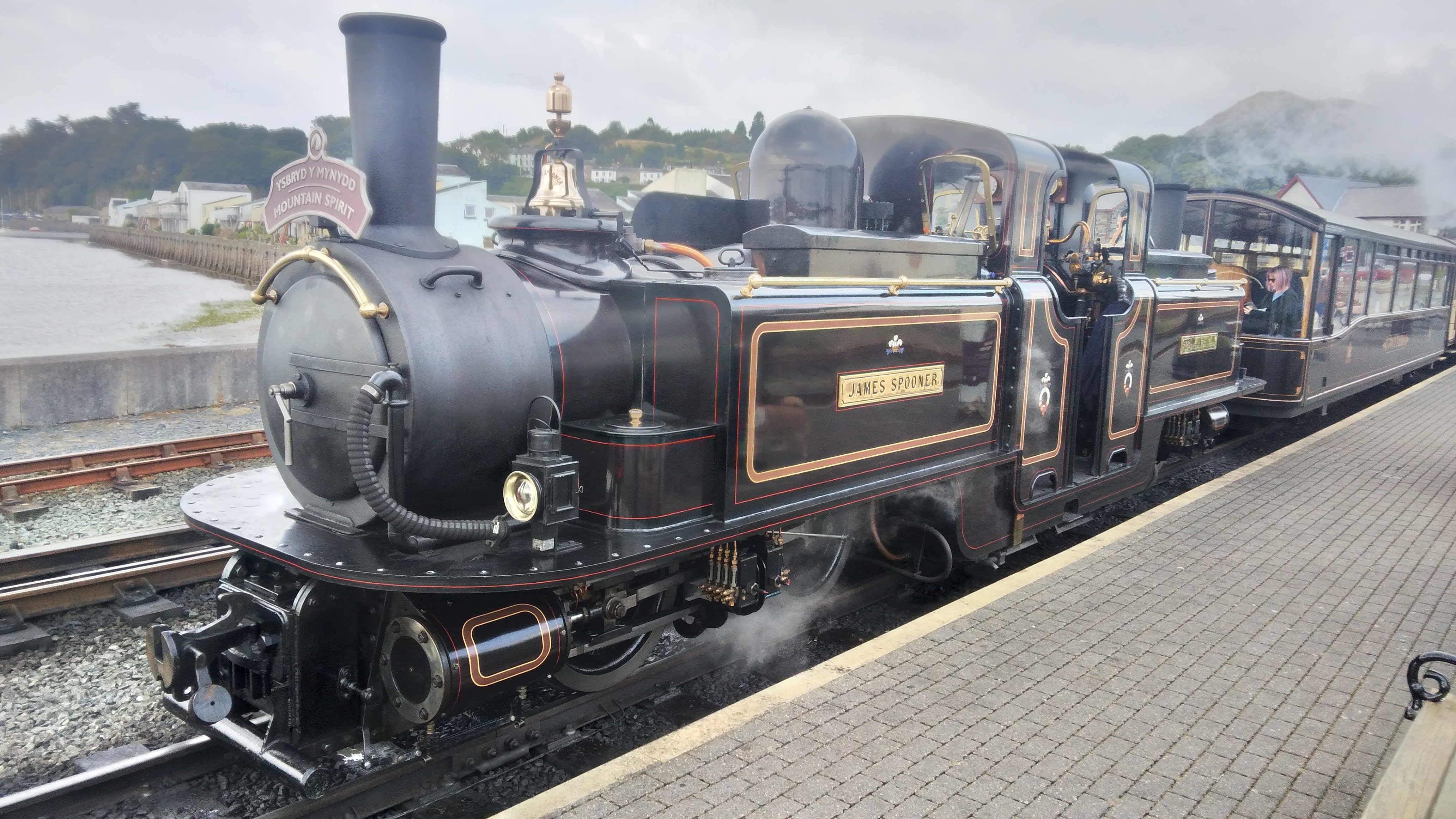
Probably the Ffestiniog Railway is the most famous among of the museum railways of Wales. It is the only place where fairlie steams are in operation. Fairlie locos have double engine and 2 fronts. James Spooner is a new one, was produced in 2023, but the museum railway has some old ones, too.


nr3.jpg

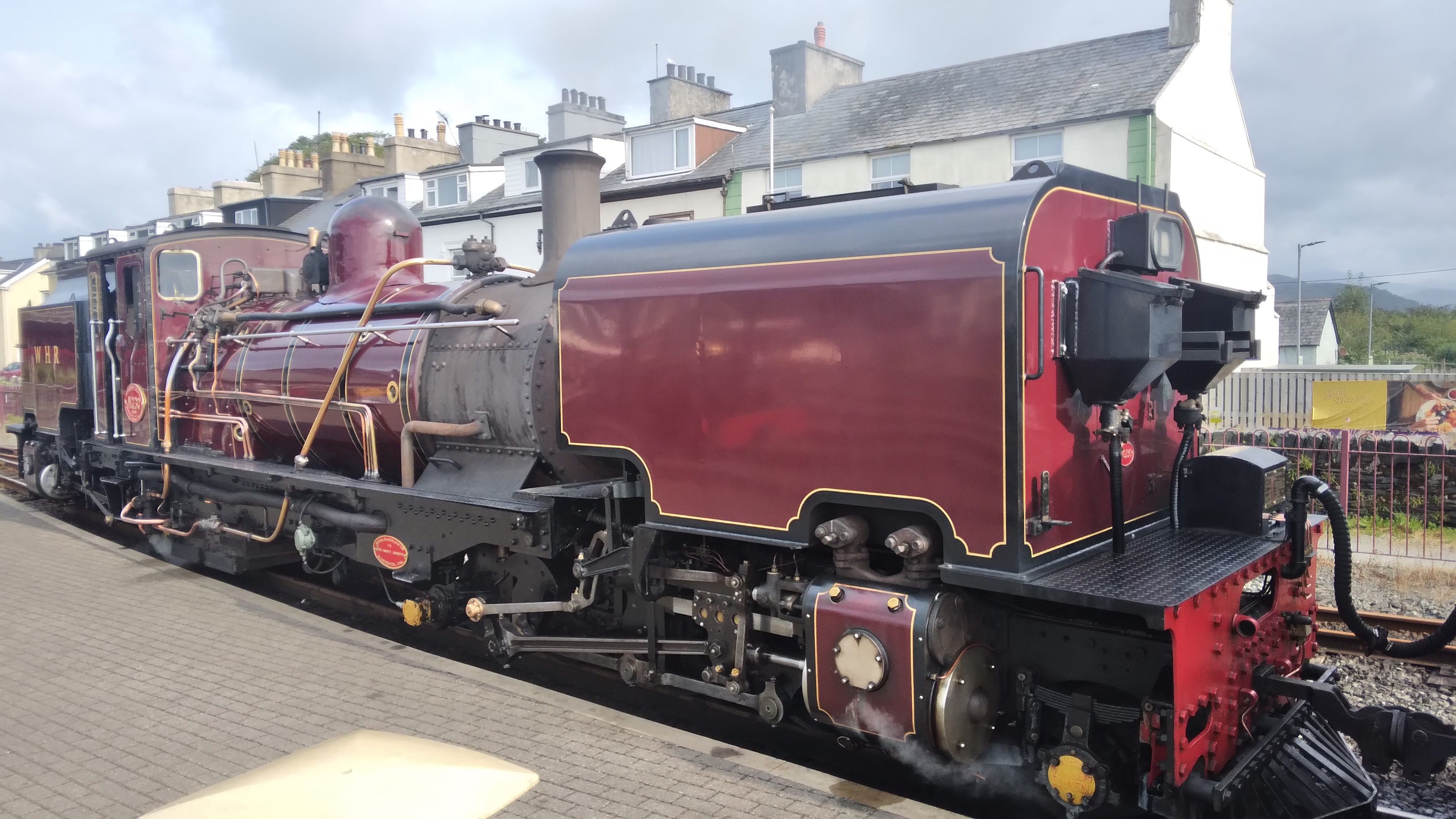
Garratt locomotives were mostly used in Africa. This one was built in Manchester in 1951 and then served in South Africa until 1985. It has been operating on the Ffestiniog & Welsh Highland Railway since 2021.


nr6.jpg

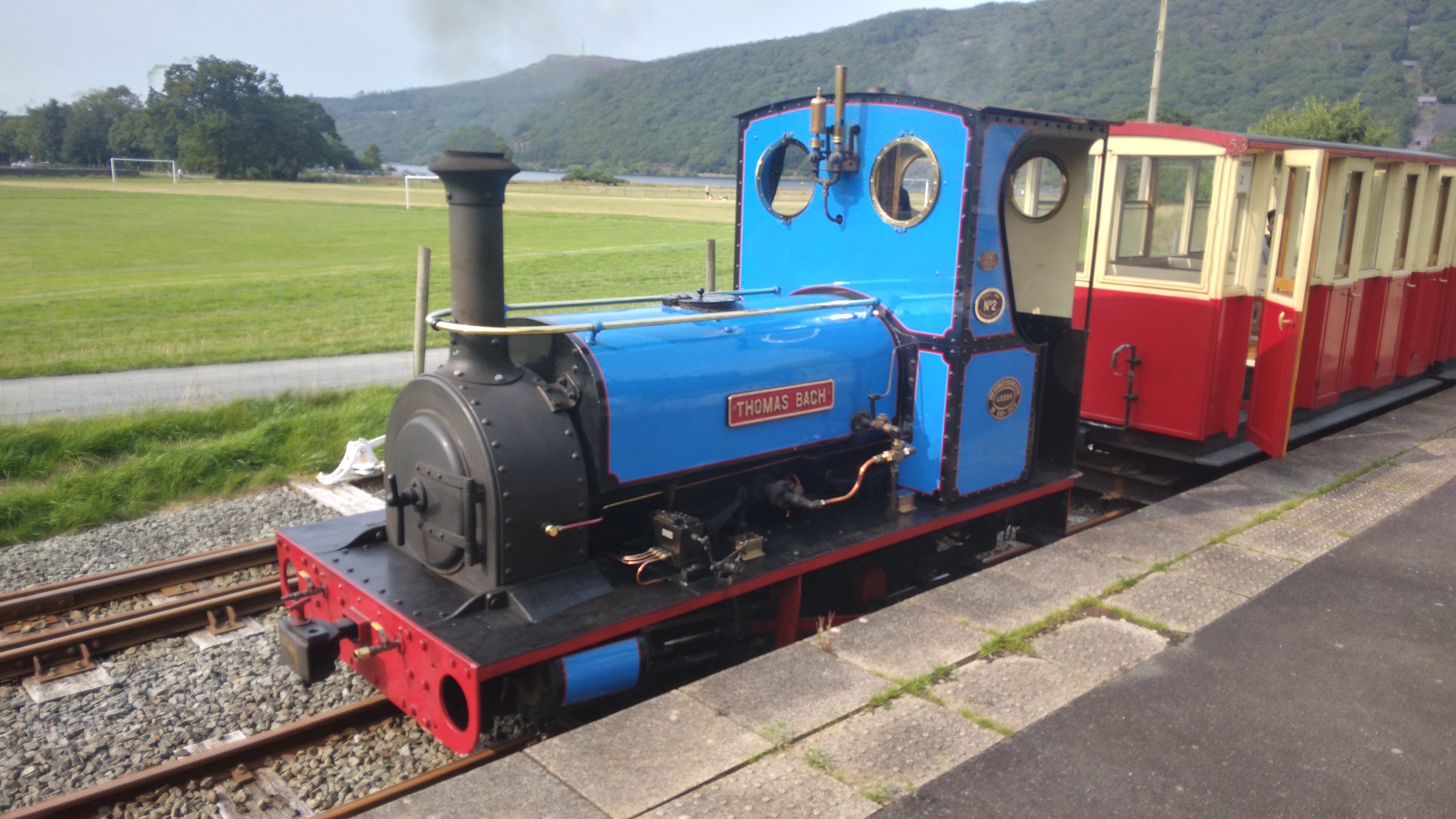
Llanberris is the start station of the Snowdon Mountain Railway. It has also a museum railway next to the lake. Thomas Bach, the tiny steam loco has arrived at the endstation with its red and green carriages. 


Isle of Man

20250503_121249.jpg

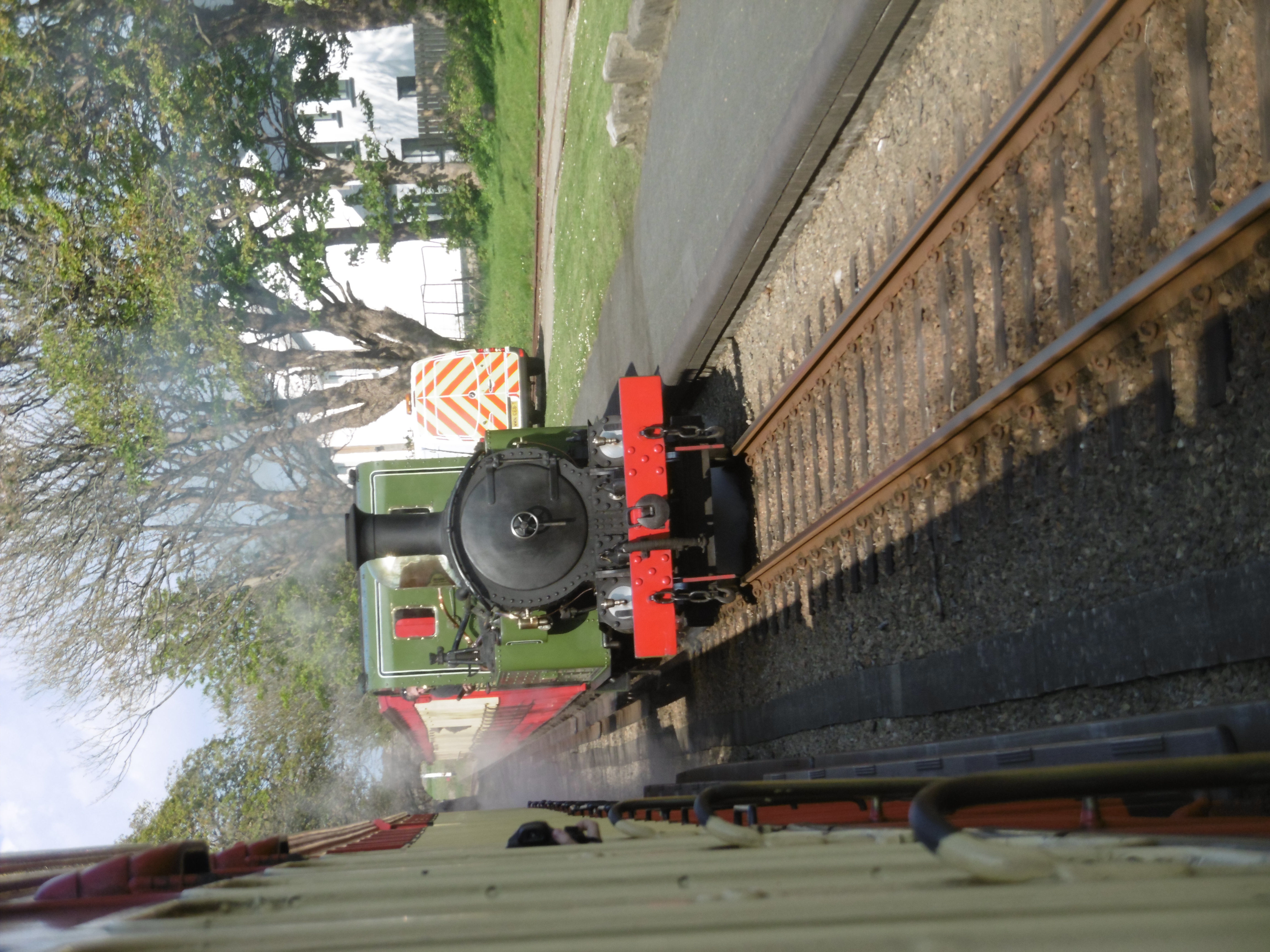
The smallest steam locomotive which has ever pulled my train on the Great Mine Laxey Railway. It is a new one, based on an old plan. They have an other same loco.


20250502_100235.jpg

The Groudle Glen Railway is a 900-meter-long narrow gauge railway operated by railway enthusiasts. Brown Bear is a replica locomotive. It pulled an extra train ordered by German railway fans on our visiting day.


20250503_134951.jpg

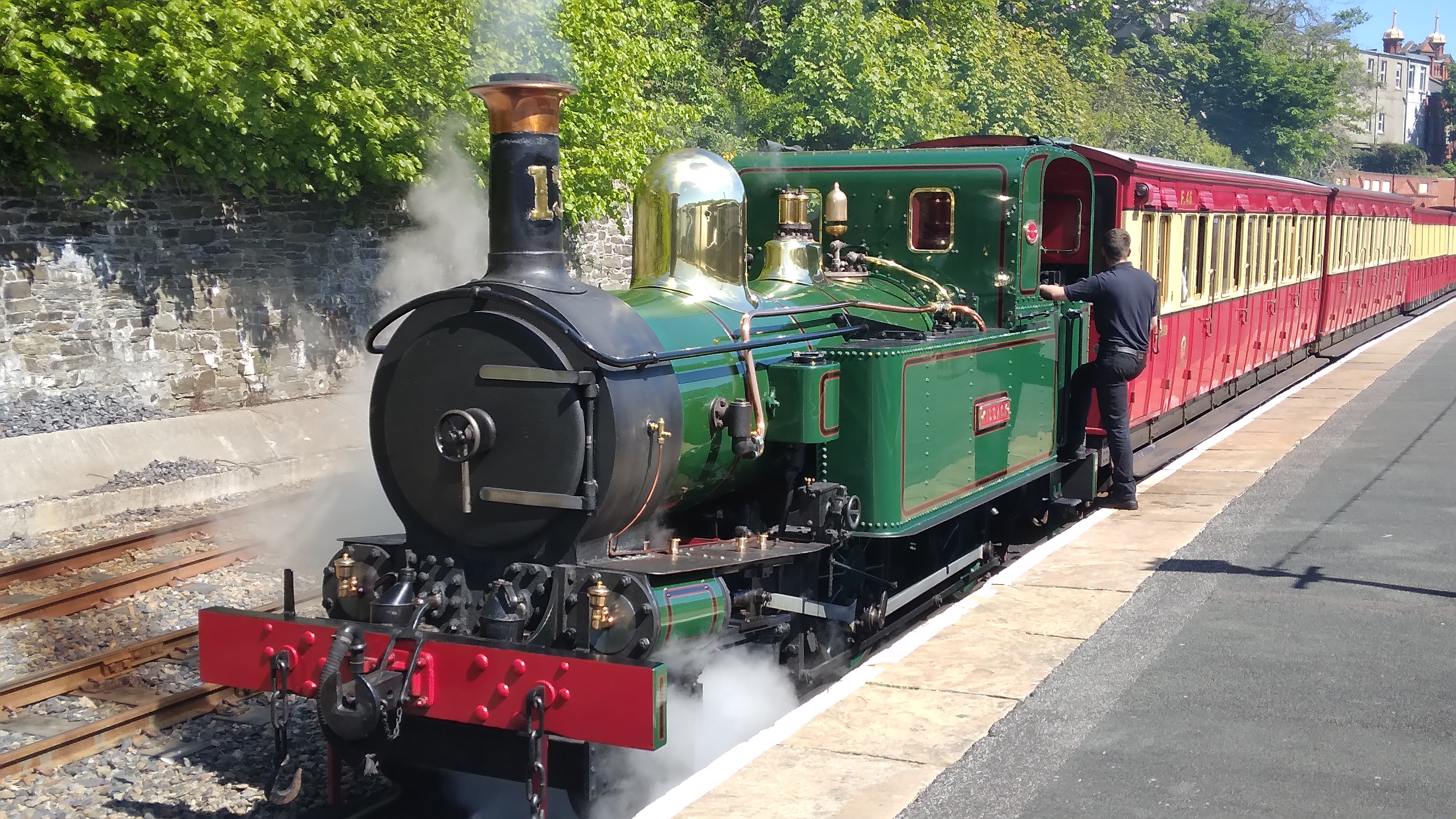
Isle of Man Steam Railway operates only original locomotives of the same local type which started their service there. Kissack (number 13) is one of the operable steams.


p1110864.JPG

Kissack is meeting with the train pulled by Maitland (number 11) at Castletown station.


Germany

imgp5280.JPG

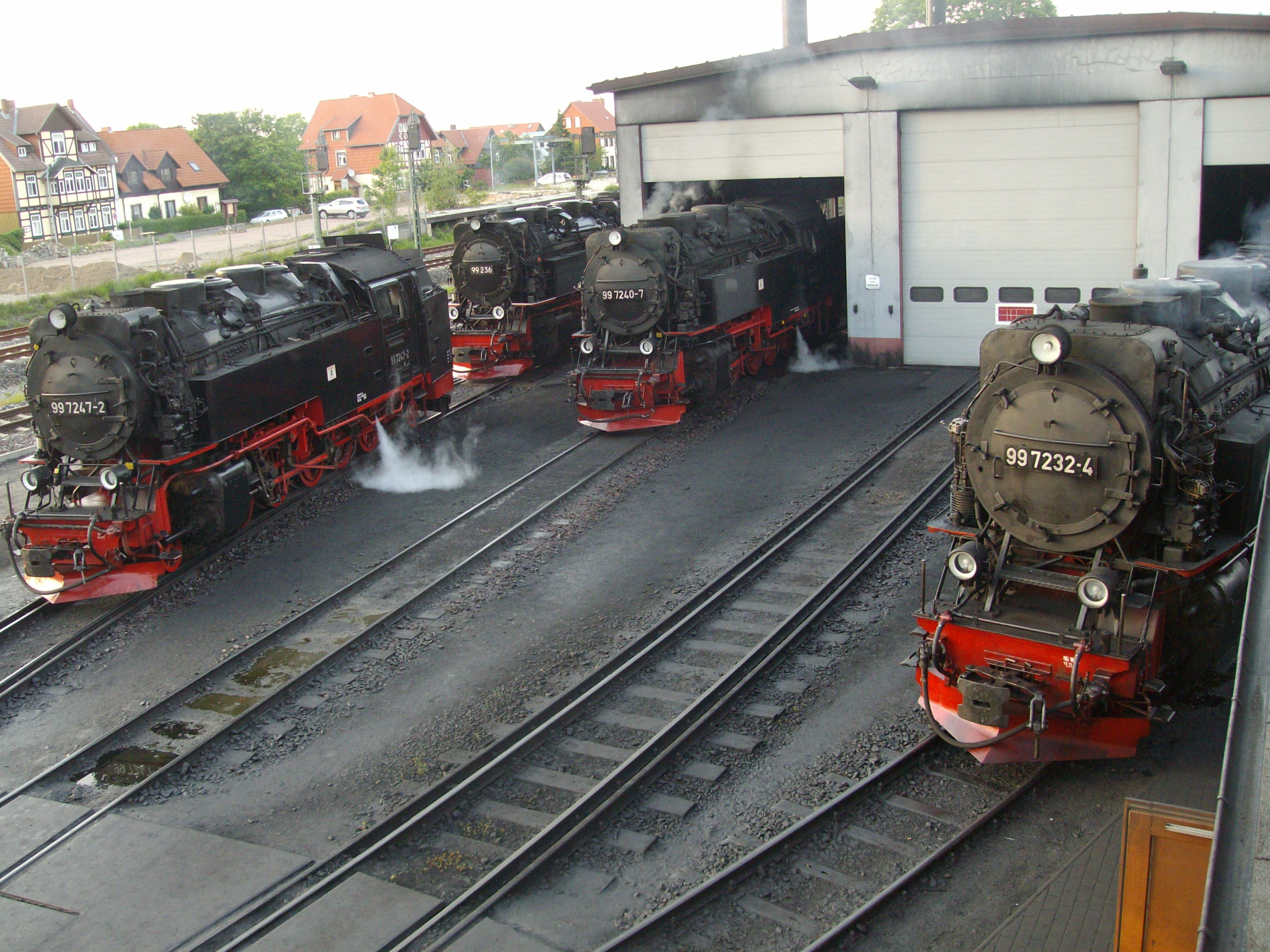
Steam locos from the typical series of Harzer Schmalspurbahnen in Wernigerode. They were built after WW2.


imgp6622.JPG

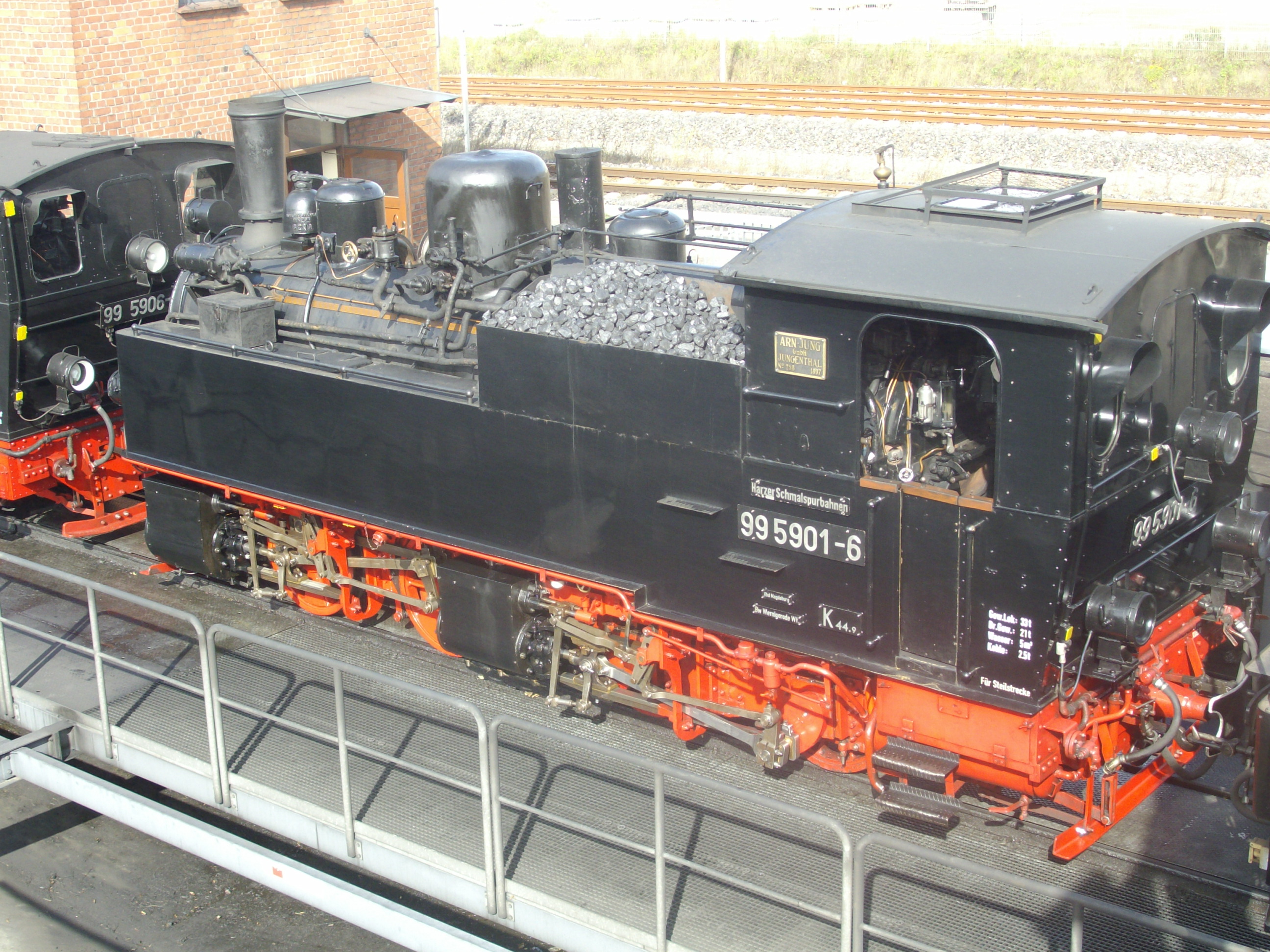
HSB owns also few Mallet steam locomotives but they rarely run. This is the oldest one, around from 1900. 


imgp6637.JPG

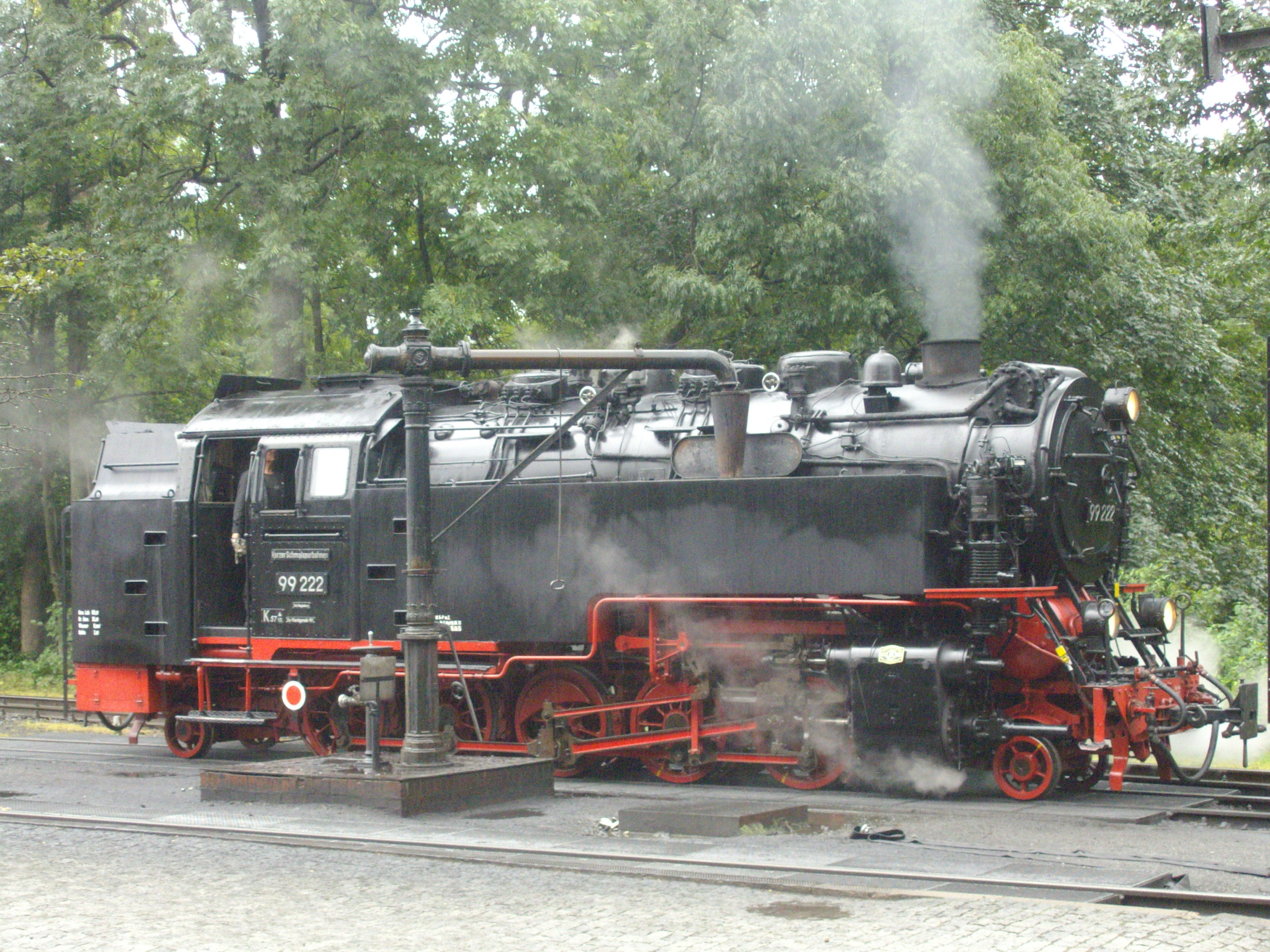
99-222 is the only high performance steam loco of HSB from before WW2.


p1000969.JPG

 Zittauer Schmalspurbahn has similar locomotives from the 1920s. This one is waiting for the departure time in Kurort Oybin.


Poland

p1090271.JPG

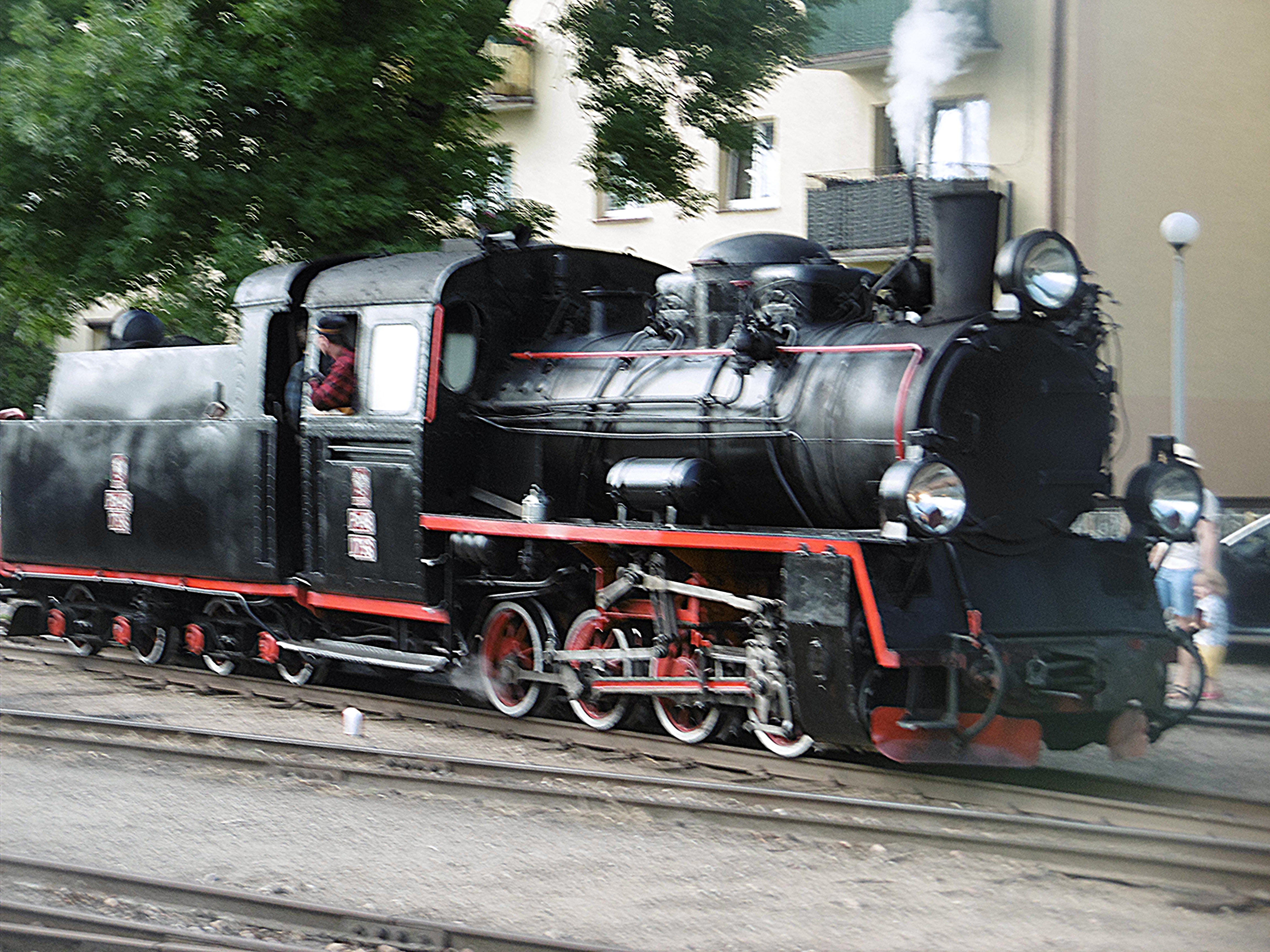
Px48 is a common steam loco series in Poland. I traveled with this between Środa Wielkopolska and Zaniemyśl.


p1050488.JPG

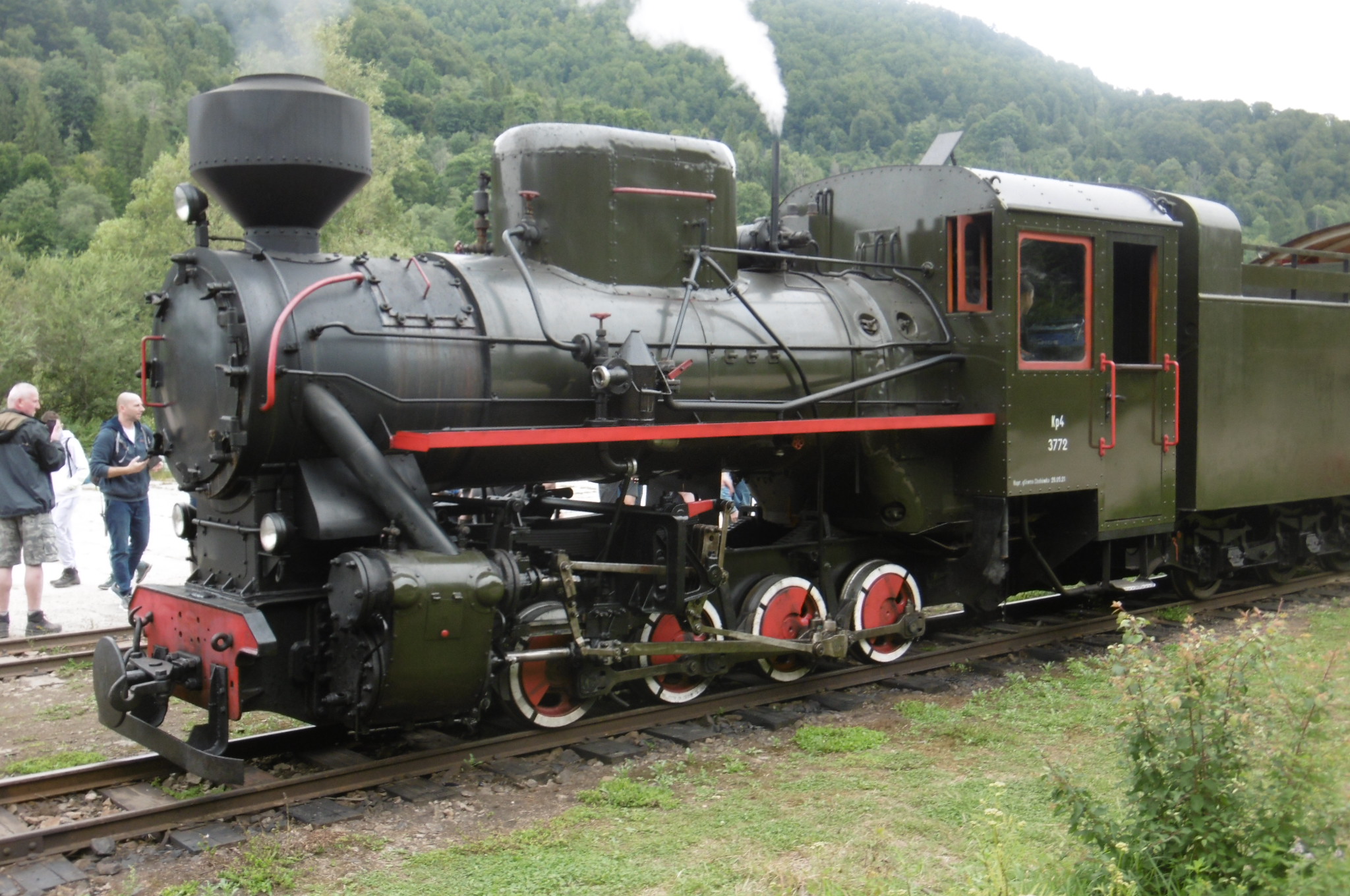
Bieszczadzka Kolejka Leśna is a narrow gauge railway in South-Eastern Poland. Steam locomotives of Kp4 series were common here after 1957, but this one arrived from a sugar factory.


Latvia

p1090108_1.JPG

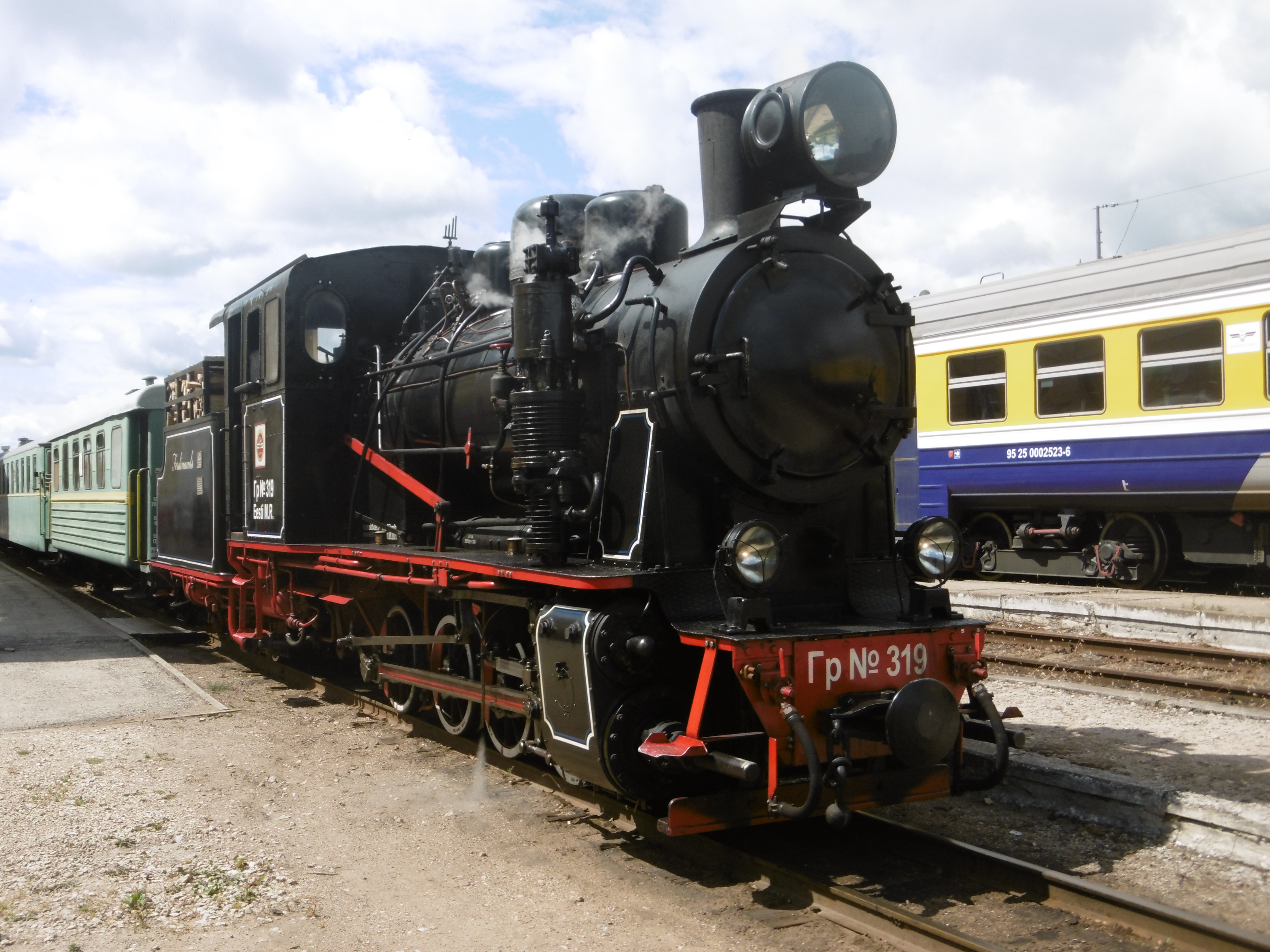
The only daily operating narrow gauge line in the Baltics is situated between Gulbene and Alūksne. In summer some weekends there are steam loco pulled trains, usually by Ferdinands (Gr-319) from 1951.


Hungary

imgp0926.JPG

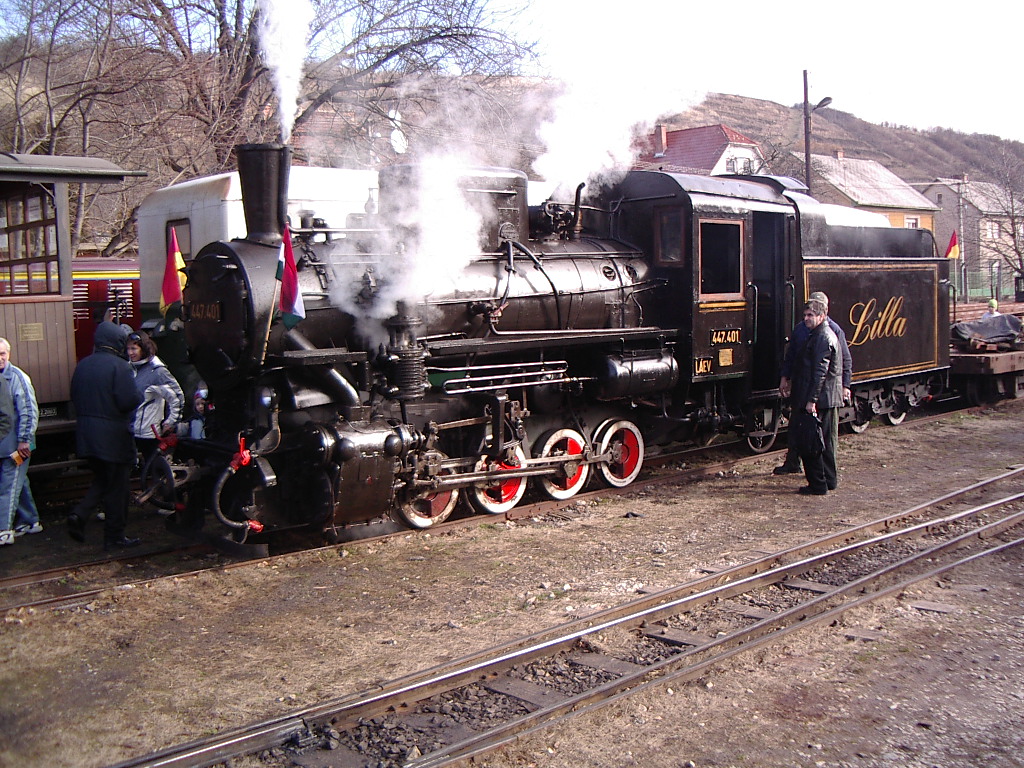
 447-401 (Lilla) is a steam locomotive of LÁEV but unfortunately is out of service since 2011. This type was produced in MÁVAG in the 1950s. It has a tender like the previous Polish and Latvian locos.


20240525_114059.jpg

"Triglav" is the oldest operating narrow gauge locomotive in Hungary. It runs on the Forestry Museum Railway of Kemence. It was built by Krauss Factory in München and originally worked near the Triglav summit. 


zsuzsivasut2.JPG

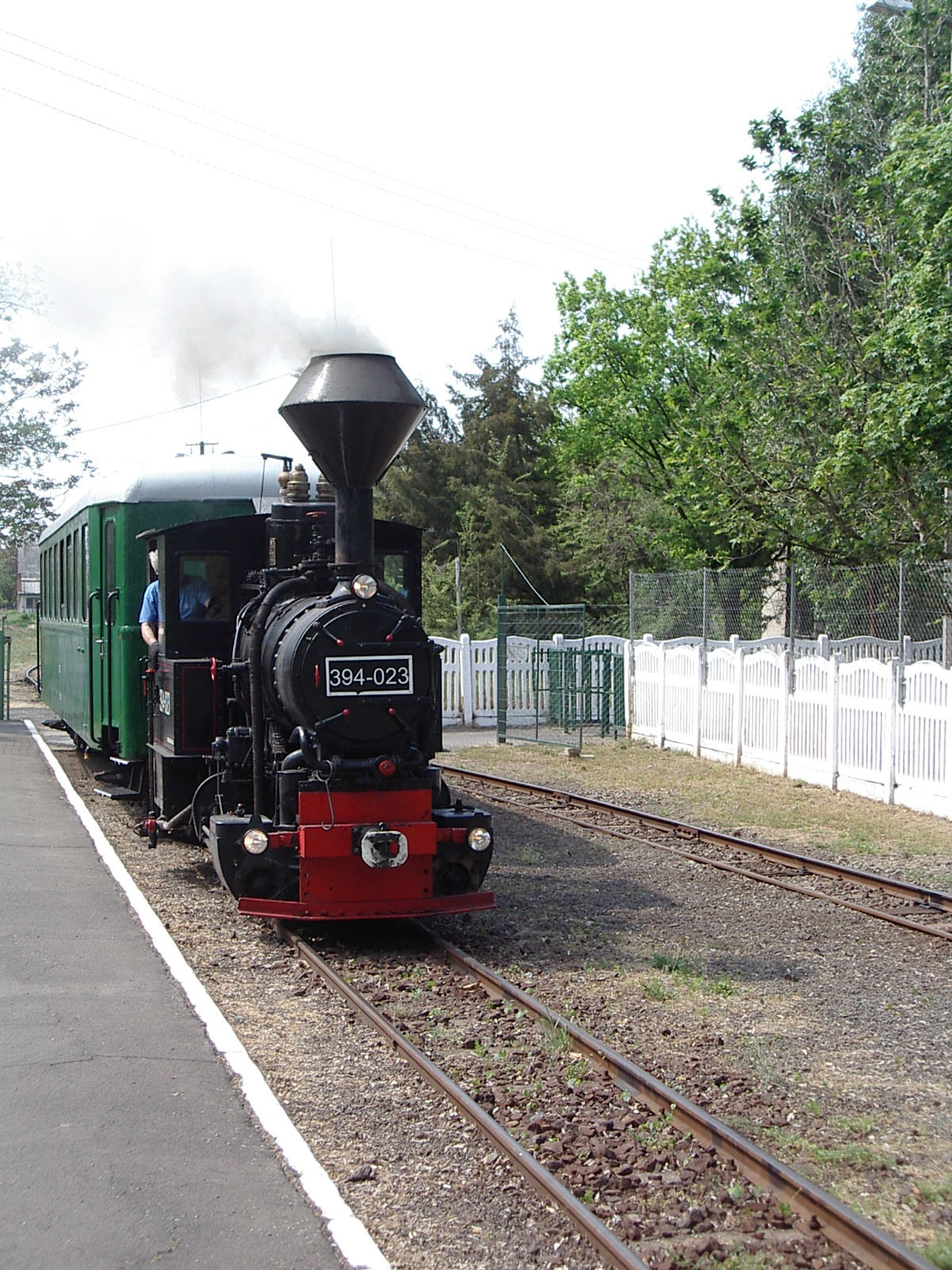
394 was a series of tiny steam locomotives by MÁVAG. Number 023 was produced in 1923 and had served different places before arrived in Debrecen in 2006. It pulls special trains.


p1020584.JPG

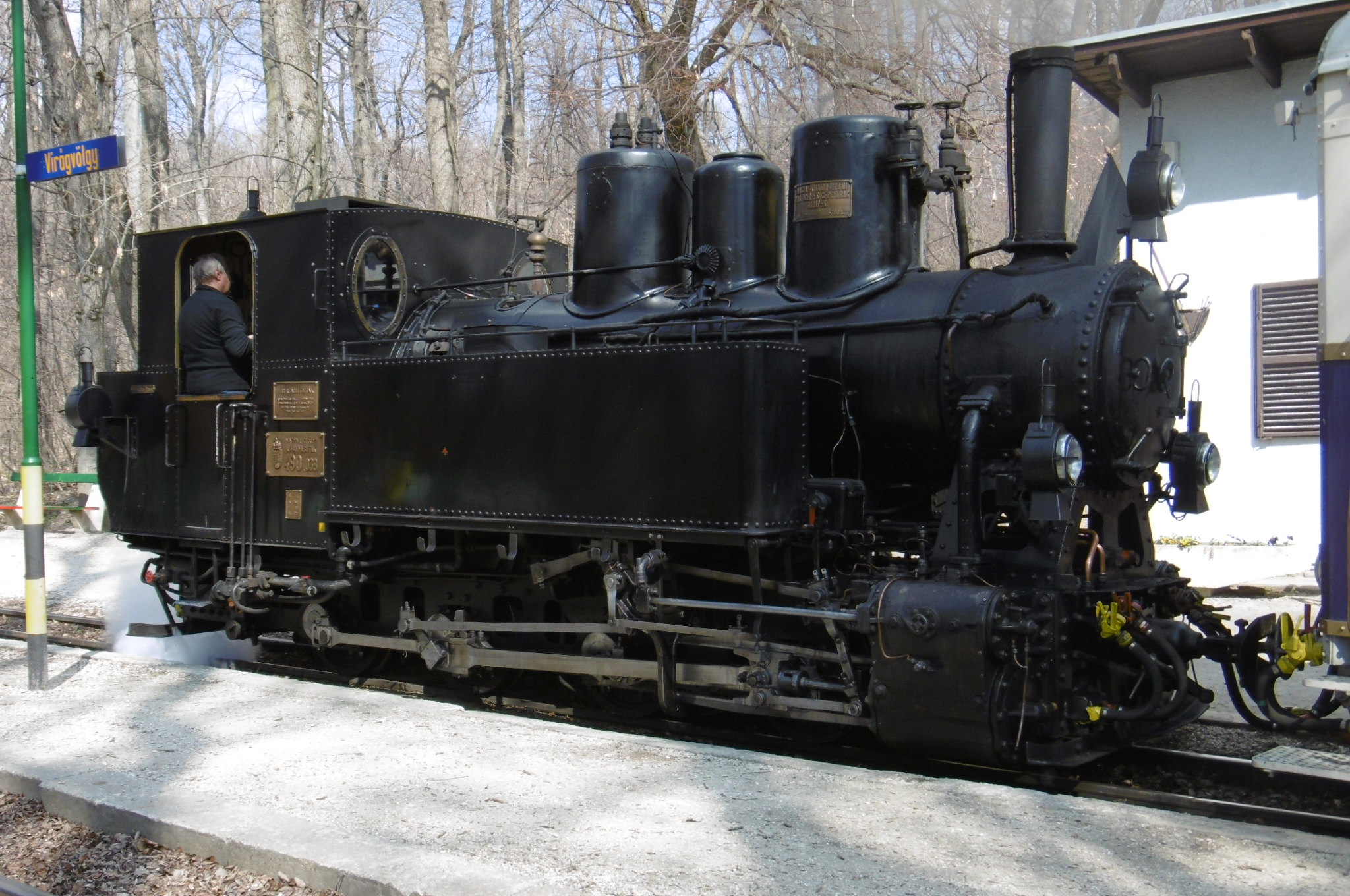
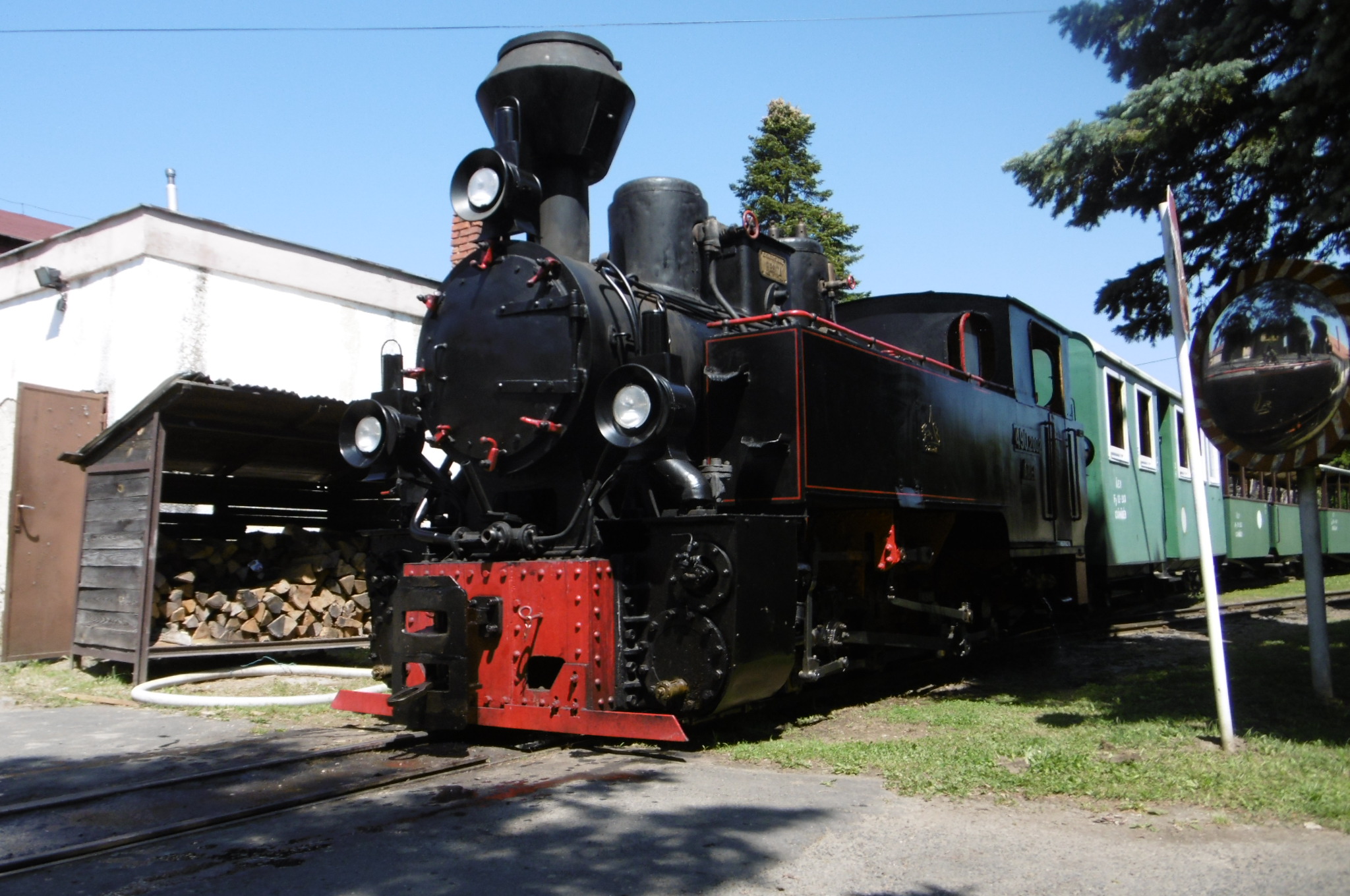
MÁVAG has been produced type 490 steam locomotives for decades. The Children's Railway in Budapest has two operable steams of them. 490-039 was built in 1942. 


imgp5589.JPG

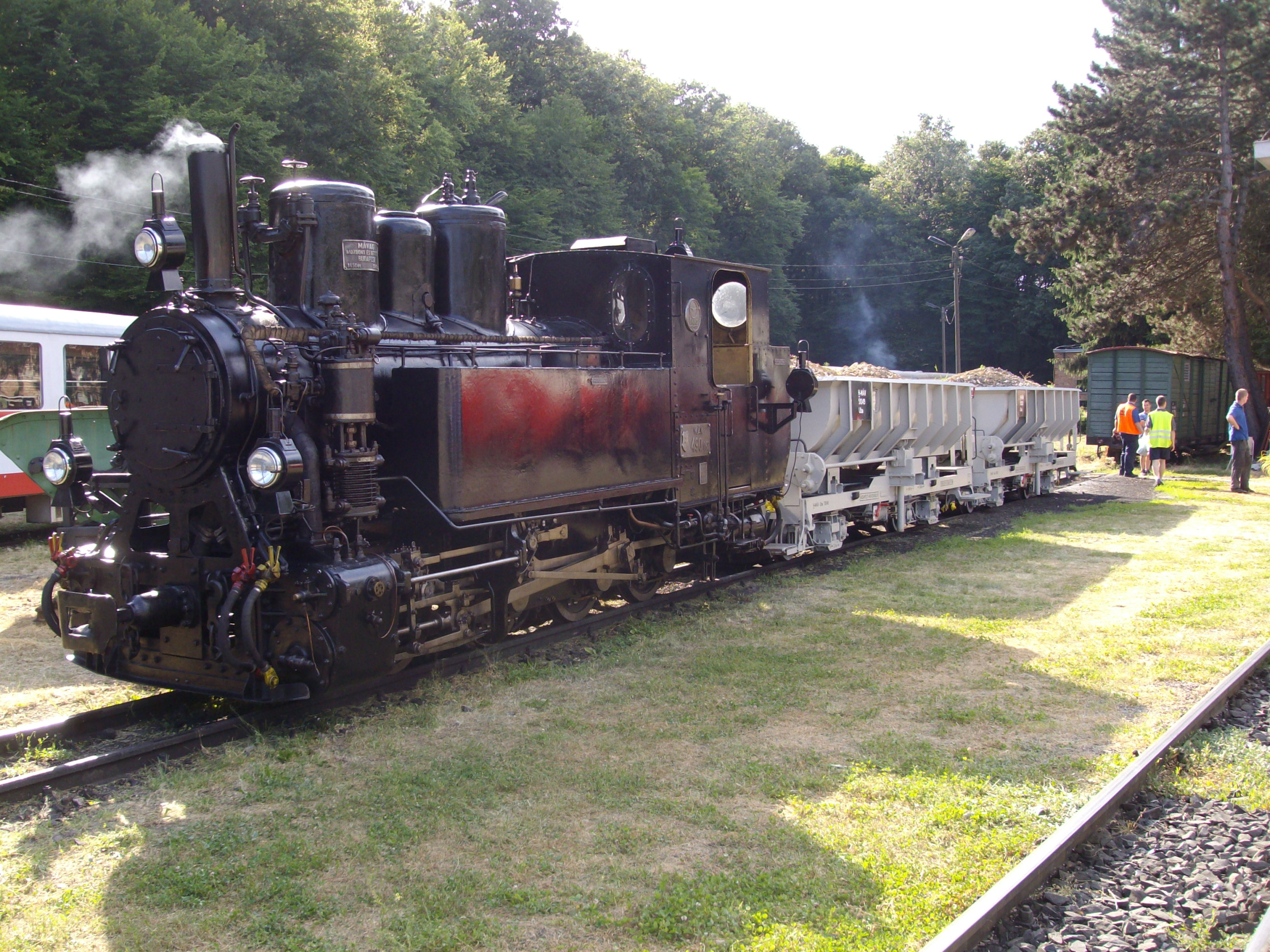
490-056 was built in 1950. There is one more operable loco of this original series in Hungary in Balatonfenyves.


p1040066.JPG

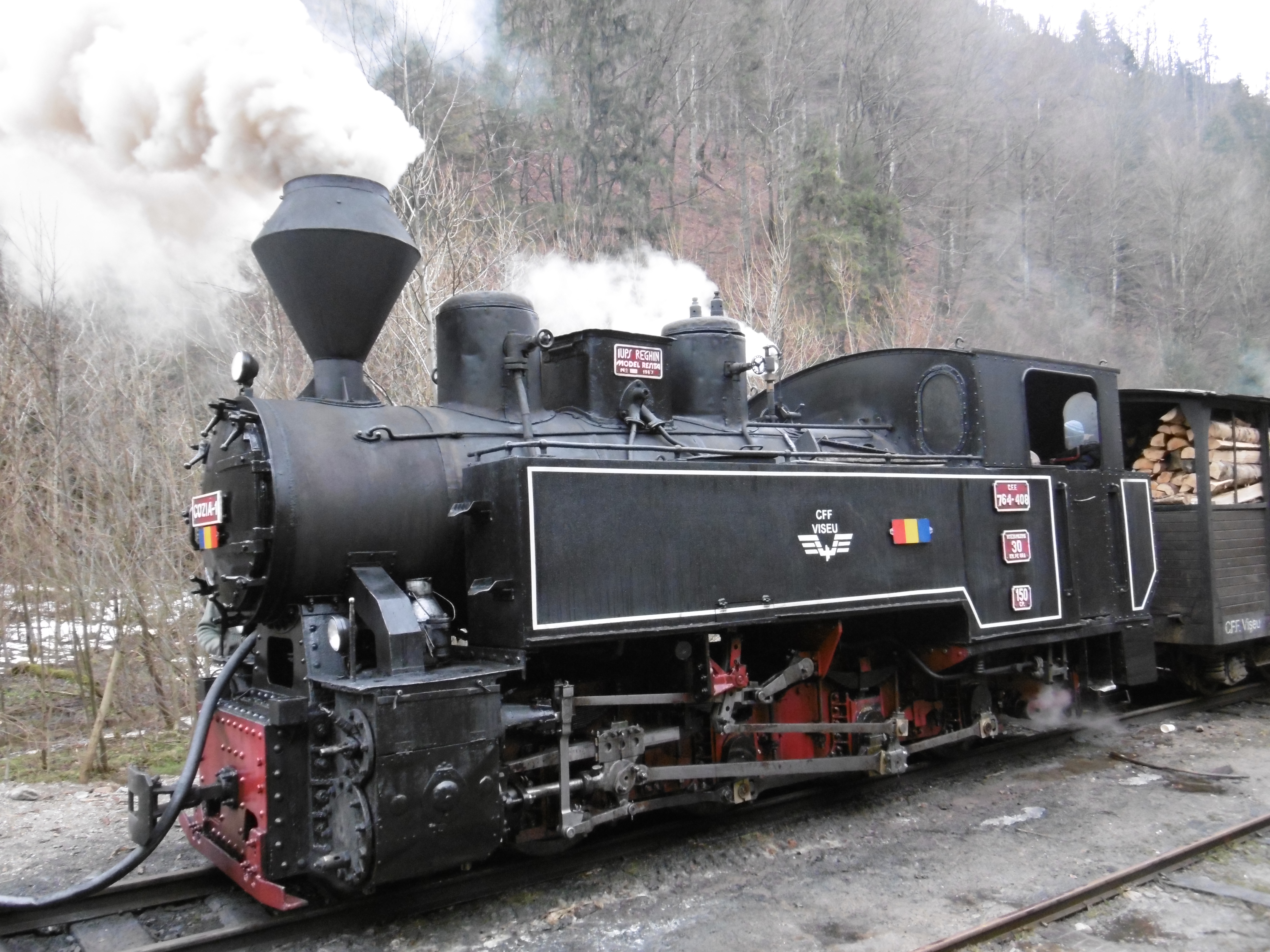
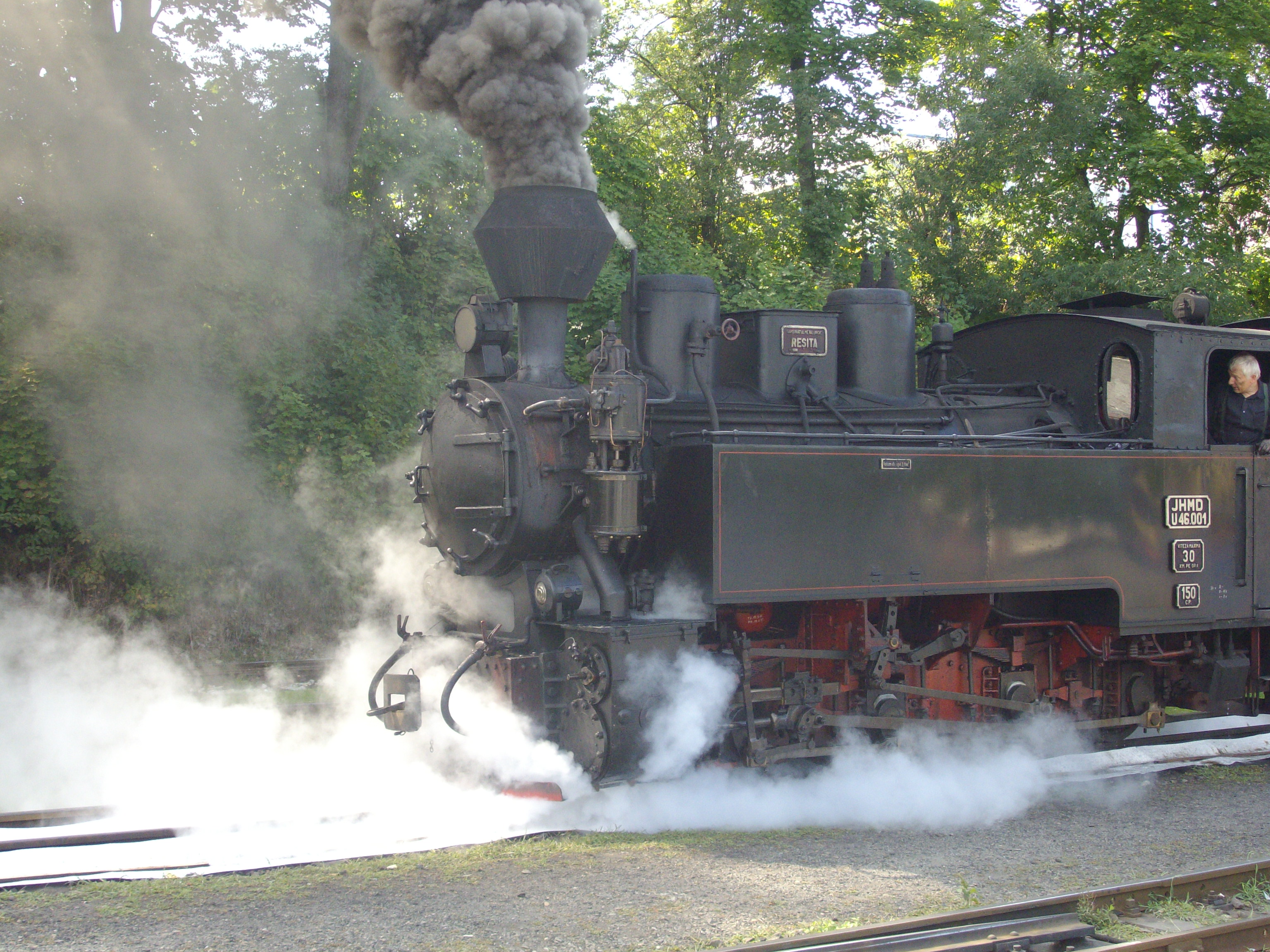
Romania produced very similar steam locomotives to MÁVAG 490 series. Most of them were built in Reșița which became the nickname of them. "Ábel" from 1955 runs on the forestry railway of Csömödér.


Romania

p1000470.JPG

A "Reșița" in their homeland, in Romania is filling water on the Vaser Valley Forestry Railway which is the most famous narrow gauge railway of the country. "Mocăniță" is the Romanian nickname of narrow gauge steams.


Slovakia

imgp3739.JPG

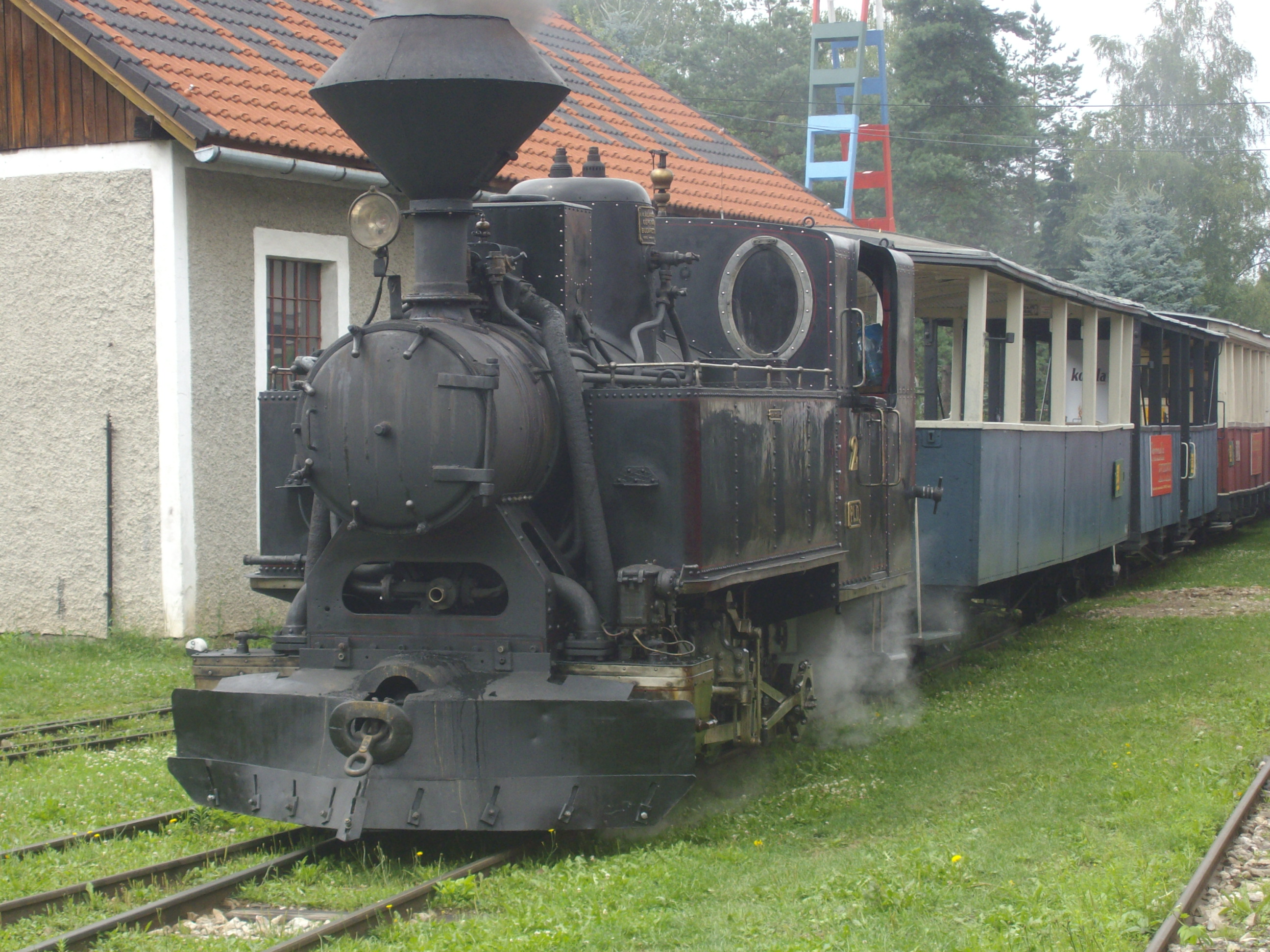
MÁVAG series 492 locomotive on the Čiernohronská železnica (ČHŽ) from 1916. It is very similar to type 490. This forestry railway has other operable steams and some interesting diesel vehicles, too.


Czech Republic

imgp7877.JPG

The "Reșița" of JHMD is departing from Jindřichův Hradec. This railway was closed for few years, was reopened in 2024 but its future is still in danger.


p1100961.JPG

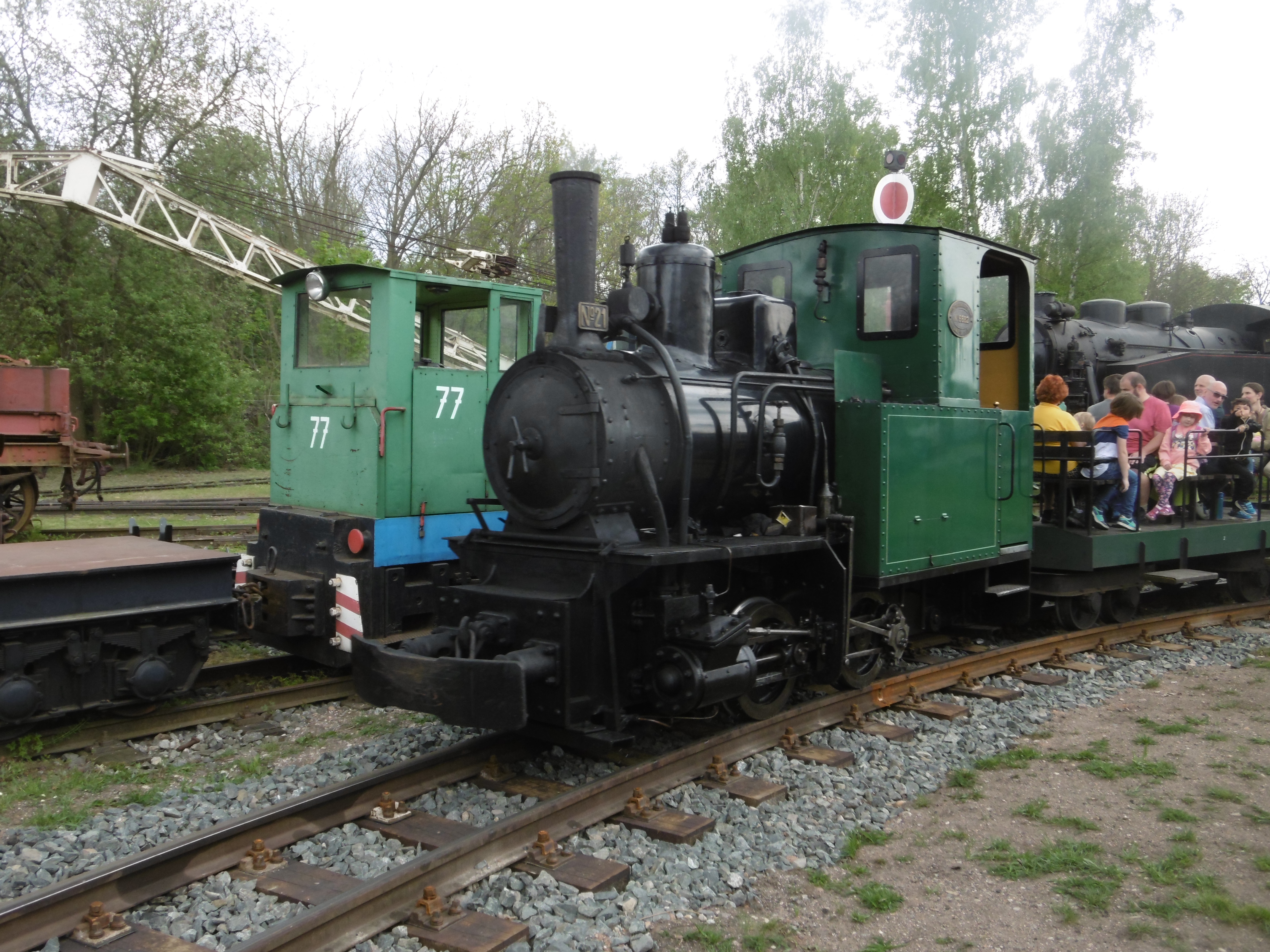
The Czech Railway Museum in Lužná u Rakovnika has a short narrow gauge track. This popular tiny steam (produced by Krauss in Linz in 1912) runs there.


Austria

p1030327.JPG

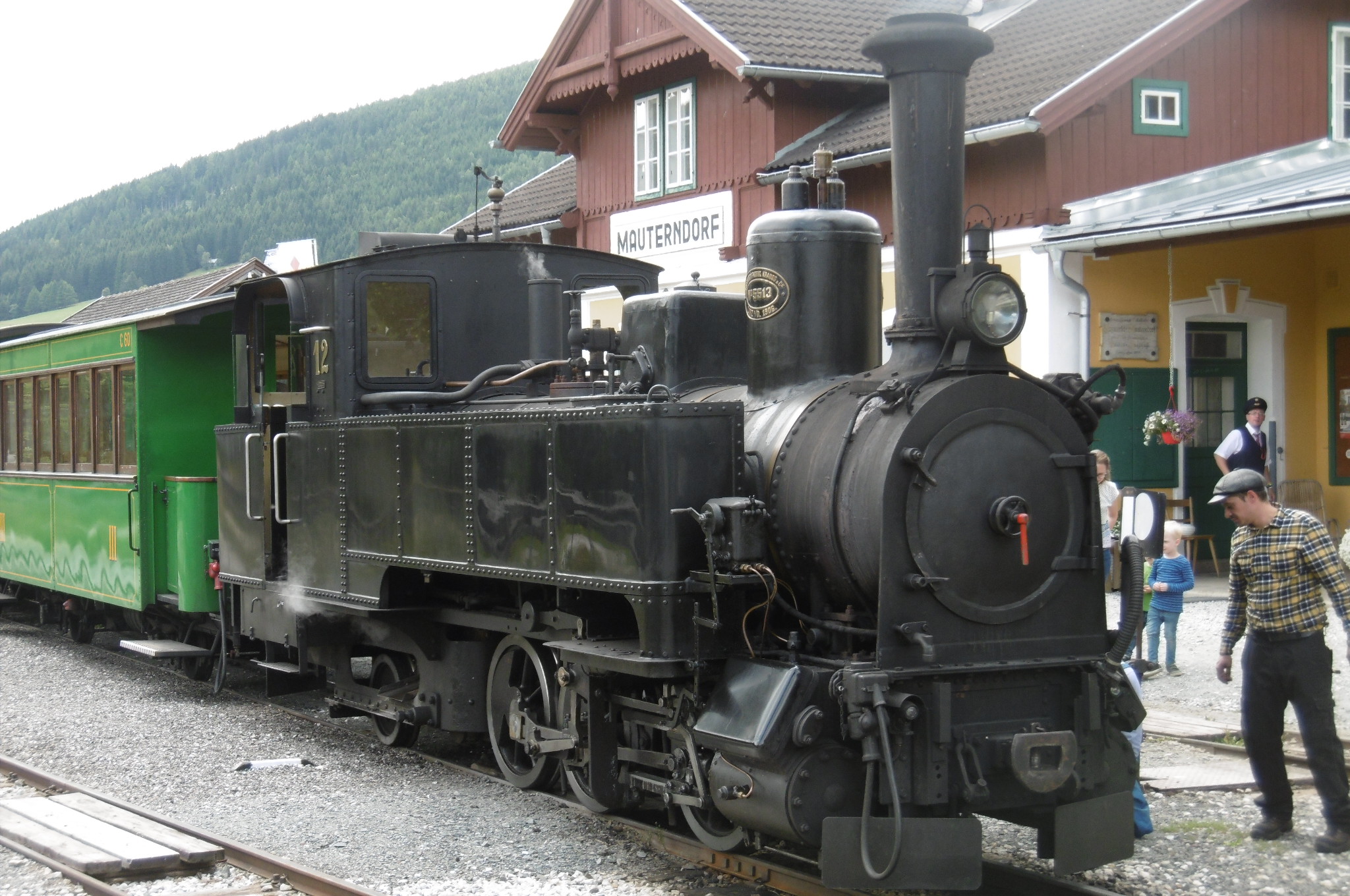
 An other Krauss steam locomotive from 1906 on the Taurachbahn in Mauterndorf. This railway is operated by railway enthusiasts.


achenseebahn.JPG

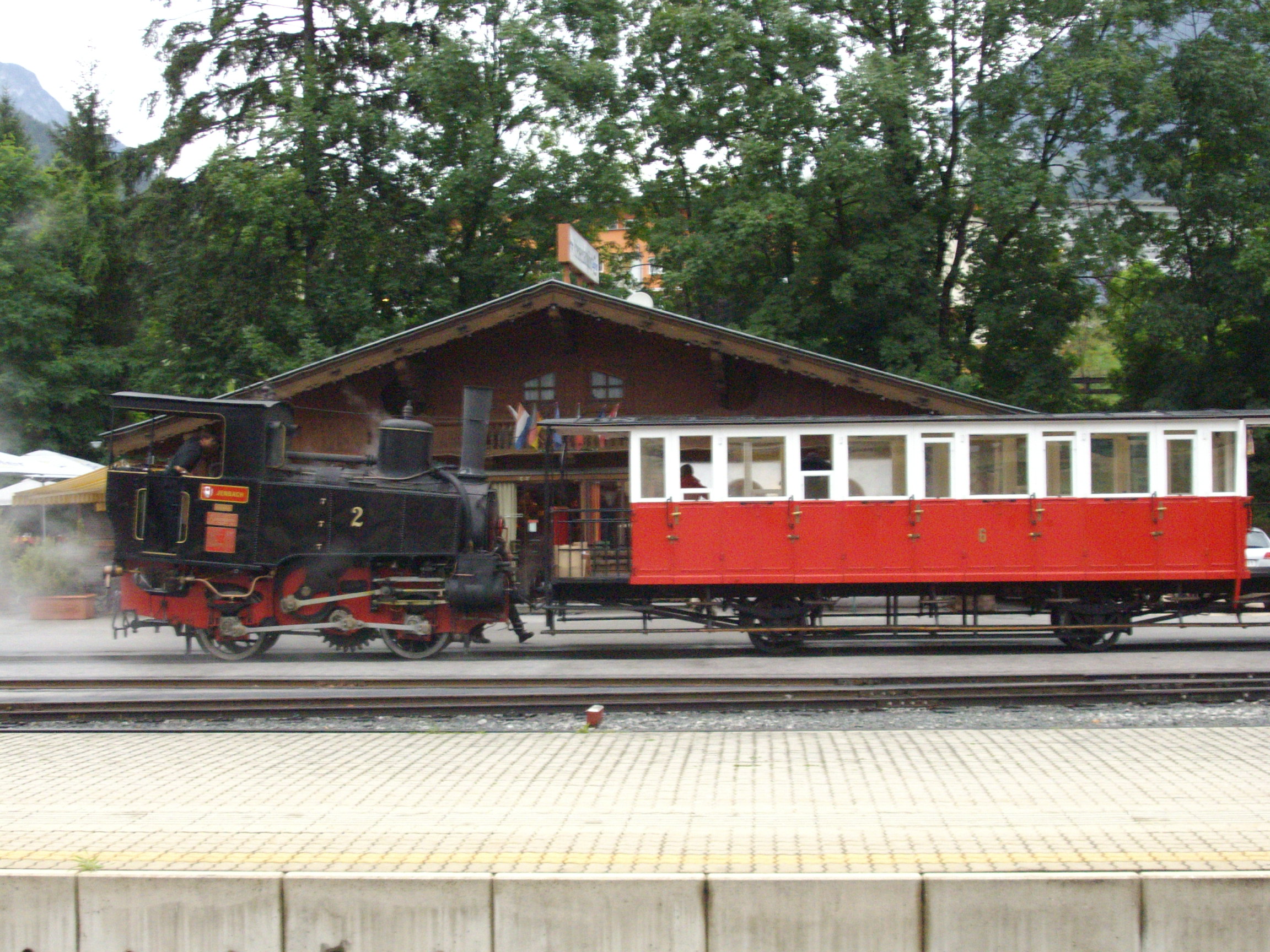
 Achenseebahn is a meter gauge rack railway in Tyrol. Its steams were produced in 1889 in Wien, in Floridsdorf.


süti beállítások módosítása